🏭 Looking for a Custom Apparel Manufacturer?
We are a leading OEM/ODM clothing factory with 20+ years of export experience. Custom styles, flexible MOQs, and retail-ready quality.
Most people think a great outfit is all about the brand or the color—but professional stylists know the real secret is in the geometry of the hemline. If you’re petite or pear-shaped, following generic fashion advice can be a disaster for your proportions. Today, we’re revealing the ‘Golden Hemline Rules’ used by experts to elongate the legs and slim the hips. Ready to discover which specific cut will make you look 5kg slimmer the moment you step out the door?
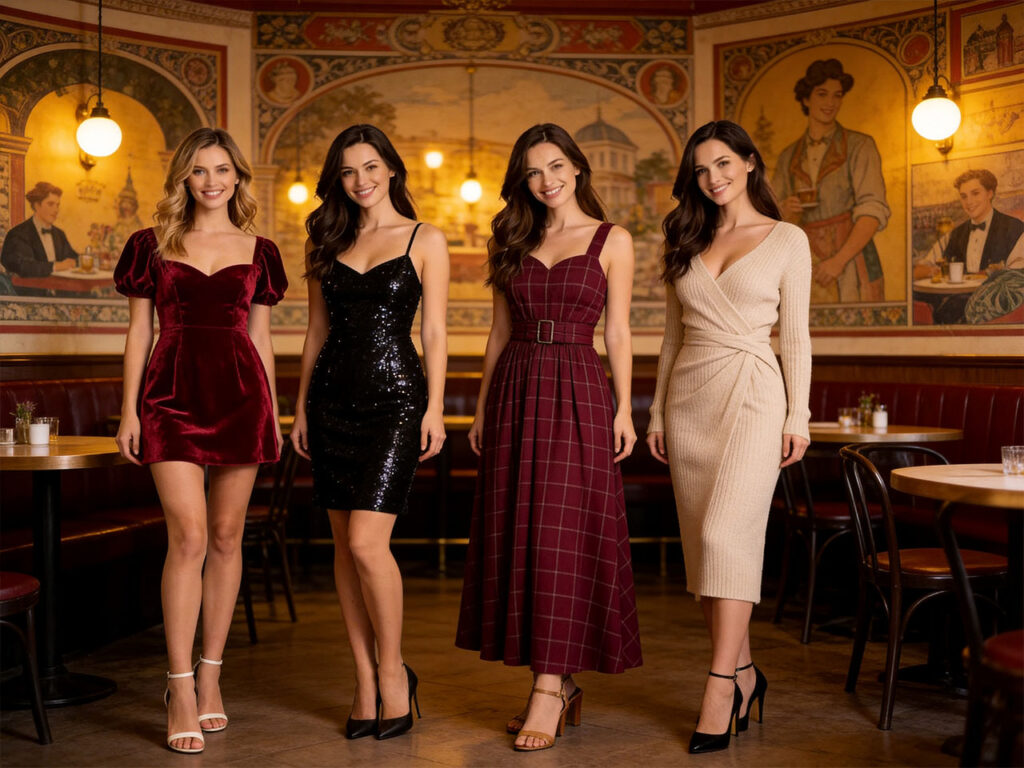
I’ve seen it happen—one small mistake in dress length can derail an entire season’s launch. Buyers scramble, factories redo work, and customers hesitate.
In reality, choosing a dress length isn’t complicated. Once you map the hem to the legs, it’s easy: mini, above-knee, knee-length, midi, long, or floor-length. The key is to pick the right length based on the occasion, height, and shoes, then lock it in with precise measurements.
Never underestimate dress length—it can instantly change the mood of a product and directly impact return rates and repeat orders. I’ve learned this the hard way, so let me walk you through it step by step, just as I do with my buyers, so you can avoid the same mistakes.
Have you ever been confused by terms like “mini skirt,” “midi skirt,” or “ankle-length skirt” and wondered how long they really are? In fact, there’s no universal standard for skirt lengths, and different brands or style guides may use these terms differently, which often leads to confusion.
From a professional perspective, skirt length refers to the distance from the highest point of the shoulder to the hem. A dress, being a one-piece garment, covers both the torso and part of the legs. Therefore, the skirt length essentially determines where the hem falls on the legs—short skirts reveal more of the legs, midi skirts typically fall around the knees, and long skirts may reach the ankles or even the floor.
When Amy asks me if I have a “short birthday dress” or a “floral mini skirt,” she’s usually referring to those playful, short dresses that show more leg.
In fashion searches, people also look for terms like “super mini,” “micro skirt,” or even “the shortest mini skirt.” But from a production and practical standpoint, I usually recommend lightweight, comfortable short dresses that are trendy yet suitable for everyday wear.
Skirt Length | Hem Position (Most People) | Common Names | Styling / Sampling Notes |
Mini Skirt | Mid-thigh | Mini skirt, ultra-mini, short flared skirt | Ensure lining stays in place and sits comfortably; perfect for parties, dates, or playful everyday looks. |
Above-the-Knee Skirt | About 3–4 inches above the knee | Knee-high skirt, 3–4 inches above knee | Trendy and fun; pairs easily with ankle boots or sneakers for a lively, stylish vibe. |
Standard Knee-Length Skirt | Around the kneecap | Knee-length skirt, cocktail dress length, street-style skirt | Safe and polished; ideal for office or casual outings, balancing comfort and formality. |
Below-the-Knee Skirt | Just below the knee | Knee-length skirt, below-knee skirt | Great for business casual; suitable for formal occasions or everyday commuting. |
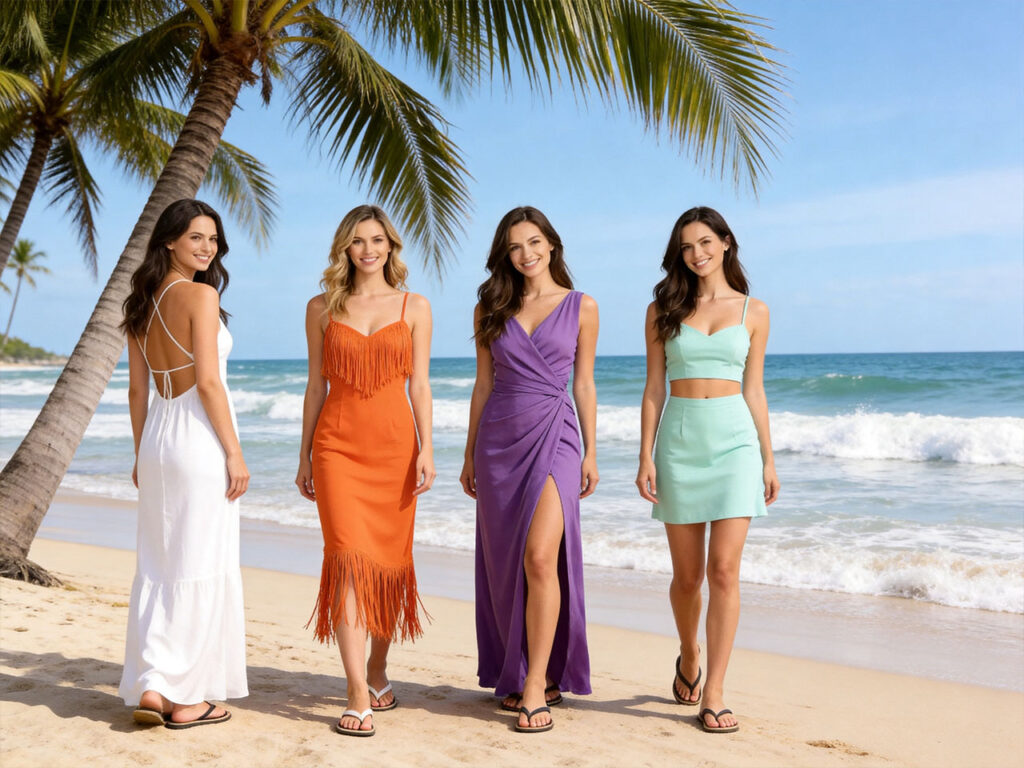
I once made a “street-length dress” for a buyer who wanted it just below the knee, but we made it knee-length. The photos looked fine, but the customer complained: “Too short,” “Not what I expected.”
Since then, I treat skirt names as a reference, not a rule. Everyone interprets “mini,” “knee-length,” or “street-length” differently. What matters is where the hem actually falls and if it feels comfortable. This helps when designing, sampling, or shopping, so you pick skirts that really fit you.
This group of skirts always sparks debate—especially midi skirts, which can mean different lengths in different markets and brands. I see searches like “midi vs long skirt” or “knee-length vs midi skirt” almost every week.
Here’s a simple guideline:
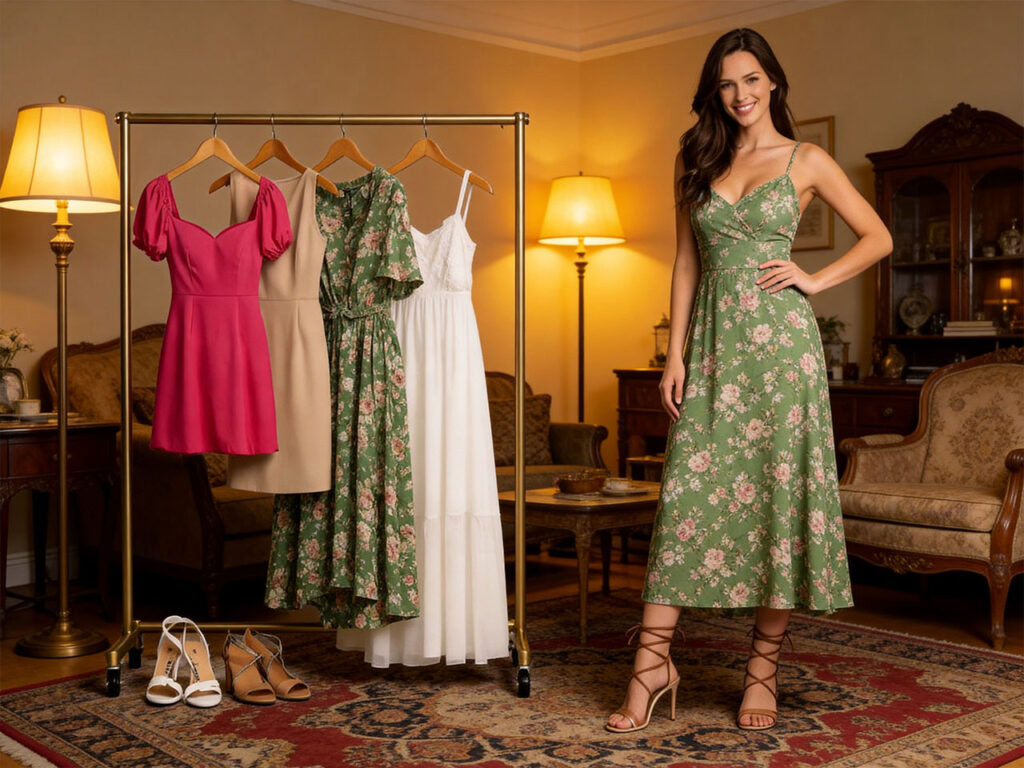
Dress Length | Hem Position | Common Occasions / Uses | Buyer / Design Notes |
Midi | Knee to mid-calf | Office wear, wedding guest attire, daytime events | Hem hits the widest part of the calf, so fitted photos are crucial to avoid looking bulky. |
Tea-Length | Mid-calf to just above the ankle | Daytime formalwear, vintage style | Often confused with maxi skirts, so naming and descriptions must be clear. |
Long Dress | Near the ankles | Casual long dresses, vacation outfits, summer wear | Shoe pairing should be planned in advance; otherwise, the hem may drag. |
Floor-Length / Gown | Just touching the ground | Evening events, formal galas, black-tie occasions | Hem allowance and heel height must be determined beforehand to ensure perfect floor-length fit. |
You often hear that a midi dress should fall below the knee, but this isn’t always true. On petite wearers, the same dress can look like a long dress—or even floor-length. That’s why I always consider two key factors in design: target height and heel height. The actual look of a dress depends on the wearer’s proportions, not just the label.
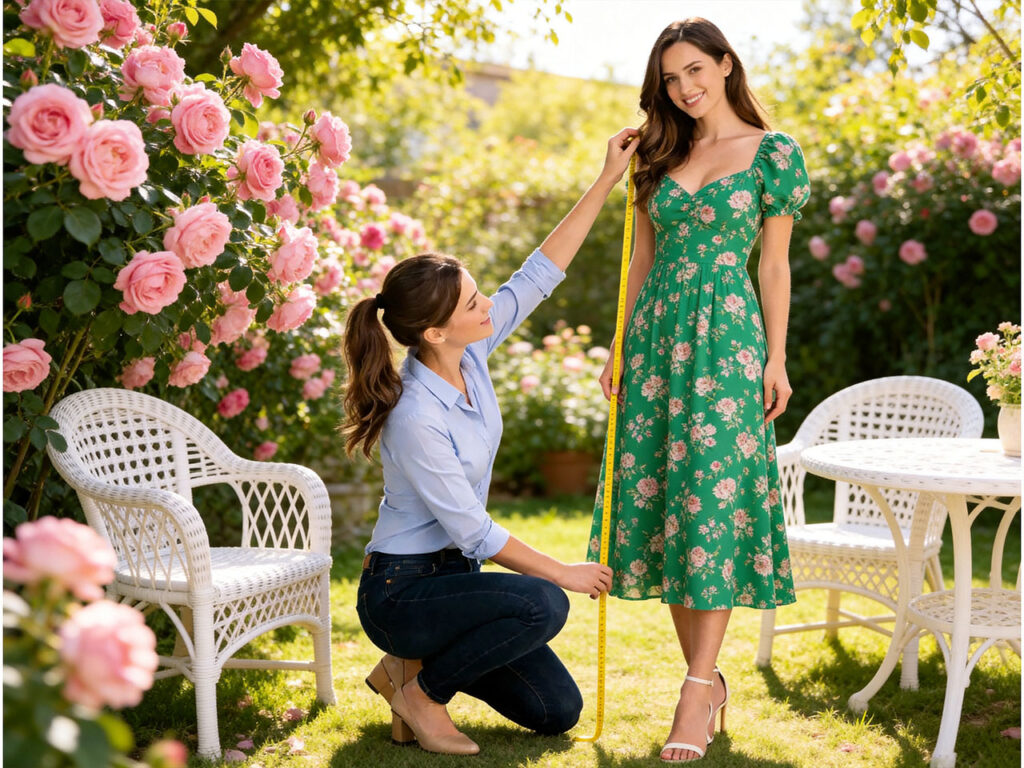
Even the most stylish buyers can run into issues if measurement rules aren’t clear. I’ve seen questions like, “How do I correctly measure dress length?” but the answers online are all over the place, often leading to rejected samples.
In production, I follow factory-standard measurement:
To reduce errors, I often recommend measuring multiple times, just like we do in the factory. Here’s the method I suggest:
In my factory, I often see questions like these in spreadsheets:
My approach is to set the dress length first, then position the waistline and hipline based on the High Point Shoulder (HPS). This not only keeps the sizing consistent but also makes grading more accurate.
Measurement | What It Means | Why It Matters / Prevents Returns |
HPS → Hem (CF) | Measure from the High Point Shoulder down the front center to the hem | Prevents buyers from confusing a “midi” with a “maxi” dress |
HPS → Waistline | Distance from HPS to the waist seam | Ensures the waistline sits correctly and avoids shifting |
HPS → Hipline | Distance from HPS to the hipline | Keeps the shape consistent across different sizes |
CB Length | Back length (from shoulder top to hem) | Prevents heavy fabrics from sagging and maintains the garment’s shape |
Hem Sweep | Width of the hem / circumference at the bottom | Controls walking comfort and how the hem drapes |
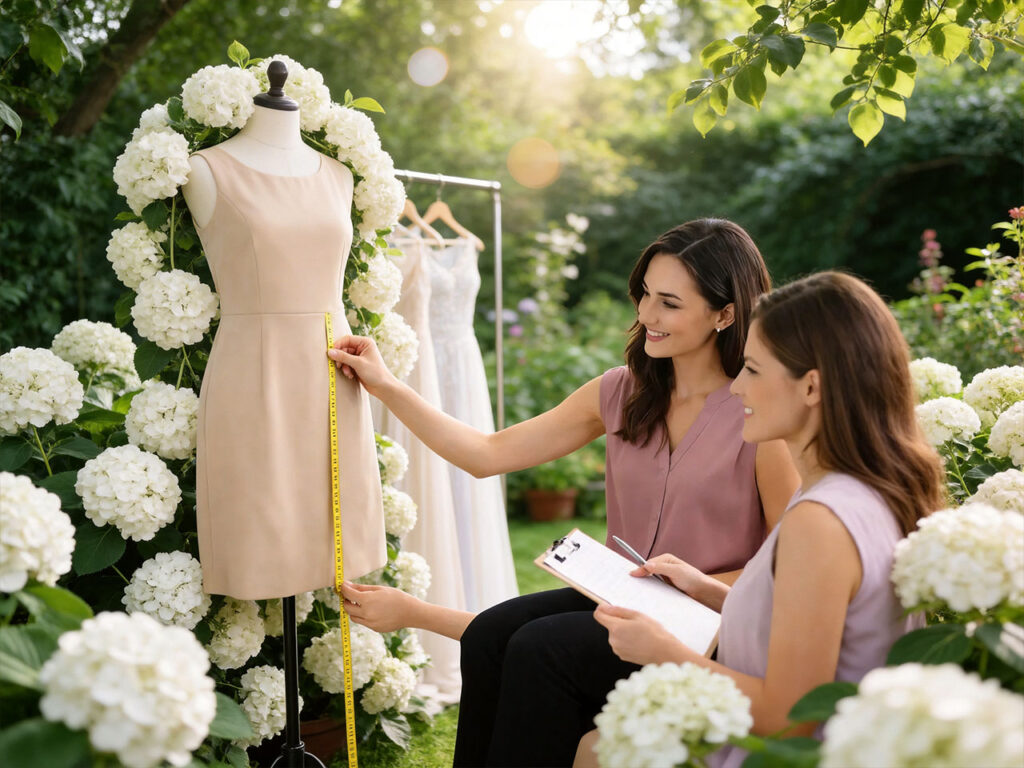
Lina was shopping for summer vacation outfits, considering not just style but also the climate, resort requirements, and customer comfort. That’s why I never say one length is “best” for everyone—instead, it’s about choosing the length that suits the specific target situation.
When selecting a dress length, consider three key factors:
For example:
Customer Height | Recommended Dress Lengths | Avoid When Possible | Why |
Petite (approx. 5’0″ – 5’3″ / 152–160 cm) | Knee-length, above-the-knee, short dresses | Floor-length dresses without heels | Too long dresses can overwhelm the frame, making the wearer look smaller |
Average (approx. 5’4″ – 5’7″ / 162–170 cm) | Midi, knee-length, long dresses | No major restrictions if hem is checked | Most lengths look balanced and natural |
Tall (approx. 5’8″+ / 173 cm+) | Midi, knee-length, long, floor-length dresses | Ultra-mini dresses without styling | Too short dresses can feel revealing and uncomfortable |
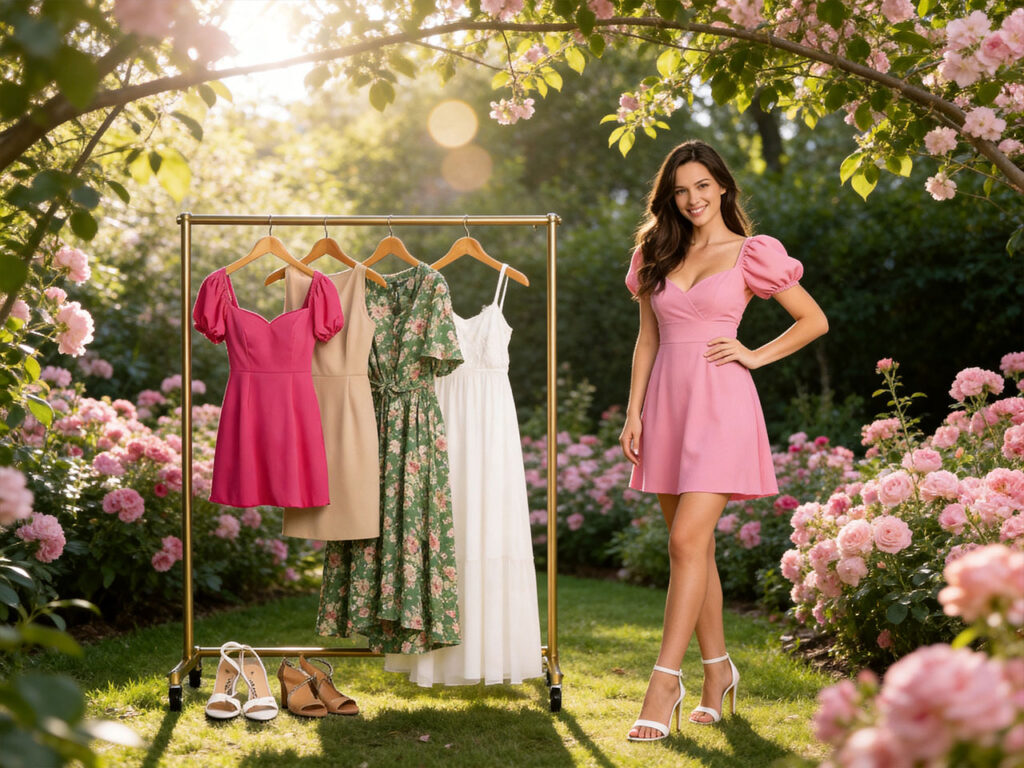
Emily was sourcing professional dresses for bank employees, considering not only style but also comfort, formality, and ease of movement. In these scenarios, I tend to favor practical yet professional styles.
Dress length is not just a vague fashion term—it’s a precise measurement of how a garment falls on the legs. By defining the length clearly, measuring accurately, and testing with the right shoes, you can ensure each dress meets customer expectations while maximizing profit. Understanding the science of dress lengths helps you design and sample more precisely, and builds trust with your customers. When it comes to skirt length, the details make all the difference, ensuring every dress fits, flatters, and feels just right.

Liantao Apparel specializes in custom women’s dresses and sportswear, with over 20 years of experience and a team of 200+ skilled employees. We handle every step—from fabric selection to pattern making and production—ensuring garments are stylish, durable, and precise.
Whether it’s tailored dresses or comfortable sportswear, we provide custom solutions that meet the needs of any brand. For clear specs, consistent quality, and smooth communication, email us at info@liantaoapparel.com or visit https://liantaoapparel.com/.
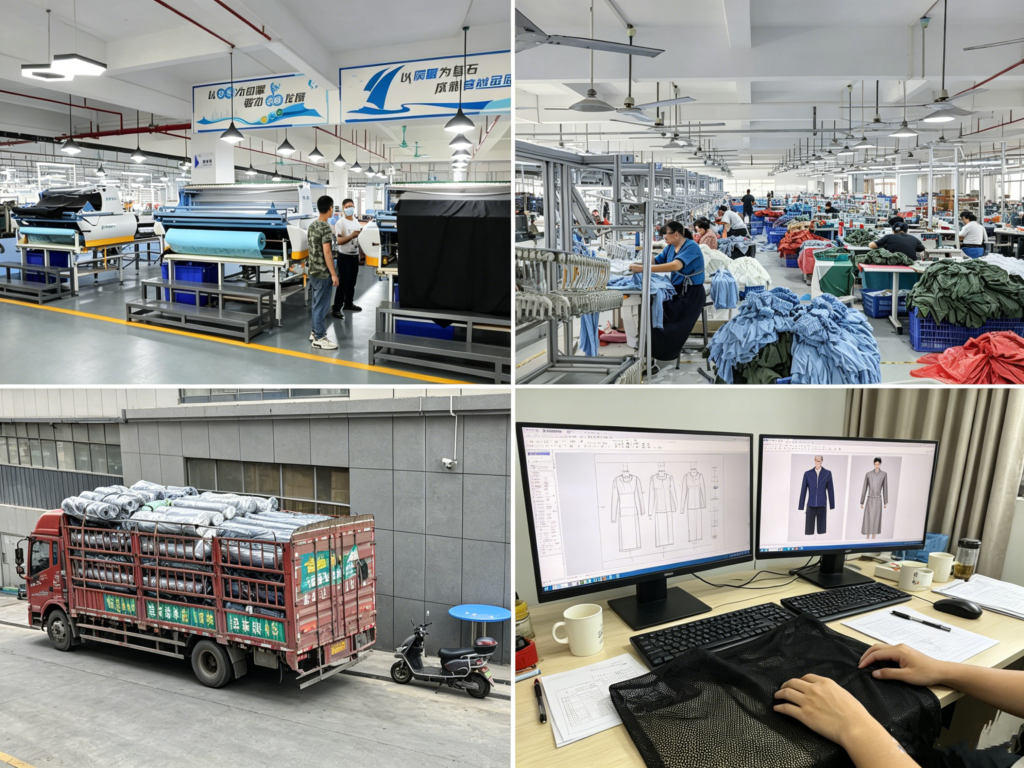
If you have any questions or require a quote, please leave
us a message. Our experts will get back to you within 24 hours to help you choose the ideal fashion products tailored to your needs.
Hi, I’m Lucy Cai, the founder of liantaoapparel.com. I’ve been managing a women’s clothing factory in China for over 16 years. With extensive experience in garment production and OEM services, I’m passionate about sharing insights into women’s fashion, apparel manufacturing, and global sourcing.
If you have any questions or need a quote, please contact us.
Please add us WhatsApp:+86 189 4809 3145
Provide us with detailed information about your requirements, supply design drawings or tech packs,
reference images, and share your ideas.
We will customize the best solution based on your needs and drawings, and provide a specific quote within 24 hours.
Once we receive your confirmation and deposit,we will commence mass production and take care of the subsequent shipping arrangements.