🏭 Looking for a Custom Apparel Manufacturer?
We are a leading OEM/ODM clothing factory with 20+ years of export experience. Custom styles, flexible MOQs, and retail-ready quality.
There is nothing more frustrating than pulling a premium, cozy pair of sweatpants out of the dryer only to find the inner thighs and pockets covered in cheap-looking, scratchy little fuzzballs. Most people blame the brand, but on my factory floor, we know that pilling is actually a physics problem.
In my 20 years of manufacturing knitwear, I’ve seen how standard wash cycles act like sandpaper, snapping short textile fibers and tangling them into stubborn pills. Today, I’m stripping away the generic laundry advice to give you an honest manufacturer’s blueprint—revealing the exact water temperatures, friction-reducing formulas, and cycle settings that preserve fiber alignment and keep your sweatpants looking brand-new for years.
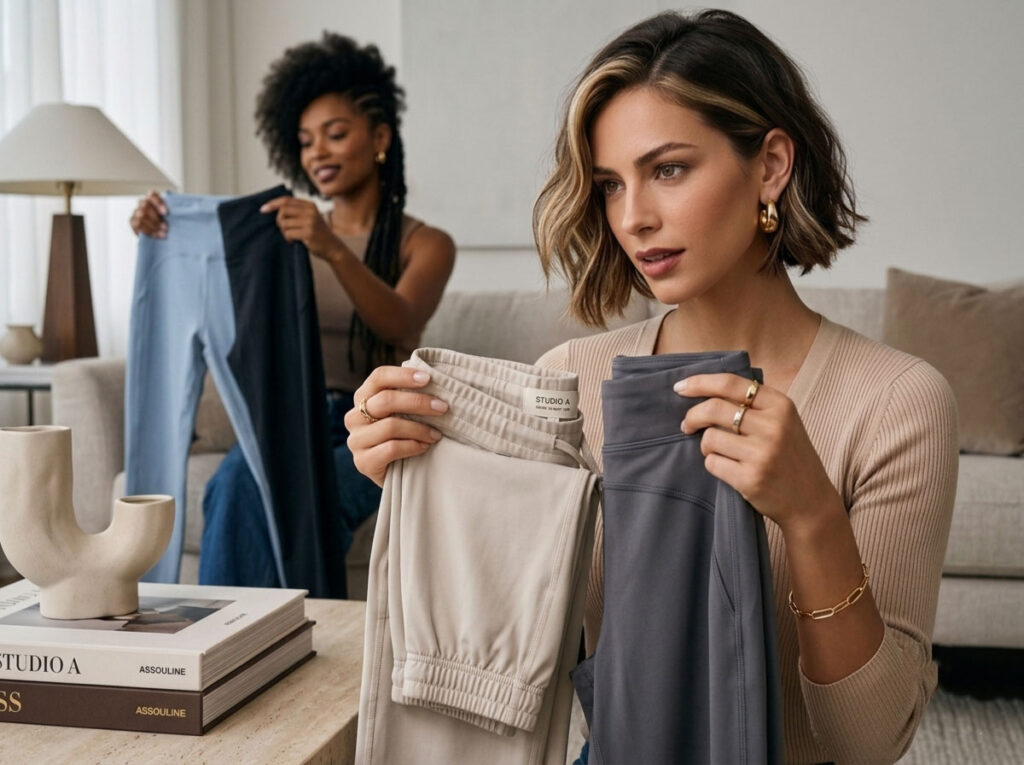
Sports pants may pill after washing because the surface fibers become loose, damaged, and tangled due to friction, forming small fiber balls. Washing machine agitation, high temperatures, and rubbing against rough fabrics like jeans or towels can increase the chance of pilling.
To reduce pilling, wash sports pants with cold water, use a gentle cycle, and avoid mixing them with rough garments. High-quality fabrics and good manufacturing processes also help improve durability and extend the lifespan of sports pants.
Many clothes do not pill simply because they are old. In many cases, improper washing methods gradually damage the fabric fibers, causing pilling over time. Understanding these common causes can help you better care for your clothes and extend their lifespan.
✔ High-Intensity Washing
Strong agitation and friction during machine washing can loosen fabric fibers, making them more likely to form small pills.
✔ Hot Water Washing and High-Temperature Drying
Excessive heat can weaken the fabric structure, reduce fiber strength, and accelerate fiber breakage.
✔ Washing with Rough Fabrics
Towels, jeans, and zippers can create extra friction and damage the surface of garments.
✔ Overloading the Washing Machine
When the washer is too full, clothes have less space to move, causing more friction and compression between fabrics.
✔ Fabric Quality Factors
Low-quality fabrics with shorter or looser fibers are more likely to pill during daily wear and washing.
A pair of comfortable sports pants requires not only high-quality fabric but also proper care. Incorrect washing methods can accelerate fiber damage, causing the fabric to lose its softness, shape, and smooth appearance.
✔ Turn the pants inside out before washing
This helps reduce friction on the outer surface and protects the fabric fibers.
✔ Use a mild detergent
Avoid harsh chemicals that can weaken the fibers and affect fabric softness.
✔ Wash with cold water
Lower temperatures help prevent fiber shrinkage and breakage, reducing the risk of pilling.
✔ Choose a gentle wash cycle
A gentle cycle minimizes strong agitation and reduces fabric friction.
✔ Wash with similar fabrics
Avoid washing with towels, jeans, or garments with zippers to prevent surface damage.
✔ Do not overload the washing machine
Leave enough space for clothes to move freely and reduce excessive friction.
✔ Air dry or use low-temperature drying
High heat can weaken fabric fibers, so natural drying or low-temperature drying is recommended.
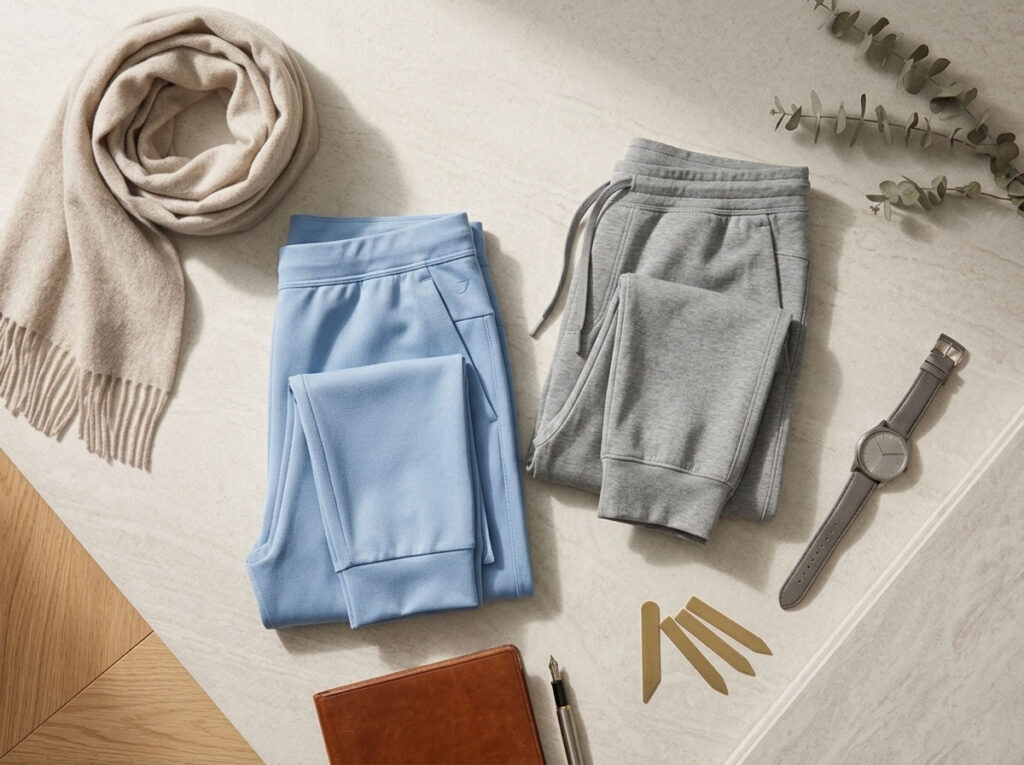
Many people overlook one simple step when washing sports pants — turning them inside out before washing. This small habit can effectively reduce fabric friction, helping sports pants stay soft, smooth, and maintain a better appearance for longer.
✔ Reduce Surface Friction
Turning sports pants inside out prevents the outer fabric from rubbing directly against other garments and the washing machine drum, helping reduce the risk of pilling.
✔ Protect Prints and Logos
For sports pants with graphics, prints, or embroidery, washing inside out helps minimize damage and prevents fading, cracking, or peeling.
✔ Maintain Fabric Quality
Reducing surface fiber damage helps keep sports pants soft, color-retaining, and looking new for a longer time.
Many people focus only on cleaning their sports pants but overlook one important factor — water temperature can directly affect fabric durability. Using the wrong temperature may weaken the fibers, cause shrinkage, and increase the risk of pilling, making sports pants lose their original comfort and quality.
For most sports pants, cold water (30°C / 86°F or below) is the recommended washing temperature. It provides effective cleaning while helping protect fabric fibers and reduce the chance of pilling.
| Water Temperature | Effect on Fabric |
| ❄️ Cold Water (30°C / 86°F or below) | Best for daily washing. Helps prevent pilling, shrinkage, and maintains the garment shape. |
| ��️ Warm Water (40°C / 104°F) | Provides stronger cleaning power, but frequent use may weaken fabric fibers over time. |
| �� Hot Water (Above 50°C / 122°F) | Can damage fabric structure and increase the risk of pilling and deformation. |
Many people think that as long as their sports pants are cleaned properly, the detergent choice does not matter. However, the type of detergent you use can directly affect the softness, elasticity, and durability of your sports pants. The wrong product may weaken fabric fibers, make the material rougher, and increase the risk of pilling.
For sports pants, a mild liquid detergent is the best choice. It dissolves more easily, leaves less residue, and is gentler on fabric fibers compared with powdered detergents.
✔ Choose a gentle formula
Plant-based or low-irritation formulas help protect fabric fibers and maintain softness.
✔ Avoid harsh chemicals
Strong bleaching agents or aggressive ingredients may weaken the fabric structure over time.
✔ Prefer liquid detergent over powder detergent
Liquid detergent dissolves more easily, while some powdered detergents may leave residue or create extra friction on the fabric surface.
✔ Avoid bleach and excessive fabric softener
These products may affect fiber performance and reduce the elasticity and breathability of sports pants.
Many people believe that fabric softener can make sports pants softer and reduce pilling. However, fabric softener can only reduce some friction and cannot completely prevent pilling. If used incorrectly, it may affect the moisture-wicking performance and overall function of sports fabrics.
✔ Reduces Static and Surface Friction
Fabric softener creates a protective layer on fibers, helping reduce friction and making some fabrics feel softer.
✔ Suitable for Certain Fabrics
Cotton and fleece fabrics can benefit from occasional use to help maintain softness.
✔ Use Caution with Synthetic Fabrics
For polyester and performance fabrics, frequent use may leave residue and reduce breathability and moisture-wicking ability.
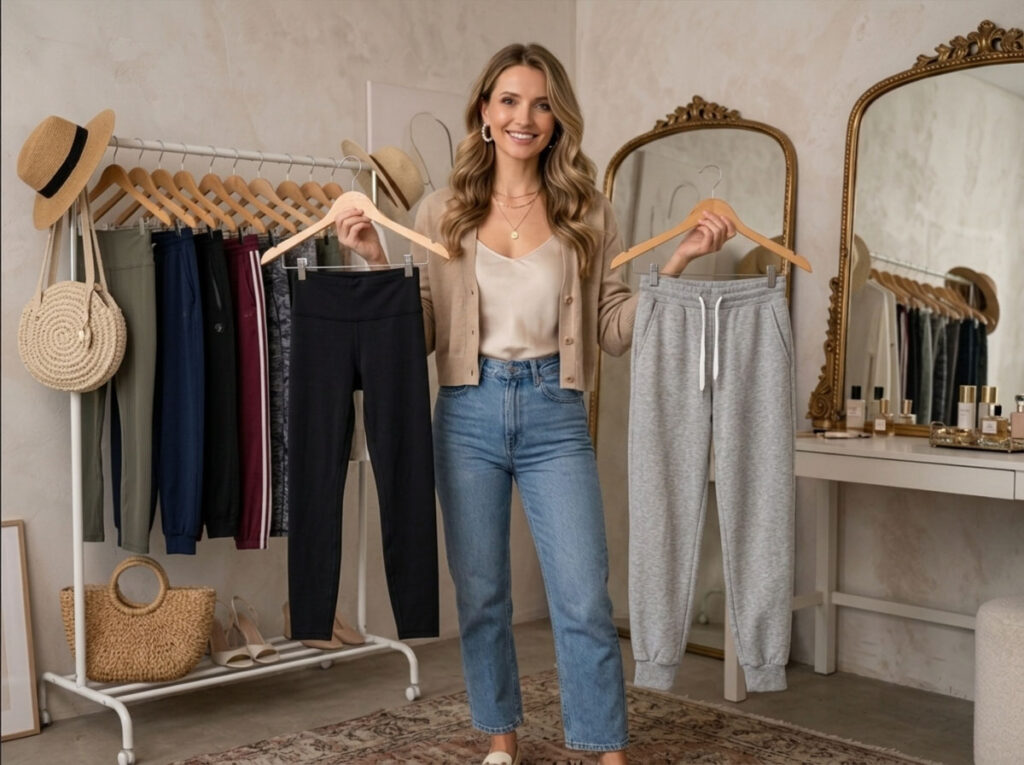
Although dryers are convenient, high temperatures can weaken fabric fibers, causing shrinkage, deformation, and increasing the risk of pilling.
The best option is to air dry your sports pants naturally. If you need to use a dryer, follow these tips:
✔ Choose a low-heat or gentle drying setting
✔ Avoid long periods of high-temperature drying
✔ Always check the garment care label before drying
Washing methods are important, but the way you dry your sports pants also affects their appearance and lifespan. Improper drying methods can damage fabric fibers, reduce elasticity, and increase the risk of pilling.
✔ Lay Flat to Dry and Reduce Stretching
Laying sports pants flat helps prevent deformation caused by hanging weight and reduces stress on the fabric fibers.
✔ Avoid Excessive Friction and Movement
Try to minimize rubbing between garments while drying to help maintain a smooth fabric surface.
✔ Use Low Heat When Using a Dryer
High temperatures can weaken fabric fibers. Choose a low-heat or gentle drying setting to protect the material.
✔ Avoid Over-Drying
Removing sports pants while they are slightly damp can help maintain fabric structure and softness.
Proper drying methods help sports pants maintain their elasticity, comfort, and appearance, allowing them to stay looking and feeling new for longer.
Pilling is not only caused by washing — your daily wearing habits also affect fabric performance. Continuous friction can loosen fibers and eventually create small fabric pills.
✔ Avoid prolonged friction with rough surfaces, such as rough chairs or backpack edges.
✔ Choose fabrics suitable for your activities, as high-quality fibers usually offer better durability.
✔ Pay extra attention to high-friction areas such as the inner thighs and seat area.
Many people think pilling is only caused by washing, but in fact, friction during daily wear also plays an important role in fabric damage. Wearing sports pants correctly can reduce fiber wear and help maintain comfort and appearance for a longer time.
✔ Choose the Right Fit
Tight sports pants create more friction between your skin and the fabric, accelerating fiber wear. A comfortable fit with enough room for movement helps protect the fabric.
✔ Avoid Rough Surfaces
Sitting for long periods on rough chairs, walls, or other abrasive surfaces can increase friction and cause localized fabric wear.
✔ Rotate Different Pairs of Sports Pants
Avoid wearing the same pair every day. Rotating between different pairs reduces wear on each garment and extends their lifespan.
✔ Wear Suitable Inner Layers
Moisture-wicking and soft innerwear can reduce direct friction between your skin and sports pants.
Paying attention to daily wear and using proper care methods can effectively extend the lifespan of your sports pants.
Different fabrics have different fiber structures, which means their resistance to pilling can vary. When choosing durable sports pants, fabric selection is one of the most important factors.
✔ Polyester Blends
With high durability and strong fibers, polyester blends offer excellent abrasion resistance and are widely used in sportswear.
✔ Ring-Spun Cotton
The tighter fiber structure provides a softer feel while reducing loose fibers that can lead to pilling.
✔ Combed Cotton
The process removes shorter fibers, creating a smoother surface and reducing the chance of pilling.
✔ Anti-Pilling Fleece
Special treatments improve durability and help maintain softness and comfort over time.
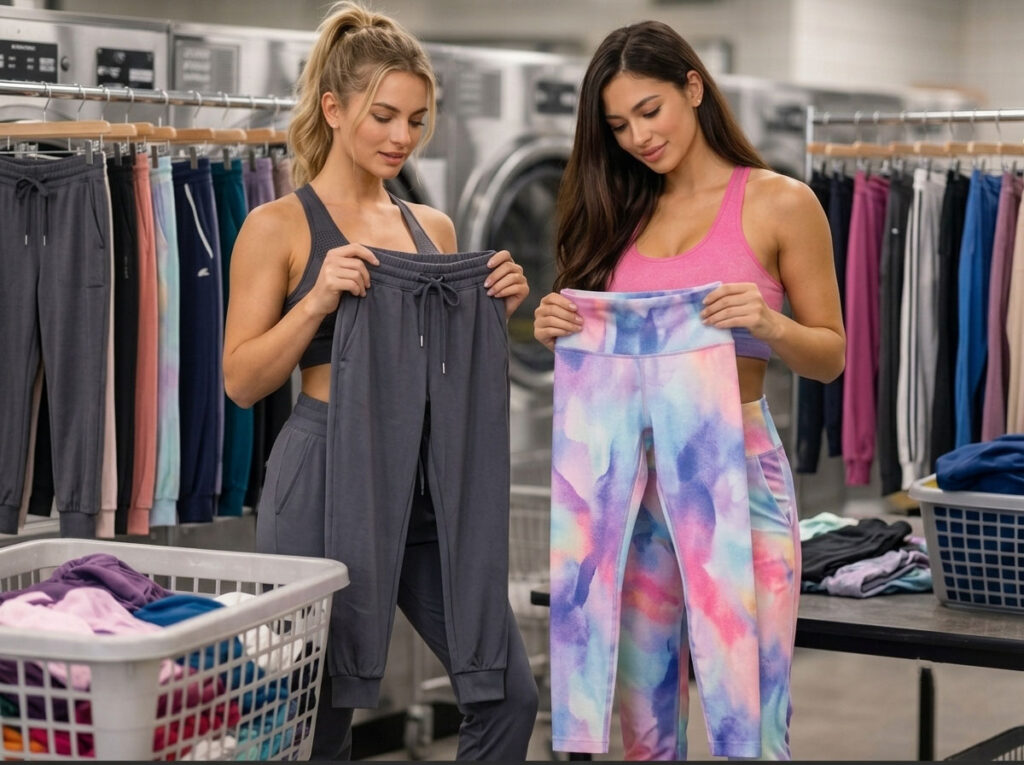
Whether sports pants are prone to pilling depends not only on washing and wearing habits but also on the structure and quality of the fabric fibers. High-quality fabrics usually offer better durability and tighter fiber construction, helping reduce fiber loosening and friction-related pilling.
| Fabric Type | Pilling Resistance | Key Advantages |
| Polyester Blends | ⭐⭐⭐⭐⭐ High | Strong synthetic fibers provide excellent abrasion resistance and are ideal for frequent sports activities. |
| Ring-Spun Cotton | ⭐⭐⭐⭐⭐ High | Tightly twisted fibers help reduce loose fibers and improve fabric durability. |
| Combed Cotton | ⭐⭐⭐⭐⭐ High | Short fibers are removed during processing, creating a smoother surface with a lower risk of pilling. |
| Anti-Pilling Fleece | ⭐⭐⭐⭐⭐ Very High | Special treatments improve durability while maintaining softness and comfort. |
| Nylon & Spandex Blends | ⭐⭐⭐⭐⭐ Very High | Smooth and flexible synthetic fibers help reduce friction and fabric wear. |
Whether sports pants are prone to pilling depends not only on care methods but also on brand quality, fabric technology, and manufacturing processes. Many well-known sportswear brands use premium fibers, advanced weaving techniques, and anti-pilling treatments to help their products maintain softness, comfort, and appearance after long-term wear.
| Brand | Featured Product/Series | Anti-Pilling Advantages | Best For |
| Nike Tech Fleece | Tech Fleece Collection | Uses durable, high-density fabric with a smooth surface to reduce pilling caused by daily friction | People who love sporty casual styles and comfort |
| Lululemon ABC Jogger | ABC Jogger Series | Premium stretch fabric with stable structure, excellent durability, and resistance to deformation | Commuting, workouts, and everyday wear |
| Aritzia TNA Cozy Fleece | Cozy Fleece Collection | Specially treated fabric provides softness while maintaining long-lasting durability | People who prefer a soft and comfortable style |
| Champion Powerblend | Powerblend Collection | Cotton-polyester blend offers both comfort and durability for long-term wear | Daily casual wear and frequent use |
| Under Armour Rival Fleece | Rival Fleece Collection | Moisture-wicking performance with durable fabric that helps reduce wear over time | Fitness and training activities |
Preventing pilling is not just about washing your sports pants correctly once — it requires a combination of proper care methods and high-quality fabric selection.
For daily care, turn your sports pants inside out before washing, use cold water with a gentle cycle, choose a mild detergent, and avoid high-temperature drying or washing with rough fabrics. These simple steps can significantly reduce friction and protect fabric fibers from damage.
At the same time, choosing fabrics with excellent anti-pilling performance, such as polyester blends, ring-spun cotton, combed cotton, and anti-pilling fleece, can greatly improve durability and help sports pants maintain their softness, smooth texture, and comfort over time.
Whether you are choosing everyday sportswear or developing high-quality apparel products, premium fabrics, professional manufacturing techniques, and proper garment care are the key factors in creating durable sports pants with long-lasting performance.
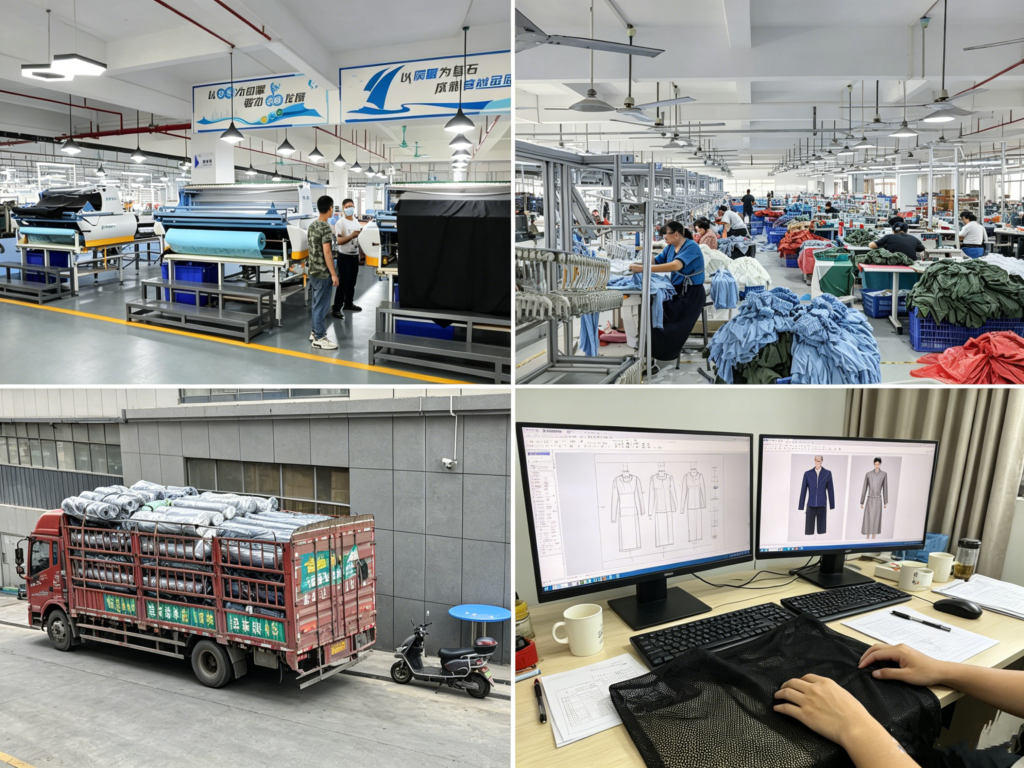
If you have any questions or require a quote, please leave
us a message. Our experts will get back to you within 24 hours to help you choose the ideal fashion products tailored to your needs.
Hi, I’m Lucy Cai, the founder of liantaoapparel.com. I’ve been managing a women’s clothing factory in China for over 16 years. With extensive experience in garment production and OEM services, I’m passionate about sharing insights into women’s fashion, apparel manufacturing, and global sourcing.
If you have any questions or need a quote, please contact us.
Please add us WhatsApp:+86 189 4809 3145
Provide us with detailed information about your requirements, supply design drawings or tech packs,
reference images, and share your ideas.
We will customize the best solution based on your needs and drawings, and provide a specific quote within 24 hours.
Once we receive your confirmation and deposit,we will commence mass production and take care of the subsequent shipping arrangements.