🏭 Looking for a Custom Apparel Manufacturer?
We are a leading OEM/ODM clothing factory with 20+ years of export experience. Custom styles, flexible MOQs, and retail-ready quality.
Every successful denim collection knows that a best-selling pair of jeans is decided long before the sewing machines ever turn on—it all starts at the source. If you are launching a new clothing line or looking to upgrade your OEM production, simply knowing jeans are made of “cotton” is no longer enough.
From the ring-spun yarn that dictates the fit and the exact elastane ratio for perfect stretch, to the custom metal rivets that survive heavy washing, your raw material choices directly dictate your garment’s quality and profit margins. Let’s go behind the scenes of the manufacturing line and break down exactly what goes into producing premium denim.
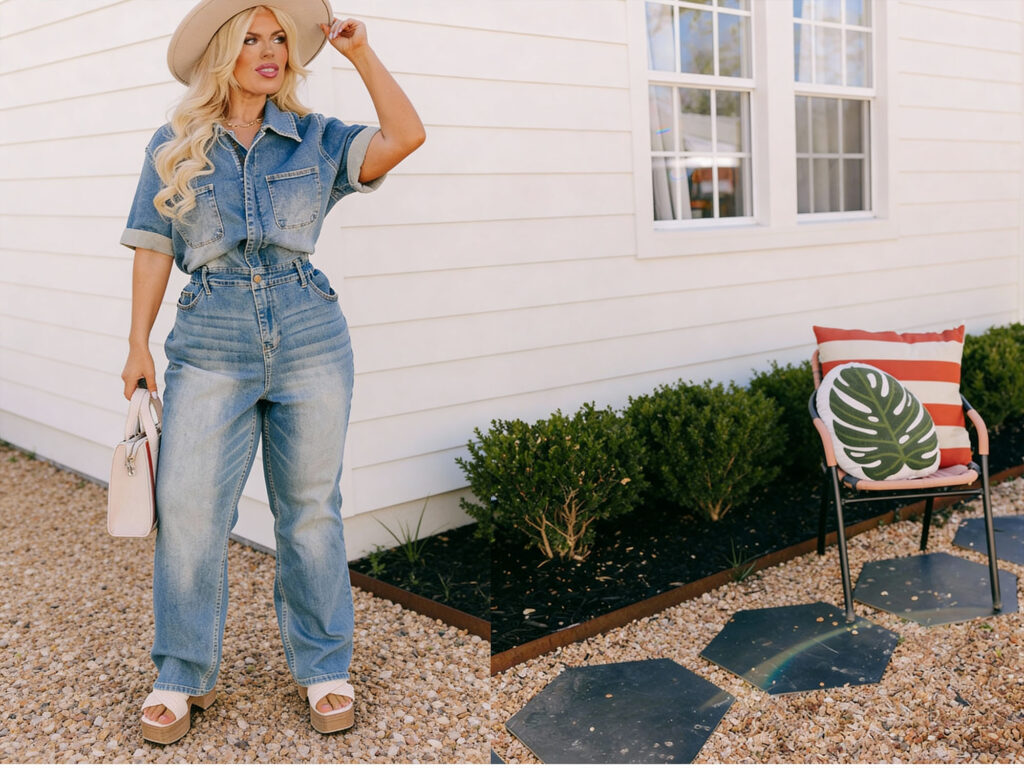
Denim is the main fabric used for jeans, known for its durability and classic style. Traditional denim is made from 100% cotton with a strong twill weave.
Modern jeans often blend cotton with elastane or polyester to add stretch, comfort, and better fit. The fabric choice determines the jeans’ strength, comfort, and overall quality.
The type of denim used in jeans greatly affects their texture, durability, comfort, and overall appearance. Different weaving methods and finishing processes create unique styles and wearing experiences.
| Denim Type | Features & Benefits |
| Raw Denim | Unwashed and untreated, offering a stiff feel that develops natural fading patterns over time, making each pair unique. |
| Selvedge Denim | Made with a tight weaving technique and clean finished edges. Known for premium quality and often used in high-end jeans. |
| Stretch Denim | Blended with elastane or other stretch fibers to provide flexibility, comfort, and a better fit. |
| Acid Wash Denim | Chemically treated to create a vintage, faded look with unique distressed textures. |
| Organic Denim | Made from organically grown cotton with fewer chemicals, offering a more sustainable choice. |
Cotton is the most popular denim fiber because it offers the perfect mix of comfort, durability, and versatility.
The classic blue color of jeans comes from indigo dye, which creates the signature denim look and natural fading over time.Modern jeans also use sulfur dyes and other dyes to create black, gray, and colored denim styles.
The classic blue color of denim comes from indigo dye. During production, yarns are repeatedly dipped in indigo dye and oxidized to build a rich blue tone.
| Dyeing Method | Features |
| Rope Dyeing | Yarns are repeatedly dipped in indigo for a deep color and natural fading effect. |
| Slasher Dyeing | Yarns are dyed before weaving for a more even color. |
Traditional denim dyeing often requires large amounts of water and chemicals. To reduce environmental impact, many brands are adopting more sustainable dyeing methods.
Traditional denim is made from 100% cotton, but stretch jeans add synthetic fibers to improve flexibility and comfort.
While traditional denim is made from cotton, adding synthetic fibers helps improve comfort, flexibility, durability, and fit. These blends allow jeans to better meet the needs of modern lifestyles.
| Fiber | Benefits |
| Elastane (Spandex/Lycra) | Adds stretch, improves mobility, and creates a more comfortable fit. |
| Polyester | Increases durability, helps prevent shrinkage, and improves wrinkle resistance. |
| Rayon | Enhances softness and creates a smoother drape. |
Less breathable than 100% cotton denim.
Metal hardware is an essential part of jeans, adding both durability and style. Details like zippers, buttons, and rivets help strengthen high-stress areas while providing a secure and functional fit.
Most jeans use metal components made from brass, copper, or steel, chosen for their strength, corrosion resistance, and classic appearance.
| Metal Component | Function |
| Rivets | Reinforce pocket corners and high-stress areas to prevent tearing. |
| Zippers & Buttons | Provide secure closures and improve everyday functionality. |
| Eyelets & Grommets | Add decorative details while strengthening fabric openings. |
Brass is one of the most popular metals used in jeans because it offers the perfect balance of strength, durability, and classic style.
Strong stitching is essential for jeans to handle frequent wear, washing, and everyday movement.
| Thread Type | Benefits |
| Polyester Thread | High strength, excellent durability, and resistance to stretching. |
| Cotton-Covered Polyester Thread | Combines the natural feel of cotton with the strength of polyester. |
| Contrast Stitching | Adds decorative details and enhances the classic denim look. |
Strong stitching is the key to creating jeans that can withstand daily wear, washing, and long-term use. Different stitch types provide extra strength and improve durability.
| Stitch Type | Purpose & Benefits |
| Chain Stitch | Commonly used on hems, providing flexibility and added strength. |
| Double Stitching | Reinforces seams to prevent tearing and improve durability. |
| Flat-Felled Seam | Reduces friction and wear while creating a stronger, cleaner finish. |
As sustainability becomes more important, denim brands are exploring greener alternatives to reduce environmental impact.
| Sustainable Material | Benefits |
| Organic Cotton | Grown without harmful pesticides and uses less water than conventional cotton. |
| Recycled Denim | Transforms old jeans into new fibers, reducing textile waste. |
| Hemp | Requires less water, grows quickly, and is highly durable. |
| Tencel™ (Lyocell) | Made from wood pulp, biodegradable, soft, and environmentally friendly. |
A great pair of jeans is the result of carefully selected materials and craftsmanship. From durable cotton denim and flexible synthetic fibers to iconic indigo dyes, strong metal hardware, and high-quality stitching, every component plays a role in creating jeans that are comfortable, stylish, and long-lasting.
As sustainability continues to shape the fashion industry, materials like organic cotton, recycled denim, and eco-friendly fibers are becoming key to the future of denim production. The jeans of tomorrow will combine classic denim heritage, innovative technology, and responsible manufacturing—creating products that look better, last longer, and have a lower impact on the planet.
If you have any questions or require a quote, please leave
us a message. Our experts will get back to you within 24 hours to help you choose the ideal fashion products tailored to your needs.
Hi, I’m Lucy Cai, the founder of liantaoapparel.com. I’ve been managing a women’s clothing factory in China for over 16 years. With extensive experience in garment production and OEM services, I’m passionate about sharing insights into women’s fashion, apparel manufacturing, and global sourcing.
If you have any questions or need a quote, please contact us.
Please add us WhatsApp:+86 189 4809 3145
Provide us with detailed information about your requirements, supply design drawings or tech packs,
reference images, and share your ideas.
We will customize the best solution based on your needs and drawings, and provide a specific quote within 24 hours.
Once we receive your confirmation and deposit,we will commence mass production and take care of the subsequent shipping arrangements.