🏭 Looking for a Custom Apparel Manufacturer?
We are a leading OEM/ODM clothing factory with 20+ years of export experience. Custom styles, flexible MOQs, and retail-ready quality.
We hear the term “high street” thrown around every time we talk about affordable fashion, but what does it actually mean behind the scenes? High street brands have dominated the retail landscape by bridging the massive gap between disposable fast fashion and unreachable luxury houses. But as we move through 2026, the definition is evolving. From their rapid supply chains and manufacturing secrets to how they balance competitive costs with premium aesthetics, here is an industry insider’s breakdown of what truly makes a high street brand.
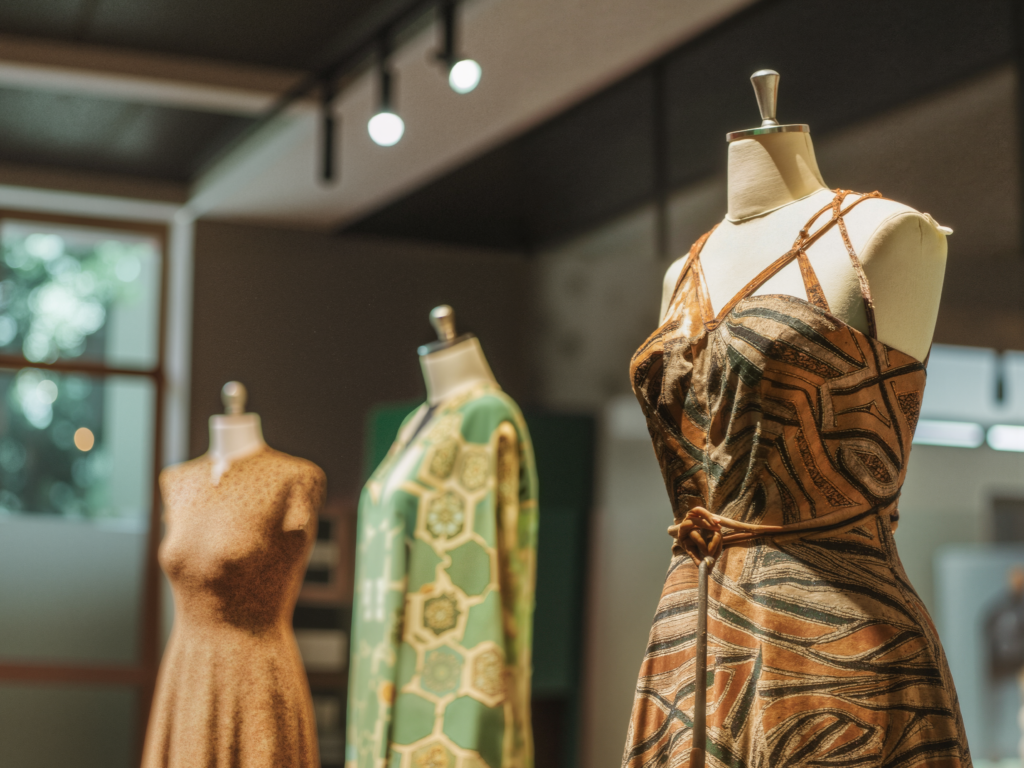
The term “High Street Brands” comes from the UK. “High Street” refers to the main shopping streets in British towns, where people gather to shop and socialize.
Many fashion brands that serve everyday consumers became known as high street brands because they opened stores in these busy shopping areas. They are known for being affordable, trendy, and easy to access, offering stylish choices for everyday wear.
The term “High Street” originated in the UK during the Middle Ages. It originally referred to the main streets in towns where markets and shops were located. As these streets became centers of trade and shopping, “High Street” became closely associated with retail and everyday consumer culture.
During the 19th and 20th centuries, department stores and retail chains began appearing on high streets. Brands such as Marks & Spencer and Debenhams helped shape the development of high street fashion.
Today, the term “high street brands” is no longer limited to the UK. It is widely used around the world to describe affordable, trend-focused fashion brands designed for everyday consumers.
| Origin Stage | Historical Background & Development |
| The Origins of UK Commercial Culture | “High Street” originally referred to the busiest main shopping streets in British towns, where people gathered for shopping, trading, and social activities. |
| The Rise of Department Stores | In the 19th and 20th centuries, department stores and retail chains moved onto high streets, helping shape the growth of high street fashion. |
| Expansion into Global Markets | Today, “high street brands” has become a global term representing affordable, trend-driven fashion brands for everyday consumers. |
High street brands are known for offering affordable, stylish, and trend-focused fashion. With frequent new collections and accessible prices, they have become popular choices for consumers around the world.
From fast fashion pioneers to innovative basics-focused brands, the following are some of the most well-known high street brands globally:
| Brand | Origin | Style | Key Features |
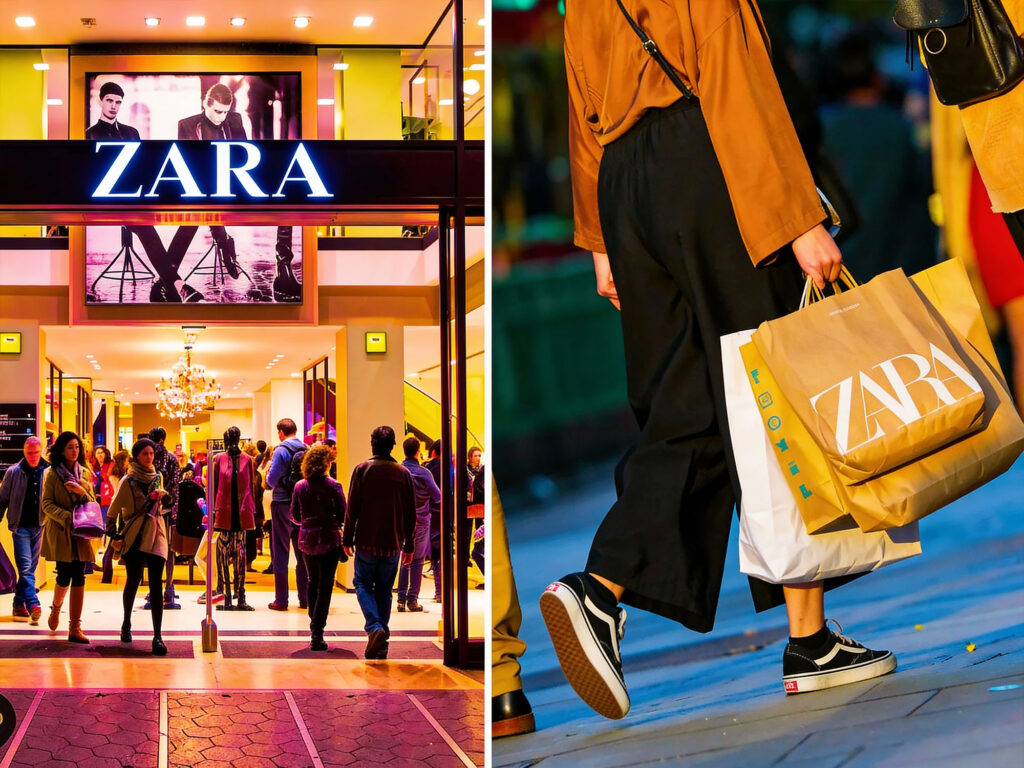
| Zara | Spain | Minimalist, fashion-forward designs inspired by luxury fashion | A leader in fast fashion, known for quickly responding to trends and launching new styles frequently |
| H&M (Hennes & Mauritz) | Sweden | Affordable basics, casual wear, and seasonal trends | Offers budget-friendly fashion, designer collaborations, and sustainable collections |
| Uniqlo | Japan | Simple, practical, high-quality everyday essentials | Focuses on fabric innovation and technology, such as the HeatTech collection |
| Topshop | UK | Youthful, trendy, and fashion-forward styles | Known for its denim collections and bold designs for younger consumers |
| Mango | Spain | Elegant, refined, European-inspired fashion | Offers affordable luxury with a focus on quality fabrics and sophisticated designs |

High street brands and luxury brands serve different markets. High street brands focus on affordable prices, fast trends, and mass production, while luxury brands emphasize exclusive designs, craftsmanship, premium quality, and high prices.
Simply put, high street brands make fashion accessible to everyone, while luxury brands offer unique value through quality, heritage, and exclusivity.
High street brands and luxury brands both influence the fashion industry, but they differ greatly in pricing, production methods, brand positioning, and customer experience.
| Category | High Street Brands | Luxury Brands |
| Price & Target Audience | Affordable prices aimed at everyday consumers, making fashion accessible to a wider audience. | Higher prices targeting consumers who value exclusivity and brand prestige. |
| Production & Quality | Use large-scale production and efficient supply chains to quickly deliver trendy products. | Use premium materials and expert craftsmanship to create high-quality pieces. |
| Brand Image & Marketing | Focus on trends, convenience, and everyday fashion. | Emphasize heritage, exclusivity, and a luxury experience. |
| Availability & Exclusivity | Widely available in stores, shopping malls, and online platforms. | Often offered through limited editions and exclusive boutiques to maintain rarity. |
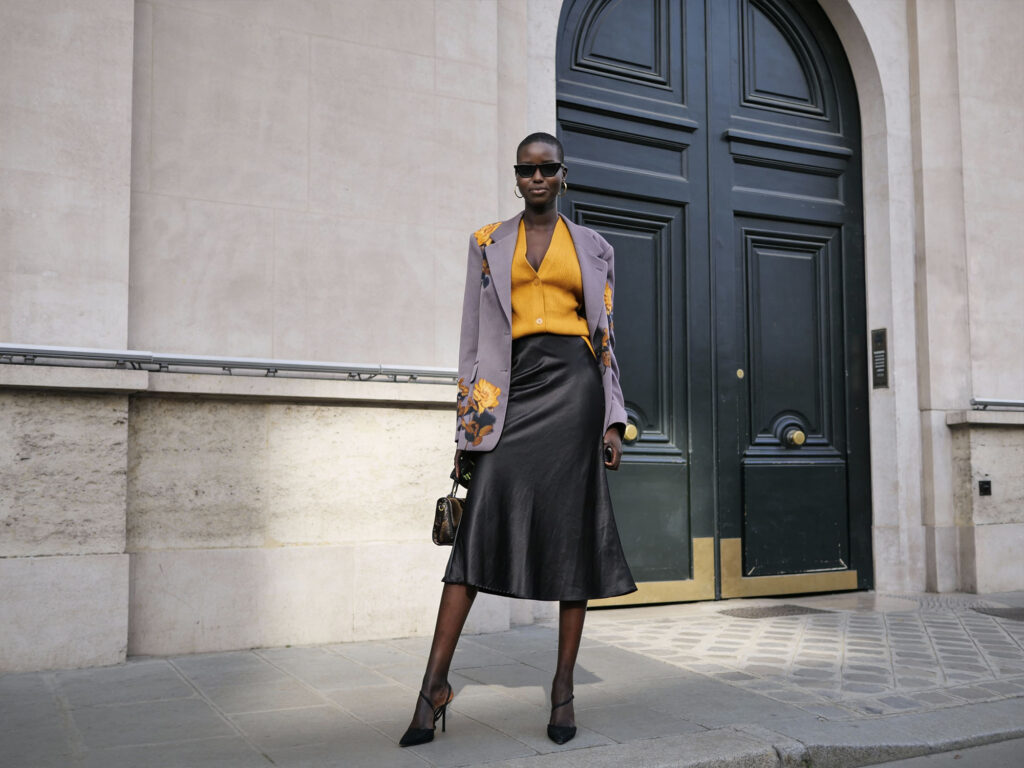
| Comparison | High Street Brands | Luxury Brands |
| Price Point | Affordable and easily accessible | Premium pricing that reflects quality and value |
| Production Model | Mass production with fast fashion cycles | Handcrafted pieces and limited-edition collections |
| Brand Image | Trendy, approachable, and everyday-focused | Exclusive, prestigious, and heritage-driven |
| Availability | Widely available in stores and online | Limited availability through selected boutiques and exclusive channels |
Most high street brands are linked to fast fashion because they quickly produce and sell trend-driven clothing at affordable prices.
Fast fashion focuses on fast design, production, and sales. However, not all high street brands are fast fashion—some, like Uniqlo, focus more on quality, basics, and innovation.
Fast fashion brands release new collections every week or two. Their short design-to-store cycle allows them to respond quickly to the latest fashion trends and keep consumers engaged.
Through mass production and efficient cost management, these brands offer fashionable clothing at accessible prices, making current trends available to a wider audience.
The constant arrival of new styles encourages frequent purchases and shortens the lifespan of clothing, contributing to a “wear it once and replace it” mentality.
Fast fashion has been criticized for its environmental impact, including excessive resource consumption and textile waste. It has also raised concerns about labor conditions and ethical practices within global supply chains.
| Fast Fashion Feature | Key Advantage | Impact |
| Fast Turnaround | New collections are released every week or two to keep up with the latest trends. | Encourages frequent shopping by offering fresh styles regularly. |
| Affordable Prices | Mass production and low-cost materials help keep prices accessible. | Makes trendy fashion available to a wider range of consumers. |
| Disposable Fashion | Rapid product cycles lead to shorter clothing lifespans. | Promotes a “wear it a few times and replace it” consumer mindset. |
| Environmental & Ethical Concerns | High-volume production meets growing demand. | Contributes to textile waste, resource consumption, and concerns over labor practices. |
High street brands are popular because they offer affordable prices, trendy styles, and convenient shopping. They make fashion accessible by combining stylish designs with everyday wear.
High street brands provide fashionable clothing at reasonable prices, making it easy for shoppers with different budgets to stay stylish.
They quickly adopt the latest runway trends, celebrity styles, and social media influences, helping consumers keep up with current fashion.
Their products are widely available in shopping malls, brand stores, and online platforms, making it easy to shop anytime and anywhere.
From everyday basics to formal wear, as well as shoes, bags, and accessories, high street brands offer a diverse range of products for every occasion.
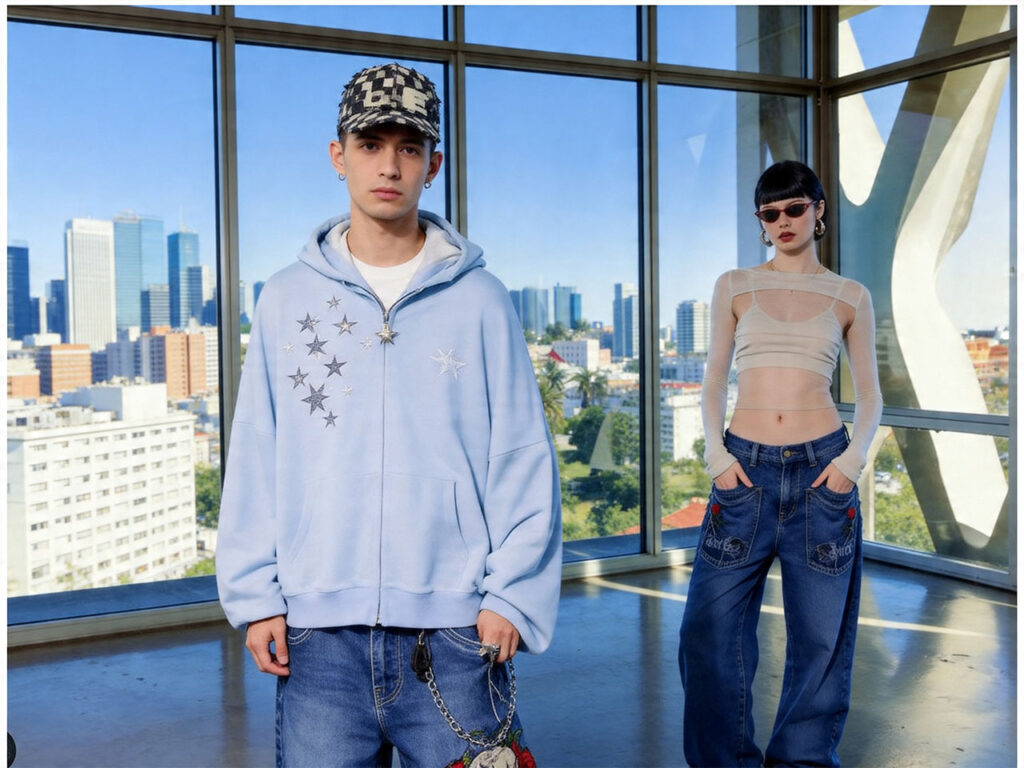
| Affordable Prices | Enjoy stylish fashion at budget-friendly prices without compromising on style. |
| Trend-Driven Fashion | Quickly adopts runway trends, celebrity looks, and social media-inspired styles. |
| Convenient Shopping | Easily shop online, through brand websites, or at physical retail stores. |
| Versatile Collections | Offers a wide range of clothing and accessories for work, casual wear, and special occasions. |
High street brands such as Zara, H&M, UNIQLO, Topshop, and Mango have transformed the fashion industry by making stylish, trend-driven clothing affordable and accessible to everyone. By bridging the gap between luxury fashion and everyday wear, they allow consumers to enjoy the latest trends without the premium price tag.While high street fashion is often associated with fast fashion, its combination of affordability, convenience, and diverse style options continues to attract millions of shoppers worldwide. Whether you’re looking for timeless basics or the season’s hottest trends, high street brands remain a go-to choice for building a fashionable wardrobe on any budget.
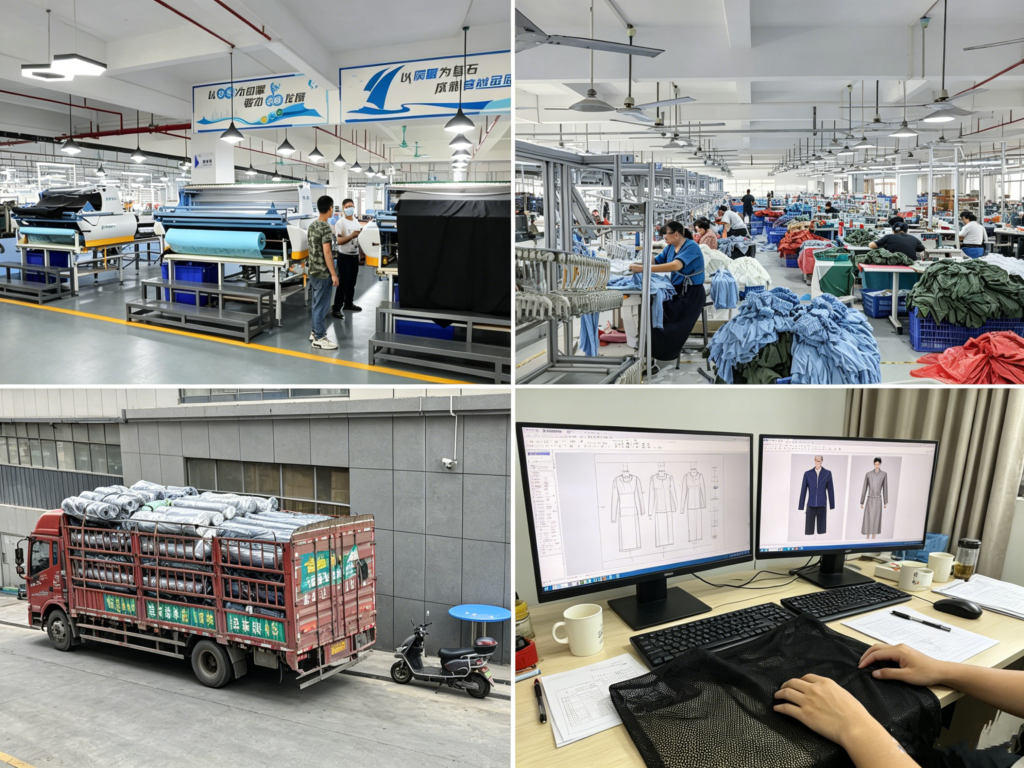
If you have any questions or require a quote, please leave
us a message. Our experts will get back to you within 24 hours to help you choose the ideal fashion products tailored to your needs.
Hi, I’m Lucy Cai, the founder of liantaoapparel.com. I’ve been managing a women’s clothing factory in China for over 16 years. With extensive experience in garment production and OEM services, I’m passionate about sharing insights into women’s fashion, apparel manufacturing, and global sourcing.
If you have any questions or need a quote, please contact us.
Please add us WhatsApp:+86 189 4809 3145
Provide us with detailed information about your requirements, supply design drawings or tech packs,
reference images, and share your ideas.
We will customize the best solution based on your needs and drawings, and provide a specific quote within 24 hours.
Once we receive your confirmation and deposit,we will commence mass production and take care of the subsequent shipping arrangements.