🏭 Looking for a Custom Apparel Manufacturer?
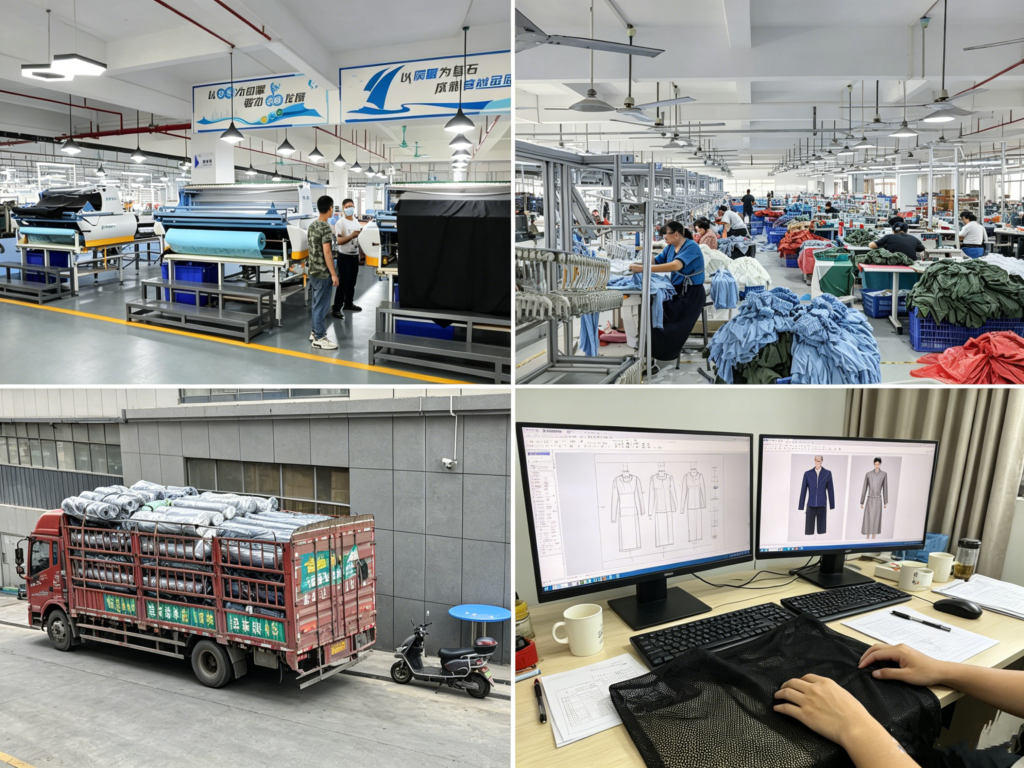
We are a leading OEM/ODM clothing factory with 20+ years of export experience. Custom styles, flexible MOQs, and retail-ready quality.
When shopping for pants, jeans, trousers, or shorts, you may often see the term inseam listed in product measurements. But what is an inseam, and why does it matter?
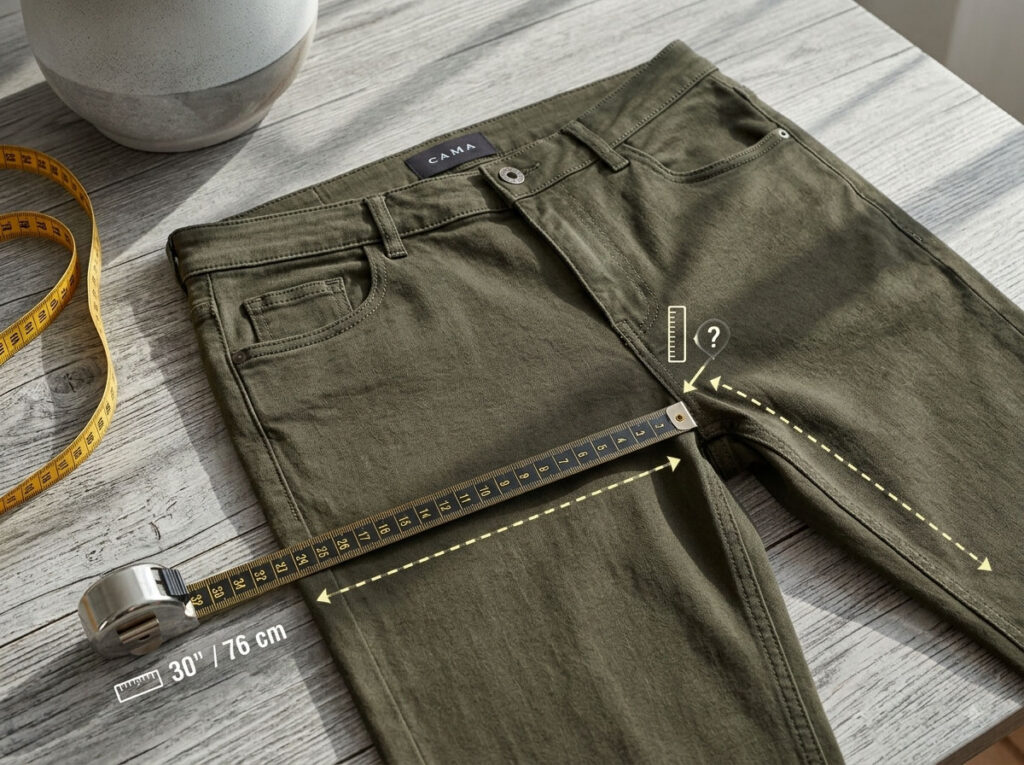
An inseam is the measurement taken from the crotch seam to the bottom hem along the inside leg seam of a garment. This measurement determines the overall length of pants or shorts and plays an important role in comfort, fit, movement, and appearance.
Understanding your inseam measurement helps you choose better-fitting clothing, whether you are buying jeans online, selecting athletic shorts, ordering custom trousers, or developing apparel products.

The inseam is one of the most important measurements in pants and shorts because it directly affects how the garment fits and looks.
A correct inseam length ensures that the hem sits at the right position while allowing comfortable movement.
Whether you prefer cropped pants, ankle-length jeans, relaxed trousers, or athletic shorts, the inseam determines the final silhouette.
The inseam controls where pants or shorts end on the leg.
A shorter inseam creates a shorter, more casual appearance, while a longer inseam provides more coverage and a traditional full-length look.
A properly measured inseam prevents common fitting problems such as:
The inseam influences the visual balance of an outfit.
For example:
Different inseam lengths match different fashion preferences.
Examples:
The correct inseam allows natural movement.
This is especially important for:
Knowing your inseam size helps avoid issues such as sagging, pulling, bunching, or uncomfortable tightness.
Measuring your inseam is a simple process that helps you select the correct pants or shorts size.
The inseam measurement starts at the crotch seam and follows the inside leg seam down to the bottom hem.
Accurate measurement is especially useful for:
Use a pair of pants or shorts that already fit well.
A properly fitting reference garment provides a more accurate measurement than guessing based only on height.
Place the garment on a flat surface.
Make sure:
This prevents inaccurate measurements caused by twisting or uneven placement.
Find the crotch seam where the front and back panels connect.
This is the beginning point of the inseam measurement.
Place the measuring tape at the crotch seam and follow the inside leg seam to the bottom hem.
Keep the tape straight without stretching the fabric.
Record the measurement in:
This number represents your inseam length.
There is no single universal inseam length because the ideal inseam depends on factors such as height, body proportions, garment type, and desired style.
A pair of jeans, dress pants, cargo pants, and athletic shorts may all use different inseam standards even for the same person.
For apparel brands and manufacturers, understanding common inseam ranges helps create better size charts and improve customer fit satisfaction.
Men’s pants typically use longer inseam measurements compared with shorts because they are designed to cover the full leg.
Common men’s inseam lengths include:
| Men’s Height Range | Common Inseam Length | Recommended Pant Styles |
|---|---|---|
| Under 5’6” (168 cm) | 26–29 inches | Cropped pants, slim jeans, shorter trousers |
| 5’6”–5’10” (168–178 cm) | 29–32 inches | Regular jeans, chinos, casual trousers |
| 5’10”–6’2” (178–188 cm) | 32–34 inches | Full-length jeans, dress pants, cargo pants |
| Over 6’2” (188 cm+) | 34–36+ inches | Long trousers, relaxed-fit pants |
Important note: Height is only a general reference. Two people with the same height may require different inseams because leg-to-torso proportions vary.
Women’s inseam preferences vary more because women’s clothing includes more styles such as cropped pants, ankle pants, wide-leg trousers, and leggings.

| Women’s Height Range | Common Inseam Length | Recommended Styles |
|---|---|---|
| Under 5’3” (160 cm) | 25–28 inches | Petite jeans, ankle pants, cropped trousers |
| 5’3”–5’7” (160–170 cm) | 28–31 inches | Regular jeans, leggings, straight pants |
| 5’7”–5’11” (170–180 cm) | 31–34 inches | Full-length trousers, wide-leg pants |
| Over 5’11” (180 cm+) | 34–36+ inches | Tall-length pants, long silhouettes |
Shorts use much shorter inseams because the goal is usually mobility, comfort, and seasonal styling.
| Shorts Type | Typical Inseam Length | Style Purpose |
|---|---|---|
| Running Shorts | 2–5 inches | Maximum movement and athletic performance |
| Gym Shorts | 5–7 inches | Training and everyday activewear |
| Casual Shorts | 7–9 inches | Everyday summer wear |
| Cargo Shorts | 8–12 inches | Utility-inspired casual style |
| Long Shorts | 11–15 inches | Relaxed streetwear and oversized trends |
Design insight: Cargo shorts often use longer inseams because the style focuses on coverage, functionality, and multiple-pocket construction.

The inseam does more than determine garment length. It also changes the visual balance of an outfit.
A small inseam adjustment can completely change how pants or shorts appear on the body.
Shorter inseams expose more of the lower leg and create a lighter silhouette.
Common examples:
Advantages:
Short inseams are especially popular in:
Medium inseams are the most commercially common because they work across many clothing categories.
They provide:
Typical applications:
This inseam category is often the safest choice for mass-market apparel collections.
Long inseams increase coverage and create a visually longer leg line.
They are commonly used for:
Benefits include:
However, excessive length can create unwanted fabric stacking around the ankle.
Choosing the correct inseam depends on more than height.
The best inseam should match your body proportions, clothing style, and intended use.
People with longer legs often need longer inseams, while people with shorter legs may prefer shorter inseams.
However, body proportion matters more than total height.
For example:
Different garments require different inseam decisions.
| Clothing Style | Recommended Inseam Approach |
|---|---|
| Skinny Jeans | Slightly shorter to avoid excessive stacking |
| Straight Jeans | Standard inseam for natural drape |
| Wide-Leg Pants | Longer inseam for flow and volume |
| Dress Pants | Usually reaches the shoe with controlled break |
| Cargo Pants | Medium to long inseam for relaxed styling |
| Athletic Shorts | Shorter inseam for movement |
Shoes influence how the inseam appears.
Examples:
A correct inseam should create balance between the garment and footwear.
Even a small measurement mistake can result in poor fit.
Avoid these common errors:
The inseam is measured along the inside leg seam, not from the waistband or outside seam.
Why it matters:
The outside measurement includes the waistband and rise, which creates a completely different number.
Using oversized or stretched pants as a reference can create inaccurate results.
Better approach:
Use a garment that already fits well.
A stretched fabric measurement can produce a shorter inseam.
Tip:
Keep the tape straight and follow the natural seam line.
Stretch fabrics may fit differently from rigid fabrics.
For example:
For clothing brands, inseam measurement is a critical technical specification.
A properly developed inseam affects:
During garment development, designers consider inseam together with:
A cargo short, for example, requires a different inseam balance than running shorts because the garment needs both utility and comfort.
Yes, inseam length can usually be altered by a tailor or clothing manufacturer.
Adjusting the inseam is one of the most common clothing modifications because changing pant length can significantly improve the overall fit.
However, the difficulty and cost of alteration depend on the garment construction, fabric type, and design details.
Shortening is the easiest and most common inseam alteration.
It is often used for:
Benefits:
For simple hems, a tailor can usually shorten the inseam while maintaining the original shape of the garment.
Lengthening is more complicated because additional fabric is required.
Possible methods include:
Lengthening works best when:
Some garments, especially jeans with distressed hems or special finishes, may be difficult to extend without changing the original appearance.
| Garment Type | Alteration Difficulty | Notes |
|---|---|---|
| Dress Pants | Easy | Simple hems are usually adjustable |
| Chinos | Easy | Cotton fabrics are alteration-friendly |
| Jeans | Medium | Original wash and hem details may be affected |
| Cargo Pants | Medium | Pocket placement and stitching require attention |
| Athletic Pants | Difficult | Technical fabrics and elastic finishes complicate changes |
| Shorts | Easy–Medium | Length adjustment is usually possible |
Many people confuse inseam and outseam measurements because both describe garment length.
However, they measure different areas of the garment.
The inseam measures:
The distance from the crotch seam to the bottom hem along the inside leg seam.
It focuses specifically on the leg length.
Inseam is commonly used for:
The outseam measures:
The distance from the waistband to the bottom hem along the outside leg seam.
It includes:
| Measurement | Starting Point | Ending Point | Main Purpose |
|---|---|---|---|
| Inseam | Crotch seam | Bottom hem | Determines leg length |
| Outseam | Waistband | Bottom hem | Determines total garment length |
| Rise | Crotch seam | Waistband | Determines sitting position and comfort |
| Leg Opening | Bottom hem width | N/A | Determines ankle or thigh opening |
For consumers, inseam is generally easier to use when choosing pants because it directly relates to leg length.
For manufacturers, however, both inseam and outseam are important because they help create accurate garment patterns.
A complete technical specification sheet normally includes:
Different garments require different inseam strategies.
Jeans usually use standard inseam measurements because customers expect consistent sizing.
Common jeans inseam options:
The ideal inseam depends on:
For example:
Cargo styles require careful inseam design because functionality is a major purpose.
A cargo inseam affects:
For cargo shorts:
Athletic shorts prioritize movement.
Shorter inseams are common because they provide:
However, modern sportswear also includes longer inseams for:
For apparel brands, inseam selection should be based on target customers and product positioning.
Different customers prefer different proportions.
Examples:
| Product Category | Inseam Priority |
|---|---|
| Running Shorts | Maximum mobility |
| Casual Shorts | Comfort and versatility |
| Cargo Shorts | Function and coverage |
| Dress Pants | Clean tailoring |
| Streetwear Pants | Trend and silhouette |
| Workwear Pants | Durability and movement |
Fabric affects how the inseam feels during wear.
Examples:
Manufacturers should evaluate inseam together with fabric behavior, not as an isolated measurement.
Inseam refers to the measurement from the crotch seam to the bottom hem along the inside leg of pants or shorts.
It determines the leg length and helps consumers select the correct size.
To measure your inseam:
For the most accurate result, use a pair of pants that already fits well.
No.
Inseam measures only the inner leg length.
Pant length may refer to the overall garment length, which can include the waistband and rise.
A normal inseam depends on height, gender, body proportions, and garment type.
Common ranges include:
Yes, jeans can usually be shortened.
However, extending jeans is more difficult because additional matching fabric may not be available.
The best shorts inseam depends on the intended style:
The inseam is a small measurement with a major impact on clothing fit.
For consumers, understanding inseam helps make better purchasing decisions and reduces sizing problems.
For apparel designers and manufacturers, inseam is a key technical measurement that influences:
Whether designing jeans, cargo shorts, trousers, or athletic wear, selecting the correct inseam ensures the final product looks better and performs better.
A successful garment is not only about fabric, color, and design. Precise measurements such as inseam create the foundation for a comfortable, attractive, and market-ready product.
If you have any questions or require a quote, please leave
us a message. Our experts will get back to you within 24 hours to help you choose the ideal fashion products tailored to your needs.
Hi, I’m Lucy Cai, the founder of liantaoapparel.com. I’ve been managing a women’s clothing factory in China for over 16 years. With extensive experience in garment production and OEM services, I’m passionate about sharing insights into women’s fashion, apparel manufacturing, and global sourcing.
If you have any questions or need a quote, please contact us.
Please add us WhatsApp:+86 189 4809 3145
Provide us with detailed information about your requirements, supply design drawings or tech packs,
reference images, and share your ideas.
We will customize the best solution based on your needs and drawings, and provide a specific quote within 24 hours.
Once we receive your confirmation and deposit,we will commence mass production and take care of the subsequent shipping arrangements.