🏭 Looking for a Custom Apparel Manufacturer?
We are a leading OEM/ODM clothing factory with 20+ years of export experience. Custom styles, flexible MOQs, and retail-ready quality.
Many people confuse the terms vest and waistcoat because these garments share a similar sleeveless design. However, their meanings can change depending on region, fashion context, and intended use.
In British English, a waistcoat usually refers to a formal sleeveless garment worn over a shirt as part of traditional menswear, while a vest often refers to an undershirt. In American English, the word vest commonly describes the same formal sleeveless garment that British speakers call a waistcoat.
Beyond terminology, the difference between a vest and a waistcoat often comes down to purpose, construction, fabric, and styling. A waistcoat is typically structured, tailored, and associated with formal occasions such as weddings, business events, and three-piece suits. A vest is a broader category that can include formal suit vests, casual fashion pieces, outdoor layers, and athletic sleeveless garments.
For clothing brands and manufacturers, understanding these differences is essential when developing products for global markets. The right choice of fabric, fit, construction, and design details can determine whether a sleeveless garment is positioned as premium formalwear, casual fashion, or functional apparel.
In this guide, we will explain the key differences between vests and waistcoats, explore their styles, materials, occasions, and provide practical advice for consumers and apparel brands.
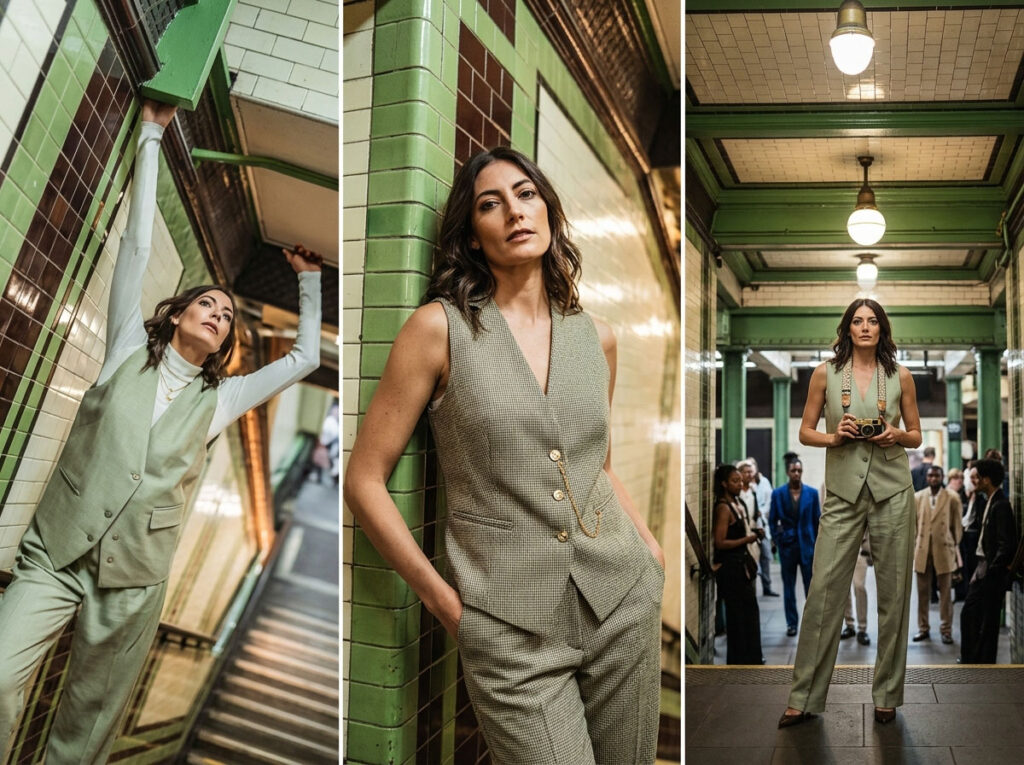
The answer depends largely on language and regional fashion terminology.
Although vest and waistcoat may describe similar garments, their meanings are not identical worldwide.
A garment that is called a “vest” in one country may be called a “waistcoat” in another.
The difference comes from language evolution.
The word vest developed from the French term veste, which historically referred to a sleeveless outer garment.
Over time, American English continued using “vest” for formal sleeveless garments, while British English developed the term “waistcoat” to describe the same type of tailored clothing.
| Region | Term Used | Meaning |
|---|---|---|
| United States | Vest | Usually refers to a sleeveless outer garment worn over a shirt |
| United Kingdom | Waistcoat | Formal sleeveless garment used in tailoring |
| United Kingdom | Vest | Usually means an undershirt or sleeveless underwear |
| India | Vest | Commonly refers to innerwear |
| India | Waistcoat | Formal or traditional sleeveless outer garment |
For international apparel businesses, terminology affects:
For example:
Understanding these differences helps brands improve SEO visibility and product positioning.
In Indian English, the word “vest” usually refers to a sleeveless innerwear garment.
It is commonly worn:
However, in fashion retail, “vest” may also describe sleeveless outer garments influenced by American terminology.
| Context | Meaning of Vest |
|---|---|
| Innerwear | Lightweight sleeveless undershirt |
| Fitness | Sleeveless athletic top |
| Fashion | Casual sleeveless garment |
| Formalwear (US) | Suit vest / waistcoat |
Although vests and waistcoats share a similar sleeveless design, they serve different purposes depending on the occasion, styling approach, and level of formality. A waistcoat is traditionally associated with formal tailoring, while a vest can refer to a wider range of sleeveless garments, from suit pieces to casual outer layers.
Choosing the right style depends on the overall outfit, fabric, construction, and intended use. A tailored waistcoat works best for formal events, while casual vests provide more flexibility for everyday fashion, outdoor activities, and lifestyle wear.
A waistcoat is the ideal choice when you want to create a polished and sophisticated appearance.
It is commonly worn for:
A traditional waistcoat usually features:
A vest offers more styling flexibility because it covers a broader category of sleeveless garments.
Depending on the design, vests can be worn for:
Common vest styles include:
| Vest Type | Main Features | Best Use |
|---|---|---|
| Suit Vest | Tailored construction and button closure | Formalwear and business outfits |
| Puffer Vest | Insulated filling and lightweight warmth | Outdoor and casual layering |
| Utility Vest | Multiple pockets and functional details | Workwear and outdoor activities |
| Denim Vest | Casual fabric with rugged styling | Streetwear and lifestyle fashion |
| Sweater Vest | Knitted construction and soft texture | Preppy and casual styling |
Although the terms are often used interchangeably in some regions, there are several design differences between formal waistcoats and general vests.
| Feature | Waistcoat | Vest |
|---|---|---|
| Main Purpose | Formal tailoring piece | General sleeveless garment |
| Formality Level | Formal or semi-formal | Casual to formal depending on design |
| Fit | Structured and close-fitting | Can be fitted, relaxed, or oversized |
| Closure | Usually front buttons | Buttons, zippers, snaps, or no closure |
| Fabric | Wool, silk, tweed, suit fabrics | Cotton, fleece, denim, nylon, polyester blends |
| Styling | Usually worn with shirts and suits | Can be worn alone or layered |
| Back Design | Often uses lining fabric | Usually designed to be visible |
| Common Markets | Formalwear and wedding apparel | Fashion, outdoor, workwear, lifestyle |
Fabric selection plays an important role in defining the garment category.
Traditional waistcoats often use premium fabrics that support structure and elegance.
Popular options include:
Because vests cover more categories, fabric choices are much broader.
Common materials include:
The fit is one of the biggest differences between these garments.
| Fit Element | Waistcoat | Vest |
|---|---|---|
| Silhouette | Slim and tailored | Flexible depending on style |
| Body Shape | Follows the torso closely | Can be loose or structured |
| Layering Purpose | Designed under a jacket | Often worn as an outer layer |
| Comfort Priority | Balanced with formal appearance | Often focused on movement and practicality |
For apparel brands, the choice depends on the target market and product positioning.
Recommended design elements:
Recommended design elements:
For clothing manufacturers, both products require careful attention to construction quality.
Important production factors include:
Brands can customize:
| Customization Area | Options |
|---|---|
| Fabric | Wool, cotton, polyester, fleece, recycled materials |
| Fit | Slim fit, regular fit, relaxed fit, oversized |
| Closure | Buttons, zippers, snaps |
| Pockets | Welt pockets, utility pockets, hidden pockets |
| Branding | Embroidery, labels, patches, printing |
| Color | Custom dye colors and seasonal palettes |
| Finishing | Garment wash, lining options, decorative details |
The difference between a vest and a waistcoat is not only about terminology. It also reflects different fashion cultures, historical influences, and styling traditions.
A waistcoat has strong connections with traditional tailoring and formal menswear. It represents craftsmanship, elegance, and classic dressing standards. In contrast, the word vest has expanded into a broader fashion category that includes casual, outdoor, athletic, and contemporary styles.
Today, both garments have moved beyond their original purposes and are being redesigned by fashion brands to meet changing consumer preferences.
Originally, waistcoats were essential parts of European formal clothing and were commonly worn as part of a three-piece suit.
Modern fashion has transformed the waistcoat into a more versatile piece.
Today’s waistcoat styles include:
Modern vests have expanded far beyond formalwear.
Brands now develop vests for:
Popular modern vest categories include:
| Vest Category | Key Features | Target Market |
|---|---|---|
| Puffer Vest | Insulated, lightweight, warm | Outdoor and lifestyle consumers |
| Utility Vest | Multiple pockets and functional details | Workwear and streetwear |
| Denim Vest | Durable fabric and casual appearance | Vintage and fashion markets |
| Fleece Vest | Soft texture and thermal comfort | Outdoor lifestyle |
| Technical Vest | Performance fabrics and functional construction | Activewear and adventure brands |
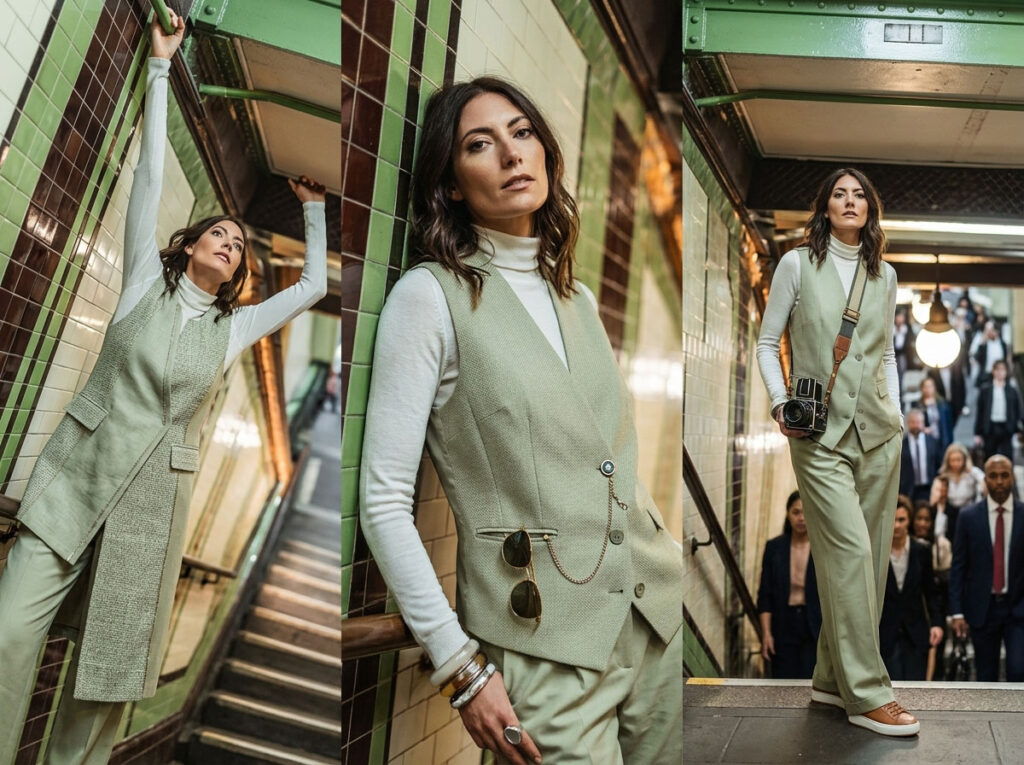
A waistcoat can create different looks depending on how it is combined with other garments.
For traditional formalwear, pair a waistcoat with:
Best occasions:
Modern fashion allows waistcoats to be worn in less formal ways.
Recommended combinations:
Because vests cover many categories, styling options are much broader.
Common combinations:
Functional vests work well with:
The right choice depends on your purpose, lifestyle, and desired appearance.
| Purpose | Recommended Choice | Reason |
|---|---|---|
| Wedding or formal event | Waistcoat | Provides a tailored and elegant appearance |
| Business clothing | Waistcoat | Matches professional dress standards |
| Outdoor activities | Functional Vest | Provides warmth and practicality |
| Streetwear fashion | Modern Vest | Offers creative layering options |
| Daily casual wear | Casual Vest | Easy to style with everyday clothing |
| Three-piece suit | Waistcoat | Completes the traditional suit structure |
Fit plays an important role in both appearance and comfort.
A properly fitted waistcoat should:
Vest fitting depends on the product category.
For apparel companies, sleeveless garments offer strong product development opportunities.
They are attractive because they provide:
Brands can customize:
This allows companies to create products that match their unique brand identity.
Custom vests and waistcoats can be developed for:
Professional apparel production usually includes several key stages:
| Manufacturing Stage | Description |
|---|---|
| Design Development | Defines silhouette, materials, and product direction |
| Pattern Making | Creates accurate garment measurements and fit |
| Fabric Sourcing | Selects suitable materials based on performance and price |
| Sample Production | Tests appearance, comfort, and construction quality |
| Fitting Adjustment | Improves sizing and wearability |
| Bulk Production | Manufactures final products according to specifications |
| Quality Inspection | Ensures consistency before shipment |
Customization options include:
| Area | Custom Options |
|---|---|
| Fabric | Wool, cotton, linen, fleece, nylon, recycled fabrics |
| Construction | Tailored, relaxed, oversized, technical |
| Closure | Buttons, zipper, snap buttons |
| Collar | V-neck, stand collar, no collar |
| Pocket Design | Welt pockets, flap pockets, utility pockets |
| Lining | Printed lining, contrast lining, lightweight lining |
| Branding | Woven labels, embroidery, patches, printing |
The future of these garments is moving toward greater versatility and personalization.
Key trends include:
Brands are increasingly adopting:
Modern designs combine multiple categories:
Examples:
Relaxed silhouettes and adjustable features are increasing the popularity of unisex vest designs.
Popular details include:
Although vests and waistcoats share a similar sleeveless structure, they represent different fashion categories depending on region, purpose, and design approach.
A waistcoat is traditionally associated with formal tailoring, three-piece suits, weddings, and professional menswear. It focuses on structured construction, refined fabrics, and a tailored fit that creates an elegant appearance.
A vest, on the other hand, is a broader clothing category that includes formal suit vests, casual layering pieces, outdoor garments, utility styles, and performance apparel. Its design possibilities are much wider, allowing brands to experiment with different fabrics, functions, and silhouettes.
For consumers, choosing between a vest and a waistcoat depends on the occasion, desired style, and level of formality. For apparel brands, understanding these differences helps create better product positioning, improve international marketing, and develop garments that match specific customer needs.
As fashion continues moving toward versatility, customization, and functional design, both vests and waistcoats remain valuable categories for modern clothing collections.
The main difference is regional terminology and usage. In American English, a formal sleeveless suit garment is commonly called a vest, while British English usually calls it a waistcoat. However, “vest” can also refer to casual, outdoor, or functional sleeveless garments.
In many situations, yes. A formal waistcoat and a suit vest are essentially the same type of garment. The difference mainly depends on regional language preferences.
Yes. Modern fashion allows waistcoats to be worn separately with:
However, the fabric and fit should match the occasion.
No. Vests can be both casual and formal. Examples include:
The best fabric depends on the intended use.
Popular choices include:
Casual vest fabrics are usually selected based on comfort and function.
Common options include:
Yes. Apparel brands can customize:
Custom development allows brands to create unique products for formalwear, streetwear, outdoor, and lifestyle markets.
Both terms may refer to the same garment depending on location. For traditional formalwear markets, “waistcoat” is commonly used in the UK, while “vest” is more common in the US.
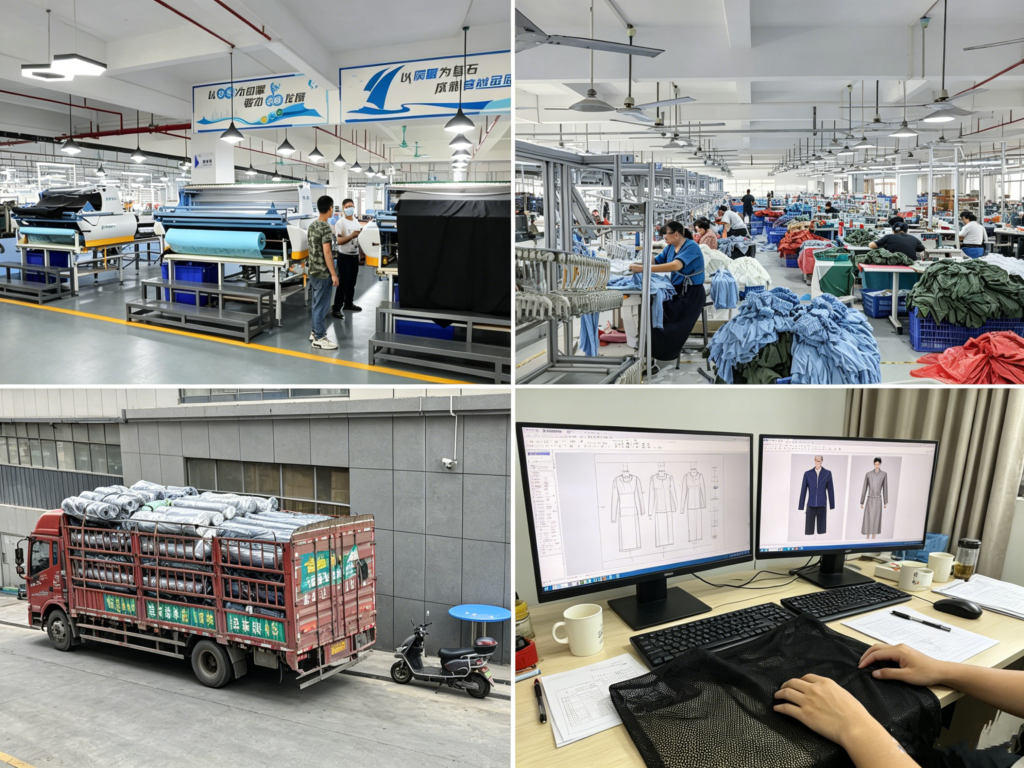
If you have any questions or require a quote, please leave
us a message. Our experts will get back to you within 24 hours to help you choose the ideal fashion products tailored to your needs.
Hi, I’m Lucy Cai, the founder of liantaoapparel.com. I’ve been managing a women’s clothing factory in China for over 16 years. With extensive experience in garment production and OEM services, I’m passionate about sharing insights into women’s fashion, apparel manufacturing, and global sourcing.
If you have any questions or need a quote, please contact us.
Please add us WhatsApp:+86 189 4809 3145
Provide us with detailed information about your requirements, supply design drawings or tech packs,
reference images, and share your ideas.
We will customize the best solution based on your needs and drawings, and provide a specific quote within 24 hours.
Once we receive your confirmation and deposit,we will commence mass production and take care of the subsequent shipping arrangements.