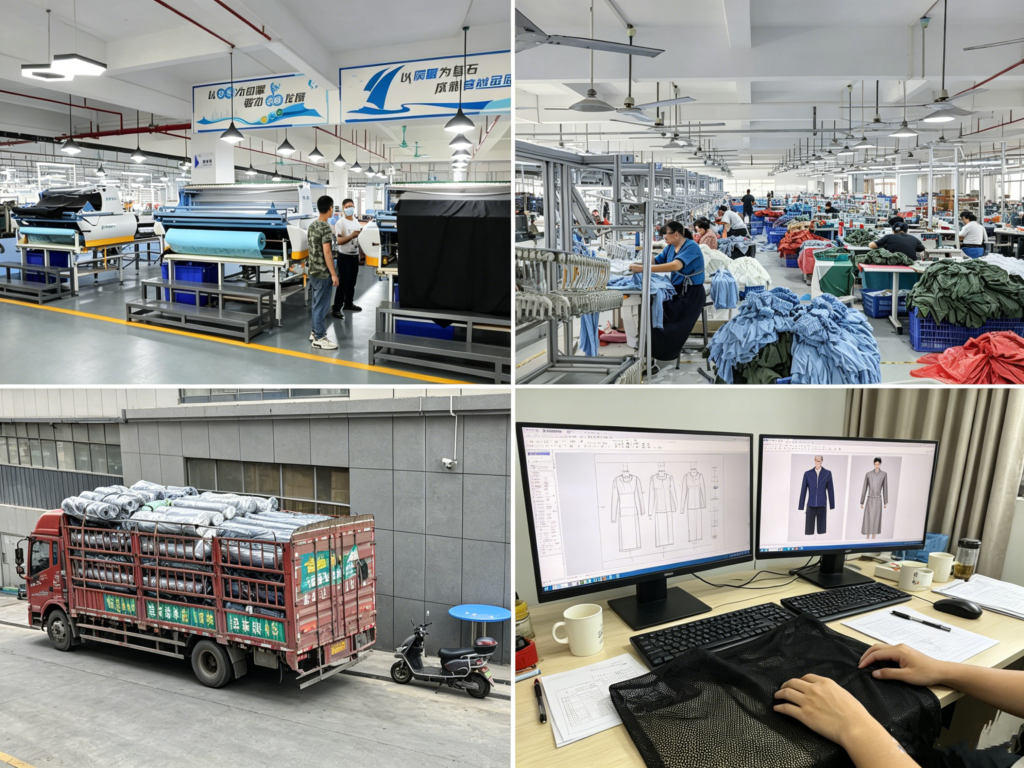
🏭 Looking for a Custom Apparel Manufacturer?
We are a leading OEM/ODM clothing factory with 20+ years of export experience. Custom styles, flexible MOQs, and retail-ready quality.
👉 Get a Free Quote & Fabric Swatches
Lace fabric is a decorative textile recognized for its openwork construction, intricate motifs, lightweight feel, and distinctive visual texture. Depending on its fiber composition and manufacturing method, lace can range from delicate and sheer to structured and substantial.
Lace is widely associated with bridal gowns, lingerie, eveningwear, and luxury fashion, but its applications extend to casual apparel, accessories, curtains, table linens, and other decorative textiles.
For fashion brands and apparel manufacturers, choosing the right lace involves more than appearance. Fiber content, pattern density, stretch, transparency, durability, finishing, production method, and end use all influence the final product.
In this guide, we examine what lace fabric is, what makes it unique, how lace is produced, the main types of lace fabric, common textile applications, cost factors, environmental considerations, and quality-control requirements.
1. What Is Lace Fabric?
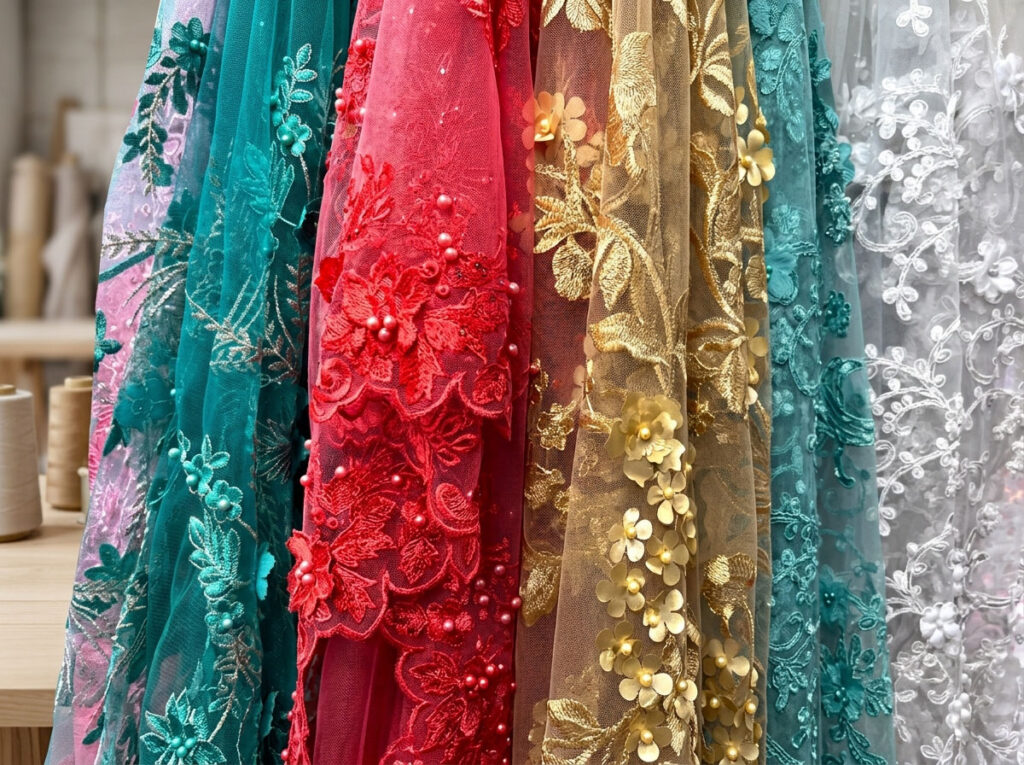
Lace fabric is an ornamental textile characterized by decorative openwork patterns. It can be produced from natural fibers such as cotton, linen, and silk or from synthetic fibers such as polyester and nylon.
Unlike plain woven or knitted fabrics, lace is primarily defined by its decorative structure. Floral motifs, geometric patterns, scalloped edges, embroidered surfaces, and open areas can all contribute to its visual identity.
This combination of transparency, texture, and ornamentation makes lace particularly valuable when a garment needs visual detail without relying on heavy fabric construction.
Origin and Production of Lace Fabric
Lace has a long European history dating back to the 16th century. Traditional techniques included needle lace and bobbin lace, both of which required skilled manual manipulation of threads to create detailed patterns.
Modern lace production has expanded considerably through mechanized manufacturing. Synthetic fibers such as polyester and nylon allow manufacturers to produce intricate patterns at higher volumes and more consistent costs.
Machine-made lace can reproduce many decorative effects associated with traditional lace while making the material suitable for larger commercial collections.
Historical Significance and Modern Usage
Historically, lace was closely associated with wealth, status, and craftsmanship. It appeared in aristocratic clothing, religious garments, collars, cuffs, and other decorative details.
Its luxury association has remained strong, particularly in:
- Bridalwear: Lace adds romance, texture, and visual sophistication to wedding gowns and veils.
- Eveningwear: Intricate lace can create depth and elegance in dresses, tops, and overlays.
- Lingerie: Lightweight lace is frequently used for decorative and intimate apparel.
- Home textiles: Lace can be incorporated into curtains, tablecloths, cushions, and other decorative products.
Today, machine production has made lace accessible to both premium and mass-market fashion brands while preserving its recognizable decorative character.
Lace Fabric Today
Modern lace fabric covers a broad range of constructions and price points. A lightweight synthetic lace may be suitable for commercial lingerie, while a highly detailed or hand-crafted lace may be selected for luxury bridal or couture applications.
For apparel development, the most important considerations include:
- Fiber composition: Determines hand feel, durability, stretch, and care requirements.
- Pattern density: Affects transparency, visual weight, and fabric consumption.
- Stretch: Important for fitted garments such as lingerie and body-conscious tops.
- Edge construction: Scalloped or decorative edges can become an important design element.
- Backing or lining requirements: Sheer lace may need a separate lining or base fabric depending on the garment.
2. What Makes Lace Fabric Unique? 5 Key Characteristics Designers Need to Know
Lace fabric stands out from many conventional textiles because the fabric structure itself becomes a major part of the design.
Key Characteristics and Qualities
- Intricate Design: Lace is recognized for detailed floral, geometric, abstract, or ornamental motifs. These patterns can create a premium visual impression without requiring additional surface printing.
- Lightweight and Breathable Structure: Many lace constructions contain open areas that allow air to pass through. This makes lightweight lace useful for overlays, summer garments, lingerie, and decorative panels.
- Versatile Fiber Options: Lace can be manufactured from cotton, silk, polyester, nylon, and blended fibers. Natural fibers can provide a softer or more organic character, while synthetic fibers can improve durability, consistency, and production efficiency.
- Strong Aesthetic Appeal: Lace adds texture and visual sophistication to garments and interiors. It can be used as a complete fabric or strategically applied to collars, cuffs, sleeves, hems, panels, and inserts.
- Transparency and Layering Potential: Sheer lace allows designers to create depth by layering it over another fabric. This makes lace particularly effective for romantic, feminine, bridal, and eveningwear designs.
Comparison with Other Fabrics
- Lace vs. Mesh: Both can have open structures, but lace generally emphasizes decorative motifs and ornamentation, while mesh typically uses a simpler grid or net construction and is frequently associated with sportswear and functional applications.
- Lace vs. Tulle: Tulle is generally a lightweight net fabric with a more uniform structure and can provide greater stiffness. Lace is usually more decorative and patterned and can offer a more visually complex surface.
- Lace vs. Crochet: Crochet lace has a distinctive handmade, looped appearance. Machine-made lace can achieve finer and more consistent motifs, while crochet typically has a more artisanal and textured character.
For apparel brands, these distinctions are important because selecting lace instead of mesh or tulle changes not only the appearance but also the garment’s drape, transparency, stretch, sewing requirements, and perceived value.
3. How Is Lace Fabric Made?
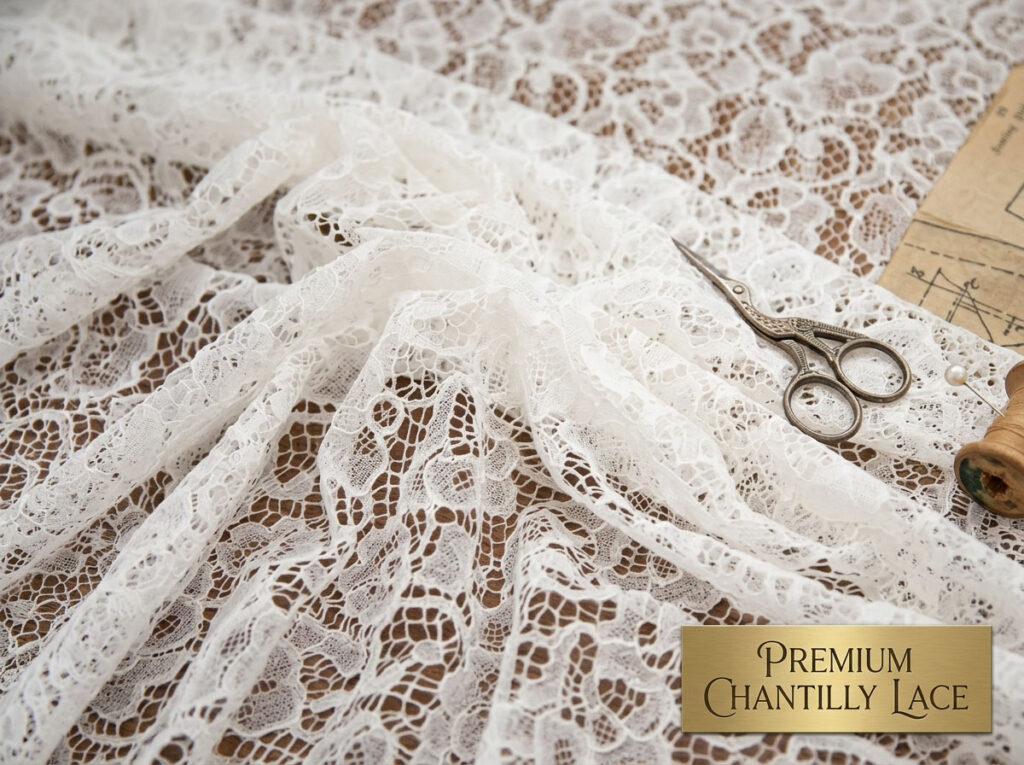
Lace production combines traditional craftsmanship with modern textile manufacturing. The exact process depends on the lace type, fiber, pattern complexity, and required production volume.
Production Process
- Handmade Lace: Traditional needle lace and bobbin lace require skilled artisans to manipulate individual threads into decorative patterns. Because the process is labor-intensive, handmade lace is generally associated with limited-production, luxury, bridal, and couture applications.
- Machine-Made Lace: Modern lace machines can produce intricate patterns at significantly higher production speeds. Equipment such as Raschel lace machines allows manufacturers to create consistent lace structures for apparel, lingerie, accessories, and home textiles.
Machine production improves scalability, repeatability, and cost efficiency, making lace accessible to a much broader range of brands and product categories.
Regions Known for Lace Production
- France: French lace traditions, including Chantilly lace, are strongly associated with delicate patterns and luxury fashion. The country remains influential in the heritage and design side of lace.
- Belgium: Belgian lace, particularly Brussels lace, has a long-standing reputation for detailed craftsmanship and traditional production techniques.
- China: China has become an important production base for machine-made lace, offering large-scale manufacturing capabilities across a wide range of lace constructions and price points.
For B2B sourcing, the production region should not be evaluated solely by reputation. Buyers should also assess fabric specifications, production consistency, testing capability, MOQ, lead time, quality control, and certification documentation.
4. What Are the Types of Lace Fabric? 5 Popular Styles Explained
Lace fabric includes numerous constructions and regional styles. The following five categories represent important examples frequently associated with fashion and decorative applications.
Chantilly Lace
Chantilly lace is known for delicate floral motifs, lightweight construction, and a relatively sheer appearance. Scalloped edges are another recognizable feature.
It is commonly associated with:
- Bridal veils: Its delicate transparency creates an elegant overlay effect.
- Wedding gowns: Floral patterns can add romance without excessive weight.
- Lingerie: Fine construction works well for lightweight intimate apparel.
- Eveningwear: The soft visual character suits sophisticated occasionwear.
Alençon Lace (French Lace)
Alençon lace is distinguished by raised motifs and corded outlines that create additional surface texture.
Its dimensional appearance makes it suitable for:
- Wedding dress embellishment: Raised motifs can emphasize selected areas of a gown.
- Formalwear: The textured surface adds visual depth to sophisticated garments.
- Luxury applications: Detailed construction can support premium positioning.
Guipure Lace
Guipure lace is characterized by connected motifs without the conventional net background found in many other lace constructions.
The resulting structure tends to be more substantial and dimensional.
Common applications include:
- Fashion tops: Its heavier structure can function as a primary fabric.
- Dresses: Larger motifs create a strong decorative surface.
- Accessories: The texture can add visual interest to smaller products.
- Home décor: Decorative panels and curtains can benefit from its dimensional appearance.
Venetian Lace
Venetian lace is recognized for raised, heavy motifs and ornate, often baroque-inspired designs.
Its substantial visual character makes it suitable for:
- Luxury gowns: The bold pattern can become a major design feature.
- Formalwear: Rich texture supports sophisticated styling.
- Historical or theatrical costumes: Dramatic motifs can reinforce period-inspired designs.
Crochet Lace
Crochet lace is generally created using crochet techniques and has a more visibly handmade, irregular appearance than many machine-made lace constructions.
It is particularly suitable for:
- Bohemian fashion: The artisanal appearance complements relaxed styling.
- Summer garments: Open structures can create a lightweight visual effect.
- Home textiles: Tablecloths and decorative accessories can use crochet-inspired lace.
- Vintage-inspired products: The handmade aesthetic supports nostalgic collections.
Each lace type creates a different balance of transparency, texture, structure, softness, and decorative intensity, so selection should be based on the final garment rather than the lace name alone.
5. How Is Lace Fabric Used in Textiles? 4 Major Applications
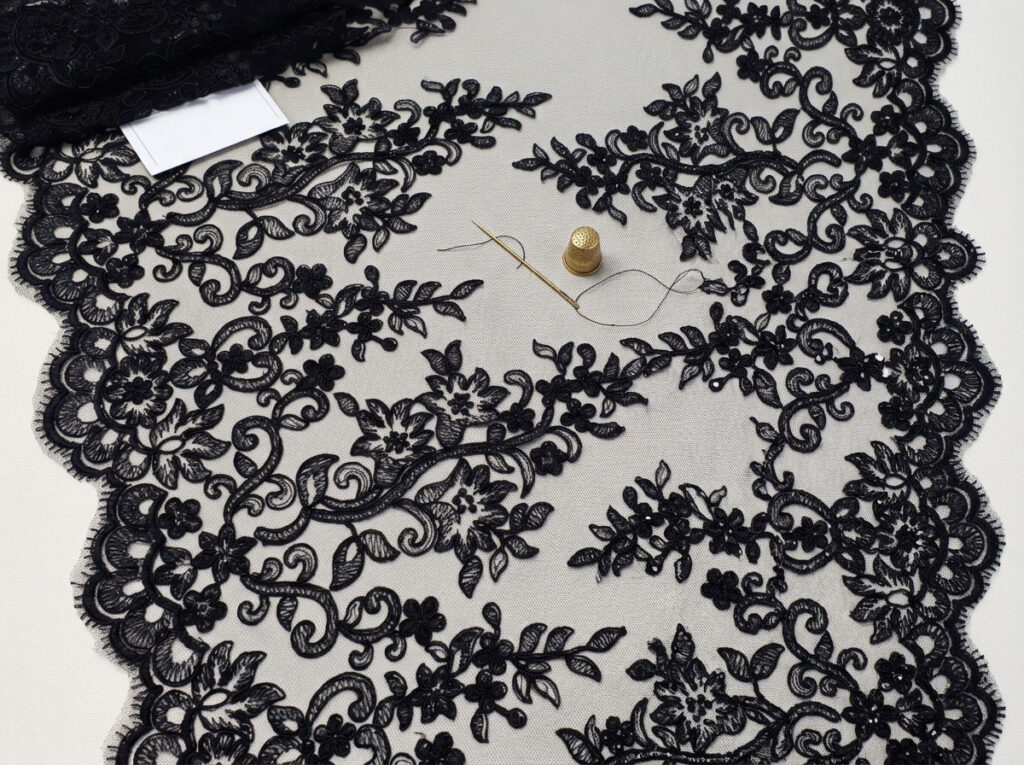
Lace remains commercially relevant because it can transform a relatively simple garment into a more detailed and visually distinctive product.
Bridal and Evening Wear
Lace is a long-established material for wedding dresses, veils, evening gowns, and formal garments.
Its major advantages in these applications include:
- Decorative depth: Intricate motifs add complexity without requiring heavy embellishment.
- Layering: Sheer lace can be placed over satin, jersey, chiffon, or other base fabrics.
- Romantic appeal: Floral and ornamental patterns naturally support bridal and formal aesthetics.
Lingerie
Lace is widely used in bras, panties, bodysuits, camisoles, nightgowns, and other intimate apparel.
For lingerie, however, aesthetics must be balanced with technical performance. Important considerations include:
- Soft hand feel: Important for next-to-skin comfort.
- Stretch and recovery: Essential for close-fitting garments.
- Edge softness: Decorative edges should not create unnecessary irritation.
- Wash durability: The lace should retain its appearance and structure after repeated care cycles.
Casual Fashion
Lace is no longer restricted to formalwear. It can be incorporated into:
- Tops: Full-lace tops or lace inserts create a feminine fashion direction.
- Skirts: Lace overlays can add texture and transparency.
- Dresses: Lace panels can create contrast between opaque and sheer sections.
- T-shirts and knitwear: Small lace trims can elevate otherwise simple silhouettes.
This makes lace particularly useful for brands seeking to combine everyday comfort with decorative detailing.
Home Decor
Lace is also used for:
- Curtains: Openwork patterns can create a light, decorative appearance.
- Tablecloths: Traditional lace motifs support classic interiors.
- Decorative cushions: Lace panels can introduce texture and craftsmanship.
- Other interior textiles: Decorative trims and overlays can be incorporated into multiple home products.
Its versatility across apparel and interiors is one reason lace continues to maintain a place in the broader textile market.
6. How Much Does Lace Fabric Cost?
Lace fabric prices vary considerably because lace is not a single standardized material. Fiber composition, construction, pattern complexity, manufacturing method, width, finishing, quantity, and supplier location can all affect the quotation.
The original Liantao article provides the following indicative price ranges, but actual quotations should be confirmed against current specifications and order conditions.
Lace Fabric Costs in the United States
- Handmade Lace: The original article gives an indicative range of approximately $50–$200 per yard. The higher cost reflects labor-intensive craftsmanship and is more commonly associated with luxury or specialty applications.
- Machine-Made Lace: The original article gives an indicative range of approximately $5–$30 per yard. Machine production makes these materials more suitable for commercial apparel and larger-volume applications.
Lace Fabric Costs in China
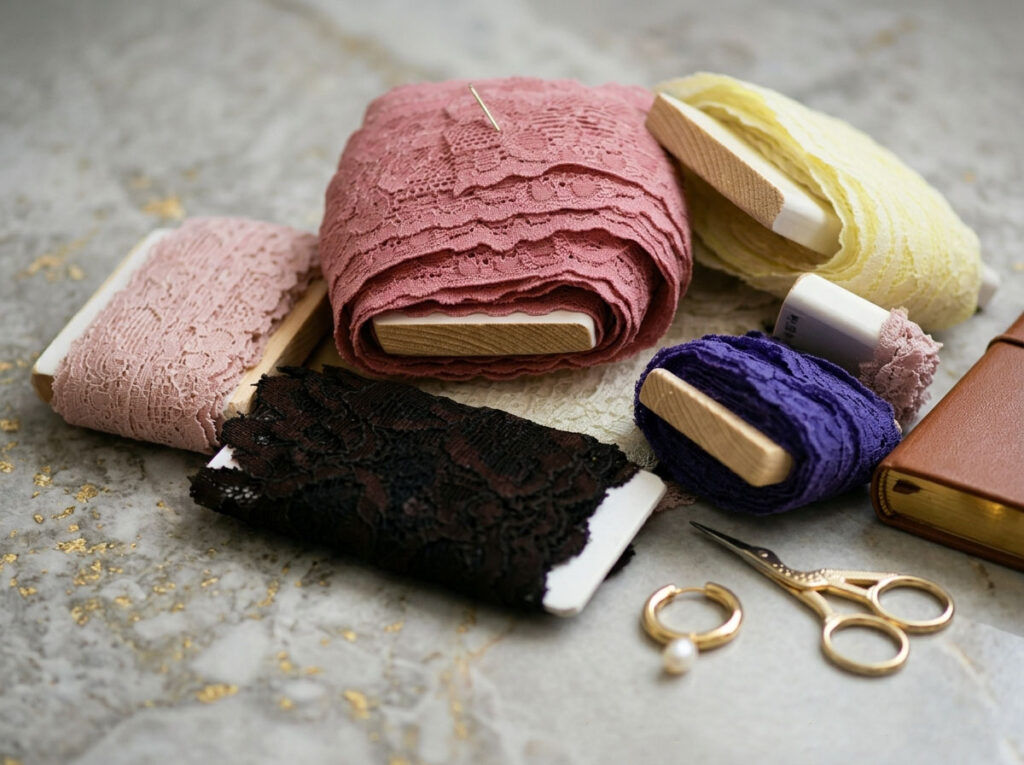
- Handmade Lace: The original article cites approximately $30–$120 per yard as an indicative range, depending heavily on craftsmanship and material specifications.
- Machine-Made Lace: The original article cites approximately $3–$20 per yard, with actual prices varying by construction, fiber, pattern, width, finishing, MOQ, and order volume.
Factors Influencing Lace Fabric Prices
- Type of Lace: Handmade and highly intricate lace generally requires more labor and therefore tends to cost more than standard machine-made constructions.
- Production Location: Labor, energy, equipment, raw materials, compliance requirements, and production scale all affect manufacturing cost.
- Material Quality: Silk and premium cotton may command higher prices than conventional polyester or nylon, although fiber price alone does not determine overall lace quality.
- Pattern Complexity: Dense motifs, multi-layer structures, corded details, and specialized borders can increase production complexity.
- Fabric Width and Yield: A wider usable width can affect garment yield and cutting efficiency, making it an important factor when comparing suppliers.
- Order Quantity: Larger production runs can often improve unit economics, while small MOQs may carry higher development or setup costs.
Comparing Lace Fabric Prices: U.S. vs. China
The original article states that Chinese lace can be 30%–50% lower in some sourcing comparisons. However, this should not be treated as a universal fixed price difference because fabric specifications, supplier level, production quantity, logistics, compliance, and finishing can substantially change the final landed cost.
For apparel brands, the most useful comparison is therefore not simply price per yard, but:
fabric price + usable width + yield + wastage + MOQ + testing + trims + production efficiency + logistics.
This provides a more realistic picture of the final garment cost.
7. How Does Lace Fabric Impact the Environment? Benefits, Risks & Solutions
The environmental impact of lace depends heavily on its fiber composition, manufacturing process, dyeing, finishing, product lifespan, and end-of-life treatment.
Natural-fiber lace and synthetic lace can therefore have very different environmental profiles.
Positive Environmental Impacts
- Biodegradability: Lace made from natural fibers such as cotton, linen, or silk can be biodegradable under appropriate conditions. The overall environmental benefit still depends on how those fibers are grown, processed, dyed, and transported.
- Handmade Lace: Traditional hand production generally requires less industrial machinery and may use less energy during manufacturing. However, the environmental profile also depends on the materials, dyes, transportation, and production scale involved.
Negative Environmental Impacts
- Synthetic Fibers: Polyester and nylon are fossil-based synthetic fibers and are not readily biodegradable. Synthetic textile products can also contribute to microfiber release during use and washing.
- Energy Consumption: Machine production requires energy, and the footprint depends on production efficiency and the electricity source.
- Dyeing and Finishing: Textile dyeing and finishing can generate wastewater and chemical loads if processes are not properly controlled.
The environmental performance of lace should therefore be assessed across the entire supply chain rather than judged solely by whether the material is natural or synthetic.
Sustainable Practices
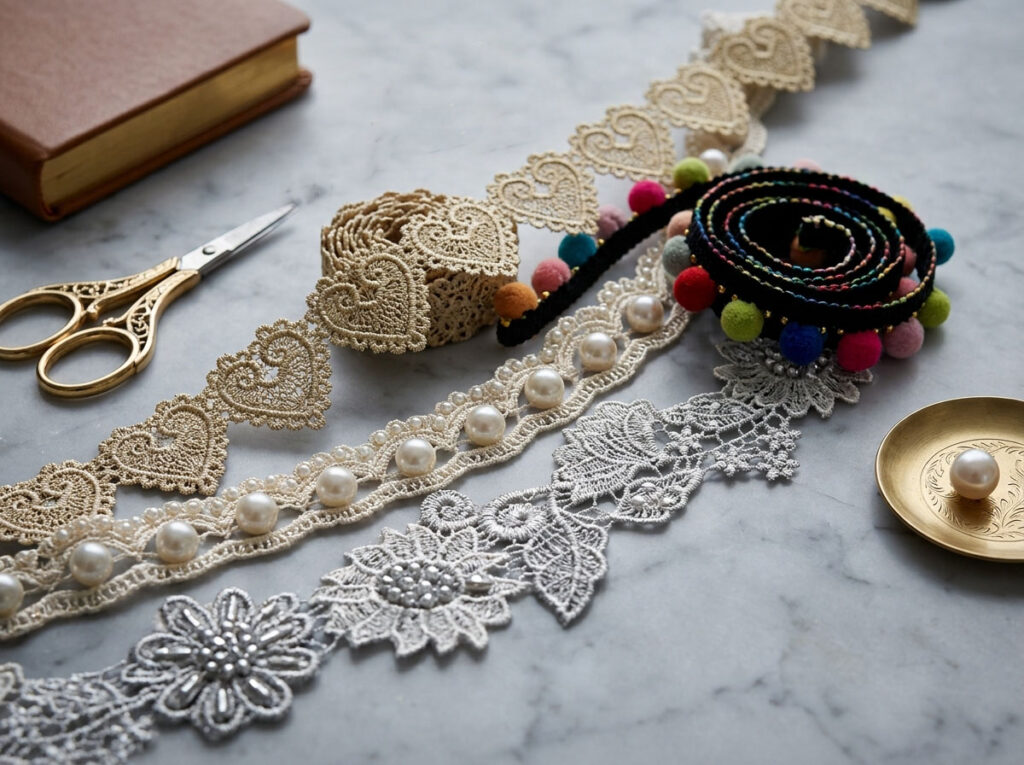
- Organic Fiber Sourcing: Certified organic cotton and other responsibly sourced fibers can help reduce certain agricultural impacts compared with conventional production.
- Recycling and Waste Reduction: Reusing lace offcuts, optimizing cutting layouts, and developing products from textile waste can reduce material loss.
- Eco-Friendly Dyeing: Low-impact dyes, controlled chemical management, water-efficient processes, and proper wastewater treatment can reduce environmental pressure.
- Longer Product Lifespan: Durable lace that maintains its appearance after repeated wear can reduce replacement frequency and improve product utilization.
- Responsible Material Selection: Brands should select the fiber and lace construction according to the product’s actual performance requirements instead of using a sustainability claim without considering durability or end use.
8. How to Ensure Lace Fabric Quality & Certification: A Buyer’s Checklist
For apparel brands, lace quality involves much more than visual appearance. A lace fabric can look attractive in a sample but still perform poorly during cutting, sewing, washing, or repeated wear.
Key Quality Indicators
- Pattern Definition and Durability: Motifs should be clearly formed and remain stable during handling, cutting, sewing, and laundering. Consistent pattern registration is especially important for large production runs.
- Softness and Hand Feel: Lace used for lingerie and next-to-skin garments should be sufficiently soft and flexible. Stiffer constructions may be better suited to outer layers or decorative applications.
- Stretch and Recovery: Stretch lace should return toward its original dimensions after extension. Poor recovery can cause garment deformation and inconsistent fit.
- Dimensional Stability: Buyers should test shrinkage and distortion after washing, particularly when lace is combined with another fabric whose shrinkage rate differs.
- Colorfastness: Color should remain stable after washing, rubbing, and exposure to relevant conditions.
- Edge Quality: Scalloped and decorative edges should be consistent, clean, and free from excessive fraying or distortion.
- Seam Performance: The lace should be compatible with the garment’s sewing method. Very open or delicate constructions may require specialized needles, thread, seam allowances, or reinforcement.
Certifications and Sustainability
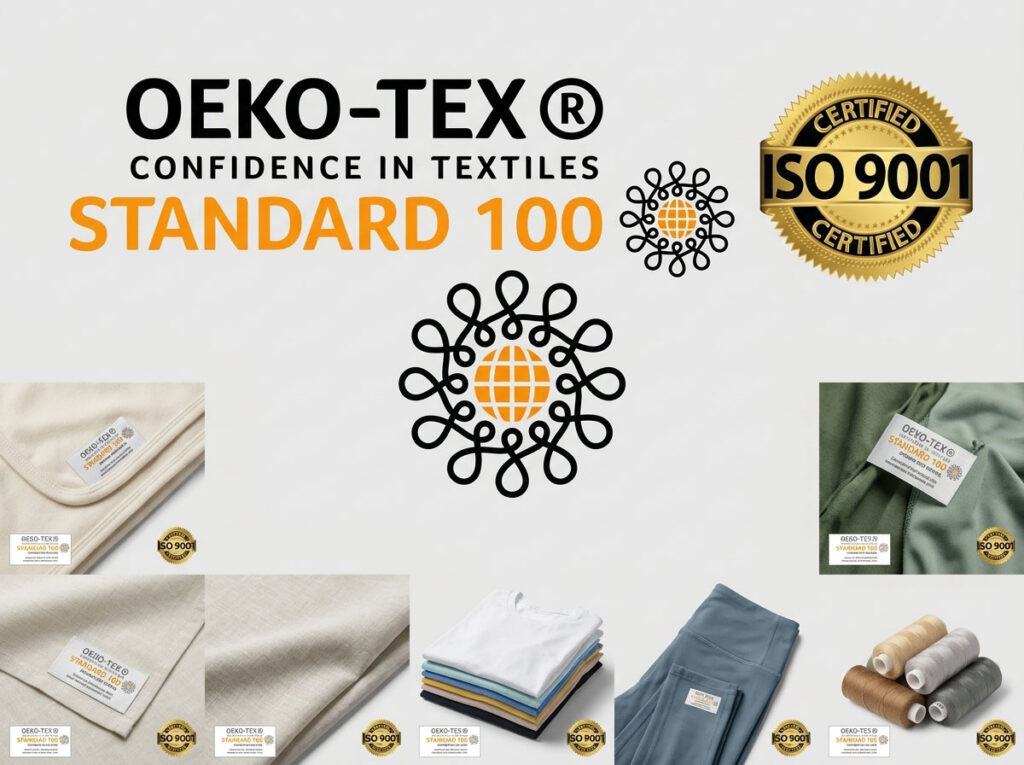
- OEKO-TEX® Standard 100: This certification can provide evidence that a tested textile product or component meets defined limits for certain harmful substances. Brands should verify the certificate’s validity and scope for the specific material being purchased rather than relying on a generic supplier claim.
- ISO Standards: ISO certifications can relate to specific management systems, such as quality management or environmental management. Buyers should identify the exact standard and verify that it applies to the relevant supplier or production facility.
Certification should complement—not replace—physical fabric testing and production quality control.
For B2B lace sourcing, a practical quality-control program can include:
- Lab Dip Approval: Confirm color before bulk dyeing.
- Hand-Loom or Fabric Sample Approval: Check appearance, transparency, stretch, and hand feel.
- Pre-Production Inspection: Verify bulk fabric against the approved standard.
- Fabric Testing: Check shrinkage, colorfastness, GSM, width, stretch/recovery, and other product-specific requirements.
- Bulk Production Inspection: Monitor consistency between production lots.
- Final Garment Inspection: Confirm that the lace performs correctly after cutting and sewing.
A strong sourcing process helps ensure that the selected lace is not only visually attractive but also manufacturable, durable, consistent, compliant, and commercially suitable.
Conclusion
Lace fabric continues to occupy an important position in fashion because it combines decorative detail, transparency, texture, and craftsmanship in a single textile.
From delicate Chantilly lace and textured Alençon lace to substantial Guipure and artisanal crochet lace, each construction creates a different balance of appearance, durability, structure, and cost.
For fashion brands, the right lace should be selected according to the final product rather than appearance alone. Fiber composition, lace construction, stretch, transparency, GSM, pattern density, edge finish, colorfastness, care requirements, and certification should all be considered during product development.
For manufacturers and sourcing teams, early fabric testing is especially important. Lace can behave differently during cutting and sewing from conventional jersey or woven fabrics, so pattern engineering, seam construction, handling, and quality control should be considered before bulk production.
When the material, construction, manufacturing process, and end use are properly matched, lace fabric can add significant design value to bridalwear, lingerie, eveningwear, casual fashion, and decorative textile products while supporting a broad range of price and positioning strategies.