🏭 Looking for a Custom Apparel Manufacturer?
We are a leading OEM/ODM clothing factory with 20+ years of export experience. Custom styles, flexible MOQs, and retail-ready quality.
You buy a soft, comfortable cotton T-shirt, wash it once, and suddenly it feels shorter or tighter. So, does cotton shrink in the wash? Yes. Cotton can shrink, particularly when exposed to hot water, high dryer temperatures, and aggressive washing.
The good news is that cotton shrinkage is not completely unpredictable. Understanding how cotton fibers react to water, heat, and mechanical action can help you reduce shrinkage and extend the life of your clothes.
Whether you are caring for everyday T-shirts, hoodies, sweatshirts, or other cotton garments, the right washing and drying methods can make a significant difference.
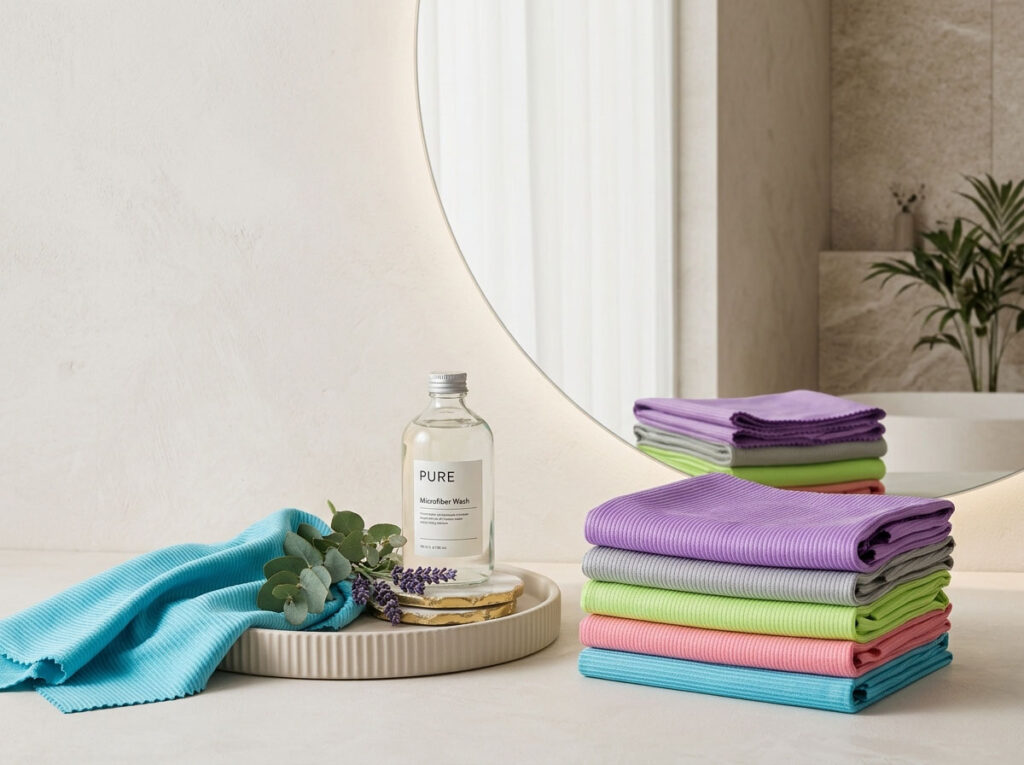
Cotton is a natural cellulose fiber, so it responds differently to washing than many synthetic fabrics. During textile production, cotton fibers can be stretched and placed under tension. Washing and drying allow some of that tension to relax, causing the fabric to contract.
The combination of moisture, heat, and mechanical agitation can accelerate this process.
Cotton fibers absorb water and swell during washing. At the same time, movement inside the washing machine can loosen the tension created during manufacturing.
Several factors contribute to cotton shrinkage:
This is why a new cotton shirt may fit differently after its first few washes.
Heat is one of the biggest contributors to cotton shrinkage, particularly during tumble drying. Hot water can contribute to contraction, but high dryer temperatures combined with tumbling can produce an even stronger effect.
| Factor | Shrinkage Effect | Prevention Tips |
|---|---|---|
| Hot Water | Moderate | Wash cotton with cold or cool water |
| Hot Dryer | High to Severe | Air-dry or use a low-heat setting |
| Aggressive Washing | Moderate | Select a gentle or delicate cycle |
| Ironing | Low | Use moderate heat and iron while slightly damp |
For this reason, controlling both washing temperature and drying temperature is important if maintaining garment dimensions is a priority.
The amount of shrinkage depends on the cotton fiber, fabric construction, finishing process, garment design, and care method.
Untreated cotton can experience noticeable dimensional change after the first wash, while pre-shrunk and properly finished cotton generally shows better dimensional stability.
No. Pre-shrunk cotton is not completely shrink-proof, but it is designed to reduce additional shrinkage.
During manufacturing, pre-shrinking processes reduce the amount of tension remaining in the fabric. This makes the finished garment more dimensionally stable during normal washing.
In severe cases, untreated 100% cotton garments can shrink enough to noticeably affect the garment’s fit, particularly in length.
The actual result varies by fabric construction and finishing, so it is better to think in terms of dimensional change rather than assuming every cotton garment will shrink by exactly one size.
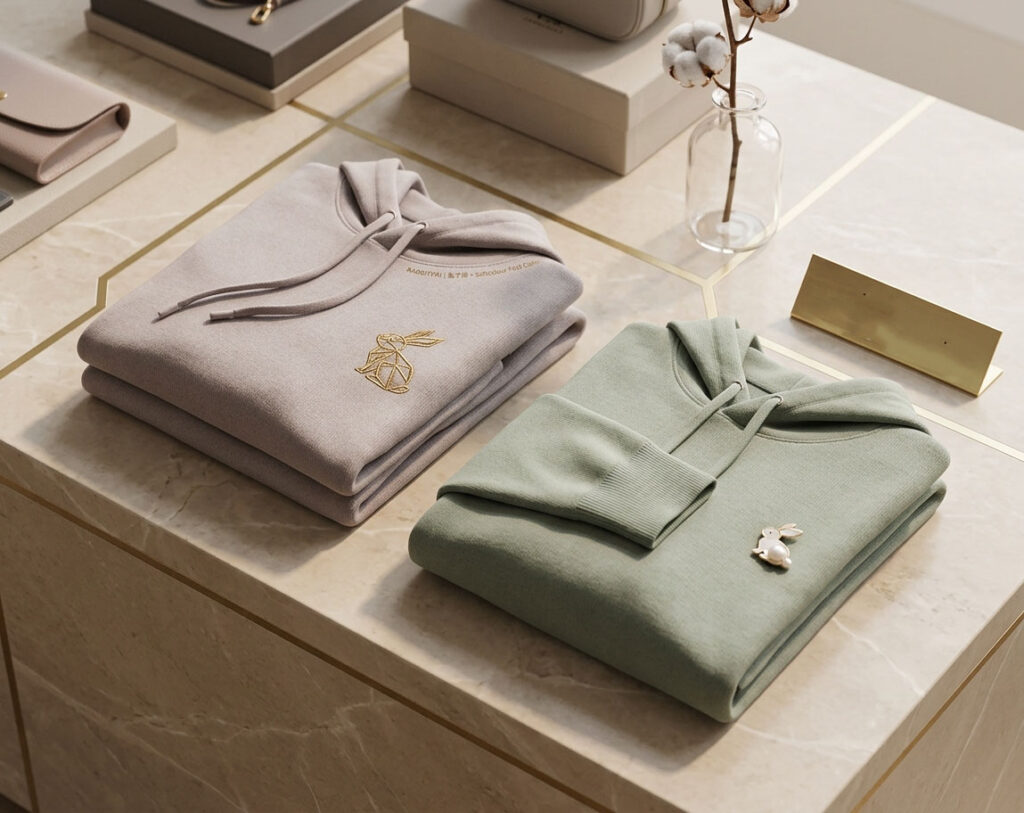
The best way to prevent cotton shrinkage is to control water temperature, washing intensity, and drying heat.
Cold or cool water, gentle washing cycles, and low-temperature drying can help cotton garments maintain their original dimensions for longer.
For most everyday cotton garments, cold water is the safer choice.
Cold washing reduces thermal stress on cotton fibers while helping preserve the garment’s color, shape, and overall appearance.
Always check the garment’s care label because fabric finishing and construction can affect the recommended washing temperature.
Yes. Air-drying is one of the safest methods for reducing cotton shrinkage.
Unlike a hot tumble dryer, air-drying avoids the combination of high heat and repeated mechanical tumbling that can accelerate dimensional change.
Yes. Cotton blends generally have different shrinkage behavior from 100% cotton.
Blending cotton with synthetic or elastic fibers can improve dimensional stability, depending on the blend ratio, fabric construction, and finishing process.
Cotton-polyester and cotton-spandex fabrics are generally more dimensionally stable than untreated 100% cotton.
| Blend Type | Shrink Risk | Key Characteristics |
|---|---|---|
| 100% Cotton | Higher | Soft, breathable, natural hand feel |
| Cotton-Polyester (60/40) | Lower | Durable, stable, wrinkle-resistant |
| Cotton-Spandex | Lower | Stretchy, flexible, shape-retaining |
The actual shrinkage performance still depends on fabric construction and whether the cotton has been pre-shrunk or otherwise stabilized.
They can be, but the fiber label alone does not determine shrinkage.
Organic cotton is still cotton, so it can shrink if it has not received appropriate dimensional-stability treatments. Ring-spun cotton is produced to create smoother and stronger yarns, but ring-spinning itself does not make cotton shrink-proof.
A shrunken cotton garment may sometimes be partially reshaped if the fibers have not permanently set into their new dimensions.
A common home method involves soaking the garment in lukewarm water with a small amount of hair conditioner or baby shampoo, then gently reshaping it while damp.
Yes, you may be able to partially restore a shrunken cotton shirt, although results vary.
The goal is to relax the fibers and gently reshape the garment without adding additional heat or aggressive mechanical stress.
This method cannot guarantee a full recovery, but it may help restore some lost length or width when the shrinkage is moderate.
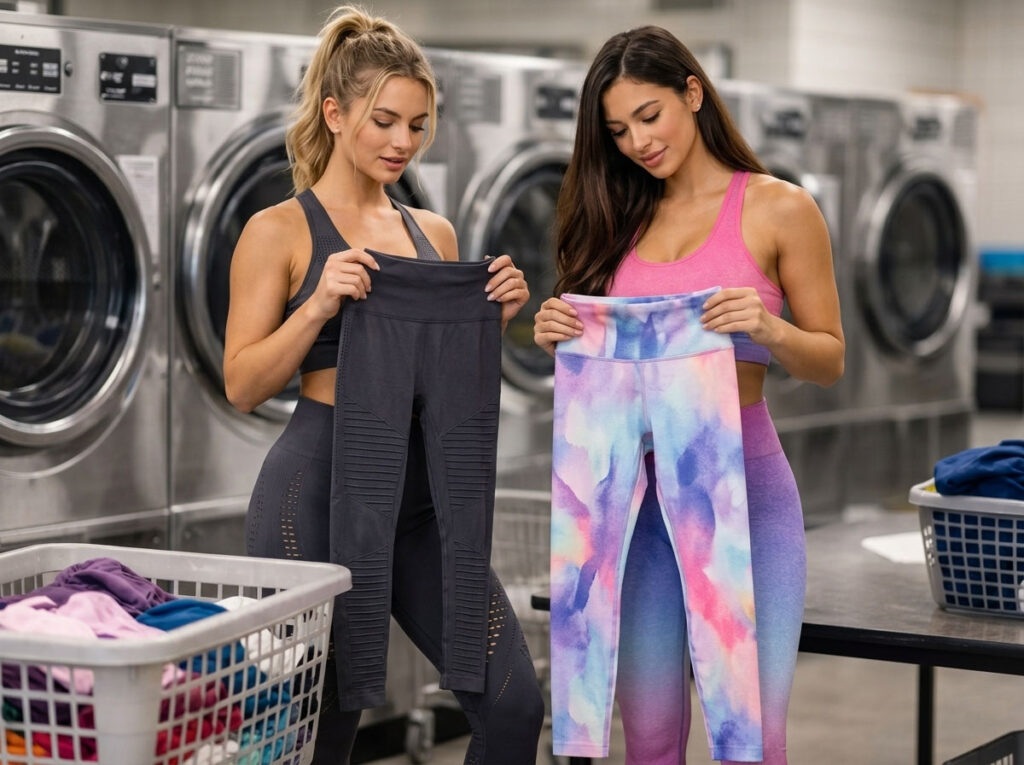
Gentle, moisturizing products are generally preferred when attempting to relax cotton fibers for reshaping.
Always test a small, inconspicuous area first if you are concerned about color or fabric finish.
So, does cotton shrink in the wash? Yes—especially when cotton garments are exposed to high temperatures, aggressive washing, and hot tumble drying.
The key is to understand that cotton shrinkage depends on more than just the word “cotton.” Fiber type, fabric construction, pre-shrinking, finishing, washing temperature, and drying method all influence dimensional stability.
For everyday cotton clothing, the safest approach is simple: wash with cold or cool water, use a gentle cycle, avoid excessive dryer heat, and air-dry whenever practical.
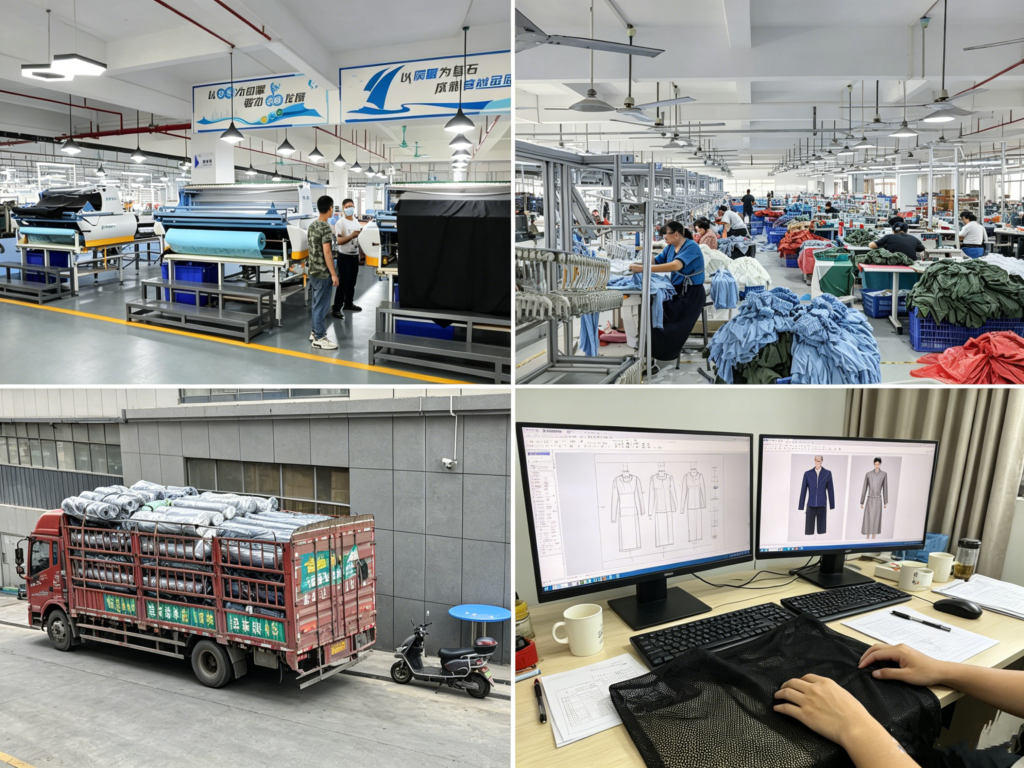
If a cotton garment has already shrunk, gentle soaking and reshaping may help recover part of the lost size. For apparel manufacturers, controlling shrinkage begins even earlier—with appropriate cotton sourcing, fabric finishing, garment construction, and pre-production testing.
If you have any questions or require a quote, please leave
us a message. Our experts will get back to you within 24 hours to help you choose the ideal fashion products tailored to your needs.
Hi, I’m Lucy Cai, the founder of liantaoapparel.com. I’ve been managing a women’s clothing factory in China for over 16 years. With extensive experience in garment production and OEM services, I’m passionate about sharing insights into women’s fashion, apparel manufacturing, and global sourcing.
If you have any questions or need a quote, please contact us.
Please add us WhatsApp:+86 189 4809 3145
Provide us with detailed information about your requirements, supply design drawings or tech packs,
reference images, and share your ideas.
We will customize the best solution based on your needs and drawings, and provide a specific quote within 24 hours.
Once we receive your confirmation and deposit,we will commence mass production and take care of the subsequent shipping arrangements.