🏭 Looking for a Custom Apparel Manufacturer?
We are a leading OEM/ODM clothing factory with 20+ years of export experience. Custom styles, flexible MOQs, and retail-ready quality.
Italy’s influence on global sportswear goes far beyond fashion. It combines generations of craftsmanship, advanced textile expertise, technical innovation, and a distinctive ability to merge athletic performance with style.
So, what sports brands were made in Italy? FILA, Diadora, and Lotto are among the most recognizable names associated with Italian sportswear heritage. Each brand demonstrates a different side of Italy’s approach to athletic products, from tennis and football to running, cycling, and lifestyle apparel.
For brands exploring premium Made in Italy sportswear, understanding this history is valuable. Italian sports apparel manufacturers are known for specialized materials, skilled workmanship, flexible production, and close attention to product details.
The result is more than a country-of-origin label. Italian manufacturing can give a sportswear collection a stronger story, distinctive product identity, and premium positioning.
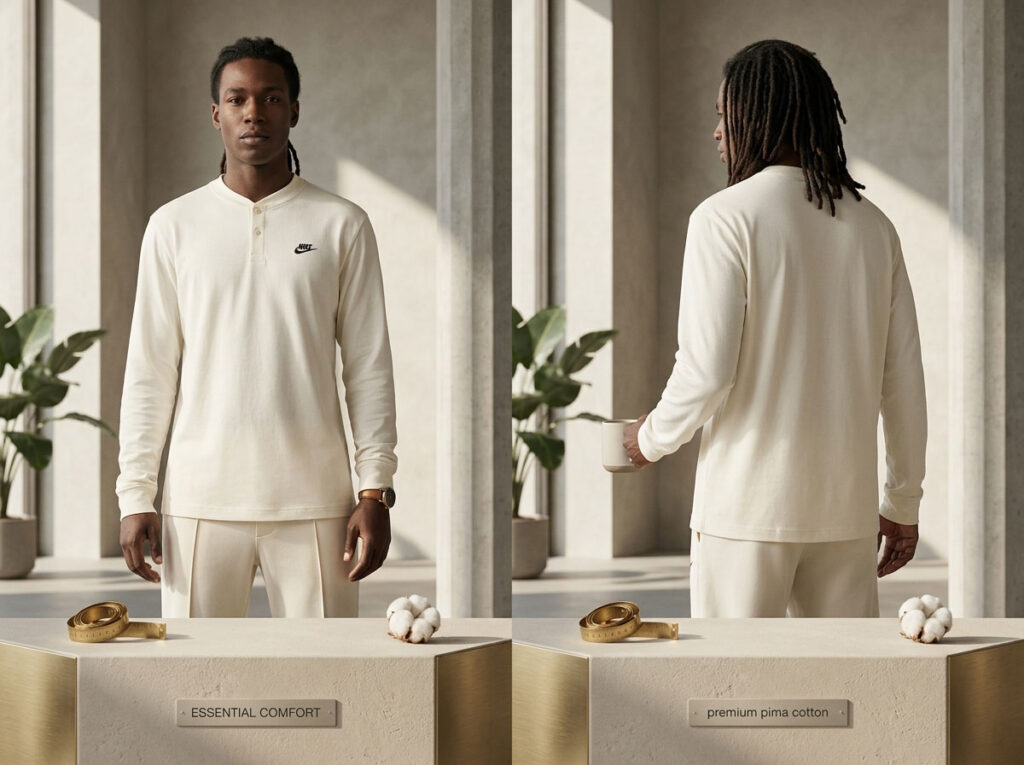
Italy has produced several influential sportswear brands that have achieved international recognition. Their success reflects the country’s long relationship with textiles, footwear, fashion, and competitive sports.
FILA traces its origins to Biella, Italy, in 1911. The company initially focused on textiles, underwear, and knitwear before developing into a major international sportswear brand.
Its breakthrough in sports came through tennis and its association with high-profile athletes. Bold color combinations, distinctive silhouettes, and a strong connection to Italian design helped FILA establish an identity that extended beyond technical sportswear.
Today, FILA represents a blend of Italian sportswear heritage, performance, and fashion, demonstrating how a brand with traditional textile roots can develop a global presence.
Diadora began in 1948 and initially specialized in mountain footwear before expanding into athletic footwear and sportswear. Over time, the brand developed strong connections with football, tennis, running, and other performance categories.
Lotto was founded in 1973 in Treviso and became particularly well known in football and tennis. Its products combine technical functionality with recognizable Italian styling.
Both brands demonstrate an important characteristic of Italian sportswear: performance does not have to come at the expense of design. Their histories show how technical development, athlete feedback, craftsmanship, and visual identity can work together.
The strength of Italian sportswear manufacturing is not simply its history. Italian suppliers often combine design development, textile knowledge, engineering, craftsmanship, and production expertise within relatively close manufacturing networks.
For premium or specialized sportswear, this integrated approach can make product development more collaborative and responsive.
Italian manufacturers often treat aesthetics and technical performance as interconnected parts of product development.
Designers, pattern makers, textile specialists, technicians, and production teams can work closely together to refine garments from the prototype stage through final production.
This approach can be particularly valuable for products where small construction details affect performance, such as cycling jerseys, compression garments, tennis apparel, and technical outerwear.
Italy has a strong reputation for technical textiles used in cycling, triathlon, tennis, running, and premium athleisure.
Italian textile suppliers have developed fabrics designed around stretch, moisture management, compression, recovery, durability, and sustainability. The exact fabric selection depends on the intended sport and garment construction.
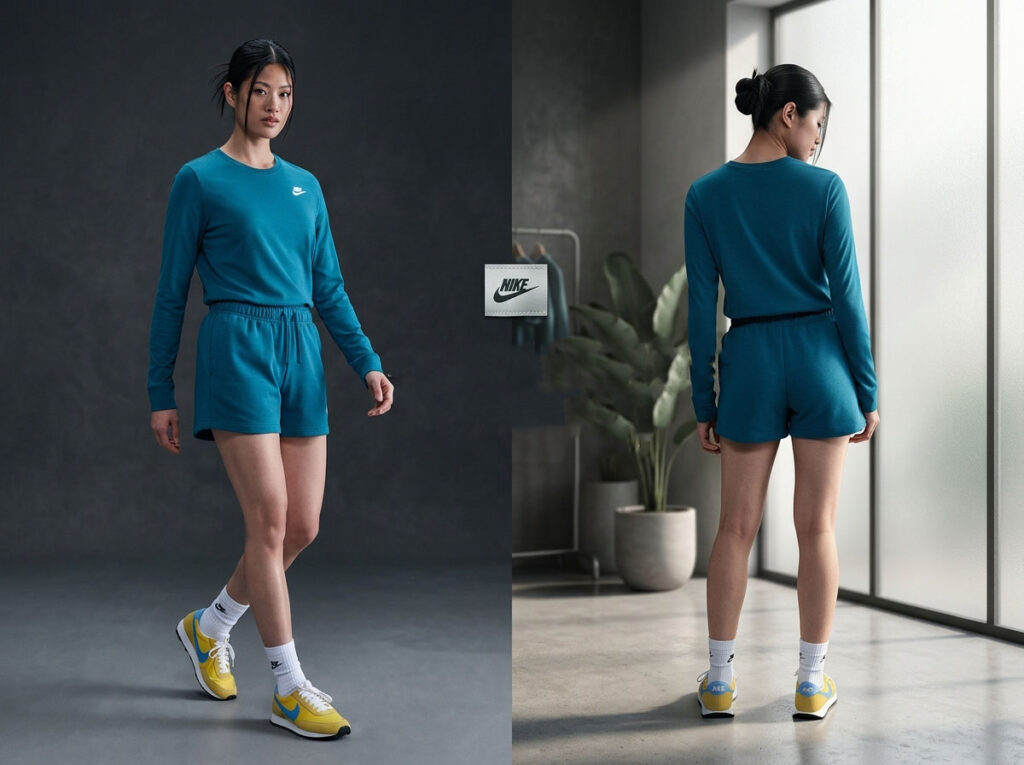
Italian manufacturing is not limited to domestic sports brands. International companies also source specialized products, fabrics, footwear, and premium apparel from Italian suppliers.
This is particularly relevant when a brand needs technical expertise, specialized materials, premium finishing, or a strong country-of-origin story.
International sports and fashion companies may work with Italian suppliers for specialized collections and technically demanding products.
The specific supplier relationship behind any individual brand or product can change over time, so brands should verify current manufacturing information rather than assuming that an entire collection is made in Italy.
“Made in Italy” carries strong associations with craftsmanship, design, quality, and luxury. In sportswear, those associations can help a product stand apart from mass-market competitors.
However, country of origin should be treated as part of a broader value proposition. Fabric performance, fit, durability, design, and quality control still determine whether customers consider a sportswear product successful.
Italy’s sportswear manufacturing ecosystem is distributed across several specialized regions rather than concentrated in one location.
Different areas have developed expertise in textiles, footwear, garment manufacturing, technical fabrics, and fashion production.
Regional manufacturing clusters can bring suppliers, textile mills, trim producers, dyeing specialists, technical experts, and garment factories closer together.
This proximity can support faster communication, more efficient sampling, and easier technical problem-solving during product development.
Many Italian manufacturers have developed their expertise over multiple generations. Long-standing businesses can provide valuable knowledge about fabrics, construction methods, fitting, and finishing.
This local experience can be especially useful when developing technically demanding sportswear.
Finding an Italian sportswear manufacturer is only the first step. Buyers also need to evaluate technical capabilities, minimum order quantities, certifications, communication, sampling procedures, pricing, and production capacity.
A structured sourcing process can significantly reduce production risk.

So, what sports brands were made in Italy? FILA, Diadora, and Lotto are three of the most recognizable examples of Italian sportswear heritage, each with a distinct history across textiles, tennis, football, footwear, and athletic performance.
But Italy’s importance to sportswear extends beyond famous brand names. Its manufacturing ecosystem combines technical textiles, skilled labor, specialized suppliers, design expertise, and premium craftsmanship.
For emerging and established sportswear brands, sourcing from Italy can offer more than a prestigious label. The right Italian sports apparel manufacturer can provide technical knowledge, customized development, premium materials, and a manufacturing story that strengthens the overall brand position.
For buyers comparing global production options, the most important question is not simply whether a product can be made in Italy. It is whether the quality, technical capability, MOQ, pricing, lead time, and manufacturing expertise match the brand’s specific product and market strategy.
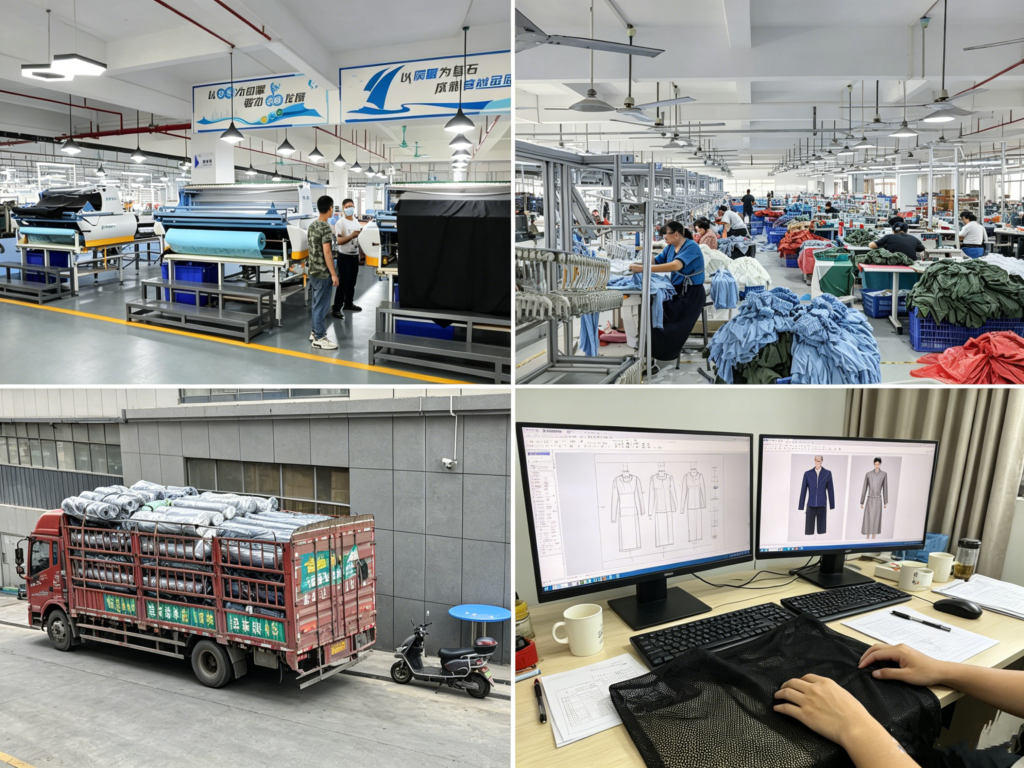
If you have any questions or require a quote, please leave
us a message. Our experts will get back to you within 24 hours to help you choose the ideal fashion products tailored to your needs.
Hi, I’m Lucy Cai, the founder of liantaoapparel.com. I’ve been managing a women’s clothing factory in China for over 16 years. With extensive experience in garment production and OEM services, I’m passionate about sharing insights into women’s fashion, apparel manufacturing, and global sourcing.
If you have any questions or need a quote, please contact us.
Please add us WhatsApp:+86 189 4809 3145
Provide us with detailed information about your requirements, supply design drawings or tech packs,
reference images, and share your ideas.
We will customize the best solution based on your needs and drawings, and provide a specific quote within 24 hours.
Once we receive your confirmation and deposit,we will commence mass production and take care of the subsequent shipping arrangements.