🏭 Looking for a Custom Apparel Manufacturer?
We are a leading OEM/ODM clothing factory with 20+ years of export experience. Custom styles, flexible MOQs, and retail-ready quality.
Choosing track pants sounds simple until you start comparing different fits, fabrics, ankle designs, and performance features. From classic relaxed track pants to tapered joggers, cargo styles, flare-leg designs, and technical performance pants, each type serves a different purpose
So, what are the different types of track pants?
The most common styles include classic track pants, joggers, tapered pants, slim-fit pants, straight-leg pants, cargo-style track pants, flare-leg joggers, and tech-fabric performance styles. The right option depends on your activity, preferred fit, climate, and personal style.
Track pants are no longer limited to warm-ups and training sessions. Modern designs have become part of athleisure, streetwear, travel clothing, and everyday fashion.
At Liantao, we work closely with apparel brands developing sportswear and athleisure collections, so understanding how different track pant constructions affect fit, comfort, and performance is an important part of product development.
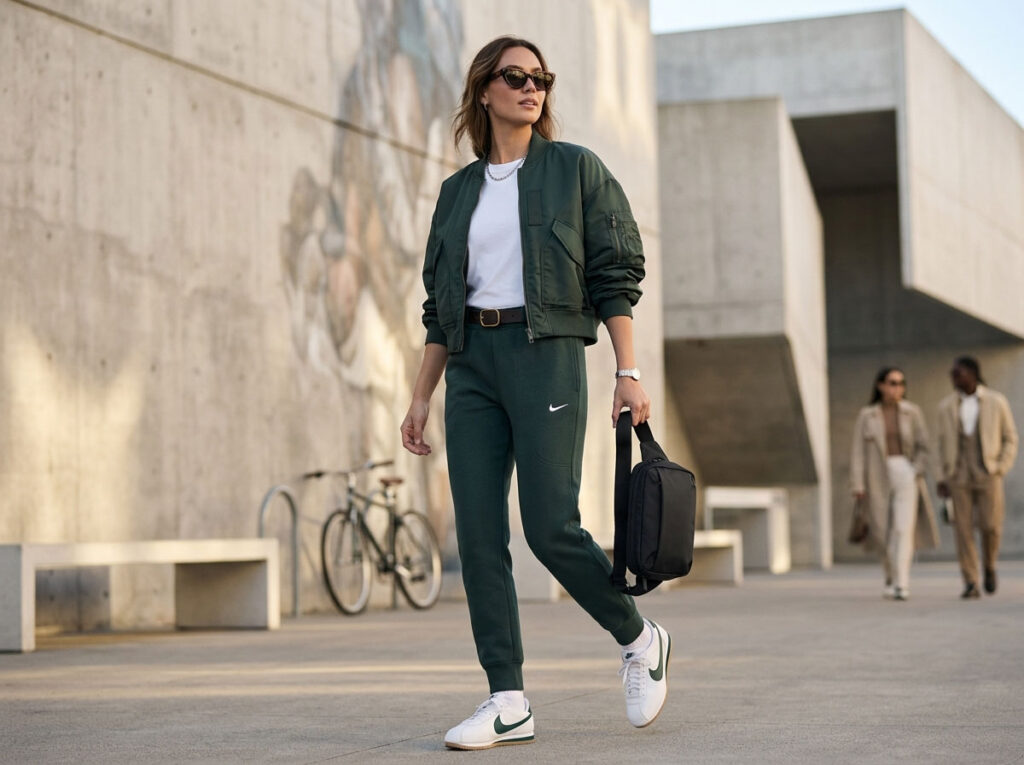
Track pants have evolved significantly over time. Today, different silhouettes are designed around specific performance and styling requirements.
The core categories include classic track pants, joggers, tapered pants, slim-fit pants, and straight-leg pants. While these styles may appear similar, their proportions and construction can create very different wearing experiences.
Classic track pants generally feature a relaxed silhouette with a straight or slightly loose leg. They prioritize freedom of movement and comfort.
Joggers have a more defined shape, usually fitting closer through the waist and thighs before tapering toward the ankle. Most joggers are finished with elastic or ribbed cuffs.
| Feature | Classic Track Pants | Joggers |
|---|---|---|
| Fit | Loose and relaxed | Slim and tapered |
| Ankle Style | Straight or open hem | Elastic or ribbed cuff |
| Ideal Activities | Lounging, warm-ups, casual wear | Gym, training, everyday wear |
| Style Appeal | Classic, sporty | Modern, versatile |
| Main Benefit | Maximum freedom and comfort | Streamlined fit and easy movement |
Classic track pants are a strong choice when comfort and unrestricted movement matter most, while joggers create a cleaner silhouette for active and casual settings.
The difference between these silhouettes mainly comes down to how the leg narrows or maintains its width.
| Style | Fit Description | Mobility | Recommended Uses |
|---|---|---|---|
| Tapered | Fitted from calf toward ankle | High | Running, workouts, athleisure |
| Slim-Fit | Close-fitting through most of the leg | Moderate to High | Gym, training, casual styling |
| Straight-Leg | Similar width throughout | High comfort | Casual outings, everyday wear |
For manufacturers, these differences also influence pattern grading, fabric consumption, seam placement, and the amount of ease built into each garment.
The best type of track pants depends heavily on how you plan to use them.
High-impact activities generally benefit from lightweight, breathable, stretchable fabrics and a fit that reduces unnecessary fabric movement. Casual wear can accommodate relaxed silhouettes, softer fabrics, and more fashion-driven details.
For running and intense training, moisture management and freedom of movement are particularly important. For everyday wear, comfort, durability, and styling flexibility often take priority.
For high-intensity workouts, slim-fit or tapered track pants made with performance-oriented fabrics can offer a practical balance between mobility and fabric control.
Synthetic blends such as polyester-elastane can provide stretch, moisture management, durability, and faster drying, depending on the fabric construction.
| Recommended Styles | Fabric & Features | Ideal For |
|---|---|---|
| Slim-Fit Joggers | Polyester/spandex, moisture management | Gym, CrossFit, training |
| Tapered Track Pants | Nylon/spandex, breathable panels | Running, HIIT |
| Performance Track Pants | Lightweight technical knit | Warm-ups, training, travel |
The best choice still depends on the sport, climate, fabric weight, and desired range of motion.
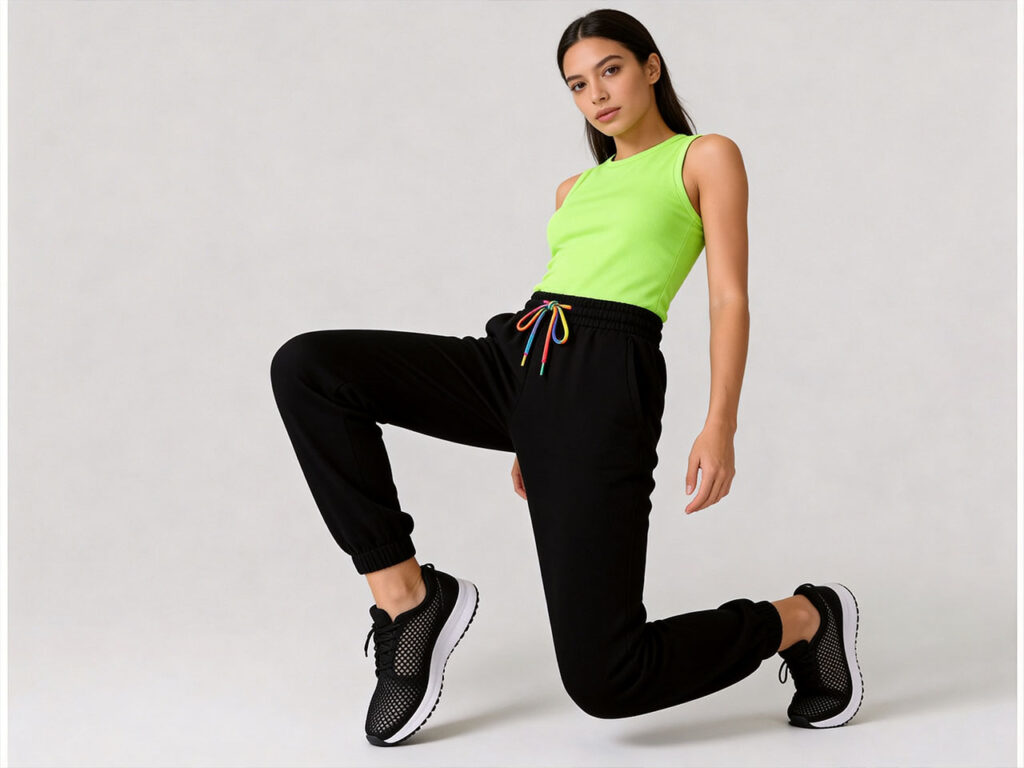
Yes. For summer running, lightweight track pants made with breathable and moisture-managing fabrics can provide better comfort than heavy cotton constructions.
Polyester and nylon blends are commonly considered for performance garments because they can be engineered for lower weight, faster drying, and moisture management.
| Fabric Options | Breathability | Moisture Control | Example Brands |
|---|---|---|---|
| Nylon Blends | Excellent | High | Nike, Adidas |
| Polyester Blends | Very Good | Excellent | Lululemon, Under Armour |
| Lightweight Stretch Knits | Excellent | High | Performance-focused labels |
When developing summer track pants, fabric weight is just as important as fiber content. Mesh panels, ventilation zones, lightweight constructions, and appropriate ease can further improve comfort in warmer conditions.
Track pants have moved well beyond traditional sportswear. Today, consumers wear them as part of casual wardrobes, streetwear outfits, travel looks, and athleisure collections.
Among the growing style variations are cargo-style track pants, flare-leg joggers, and tech-fabric track pants. These styles combine comfort with more distinctive fashion or performance features.
Cargo-style track pants add utility through multiple pockets and functional details, making them suitable for everyday use and streetwear.
Flare-leg joggers take inspiration from retro silhouettes and offer a wider hem than traditional tapered joggers. They create a different visual proportion while retaining the comfort associated with athletic pants.
| Style | Popularity Reason | Ideal For |
|---|---|---|
| Cargo-Style | Utility pockets and streetwear appeal | Daily wear, street fashion |
| Flare-Leg | Retro styling and relaxed comfort | Casual outings, fashion looks |
| Utility Jogger | Functional details and tapered fit | Travel, casual wear |
For private-label brands, these styles also create opportunities to differentiate a collection through pocket construction, trims, fabric finishes, silhouettes, and seasonal colors.
Tech fabrics are helping redefine track pants by combining performance characteristics with everyday styling.
Materials such as recycled polyester, technical nylon, stretch blends, and moisture-managing fabrics can support lighter, more versatile garments.
| Fabric Innovations | Benefits | Example Brands |
|---|---|---|
| Moisture-Wicking Fabrics | Sweat management and faster drying | Under Armour, Adidas |
| Antimicrobial Technologies | Helps manage odor | Lululemon, Nike |
| Recycled Synthetic Fibers | More resource-conscious material option | Patagonia, Girlfriend Collective |
| Stretch Technical Fabrics | Improved mobility and recovery | Performance activewear labels |
Tech-fabric track pants are particularly relevant to modern athleisure because consumers increasingly want a single garment to work across workouts, commuting, travel, and casual activities.
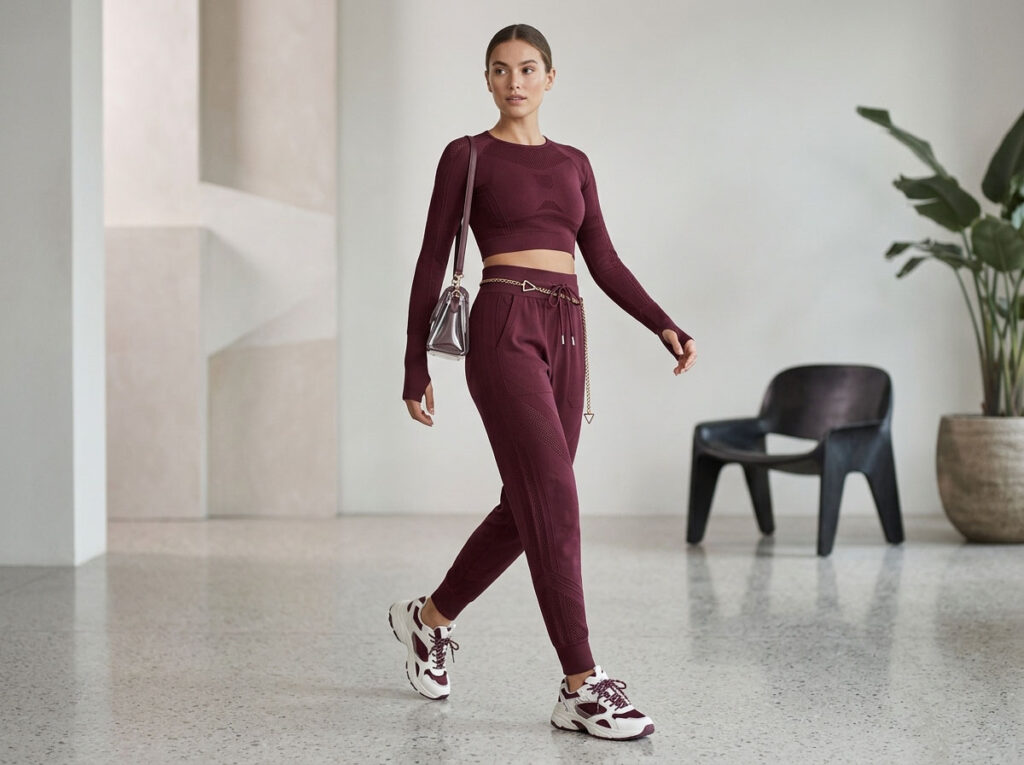
Choosing the right track pants involves more than selecting a color or brand. Fabric, fit, waistband construction, leg shape, ankle design, and intended activity all affect the final wearing experience.
Prioritize fabric stretch for mobility, waistband construction for security, and ankle design for both comfort and function.
| Activity | Priority Feature | Reason |
|---|---|---|
| Gym | Fabric stretch, secure waistband | Supports mobility and stability |
| Casual Wear | Waistband comfort, overall style | Prioritizes everyday comfort |
| Running | Lightweight stretch fabric, ankle cuffs | Supports movement and reduces excess fabric |
| Travel | Comfort, pockets, adjustable waist | Combines convenience and versatility |
Different cuts create different levels of room and body contact.
Slim-fit styles provide a closer silhouette, tapered designs balance room with a streamlined ankle, and straight-leg styles provide more consistent width and relaxed comfort.
Fabric selection is equally important. A lightweight stretch fabric can provide a very different experience from heavyweight fleece, even when both use the same basic pattern.
| Cut | Mobility | Ideal Fabric |
|---|---|---|
| Slim-Fit | High when paired with stretch | Polyester/spandex |
| Tapered | Balanced | Nylon/elastane |
| Straight-Leg | High comfort and freedom | Cotton/poly blends |
| Relaxed | Maximum room | French terry or lightweight fleece |
For apparel manufacturers, the final fit should always be evaluated through physical sampling, movement testing, and post-wash measurement checks rather than relying only on a size chart.
The different types of track pants offer distinct combinations of fit, comfort, performance, and style.
Classic track pants prioritize relaxed comfort, while joggers provide a more tapered silhouette. Slim-fit and tapered pants are often suitable for active use, while straight-leg and relaxed designs work well for everyday wear.
Fashion-driven options such as cargo-style pants and flare-leg joggers bring additional styling opportunities, while technical fabrics continue to expand the role of track pants in modern athleisure.
Choosing the right style ultimately comes down to activity, fabric, fit, climate, and personal preference.
For brands developing custom sportswear, these decisions also need to be considered at the product-development stage. Pattern proportions, fabric composition, stretch, waistband construction, ankle details, stitching, and quality control all contribute to how the finished track pants perform.
At Liantao, these factors are central to developing custom track pants, joggers, training pants, and private-label sportswear. By matching the right fabric and construction to the intended use, brands can create products that balance comfort, functionality, durability, style, and manufacturing efficiency.
Whether the goal is a classic warm-up pant, a performance running track pant, or a fashion-focused cargo jogger, the right product starts with a clearly defined fit, fabric, and end-use requirement.
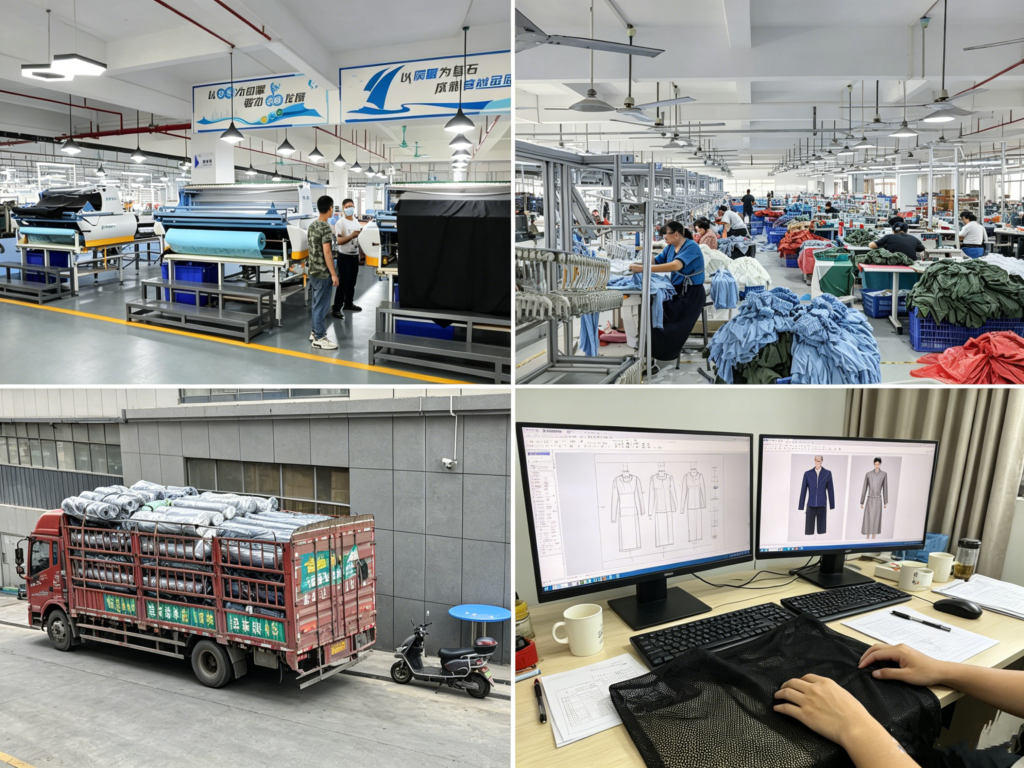
If you have any questions or require a quote, please leave
us a message. Our experts will get back to you within 24 hours to help you choose the ideal fashion products tailored to your needs.
Hi, I’m Lucy Cai, the founder of liantaoapparel.com. I’ve been managing a women’s clothing factory in China for over 16 years. With extensive experience in garment production and OEM services, I’m passionate about sharing insights into women’s fashion, apparel manufacturing, and global sourcing.
If you have any questions or need a quote, please contact us.
Please add us WhatsApp:+86 189 4809 3145
Provide us with detailed information about your requirements, supply design drawings or tech packs,
reference images, and share your ideas.
We will customize the best solution based on your needs and drawings, and provide a specific quote within 24 hours.
Once we receive your confirmation and deposit,we will commence mass production and take care of the subsequent shipping arrangements.