🏭 Looking for a Custom Apparel Manufacturer?
We are a leading OEM/ODM clothing factory with 20+ years of export experience. Custom styles, flexible MOQs, and retail-ready quality.
On paper, throwing on a cozy pair of sweatpants for a quick morning jog seems like the ultimate, effortless athletic vibe. But two miles into your run, reality hits: your pants are sliding down your hips, the fabric between your thighs is chafing, and your sweat has turned the heavy cotton into a soggy, lead-weight anchor that traps heat. On my factory floor, where we’ve engineered premium sportswear for 20 years, we know that while ‘sweat’ is in the name, traditional sweatpants were never structurally designed for the repetitive friction and biomechanics of jogging.
The difference between a comfortable run and a chafing nightmare comes down to textile engineering—specifically yarn moisture-wicking capability, fabric weight (GSM), and crotch pattern construction. Today, I’m stripping away the generic fitness-influencer advice to give you an honest manufacturer’s breakdown of why your favorite loungewear fails on the track and exactly how to choose a running pant that respects your skin, your stride, and your performance.

Running in cold weather requires the right clothing to stay warm while maintaining comfort. Sweatpants can be a great option for cold morning runs, light jogging, and outdoor activities because they help retain body heat and protect muscles from the cold.
However, sweatpants are not always the best choice for intense running. As your body temperature rises during exercise, thicker fabrics may trap too much heat and reduce comfort. Choosing the right fabric and layering properly is key.
| Benefit | Why It Helps |
| Keeps muscles warm | Helps reduce stiffness and supports comfortable movement in cold conditions |
| Provides insulation | Thicker fabrics like fleece help retain body heat |
| Offers protection from cold air | Creates a barrier against wind and chilly temperatures |
| Challenge | Why It Matters |
| May trap excess heat | Can cause overheating during longer or more intense runs |
| Absorbs moisture | Cotton sweatpants can become heavy when wet from sweat or rain |
| Less breathable | May feel uncomfortable during high-intensity workouts |
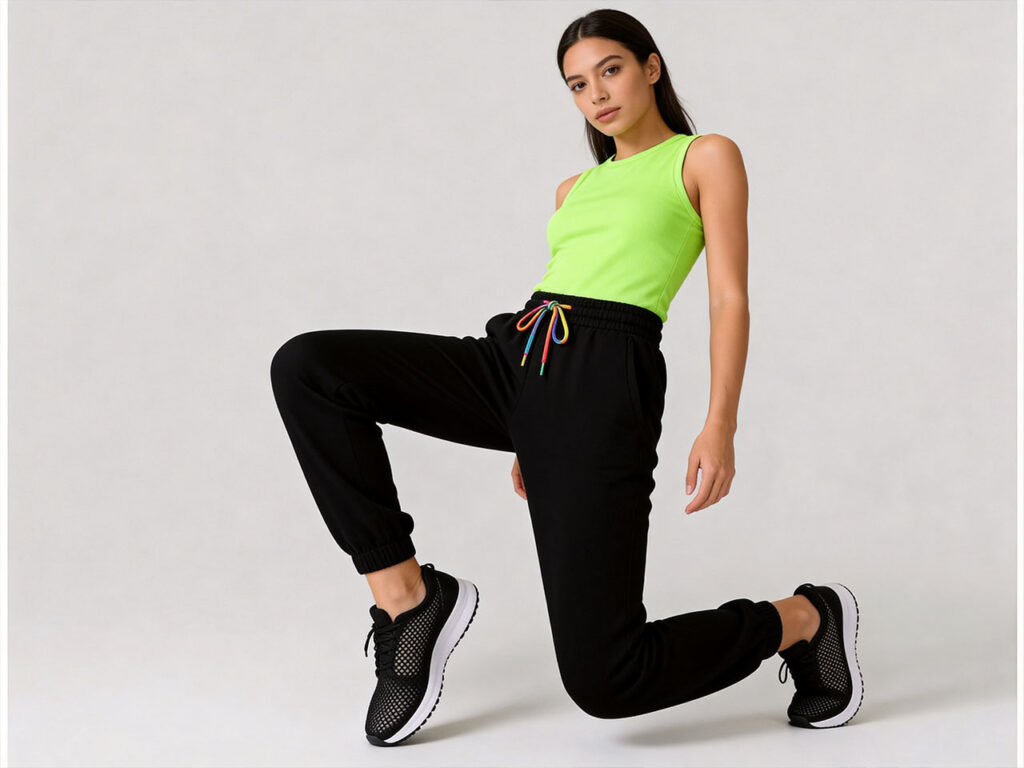
Sweatpants and joggers may look similar, but they are designed for different purposes. Joggers are built for movement and performance, while sweatpants focus more on warmth and comfort.
Joggers are usually lightweight, breathable, and feature tapered legs with elastic cuffs, making them ideal for running and workouts. Sweatpants are thicker and warmer, making them better suited for cold weather, warm-ups, and casual jogging.
| Feature | Sweatpants | Joggers |
| Fabric | Thick cotton, fleece, or heavier blends | Lightweight polyester, nylon, or cotton blends |
| Breathability | ⭐ Lower breathability, retains more warmth | ⭐⭐⭐⭐ Highly breathable for active movement |
| Weight | Heavier and warmer | Lightweight and flexible |
| Moisture Management | Limited sweat-wicking ability | Designed with moisture-wicking performance |
| Fit | Relaxed and comfortable | Tapered fit with ankle cuffs for better mobility |
| Best For | Cold weather runs, warm-ups, and casual jogging | Running, workouts, and long-distance activities |
If you want to jog comfortably in sweatpants, choosing the right style and fabric is essential. The best jogging sweatpants should be lightweight, breathable, moisture-wicking, and flexible, allowing you to move freely without feeling restricted.
For jogging, look for sweatpants with a tapered fit, performance fabrics, and adjustable ankle cuffs. These features help reduce excess fabric movement, improve comfort, and keep you dry during exercise.
| Feature | Why It Works |
| Tapered or slim-fit design | Reduces fabric movement and prevents excess material from getting in the way |
| Moisture-wicking cotton blends | Helps move sweat away from the skin and keeps you comfortable |
| Zipper or elastic ankle cuffs | Provides a secure fit and allows better movement and ventilation |
| Stretch fabrics | Improves flexibility and supports a full range of motion |
| Type | Why Avoid Them |
| Heavy fleece sweatpants | Too warm and bulky for active running |
| Oversized sweatpants | Extra fabric may limit movement and feel uncomfortable |
| 100% cotton sweatpants | Absorb sweat easily and can become heavy when wet |
Many people believe that wearing sweatpants while running can help burn more calories by making you sweat more. But does extra sweating actually mean more fat loss?
The answer is no. Sweatpants can make you feel hotter and increase sweating, but they do not directly increase fat burning. Any weight loss immediately after exercise is usually caused by temporary water loss, not actual fat reduction. True fat loss comes from consistent exercise and maintaining a calorie deficit.
| Reason | How It Works |
| Traps body heat | Thicker fabrics hold warmth and increase sweating |
| Reduces airflow | Limits cooling and keeps heat close to the body |
| Creates a sauna-like effect | Makes you feel hotter, similar to wearing extra layers |
Sweatpants can be useful for warming up, cold-weather runs, or light exercise, but they are not a shortcut for weight loss. For better running performance, choose lightweight, breathable, and moisture-wicking fabrics that keep you comfortable.
Wearing sweatpants during a run may make you sweat more, but does that mean you burn more calories? The effect is limited and temporary.
Extra layers can slightly increase your body’s effort to regulate temperature, but the additional weight loss is mainly water loss through sweating, not fat loss. Once you drink water and rehydrate, your weight will return to normal.
| Effect | Reality |
| More sweating | Your body releases more sweat to cool down, but it does not significantly increase fat burning |
| Temporary weight loss | The drop comes from water loss, not long-term fat reduction |
| Not a fat-loss shortcut | Sustainable results come from regular training and a calorie-controlled diet |
Bottom Line: Sweatpants can increase sweating, but they cannot replace proper exercise and nutrition. For effective fat loss, focus on consistent workouts, balanced eating, and comfortable running gear.
Although sweatpants are comfortable and cozy, they may not always be the best choice for jogging, especially in warm weather or during intense runs. Thick, heavy, or non-breathable fabrics can trap heat and moisture, reducing comfort and potentially causing skin irritation.
| Risk | Why It Happens |
| Overheating | Excess insulation can trap body heat and increase the risk of dehydration |
| Skin irritation | Sweat and friction from damp fabric may cause discomfort or chafing |
| Limited movement | Loose, heavy sweatpants can restrict movement and affect running efficiency |
How to Reduce These Risks:
✔ Choose lightweight, breathable, moisture-wicking sweatpants
✔ Avoid heavy fleece styles for intense workouts
✔ Switch to joggers or performance pants in warmer conditions
While sweatpants are comfortable, they are not always the best choice for running. For better performance, breathability, and freedom of movement, many runners prefer joggers, running tights, or performance pants.
These alternatives are designed with lightweight fabrics, moisture-wicking technology, and athletic fits to help you stay comfortable and move more efficiently during your run.
| Running Wear | Key Benefits | Best For |
| Joggers | Lightweight, breathable, and flexible with a tapered fit | Everyday jogging, warm weather, and casual workouts |
| Running Tights | Close-fitting design with moisture-wicking and stretch performance | High-speed running, intense workouts, and cold-weather training |
| Performance Pants | Made with technical fabrics that manage sweat and improve mobility | Professional training, outdoor activities, and active lifestyles |
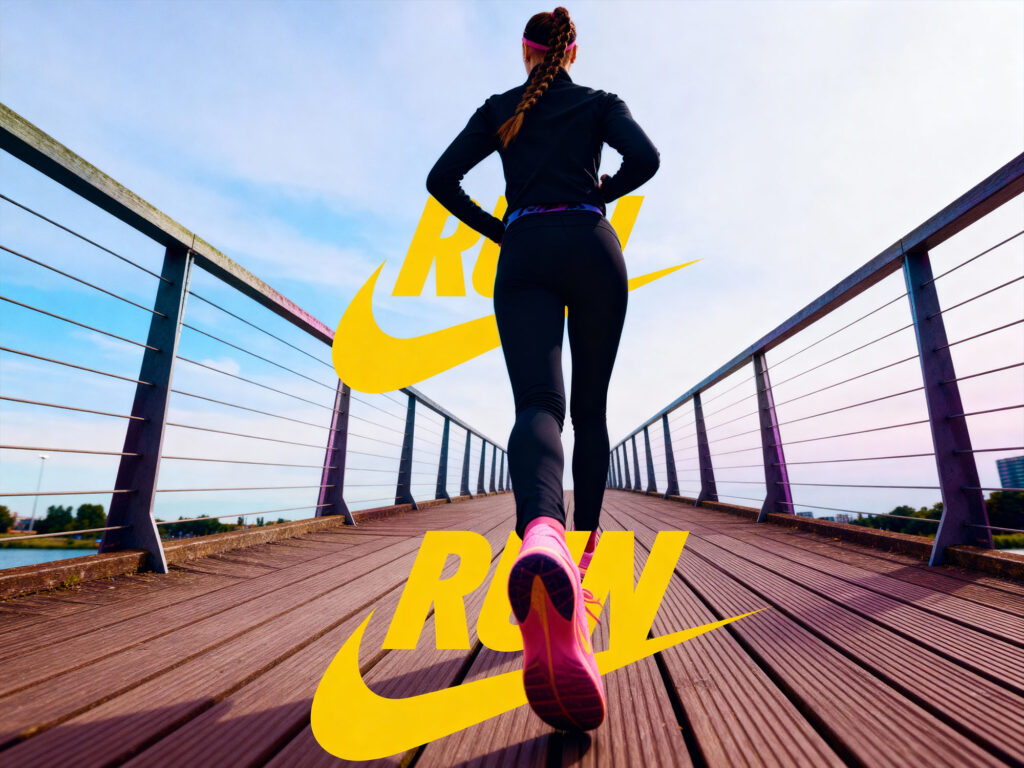
If you love the comfort of sweatpants but still want to wear them for jogging, a few simple adjustments can make a big difference. Choosing the right fabric, wearing proper layers, and controlling your running intensity can help improve comfort and prevent overheating.
| Tip | Why It Helps |
| Choose lightweight sweatpants | Avoid heavy fleece or thick cotton styles that can trap heat and restrict movement |
| Wear moisture-wicking base layers | Helps manage sweat and keeps your skin dry during exercise |
| Maintain a moderate running pace | Reduces overheating and helps you stay comfortable for longer |
| Stay hydrated | Replaces fluids lost through increased sweating |
| Choose breathable fabrics | Improves airflow and prevents excessive heat buildup |
Sweatpants can be a comfortable option for jogging, especially in cold weather, warm-ups, or light exercise. Their soft fabrics and relaxed fit provide warmth and comfort, but they may not always deliver the breathability and flexibility needed for intense running.
If you prefer running in sweatpants, choose lightweight, breathable, and moisture-wicking fabrics to stay comfortable and avoid overheating. For better performance, longer runs, or high-intensity workouts, joggers and professional running pants are usually the better choice.
Ultimately, the best running gear depends on your goals and environment. Whether you choose sweatpants or performance wear, comfort, mobility, and proper fabric selection are the keys to enjoying every run.
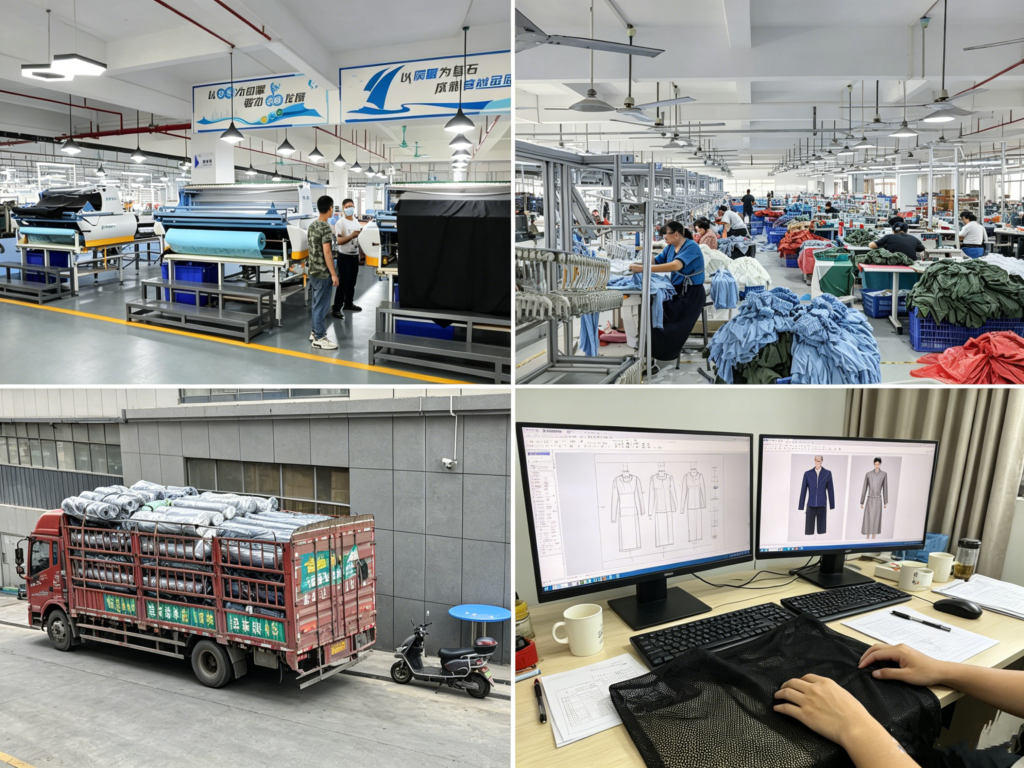
If you have any questions or require a quote, please leave
us a message. Our experts will get back to you within 24 hours to help you choose the ideal fashion products tailored to your needs.
Hi, I’m Lucy Cai, the founder of liantaoapparel.com. I’ve been managing a women’s clothing factory in China for over 16 years. With extensive experience in garment production and OEM services, I’m passionate about sharing insights into women’s fashion, apparel manufacturing, and global sourcing.
If you have any questions or need a quote, please contact us.
Please add us WhatsApp:+86 189 4809 3145
Provide us with detailed information about your requirements, supply design drawings or tech packs,
reference images, and share your ideas.
We will customize the best solution based on your needs and drawings, and provide a specific quote within 24 hours.
Once we receive your confirmation and deposit,we will commence mass production and take care of the subsequent shipping arrangements.