Zara, one of the most beloved fashion brands worldwide, has unfortunately become a prime target for counterfeiters. Fake Zara jeans can be found on unauthorized websites, secondhand marketplaces, and even local street vendors. But how can you spot a pair of fake Zara jeans?
To identify authentic Zara jeans, focus on key details such as the product code, stitching quality, label design, and fabric texture. Genuine Zara jeans feature unique product codes, high-quality stitching, and consistent brand markings.
In this guide, we’ll walk you through the essential steps to distinguish fake Zara jeans from the real deal and avoid falling for counterfeit fashion.
The key to spotting fake jeans lies in examining the details. First, genuine jeans have neat, even stitching and clear, accurate brand labels, while counterfeit ones often feature irregular stitching, misspelled or blurry labels. Second, authentic jeans have high-quality hardware and comfortable fabric, whereas fake ones are made from cheap materials and feel uncomfortable.
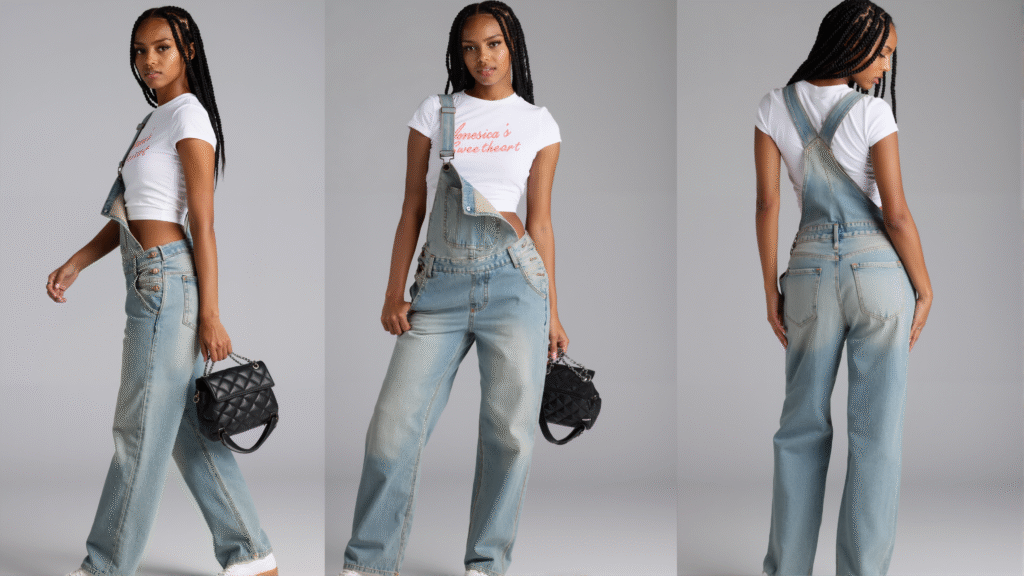
Additionally, authentic jeans have precise cuts and detailed tailoring, while counterfeit products may show crooked stitching or asymmetry. By focusing on these details, you can easily differentiate between real and fake jeans.
Authentic Zara Jeans | Fake Zara Jeans | |
Stitching | Even, strong, and precise | Uneven, loose, and rough |
Product Code | Matches the official Zara website, clear and traceable | Missing, incorrect, or inconsistent |
Label Design | Neatly sewn with clear, consistent font | Slanted, blurry, and unclear font |
Fabric Quality | High-quality, soft denim, thick and elastic | Thin, rough, and poor texture |
Zipper and Buttons | Premium metal, clear brand markings | Cheap plastic or lightweight metal, unclear markings |
Every pair of Zara jeans comes with a unique product code to verify its authenticity.
Zara produces its clothing in multiple countries, but where are its jeans primarily made?
Zara jeans are mainly produced in Spain, Turkey, Bangladesh, and Morocco. These countries have strong textile industries capable of meeting Zara’s high quality standards, ensuring each pair of jeans aligns with the brand’s requirements.
Country | Why Zara Produces There |
Spain | As Zara’s home country, Spain is known for its high-quality production and serves as the brand’s core manufacturing hub. |
Turkey | Turkey boasts advanced denim manufacturing techniques and cost-effective production, making it a key part of Zara’s supply chain. |
Bangladesh | With large-scale production capabilities and low labor costs, Bangladesh is ideal for mass production. |
Morocco | Morocco is home to skilled textile workers and, being close to Spain, allows for fast delivery. |
Wondering where your Zara jeans are made? Here are a few simple ways to verify.
To spot fake clothing, check for uneven stitching, incorrect logos, and poor fabric quality. Authentic clothes have neat stitching and clear logos, while fake ones may have loose stitching and blurry logos.
Also, real clothes use high-quality fabrics, while counterfeit ones feel cheap and rough. If the price is too low and there’s no product code, it’s probably fake. These simple tips can help you easily identify genuine clothing.
Feature | Genuine | Counterfeit |
Labels & Tags | Neatly attached, clear font | Slanted, faded text |
Fabric Quality | Soft, high-quality texture | Rough, cheap material |
Logo & Branding | Consistent design, accurate logos | Spelling errors, incorrect logos |
Fit & Cut | Standard fit, precise tailoring | Inconsistent design, mismatched front and back |
Price | Reasonable, aligns with brand value | Too cheap to be true |
To verify a brand’s authenticity, start by checking its official website, as genuine brands will have a professional and secure site. Next, look at the brand’s social media accounts—real brands are active on multiple platforms and update content regularly. Also, ensure the brand has a registered trademark, which can be verified through patent offices.
Finally, legitimate brands offer secure payment methods to protect consumer transactions. By following these simple steps, you can easily spot a fake brand.
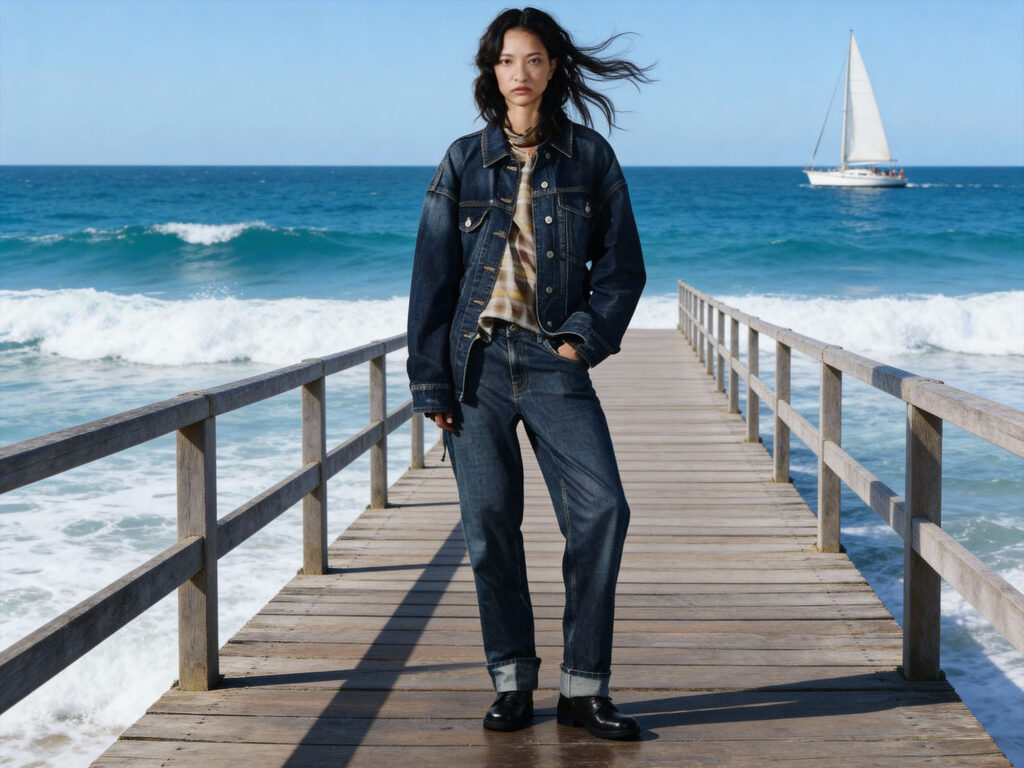
Counterfeit products often show signs in the details. Common indicators include inconsistent branding, rough fabric, and cheap zippers and hardware. Genuine products usually use high-quality metal for hardware, while counterfeit ones might use plastic or lightweight metals. Additionally, counterfeit items often have poor packaging, sometimes even with spelling errors.
Red Flag | What It Means |
Missing Product Code | Likely counterfeit, as genuine products usually have unique codes |
Unbelievably Low Price | Too good to be true, authentic products are never this cheap |
Thin and Stiff Fabric | Poor-quality counterfeit, authentic items typically have soft, high-quality fabrics |
Spotting fake Zara jeans is simple if you focus on a few key details: stitching quality, product code, fabric, and brand labels. Zara jeans are primarily made in Spain, Turkey, Bangladesh, and Morocco, known for their high manufacturing standards. Counterfeit clothing often lacks proper product labels, has rough stitching, and is priced suspiciously low.To ensure you’re getting an authentic product, always buy from the official Zara website or authorized stores. By being cautious, you’ll enjoy genuine high-quality Zara jeans and avoid falling into the counterfeit trap.
Hi, I’m Lucy Cai, the founder of liantaoapparel.com. I’ve been managing a women’s clothing factory in China for over 16 years. With extensive experience in garment production and OEM services, I’m passionate about sharing insights into women’s fashion, apparel manufacturing, and global sourcing.
If you have any questions or need a quote, please contact us.
Please add us WhatsApp:+86 189 4809 3145
Provide us with detailed information about your requirements, supply design drawings or tech packs,
reference images, and share your ideas.
We will customize the best solution based on your needs and drawings, and provide a specific quote within 24 hours.
Once we receive your confirmation and deposit,we will commence mass production and take care of the subsequent shipping arrangements.