Have you ever hesitated while shopping for a jacket, wondering if it’s really worth the price? Everyone has their own budget limit when buying outerwear, often influenced by personal style, expectations of quality, and the importance placed on functionality. But the real question is: what counts as a “reasonable” price—and is what you’re paying truly worth it?
In reality, there’s no single answer to how much you should spend on a jacket. From basic pieces to high-end options, price differences are often driven by factors such as materials, craftsmanship, and design. That’s why understanding what goes into the price is so important.
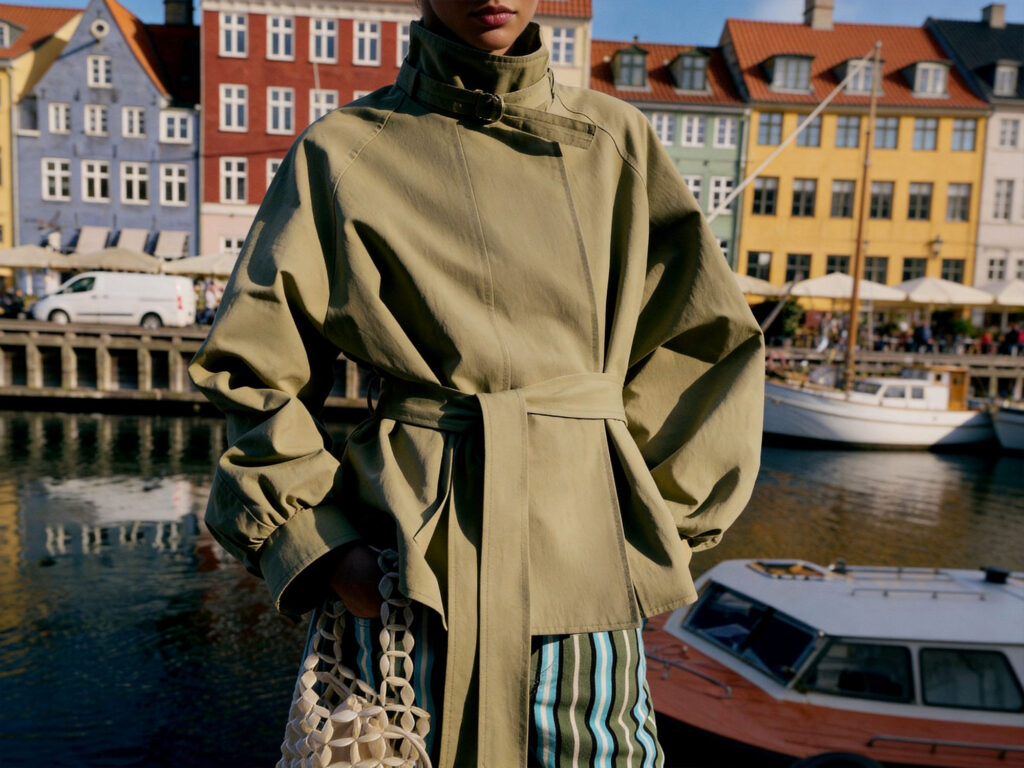
The price of a jacket is largely influenced by the materials used. High-quality fabrics like leather and wool tend to cost more due to their durability, comfort, and premium feel, while more affordable synthetic materials may fall short in texture and longevity.
In addition to materials, design and tailoring also play a key role. A well-fitted cut, thoughtful construction, and attention to detail all increase production costs while enhancing the overall look and wearability. Ultimately, a jacket’s price reflects the combined value of its materials and design.
Fabric choice affects both a jacket’s look and functionality. Leather, for example, is more durable and premium-feeling than cotton or synthetic fabrics, while luxury materials like cashmere or merino wool add extra softness and warmth, which raises the price.
Design also impacts cost. Details like tailored cuts, precise stitching, or unique features (e.g., asymmetrical zippers) increase production complexity. Higher-priced jackets often reflect not just the materials, but the craftsmanship and thoughtful design behind them, especially in high-end brands.
Factor | Impact on Price | Examples |
Materials | High-quality fabrics increase price due to their durability, comfort, and premium feel. | Leather, wool, cashmere |
Design | Complex or custom designs require skilled craftsmanship, raising production costs while enhancing fit and overall quality. | Tailored cuts, precise stitching, unique zippers |
Brand Reputation | Well-known brands often command higher prices due to prestige, design value, and market demand. | Luxury brands like Chanel, Gucci |
Fabric is one of the key factors that determine a jacket’s price. Different materials not only affect the look and feel but also directly influence comfort, durability, and overall value, making it important to understand their differences.
High-quality fabrics typically come at a higher cost. Materials like leather, wool, and performance fabrics are valued for their durability, comfort, and premium feel. For example, leather jackets are more expensive because they are durable, warm, and develop a unique character over time. Merino wool is another premium option, prized for its natural warmth and breathability, making it especially popular in colder climates where comfort and style both matter.
On the other hand, synthetic materials such as polyester or nylon are more affordable but often less breathable and more prone to wear, which can affect a jacket’s lifespan. Choosing between natural and synthetic fabrics largely depends on whether you’re looking for a long-lasting investment piece or prioritizing short-term value. Understanding these differences helps you set a smarter budget for your ideal jacket.
Fabric Type | Impact on Price | Benefits |
Leather | Higher price due to durability and luxurious feel. | Durable, stylish, long-lasting |
Wool | More expensive because of warmth and comfort. | Warm, breathable, comfortable |
Synthetic | Lower production cost, more affordable. | Budget-friendly, lightweight, less durable |
Designer jackets are typically much more expensive than regular ones, but the difference isn’t just “brand markup.” Behind the higher price are reputation, craftsmanship, unique design, and limited production. When you buy a designer jacket, you’re paying not only for the materials but also for the workmanship and the brand’s symbolic value.
High-end brands usually use premium fabrics and employ skilled tailors to perfect every detail—from precise cuts and fine stitching to unique zippers and custom embellishments. Exclusivity also adds value, as many designer jackets are released in limited quantities, increasing their collectibility and appeal.
In addition, designer jackets often feature prominent branding that signifies higher social status and identity. Part of the cost you pay goes toward the brand’s history, prestige, and recognition. Compared to mass-produced jackets, designer outerwear offers superior materials, craftsmanship, and overall experience, which naturally justifies the higher price.
Factor | Designer Jacket Features | Regular Jacket Features |
Materials | High-quality, premium fabrics that are durable and comfortable | Basic or mass-produced fabrics with limited functionality and feel |
Craftsmanship | Handcrafted with attention to detail and precise tailoring | Mass-produced with minimal attention to detail and standard fit |
Brand Reputation | Symbolizes high status and exclusivity, reflecting taste and identity | Limited brand recognition or minimal brand value |
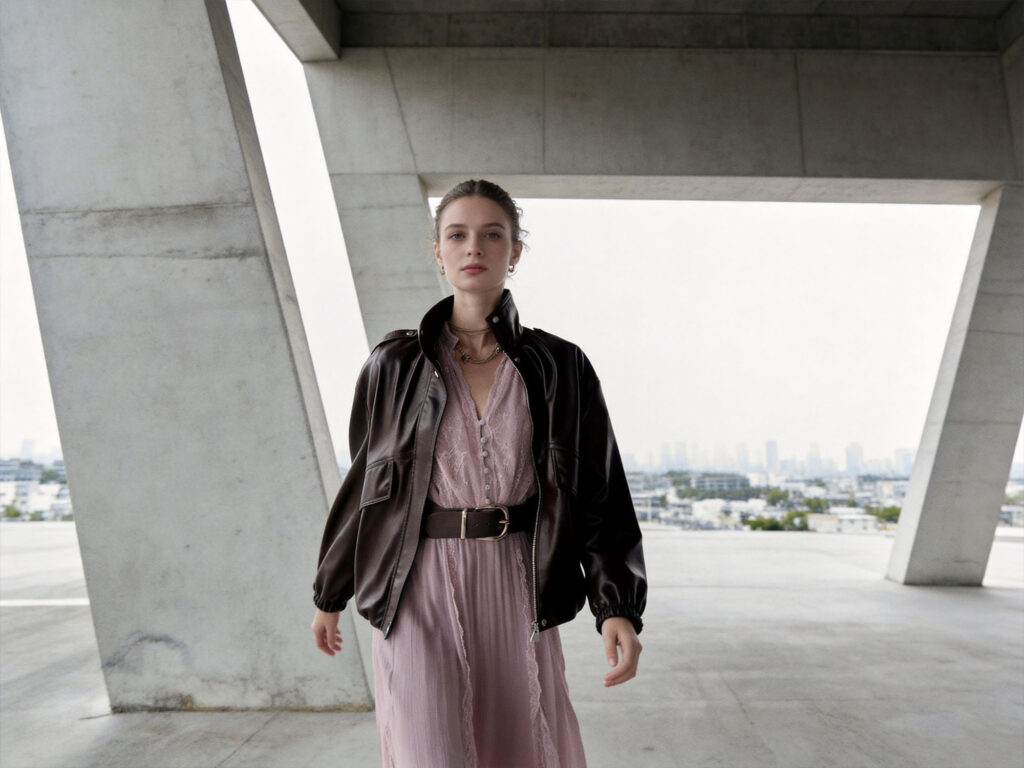
A good balance between quality and price is key when buying a jacket. High-quality jackets typically cost $100–$500, depending on materials and design. Jackets in this range are durable, stylish, and more affordable than luxury brands.
Jackets within this price range often use premium wool, leather, or performance fabrics and feature thoughtful design details, combining both style and practicality.
Jackets over $500 are usually designer or luxury pieces. They offer exceptional craftsmanship and unique designs, but their functionality may not always exceed mid-range options. Still, investing in a high-end jacket can be worthwhile if you want a timeless, long-lasting piece.
Price Range | Jacket Quality | Typical Materials & Features |
$100 – $500 | High-quality, durable, and practical | Wool, leather, premium synthetic fabrics; combines comfort and durability |
Above $500 | Exceptional quality, luxurious experience | Designer fabrics, exquisite craftsmanship, unique designs, and limited editions |
Spending over $200 on a jacket can feel like a big investment. So, is it really worth it? If the jacket uses high-quality fabrics, durable design, and functional features, this price range is usually reasonable. However, it’s important to evaluate your actual needs before buying.
Jackets over $200 generally offer better materials, craftsmanship, and durability. For example, a well-made leather jacket or premium wool coat costs more due to the quality of the fabric and workmanship. If you live in cold or harsh climates, investing in such a jacket can keep you warm and stylish for years.
The key is to determine whether the jacket meets your needs. For everyday wear, more affordable options may suffice. But if you want a jacket that is warm, versatile, and long-lasting, spending over $200 can be a smart investment.
Price Point | Value | Materials / Design Features |
Under $200 | Affordable, suitable for everyday or basic use | Basic synthetic fabrics, cotton, polyester; functional but simple |
$200+ | Highly durable, premium and luxurious | Leather, wool, fine handcrafted details; durable and stylish design |
Finding a high-quality jacket at a reasonable price isn’t always easy, but with the right approach, you can avoid overspending.
Start by doing your research: check reviews, compare prices from different retailers, and watch for seasonal sales, which often offer 20%–50% discounts. Outlet stores can also be a great place to find quality jackets at lower prices.
Also, consider second-hand or vintage jackets. Many pre-owned jackets are still in excellent condition and cost far less than new ones, letting you get a high-quality jacket for less. By using these strategies, you can find your ideal jacket while making every dollar count.
Tip | Benefit | Example |
Shop During Sales | Get up to 50% off | Seasonal or holiday promotions |
Check Outlet Stores | Buy high-quality items at a discount | Nike, Coach, Ralph Lauren outlet stores |
Consider Second-Hand | Good quality at lower prices | Vintage shops, online resale marketplaces |
Luxury jackets are known for their high price, but this comes from premium materials, fine craftsmanship, and brand reputation. Top fabrics like leather, cashmere, and merino wool, combined with careful handcrafting, make these jackets durable and stylish.
Limited production and brand exclusivity also add value. Each piece is rare, and the brand’s prestige adds social status to its cost. In short, luxury jackets are more than clothing—they are investment pieces that often retain or even increase in value over time.
Luxury Factor | Impact on Price | Example |
Materials | High-quality, limited-edition fabrics increase cost and value | Cashmere, premium leather |
Craftsmanship | Handcrafted with attention to detail and refined design | Custom stitching, unique cuts and details |
Exclusivity & Brand | Limited supply and high demand create brand premium | Chanel, Louis Vuitton, Prada |
Many people wonder: is it really worth spending more on a jacket? Are pricier jackets actually more durable, or is it just a brand premium?
In general, higher-priced jackets are more durable, especially those made from leather or wool. A well-maintained leather jacket can last for decades, and wool jackets retain their shape and warmth over many years.
However, a jacket’s lifespan isn’t determined by price alone—proper care is essential. Regular cleaning, careful storage, and timely repairs can extend the life of even a lower-priced jacket. That said, expensive jackets are usually more durable from the start, making them a worthwhile investment.
Price Range | Durability | Care & Maintenance |
Under $200 | Shorter lifespan, less durable | Requires more frequent cleaning, repairs, and upkeep |
$200+ | Longer lifespan, more durable | Lower maintenance costs, easier to care for, better long-term value |
When it comes to jackets, the price is influenced by materials, design, brand, and intended use. While high-end jackets offer exceptional quality and durability, the key is finding the best balance between price and quality. Choosing wisely ensures you stay stylish and comfortable while getting the most value for your money.
Hi, I’m Lucy Cai, the founder of liantaoapparel.com. I’ve been managing a women’s clothing factory in China for over 16 years. With extensive experience in garment production and OEM services, I’m passionate about sharing insights into women’s fashion, apparel manufacturing, and global sourcing.
If you have any questions or need a quote, please contact us.
Please add us WhatsApp:+86 189 4809 3145
Provide us with detailed information about your requirements, supply design drawings or tech packs,
reference images, and share your ideas.
We will customize the best solution based on your needs and drawings, and provide a specific quote within 24 hours.
Once we receive your confirmation and deposit,we will commence mass production and take care of the subsequent shipping arrangements.