🏭 Looking for a Custom Apparel Manufacturer?
We are a leading OEM/ODM clothing factory with 20+ years of export experience. Custom styles, flexible MOQs, and retail-ready quality.
Nothing ruins the perceived value of a premium garment faster than fabric pilling. Whether it is a luxury knit sweater or a high-performance activewear blend, those tiny fuzzballs are a natural byproduct of friction and fiber wear. But before you discard a compromised piece, you need to know that pilling is not a death sentence for your clothing. Let’s look at this from a garment production perspective and break down the exact, professional methods to safely remove the damage and restore your fabric to its original factory finish.
Have you noticed small “fuzz balls” appearing on your clothes after wearing them for a while? This common issue is called fabric pilling. It does not always mean the garment is low quality—it is often a result of normal fiber wear.
Pilling happens when fabric fibers become loose, damaged, and tangled due to friction, forming small balls on the surface. Softer or weaker fibers are more likely to pill over time.
If your clothes have started to pill, don’t worry. With the right tools, you can easily remove the fuzz balls and restore a cleaner look.
A fabric shaver is the best option because it safely removes pills without damaging the fabric. It works well on sweaters, knits, fleece, and other soft materials.
Other helpful tools include:
|
Pilling Removal Tool |
Best For | How to Use |
| Fabric Shaver | Most fabrics | Gently glide over the fabric surface to quickly and safely remove pills. |
| Razor Blade | Cotton, wool, sweaters | Carefully shave away surface pills. Use light pressure to avoid damaging the fabric. |
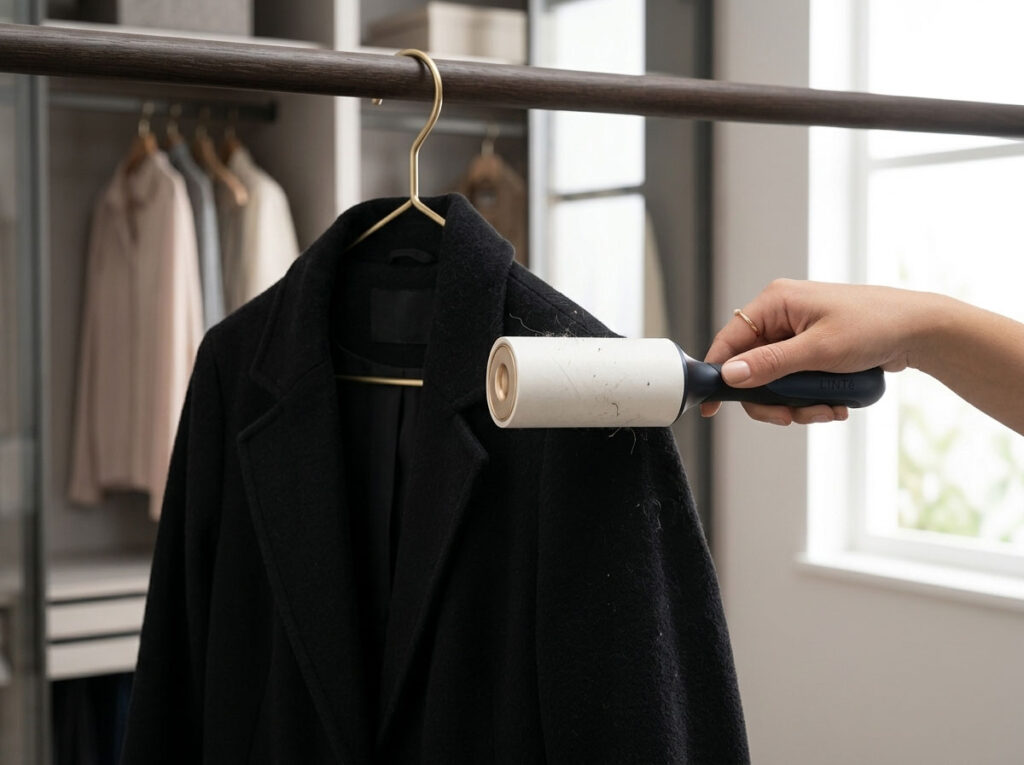
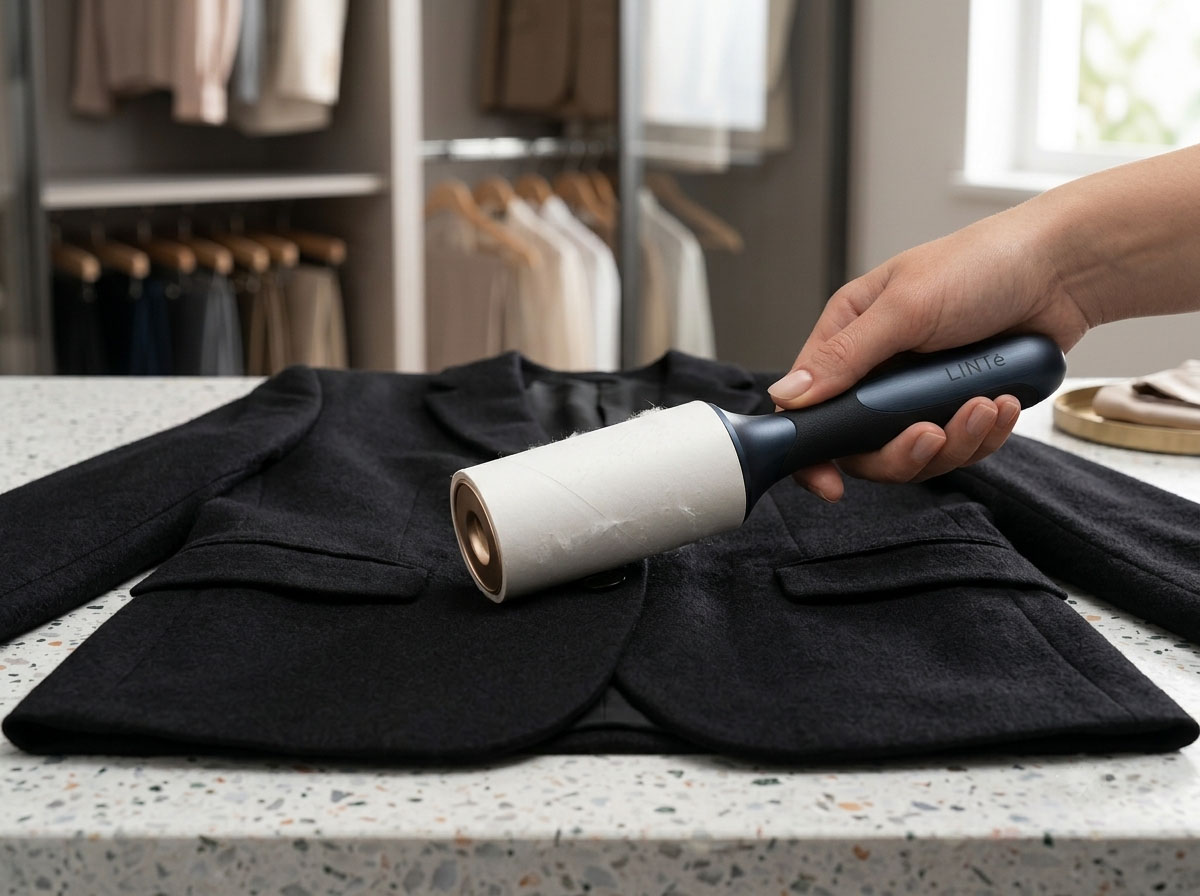
| Lint Roller | Loose fuzz and lint | Roll over the fabric to remove loose fibers and surface debris. |
| Pumice Stone | Wool and knitted fabrics | Gently rub the fabric to remove excess fuzz. |
| Fine Sandpaper Sponge | Delicate fabrics | Lightly brush the affected area to remove pilling while protecting the texture. |
A fabric shaver is one of the easiest and safest ways to remove pills. It gently cuts away surface fuzz while protecting the fabric underneath.
1.Lay the fabric flat
Smooth out wrinkles for better results.
2.Glide the shaver gently
Move it across the fabric with light, circular motions.
3.Empty the lint container
Remove collected fuzz to keep the shaver working effectively.
4.Repeat if needed
Continue until the fabric looks smooth and refreshed.
If you don’t have a fabric shaver, a regular razor can also help remove pills from your clothes. However, because the blade is sharp, it requires a gentle touch to avoid damaging the fabric.
1. Choose a clean, sharp razor
A dull blade may pull on fibers and damage the fabric.
2. Lay the fabric flat
Smooth out the garment and gently stretch the surface for better control.
3. Shave lightly in one direction
Use short, gentle strokes and avoid pressing too hard.
4. Remove loose fibers
After shaving, use a lint roller or tape to clean away leftover fuzz.
A razor works well on:
✔ Cotton fabrics
✔ Wool garments
✔ Knitted sweaters
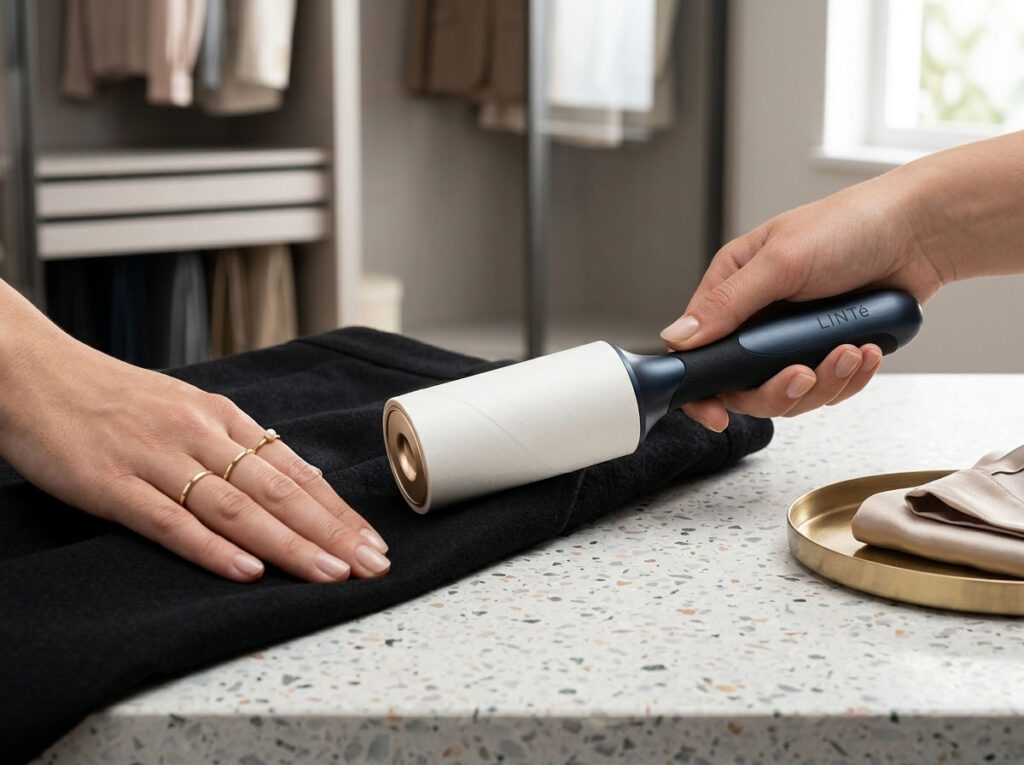
A lint roller is a helpful first step in managing fabric pilling. While it cannot remove deeply attached pills, it can effectively remove loose fibers, surface fuzz, and lint, helping prevent buildup and keeping fabrics looking cleaner.
✔ Before washing clothes
Remove loose fibers and lint to reduce friction during washing.
✔ After using a fabric shaver or razor
Clean up leftover fuzz and loose fibers for a smoother finish.
✔ For light pilling and pet hair
Ideal for removing surface fuzz from soft fabrics.
Removing pills is only the first step. Preventing pilling is the key to keeping your clothes looking new for longer. With proper washing, drying, and fabric care, you can reduce fiber damage and minimize future pilling.
✔ Turn clothes inside out before washing
Reduce friction between fabrics and help protect the surface fibers.
✔ Use cold water and gentle cycles
Mild washing methods help prevent fiber breakage and maintain fabric softness.
✔ Avoid overloading the washing machine
Crowded loads create more friction between garments, increasing the risk of pilling.
✔ Air dry or use low heat
Avoid high temperatures that can weaken fibers and damage the fabric.
✔ Wash similar fabrics together
Keep soft fabrics away from rough materials like denim and towels to reduce abrasion.
Not all fabrics pill at the same rate. Some materials have stronger fibers and tighter structures, making them more resistant to wear and less likely to form pills.
If you want clothes that stay smooth and look new longer, consider these high anti-pilling fabrics:
| Fabric | Pilling Resistance | Why? |
| Polyester Blends | High | Strong synthetic fibers offer excellent durability and resist fiber breakage. |
| Ring-Spun Cotton | High | Tightly twisted fibers help prevent loose fibers from forming pills. |
| Combed Cotton | High | Short fibers are removed, creating a smoother fabric surface. |
| Anti-Pilling Wool | Very High | Special treatments help reduce friction and fiber tangling. |
| Nylon and Spandex Blends | Very High | Smooth, durable synthetic fibers help prevent fiber entanglement. |
Some clothing brands focus on using high-quality fabrics and anti-pilling technologies to create garments that stay smooth and durable over time.
| Brand / Collection | Features |
| Nike Tech Fleece | Uses smooth, durable materials with good resistance to wear and pilling. |
| Lululemon ABC Jogger | Made with high-quality stretch fabrics designed for comfort, durability, and better pilling resistance. |
| Aritzia TNA Cozy Fleece | Pre-treated fabric helps improve durability and reduce pilling after repeated wear. |
| Champion Powerblend | Cotton-polyester blend offers softness while providing strong durability and wear resistance. |
| Under Armour Rival Fleece | Moisture-wicking fabric helps maintain comfort while reducing fiber wear. |
Fabric softener can help reduce friction between fibers, which may lower the risk of pilling. However, it cannot completely prevent pilling.
✔ Cotton and fleece
Helps keep fabrics soft and reduce surface friction.
✔ Synthetic blends
Use sparingly to avoid residue buildup.
✔ Avoid on activewear
It may affect moisture-wicking performance.
Fabric pilling is a common issue, but it doesn’t mean your clothes are beyond repair. With the right tools, such as a fabric shaver, razor, lint roller, or pumice stone, you can effectively remove pills and restore a smoother appearance. However, prevention is always better than removal. Choosing high-quality, tightly woven, and durable fabrics, along with proper washing and care methods, can greatly reduce pilling. By taking simple steps in fabric selection and daily maintenance, you can keep your clothes soft, comfortable, and looking fresh for longer.
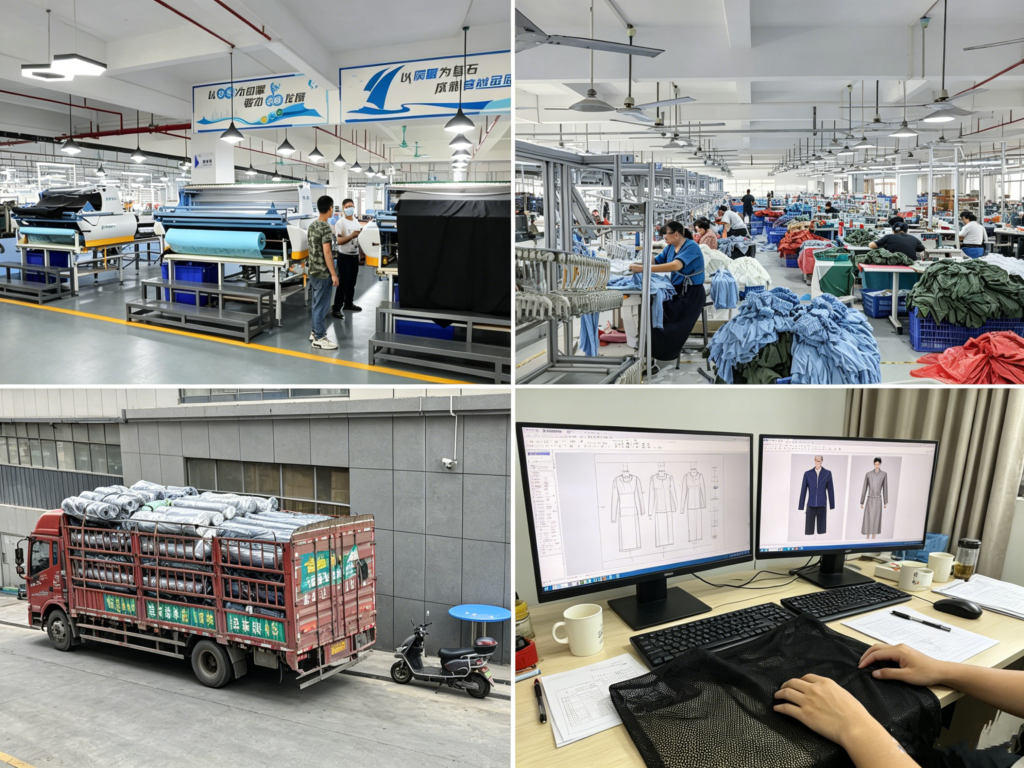
If you have any questions or require a quote, please leave
us a message. Our experts will get back to you within 24 hours to help you choose the ideal fashion products tailored to your needs.
Hi, I’m Lucy Cai, the founder of liantaoapparel.com. I’ve been managing a women’s clothing factory in China for over 16 years. With extensive experience in garment production and OEM services, I’m passionate about sharing insights into women’s fashion, apparel manufacturing, and global sourcing.
If you have any questions or need a quote, please contact us.
Please add us WhatsApp:+86 189 4809 3145
Provide us with detailed information about your requirements, supply design drawings or tech packs,
reference images, and share your ideas.
We will customize the best solution based on your needs and drawings, and provide a specific quote within 24 hours.
Once we receive your confirmation and deposit,we will commence mass production and take care of the subsequent shipping arrangements.