Most women choose a dress based on the color or the print, but as a clothing manufacturer with two decades of experience, I know the real secret to a stunning look is hidden in the last inch of fabric. A hemline that hits just two centimeters too high or too low can be the difference between a silhouette that looks ‘runway-ready’ and one that feels completely out of proportion. In this guide, I’m taking you behind the scenes of garment construction to help you find the ‘Golden Ratio’ for your height, your body shape, and every event on your calendar.
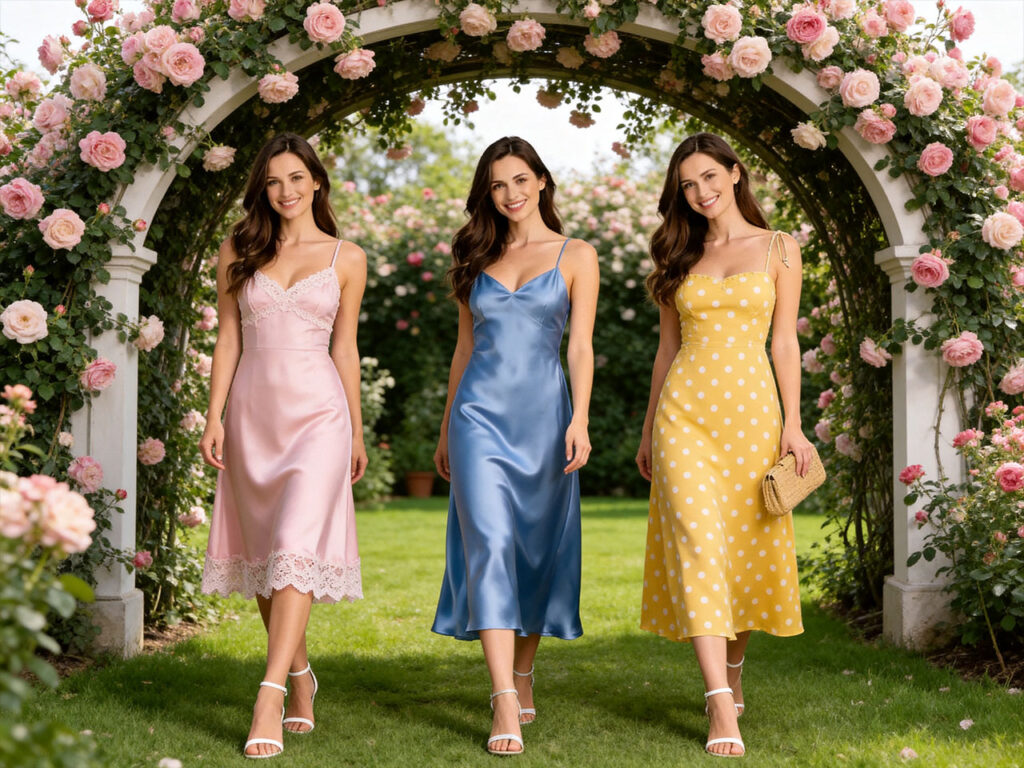
Many people assume dress length names follow a universal standard—but in reality, they don’t. I often see buyers guessing the length based on the name, only to end up returning the product when it doesn’t match expectations.
This doesn’t just waste money—it also erodes trust and delays sales. So what are these dress length names actually telling us? They are more than simple labels. They communicate wearing context, movement needs, and overall style positioning.
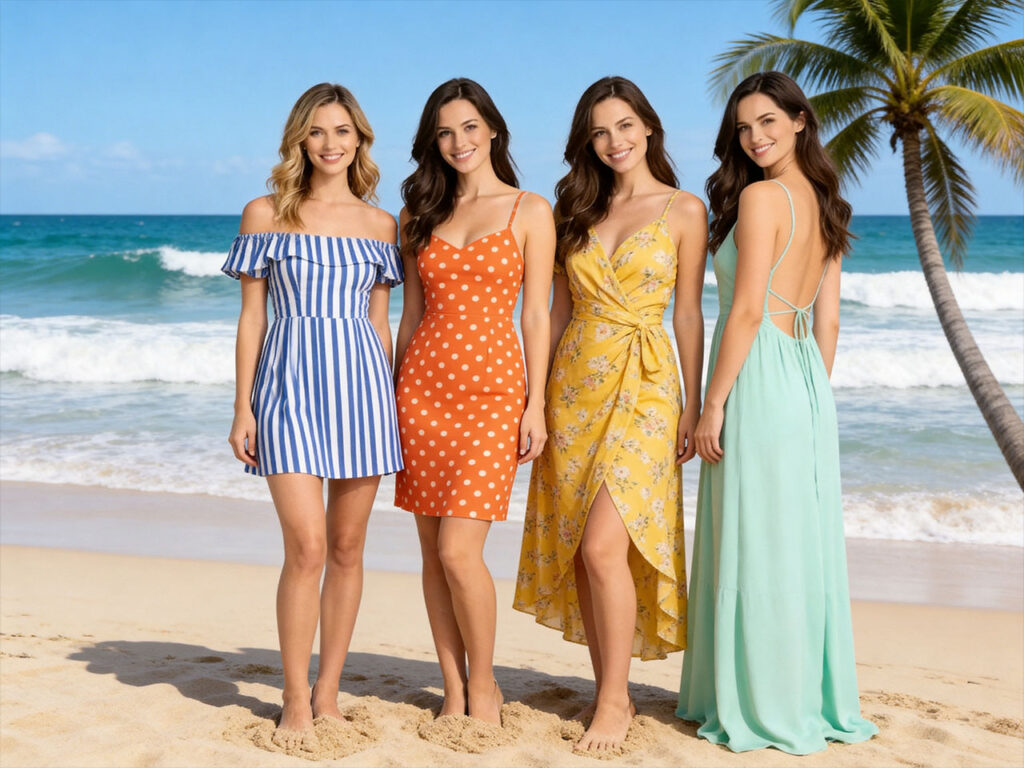
For brands and retailers, dress length is not a minor detail—it directly impacts conversion rates.When names fail to clearly reflect actual fit and appearance, it leads to:
The key is to turn vague labels into clear standards.
To reduce confusion and improve sales efficiency:
Instead of memorizing every term, use a simpler framework:
Start with the occasion, then choose the length.
At Liantao Apparel, we understand that clear specifications are the foundation of successful bulk production. With over 20 years of experience in export manufacturing and a factory of 200+ skilled workers, we support brands, wholesalers, and retailers with:
If you’re looking to reduce returns, improve product clarity, and scale your apparel business with confidence, we’re here to help.Email: info@liantaoapparel.com.Visit our website: https://liantaoapparel.com/
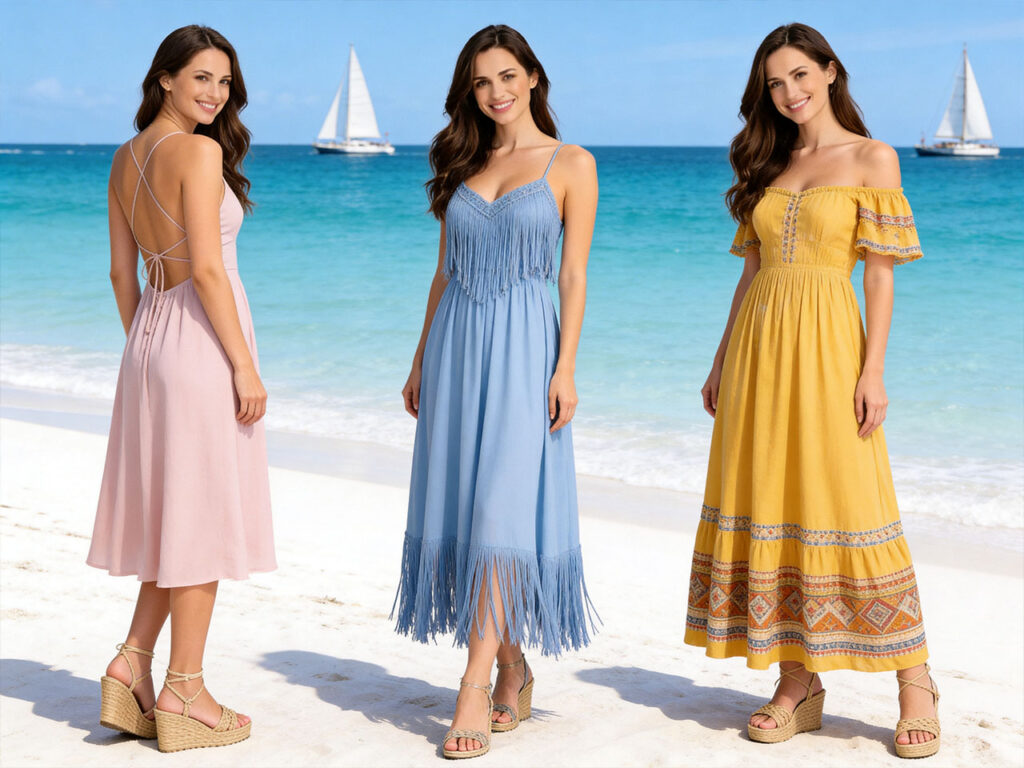
While fitting samples in the showroom, I learned a highly efficient way to categorize dress lengths. Buyers would print this chart and hang it directly on the racks. Within minutes, the team could finalize selections—and return rates dropped noticeably.
Dress Length | Mobility | Style Impression | Typical Occasions |
Mini | High | Playful, bold | Parties, summer outings |
Above Knee | High | Casual elegance | Daily wear, dates, shopping |
Knee-Length | Stable | Professional, polished | Work, meetings, church |
Midi | Balanced | Semi-formal, refined | Dinners, business casual |
Tea-Length | Balanced | Vintage, graceful | Weddings, garden parties |
High-Low | Moderate | Fashion-forward | Events, statement looks |
Maxi | Lower | Relaxed, effortless | Vacations, casual wear |
Floor-Length | Lowest | Formal, dramatic | Evening galas, proms |
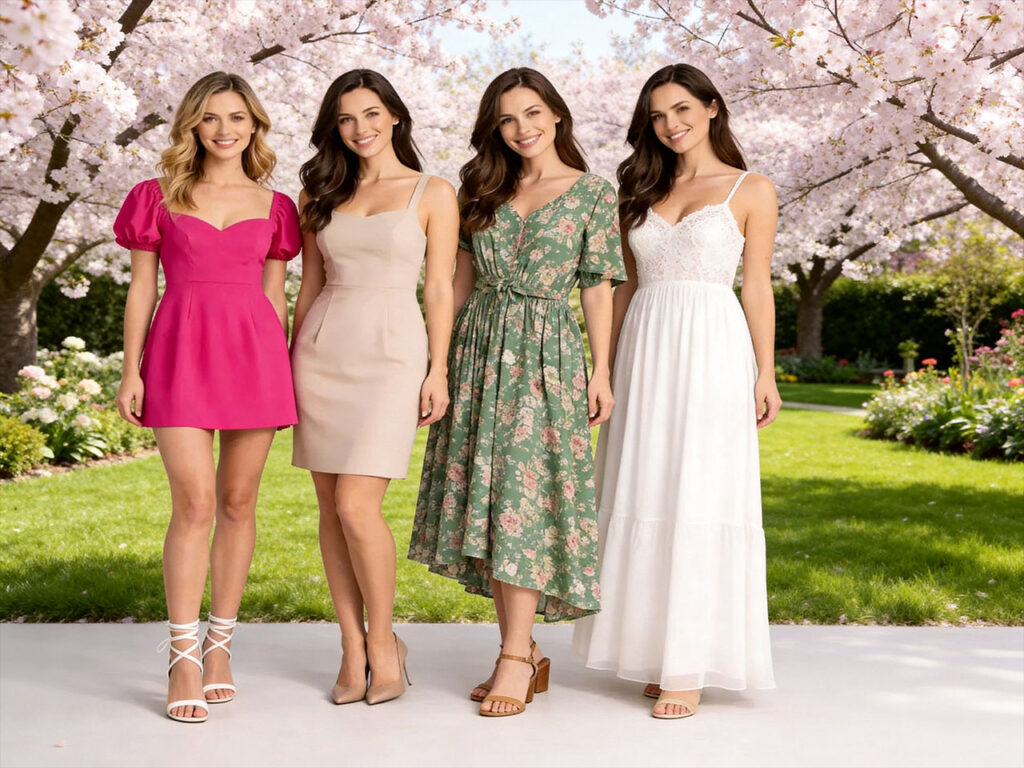
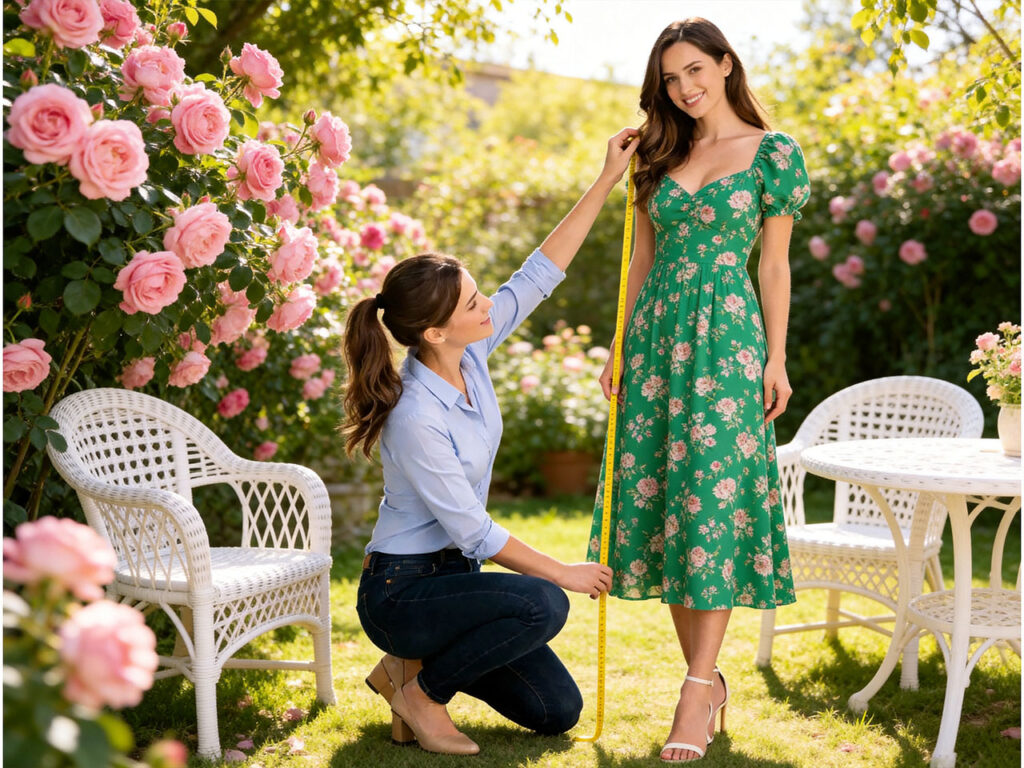
Many people measure from the wrong starting point—this is why dresses often end up “not fitting right.” The good news? This mistake is completely avoidable.
Step | What to Do | Why It Matters |
1. Start at HPS (Highest Point Shoulder) | Measure from the highest point of the shoulder, near the neckline | This is the industry standard used by manufacturers |
2. Measure straight down | Keep the tape vertical to the hem | Ensures accurate, consistent length |
3. Record “Shoulder to Hem” | Write down the full length clearly | Avoids confusion with waist-based measurements |
4. Compare with target length | Match with mini, midi, or floor-length reference | Helps you visualize the final look |
In the factory or showroom, I follow this standardized workflow to ensure every dress is measured accurately:
Even experienced teams can encounter common issues when measuring dress lengths. The table below summarizes typical pitfalls, why they happen, and quick ways to fix them:
Issue | Why It Happens | Quick Fix |
Mini dress too short | Measured from the neckline instead of the shoulder | Start measuring from the highest point of the shoulder (HPS) |
Midi hits the knee | Model is taller than average | Choose the appropriate dress length based on height |
Floor-length dress “dips in water” | Heel height is higher than planned | Re-measure the dress length with the shoes actually worn |
High-low hem uneven | Only measured one side | Measure both front and back (or left and right) separately |
Boxy silhouette | Waist seam positioned too high | Check torso length and adjust the waistline accordingly |
We once rushed a batch of Midi dress samples for a buyer. In the first version, the measurement was taken from the neckline, resulting in a skirt length that was too short—when the model tried it on, the hem hit just at the knees, making the overall proportions look off.
We then re-measured using the highest point of the shoulder (HPS) to the hem, and adjusted the length slightly according to the model’s height. The final sample had perfect proportions, the buyer approved it, and the bulk production went smoothly, achieving strong sales.
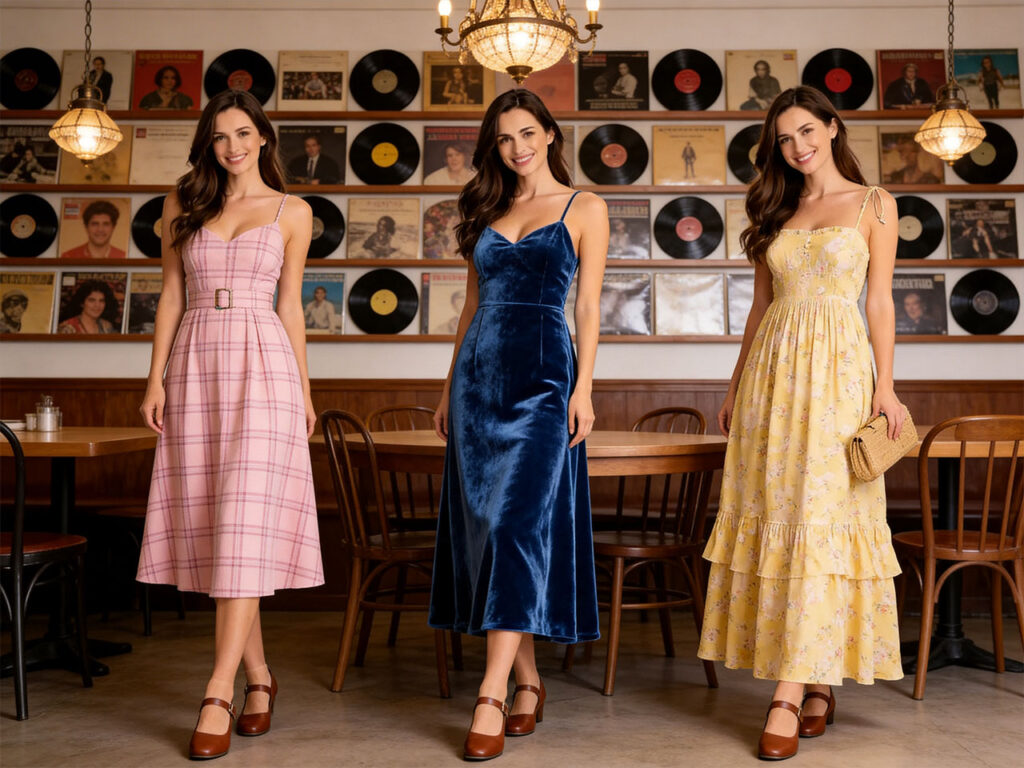
Many people ask: “I’m 157 cm tall—what dress length should I wear?” or “How does dress length vary for different heights?”
The answer isn’t just about the number of centimeters—it’s about overall proportions. Leg length, torso length, heel height, and posture all affect how a dress falls.
Height | Mini | Above Knee | Knee-Length | MIDI | Maxi / Floor-Length |
150–157 cm (≈5’0–5’2″) | 78–82 cm | 92–96 cm | 105–110 cm | 120–125 cm | 140+ cm |
158–165 cm (≈5’3–5’5″) | 80–84 cm | 94–98 cm | 108–113 cm | 123–128 cm | 143+ cm |
166–173 cm (≈5’6–5’8″) | 82–86 cm | 96–100 cm | 111–116 cm | 126–131 cm | 146+ cm |
174–180 cm (≈5’9–5’11”) | 84–88 cm | 98–102 cm | 114–119 cm | 129–134 cm | 149+ cm |
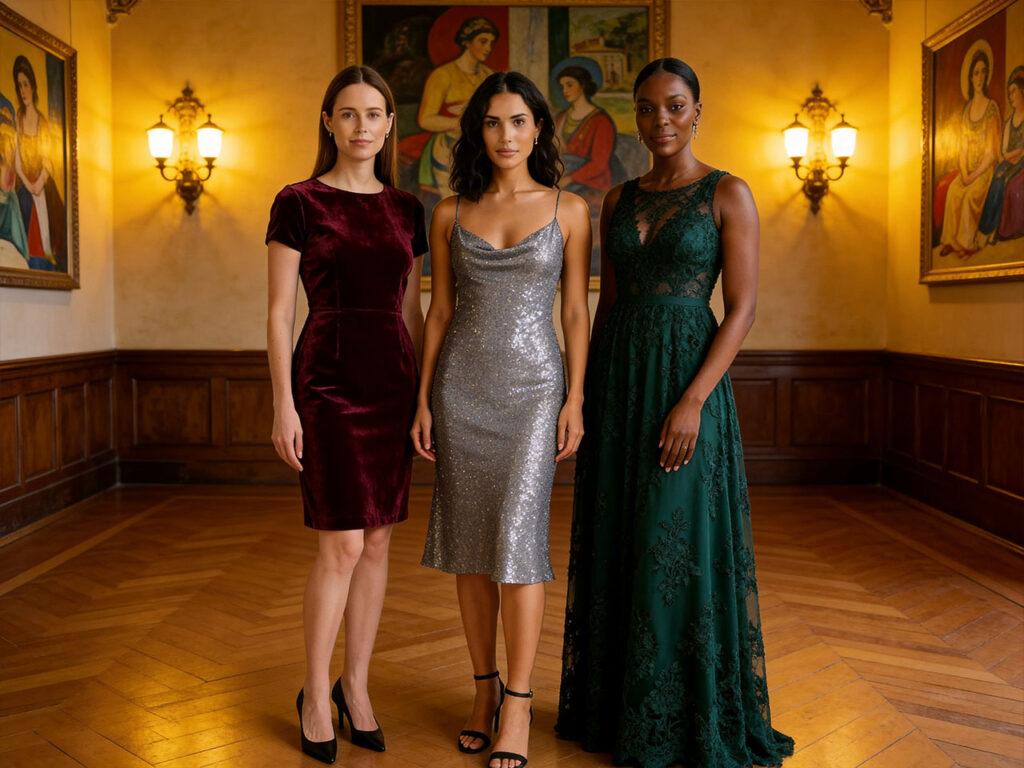
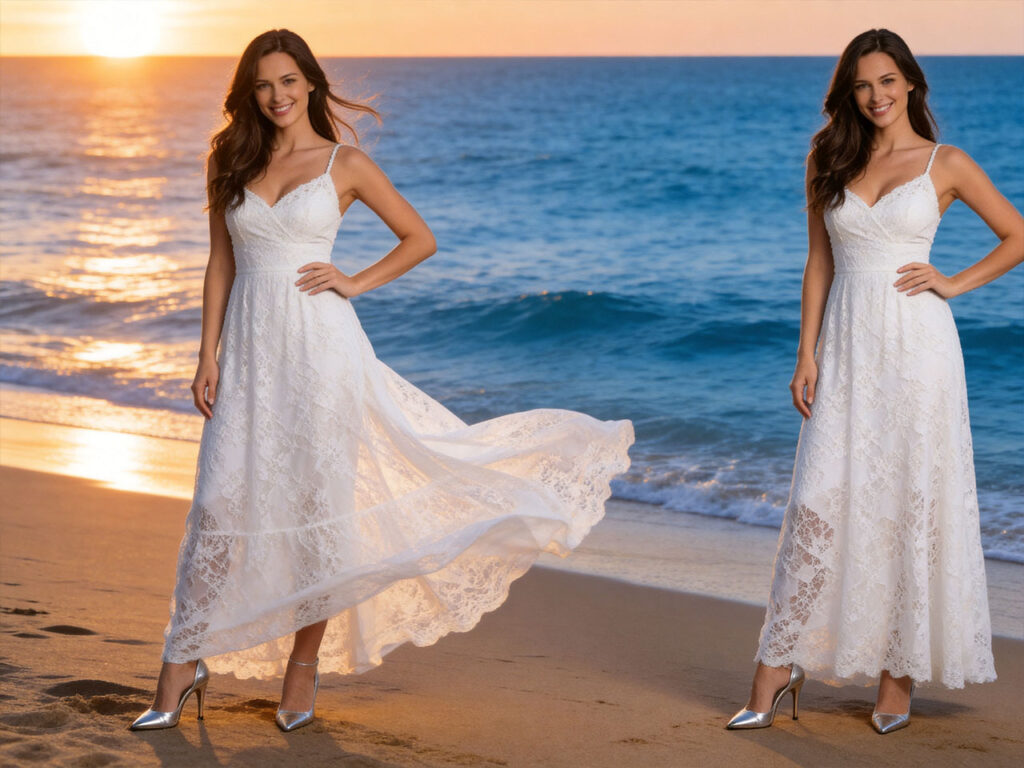
This question comes up every season. An incorrect length can cause tripping or dirty hems, ruining the overall look.
Correct Length Guide:
Ensuring the correct dress length not only enhances elegance but also prevents awkward moments at formal or business dinners. Here’s how to check in practice:
Make sure the hem doesn’t fold under your shoes, allowing for graceful and comfortable movement.
Dress Type | Front Hem | Back Hem | Notes |
Black long-sleeve floor-length gown | 0.5–1 cm above floor | 1–2 cm | Elegant and safe |
Formal gown with train | 0.5–1 cm above floor | 5–20 cm sweep | Red carpet look |
Must formal gowns be floor-length? | Knee touching floor | — | Depends on dress code |
At a company annual gala, a colleague chose a blue evening gown with a slight train. During the fitting:
After adjusting the hem:
The result was perfect: she moved comfortably all evening, the hem stayed clean, and there were no trips. The overall look was elegant and graceful.
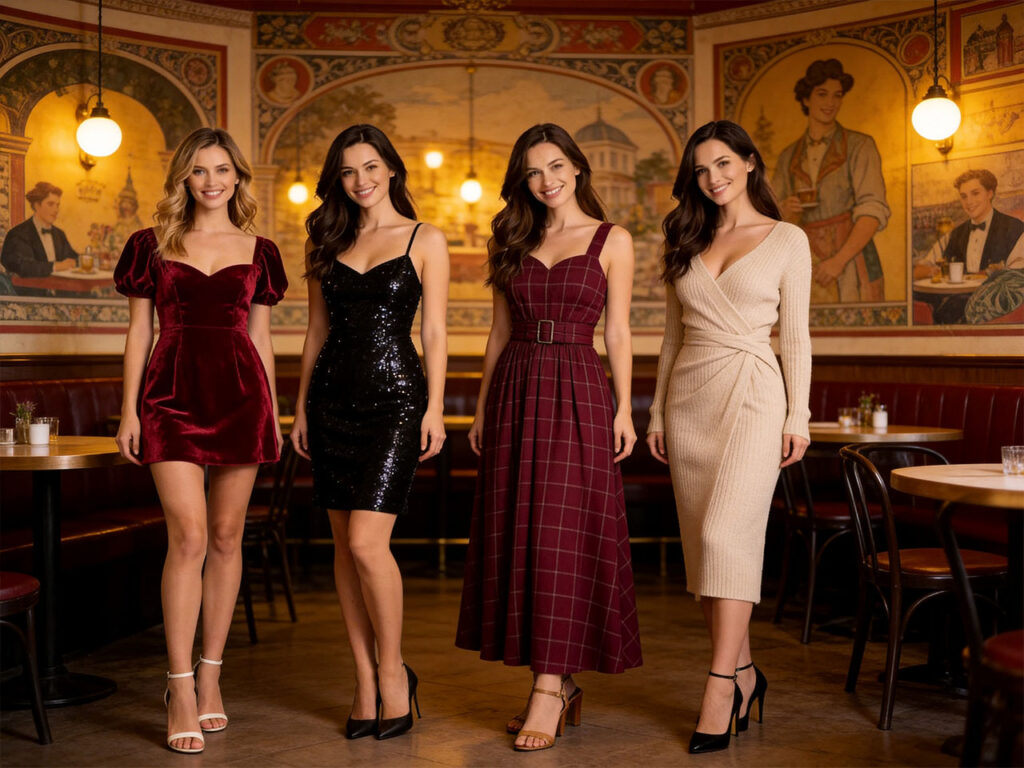
Rushed decisions rarely turn out well—what looks fun online may behave very differently in real life when you move.
Style Breakdown:
Key Tip: When choosing a skirt length, aim for the point where your legs look most slender and your stride feels natural. Walking a few steps and turning while trying on skirts is far more reliable than judging by length or pictures alone.
When trying on skirts, the mirror is your best advisor. Different skirt styles require different checks:
Tip: Perform dynamic tests in front of the mirror—walking, turning, sitting—rather than relying solely on measurements. Slight adjustments ensure every movement feels natural and graceful.
Feature | Mini | MIDI | High-Low |
Hem Length | Mid-thigh | Below knee to mid-calf | Short front, long back |
Best Occasions | Parties, summer casual | Work dinners, weddings | Evening events, photoshoots |
Mobility | High | Medium | Medium-high |
Potential Risks | Too short, risk of exposure | May widen lower leg | Back hem dragging |
At a friend’s weekend garden party, I helped a customer style a High-Low dress:
Result: She moved freely around the garden, posed for photos, and interacted with friends comfortably and elegantly. The skirt maintained its layered style without restricting movement, achieving a light and graceful look.
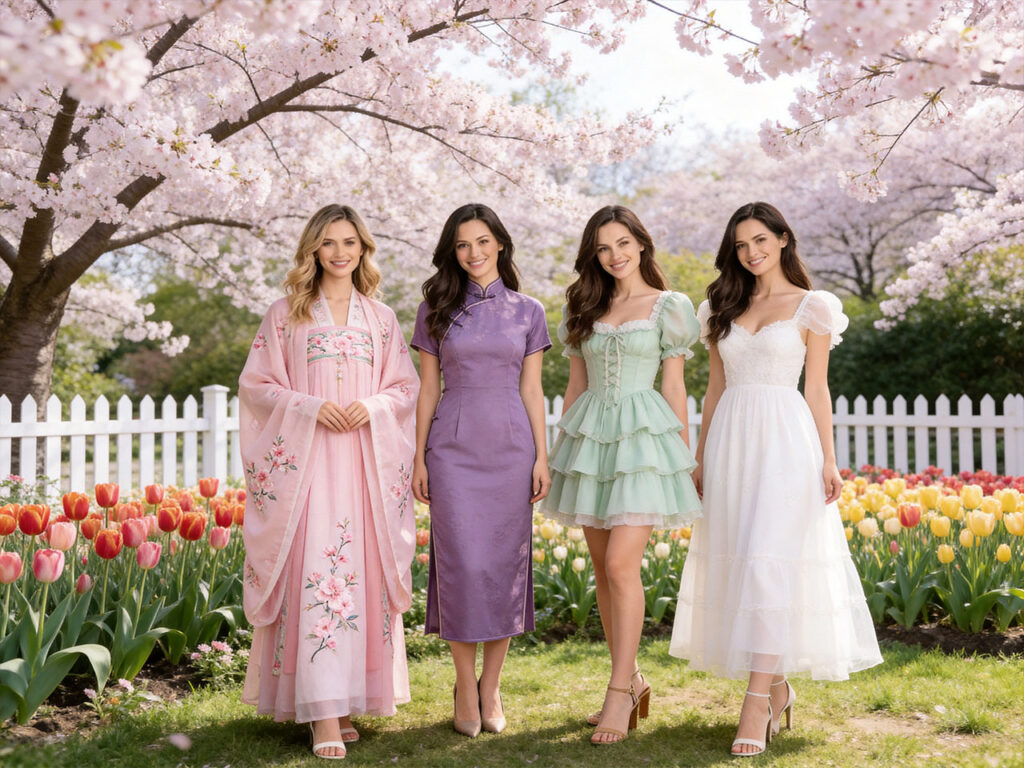
During peak sales season, the timing of dress alterations is crucial. How long does it take to hem a dress? It depends on the fabric and the tailor’s schedule:
It’s recommended to finalize the hem after selecting shoes and to allow enough time before the busy season. Planning ahead ensures the perfect length and timely availability for sale.
Dress Type | Alteration Time | Notes |
Mini or Knee-Length | 1–2 days | Simple straight hem |
Midi / Tea-Length | 2–3 days | Multi-layer design, requires extra work |
Maxi | 3–5 days | Complex cut, needs more control |
Beaded Dresses | 5–10 days | Handmade details, most time-consuming |
When selecting a hemline, consider your height, activity level, and dress code. Measure from your shoulder to the hem to ensure accuracy. When trying on the dress, wear the shoes you plan to pair with it and adjust the length by 1–3 cm as needed for both comfort and style. Move around, bend, and take deep breaths to make sure the dress doesn’t restrict your movements. Once everything fits perfectly, you can confidently enjoy your dress and showcase your elegance with ease.
When looking for a reliable dress manufacturing partner, Liantao Apparel stands out. With over 20 years of export production experience and a team of 200+ skilled workers, they specialize in women’s fashion dress B2B wholesale and OEM/ODM services. Whether it’s a single design sample or a large bulk order, Liantao delivers high-quality fabrics, precise tailoring, and strict quality control.
Choosing Liantao Apparel for custom dresses means you get personalized design and made-to-measure services, along with fast response times and on-time delivery, ensuring your fashion products stand out in the market. For retailers and designers aiming to create a unique brand or meet specific market demands, Liantao is the ideal partner for efficiency and quality.
Hi, I’m Lucy Cai, the founder of liantaoapparel.com. I’ve been managing a women’s clothing factory in China for over 16 years. With extensive experience in garment production and OEM services, I’m passionate about sharing insights into women’s fashion, apparel manufacturing, and global sourcing.
If you have any questions or need a quote, please contact us.
Please add us WhatsApp:+86 189 4809 3145
Provide us with detailed information about your requirements, supply design drawings or tech packs,
reference images, and share your ideas.
We will customize the best solution based on your needs and drawings, and provide a specific quote within 24 hours.
Once we receive your confirmation and deposit,we will commence mass production and take care of the subsequent shipping arrangements.