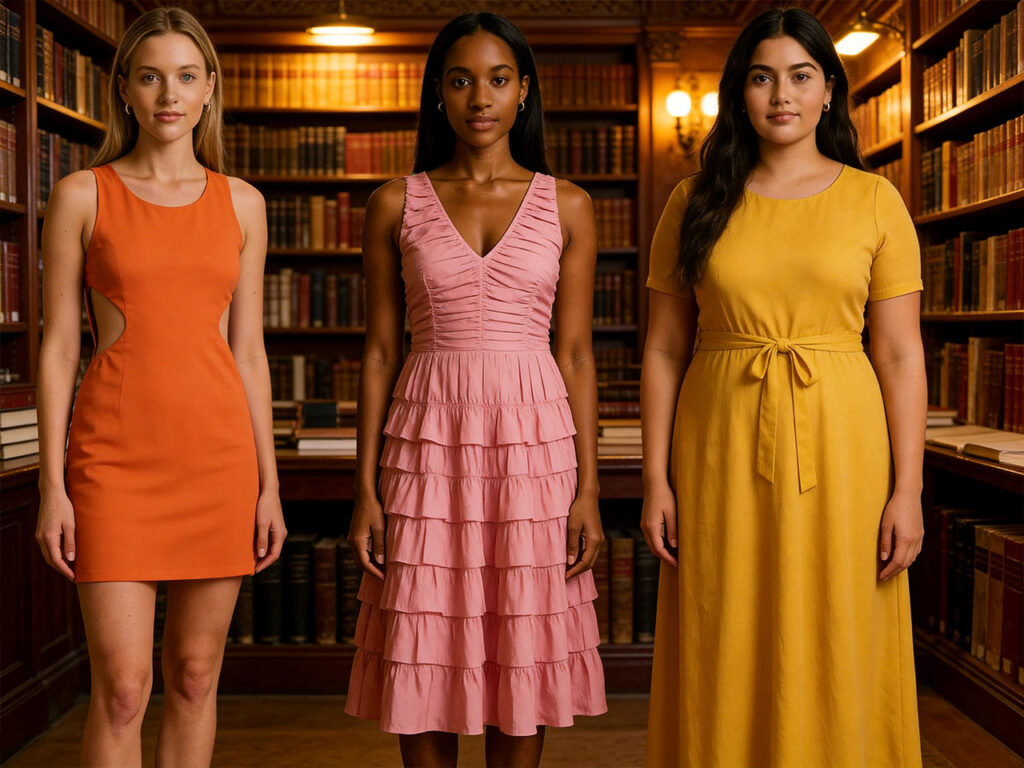
Have you ever bought a stunning dress from Zara or Uniqlo, only to feel like it ‘swallowed’ your height or made your hips look wider than they are? It’s a common styling frustration: the dress is beautiful, but the proportions are just off. The truth is, looking 5kg slimmer and 10cm taller has nothing to do with a diet and everything to do with where your hemline ends. In this 2026 updated guide, we’re revealing the secret geometry of dress lengths specifically for petite and pear-shaped frames, so you can stop guessing and start dressing with absolute confidence.
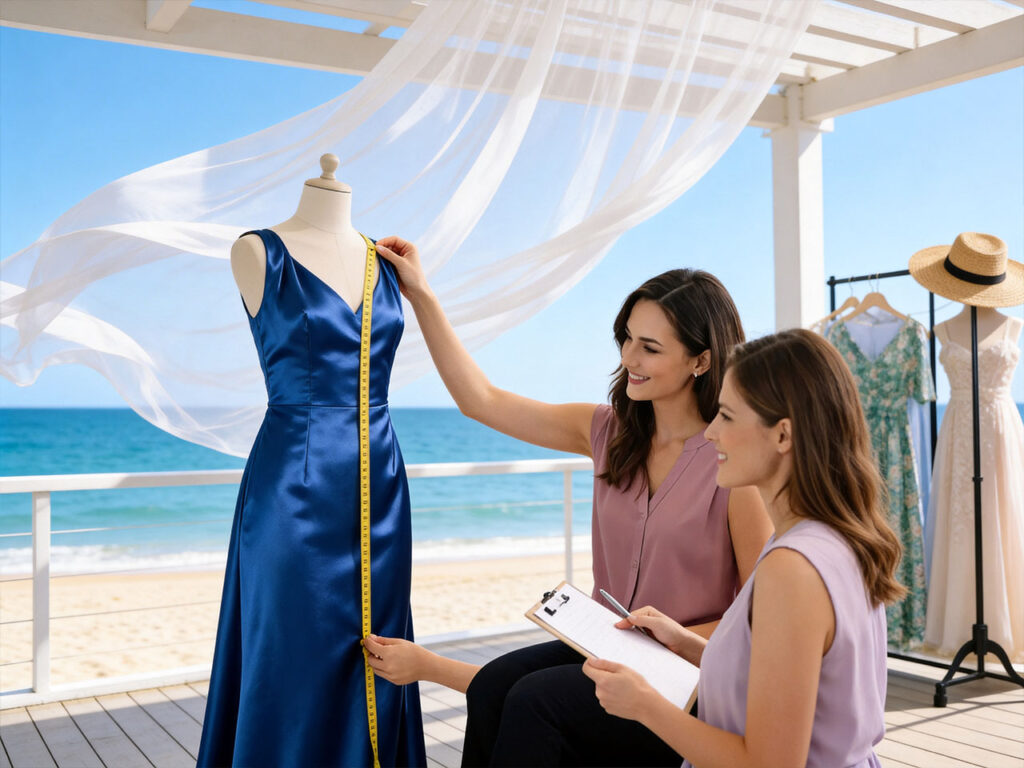
What are the standard dress length names? In apparel production, precise terminology directly impacts results. I’ve seen buyers ask for a “long dress” but receive a floor-length gown instead of the ankle-length style they actually wanted—leading to repeated sampling and wasted time. That’s why aligning on dress length terminology before production is essential.
Common categories include: Micro (very short), Mini (thigh-length), Above Knee, Knee-Length, Midi (mid-calf), Tea-Length (below mid-calf), Maxi (ankle-length), and Floor-Length (gown).
In product development and sampling, a clear dress length chart is often more efficient than repeated back-and-forth communication. Below is an industry-standard reference based on a height of 5’6” (168 cm), helping you quickly define styles and communicate accurately with manufacturers:
Length Name | Typical Position | Approx. Length | Common Use Cases |
Micro | Upper thigh | 66–76 cm | Partywear, stage outfits, fashion-forward styles |
Mini | Mid-thigh | 76–84 cm | Night out, casual wear, youth market |
Above Knee | 1–3 inches above knee | 84–89 cm | Casual, business casual |
Knee-Length | Center of knee | 89–94 cm | Workwear, modest dresses |
Midi | Below knee to mid-calf | 96–112 cm | Elegant daywear, daytime weddings |
Tea-Length | Lower calf | 114–122 cm | Vintage styles, semi-formal dresses |
Maxi | Ankle-length | 124–135 cm | Resort wear, flowing dresses |
Floor-Length | Touching the floor | 137–157 cm | Evening gowns, formal occasions |
Why Does “Midi” Cause Confusion?
“Midi” sounds straightforward, but in practice, different brands define it slightly differently. That’s why clients often ask: “Where exactly does midi fall?” and “What’s the difference between midi and tea-length?”
Midi: The Most Versatile, Commercial Length
Midi typically falls below the knee to mid-calf. It’s one of the most popular dress lengths because it balances elegance and practicality. Suitable for both daily wear and semi-formal occasions, it performs exceptionally well in both retail and wholesale markets.
Tea-Length: A More Formal, Refined Option
Tea-length is slightly longer, landing at the lower calf above the ankle. Compared to midi, it leans more toward vintage and formal aesthetics, often used in semi-formal dresses or occasionwear.
How to Choose: Versatility vs. Occasion
In short: Midi is more versatile, while tea-length is more occasion-focused. For production, it’s best to pair these terms with exact measurements (e.g., in cm or inches) to ensure the final result meets expectations.
When choosing a midi or tea-length dress, your height and heel height directly affect overall proportions. Use the chart below to quickly find the hemline that suits you best:
Height | Best Midi Position | Best Tea-Length Position | Shoe Recommendations |
5’2″ / 157 cm | Upper calf | Lower to mid-calf | Peep-toe shoes or low block heels |
5’4″ / 163 cm | Mid-calf | 2–3 cm above the ankle | Pointed flats or 2–3 inch heels |
5’8″ / 173 cm+ | Mid to lower calf | Near the ankle | Any heel height; sneakers for casual occasions |
Styling Tips
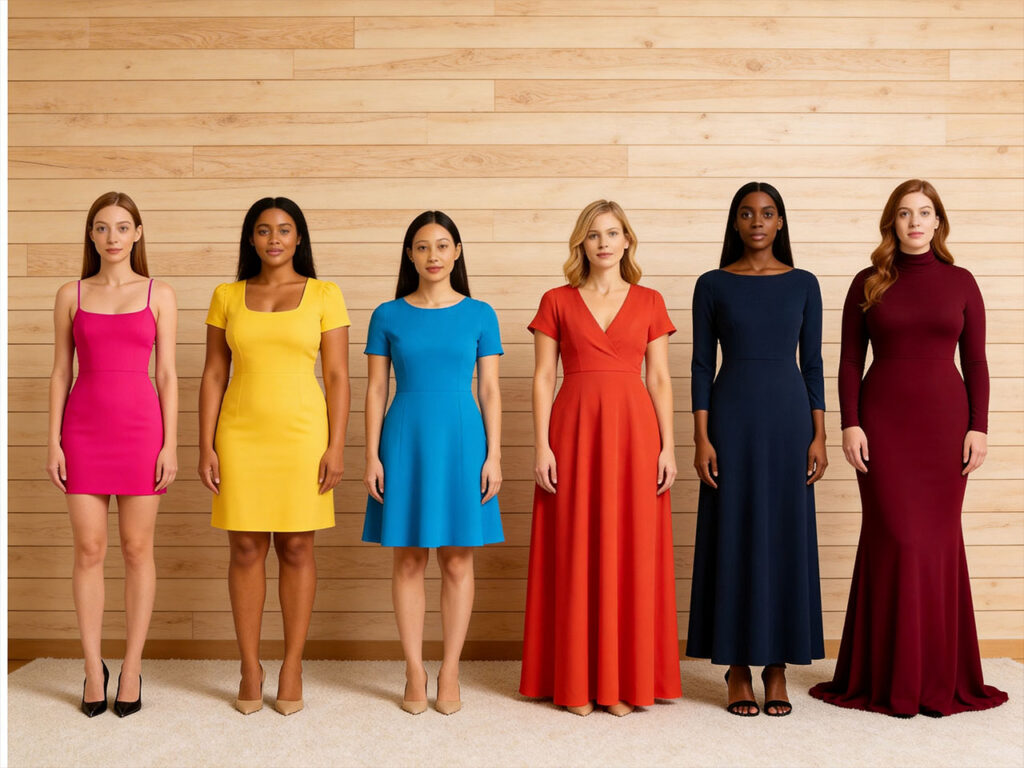
Floor-length dresses can create a dreamy, elegant effect, but even a small misstep can make them look awkward. The difference between perfect and off is often just half an inch. I experienced this firsthand while helping a bride try on her ivory wedding gown.
The hem should just cover the ankles and lightly touch the floor. When wearing heels, the length should be based on heel height rather than bare feet. This ensures comfortable movement while keeping the overall silhouette graceful—making it the perfect choice for weddings or formal occasions.
When it comes to dress length, two simple but essential rules can make a floor-length dress both elegant and practical:
✨ Ideal Length for Long Dresses
The hem of a long dress should ideally sit about 1–2.5 cm (0.5–1 inch) above the floor. This ensures it won’t catch on your shoes while maintaining a naturally flowing, graceful drape. This slight lift improves overall proportion and prevents the dress from looking cumbersome.
✨ Standard Floor-Length for Formal Gowns
For formal occasions like evening gowns, the hem can slightly brush the toes:
When wearing or producing long dresses, a few common issues can arise. Knowing how to address them ensures your dress looks beautiful and feels comfortable:
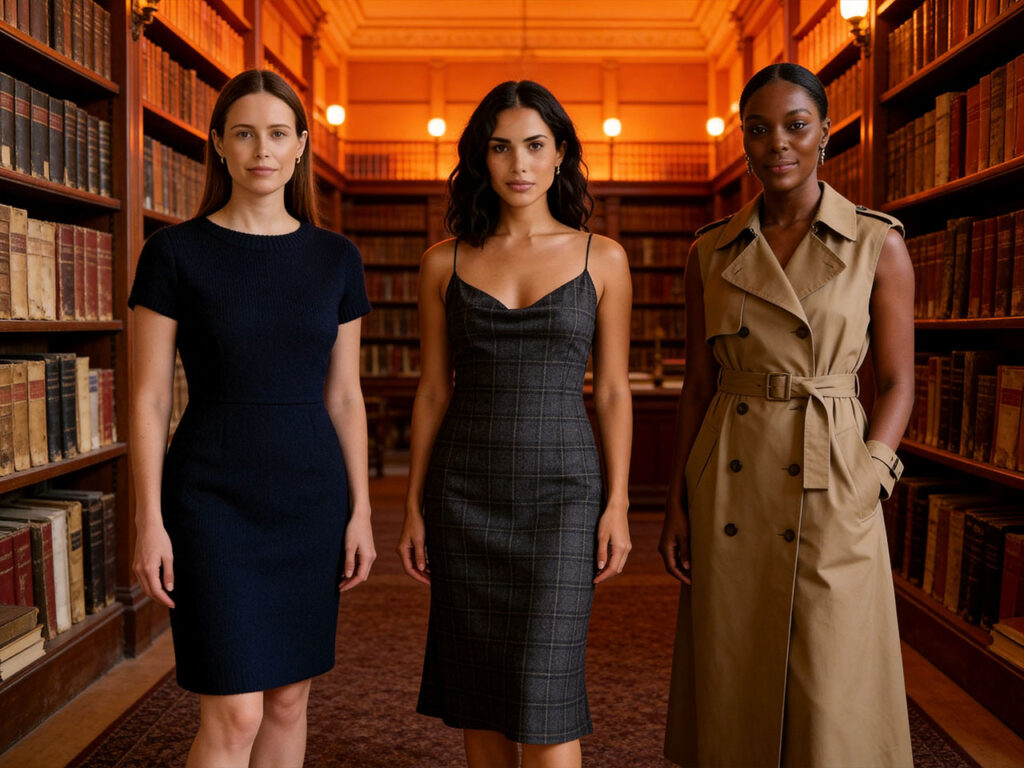
I often help teams build capsule wardrobes that cover work, travel, and social events. Compared to patterns or colors, dress length has a bigger impact on overall mood and style.
Clothing Type | Safe Length | Tips |
Shirt Dress | Above knee / Knee-length | A belted style can flatter many body shapes, perfect for office or casual wear. |
Turtleneck Dress / Off-Shoulder Sweater Dress | Knee / Midi | Comfortable and well-proportioned sleeves, suitable for work or dates. |
Spaghetti Strap Dress | Midi / Long | Pair with a blazer for the office, or wear alone for a breezy summer look. |
Fitted Flare Pants | Knee / Tea-length | Allows easy movement, shows off leg shape, great for casual or active occasions. |
Bodycon Dress | Knee-length | Long-sleeve versions are ideal for work, balancing professionalism with elegance. |
Additional Styling Tips:
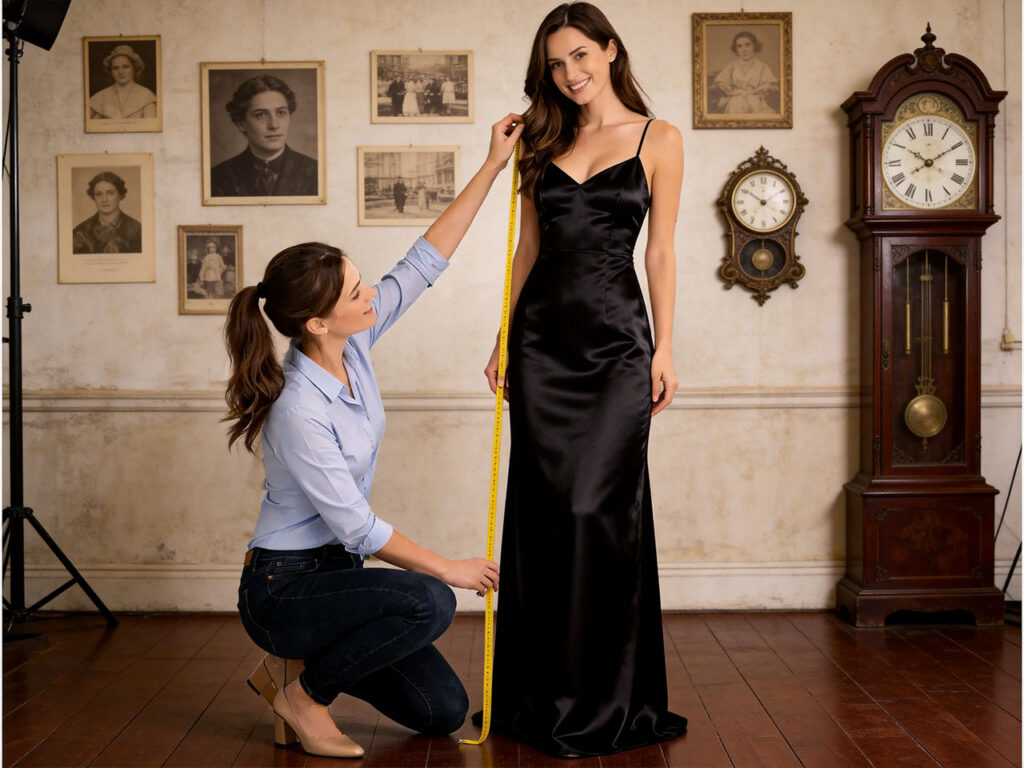
Inaccurate dress measurements can lead to endless returns, causing unnecessary hassle and cost. To avoid surprises, we recommend that customers use the same measuring method as our factory to ensure precise sizing.
Steps to Measure:
To ensure every dress meets the ideal length, I follow a precise measurement process during production. Mastering these steps also allows you to adjust dress lengths accurately at home.
Measurement Steps:
When choosing a dress length, height is an important guide—but don’t forget to consider torso-to-leg proportions. The table below helps you quickly find the most flattering length:
Height | Best Mini | Best Knee-Length | Best Midi | Best Maxi/Long |
5’0″ – 5’2″ | Upper-mid thigh | Just above knee | High calf | Narrow ankle |
5’3″ – 5’5″ | Mid-thigh | Mid-knee | Mid-calf | Ankle-length |
5’6″ – 5’8″+ | Lower-thigh | Below knee | Lower-calf | Grazing the ankle |
Additional Styling Tips:
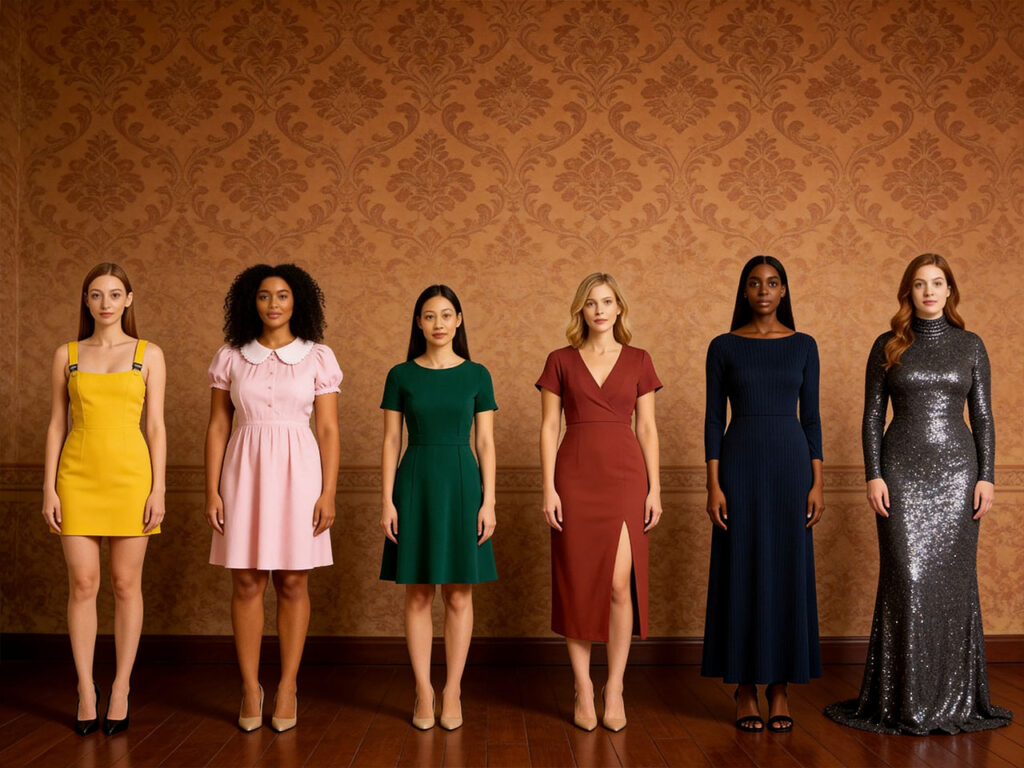
Beyond standard lengths, some special dress styles require extra attention because their fabric and cut create distinct effects. Improper length handling is often the root of miscommunication with suppliers.
Common Special Styles:
Practical Tip:
Always specify length requirements in your purchase order, and clearly indicate special designs like high-low hems, sweater styles, or formal gowns. This ensures suppliers can cut accurately and prevents unexpected issues.
By controlling the length carefully, you maintain both the style’s visual impact and the wearer’s comfort, ensuring your dresses are fashionable, appropriate, and flattering.
Different dress styles not only have unique aesthetics, but their length also directly affects fit, comfort, and overall appearance. Master these tips to pick dresses that are both stylish and practical.
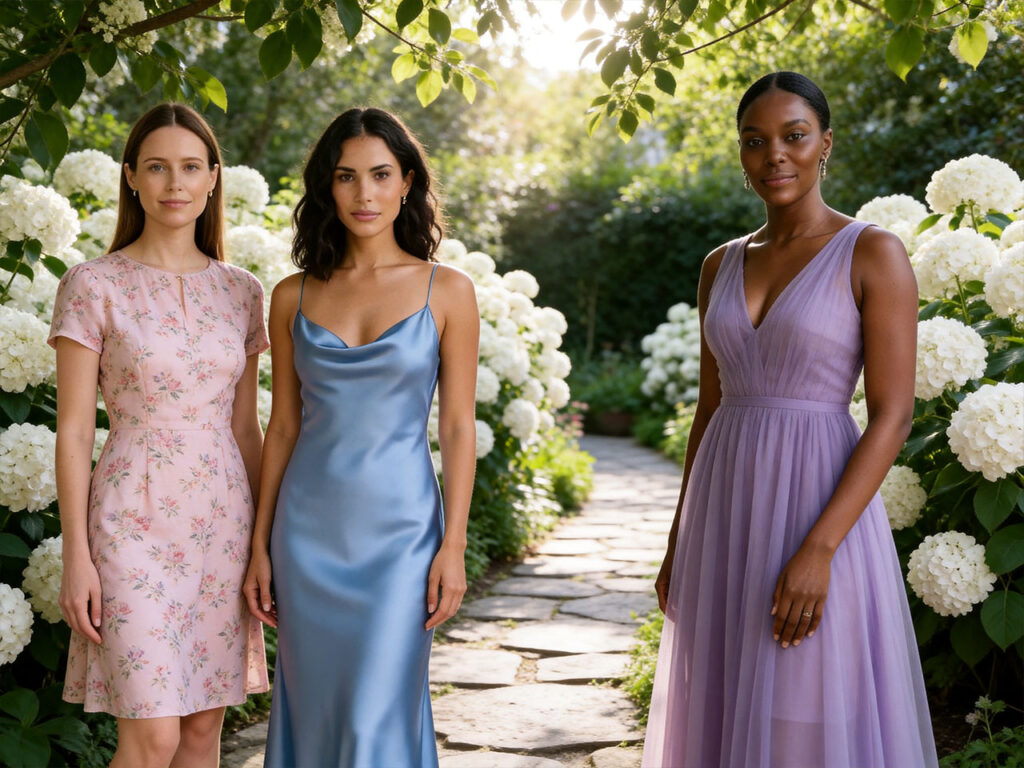
When placing orders or customizing dresses, specifying every detail ensures accuracy and minimizes alterations or returns. The table below helps you establish a common language with the factory:
Item | Example | Purpose / Notes |
Length Name | midi | Provides a standard term, ensuring buyers and factories are on the same page. |
Target HPS Length | 45 in / 114 cm | Ensures the factory cuts to precise measurements for accurate finished garments. |
Model Height | 5’7″ / 170 cm | Serves as a reference to ensure proportionate dress length. |
Heel Height | 3 in | Considers real-life wear so the hem falls at the intended spot when wearing shoes. |
Tolerance | ±0.5 in / ±1.3 cm | Sets clear quality control standards, ensuring consistency across garments. |
I once designed dress templates for an H&M autumn capsule collection: a high-neck, long-sleeve knee-length dress, a high-low floral midi dress, and a floor-length evening gown. By finalizing these specifications in advance, the design, fabric sourcing, and production processes stayed fully aligned, saving several weeks of adjustments for the entire collection.
By finalizing dress templates in advance, you can ensure seamless alignment across design, fabric sourcing, and production, while saving valuable time and keeping the entire collection on schedule. Whether creating a capsule collection for a fast-fashion brand or launching seasonal pieces for your own label, this approach makes your creative vision more efficient and precise. Pay attention to the details, and ensure every dress reaches its best form before hitting the market—this is the power of combining professional design with a streamlined production process.

Working with Liantao Apparel means partnering with a factory that combines experience, scale, and a global mindset. Based in China, Liantao has over 20 years of export production experience and a dedicated team of more than 200 skilled workers. Specializing in B2B wholesale, the company provides OEM and ODM services for global brands and supermarkets, covering a wide range of products from women’s fashion, jackets, skirts, dresses, jeans, T-shirts, and sweatshirts to down yoga wear, fashion bags, sportswear, children’s wear, and underwear.
Liantao’s production reaches clients across the Netherlands, Denmark, Belgium, Norway, the UK, the USA, Germany, Australia, Thailand, Turkey, Italy, Russia, Saudi Arabia, and more. By collaborating with Liantao Apparel, you gain access to reliable quality, streamlined communication, and the flexibility to bring your designs to life efficiently. For inquiries or to start a project, reach out via email at info@liantaoapparel.com or visit https://liantaoapparel.com/
Hi, I’m Lucy Cai, the founder of liantaoapparel.com. I’ve been managing a women’s clothing factory in China for over 16 years. With extensive experience in garment production and OEM services, I’m passionate about sharing insights into women’s fashion, apparel manufacturing, and global sourcing.
If you have any questions or need a quote, please contact us.
Please add us WhatsApp:+86 189 4809 3145
Provide us with detailed information about your requirements, supply design drawings or tech packs,
reference images, and share your ideas.
We will customize the best solution based on your needs and drawings, and provide a specific quote within 24 hours.
Once we receive your confirmation and deposit,we will commence mass production and take care of the subsequent shipping arrangements.