🏭 Looking for a Custom Apparel Manufacturer?
We are a leading OEM/ODM clothing factory with 20+ years of export experience. Custom styles, flexible MOQs, and retail-ready quality.
Look past the chaotic cycle of fast-fashion trends, and you’ll find that every successful wardrobe on the planet is built on just three structural pillars. On my factory floor, where we’ve engineered international clothing lines and analyzed garment patterns for 20 years, we don’t classify clothes by aesthetics—we classify them by fabric, seam construction, and human function. Today, I’m stripping away the marketing jargon to give you a foolproof, factory-audited blueprint to the three main clothing types—Casual wear, Formal wear, and Activewear—showing you exactly how to master their fit and quality for any occasion.
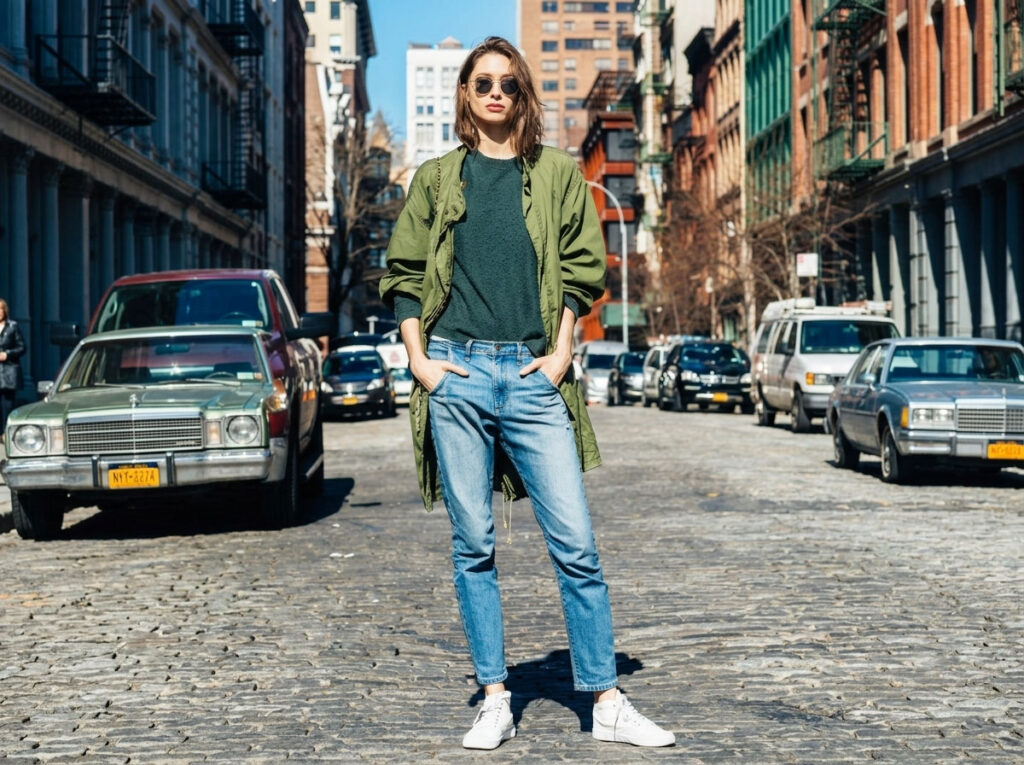
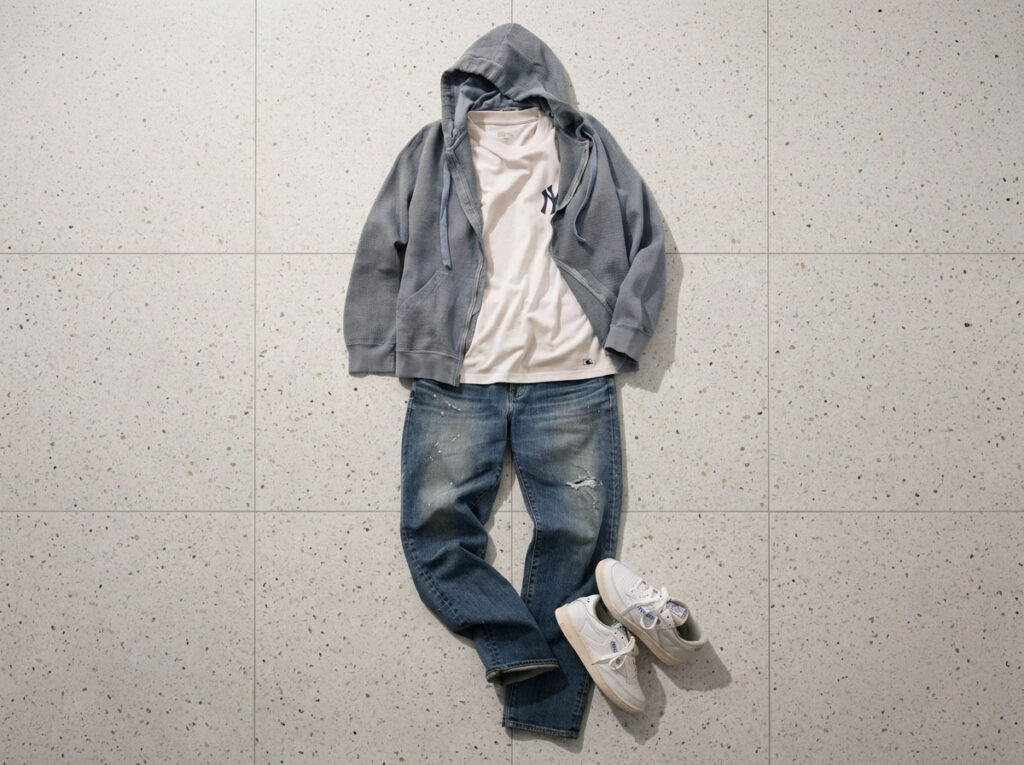
Casual wear is one of the most popular and versatile clothing categories in the global apparel market. Designed around comfort, functionality, and effortless style, casual clothing is suitable for everyday occasions such as shopping, traveling, social gatherings, work-from-home, and leisure activities.
Unlike formalwear, casual wear focuses on creating a balance between comfort and fashion. With practical designs, quality fabrics, and flexible styling options, casual apparel has become an essential part of modern wardrobes for consumers of all ages.
For fashion brands and retailers, casual wear also represents a high-demand market segment with strong potential for product development and customization.
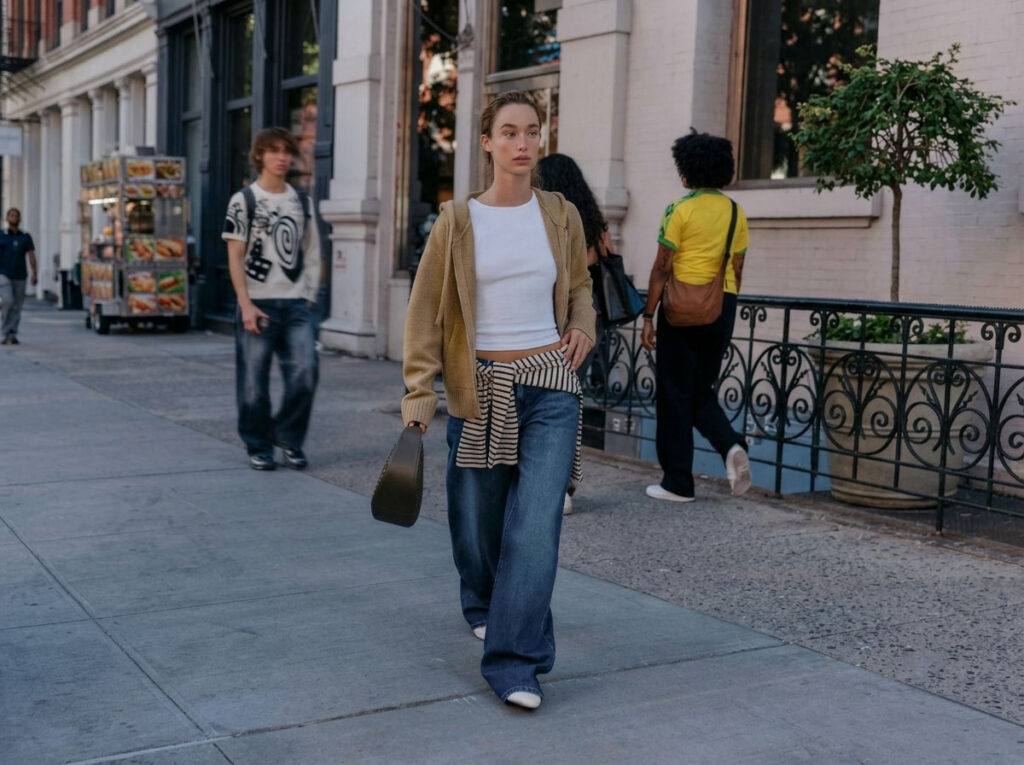
Comfort is the core value of casual apparel. Manufacturers usually select soft, breathable, and flexible fabrics such as:
Relaxed fits, functional details, and skin-friendly materials help improve the overall wearing experience.
Casual wear often features clean designs and practical silhouettes. Minimalist details make these garments easy to wear and suitable for long-term market demand.
At the same time, brands can add unique elements such as:
One of the biggest advantages of casual clothing is its flexibility. A single item can be styled in multiple ways, helping consumers create different looks, including:
With changing lifestyles, consumers are increasingly looking for clothing that combines comfort, quality, and personal style. This has made casual wear one of the most stable and fast-growing categories in the apparel industry.
For fashion brands, developing a successful casual wear collection requires reliable manufacturing partners who understand fabric selection, trend development, quality control, and customization.
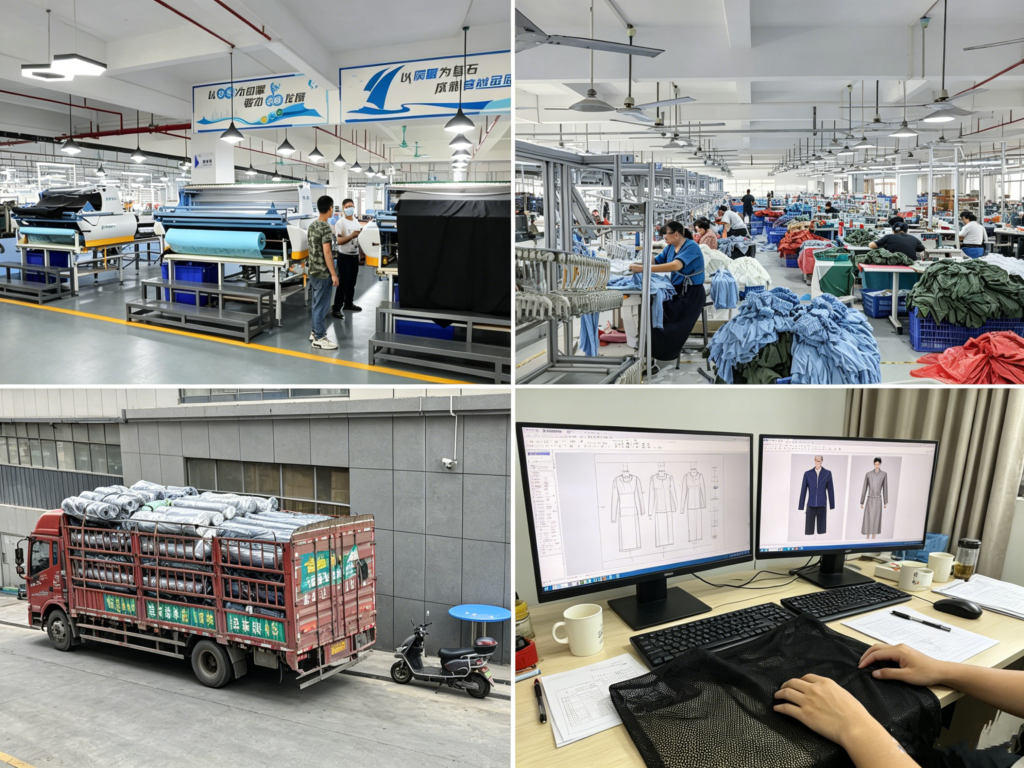
At Liantao Apparel, we provide professional OEM and ODM casual wear manufacturing solutions, helping brands create high-quality T-shirts, hoodies, sweatshirts, dresses, and other casual clothing collections with customized designs and production support.
| Casual Wear Item | Key Features | Common Styling Occasions |
| T-Shirt | Lightweight, comfortable, and easy to care for. As a wardrobe essential, T-shirts can be customized with different fabrics, prints, and designs to create various styles. | Everyday wear, street style, casual office outfits |
| Jeans | Durable, timeless, and easy to match. Jeans remain a classic casual item suitable for different body types and fashion styles. | Weekend outings, travel, daily activities |
| Hoodie | Soft and comfortable, perfect for layering. Hoodies combine warmth, functionality, and streetwear appeal, making them popular among younger consumers. | Casual outings, athleisure looks, autumn and winter wear |
| Sneakers | Functional and comfortable footwear that adds both practicality and a fashionable touch to casual outfits. | Daily commuting, travel, casual activities |
Formal wear is clothing designed for professional settings and special occasions. It focuses on elegance, structure, and a polished appearance. Common examples include suits, blazers, formal dresses, and dress shoes.
Featuring tailored fits, refined designs, and quality fabrics, formal wear helps create a confident and sophisticated look for business meetings, ceremonies, and important events.
Formal wear is designed to create a professional, elegant, and sophisticated appearance. Its quality, structure, and timeless style make it suitable for business settings, special occasions, and formal events.
High-quality fabrics are an essential part of formal clothing. Materials such as wool, silk, satin, and premium blends are commonly used to provide a refined look, comfortable feel, and long-lasting durability.
Unlike casual wear, formal clothing focuses on precise tailoring and structured silhouettes. Well-designed patterns and expert craftsmanship help create a clean, professional fit that enhances the wearer’s confidence.
Formal wear often follows traditional color palettes and style guidelines. Classic shades such as black, navy, gray, and neutral tones remain popular because they offer a timeless and versatile appearance suitable for various formal occasions.
| Formal Wear Item | Key Features | Suitable Occasions |
| Suits | A classic symbol of professionalism, featuring structured designs and tailored fits for a polished appearance. | Business meetings, corporate events, formal occasions |
| Blazers | A versatile formal piece that adds sophistication while offering a more relaxed alternative to a full suit. | Semi-formal events, business casual settings |
| Evening Gowns | Elegant long dresses designed with refined silhouettes and luxurious details for a graceful look. | Formal dinners, weddings, special events |
| Dress Shoes | Sophisticated footwear that completes a formal outfit with comfort and timeless style. | Business occasions, ceremonies, formal gatherings |
Formal clothing is widely used in business environments. Classic pieces such as business suits, blazers, pencil skirts, and tailored shirts create a polished look suitable for offices, meetings, and corporate settings.
Formal attire is often required for important occasions, including weddings, gala dinners, award ceremonies, and other celebrations. Elegant dresses, suits, and refined accessories help create an appropriate and stylish appearance.
Activewear is clothing designed for sports, fitness, and active lifestyles. It focuses on comfort, flexibility, and functionality, making it popular for workouts as well as everyday fashion.
Featuring lightweight, breathable, moisture-wicking, and stretch fabrics, activewear provides better freedom of movement and comfort. Common styles include leggings, sports bras, joggers, workout tops, and running shoes.
Activewear commonly uses materials such as polyester, spandex, and nylon to provide durability, stretch, and excellent shape retention.
Breathable and moisture-wicking fabrics quickly absorb and release sweat, helping keep the body cool and dry during exercise.
Features such as seamless construction, stretch panels, and supportive fits are designed to improve flexibility, comfort, and overall athletic performance.
| Activewear Item | Key Features | Suitable Activities |
| Leggings | Made with stretchy, flexible fabrics that provide comfort, support, and freedom of movement. | Yoga, running, fitness training, everyday athleisure |
| Sports Bras | Designed to provide support and comfort during movement, helping improve performance during workouts. | High-intensity training, gym workouts, running |
| Joggers / Sweatpants | Combining comfort and relaxed style, ideal for light activities and everyday casual wear. | Light exercise, travel, lounging, daily wear |
| Running Shoes | Engineered for cushioning, support, and durability to enhance comfort during physical activities. | Running, sports, outdoor activities |
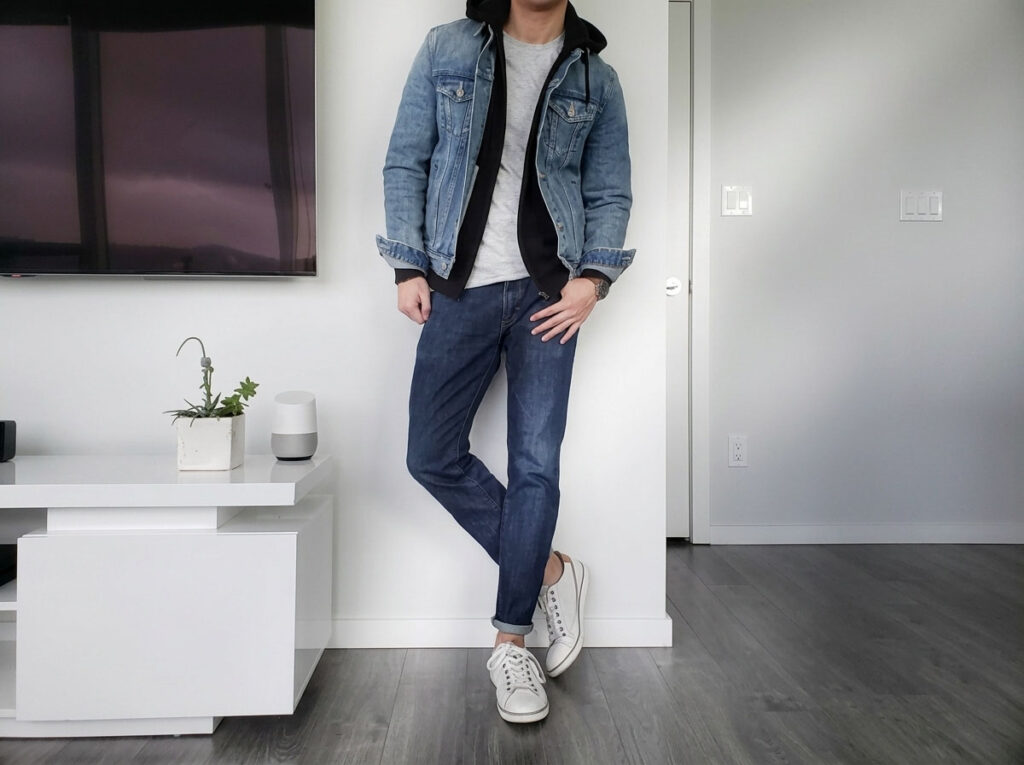
Athleisure combines the functionality of activewear with the comfort of casual wear, creating versatile outfits for both exercise and everyday life.
Styles like leggings with oversized T-shirts, sneakers with casual dresses, and sporty tops with daily outfits have become popular choices for consumers who want comfort, flexibility, and modern style.
Each type of clothing serves a unique purpose, but they often work together to create a versatile and functional wardrobe. Understanding the differences between casual wear, formal wear, and activewear helps consumers choose the right outfits for different lifestyles and occasions.
| Clothing Type | Primary Use | Secondary Use |
| Casual Wear | Provides everyday comfort, versatility, and easy styling for daily activities. | Travel, weekends, and relaxed social occasions. |
| Formal Wear | Designed for professional settings, business meetings, weddings, and special events. | Semi-formal occasions and elevated everyday looks. |
| Activewear | Created for sports, workouts, and physical activities with comfort and performance features. | Athleisure styles, travel, and casual daily outfits. |
Understanding the differences between casual wear, formal wear, and activewear helps you make smarter clothing choices and build a more functional wardrobe. A well-balanced wardrobe not only meets your daily needs but also allows you to create stylish looks for different occasions.
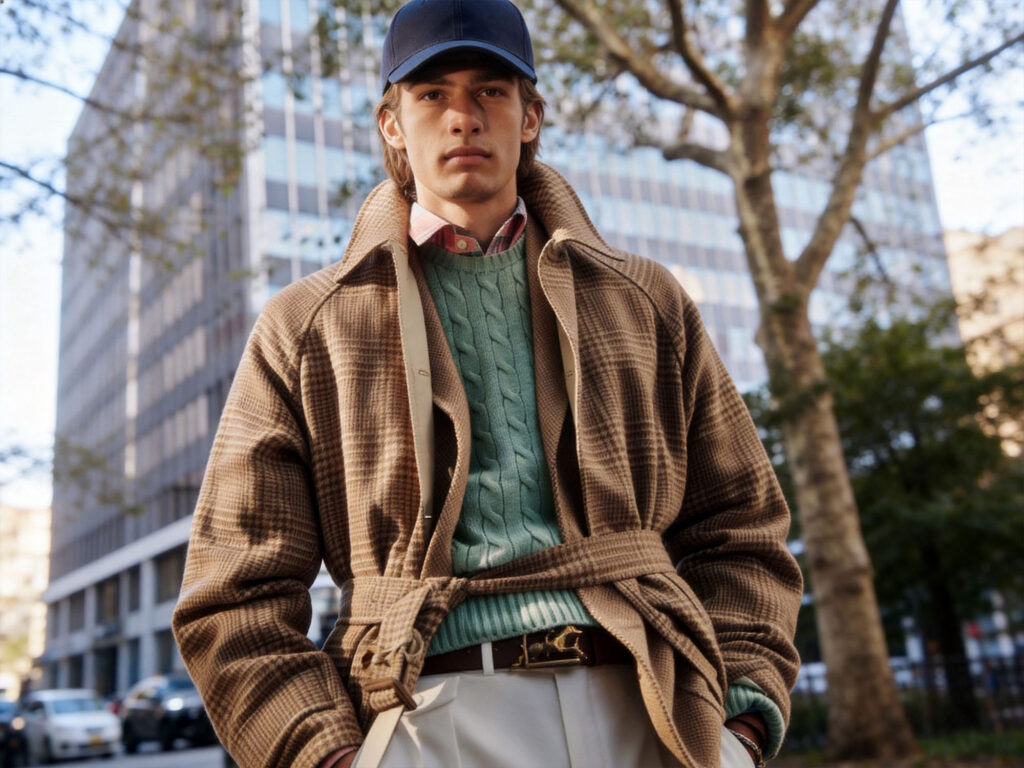
Choose timeless wardrobe staples such as neutral-colored T-shirts, well-tailored blazers, classic suits, and quality leggings. These pieces are easy to mix and match and can be worn for different occasions.
Selecting the right clothing category based on the event ensures both comfort and confidence. Consider the setting, dress code, and activities when choosing your outfit.
Combining different clothing styles can create more versatile looks. Try pairing casual pieces with formal elements or adding activewear items to everyday outfits for a modern and stylish appearance.
Clothing can be mainly divided into three categories: casual wear, formal wear, and activewear. Each category serves a different purpose and reflects different aspects of modern lifestyles.
Casual wear focuses on comfort and versatility, making it ideal for everyday outfits. Formal wear represents professionalism, elegance, and confidence for business and special occasions. Activewear combines performance, comfort, and style to support both fitness activities and daily fashion.
Understanding these clothing categories helps consumers make smarter choices, build a functional wardrobe, and create outfits that match different occasions while expressing their personal style.
If you have any questions or require a quote, please leave
us a message. Our experts will get back to you within 24 hours to help you choose the ideal fashion products tailored to your needs.
Hi, I’m Lucy Cai, the founder of liantaoapparel.com. I’ve been managing a women’s clothing factory in China for over 16 years. With extensive experience in garment production and OEM services, I’m passionate about sharing insights into women’s fashion, apparel manufacturing, and global sourcing.
If you have any questions or need a quote, please contact us.
Please add us WhatsApp:+86 189 4809 3145
Provide us with detailed information about your requirements, supply design drawings or tech packs,
reference images, and share your ideas.
We will customize the best solution based on your needs and drawings, and provide a specific quote within 24 hours.
Once we receive your confirmation and deposit,we will commence mass production and take care of the subsequent shipping arrangements.