Remember when a sweater actually kept you warm without making you itchy or sweaty?
There was a time when Wool was the backbone of the American wardrobe. Today, it’s been replaced by a sea of ‘plastic’—polyester, nylon, and acrylic—disguised as fashion. But this isn’t just about nostalgia; it’s about a massive drop in garment longevity and skin health. Whether you’re shopping at Zara or sourcing for your own brand, understanding how we fell into ‘The Wool Gap’ is the first step to reclaiming quality.
In this 2026 deep dive, we’re exposing the manufacturing shift that traded natural breathability for synthetic profit margins—and how to spot a high-quality blend in a fast-fashion world.
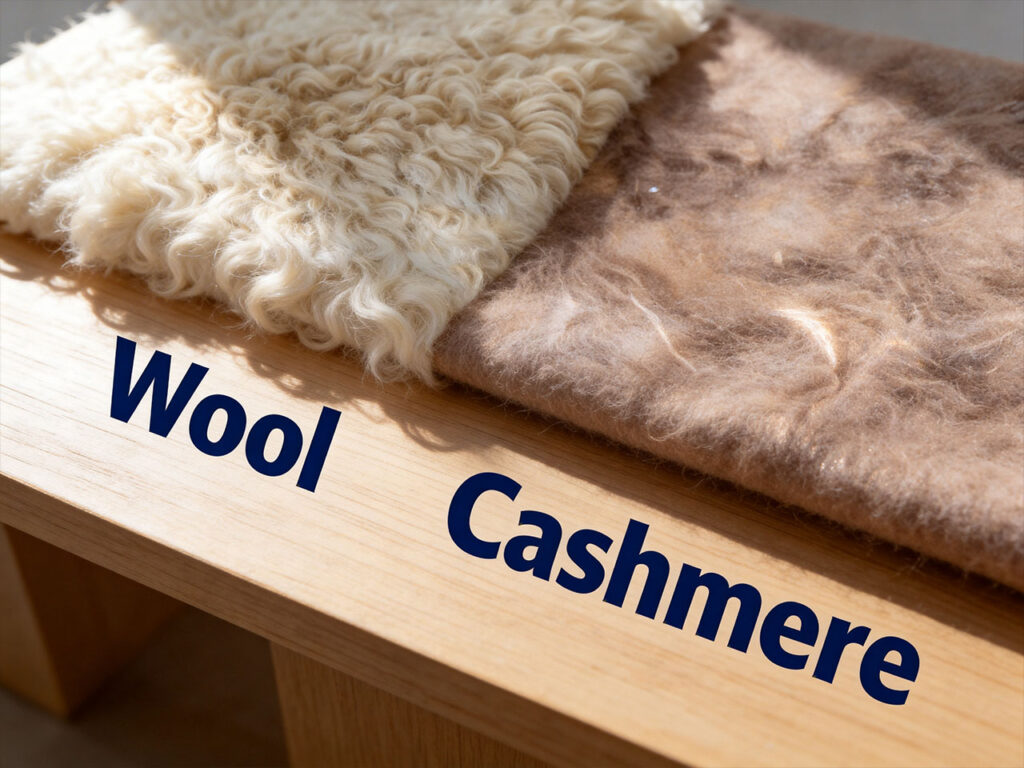
Once upon a time, wool was a wardrobe staple—warm, comfortable, and durable. However, over time, its “everyday” status has faded, and today it’s mostly found in high-end clothing.
High prices, the need for careful maintenance, and the rise of synthetic fabrics have gradually pushed wool out of the mainstream. Modern consumers prefer fabrics that are easy to care for and budget-friendly, such as polyester and fleece, which suit fast-paced lifestyles and everyday wear.
Wool is a natural, high-quality fabric, but it has some downsides. It’s relatively expensive, requires careful washing, and can shrink easily.
Some types can feel itchy, and wool absorbs moisture, making it uncomfortable in damp conditions. Despite this, its warmth and luxurious feel keep it popular in winter and high-end clothing.
Wool is warm, natural, and high-quality, but it also has some notable drawbacks:
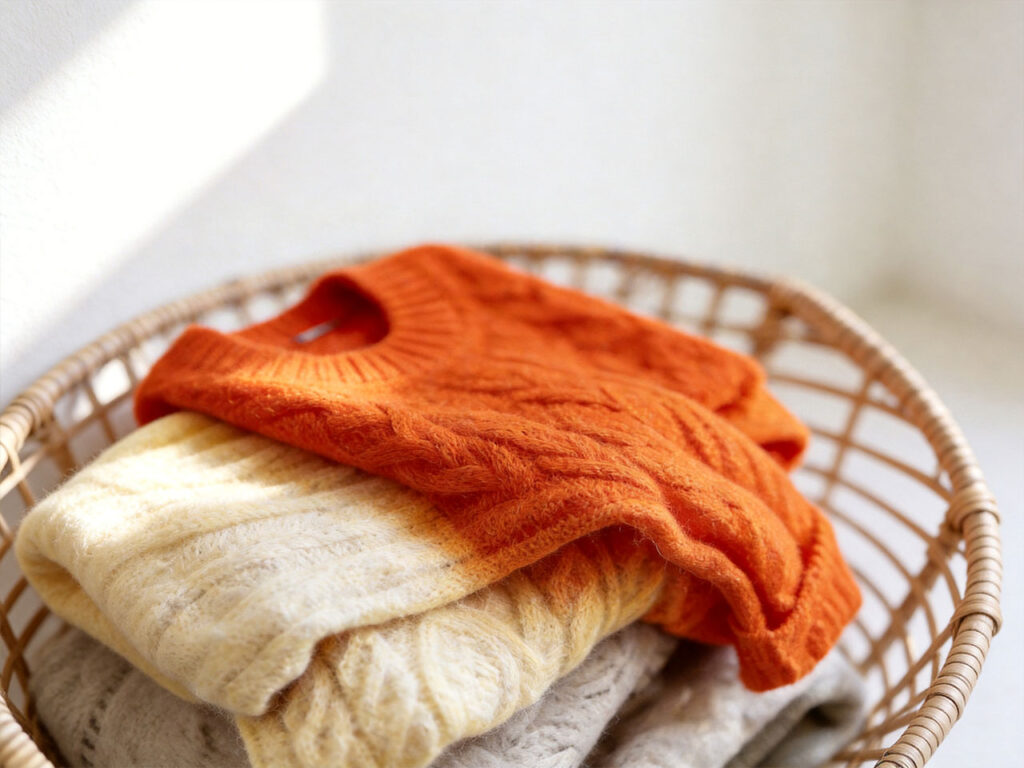
In recent decades, the wool industry has seen a sharp decline. Once a popular natural fiber, wool now faces strong competition from synthetic materials.
Rising costs and shrinking demand have made it less suitable for the mass market. While wool remains popular in high-end and winter clothing, its former widespread use has faded.
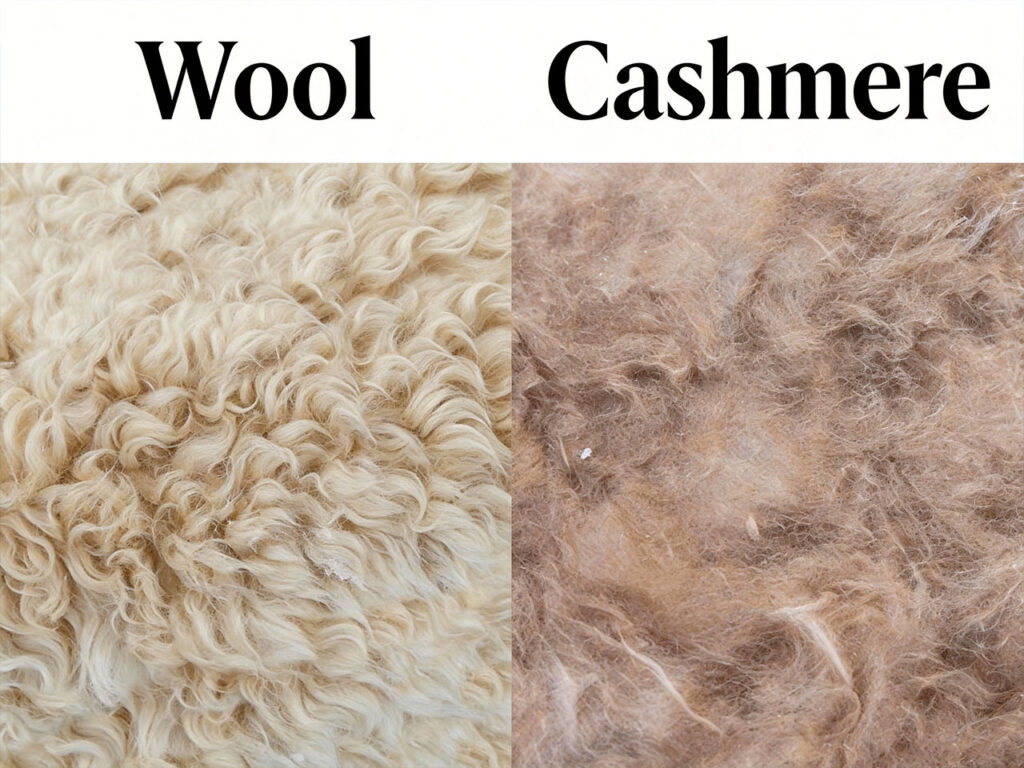
Cashmere is softer, lighter, and more luxurious than wool, making it ideal for high-end clothing and close-to-skin winter pieces, but it is more expensive and slightly less durable.
Wool is more affordable and durable, suitable for everyday wear and a variety of seasons. Choosing between the two depends on your needs: go for cashmere if you want luxury and softness, or wool for practicality and value.
Feature | Cashmere | Wool |
Softness | Extremely soft with a luxurious feel | Can be itchy, depending on the type |
Warmth | Warmer with better insulation | Warm, but slightly less insulating than cashmere |
Durability | More delicate, prone to pilling | Stronger and more durable |
Care | Requires hand wash or dry clean | Can be carefully machine washed or dry cleaned |
Price | High-end and expensive | More affordable, better value for everyday wear |
Cashmere is often considered the top choice for luxury winter wear, offering unmatched softness and comfort. Wool, on the other hand, is valued for its durability and practicality, making it ideal for everyday use.
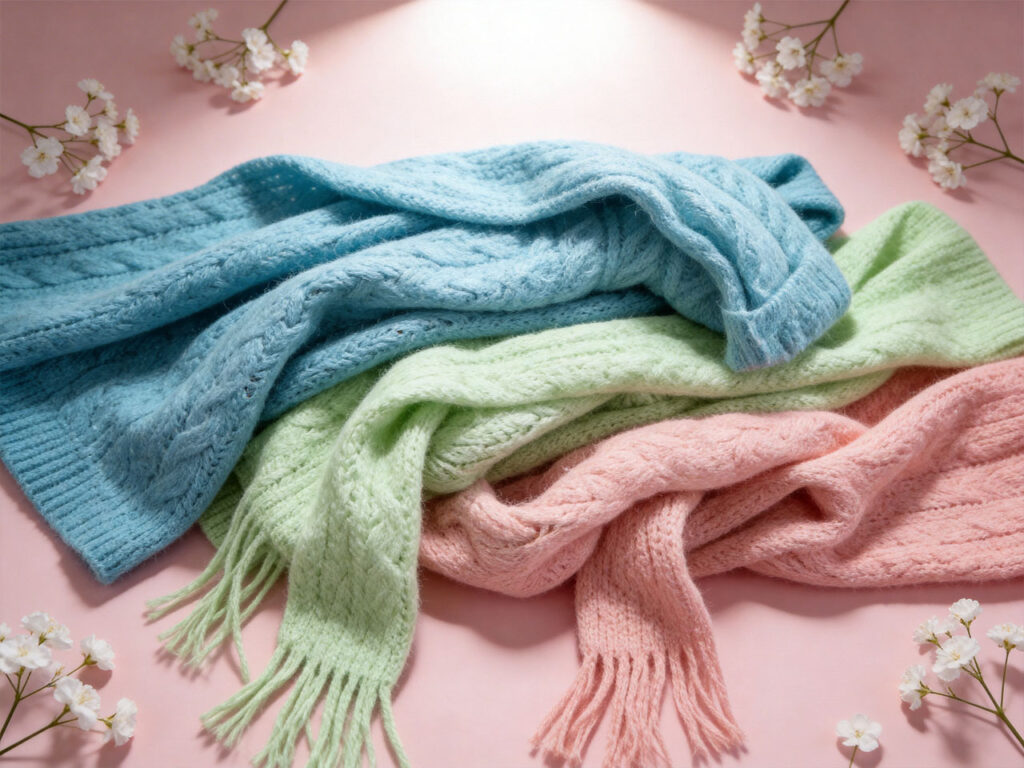
The popularity of wool products has declined due to high costs, maintenance requirements, and competition from synthetic fibers. Despite this, wool remains valued for its excellent warmth and durability.In comparison, cashmere offers a softer and more luxurious alternative, though it comes with a higher price and slightly lower durability. For consumers who prioritize quality over convenience, wool remains a practical and worthwhile investment.
Hi, I’m Lucy Cai, the founder of liantaoapparel.com. I’ve been managing a women’s clothing factory in China for over 16 years. With extensive experience in garment production and OEM services, I’m passionate about sharing insights into women’s fashion, apparel manufacturing, and global sourcing.
If you have any questions or need a quote, please contact us.
Please add us WhatsApp:+86 189 4809 3145
Provide us with detailed information about your requirements, supply design drawings or tech packs,
reference images, and share your ideas.
We will customize the best solution based on your needs and drawings, and provide a specific quote within 24 hours.
Once we receive your confirmation and deposit,we will commence mass production and take care of the subsequent shipping arrangements.