🏭 Looking for a Custom Apparel Manufacturer?
We are a leading OEM/ODM clothing factory with 20+ years of export experience. Custom styles, flexible MOQs, and retail-ready quality.
When choosing a hoodie, the material is one of the most important factors affecting comfort, warmth, durability, appearance, and overall quality. Essentials-style hoodies have become especially popular because they combine minimalist design with substantial fabrics, relaxed silhouettes, and a premium everyday feel.
But what materials are actually used in Essentials-style hoodies, and why do they feel different from lightweight sweatshirts or basic cotton hoodies? The answer usually comes down to the fiber composition, fabric construction, weight, finishing, and fit.
In this guide, we’ll look at the most common materials used for Essentials-style hoodies, explain how different fabrics affect performance and appearance, and show apparel brands what to consider when developing their own premium hoodies and private-label collections.
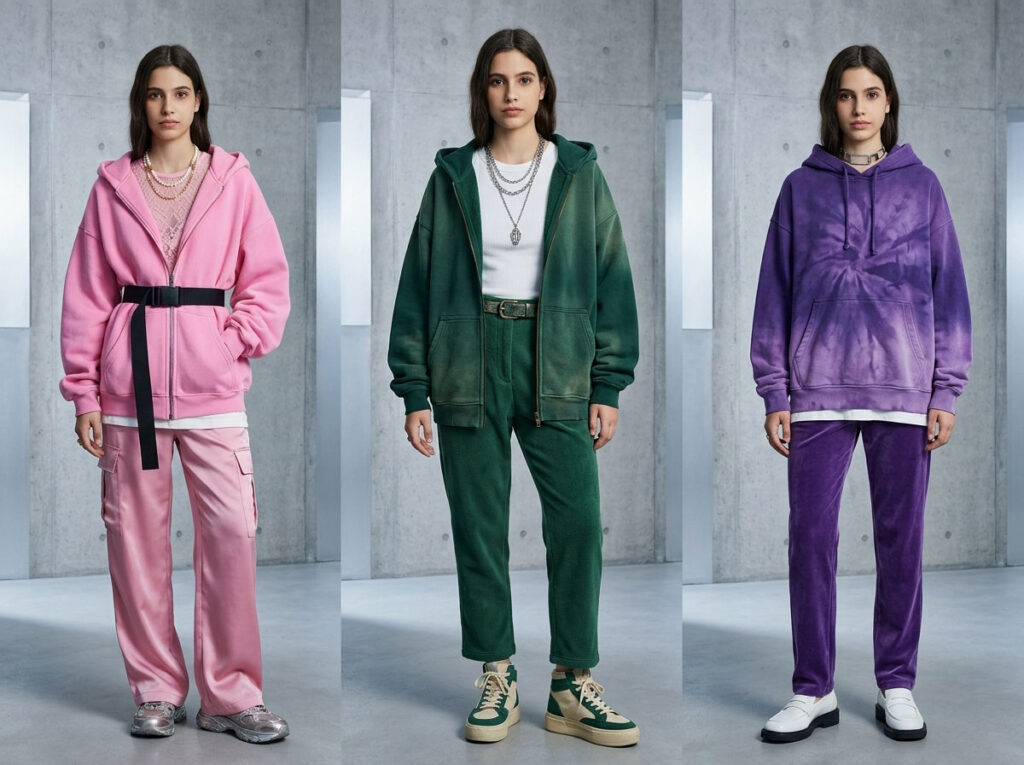
Essentials-style hoodies are generally associated with cotton-rich, heavyweight, soft-touch sweatshirt fabrics rather than thin T-shirt jersey.
Common materials and fabric constructions include:
The final feel of a hoodie depends not only on the fiber itself but also on knit construction, fabric weight, brushing, finishing, and garment washing.
Cotton is one of the most common materials used in premium casual hoodies because it provides a comfortable balance of softness, breathability, and everyday wearability.
Cotton is particularly useful for minimalist hoodie designs because its natural surface can create a clean and premium appearance.
For premium casualwear, cotton is therefore often used as the foundation of the fabric composition.
One of the defining characteristics of many premium oversized hoodies is a substantial fabric weight.
Heavyweight fabrics can create:
However, heavier does not automatically mean better. Fabric weight should be selected according to the target market, climate, season, fit, and intended use.
Fleece is a popular sweatshirt fabric construction because it provides a soft, warm interior.
In many fleece fabrics, the inside surface is brushed to create a raised texture. This increases softness and can improve thermal insulation.
Fleece is therefore a strong choice when the product objective is warmth and comfort.
French terry is another popular sweatshirt fabric.
Unlike brushed fleece, French terry generally has visible loops on the inside rather than a heavily brushed surface.
This creates a fabric that is often:
French terry is especially suitable when brands want a hoodie that feels substantial but is not overly warm.
Both cotton and polyester offer useful properties, but they perform differently.
| Feature | Cotton | Polyester |
|---|---|---|
| Softness | Naturally soft and comfortable | Can be smooth and performance-oriented |
| Breathability | Generally high | Depends on fabric construction |
| Moisture Management | Absorbs moisture | Can wick moisture away from the skin |
| Durability | Good | Very good |
| Shape Retention | Can shrink or lose shape depending on construction | Excellent dimensional stability |
| Color Retention | Good | Generally excellent |
| Natural Fiber | Yes | No |
| Common Use | Premium casualwear and everyday hoodies | Performance, blends, and durable apparel |
| Best Advantage | Comfort and natural hand feel | Durability and easy care |
For premium everyday hoodies, a cotton-rich blend can offer a useful compromise between comfort and performance.
Cotton-polyester blends are popular because they combine the strengths of both fibers.
A carefully developed blend can provide:
For brands producing large-volume casualwear collections, blended fabrics can provide a practical balance between quality, cost, and performance.
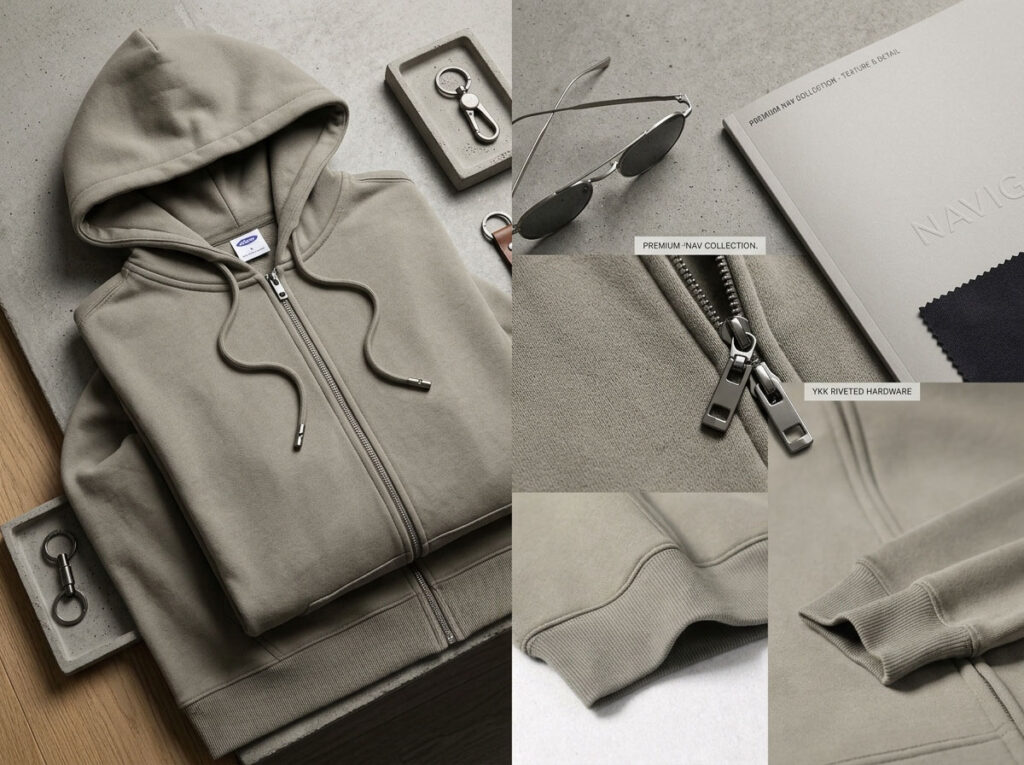
There is no single ideal hoodie weight because the right GSM depends on the product positioning and target market.
| Hoodie Weight | Typical Feel | Best Application |
|---|---|---|
| Lightweight | Soft and breathable | Spring, summer evenings, layering |
| Midweight | Balanced warmth and comfort | Everyday casualwear |
| Heavyweight | Substantial and structured | Premium streetwear and cold weather |
| Extra Heavyweight | Very dense and substantial | Statement fashion and winter collections |
GSM, or grams per square meter, is commonly used to describe fabric weight.
A higher GSM generally means a denser and heavier fabric, but GSM should not be evaluated independently. Fiber composition, yarn count, knitting structure, finishing, and fabric density can all influence the final hand feel.
Fabric composition is only one part of perceived quality.
A premium hoodie usually depends on several factors working together:
This is why two hoodies with similar fiber compositions can feel completely different when worn.
Fabric and fit are closely connected.
A lightweight hoodie may create a softer, more fluid silhouette, while heavyweight fabric tends to create more structure.
For example:
Brands should therefore develop fabric and pattern together, rather than selecting the fabric after the garment shape has already been finalized.
The ideal hoodie material depends on your product positioning.
Choose a cotton-rich or high-quality cotton blend when softness, natural appearance, and everyday comfort are priorities.
Consider heavyweight cotton, fleece, or dense cotton blends to create structured oversized silhouettes.
Performance blends containing polyester can provide improved durability, moisture management, and easy-care characteristics.
French terry or midweight cotton blends can provide a useful balance between breathability and warmth.
| Season | Recommended Material | Why |
|---|---|---|
| Spring | Lightweight cotton or French terry | Breathable and comfortable for mild temperatures |
| Summer | Lightweight cotton blends | Suitable for cool evenings and air-conditioned environments |
| Autumn | Midweight French terry or fleece | Provides balanced warmth during cooler weather |
| Winter | Heavyweight fleece or dense cotton blends | Offers additional warmth and substantial coverage |
Seasonal fabric selection allows brands to create a more complete hoodie collection instead of relying on one fabric weight throughout the year.

For clothing brands, selecting the right material is only the first step.
Other important product-development considerations include:
A hoodie manufacturer can customize many aspects of the product beyond fabric composition.
| Customization Area | Available Options |
|---|---|
| Fabric | Cotton, fleece, French terry, polyester, cotton blends |
| Weight | Lightweight, midweight, heavyweight |
| Fit | Slim, regular, relaxed, oversized |
| Hood | Single-layer, double-layer, structured hood |
| Closure | Pullover, full zip, half zip |
| Pockets | Kangaroo, side-entry, hidden, zippered |
| Branding | Embroidery, screen printing, DTG, woven labels, patches |
| Finishing | Garment wash, enzyme wash, brushed interior, vintage finish |
| Hardware | Custom zippers, eyelets, drawcords, metal details |
This level of customization allows brands to develop hoodies that match a specific target audience, price point, and visual identity.
Before placing a bulk order, brands should evaluate fabric performance through sampling and testing.
Important areas include:
These tests help reduce quality issues during bulk production.
The material used for an Essentials-style hoodie plays a major role in its comfort, weight, warmth, durability, structure, and overall appearance. Cotton-rich fabrics are popular for their softness and natural feel, while cotton-polyester blends can improve durability and shape retention. Fleece is ideal for warmer, heavier hoodies, while French terry offers a lighter and more breathable alternative.
For apparel brands, there is no universal “best hoodie material.” The right choice depends on the target market, climate, garment weight, fit, price point, and brand positioning. By carefully matching fiber composition with fabric construction, finishing, and pattern development, brands can create hoodies that feel premium while meeting the functional expectations of their customers.
Ultimately, successful hoodie development is not simply about choosing cotton or polyester. It is about selecting the right fabric system for the product’s intended use and combining it with quality construction, accurate fit, and appropriate finishing.
Essentials-style hoodies are commonly associated with substantial cotton-rich sweatshirt fabrics, including cotton blends, fleece, and other heavyweight knit constructions. The exact composition can vary by product and collection.
Cotton is a strong choice for everyday comfort, while fleece is better suited to warmth. Cotton-polyester blends can offer a balance between softness, durability, and shape retention.
Neither is universally better. Cotton generally provides a softer, more natural feel, while polyester can offer improved durability, moisture management, and shape retention. Blends combine characteristics of both.
Not necessarily. Heavyweight fabrics provide more structure and warmth, but lightweight and midweight hoodies can be more comfortable for warmer climates and layering.
Fleece typically has a brushed, soft interior designed for warmth. French terry generally has looped interior construction and tends to feel lighter and more breathable.
The appropriate GSM depends on the intended product. Midweight fabrics work well for everyday hoodies, while heavyweight fabrics are often preferred for premium streetwear and structured oversized silhouettes.
Yes. Brands can customize fiber composition, fabric weight, color, finishing, fit, hardware, branding, and construction details according to their target market and product requirements.
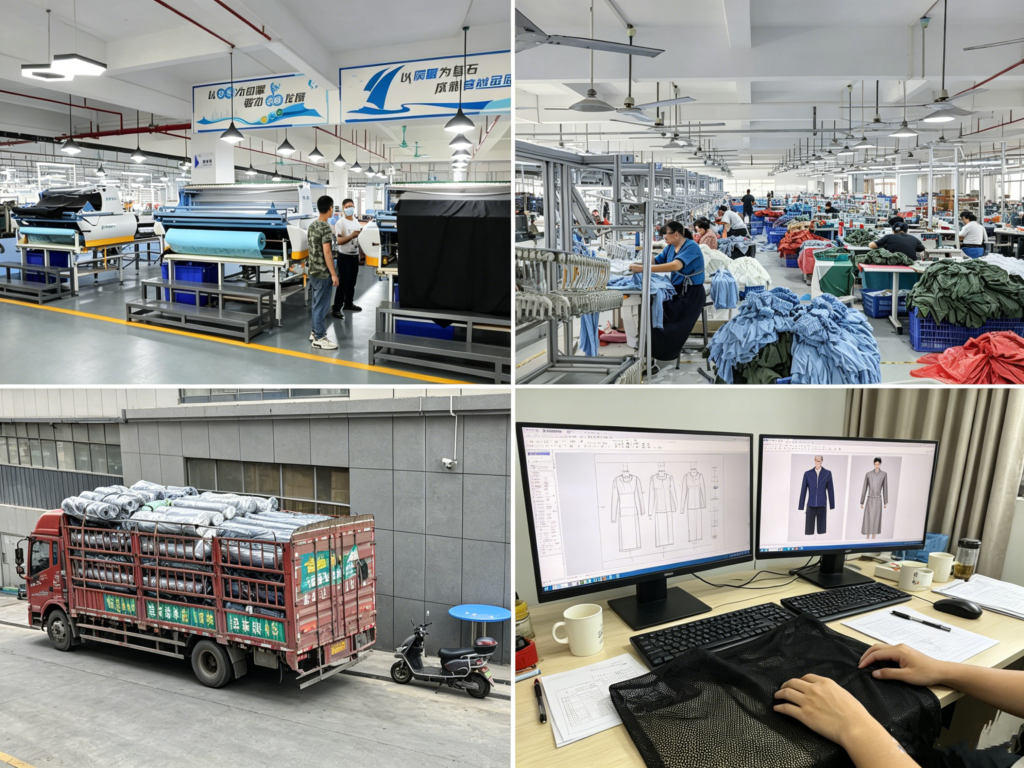
If you have any questions or require a quote, please leave
us a message. Our experts will get back to you within 24 hours to help you choose the ideal fashion products tailored to your needs.
Hi, I’m Lucy Cai, the founder of liantaoapparel.com. I’ve been managing a women’s clothing factory in China for over 16 years. With extensive experience in garment production and OEM services, I’m passionate about sharing insights into women’s fashion, apparel manufacturing, and global sourcing.
If you have any questions or need a quote, please contact us.
Please add us WhatsApp:+86 189 4809 3145
Provide us with detailed information about your requirements, supply design drawings or tech packs,
reference images, and share your ideas.
We will customize the best solution based on your needs and drawings, and provide a specific quote within 24 hours.
Once we receive your confirmation and deposit,we will commence mass production and take care of the subsequent shipping arrangements.