Shein has quickly risen to become a leading global fast-fashion brand, known for its wide range of stylish yet affordable clothing, especially its dresses.
But have you ever wondered what goes on behind the scenes of these budget-friendly dresses? It’s Shein’s unique manufacturing strategies that allow it to maintain such competitive prices worldwide.
As a leading women’s apparel manufacturer, Liantao Apparel understands the complex and highly efficient production processes fast-fashion brands like Shein rely on to deliver clothing that is both trendy and affordable.In this blog, we’ll answer the most common questions about Shein dresses and take a deep dive into the fast-fashion model from a production perspective, revealing the secrets behind these low-cost fashion items.
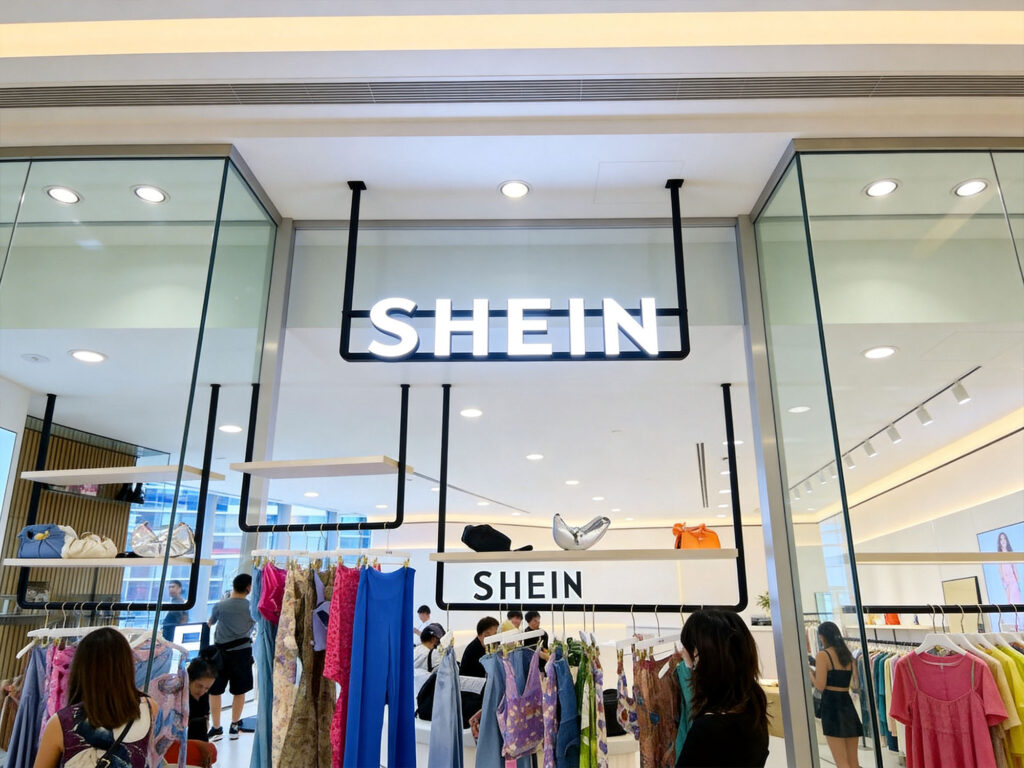
Shein has quickly risen to global fame thanks to its trendy, affordable clothing. Its dress collection, in particular, attracts countless consumers with its variety and budget-friendly prices, allowing people to stay fashionable without breaking the bank. Leveraging a data-driven operational model, Shein can quickly respond to the latest trends, keeping its inventory up-to-date at all times.
Shein is owned by SHEIN Group, a multinational private company headquartered in China. Unlike publicly listed companies that must navigate shareholder pressures and strict regulations, its private status gives Shein greater operational flexibility.
Shein maintains complete control over its supply chain, overseeing every step from design and sourcing to manufacturing and distribution. This high level of vertical integration not only ensures consistent product quality but also guarantees rapid production speeds—an essential factor in the fast-paced fast-fashion industry.
Shein’s vertically integrated model allows the brand to optimize every stage of production internally, reducing delays and cutting out middleman costs. This enables quick responses to market demand, frequent new releases, and a consistent quality experience for consumers.
Being part of a large enterprise like SHEIN Group also provides significant economies of scale. By purchasing raw materials and services in bulk, Shein can effectively lower costs and offer products at affordable prices. Bulk procurement combined with streamlined operations is a key factor that allows Shein to produce trendy, budget-friendly fashion, making fast fashion accessible to consumers worldwide.
Shein’s dresses are priced affordably mainly thanks to large-scale mass production. By producing each style in high volumes, the brand significantly reduces the cost per item, allowing consumers to purchase trendy clothing at highly competitive prices.
Shein’s dresses are known for their trendy designs and affordable prices, with quality generally matching their low-cost positioning. As a fast-fashion brand, Shein prioritizes rapid production and quick trend responses, which can sometimes affect fabric durability. Nevertheless, basic quality control measures ensure that products meet standards acceptable to cost-conscious consumers, making Shein a reliable option for shoppers looking to stay stylish on a budget.
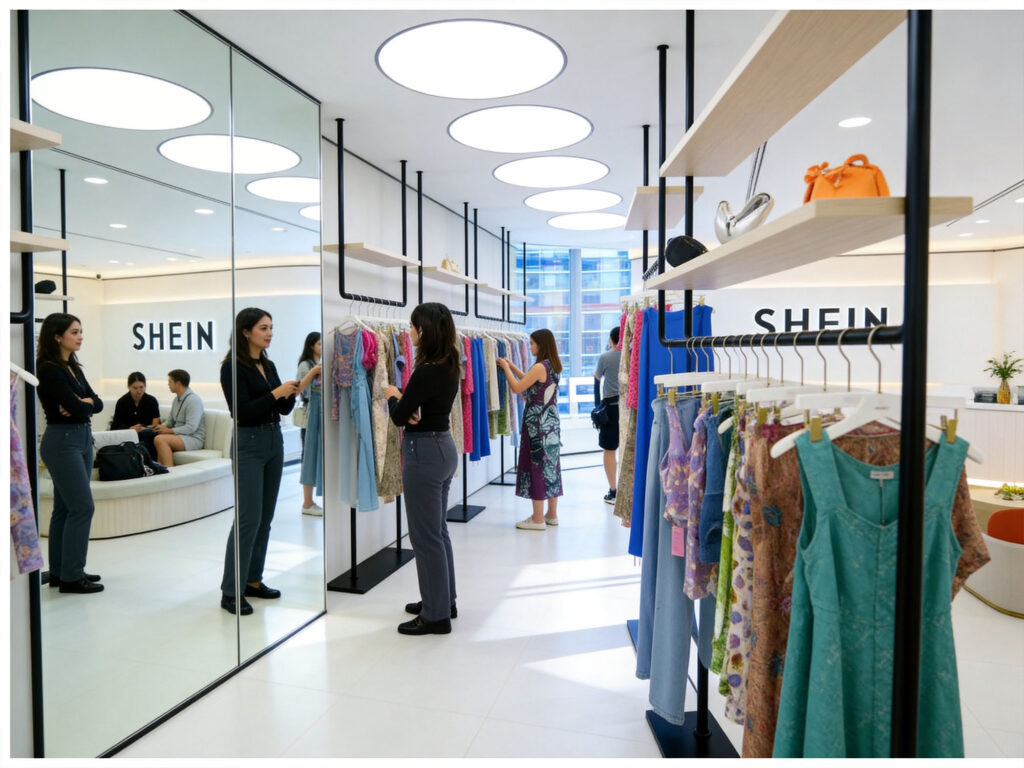
Shein’s dresses are primarily produced through a network of manufacturers across Asia, especially in China. This collaboration not only shortens shipping times but also reduces logistics costs, enabling the brand to achieve fast global delivery. By working with multiple factories, Shein gains both the scale and flexibility needed to meet high demand, providing a solid supply chain foundation for its fast-fashion model.
If you frequently shop on SHEIN, you’ve probably noticed a clear change: the once-surprising “bargain prices” are no longer as common. Many popular styles have quietly increased in price, and overall price levels are noticeably higher than a few years ago. What changes has this fast-fashion giant undergone that have gradually driven prices up?
In terms of price, Shein generally has the edge over Zara. Leveraging large-scale, low-cost production, Shein focuses on fast manufacturing and budget-friendly fast-fashion pieces. This means that for the same trendy styles, Shein often offers them at prices far lower than Zara, making it easy for fashion-conscious yet cost-savvy consumers to stay on top of the latest trends.
Shein generally doesn’t offer custom orders or special requests. As a fast-fashion brand focused on large-scale production, it prioritizes speed and affordability over personalized designs. Its strength is quickly delivering trendy styles at low prices, not one-on-one customization.
Liantao Apparel understands the limitations of fast-fashion brands when it comes to customization, but we offer tailored production solutions for brands seeking unique designs, limited editions, or specific material requirements.
With our flexible manufacturing capabilities, we can meet brands’ special design and production needs, helping them achieve product differentiation. This makes Liantao Apparel an ideal partner for brands looking to create distinctive, personalized collections.
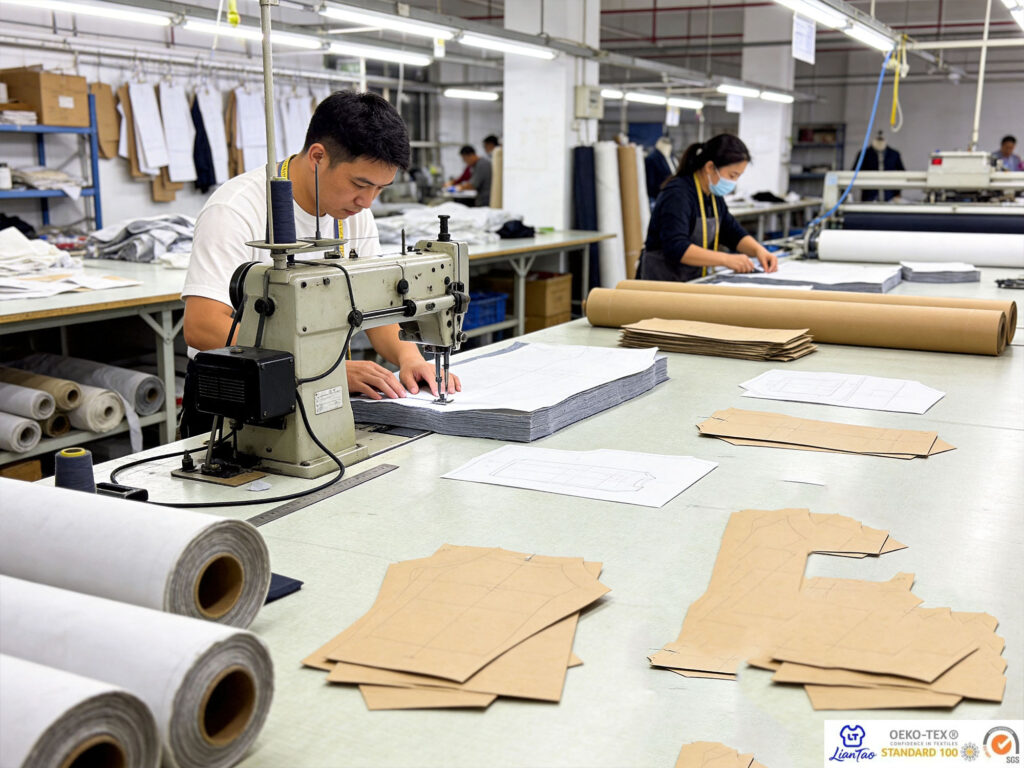
Liantao Apparel focuses on providing scalable and efficient customized production solutions for fast-fashion brands. With advanced manufacturing facilities and a highly skilled team, we can handle large-scale, rapid production while maintaining strict quality control.
This capability sets us apart in the fast-paced fashion industry, ensuring brands benefit from fast turnaround times—a critical factor in staying competitive in the market.
As one of the world’s most popular fast-fashion brands, Shein’s strategy of offering affordable dresses relies on a streamlined, efficient, and scalable production model that prioritizes speed and cost advantage. Understanding the production strategies behind brands like Shein not only reveals the secrets of fast-fashion’s rapid growth but also provides valuable insights into the industry. Liantao Apparel, with its extensive experience and advanced capabilities, supports brands with similar needs—whether it’s custom production, scalable manufacturing, or reliable quality control. For brands looking to stay competitive in today’s fast-paced fashion market, our expertise and flexible production solutions ensure dependable partnerships, helping brands navigate the ever-changing demands of the apparel industry.
Hi, I’m Lucy Cai, the founder of liantaoapparel.com. I’ve been managing a women’s clothing factory in China for over 16 years. With extensive experience in garment production and OEM services, I’m passionate about sharing insights into women’s fashion, apparel manufacturing, and global sourcing.
If you have any questions or need a quote, please contact us.
Please add us WhatsApp:+86 189 4809 3145
Provide us with detailed information about your requirements, supply design drawings or tech packs,
reference images, and share your ideas.
We will customize the best solution based on your needs and drawings, and provide a specific quote within 24 hours.
Once we receive your confirmation and deposit,we will commence mass production and take care of the subsequent shipping arrangements.