Looking for a fabric that combines luxurious feel with lasting durability? Modal-Polyester blended fabric is the perfect choice for the modern woman’s wardrobe. It cleverly fuses the silky richness of modal with the resilience of polyester, creating a textile that is both stylish and versatile—ideal for everyday wear, casual sports, or chic outfits alike.
With its lightweight feel, exceptional softness, and excellent moisture-wicking properties, Modal-Polyester fabric not only provides superior comfort but also aligns with eco-friendly principles, making it a go-to choice for women who value both fashion and sustainability.
In this article, we’ll take you through the unique qualities, wide-ranging applications, and environmental benefits of Modal-Polyester fabric, showing why it’s becoming the preferred fabric in modern apparel.
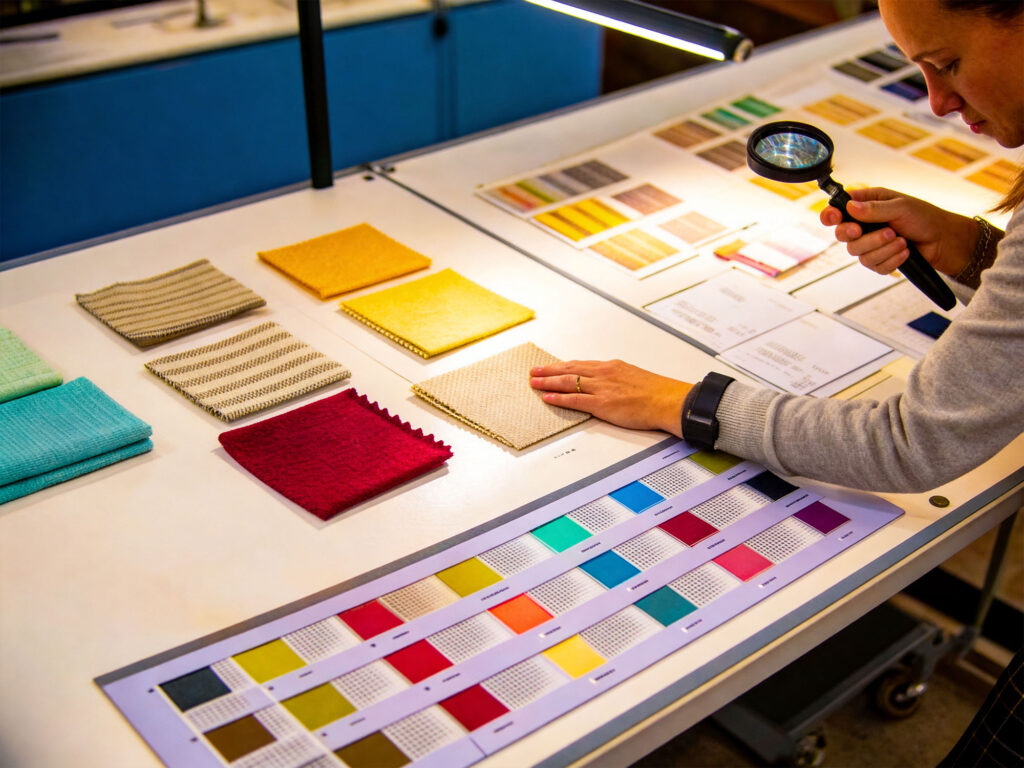
Looking for a fabric that’s soft, durable, and easy to care for? The modal-polyester blend is the perfect choice. Made of about 70% modal and 30% polyester, it combines modal’s luxurious, eco-friendly feel with polyester’s strength. Breathable and moisture-wicking, it’s ideal for everyday wear, casual outfits, and light workouts—offering lasting comfort and style without compromise.
The modal-polyester blend was created to combine comfort and durability. By weaving or knitting soft, luxurious modal fibers with strong, resilient polyester, this fabric achieves a smooth, even texture with excellent elasticity. Ideal for everyday wear, casual outfits, and light athletic use, it offers both a premium feel and lasting performance, making it a favorite among those who value comfort and style.
Feature | Details | Highlighted Benefit |
Weight | 150–200 GSM | Lightweight yet substantial |
Weave Type | Plain Weave | Smooth, even texture |
Stretchability | Moderate | Comfortable movement without losing shape |
Moisture-Wicking | High | Keeps you dry and fresh |
Softness | High | Luxurious, skin-friendly feel |
Originally developed as a practical alternative to traditional cotton blends, modal-polyester fabrics have evolved into a versatile favorite. They retain the softness and comfort of modal while adding durability and easy care. Today, this fabric is widely used in casual wear, activewear, and loungewear. Its breathability and resilience make it ideal for multi-functional home textiles, winning over consumers who value both comfort and performance.
At Liantao Apparel, we prioritize high-quality modal-polyester blends, crafted for modern consumers who value softness, durability, and sustainability. This fabric offers a smooth, long-lasting feel that stays comfortable wear after wear. Perfect for casual outfits or fashion-forward occasions, it meets the diverse needs of contemporary life. Choosing our fabric means embracing a modern fashion experience that combines quality, comfort, and eco-conscious style.
Modal-polyester blends combine the smooth, eco-friendly qualities of modal with the strength and durability of polyester. The result is a fabric that is both soft and resilient, offering lasting comfort and performance. From activewear to casual and everyday clothing, its versatility and premium feel make it a must-have choice for modern wardrobes.
Feature | Description | Benefit / Value |
Soft & Comfortable | Modal fibers feel silky smooth, combined with polyester for structural support, creating a skin-friendly fabric | Provides excellent comfort, ideal for loungewear and casual clothing |
Moisture-Wicking & Breathable | Modal naturally absorbs moisture, polyester dries quickly, keeping you cool and dry | Perfect for activewear and summer clothing, ensuring all-day comfort |
Durable & Easy Care | Polyester adds elasticity, making the fabric washable without deformation, wrinkle- and shrink-resistant | Convenient for everyday wear while maintaining a soft touch |
Eco-Friendly | Modal comes from sustainably harvested wood pulp, serving as an environmentally friendly fiber alternative | Meets the needs of consumers who value comfort and sustainable living |
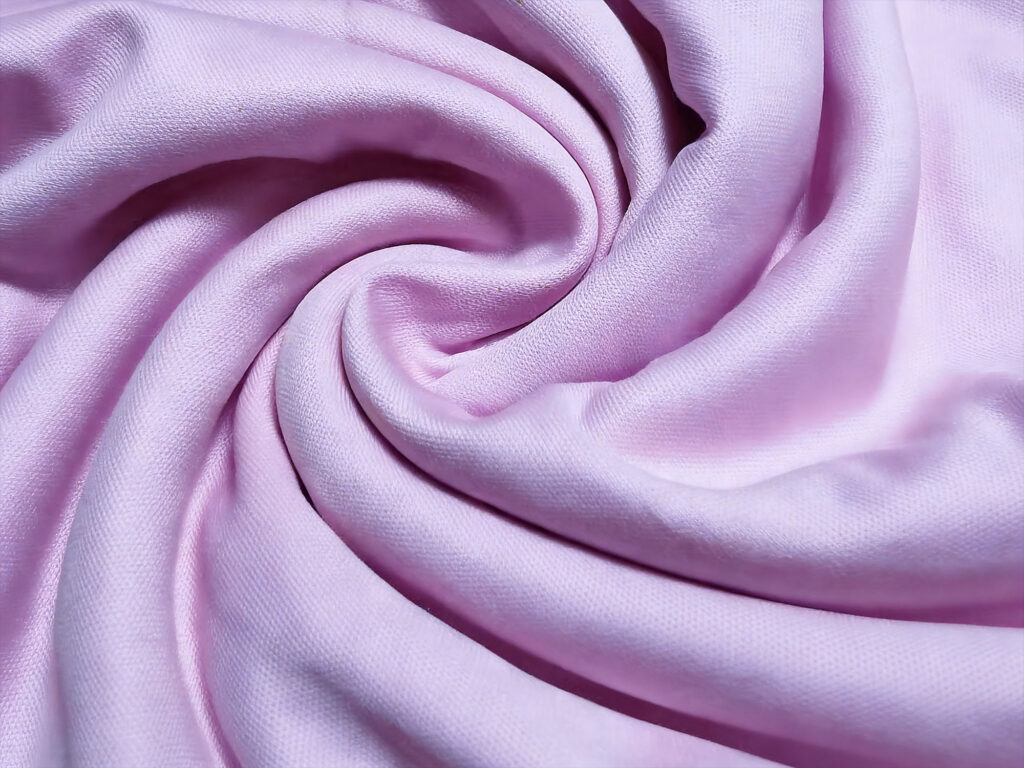
Fabric | Characteristics | Advantages of Modal-Polyester |
100% Polyester | Durable but limited in softness and moisture-wicking | Adding modal improves softness and moisture-wicking for a more comfortable wear |
100% Modal | Extremely soft and comfortable but less durable, requires delicate care | Blending with polyester enhances durability, easier care, suitable for everyday wear |
Cotton-Polyester Blend | Durable, slightly coarse feel, lacks luxurious smoothness | Smooth and luxurious feel, moisture-wicking, better for sensitive skin, combines comfort and functionality |
Summary: The perfect combination of modal’s softness and polyester’s durability makes modal-polyester blends an ideal choice for versatile, eco-friendly, and easy-care clothing—whether for everyday wear or activewear.
Modal-polyester blends combine the softness of modal with the stretch and durability of polyester. The production process balances comfort, performance, and sustainability, resulting in a high-quality fabric ideal for everyday wear and eco-conscious consumers.
Blending: Modal (50–70%) is mixed with polyester (30–50%) to combine softness and breathability with strength and durability.
Spinning: The fibers are spun into yarn, giving the fabric a smooth feel and lasting quality.
Weaving/Knitting: Woven fabrics create a structured look for shirts and blouses, while knitted fabrics add stretch and comfort for activewear and loungewear.
Finishing: Dyeing, softening, and pre-shrinking make the fabric vibrant, soft, and long-lasting, keeping it looking and feeling great even after many washes.
China: As a global textile powerhouse, China produces high-quality modal-polyester blends at competitive prices, supplying fabrics to brands worldwide.
India: Known for sustainable production, India focuses on eco-friendly processes, creating modal-polyester fabrics that are both comfortable and durable.
Turkey: Turkey’s textile industry caters largely to European markets, offering modal-polyester blends that emphasize quality and efficient delivery.
Thanks to its unique mix of breathability, strength, and smooth texture, modal-polyester fabric is popular globally—not just for clothing but also for home textiles. Its versatility and eco-conscious appeal make it a go-to choice for modern consumers seeking comfort without compromise.
Modal-polyester fabrics come in different blends, combining the softness of modal with the strength of polyester. Each type is designed for specific uses, balancing comfort, durability, and style.
70/30 Blend: Super soft and breathable—perfect for everyday T-shirts, blouses, and casual dresses that feel as good as they look.
50/50 Blend: Balanced and versatile, this fabric works for workwear, dresses, or athleisure, combining comfort with lasting durability.
Brushed: Extra cozy and warm, ideal for hoodies, sweatshirts, and loungewear—your go-to for cooler days at home or out.
Stretch: Added spandex gives this blend flexibility and freedom of movement, making it perfect for activewear and fitted styles that move with you.
Modal-polyester combines soft, breathable modal with durable polyester, making it a versatile choice. It’s widely used in women’s clothing for comfort, style, and long-lasting wear.
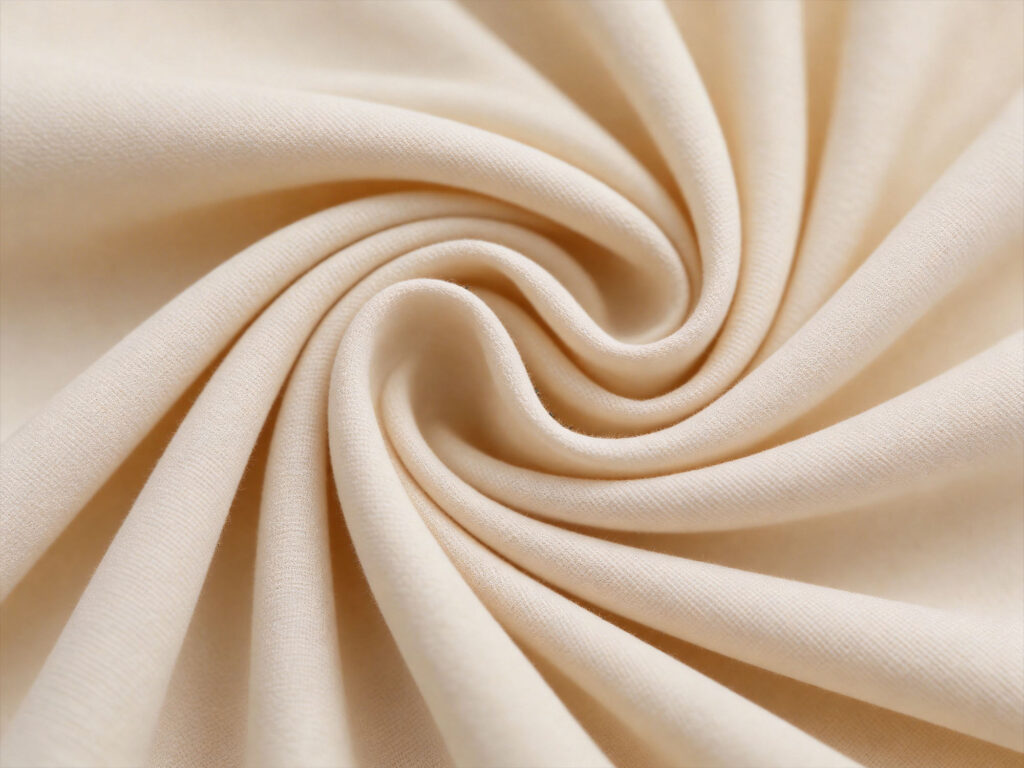
The price of modal-polyester fabric depends on the blend ratio, quality, and where it’s produced. Higher modal content, premium finishing, or specialty blends can increase the cost, while standard blends from major production hubs are more affordable. Understanding these factors helps designers and manufacturers choose the right fabric for both budget and quality needs.
United States
China
Modal-polyester fabric sourced from China is typically 20–40% cheaper than in the U.S. This price advantage allows manufacturers like Jinfeng Apparel to access a wide range of fabric options—perfect for both luxury and budget-friendly apparel lines.
The environmental footprint of modal-polyester fabric depends on the sourcing, production, and disposal of its two main fibers.
Modal-polyester fabric has both positive and negative environmental effects, depending on how its fibers are sourced, produced, and disposed of. Here’s a closer look:
Positive Impacts
Negative Impacts
Sustainable Practices
At Liantao Apparel, quality comes first. Our modal-polyester fabrics are carefully produced to meet the highest standards of comfort, durability, and environmental responsibility. Every fabric is tested and certified to ensure it performs beautifully across a range of women’s fashion and functional apparel, giving designers and consumers confidence in every garment.
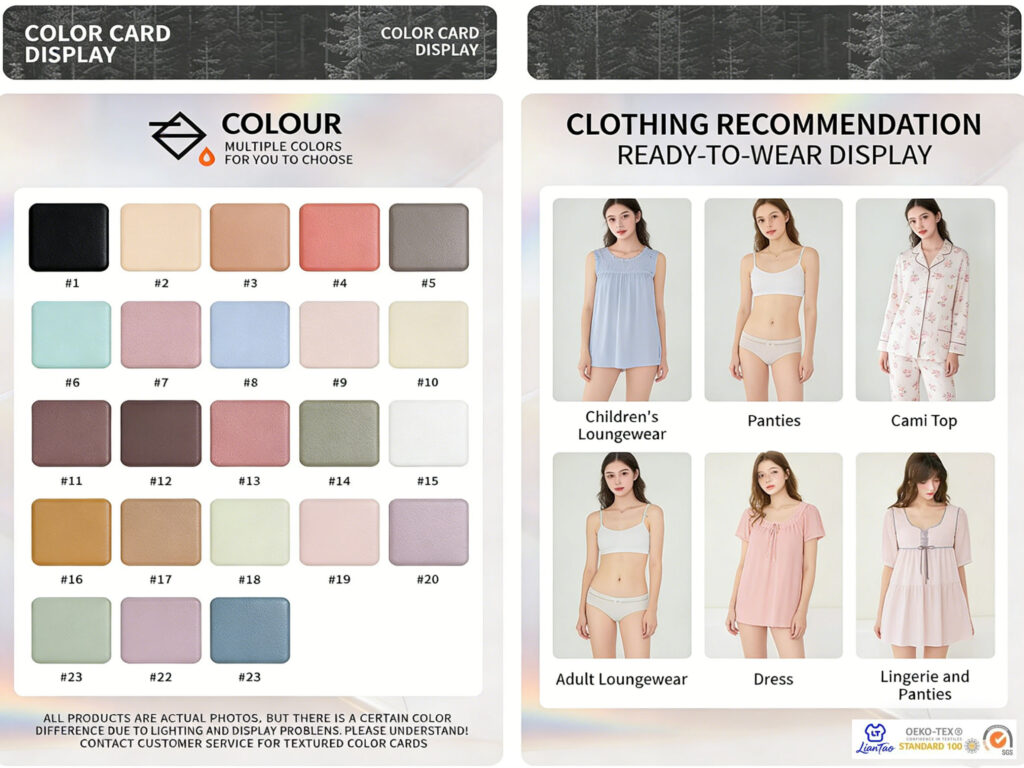
Modal-polyester fabric is the perfect balance of softness, durability, and versatility. From everyday casual wear to elegant dresses, activewear, and cozy loungewear, this blend delivers comfort, style, and lasting quality. With sustainable sourcing, advanced production methods, and strict certifications, it’s not just a fabric—it’s a responsible choice for fashion that looks good and feels good.
Hi, I’m Lucy Cai, the founder of liantaoapparel.com. I’ve been managing a women’s clothing factory in China for over 16 years. With extensive experience in garment production and OEM services, I’m passionate about sharing insights into women’s fashion, apparel manufacturing, and global sourcing.
If you have any questions or need a quote, please contact us.
Please add us WhatsApp:+86 189 4809 3145
Provide us with detailed information about your requirements, supply design drawings or tech packs,
reference images, and share your ideas.
We will customize the best solution based on your needs and drawings, and provide a specific quote within 24 hours.
Once we receive your confirmation and deposit,we will commence mass production and take care of the subsequent shipping arrangements.