🏭 Looking for a Custom Apparel Manufacturer?
We are a leading OEM/ODM clothing factory with 20+ years of export experience. Custom styles, flexible MOQs, and retail-ready quality.
One inch can be the difference between looking like a style icon and feeling completely out of place at a wedding. As a fashion expert, I’ve seen too many guests ruin a stunning look with the wrong hemline—here’s the definitive map to navigating wedding dress lengths with zero stress.
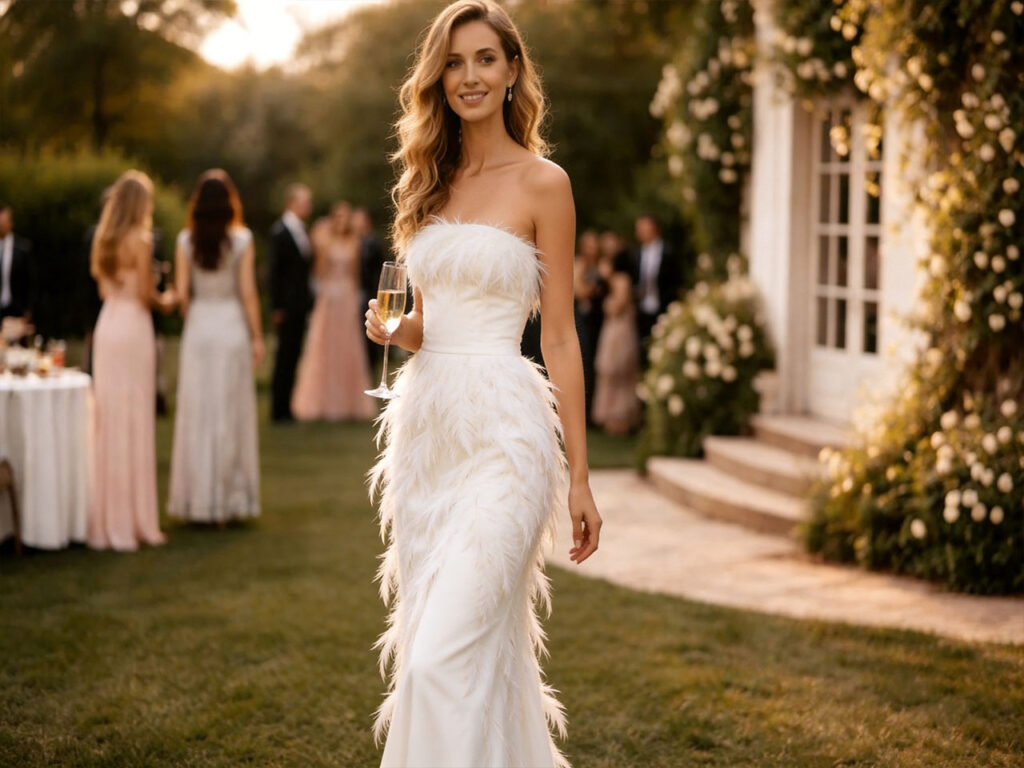
You’ve got the invite, but then the hemline question hits: too short feels risky, too long feels cumbersome. I’ve learned a simple trick over time—a quick length guide that makes deciding almost effortless.
Match your dress length to the dress code, venue, and your comfort:
Once you pick the base length, you can fine-tune with shoes and tailoring to get it just right.
I’ve learned the hard way that “pretty” alone isn’t enough. I once wore a floor-grazing gown to a garden wedding and spent the entire day lifting the hem. Another time, I opted for an above-the-knee dress only to find the wedding more traditional than the invite suggested.
Now, my formula is simple: start with the setting, then the dress length, and finally refine with sleeves, fabric, and accessories. By the time I leave the hotel, I already feel calm and confident—no last-minute hemline panic required.
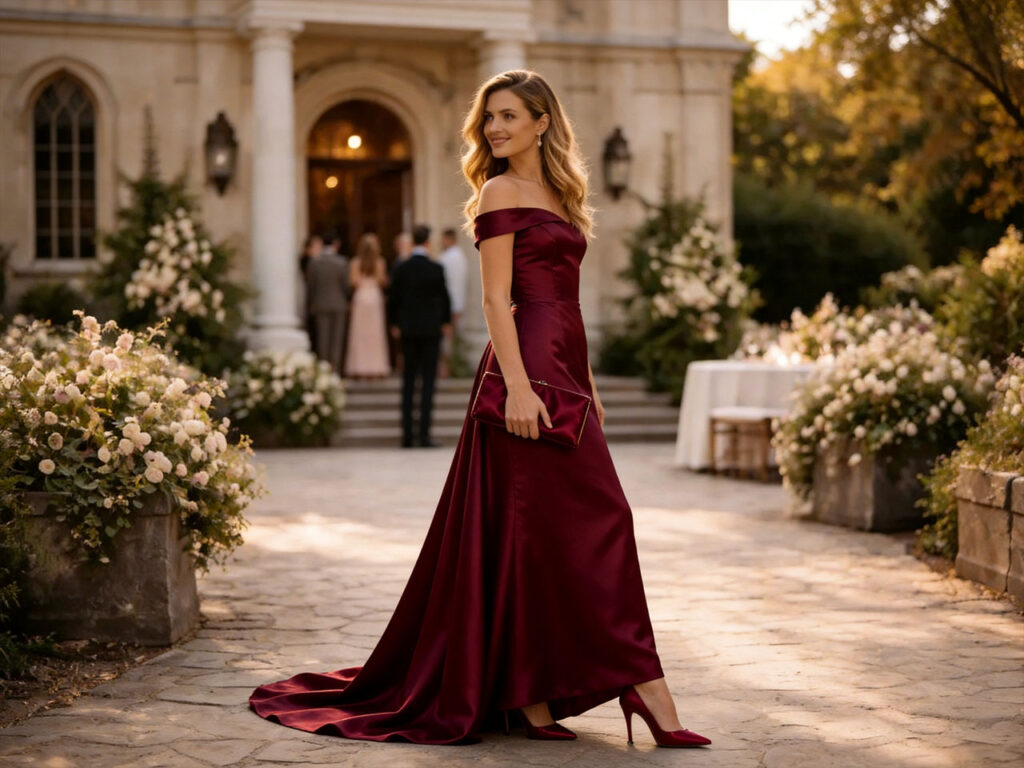
Seeing “dress length” on a wedding invite mood board can still feel vague. How short is too short? How long is just right? I sort dress lengths into clear, easy-to-remember categories—so you can choose fast and feel confident.
Here’s the shorthand for what each length communicates:
When I talk about “length in a dress,” I’m thinking about where the hem hits on your leg, not the tag size. In real life, I keep a few common dress length names in my head—they’re the first thing guests, planners, and even photos notice.
Here’s my mental cheat sheet:
These numbers aren’t rules—height changes everything—but having a simple dress length guide in inches is a lifesaver when shopping online, especially when listings only say “midi” or “maxi.”
Think of it as a starting point: a quick reference to help you picture where the hem will actually hit your leg before you click “add to cart.” It turns vague labels into something concrete, so you can shop confidently and skip the guesswork.
Knowing where a dress actually hits makes choosing the right wedding outfit so much easier. Here’s my go-to guide, with typical hem placement, approximate inches, and the “feel” each length gives:
Dress Length | Typical Hem Placement | Approx. Dress Length (inches) | Best Wedding Vibe |
Mini / Above the Knee | Upper to mid-thigh | 33–36 | Casual, playful, party-ready |
Above the Knee | Just above knee | 36–39 | Daytime, modern, fun |
Knee Length | At the knee | 39–41 | Classic, safe, timeless |
Cocktail Length | Knee to just below | 40–43 | Semi-formal, receptions |
Midi | Mid-calf | 42–48 | Versatile, chic, polished |
Tea Length | Below calf, above ankle | 44–50 | Vintage, elegant, festive |
Maxi | Ankle | 50–58 | Dressy, effortless, evening-ready |
Floor Length / Gown | Near floor | 55–62 | Formal, black-tie, dramatic |
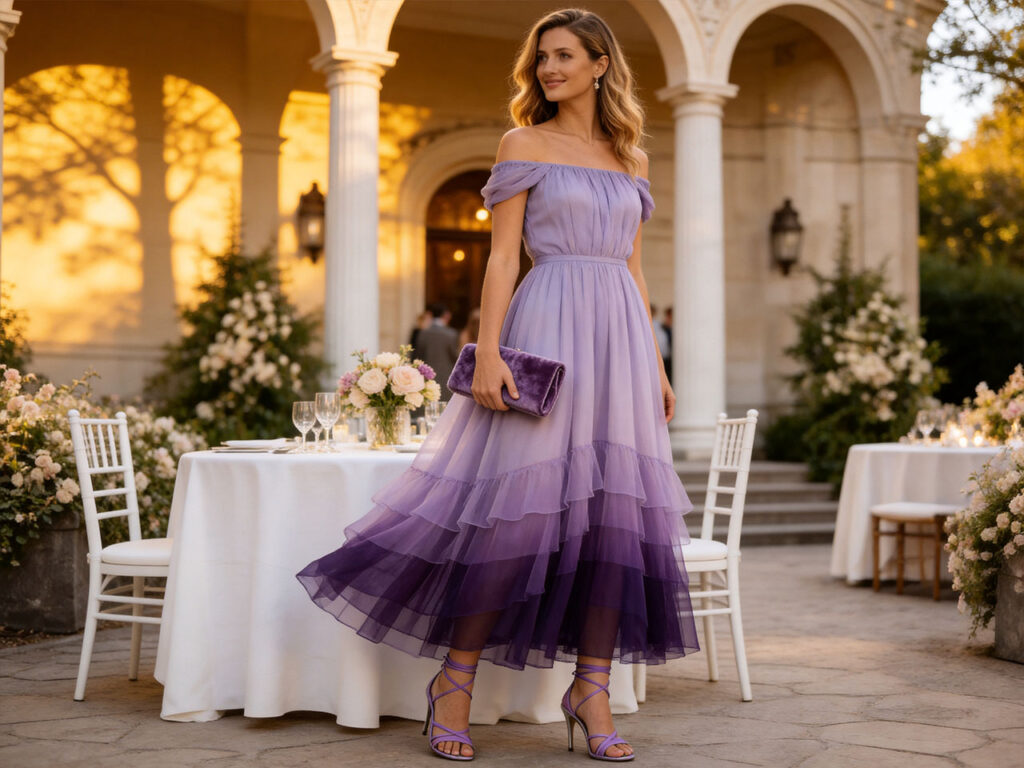
When I see searches like “knee-length dresses wedding guest” or “floor-length wedding guest dresses,” I treat them as signals. They’re not just keywords—they tell me the buyer wants a safe, reliable match for the dress code.
Once I’ve zeroed in on the length, I shift focus to fabric and finish:
When I hear “tea length dress,” my first thought used to be old-fashioned. I worried it would cut my leg line or feel awkward. Over time, I developed a simple mental definition that lets me judge it in seconds—no guesswork.
Tea length defined:
For a tea length gown, the concept is the same, but in more formal fabrics like satin or silk—perfect for elegant or semi-formal weddings.
People often ask, “How long is a tea length dress?”—and honestly, photos can be misleading. My go-to test is simple: watch where the hem hits when I walk.
A true tea length dress should move gracefully with your stride:
This small check saves me from ordering a dress that looks elegant in photos but feels clumsy in real life. Once the hem flows with each step, I know it hits the perfect mid-calf sweet spot—comfortable, stylish, and wedding-ready.
A knee-length dress strikes the perfect balance of elegance and practicality, making it ideal for many wedding occasions.
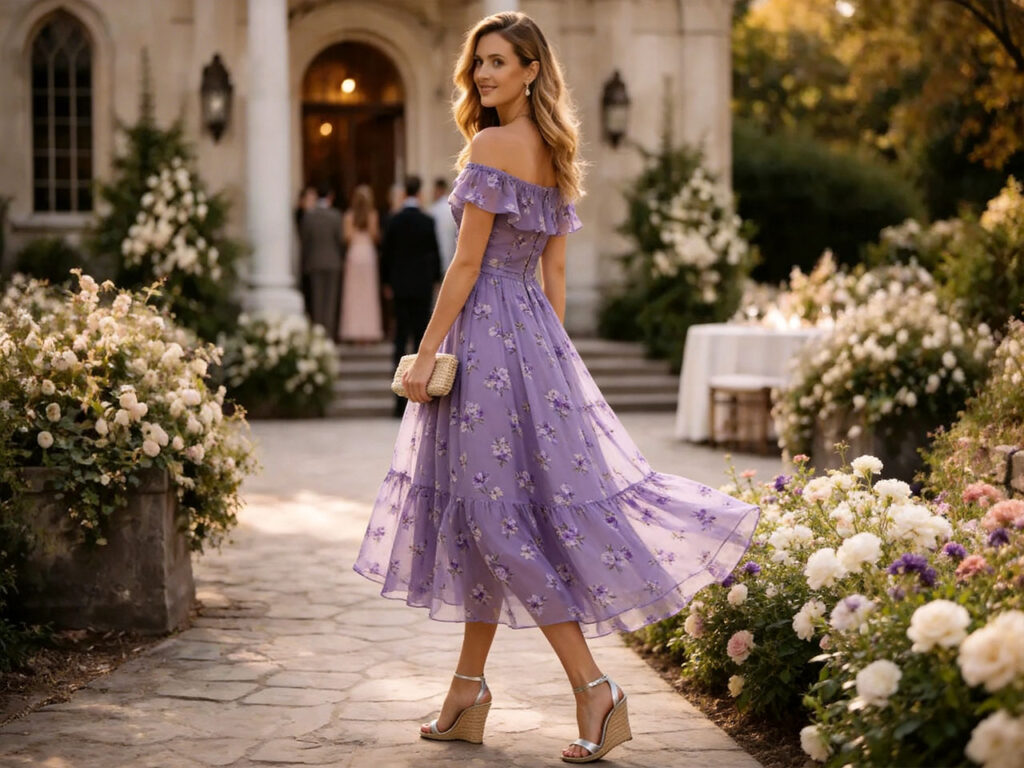
When choosing a tea-length dress, I use a simple checklist to make sure it’s both elegant and comfortable:
Check Point | What I Look For | Why It Matters |
Hem Placement | Below the calf, above the ankle | This is the “ideal” tea-length—long enough to feel elegant, short enough to avoid heaviness |
Fabric Weight | Chiffon, jacquard, or structured blends | Keeps the shape of the dress, so it doesn’t collapse in photos |
Movement | Flows with your stride rather than swinging wildly | Ensures comfort while maintaining elegance |
Shoe Pairing | Pointed heels or minimalist sandals | Visually elongates the legs for a flattering proportion |
You might see all sorts of spelling variations: “tea lenght dress”, “tea lenth dress”, “tea lenght”, or even “tea len”. Don’t worry—these all point to the same goal:
I often find myself in the fitting room, holding two dresses and torn between them. The fear? Choosing the “wrong” one and looking out of place in photos. For me, the decision usually comes down to knee-length vs. midi, which is simpler than it seems.
The difference lies in where the hem hits and the vibe you want to create:
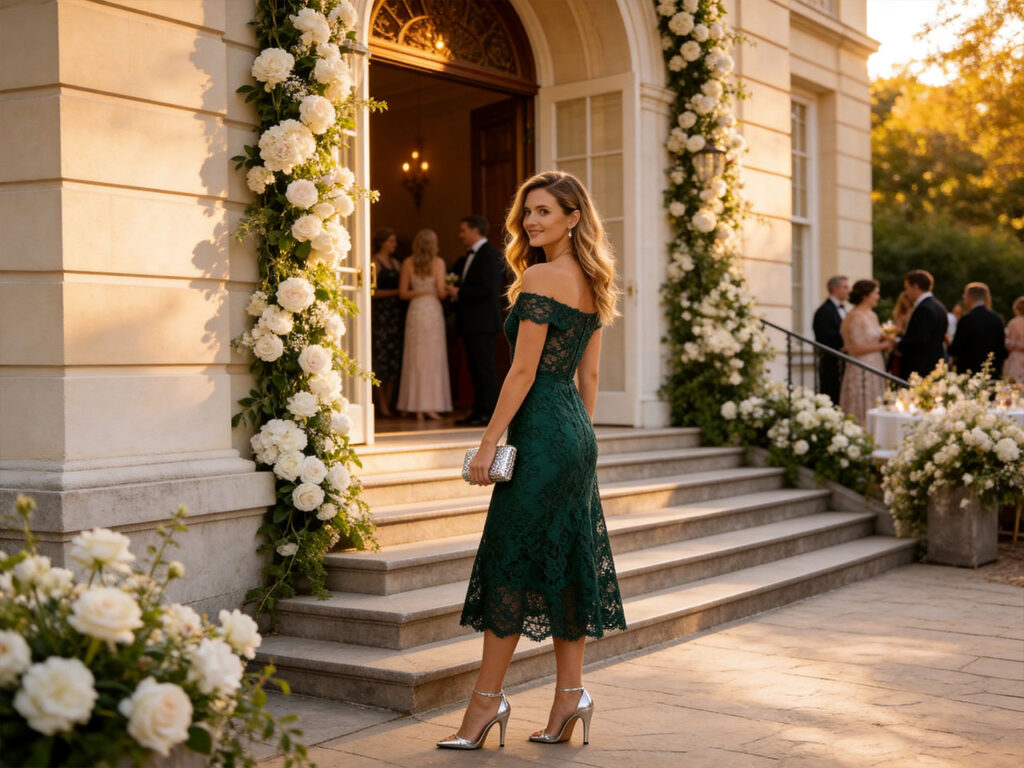
If you ask, “How long is a midi dress?”—here’s the simple answer: it falls below the knee and above the ankle, usually hitting mid-calf.
Some people also ask, “How many inches is a midi dress?” Online listings often put it between 42–48 inches, but your height changes the final look. For example, someone who is 5’3” (about 160 cm) might find the same midi dress closer to knee-length.
That’s why searches like “midi dress length for 5’3”” are so common—everyone wants to know how it will actually look on them, not just in the photos. Knowing this helps you pick a dress that fits both your body and the occasion perfectly.
When I’m picking a wedding guest dress, I usually follow a simple principle:
When choosing a dress, I consider hem placement, the vibe of the occasion, and my personal notes to make picking easier and more accurate:
Choice | Hem Feel | Best For | My Notes |
Midi vs. Tea-Length: Choose Midi | Mid-calf | Semi-formal wedding guest dress, ideal for city venues | Works well with a blazer or long-sleeve dress |
Tea-Length vs. Midi: Choose Tea-Length | Lower calf | Knee-length tea-length wedding guest dress, classic ceremony | Pairs best with structured dresses for an elegant look |
Midi vs. High-Low Hem | Asymmetrical hem | Trendy, fashion-forward events | Watch out for windy outdoor settings—the hem may blow |
Midi vs. Maxi | Calf to ankle | Clear dress code, Maxi reads more formal | Maxi dresses are better for evening or black-tie weddings |
Practical Tip:
If a product says “knee-length” but looks closer to the ankle in photos, I check side photos and the model’s height. This simple step helps avoid ordering a dress that’s too long and saves time in fitting.
When I used to see the word “formal,” I automatically thought I had to wear a floor-length gown to a wedding. Then I worried it might feel too over-the-top. Now, my approach is simple: check the dress code first, then decide on the dress length.
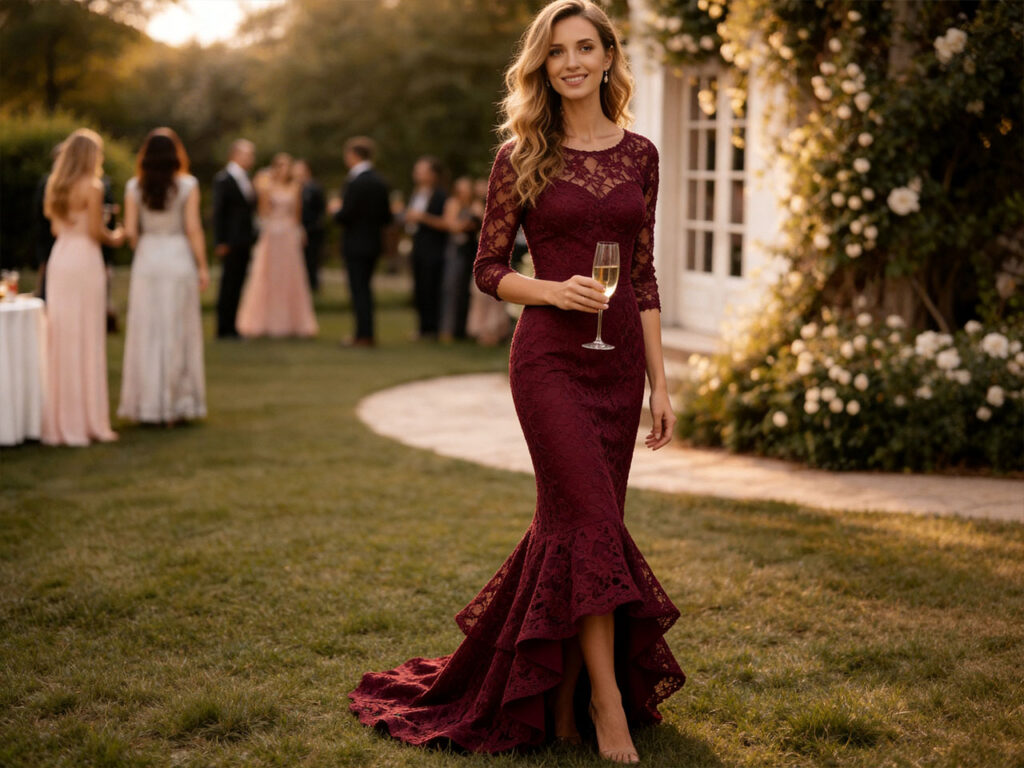
So, if you ask, “Do I always need a long dress for a formal event?” my answer is: generally, long dresses are safest, but fabric, fit, and style are just as important. In other words, a midi or knee-length dress can feel just as formal if it’s well-made and crafted from high-quality materials.
For semi-formal weddings, dress lengths are usually knee-length, midi, or ankle-length, while formal dresses are typically floor-length or full-length gowns.
When I see “semi-formal dress” on an invitation, I usually choose:
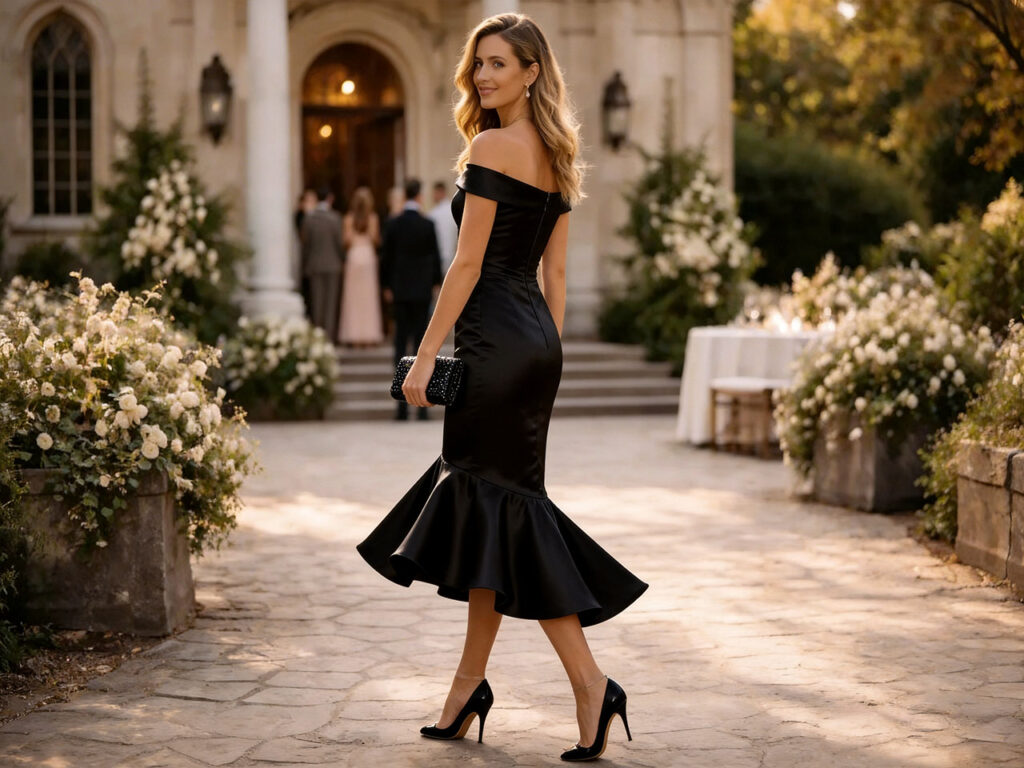
Many people ask, “How long should a dress be?” or “What’s the proper length for a formal gown?” The truth is, the hemline has a big impact on the overall look.
My rule is simple:
When choosing a wedding guest dress, the hemline is crucial. I’ve put together a simple reference table to help you pick a dress that is both appropriate and safe:
Dress Code | Safer Lengths | Risky Lengths | My Notes |
Cocktail | Knee-length to just below the knee | Ultra-mini | Add sleeves or a shawl for the ceremony to stay elegant |
Semi-Formal | Midi, knee-length, ankle-length | Heavy train | Knee-length with sleeves works best—comfortable and polished |
Formal | Floor-length gown | Casual cotton | Choose chiffon or satin for a refined look |
Formal Evening / Black-Tie | Floor-length gown | Too short | For wedding guests, a floor-length gown is the safest choice to look elegant and appropriate |
Even when I follow the dress code, I sometimes feel uneasy in front of the mirror. I worry that the hemline might make me look shorter. That’s why I choose the dress length based on my height and shoes.
Many people search for “dress length for 5’2” (157 cm)” or “dress length for 5’3” (160 cm)”—and for good reason: standard model photos usually feature tall models. For me, the cut of the dress is crucial. Even a small adjustment to the hem can turn a “so-so” dress into a “perfect” one.
When buying a long dress for a wedding, I adjust the hem based on my shoes:
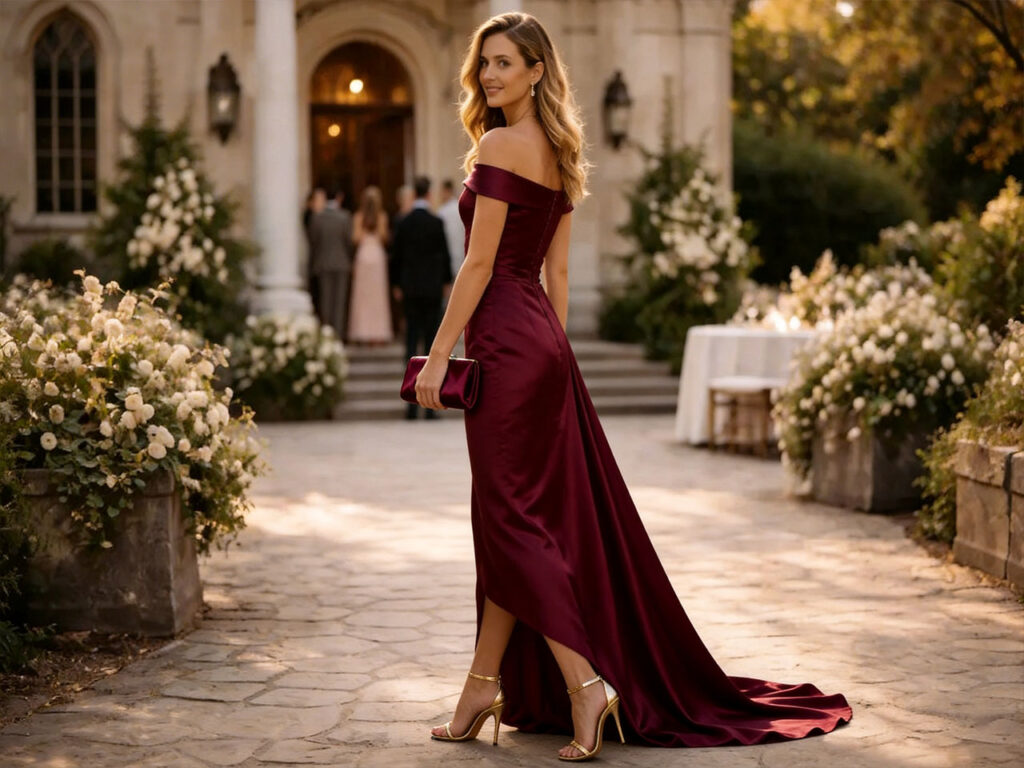
A dress isn’t just about the hemline—shoes and sleeves can also change the proportions and level of formality.
I choose styles based on the time and vibe of the wedding:
Goal | Dress Length to Try | Shoe Suggestion | Style Tip |
Look Taller | Ankle-length midi or knee-length dress with heels | Pointed-toe heels | Wear the same color top to bottom to elongate the silhouette |
Safe and Classic | Knee-length dress | Mid-height heels | Emphasize a structured waist for a polished look |
Enjoy a Formal Event Comfortably | Floor-length gown | Heels that are easy to walk in | Keep accessories simple and hair neat |
Outdoor Comfort | Ankle-length wedding guest dress | Chunky heels | Avoid dragging hems to move around easily |
When writing my blog, I also pay attention to what people actually search for when they’re confused. For example:
There are even store- or brand-specific searches:
At first glance, these searches seem scattered, but they share one thing in common: users want a clear answer. And dress length provides exactly that clarity—it tells people “what length works for you” and “how to wear it appropriately,” quickly resolving their questions.
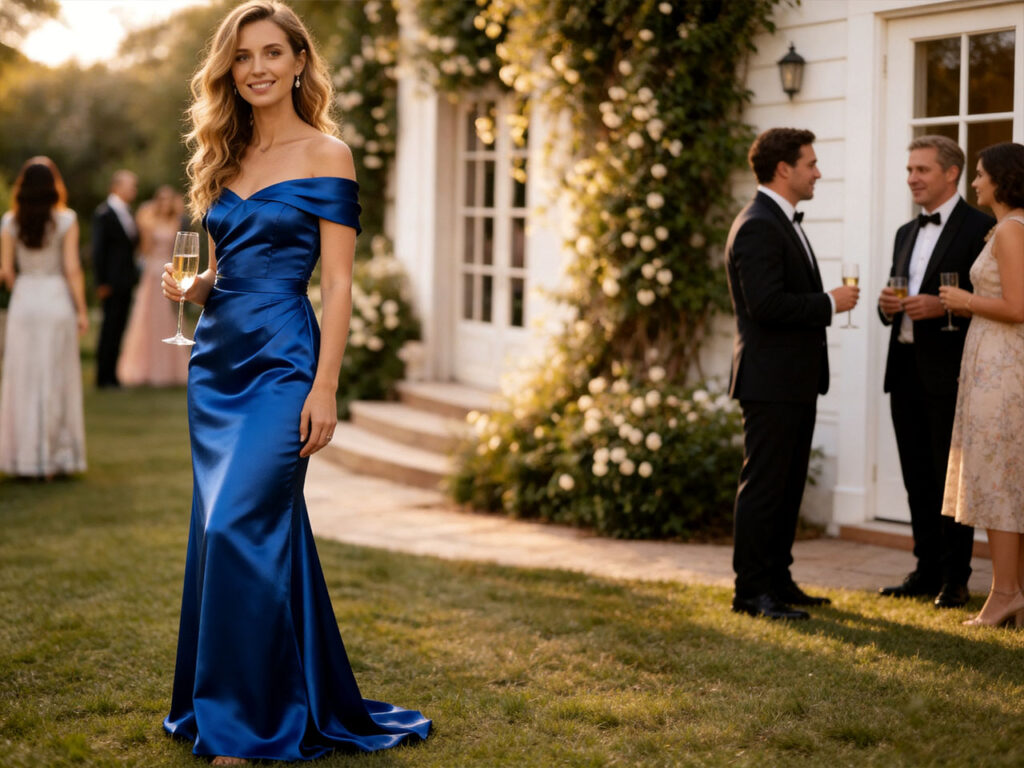
When selecting a wedding guest dress, I follow a simple and effective approach: start with the dress code and wedding venue to narrow down appropriate styles, then choose the hemline—knee-length, ankle-length, midi, or floor-length—that best suits the occasion and your body proportions, and finally pair the dress with the right shoes while keeping the hem clean and neat to ensure the overall look is both elegant and comfortable.
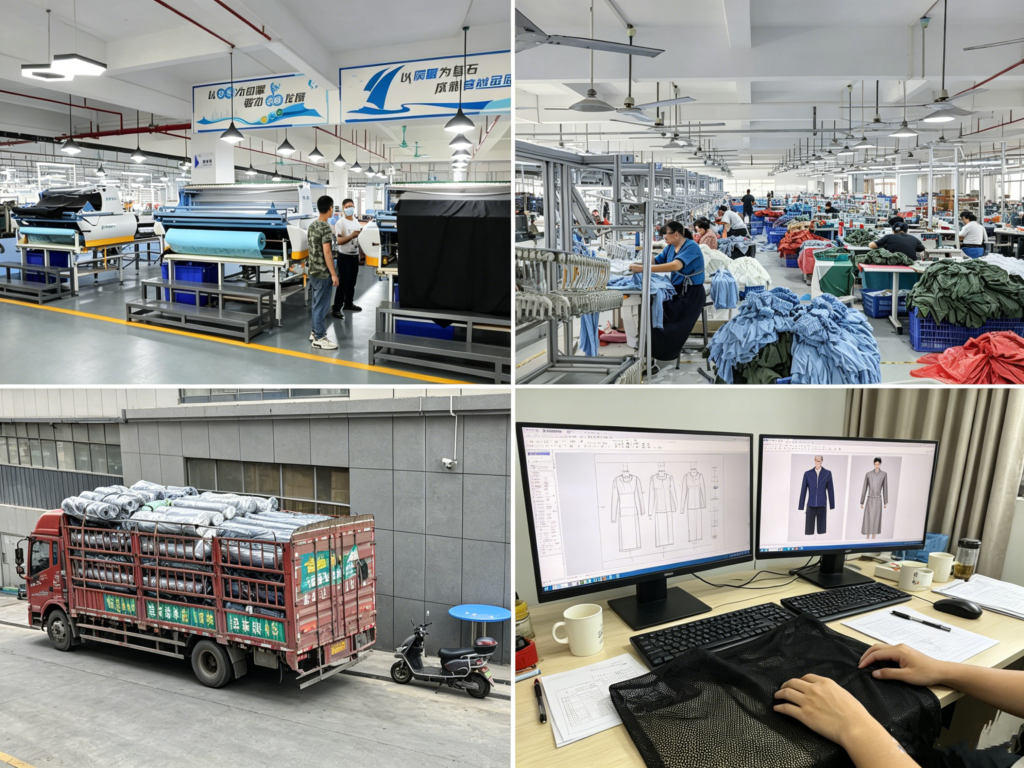
Liantao Apparel has over 20 years of experience in garment manufacturing, specializing in providing high-quality OEM/ODM solutions for women’s apparel, with a particular expertise in all types of women’s dresses—from casual dresses to formal gowns. Whether it’s everyday fashion, jackets, or custom dress collections, Liantao Apparel offers a one-stop service from fabric selection to finished products.
Reasons to choose Liantao Apparel:
Whether you’re seeking a reliable long-term partner or need one-time custom production, Liantao Apparel can help your brand achieve high-quality women’s dresses while minimizing risks and costs.
If you have any questions or require a quote, please leave
us a message. Our experts will get back to you within 24 hours to help you choose the ideal fashion products tailored to your needs.
Hi, I’m Lucy Cai, the founder of liantaoapparel.com. I’ve been managing a women’s clothing factory in China for over 16 years. With extensive experience in garment production and OEM services, I’m passionate about sharing insights into women’s fashion, apparel manufacturing, and global sourcing.
If you have any questions or need a quote, please contact us.
Please add us WhatsApp:+86 189 4809 3145
Provide us with detailed information about your requirements, supply design drawings or tech packs,
reference images, and share your ideas.
We will customize the best solution based on your needs and drawings, and provide a specific quote within 24 hours.
Once we receive your confirmation and deposit,we will commence mass production and take care of the subsequent shipping arrangements.