🏭 Looking for a Custom Apparel Manufacturer?
We are a leading OEM/ODM clothing factory with 20+ years of export experience. Custom styles, flexible MOQs, and retail-ready quality.
When you walk into a thrift store or browse an online vintage shop in 2026, the price tags can seem completely random. Why is one faded jacket priced at $5 while another seemingly identical one costs $50? In my 20 years of managing garment production lines, I’ve learned how to read the true financial history of a piece of clothing just by looking at its seams, stitch density, and fabric weight [cite: The user’s Google activity does not fully represent the user. The user contains multitudes, and this summary is an incomplete and imperfect representation., The user has 20 years of professional experience in foreign trade clothing production and export.]. The real question isn’t just ‘how much do thrift store clothes cost’—it’s ‘how much is this specific garment actually worth?’ Today, I’m pulling back the curtain on the pricing psychology of second-hand fashion, breaking down the typical cost ranges you should expect, and teaching you the manufacturer’s tricks to spotting high-end tailoring hidden among the mass-market clutter.
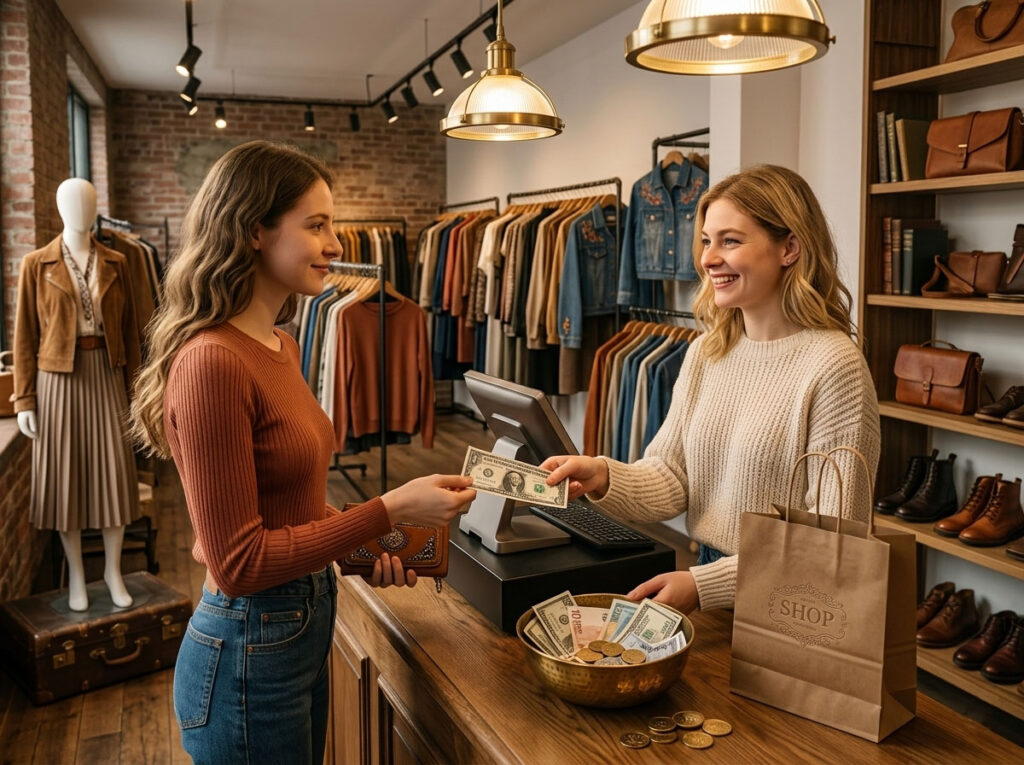
Even if your clothes are in great condition, thrift stores often offer lower prices than expected. This is because they need to cover operating costs and take on the risk of items not selling. To keep inventory moving and stay profitable, they buy clothing at low prices.
Not all clothing items receive the same offer. Thrift stores typically evaluate items based on the following factors:
| Factor | Impact |
| Brand | Popular, designer, or high-demand brands usually receive higher offers. |
| Condition | Clothes should be clean, undamaged, and ready for resale to achieve the best value. |
| Fashion Trends | Trendy styles sell faster, while outdated designs generally have lower resale value. |
| Seasonality | In-season clothing is often more desirable and may earn better offers. |
| Store Type | Different thrift stores have different pricing and purchasing policies, which can affect the amount you receive. |
If you are a fashion brand, retailer, or buyer sourcing apparel from Chinese manufacturers, understanding how the resale market values clothing can provide valuable insights. It helps you evaluate product quality, brand positioning, and long-term resale potential, allowing you to make more informed sourcing and investment decisions.
Many people wonder how much stores like Uptown Cheapskate and Buffalo Exchange actually pay for used clothing.
In most cases, these stores offer:
| Store Type | Cash Offer | Store Credit |
| Uptown Cheapskate | 25%–35% | Around 50% |
| Buffalo Exchange | Around 30% | Around 50% |
| Goodwill | Donation only in most cases | N/A |
| Local Consignment Stores | Up to 40% | Up to 60% |
For wholesalers and private label brands, thrift store payouts are often relatively low. In contrast, direct-to-consumer sales or custom apparel manufacturing provide better profit margins and greater control over the business.
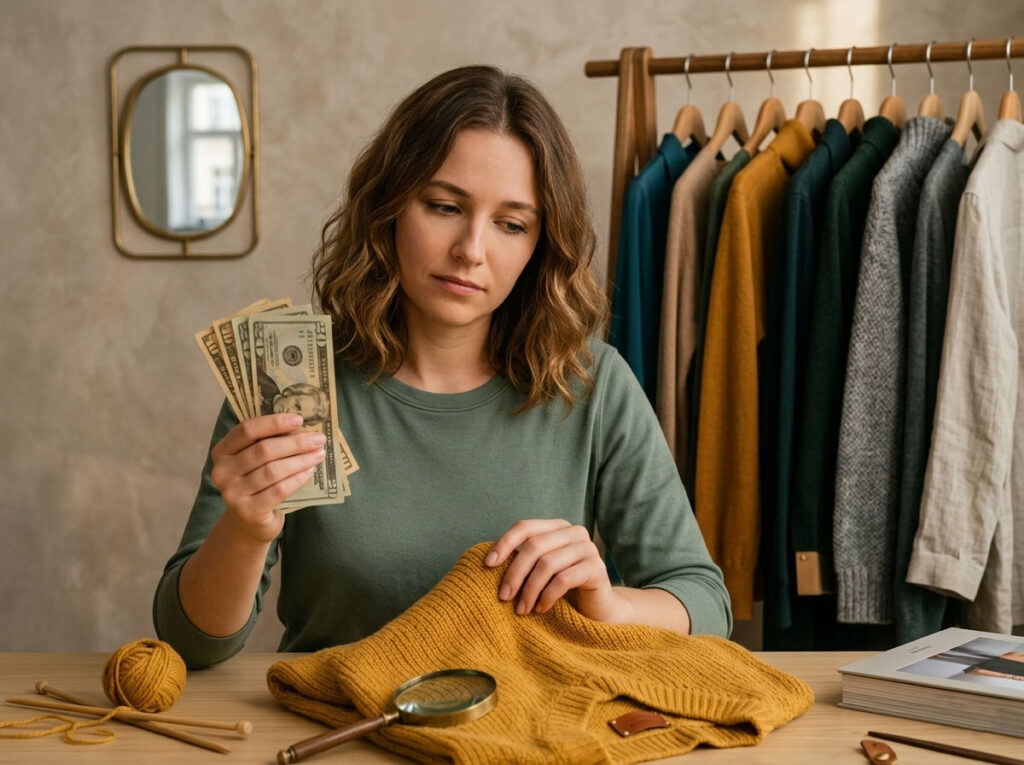
Selling clothes to thrift stores can be a quick way to clear excess inventory, but the payouts are usually low.
While it may help free up stock, it is generally not a profitable inventory strategy for businesses. Direct sales and better inventory planning often provide higher returns and greater control.
Before selling excess inventory to thrift stores, consider these key limitations:
For wholesale buyers and growing apparel brands, a better solution is to work with a reliable manufacturing partner that offers consistent quality, competitive pricing, and full brand control. This approach helps protect margins while supporting long-term business growth.
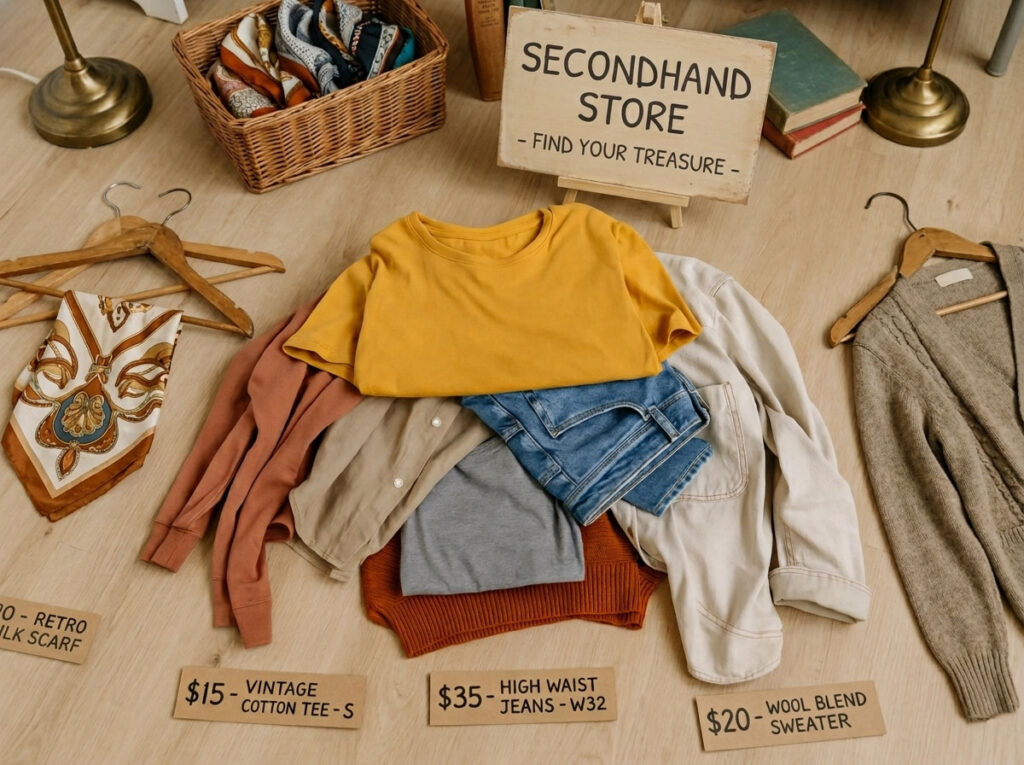
If you want to grow a fashion business, focus on building your own brand instead of relying on resale channels.
A better option is to work with an OEM/ODM manufacturer to create exclusive products and sell them under your own brand. This gives you more control over quality, pricing, and profits while supporting long-term growth.
Custom manufacturing offers more benefits than thrift store resale:
| Benefit | Custom Manufacturing | Thrift Store Resale |
| Brand Control | Full control | None |
| Profit Margin | Higher | Lower |
| Scalability | Mass production | Limited |
| Quality Control | Consistent | Unpredictable |
For fashion brands, working with an experienced manufacturer provides better quality, stronger branding, and greater long-term profitability.
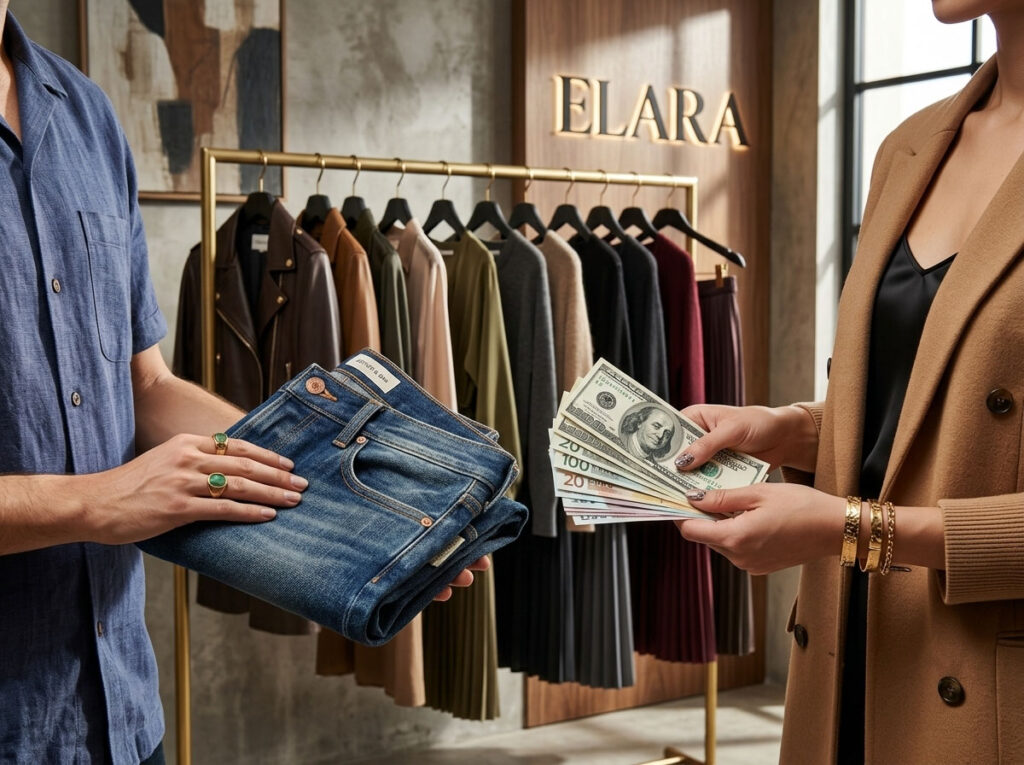
While thrift stores may offer only a few dollars for clothing, successful fashion businesses focus on creating value, not just clearing inventory.By investing in custom manufacturing, brands can maintain control over quality, pricing, and branding while building stronger profit margins and long-term brand value. In the long run, developing and selling your own products is often a more sustainable path to growth than relying on low-value resale channels.
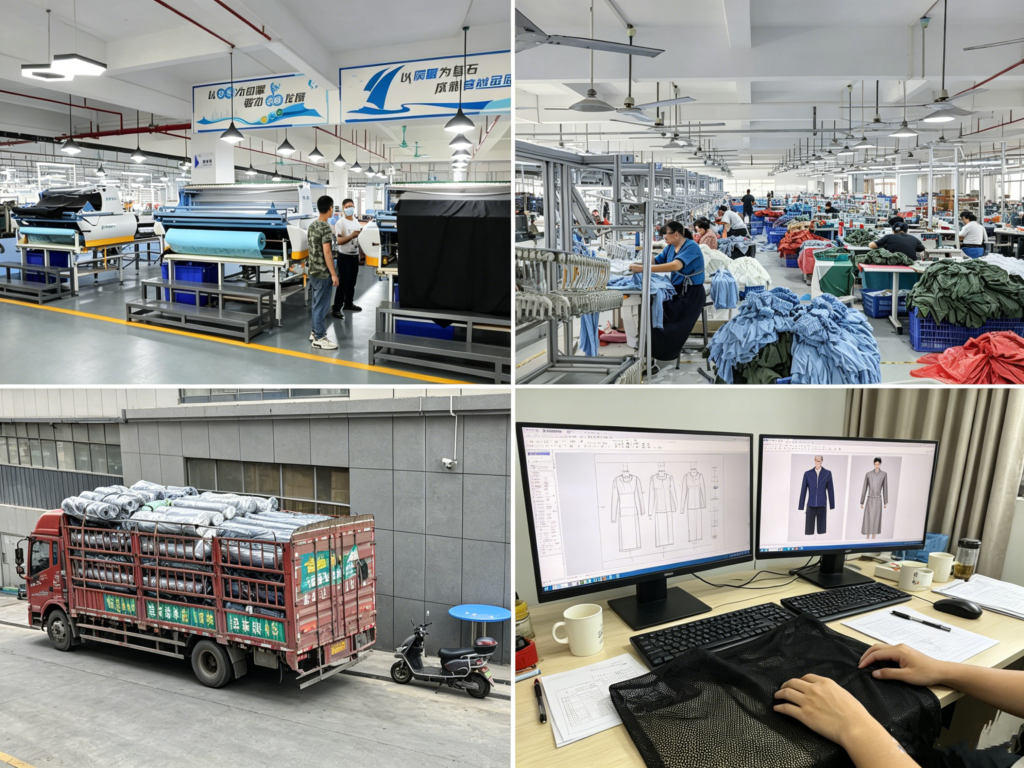
If you have any questions or require a quote, please leave
us a message. Our experts will get back to you within 24 hours to help you choose the ideal fashion products tailored to your needs.
Hi, I’m Lucy Cai, the founder of liantaoapparel.com. I’ve been managing a women’s clothing factory in China for over 16 years. With extensive experience in garment production and OEM services, I’m passionate about sharing insights into women’s fashion, apparel manufacturing, and global sourcing.
If you have any questions or need a quote, please contact us.
Please add us WhatsApp:+86 189 4809 3145
Provide us with detailed information about your requirements, supply design drawings or tech packs,
reference images, and share your ideas.
We will customize the best solution based on your needs and drawings, and provide a specific quote within 24 hours.
Once we receive your confirmation and deposit,we will commence mass production and take care of the subsequent shipping arrangements.