🏭 Looking for a Custom Apparel Manufacturer?
We are a leading OEM/ODM clothing factory with 20+ years of export experience. Custom styles, flexible MOQs, and retail-ready quality.
In Part 1 of our complete guide to different types of pants, we explored the most popular and recognizable styles, from everyday jeans to modern streetwear silhouettes.
However, the world of pants extends far beyond common wardrobe essentials. Many specialty pants styles are designed with unique purposes, including travel comfort, performance, cultural inspiration, and fashion expression.
So, what are the lesser-known types of pants, and how can brands, designers, and consumers understand their differences? Beyond classic jeans and tailored trousers, modern pants collections include dozens of silhouettes that serve different lifestyles and markets. Understanding these designs helps fashion brands create better products, while helping shoppers choose pants that match their body shape, comfort needs, and personal style.
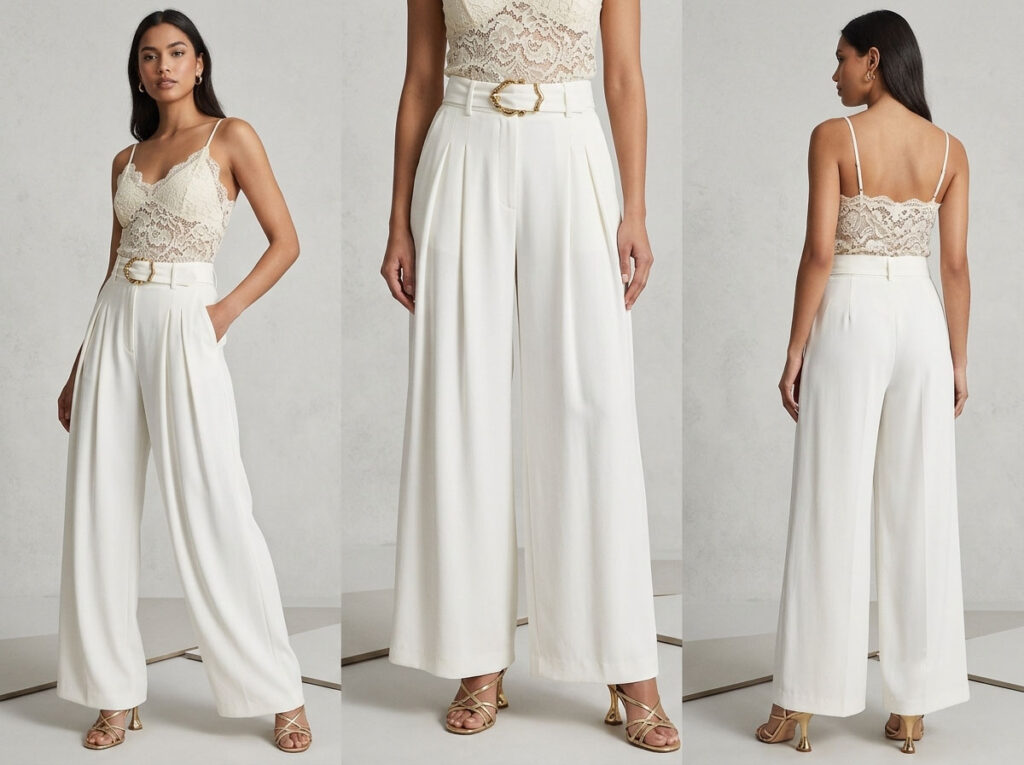
Palazzo pants are one of the most recognizable wide-leg pants styles in modern fashion. Combining elegance, comfort, and effortless movement, they have become a popular choice for resortwear, occasionwear, and contemporary women’s collections.
Unlike traditional wide-leg trousers, palazzo pants create a dramatic flowing silhouette that moves similarly to a maxi skirt while maintaining the practicality of trousers. Palazzo pants are full-length, high-waisted pants featuring an extremely wide leg that expands from the waist down to the hem. Their relaxed structure creates a graceful drape while providing maximum comfort and mobility.
| Feature | Description |
| Leg Width | Extra-wide shape extending from hip to hem for a dramatic silhouette |
| Rise | Usually high-rise to create a longer leg appearance |
| Length | Full length, floor grazing, or slightly cropped versions |
| Closure | Commonly designed with hidden zippers, elastic waistbands, or flat fronts for comfort |
Popular fabrics include:
Premium versions may use silk blends to achieve a luxurious appearance and enhanced fabric movement.
| Occasion | Styling Tips |
| Resortwear | Pair with bandeau tops, lightweight shirts, or draped halter designs |
| Formalwear | Combine with tailored blazers, silk blouses, or elegant accessories |
| Relaxed Workwear | Style with fitted knit tops and heels for a polished look |
| Boho/Festival | Match with crop tops, layered jewelry, and natural textures |
| Feature | Palazzo Pants | Wide-Leg Pants |
| Flare Start Point | Begins directly from the waist | May start from thigh or knee area |
| Fabric | Usually lightweight and flowy | Available in lightweight or structured fabrics |
| Silhouette | Dramatic, skirt-inspired movement | More balanced and everyday-friendly |
| Common Use | Fashion-forward, resort, formal styling | Casualwear, officewear, daily fashion |
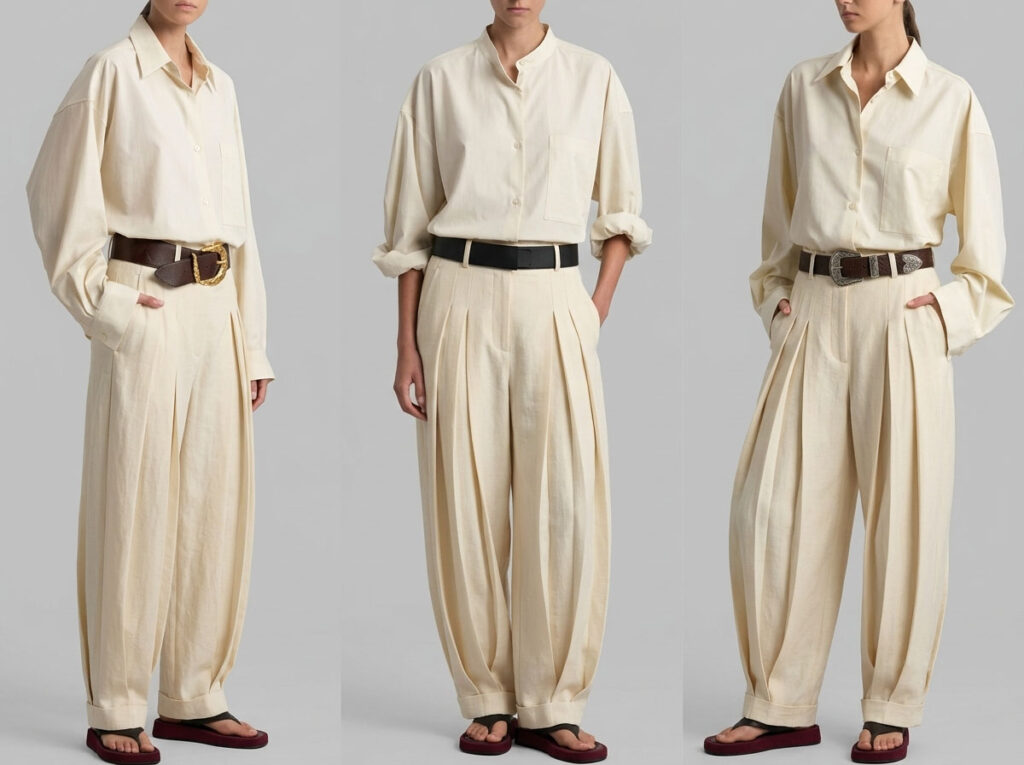
Pleated pants remain a timeless choice because they combine traditional tailoring with modern comfort. Once mainly associated with formal menswear, pleats are now widely used in women’s fashion, streetwear, and contemporary casual collections.
Pleated pants feature folded fabric details sewn into the waistband. These folds create additional room around the hips and thighs while adding structure and visual interest.
| Pleat Type | Description | Common Applications |
| Single Pleat | One fold on each side for a clean appearance | Slim tailoring and modern trousers |
| Double Pleat | Two folds creating extra volume and comfort | Classic menswear and relaxed fits |
| Inverted Pleat | Fold opens inward for a refined appearance | Fashion trousers and skirts |
| Box Pleat | Two folds facing opposite directions | Uniforms and traditional tailoring |
| Feature | Pleated Pants | Flat-Front Pants |
| Waist Detail | Includes stitched fabric folds | Smooth waistband design |
| Fit Experience | More relaxed around hips and thighs | Cleaner and slimmer appearance |
| Fabric Movement | Opens naturally during movement | More structured and minimal |
| Best For | Comfort-focused and tailored styles | Minimalist and fitted looks |
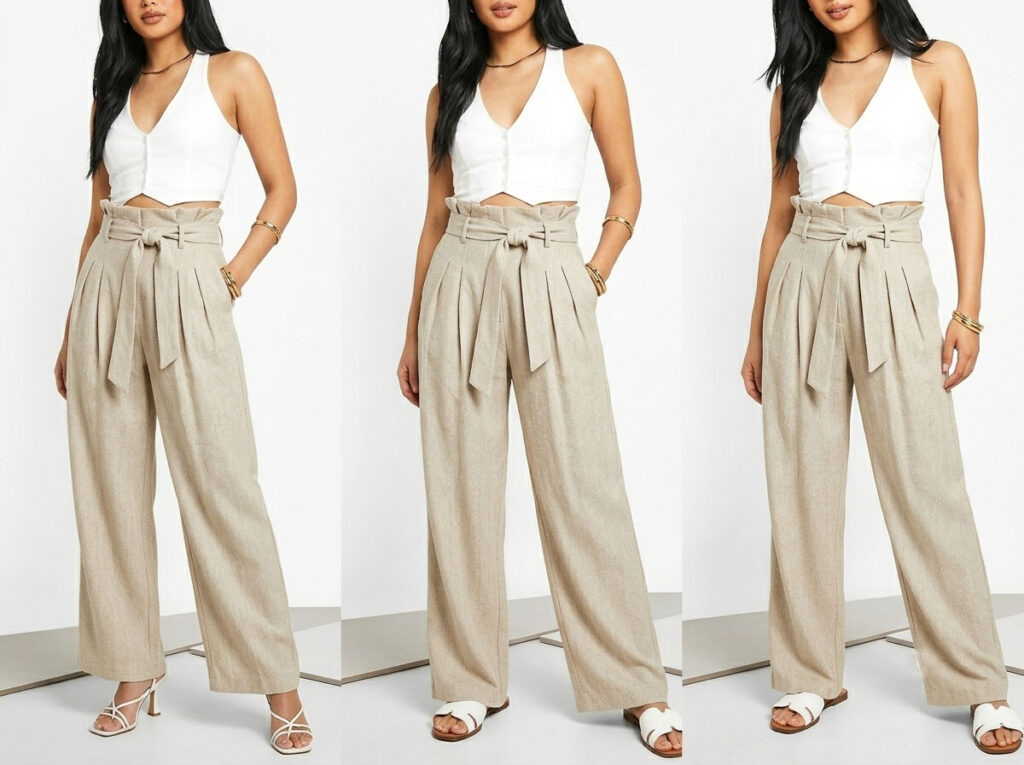
Paperbag waist pants have become a popular choice for brands looking to combine feminine styling, comfort, and adjustable fit. Their distinctive gathered waistband creates a flattering silhouette while adding a fashionable design element.
Paperbag waist pants are high-rise trousers featuring extra fabric above the waistband that is gathered and secured with a belt, tie, or elastic detail. This creates a soft ruffled effect around the waist while emphasizing the natural body shape.These pants are widely used in women’s casualwear, workwear collections, resortwear, and contemporary fashion lines.
| Feature | Description |
| High Waist Design | Sits above the natural waistline to create a longer leg appearance |
| Gathered Waistband | Extra fabric creates a signature ruffled paperbag effect |
| Belt Detail | Often includes a self-fabric tie belt for adjustable styling |
| Pocket Design | Usually includes side pockets or slash pockets for functionality |
| Leg Shape | Commonly designed with relaxed hips and tapered or straight legs |
Recommended fabrics include:
| Target Look | Styling Tips |
| Feminine Casual | Pair with tucked blouses, fitted tops, and ballet flats |
| Office-Ready Relaxed | Combine with structured shirts, blazers, and loafers |
| Summer Resort | Style with tank tops, sandals, and lightweight accessories |
| Transitional Season | Match with ankle boots and cropped jackets |
| Feature | Paperbag Waist Pants | Standard High Waist Pants |
| Waist Design | Gathered, tied, or elastic waistband | Smooth structured waistband |
| Visual Effect | Creates a softer waist-focused silhouette | Creates a clean elongated shape |
| Comfort Level | Adjustable and flexible fit | More fitted and tailored |
| Best Application | Casual, feminine, resort styles | Officewear and polished fashion |
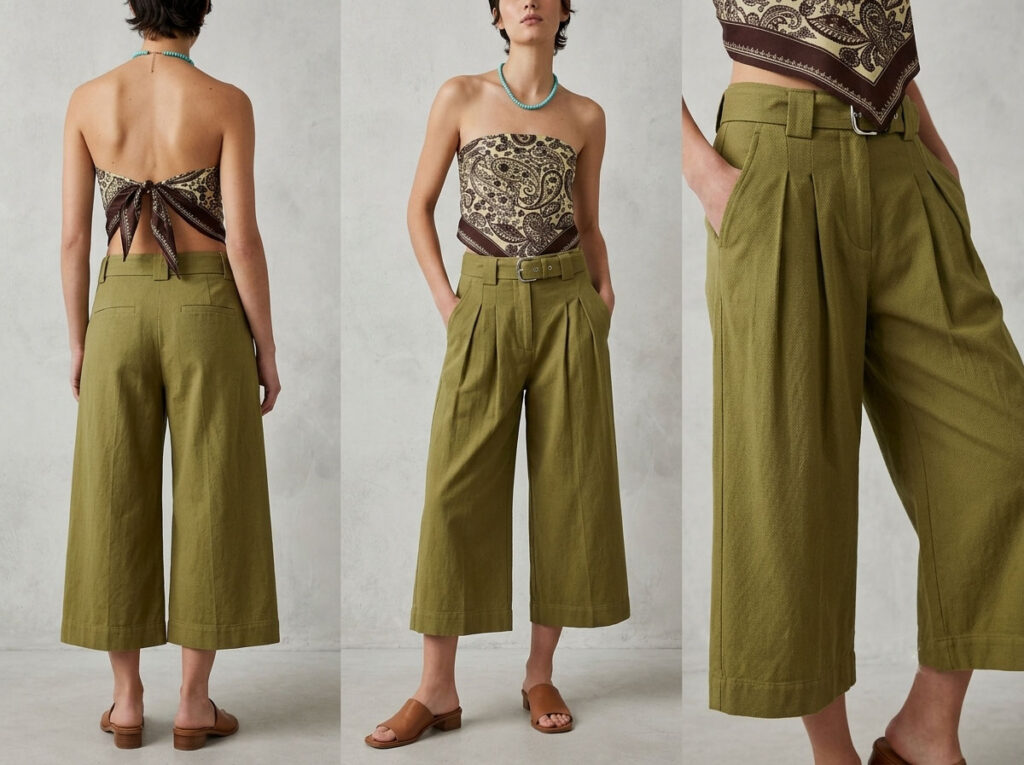
Gaucho pants represent a combination of historical function and modern fashion expression. Originally designed for movement and comfort, they have evolved into a statement silhouette used in contemporary women’s collections.
Gaucho pants are wide-leg cropped trousers that usually end between the knee and mid-calf. Their oversized leg shape creates a relaxed appearance while maintaining a fashionable and artistic silhouette.
| Feature | Gaucho Pants | Other Cropped Pants |
| Leg Width | Extra-wide and relaxed | Can range from slim to wide |
| Length | Usually knee to mid-calf length | Often ankle length or shorter |
| Waistline | High-rise or mid-rise options | Varies depending on design |
| Hem Style | Soft, flowing finish | May include structured hems or cuffs |
Popular materials include:
Additional design details may include:
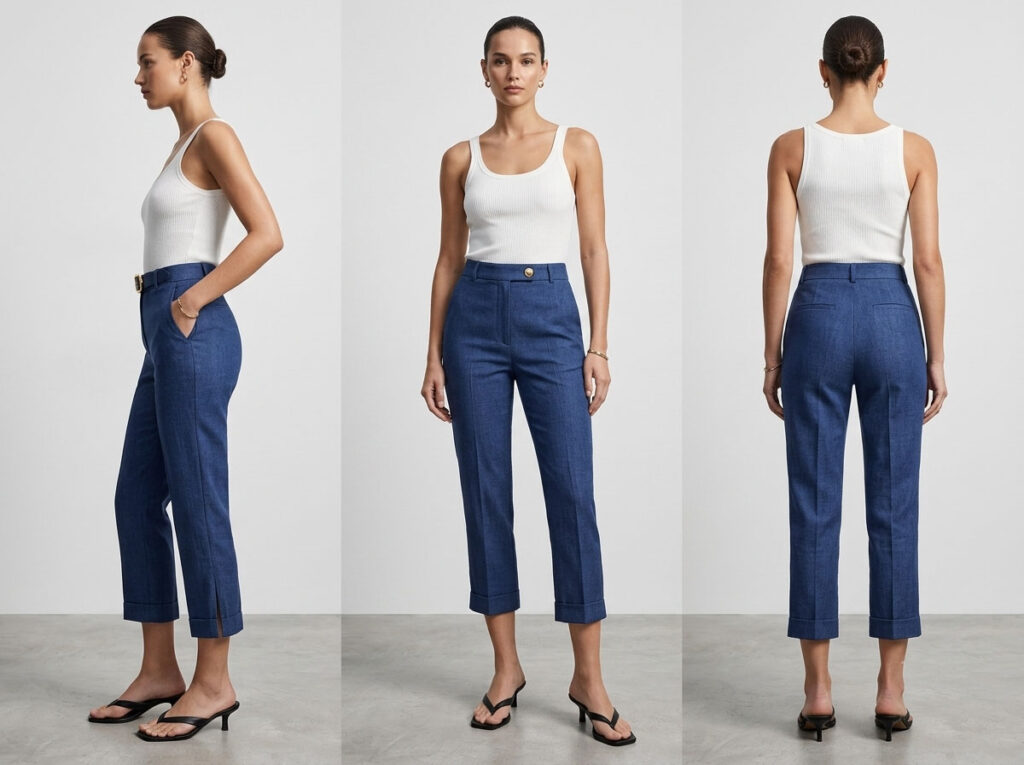
Capri pants continue to be an important category in casualwear, activewear, and resort fashion. Their cropped length provides a balance between full-length trousers and shorts, making them suitable for warmer climates and active lifestyles.
Capri pants are slim or semi-fitted pants that typically end around the calf area or slightly below the knee. They are designed to provide mobility, breathability, and everyday versatility.
| Feature | Capri Pants | Other Cropped Pants |
| Length | Mid-calf or below-knee length | Usually ankle or shin length |
| Fit | Slim or semi-fitted | Can include wide or relaxed silhouettes |
| Main Uses | Activewear, travel, casualwear | Depends on fabric and design |
| Hem Style | Clean, cuffed, or vented | Raw, elastic, rolled, or structured |
Common fabric options:
Additional comfort-focused details often include:
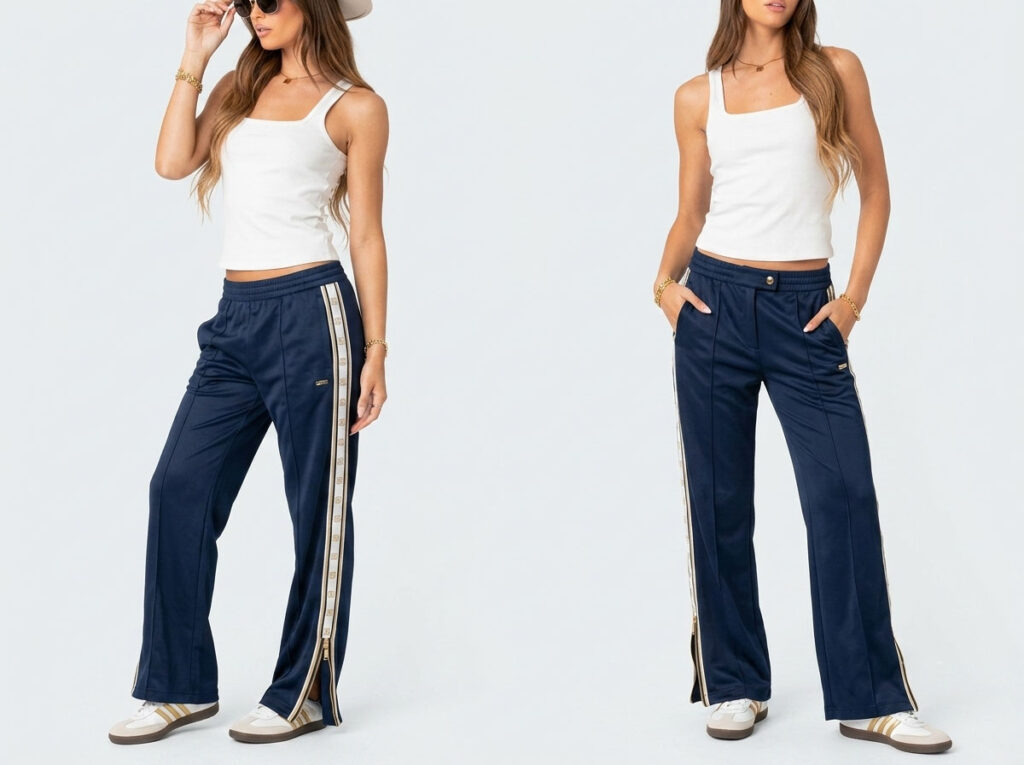
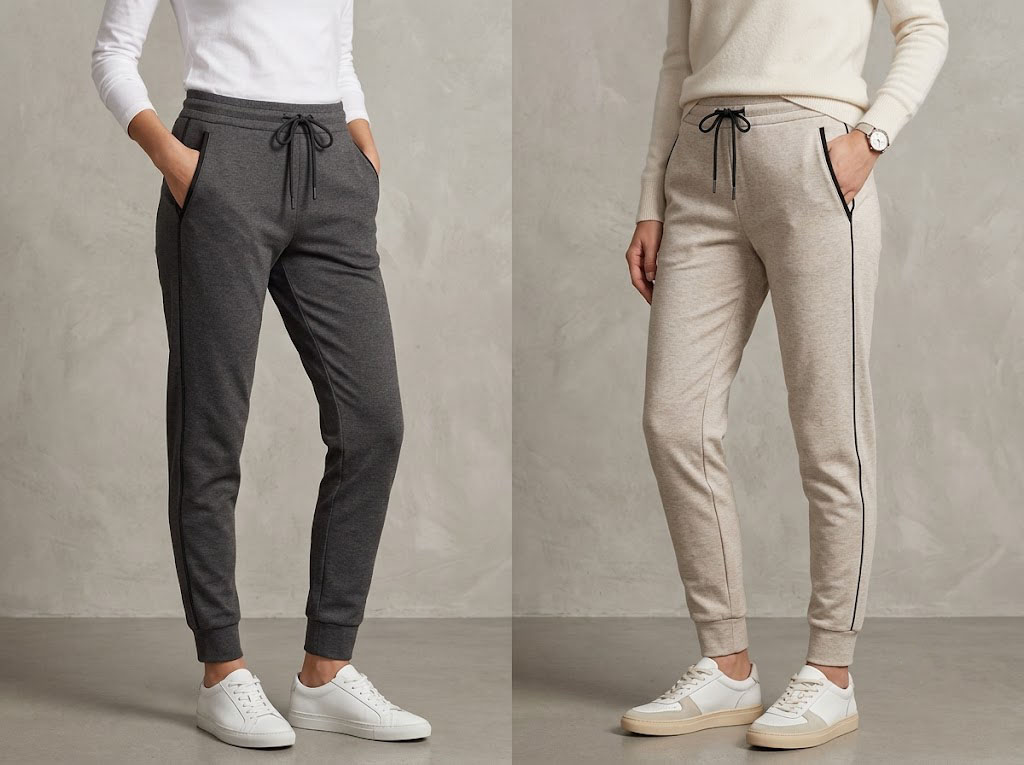
Track pants have transformed from purely athletic clothing into one of the most influential casual fashion categories. Today, they represent the connection between sportswear, streetwear, and lifestyle fashion.
Track pants are athletic trousers usually made from polyester, nylon, or technical blends. They often feature side stripes, zip pockets, elastic waistbands, or ankle details.
| Feature | Track Pants | Joggers / Sweatpants |
| Material | Polyester tricot, nylon, stretch mesh | Cotton, fleece, French terry |
| Ankle Style | Open cuff or zipper details | Ribbed knit cuffs |
| Main Function | Sports performance and warm-up use | Casual comfort and relaxation |
| Design Details | Side stripes, piping, logo tape | Soft interiors and elastic styling |
| Fabric | Characteristics |
| Tricot Knit | Smooth surface with a classic sportswear appearance |
| Double-Knit Polyester Blend | Provides softness and structure |
| Lightweight Stretch Nylon | Breathable and suitable for layering |
| Recycled Polyester | Supports sustainable performance collections |
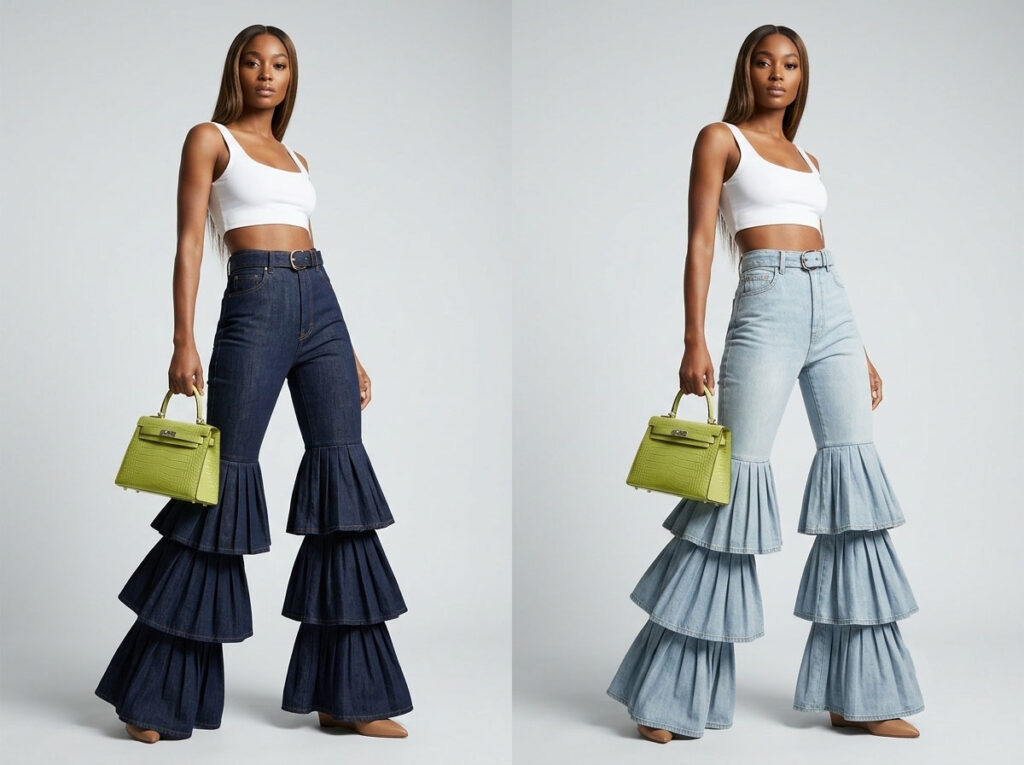
Bell bottom pants are one of the most recognizable retro fashion silhouettes. Originally popular in the 1960s and 1970s, this dramatic flare style has returned through modern fashion trends, streetwear collections, and contemporary women’s clothing lines.
Unlike ordinary flared pants, bell bottoms create a stronger visual impact with a fitted upper section and an exaggerated flare below the knee. Their unique shape creates a longer leg appearance while adding personality and movement.
Bell bottom pants are trousers that fit closely through the waist, hips, and thighs, then expand dramatically from below the knee toward the hem. They are commonly made with stretch or drapey fabrics to maintain comfort and shape.
| Feature | Bell Bottom Pants | Flared Pants |
| Flare Origin | Begins below the knee | Usually starts from mid-thigh or lower |
| Flare Width | Extra wide and dramatic, often creating a statement silhouette | Moderate flare with a softer appearance |
| Thigh Fit | Usually fitted through hips and thighs | Can be slim or slightly relaxed |
| Visual Effect | Bold retro-inspired shape | Elegant and leg-lengthening effect |
Popular fabrics include:
Fabric selection plays an important role because bell bottoms need enough flexibility around the hips while maintaining the dramatic flare.
| Style Direction | Styling Ideas |
| Streetwear Revival | Pair with baby tees, oversized jackets, and platform shoes |
| Boho Chic | Combine with lace tops, fringe details, and festival accessories |
| Elevated Casual | Match with blazers, fitted knitwear, or monochrome outfits |
| Evening Fashion | Use in jumpsuits, suit sets, and statement occasionwear |
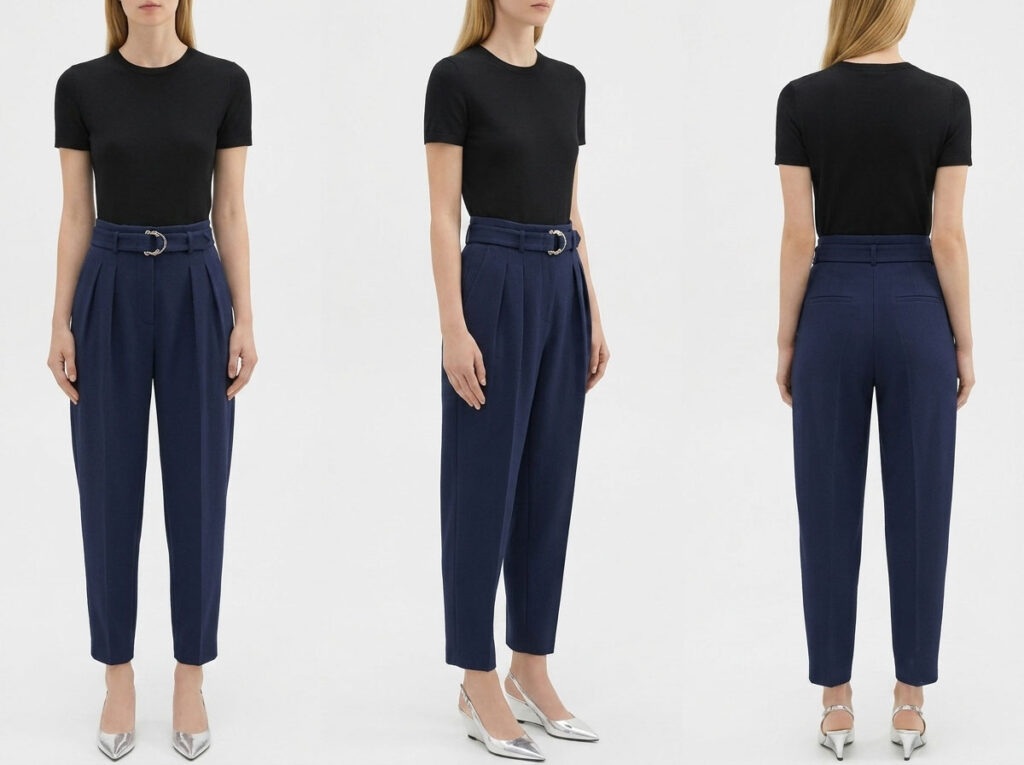
Pegged pants combine volume and structure by creating a relaxed upper silhouette with a narrow ankle finish. This design provides comfort around the hips while maintaining a refined, fashion-forward appearance.
Pegged pants are high-rise or mid-rise trousers with extra room through the hips and thighs that gradually taper toward the ankle. They often include pleats, darts, or cuffs to improve shape and structure.
| Feature | Pegged Pants | Tapered Pants |
| Hip & Thigh Fit | Relaxed with additional volume | More fitted and streamlined |
| Tapering | Strong narrowing toward ankle | Gradual narrowing |
| Waist Style | Often high-rise with belts or pleats | Usually simple waistband designs |
| Hem Finish | Cropped, cuffed, or darted | Mostly clean and minimal |
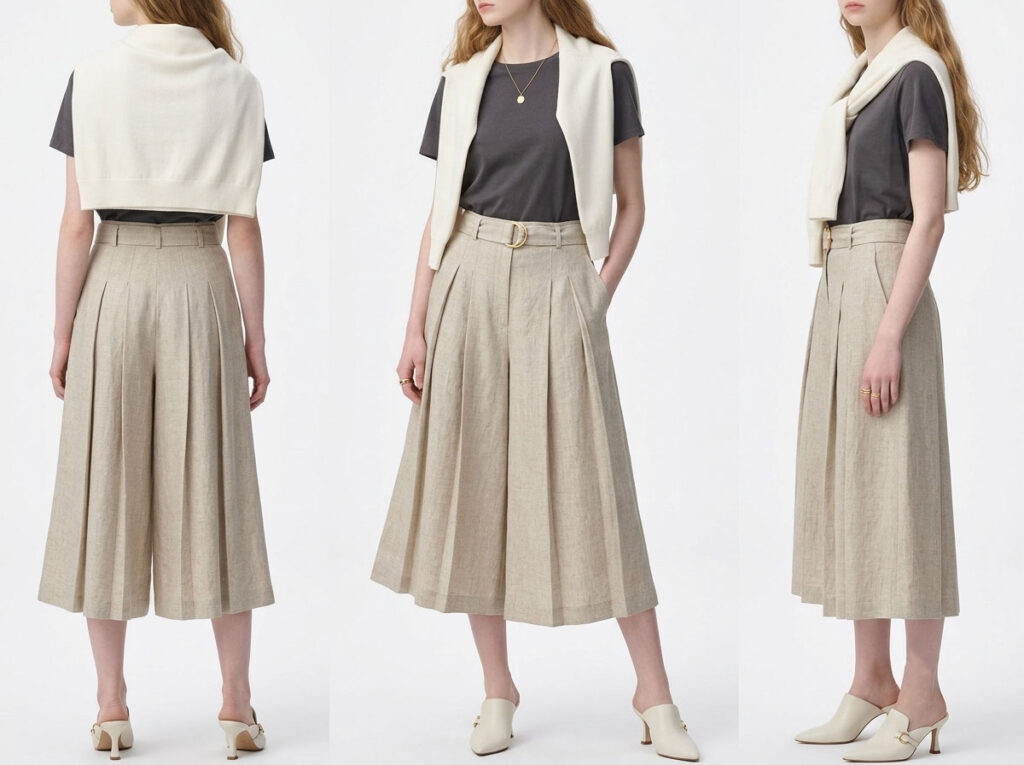
Culottes are a unique combination of pants and skirt-inspired design. They provide the comfort of trousers while creating the flowing appearance of a skirt.
They are especially popular among consumers who want freedom of movement, modest coverage, and an elegant silhouette.
Culottes are cropped wide-leg pants that typically fall below the knee or around mid-calf. Their wide shape creates a skirt-like appearance while maintaining the functionality of pants.
| Feature | Culottes | Palazzo Pants |
| Length | Usually below knee or mid-calf | Full length to floor |
| Leg Shape | Wide cropped silhouette | Wide full-length silhouette |
| Skirt Effect | Strong skirt-like movement | More obviously trouser-based |
| Waist | High-rise or mid-rise | Usually high-rise |
| Occasion | Styling Direction |
| Officewear | Pair with tucked blouses and structured jackets |
| Weekend Casual | Combine with basic tees and sandals |
| Events | Style with statement tops and elegant accessories |
| Resortwear | Match lightweight culottes with coordinated sets |
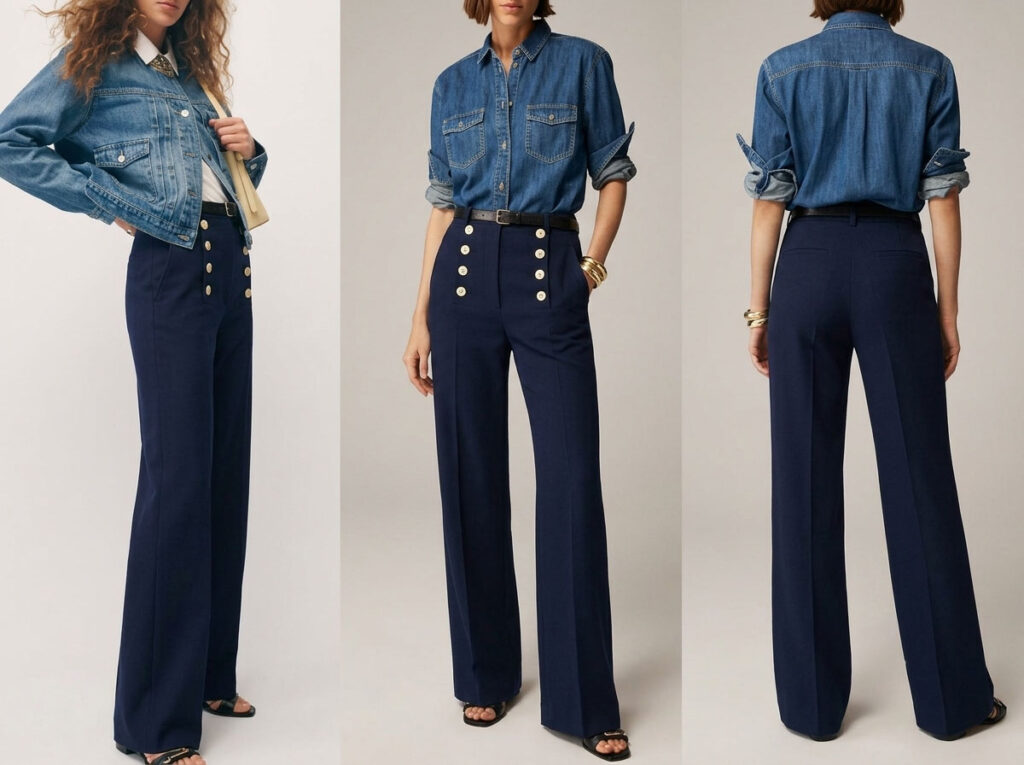
Sailor pants are an excellent example of how functional clothing becomes a fashion icon. Inspired by maritime uniforms, they combine structure, heritage details, and modern styling.
Sailor pants are high-rise wide-leg trousers featuring decorative buttons, a structured waistband, and a clean front design. Their silhouette is fitted around the waist before flowing into a wider leg.
| Feature | Sailor Pants | Wide-Leg Trousers |
| Waist | High-rise and structured | Can vary |
| Closure | Front flap or side button details | Usually zipper or hidden closure |
| Silhouette | Slim waist with wide leg | Generally loose throughout |
| Heritage Details | Nautical buttons and reinforced waistband | Usually minimal details |
Recommended materials:
Nautical-inspired buttons and hardware are often added to strengthen the heritage design story.
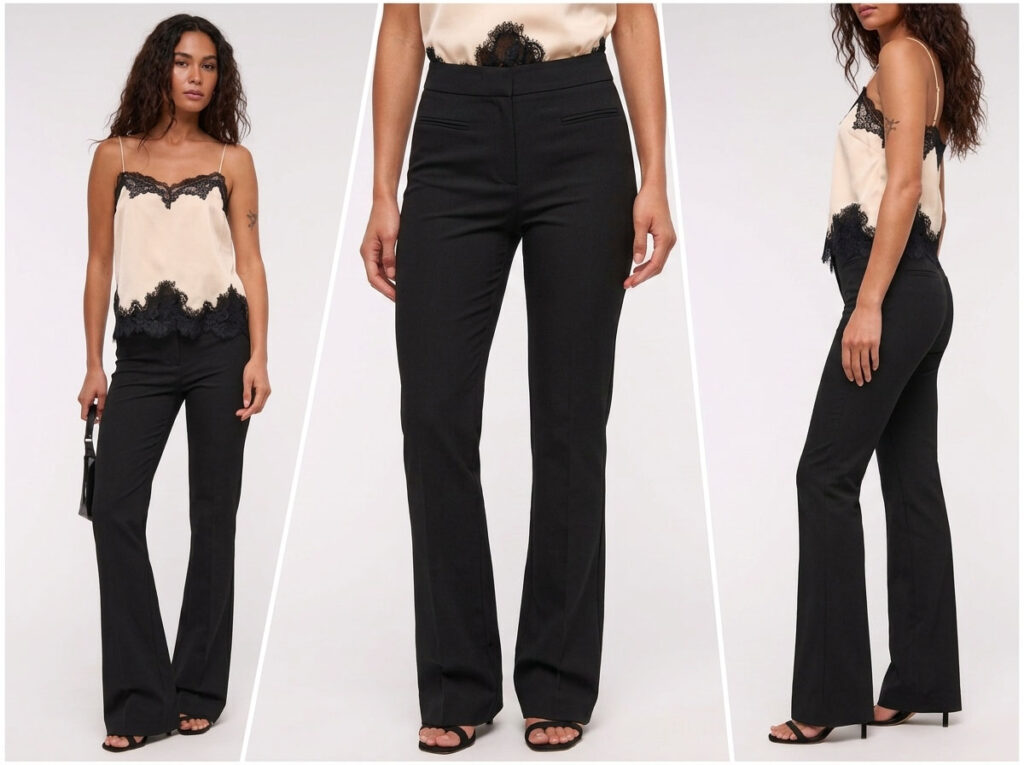
Bootcut pants remain one of the most wearable pant styles because they create balance without the dramatic volume of wide-leg or bell-bottom designs.
Originally developed for wearing with boots, modern bootcut pants have expanded into denim, officewear, and contemporary fashion collections.
Bootcut pants are fitted through the thigh and gently widen from the knee downward, creating enough space for boots or footwear while maintaining a streamlined shape.
| Feature | Bootcut Pants | Flared Pants |
| Flare Amount | Subtle and controlled | Larger and more dramatic |
| Flare Start Point | Around knee area | Usually mid-thigh or lower |
| Silhouette | Balanced and lengthening | Bold and statement-driven |
| Best Footwear | Boots, heels, loafers | Platforms and statement shoes |
| Style | Styling Tips |
| Workwear | Pair high-rise bootcut pants with shirts and blazers |
| Retro Fashion | Combine with tucked tees and vintage belts |
| Minimal Chic | Create monochrome outfits with fitted tops |
| Evening Style | Match with bodysuits and heels |
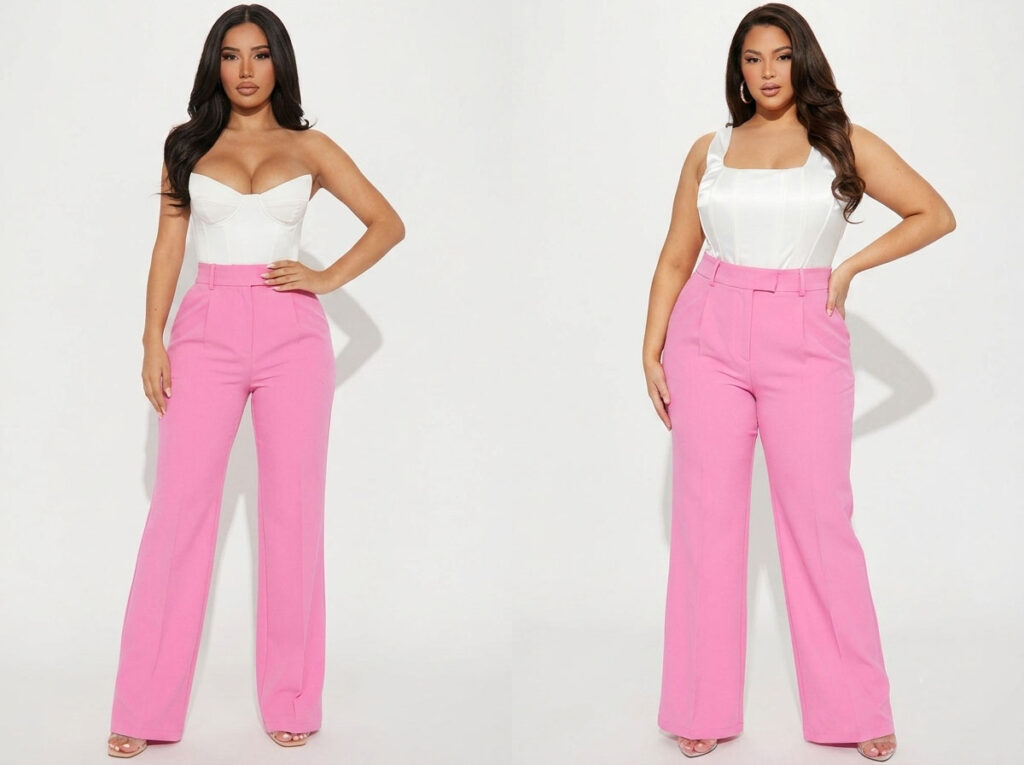
High waist pants have become a major category across denim, tailoring, casualwear, and luxury fashion.
Their higher waistband creates a longer leg appearance, improves proportions, and provides additional support around the waist.
High waist pants are trousers designed to sit above the natural waistline, creating a structured silhouette that can range from casual to elegant.
| Feature | High Waist Pants | Mid/Low Waist Pants |
| Waist Placement | Above natural waistline | Around or below waist |
| Visual Effect | Lengthens legs and defines waist | Creates relaxed proportions |
| Best Styling | Tucked shirts and structured outfits | Casual and streetwear looks |
| Closures | Zippers, buttons, elastic options | Various closure systems |
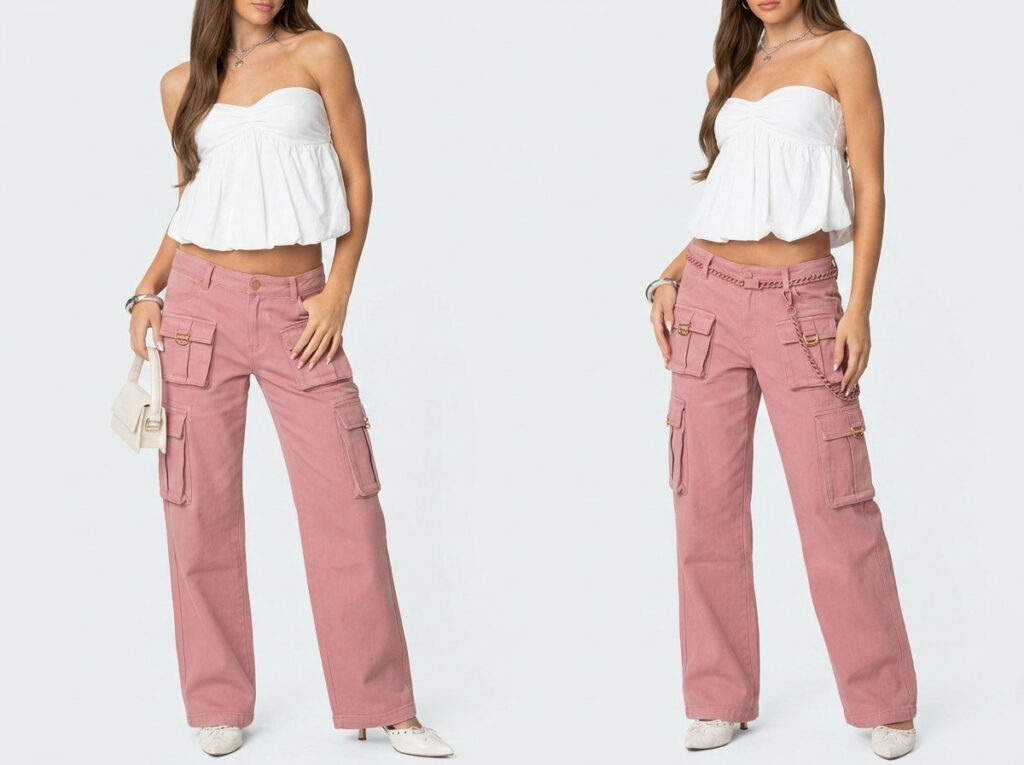
Low rise pants have returned as part of the Y2K fashion revival. They represent a bold alternative to high-rise styles by emphasizing hip placement and relaxed styling.
Modern low-rise designs combine trend appeal with improved fabrics, better construction, and more wearable proportions.
Low rise pants are trousers designed to sit approximately 2–4 inches below the belly button, creating a lower waist position that highlights the hips and extends the upper body appearance.
| Feature | Low Rise Pants | High Rise Pants |
| Waist Placement | Around hip level | Above natural waist |
| Fit Focus | Hips and lower torso | Waist and midsection |
| Popular Tops | Cropped tops and fitted styles | Blouses and tucked shirts |
| Main Audience | Trend-driven consumers | Wider market adoption |
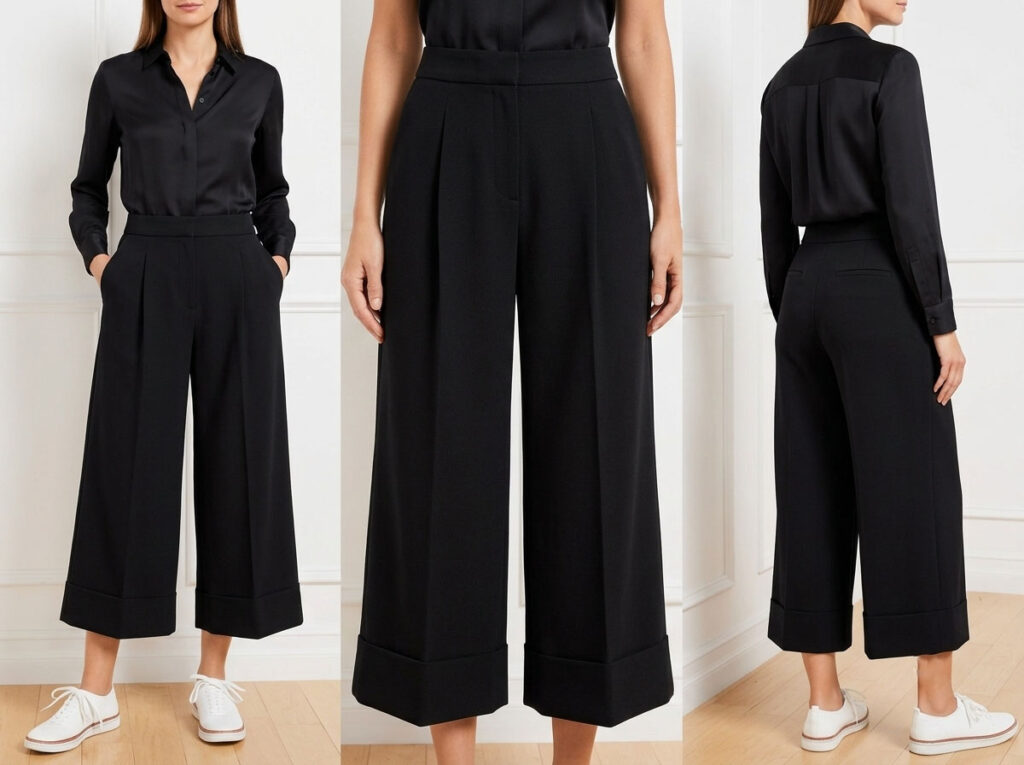
Wide crop pants have become an important category in contemporary fashion because they combine the comfort of wide-leg trousers with the practicality of a shorter length.
They are especially popular in spring and summer collections, resortwear, travel clothing, and modern workwear because they provide freedom of movement while maintaining a polished appearance.
Wide crop pants are high-rise or mid-rise trousers featuring a wide-leg silhouette with a cropped length that typically falls between the knee and ankle. They offer a balance between structure, comfort, and seasonal versatility.
| Feature | Wide Crop Pants | Culottes |
| Leg Shape | Structured or relaxed wide-leg silhouette | Softer skirt-inspired wide shape |
| Length | Usually mid-calf to ankle length | Generally below knee to mid-calf |
| Silhouette | Clean and modern | Feminine and flowing |
| Styling Focus | Minimal, contemporary outfits | Elegant and relaxed styling |
Popular fabric choices include:
| Style Direction | Styling Tips |
| Minimalist Workwear | Pair with tucked shirts, fitted tops, and loafers |
| Weekend Casual | Combine with basic tees, sandals, and relaxed accessories |
| Travel Fashion | Choose wrinkle-resistant fabrics for easy packing |
| Sustainable Collections | Use organic cotton, linen, or recycled materials |
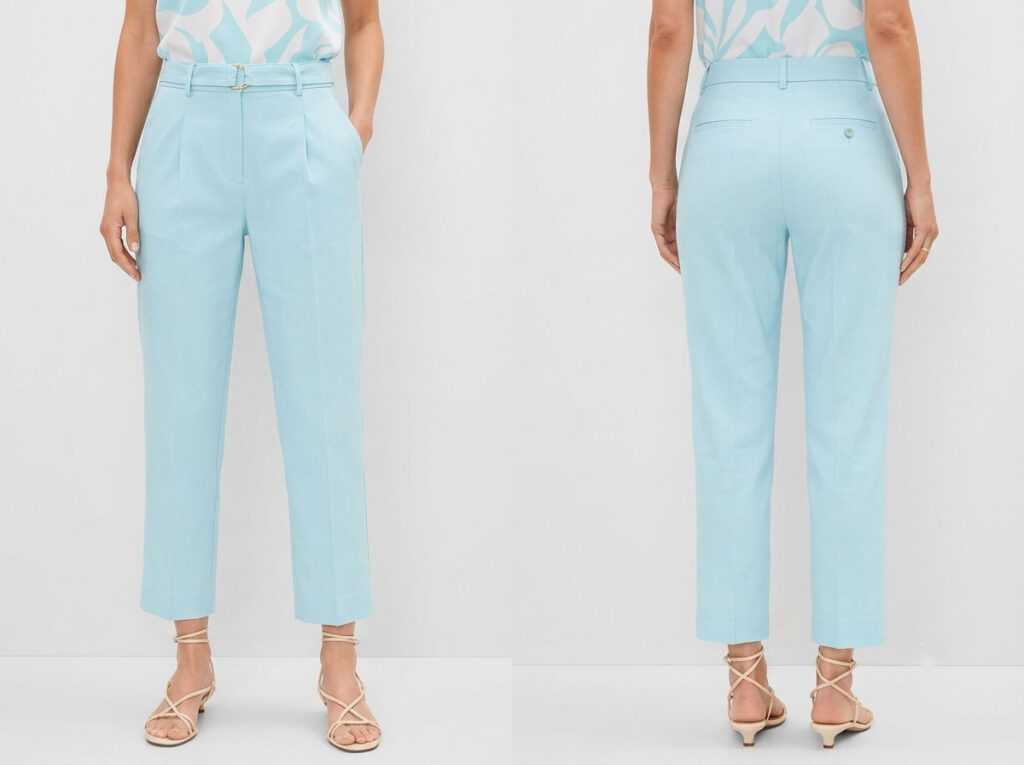
Cropped pants are among the most versatile modern pant styles. They create a fresh, lightweight appearance while allowing footwear to become part of the overall outfit design.
Unlike shorts, cropped pants maintain coverage and structure. Unlike full-length trousers, they create a lighter silhouette that works well for warm weather and contemporary styling.
Cropped pants are trousers cut shorter than traditional pants, usually ending between the mid-calf and above the ankle. They are designed to highlight shoes, improve airflow, and create a modern balanced proportion.
| Feature | Cropped Pants | Full-Length Pants |
| Hem Position | Around 2–6 inches above ankle | Covers ankle and often reaches footwear |
| Fit Options | Wide, straight, tapered, relaxed | Available in all silhouettes |
| Styling Purpose | Highlights shoes and creates lighter outfits | Provides complete leg coverage |
| Seasonal Use | Spring, summer, transitional seasons | Year-round applications |
| Fabric | Advantages |
| Cotton Twill | Durable, breathable, and suitable for everyday wear |
| Stretch Woven | Provides flexibility and improved comfort |
| Linen or Hemp Blends | Lightweight and ideal for warm climates |
| Wool or Suiting Crepe | Creates premium tailored cropped styles |
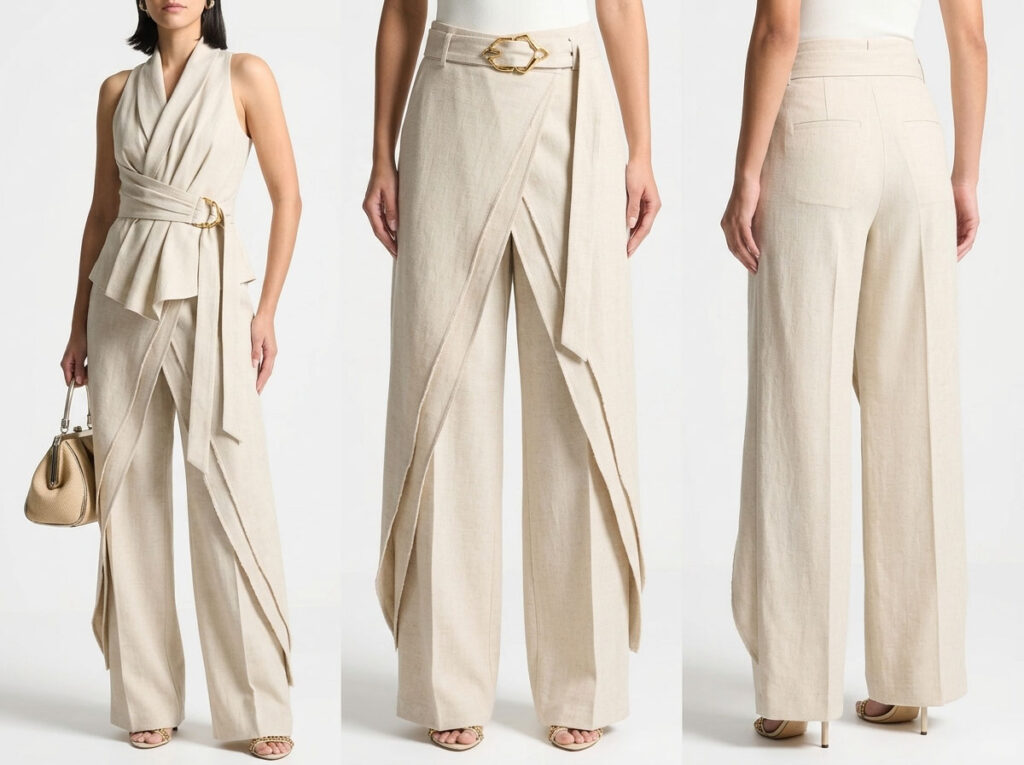
Wrap pants combine comfort, flexibility, and visual creativity. They are especially popular in resortwear, slow fashion, yoga-inspired collections, and relaxed lifestyle categories.
Their adjustable construction makes them attractive to consumers who value comfort and adaptable sizing.
Wrap pants are trousers designed with overlapping fabric panels that wrap around the waist and secure with ties at the side, front, or back. Their flowing shape often resembles skirts or traditional wrap garments.
| Feature | Wrap Pants | Traditional Pants |
| Waist Closure | Tie or wrap construction | Zipper, button, or elastic |
| Fit Adjustment | Highly adjustable | Fixed sizing structure |
| Movement | Lightweight and flowing | More structured |
| Visual Effect | Often resembles skirts or culottes | Clearly trouser-based |
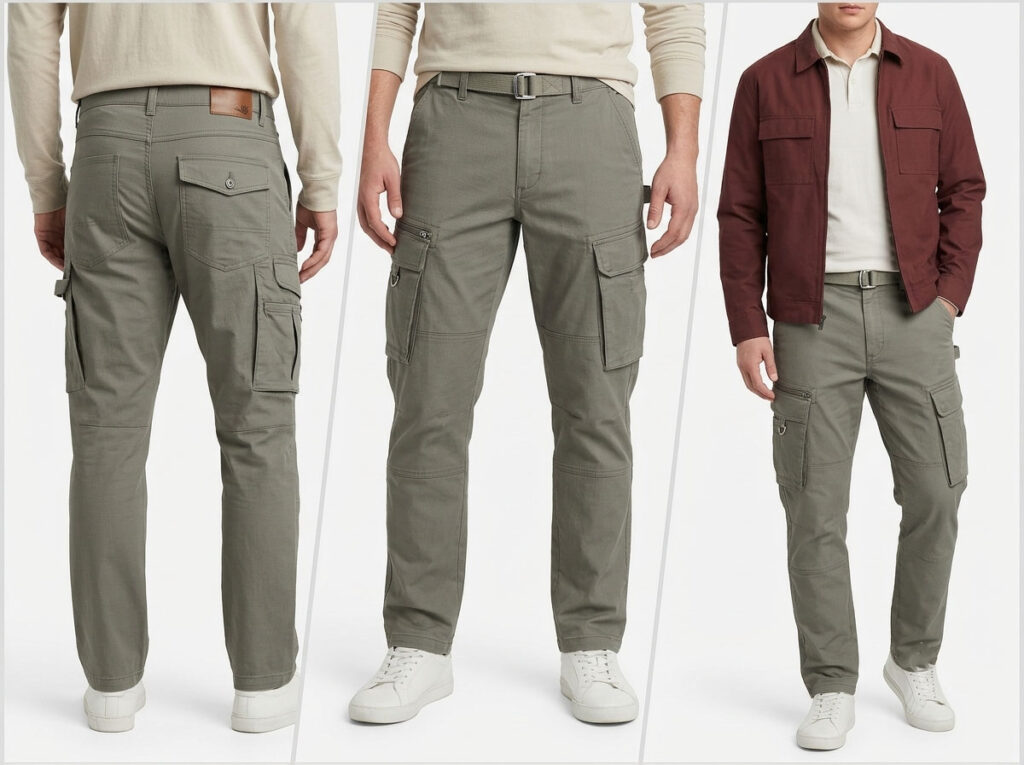
Utility pants represent the growing demand for functional fashion. They combine practical construction with modern styling, making them popular in streetwear, outdoor fashion, and lifestyle collections.
Utility pants are functional trousers designed with practical features such as cargo pockets, reinforced seams, adjustable details, and durable fabrics.
They originally came from workwear but have become an important category in contemporary fashion.
| Design Element | Utility Pants | Standard Casual Pants |
| Fabric Weight | Medium to heavy fabrics like canvas and twill | Lightweight cotton blends |
| Pocket Design | Multiple functional pockets | Basic front and back pockets |
| Reinforcement | Extra panels and strengthened seams | Standard construction |
| Additional Details | Loops, zippers, D-rings, drawcords | Minimal decoration |
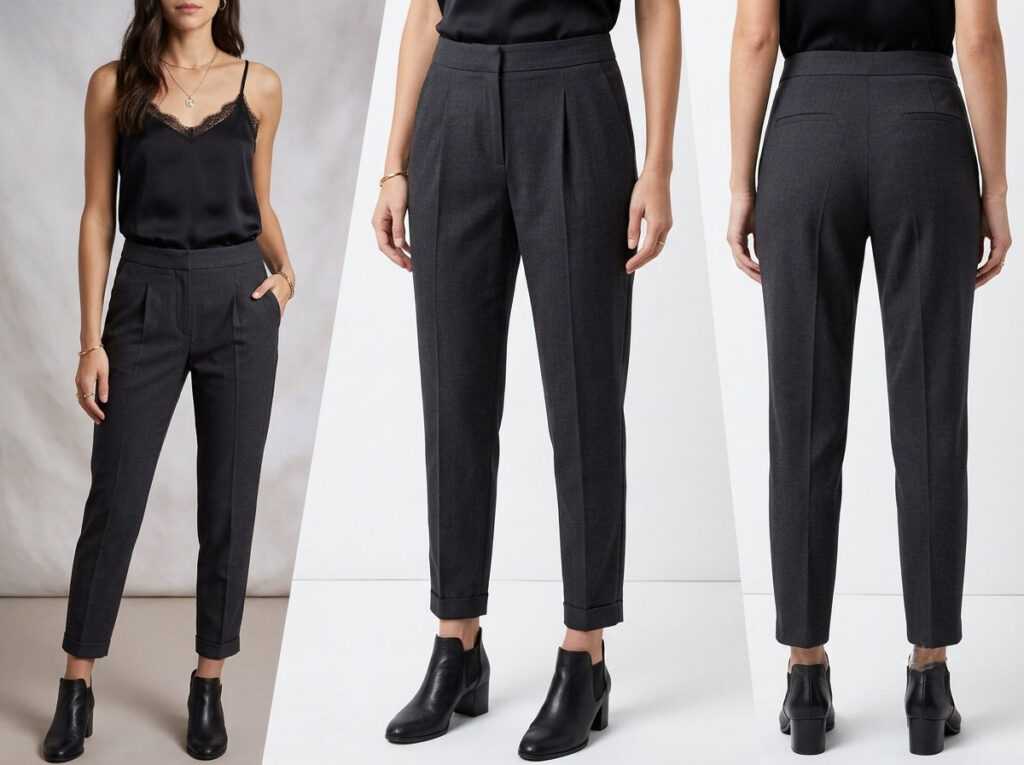
Peg pants are designed around the idea of controlled volume. They provide room through the hips and thighs while narrowing toward the ankle.
This balance creates a sophisticated silhouette suitable for professional clothing, smart casual collections, and modern fashion brands.
Peg pants are high-rise or mid-rise trousers with a relaxed upper section and a tapered ankle. They often feature pleats, darts, and structured waist details.
| Feature | Peg Pants | Tapered Pants | Carrot Pants |
| Hip Fit | Relaxed with volume | Semi-fitted | Loose with strong taper |
| Leg Shape | Gradual taper | Even taper | Dramatic volume reduction |
| Waist Style | Often belted or pleated | Various designs | Usually elastic or relaxed |
| Styling Focus | Elegant and structured | Simple and modern | Fashion-forward and experimental |
From dramatic wide-leg silhouettes to functional utility designs, the world of pants includes far more variety than traditional jeans and trousers.
Each pants style reflects different lifestyle needs, cultural influences, and fashion preferences. Whether designed for performance, comfort, workwear, travel, or self-expression, every silhouette offers unique opportunities for designers and brands.
For fashion companies, understanding different types of pants styles helps improve product development, fabric selection, customer targeting, and collection planning.
For consumers, knowing the differences between pant styles makes it easier to choose designs that match body shape, personal style, and daily activities.
The future of pants continues to evolve through innovative fabrics, sustainable materials, and hybrid designs that combine fashion with functionality.
The most popular pants styles include wide-leg pants, high waist pants, cargo pants, bootcut pants, cropped pants, track pants, and tailored trousers. These styles remain popular because they combine comfort, versatility, and modern fashion trends.
Popular women’s pants styles include palazzo pants, wide-leg pants, high waist pants, culottes, bootcut pants, and utility pants. The best choice depends on body shape, lifestyle, and styling preferences.
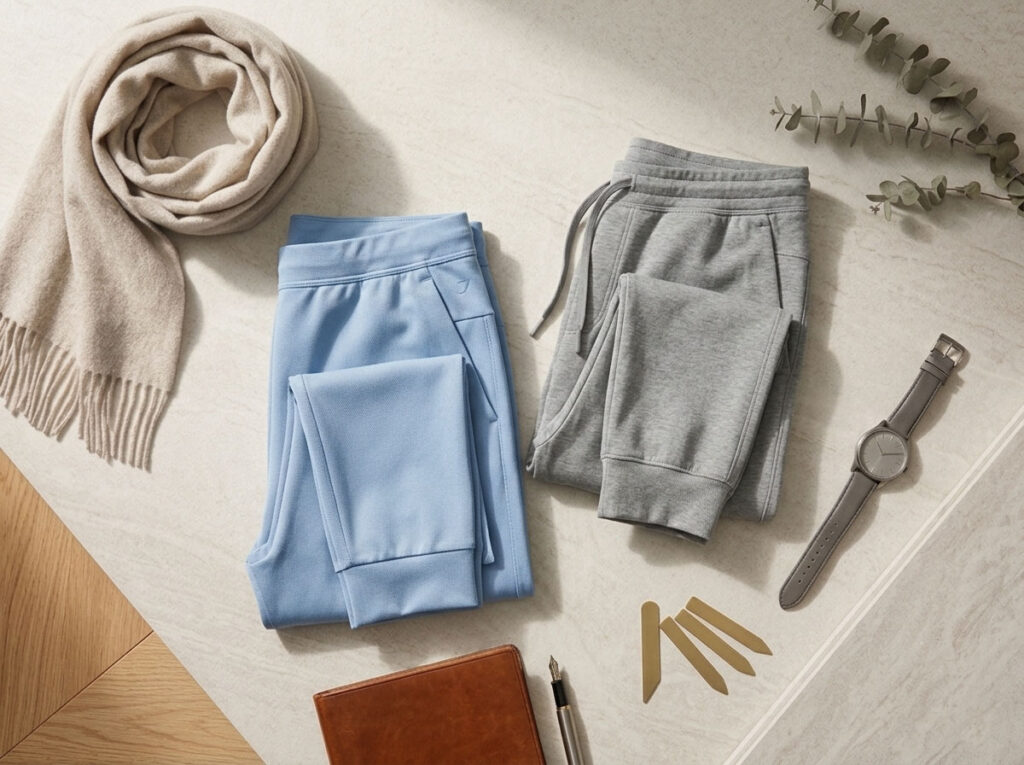
Wide-leg pants generally have a broader relaxed silhouette, while palazzo pants usually feature an extremely wide leg beginning from the waist with a softer, more flowing appearance.
Current fashion trends include wide-leg pants, utility pants, cargo styles, relaxed tailoring, high-rise silhouettes, and retro-inspired designs such as bootcut and bell bottom pants.
Different pants styles allow brands to target different customer groups, create diverse collections, improve market positioning, and respond to changing fashion trends.
If you have any questions or require a quote, please leave
us a message. Our experts will get back to you within 24 hours to help you choose the ideal fashion products tailored to your needs.
Hi, I’m Lucy Cai, the founder of liantaoapparel.com. I’ve been managing a women’s clothing factory in China for over 16 years. With extensive experience in garment production and OEM services, I’m passionate about sharing insights into women’s fashion, apparel manufacturing, and global sourcing.
If you have any questions or need a quote, please contact us.
Please add us WhatsApp:+86 189 4809 3145
Provide us with detailed information about your requirements, supply design drawings or tech packs,
reference images, and share your ideas.
We will customize the best solution based on your needs and drawings, and provide a specific quote within 24 hours.
Once we receive your confirmation and deposit,we will commence mass production and take care of the subsequent shipping arrangements.