


🏭 Looking for a Custom Apparel Manufacturer?
We are a leading OEM/ODM clothing factory with 20+ years of export experience. Custom styles, flexible MOQs, and retail-ready quality.
A 1980s outfit for ladies is often recognized by its bold colors, defined shoulders, oversized silhouettes, and expressive styling. From structured blazers and high-waisted jeans to colorful sweatshirts and athletic-inspired outfits, 1980s women’s fashion offers a wide range of design ideas for modern clothing collections.
For fashion brands, the appeal of 1980s-inspired clothing goes beyond recreating vintage looks. Classic silhouettes and design details can be adapted into contemporary T-shirts, sweatshirts, dresses, jackets, and activewear. The challenge is choosing the right fabrics, proportions, and construction details to create products that look distinctive while remaining comfortable and commercially practical.
This guide explores popular 1980s outfits for women, explains how to adapt their design features, and outlines what brands should consider when developing custom vintage-inspired clothing.
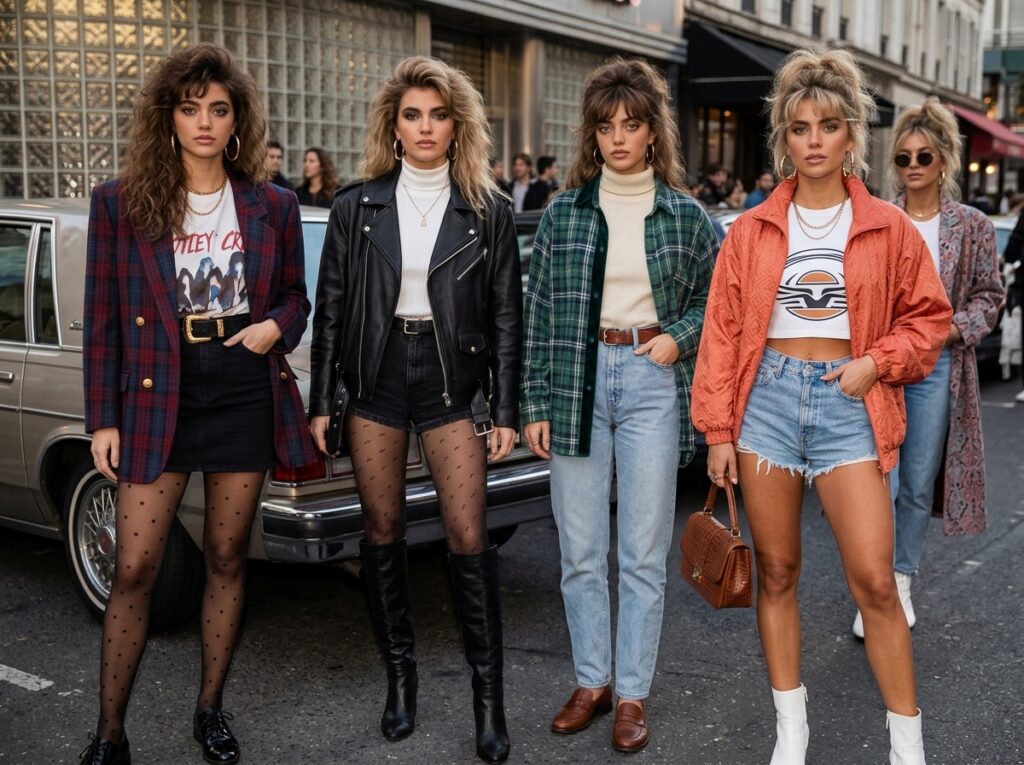
The 1980s were known for expressive fashion, noticeable silhouettes, and a mix of contrasting styles. Women’s clothing during this decade included structured workwear, casual denim, colorful sportswear, glamorous party outfits, and romantic designs.
One of the most recognizable features was the emphasis on shape. Wide shoulders, defined waists, oversized jackets, and voluminous sleeves created strong proportions. Bright colors, graphic prints, and statement accessories added visual impact.
The Fashion History Timeline’s overview of 1980s fashion provides historical context for the decade’s different styles, including power dressing and other overlapping fashion movements.
1. Strong shoulders and structured silhouettes
Shoulder pads were widely associated with women’s power dressing. They helped create a broad shoulder line, particularly in blazers, jackets, and tailored dresses. Some designs balanced the upper-body volume with a fitted waist or a defined belt.
2. Oversized and relaxed clothing
Loose sweatshirts, oversized T-shirts, denim jackets, and roomy tops were important casual styling options. These garments often used relaxed proportions to create an informal, youthful appearance.
3. Bold colors and prints
Bright colors, color blocking, geometric patterns, and graphic designs helped distinguish many 1980s-inspired outfits. Some styles used contrasting colors across sleeves, panels, or accessories.
4. Sporty and athletic influences
Leggings, tracksuits, bodysuits, and sweatshirts became recognizable parts of casual fashion. Athletic-inspired clothing was not limited to exercise; it also influenced everyday styling.
5. Statement details
Puff sleeves, ruffles, metallic finishes, wide belts, and decorative accessories added character to different outfits. The details varied depending on whether the look was professional, casual, romantic, or glamorous.
| Design Element | Classic 1980s Style | Modern Interpretation |
|---|---|---|
| Shoulder shape | Pronounced shoulder pads | More controlled shoulder structure |
| Silhouette | Oversized or strongly defined | Relaxed but proportionally balanced |
| Colors | Bright and contrasting | Bold colors mixed with neutral tones |
| Prints | Graphic and geometric | Original prints or selective retro references |
| Sportswear | Tracksuits, leggings, sweatshirts | Contemporary athleisure and casualwear |
| Details | Ruffles, metallic finishes, statement accessories | Simplified details with a vintage influence |
For modern brands, the goal does not have to be an exact reproduction of an original 1980s garment. A design can retain recognizable features while using updated materials, construction, and fit.
Key takeaway: A 1980s outfit for ladies is defined by its silhouette, color, and styling details. Understanding these elements helps brands create recognizable vintage-inspired products without simply copying old clothing.
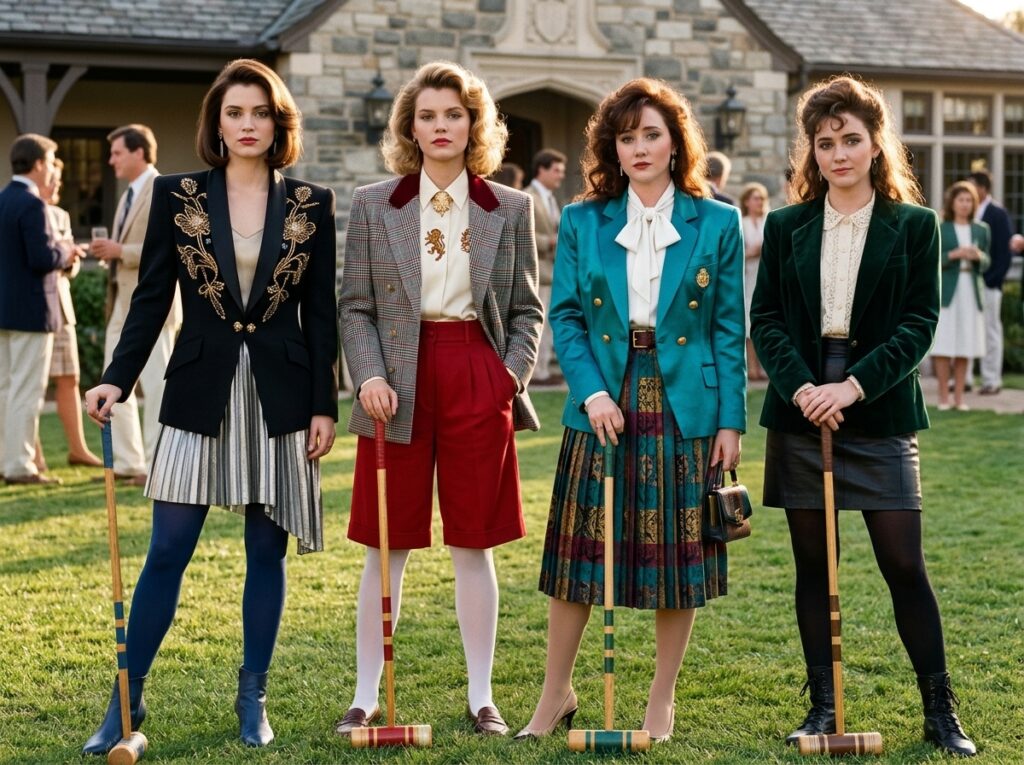
There was no single 1980s fashion style. Different looks existed alongside one another, giving modern clothing brands several directions for product development.
Power dressing is one of the most recognizable categories of 1980s women’s fashion. Typical pieces included structured blazers, tailored trousers, pencil skirts, and blouses.
The key design feature was a strong shoulder line, sometimes combined with a fitted waist. For a contemporary collection, brands can adapt this look through tailored jackets, structured dresses, and coordinated separates.
Casual outfits often combined oversized T-shirts, sweatshirts, denim jackets, leggings, and high-waisted jeans.
Graphic T-shirts and relaxed sweatshirts are especially adaptable for modern collections because their visual identity can be developed through print artwork, color combinations, and garment proportions.
Brands exploring these product categories can learn more about custom T-shirt and sweatshirt manufacturing.
Athletic-inspired outfits included tracksuits, leggings, bodysuits, and colorful sweatshirts. Some styles used contrasting panels, elastic waistbands, and fitted or cropped proportions.
For modern activewear collections, design references should be combined with appropriate fabric performance, stretch, recovery, and construction requirements.
Party looks often featured metallic finishes, sequins, bold colors, mini skirts, and statement sleeves. These garments emphasized visual impact and were often styled with prominent accessories.
For product development, brands should consider how decorative materials affect comfort, garment weight, lining requirements, and care instructions.
Another direction included puff sleeves, ruffles, floral dresses, soft blouses, and waist-defining details. These designs offered a different visual character from structured power dressing.
They can be adapted into modern dresses, blouses, and coordinated sets through updated fabric choices and more wearable proportions.
| Style | Typical Clothing Items | Key Design Features | Potential Product Category |
|---|---|---|---|
| Power dressing | Blazers, trousers, skirts | Structured shoulders, defined waist | Jackets, suits |
| Casual 80s | T-shirts, sweatshirts, denim jackets | Relaxed fit, graphic prints | T-shirts, sweatshirts |
| Athletic style | Tracksuits, leggings, bodysuits | Sporty silhouette, color blocking | Activewear |
| Party glam | Mini dresses, skirts, tops | Metallic details, bold colors | Dresses, skirts |
| Feminine style | Floral dresses, blouses | Puff sleeves, ruffles | Dresses, blouses |
Key takeaway: Brands can approach 1980s-inspired fashion through several product categories. Selecting a clear style direction helps create a more consistent collection and makes product development easier to manage.
The same 1980s design elements can create very different outfits depending on the occasion. For brands, identifying the intended use of each product helps determine its silhouette, fabric, construction, and price positioning.
A casual 80s-inspired outfit can combine an oversized graphic T-shirt with high-waisted jeans, a denim jacket, or leggings. A relaxed sweatshirt can also create a vintage-inspired look when paired with fitted bottoms.
For brands, the main product considerations include comfortable fabrics, suitable garment length, print quality, and a consistent oversized fit.
Party outfits can use metallic fabrics, sequins, bold colors, mini skirts, and statement sleeves. A bright top paired with a simpler skirt or trouser can create a recognizable retro look without making the entire outfit visually crowded.
For manufacturing, check the durability of decorative elements, the quality of stitching, and whether lining is needed.
A structured blazer with high-waisted trousers or a skirt can create a modern interpretation of 1980s power dressing.
Brands developing this category should pay attention to shoulder construction, garment balance, lining, and fit across different sizes. A structured look should not restrict normal movement.
Leggings, bodysuits, tracksuits, and sweatshirts can be combined to create athletic-inspired outfits.
Modern versions should consider fabric stretch, recovery, opacity, moisture management where relevant, and seam durability. These performance requirements should be tested rather than assumed from appearance alone.
For warmer weather, brands may focus on T-shirts, lightweight dresses, shorts, and sleeveless tops. For cooler seasons, sweatshirts, jackets, long-sleeved tops, and layered outfits provide more product options.
Key takeaway: Occasion-based design helps brands turn a broad vintage trend into practical product categories. Each outfit should be developed around its intended use, not just its appearance.
Fabric selection influences how a garment looks, feels, fits, and performs. When developing 1980s-inspired clothing, brands should choose materials according to the intended product rather than relying on the idea that one fabric represents the entire decade.
Denim is suitable for jackets, jeans, skirts, and other casual products. Different fabric weights and washing effects can create different vintage appearances.
For product development, consider fabric weight, shrinkage, color consistency, seam construction, and the intended level of structure.
Cotton and cotton-blend fabrics are common options for T-shirts, sweatshirts, and casual tops. Their suitability depends on composition, knit structure, weight, and finishing.
For oversized T-shirts and sweatshirts, fabric weight can affect how the garment hangs. Brands should evaluate the actual fabric on a sample before confirming production specifications.
Stretch materials may be suitable for leggings, bodysuits, and fitted sportswear-inspired garments.
Important considerations include stretch direction, recovery, opacity, comfort, and resistance to deformation after wear and washing. These properties depend on the fabric composition and construction.
These materials can be considered for partywear, dresses, and statement pieces. Velvet creates a different surface texture from satin, while metallic materials provide a reflective appearance.
Brands should check drape, surface durability, lining requirements, and care instructions before selecting a material for bulk production.
Common 1980s-inspired design directions include:
A modern collection does not need to use every color or print style. A consistent palette can make separate products look like part of the same range.
Key takeaway: Fabric and color decisions should reflect the garment’s purpose. Brands should confirm composition, weight, print quality, and performance requirements before approving bulk materials.
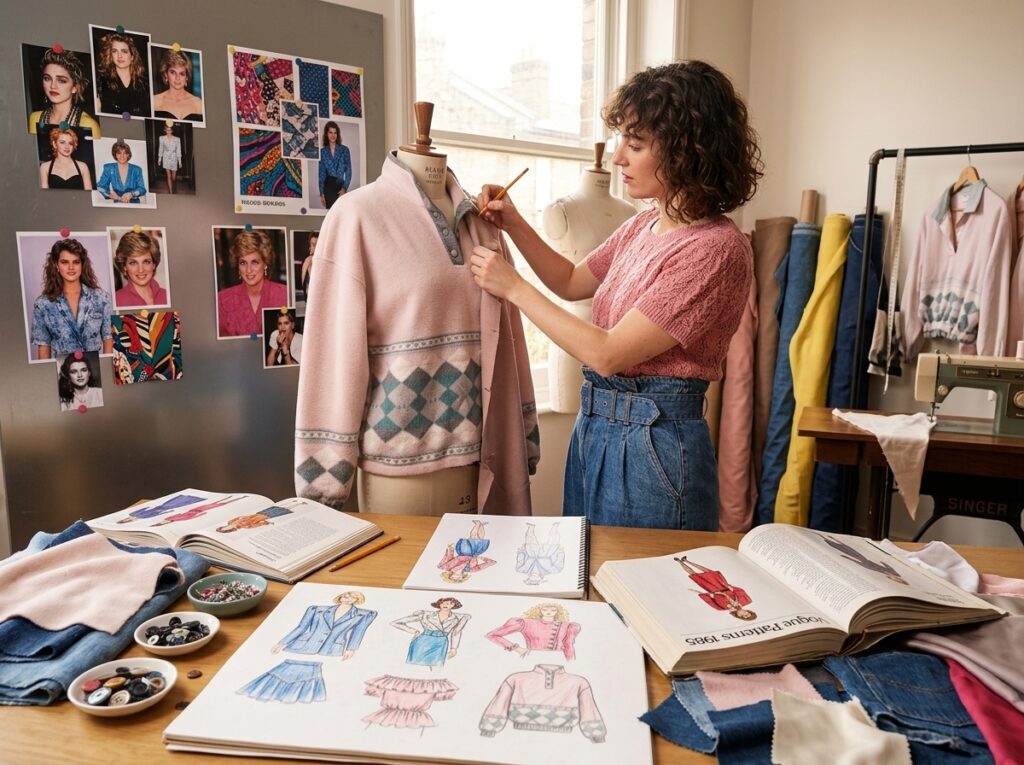
Recreating 1980s fashion does not mean reproducing every detail of an original outfit. Modern consumers may want the visual character of the decade while expecting contemporary comfort, fit, and versatility.
Shoulder pads, oversized tops, high-waisted bottoms, puff sleeves, and relaxed tracksuits can all provide a clear 1980s reference.
The important point is proportion. A structured shoulder should work with the garment’s body width and sleeve shape. An oversized sweatshirt should still have a deliberate length and fit.
Modern fabrics and construction methods can help make vintage-inspired products more practical.
For example, a fitted sportswear top may require stretch and recovery, while a structured jacket may need suitable lining and support. Fabric selection should follow the garment’s intended use.
Combining too many bold elements can make a product difficult to style. A more focused design may use one or two signature features, such as:
Sportswear offers several opportunities for 1980s-inspired collections. Brands can explore tracksuits, leggings, sweatshirts, and fitted tops with updated fabric choices and construction details.
The design should distinguish between a fashion-inspired product and performance activewear. If a garment is intended for exercise, its material and construction should meet the relevant functional requirements.
A collection can use a shared color palette, related prints, coordinated labels, and consistent silhouettes. This helps different products feel connected without making every garment identical.
Key takeaway: The strongest modern 80s-inspired designs preserve recognizable details while improving fit, comfort, and product function. A clear design direction is more effective than combining every vintage trend in one garment.
For fashion brands, custom manufacturing can turn a vintage-inspired concept into a product range with its own colors, patterns, fit, and branding.
OEM and ODM services offer different approaches depending on how much product development work the brand has already completed.
OEM is suitable for brands that already have their own designs, reference samples, or Tech Packs. The manufacturer follows the agreed specifications to develop and produce the garments.
A detailed Tech Pack may include:
ODM may suit brands that need additional product development support. Depending on the manufacturer’s services, this may involve design refinement, pattern development, material suggestions, or sample creation.
The exact scope should be confirmed before starting a project. Not every manufacturer provides the same design, material sourcing, or development services.
A 1980s-inspired clothing collection may involve several customization options:
Silhouette and pattern: Adjust shoulder shape, body length, sleeve volume, waist position, and garment proportions.
Fabric: Select denim, cotton, cotton blends, stretch materials, or decorative fabrics according to the product requirements.
Print and color: Develop custom artwork, select color combinations, and define print placement.
Construction details: Discuss shoulder support, puff sleeves, elastic waistbands, color-blocked panels, pockets, and other design features.
Private-label branding: Add approved main labels, size labels, care labels, hangtags, and packaging.
Brands interested in these services can explore Liantao Apparel’s custom clothing manufacturing services to understand its OEM/ODM and product development offerings.
A typical project can follow these stages:
Before placing a bulk order, brands should understand the custom clothing production process, including MOQ, pricing, and manufacturing stages.
| Comparison Factor | OEM | ODM |
|---|---|---|
| Design direction | Supplied by the brand | Development support may be available |
| Tech Pack | Usually supplied by the brand | May need development assistance |
| Pattern development | Based on supplied specifications | May involve manufacturer support |
| Customization | Based on confirmed requirements | Depends on available services |
| Suitable for | Brands with established designs | Brands needing product development support |
Key takeaway: OEM and ODM can support different stages of product development. A clear design brief, accurate Tech Pack, and approved sample are essential for reducing misunderstandings before bulk production.
Choosing a manufacturer requires more than comparing quotations. A suitable production partner should understand the product requirements, communicate clearly, and demonstrate that it can meet the agreed quality and delivery standards.
If you are looking for a custom vintage clothing manufacturer or a private-label clothing supplier, evaluate the following factors.
Ask whether the factory has experience with the specific garment categories you need, such as T-shirts, sweatshirts, dresses, jackets, leggings, or tracksuits.
Experience with general clothing production does not automatically prove the ability to execute every specialized construction detail. Ask for relevant samples or production evidence where available.
Confirm whether the manufacturer can source or work with your selected materials. Discuss the requirements for denim, cotton, stretch fabrics, decorative materials, printing, embroidery, and special construction details.
Ask which processes are handled in-house and which involve external suppliers.
Minimum order quantities may vary by product, color, fabric, and production method. Request a clear quotation that identifies the included materials, trims, labels, packaging, and other costs.
For brands comparing suppliers, this guide on how to find a reliable clothing manufacturer provides additional supplier evaluation considerations.
Before bulk production, agree on the approved sample and product specifications. Quality checks may cover:
A documented apparel quality control and bulk inspection process can help brands understand what to check before shipment.
Ask the factory to separate sample development, material sourcing, bulk production, and shipping estimates. The final schedule depends on design complexity, material availability, order quantity, sample revisions, and destination.
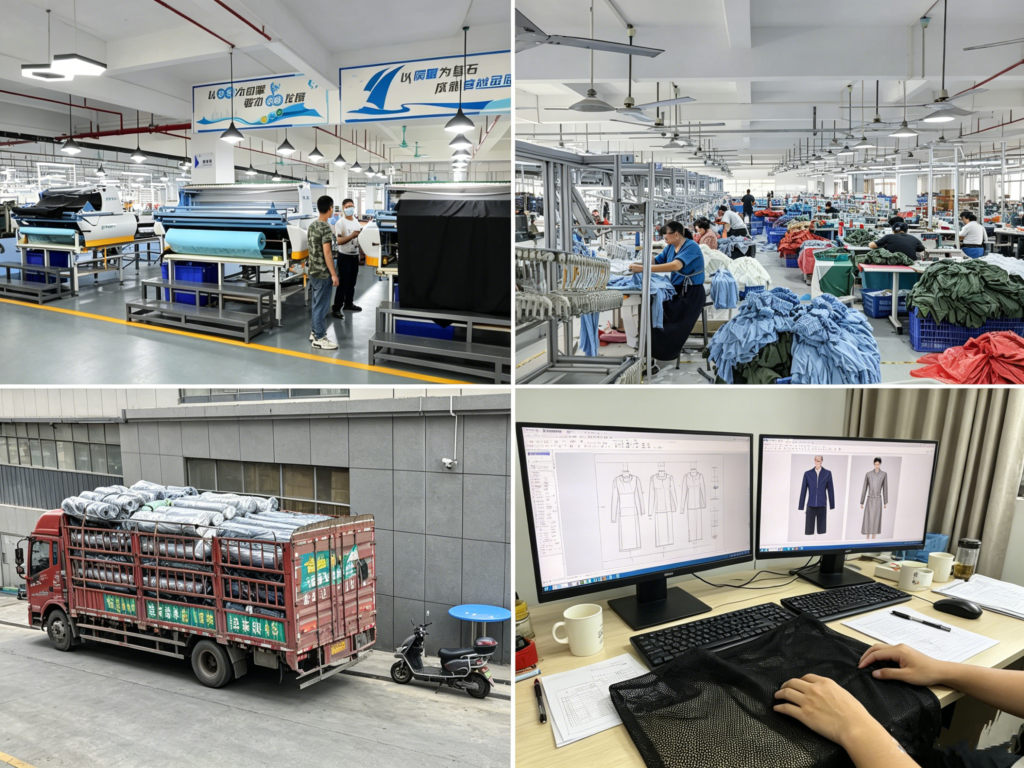
Liantao Apparel is based in Dongguan City, Guangdong Province, China. Its supplied company information states that it has 20+ years of expertise and works with 200+ skilled workers.
Its stated OEM/ODM services include pattern making, Tech Pack development, custom fabric support, and branding services. The company also provides custom labels and packaging as part of its one-stop services.
Liantao Apparel’s stated MOQ starts from 80 pieces per design/colorway. Its supplied reference timelines are approximately 7–14 days for sample development and around 15–28 days for bulk production of 80 pieces. These are reference estimates rather than guaranteed timelines for every order. Actual timing depends on product specifications, material availability, sample approval, order quantity, and shipping arrangements.
For a 1980s-inspired clothing project, brands should share their designs and confirm the required fabric, construction, printing or embroidery, size range, and branding details. The factory should assess the specific requirements before confirming whether the project is suitable for its production capabilities.
1. What are the most iconic 1980s outfits for ladies?
Commonly recognized styles include structured blazers with shoulder pads, high-waisted jeans, oversized graphic T-shirts, colorful sweatshirts, tracksuits, leggings, and statement dresses. The best choice depends on whether the intended look is professional, casual, sporty, or glamorous.
2. How can I dress like an 80s woman today?
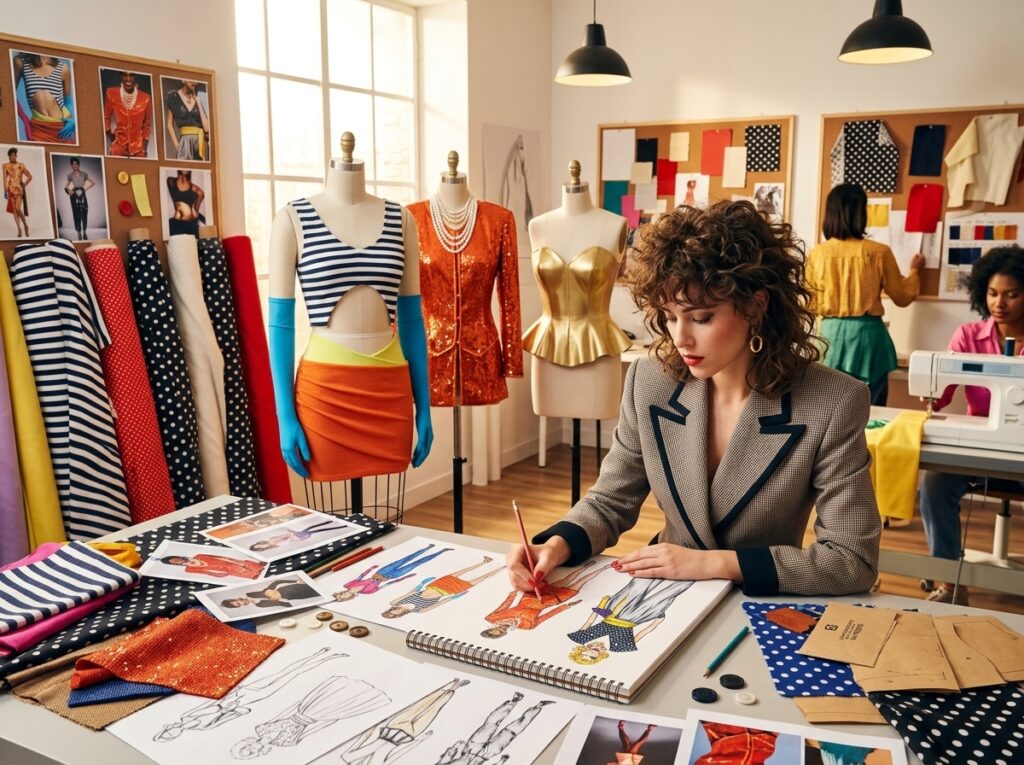
Start with one or two recognizable design elements, such as a structured blazer, an oversized sweatshirt, or high-waisted trousers. Combine them with modern basics to create a wearable vintage-inspired outfit.
3. What fabrics are best for 1980s-inspired clothing?
Cotton, denim, cotton blends, stretch fabrics, velvet, satin, and metallic materials may all be suitable for different products. Fabric selection should depend on the garment’s fit, intended use, comfort, appearance, and price target.
4. Can I manufacture custom 1980s-inspired clothing for my brand?
Yes, custom clothing development may be possible through OEM or ODM services. Brands should prepare design references, fabric requirements, measurements, and branding details, then confirm the manufacturer’s specific capabilities and sample process.
5. What should I check before ordering 1980s-inspired clothing in bulk?
Confirm the MOQ, quotation details, fabric specifications, approved sample, size chart, quality inspection requirements, production schedule, and shipping arrangements. Written specifications help ensure that the bulk order matches the approved product.
A 1980s outfit for ladies can provide inspiration for a wide range of contemporary products, from oversized T-shirts and sweatshirts to structured jackets, dresses, and athletic-inspired clothing.
For brands, successful product development starts with a clear design direction. Choose the silhouettes, fabrics, colors, and construction details that suit your target customers. Then prepare the technical specifications, review samples, and confirm production requirements before placing a bulk order.
If you are planning a vintage-inspired clothing collection, Liantao Apparel can discuss your OEM/ODM requirements, including product development, fabric support, branding, and bulk production. Share your design references and target order details to determine the next steps for your project.
If you have any questions or require a quote, please leave
us a message. Our experts will get back to you within 24 hours to help you choose the ideal fashion products tailored to your needs.
Hi, I’m Lucy Cai, the founder of liantaoapparel.com. I’ve been managing a women’s clothing factory in China for over 16 years. With extensive experience in garment production and OEM services, I’m passionate about sharing insights into women’s fashion, apparel manufacturing, and global sourcing.
If you have any questions or need a quote, please contact us.
Please add us WhatsApp:+86 189 4809 3145
Provide us with detailed information about your requirements, supply design drawings or tech packs,
reference images, and share your ideas.
We will customize the best solution based on your needs and drawings, and provide a specific quote within 24 hours.
Once we receive your confirmation and deposit,we will commence mass production and take care of the subsequent shipping arrangements.


