🏭 Looking for a Custom Apparel Manufacturer?
We are a leading OEM/ODM clothing factory with 20+ years of export experience. Custom styles, flexible MOQs, and retail-ready quality.
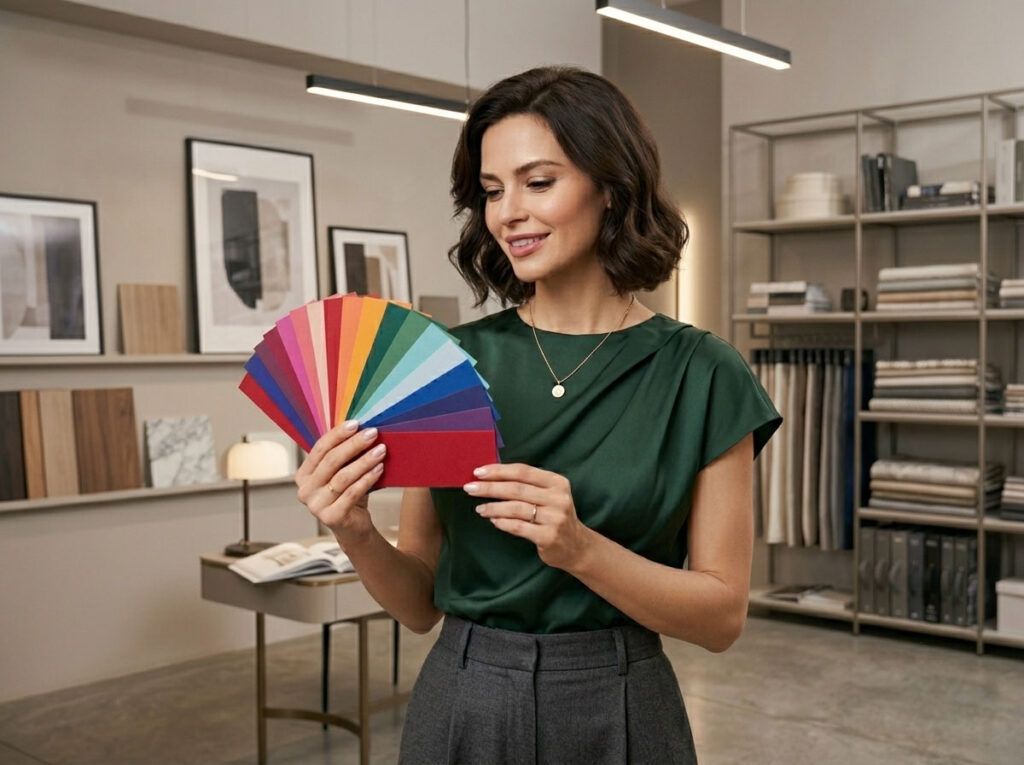
Have you ever bought a dress that looked absolutely stunning on the hanger, only to put it on and find it made you look tired, sallow, or completely washed out? You didn’t choose a bad design; you simply fell victim to poor textile physics. In my 20 years on the apparel production floor, I’ve overseen the dyeing and weaving of millions of garments, and I can tell you that fabric color is not passive—it is an active light reflector. The right dye formulation can bounce light onto your face like a professional studio softbox, while the wrong shade can amplify the shadows under your eyes and the yellow undertones in your skin. In 2026, as seasonal color analysis dominates social media, today I’m opening up my manufacturing playbook. We’re stripping away the generic style advice to look at the real science of skin undertones, fabric finishes, and exactly how to choose the dress colors that harmonize with your natural biology.
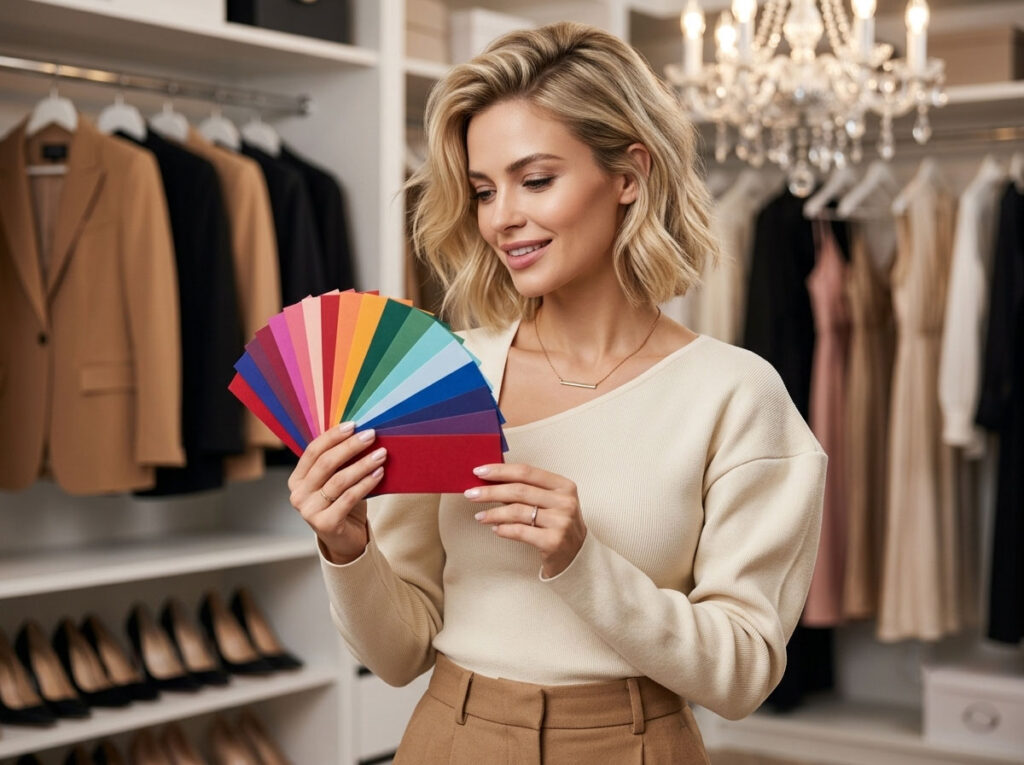
Skin undertones are usually warm, cool, or neutral. A quick way to identify yours is by checking the veins on your wrist.
Green veins often mean a warm undertone, blue or purple veins suggest a cool undertone, and a mix of both usually indicates a neutral undertone.
I always check my veins in natural daylight near a window, as indoor lighting can make colors appear misleading. I usually look at the veins on the inside of my wrist and forearm, where they are easiest to see.
Checking multiple veins in natural light gives a more accurate indication of whether your undertone is warm, cool, or neutral.
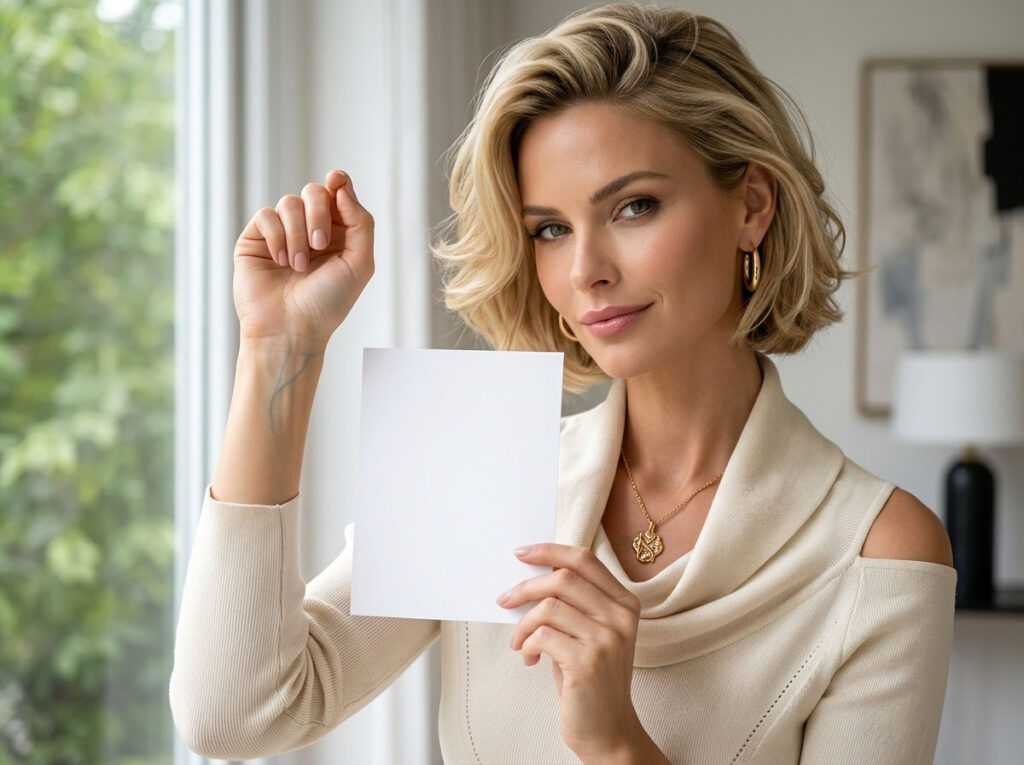
When the vein test feels unclear, I use a simple white paper test. I hold a sheet of pure white paper next to my face or chest and compare how my skin looks against it.
If my skin appears yellow or golden, I consider it a warm undertone. If it looks pink or slightly bluish, I consider it a cool undertone. If it falls somewhere in between, I classify it as a neutral undertone. This quick comparison often makes undertones much easier to identify.
Neutral undertones are not all the same. Some lean slightly warm, while others lean slightly cool.
This is why color advice can sometimes seem confusing. Two people with neutral undertones may look best in different colors depending on which direction their undertone leans.
| Quick Check | What You See | Likely Undertone | Style Tip |
| Vein Test | Veins appear green | Warm | Warm colors usually look natural and flattering. |
| Vein Test | Veins appear blue-green | Neutral | You can wear both warm and cool color palettes. |
| Vein Test | Veins appear mostly blue | Cool | Crisp, cool shades often make your complexion look brighter. |
| White Paper Test | Skin looks golden or yellow | Warm | Earth tones and sun-inspired colors are great choices. |
| White Paper Test | Skin looks pink or slightly blue | Cool | Jewel tones, icy shades, and true colors work well. |
| White Paper Test | Appearance changes with seasons | Neutral | Seasonal color selection often matters more than undertone alone. |
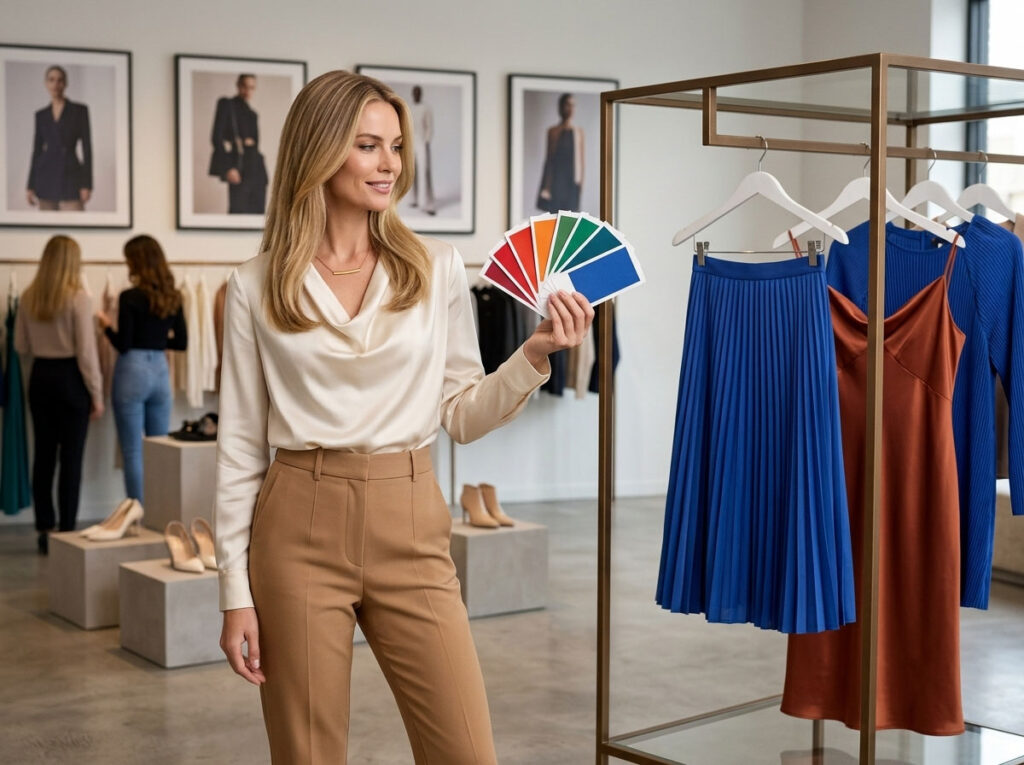
There is no single color that looks best on everyone. The most flattering dress colors depend on your skin undertone.
Warm undertones usually look best in earthy and golden shades, while cool undertones are complemented by icy blues and jewel tones. Neutral undertones can wear both warm and cool colors, making them the most versatile.
Warm undertones look best in earthy and sun-inspired colors such as olive green, mustard yellow, camel, chocolate brown, and coral. Soft white or ivory is often more flattering than bright white. For purple shades, choose warm options like orchid or plum, which contain hints of red rather than blue.
Cool undertones look best in colors such as emerald green, sapphire blue, navy, lavender, berry shades, and crisp white.
Be cautious with warm beige or nude dresses, as they can make cool-toned skin look washed out. Cooler neutrals are usually a better choice.
Neutral undertones can pair well with both warm and cool colors, making them highly versatile.For the best results, choose one color direction—warm or cool—and keep your accessories consistent for a balanced look.
Seasonal color analysis doesn’t need to be complicated. Winter colors are typically cool and high-contrast, while summer colors are softer and more muted.Spring and autumn palettes usually feature warmer, nature-inspired shades.
| Season | Characteristics | Best Dress Colors | Best For |
| Winter | Cool, high contrast | Black, white, emerald, cobalt blue | Cool undertones |
| Spring | Warm, bright | Coral, turquoise, yellow | Warm undertones |
| Summer | Cool, soft | Dusty rose, soft navy, lavender | Cool undertones |
| Autumn | Warm, rich | Olive, rust, mustard, brown | Warm undertones |
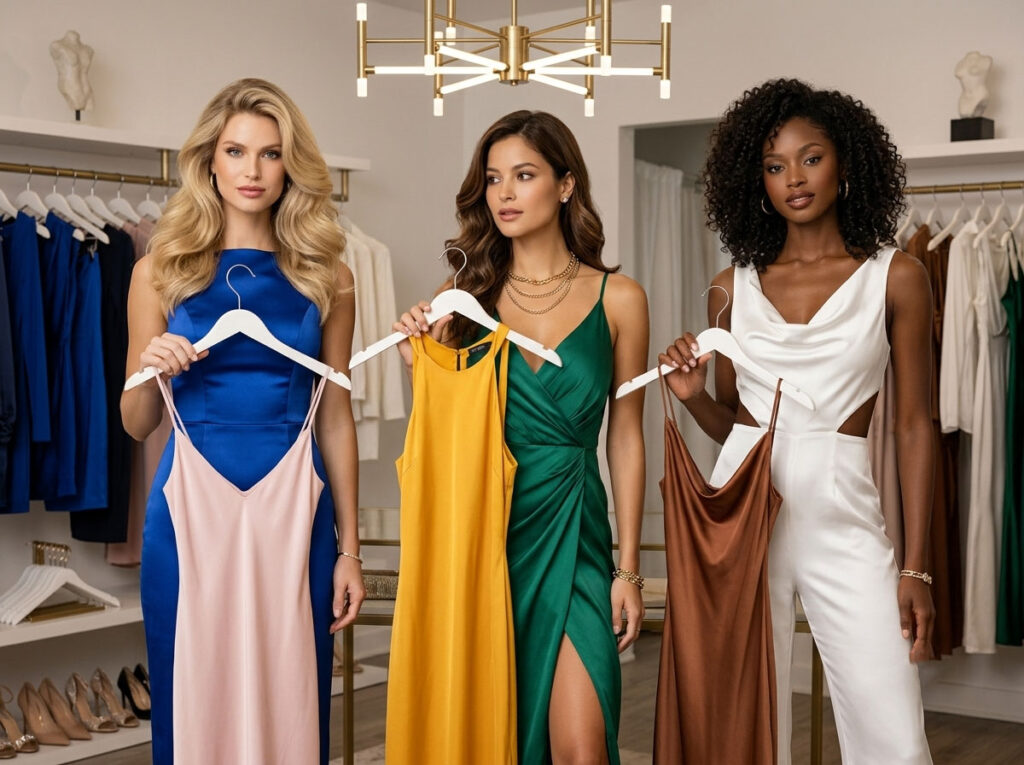
When choosing between a navy dress and a burgundy dress, I consider the occasion. Navy feels classic and polished, while burgundy feels warmer and more striking.
If you’re unsure, use color palette tools for inspiration—but always choose the color that complements your skin tone best.
The right dress color alone does not guarantee a great look. Hair color, makeup, and accessories all influence how a color appears on you.
Hair color affects contrast, makeup creates balance, and accessories complete the outfit. When they work together, even bold dress colors can look effortless and flattering.
Dress color is not just about hair color—it is also about contrast. Dark-haired people often look best in rich shades such as emerald green, navy, and deep purple.
For blondes, colors like cobalt blue, teal, berry, and true red can add more definition and prevent the complexion from looking washed out.
| Hair & Eyes | Best Dress Colors | Avoid |
| Dark Hair + Brown Eyes | Emerald, burgundy, navy | Light beige, soft pastels |
| Brown Hair + Blue Eyes | Sapphire blue, berry, cool red | Warm orange, tomato red |
| Blonde Hair + Blue Eyes | Cobalt blue, teal, crisp white | Faded nude shades |
| Red Hair + Fair Skin | Forest green, cream, warm navy | Bright pink, neon colors |
| Medium/Dark Skin + Dark Eyes | White, jewel tones, vibrant colors | Gray-beige nude tones |
The best accessories for a purple dress depend on its undertone. Cool-toned purples pair well with silver jewelry and cool-toned lipstick, while warm-toned purples work best with gold jewelry and warmer lip colors.
If you’re wearing a purple dress with black shoes, keep your makeup and accessories simple for a balanced look.
| Purple Dress Style | Lipstick Color | Jewelry | Shoe Color |
| Cool Purple (Blue-Based) | Berry, cool pink, soft mauve | Silver, platinum, white gold | Black, silver, cool nude |
| Warm Purple (Red-Based) | Rose, warm nude, soft red | Gold, champagne gold, rose gold | Gold, tan, warm nude |
| Light Purple Prom Dress | Bright pink, soft lilac | Silver or delicate pearls | Nude, silver, light gray |
| Purple Satin Dress | Soft, understated lip color | One metal tone only | Minimal strappy heels |
| Purple Party Dress | Rich berry or classic red | Statement earrings | Black or metallic |
Dress colors can look very different under different lighting. Makeup, sleeve colors, and even fabric reflections can affect how your complexion appears.
Before an important event, I always take photos in both daylight and indoor lighting. A camera often reveals details that a mirror can miss, helping you choose the most flattering look.
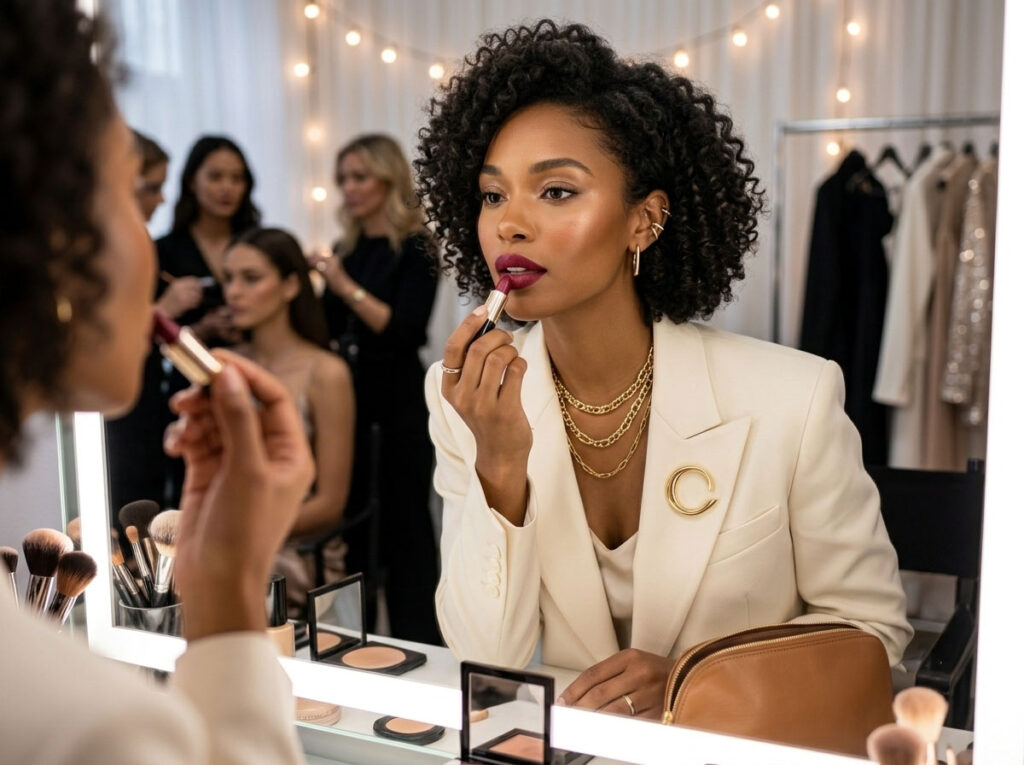
Choosing the right dress color is about more than following trends. I focus on undertone, contrast, and lighting to find colors that truly complement the wearer. When your dress, hair, makeup, and accessories work together, the right color becomes obvious. The entire look feels polished, balanced, and effortless.
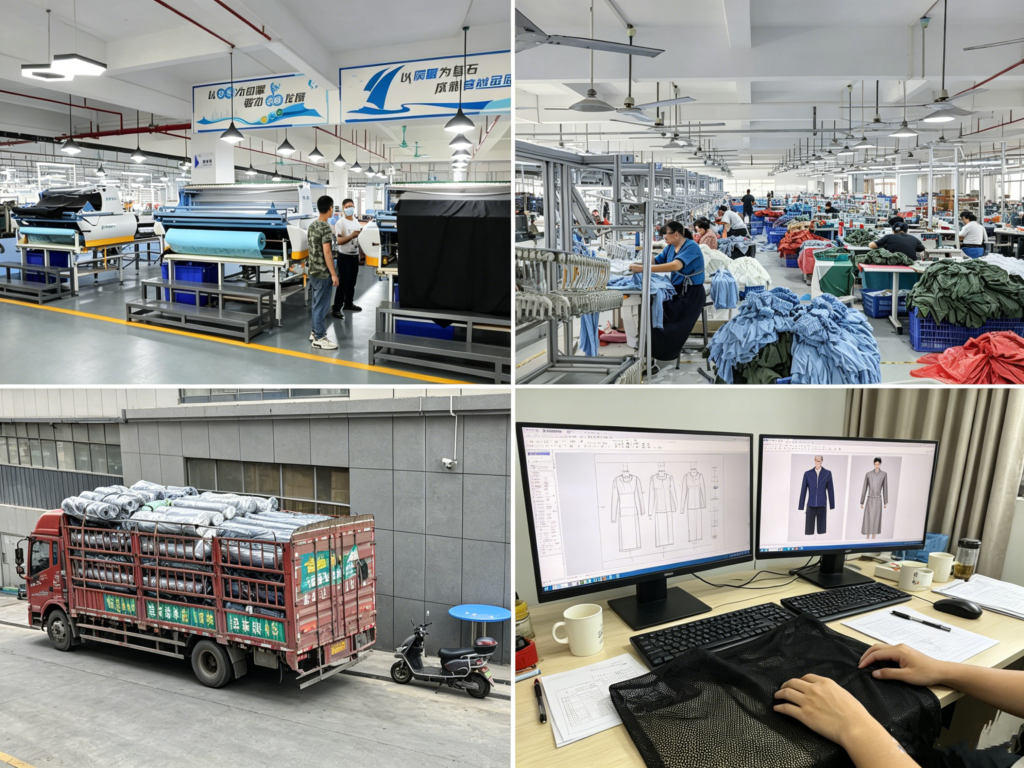
At Liantao Apparel, we help fashion brands develop dress collections with colors that complement different skin tones and market preferences. Whether you are creating a new design or looking to customize an existing bestseller, our team can recommend fabrics, color options, and finishing details that align with your target customers.
We offer both sample development and bulk production services, allowing brands to test colors, fit, and market demand before scaling up. From trend-driven fashion dresses to proven best-selling styles, Liantao Apparel helps turn your ideas into high-quality products ready for the market.
If you have any questions or require a quote, please leave
us a message. Our experts will get back to you within 24 hours to help you choose the ideal fashion products tailored to your needs.
Hi, I’m Lucy Cai, the founder of liantaoapparel.com. I’ve been managing a women’s clothing factory in China for over 16 years. With extensive experience in garment production and OEM services, I’m passionate about sharing insights into women’s fashion, apparel manufacturing, and global sourcing.
If you have any questions or need a quote, please contact us.
Please add us WhatsApp:+86 189 4809 3145
Provide us with detailed information about your requirements, supply design drawings or tech packs,
reference images, and share your ideas.
We will customize the best solution based on your needs and drawings, and provide a specific quote within 24 hours.
Once we receive your confirmation and deposit,we will commence mass production and take care of the subsequent shipping arrangements.