🏭 Looking for a Custom Apparel Manufacturer?
We are a leading OEM/ODM clothing factory with 20+ years of export experience. Custom styles, flexible MOQs, and retail-ready quality.
If you walk into a Zara store in New York or Los Angeles in 2026, you might look at a $120 tailored blazer and wonder: Since when did fast fashion get this expensive? In the US market, Zara occupies a strange psychological middle ground—it’s marketed as an elevated, runway-inspired label, yet it’s built on a mass-production clock. In my 20 years of managing garment production lines, I’ve analyzed their supply chain and handled their fabrics, and I can tell you that the ‘cheapness’ of Zara isn’t always found on the price tag; it’s hidden in the polyester blends, the unlined interiors, and the high-speed stitching [cite: The user’s Google activity does not fully represent the user. The user contains multitudes, and this summary is an incomplete and imperfect representation., The user has 20 years of professional experience in foreign trade clothing production and export.]. Today, I’m stripping away the moody store lighting and high-fashion photography to give you an honest manufacturer’s audit of Zara USA. We’ll look at why Americans pay a premium for European budget style, and whether their clothes are actually worth your hard-earned dollars.
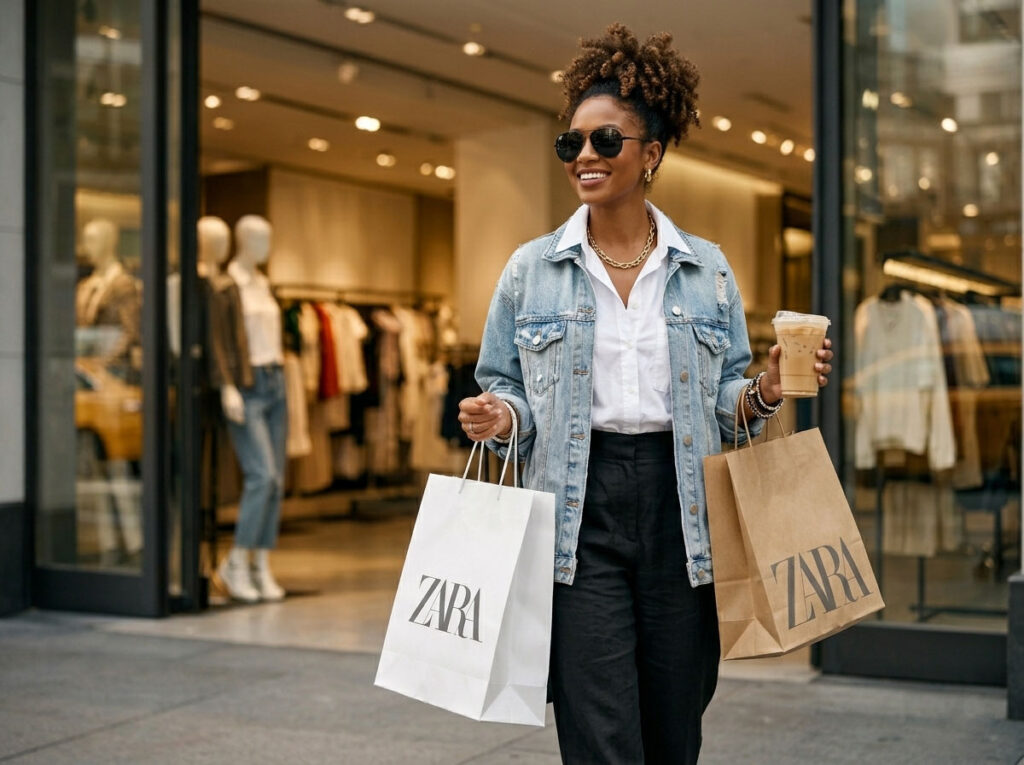
When Americans describe a brand as “cheap,” they are not always talking about the price. It can also mean poor quality or a lower-end image.If a garment starts pilling, losing its shape, or coming apart after only a few wears, many people will call it “cheap.”
However, Zara is a bit different. Its prices are not always low, and quality can vary from one product to another. Some items offer good fabrics and construction, while others focus more on delivering the latest fashion trends quickly.As a result, whether Zara is considered “cheap” often depends on the specific item purchased and the customer’s experience with it.
When evaluating a brand, I usually separate the word “cheap” into four different categories. A low price does not automatically mean poor quality, and quality issues do not necessarily make a brand look low-end. In Zara’s case, these concepts should be viewed separately.
| Category | What It Means | How Zara Performs |
| 💰 Affordable Pricing | Retail prices, discounts, and promotions | Accessible entry-level pricing with frequent seasonal sales and promotional offers |
| 🧵 Cheap Feel | Fabric quality, construction, and durability | Performance varies by collection; some items may develop pilling, fading, or seam distortion over time |
| 🏬 Brand Image | Store design, merchandising, and packaging | Modern and fashion-forward presentation that feels closer to premium fast fashion than a discount retailer |
| 🔄 Quality Consistency | Sizing accuracy, quality control, and return experience | Convenient return policy, but quality and sizing consistency can vary across styles and production batches |
Many people see Zara as a “fast fashion” brand, but I see it more as a “fast-response” brand.Zara’s biggest advantage is not simply selling clothes at very low prices. It is the ability to quickly capture fashion trends and bring new designs to stores in a very short time. Frequent new arrivals, fast trend adjustments, and shorter product lifecycles all require a highly efficient supply chain.
But speed comes with a cost. Unlike traditional fashion brands that rely on large-scale production, Zara often produces smaller batches to reduce inventory risks and keep products feeling fresh. While this allows customers to access the latest trends faster, it also increases the cost per item.
People judge brands by the overall experience. The same Zara can feel different depending on the store location.
A Zara in a fashion district may feel more premium, while a smaller mall store may feel more ordinary. Even if the fabric is simple, a good store design and shopping atmosphere can change how customers see the brand.
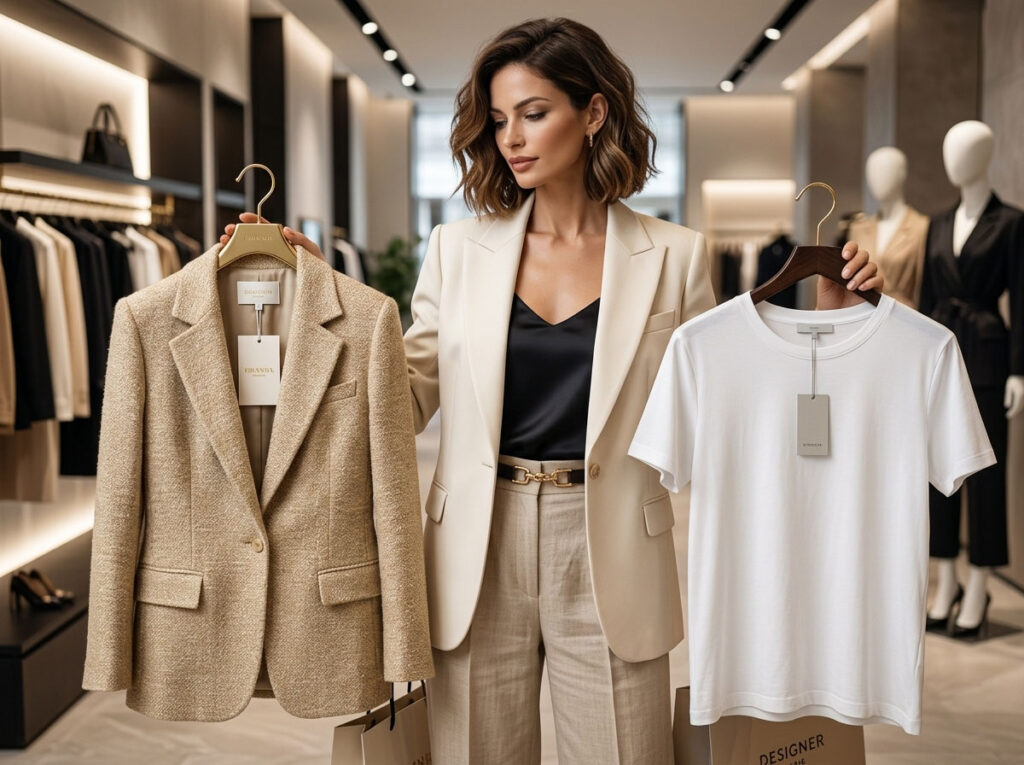
Price comparisons often create debates because many people are not actually comparing the same type of products. For example, comparing a Zara blazer with an H&M basic T-shirt does not give a meaningful result.
In the U.S. market, Zara is generally positioned above H&M. Its basic pieces may cost more, but they often offer stronger design and trend appeal. Compared with Mango, Zara’s price range is quite similar, while its workwear pieces are usually more affordable than Banana Republic. During sales, Zara can become a great deal, but not every item is considered “cheap.”
A quick way to understand these brands is not by their names, but by what they are trying to offer customers.
Zara sells “trends + shopping experience.”
It attracts customers with fast-changing styles, frequent new arrivals, and the excitement of discovering the latest fashion.
H&M sells “convenience + basics + variety.”
It focuses on easy shopping, affordable prices, and a wide range of everyday styles.
Banana Republic sells “office style + quality perception.”
It focuses more on workwear, tailoring, and fabric details, with a more mature and polished image.
Mango is somewhat similar to Zara.
Both follow fashion trends, but Mango usually feels more classic, minimal, and elegant.
| Product Category | Common Shopper Comparison | Real Observation in the U.S. Market |
| Basic T-shirts | “Which brand offers the better white T-shirt?” | H&M is usually cheaper. Zara often stands out more in design and fit, but the fabric quality is not always better. |
| Denim | “Which jeans are more worth buying?” | Zara is usually in the mid-price range. Its advantage is more about cuts, silhouettes, and washes, which can vary by season. |
| Dresses | “Are Zara’s occasion dresses worth it?” | Zara focuses heavily on design and trends, but quality depends on details like lining, fabric, and stitching. |
| Outerwear | “Is a jacket worth paying more for?” | Zara outerwear may seem expensive, but strong design, fit, and construction can create better value. |
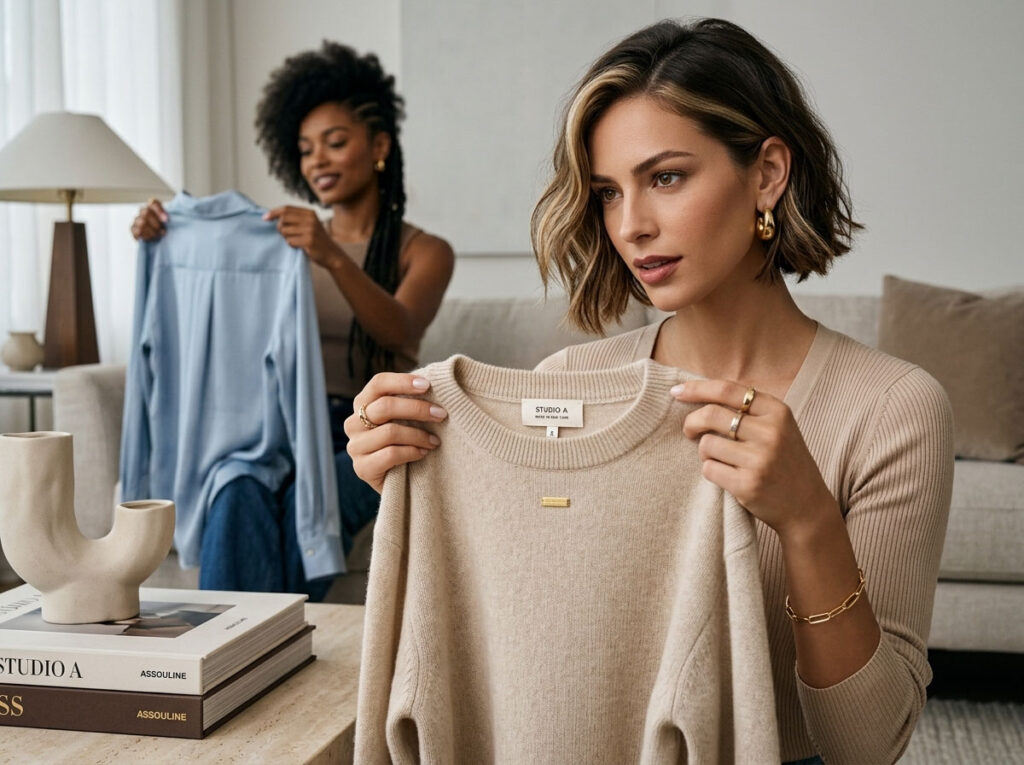
Many people search for “Zara U.S. sales” because discounts can change how they view the brand’s pricing. During sales, customers may think, “Zara is actually very affordable,” but when new collections arrive, they may wonder, “Why is Zara so expensive?”
That’s why it is important to separate two ideas: “Zara is a great deal during sales” and “Zara is a low-price brand.” Usually, only the first statement is true. Zara is not positioned as the cheapest option — it attracts customers through design, trends, and well-timed promotions.
Many people ask, “Is Zara cheaper in Spain?” or compare Zara prices in the UK and the U.S. Price differences between regions can come from taxes, exchange rates, shipping costs, and local promotions.
Zara may seem more affordable when shopping in Europe, but travel shopping comparisons do not fully represent Zara’s position in the U.S. market.In the U.S., Zara is still considered an affordable fashion brand — it is not the cheapest option, but it offers trend-focused designs and fast updates at a reasonable price.
Clothing quality is often debated because one disappointing purchase can change a customer’s opinion of a brand.I usually judge Zara’s quality based on three factors: fabric, construction, and consistency.
Zara’s strength is its design and fit. Many pieces follow current trends well, but quality can vary between products. A well-made item does not always mean the next one will have the same quality.
Since I work in clothing manufacturing and wholesale, I don’t judge quality only by touch. I focus on details like fabric, stitching, fit, and durability.These simple checks can be used by any buyer.
My expectations are realistic: Zara is a fast fashion brand, so I don’t expect it to last for years. I expect it to last a season, look good, and have fewer issues than ultra-low-price brands. Zara’s value comes from a balance of design, trends, and quality.
| Check Point | What I Do | What Usually Feels “Cheap” |
| Fabric | Rub the fabric, stretch it slightly, and check the thickness and elasticity | Rough texture, too thin, or unexpectedly see-through |
| Seams | Pull the seams gently and check stitch quality | Loose threads, uneven stitching, or wavy seams |
| Hardware | Check zippers, buttons, and snaps | Zippers that get stuck or buttons that loosen easily |
| Lining | Check whether the garment has lining where needed | Dresses or jackets that need structure but lack proper lining |
| Care Label | Compare the fabric with the recommended washing instructions | Delicate fabrics that require unnecessarily complicated care |
Many people search for “Zara U.S. sales” because discounts can change how they feel about the price.
During sales, customers may think, “Zara is actually very affordable.”
But when new collections arrive, they may think, “Why is Zara so expensive?”
That’s why it is important to separate these two ideas:
“Zara is a great deal during sales.”
“Zara is a low-price brand.”
Many people ask, “Is Zara cheaper in Spain?” or compare Zara prices between different countries. However, price differences can come from taxes, exchange rates, shipping costs, and local promotions.
Zara may seem cheaper in Europe, but that does not define its position in the U.S. market. In the U.S., Zara is still an affordable fashion brand — not the cheapest, but offering trendy designs and fast fashion updates at a reasonable price.
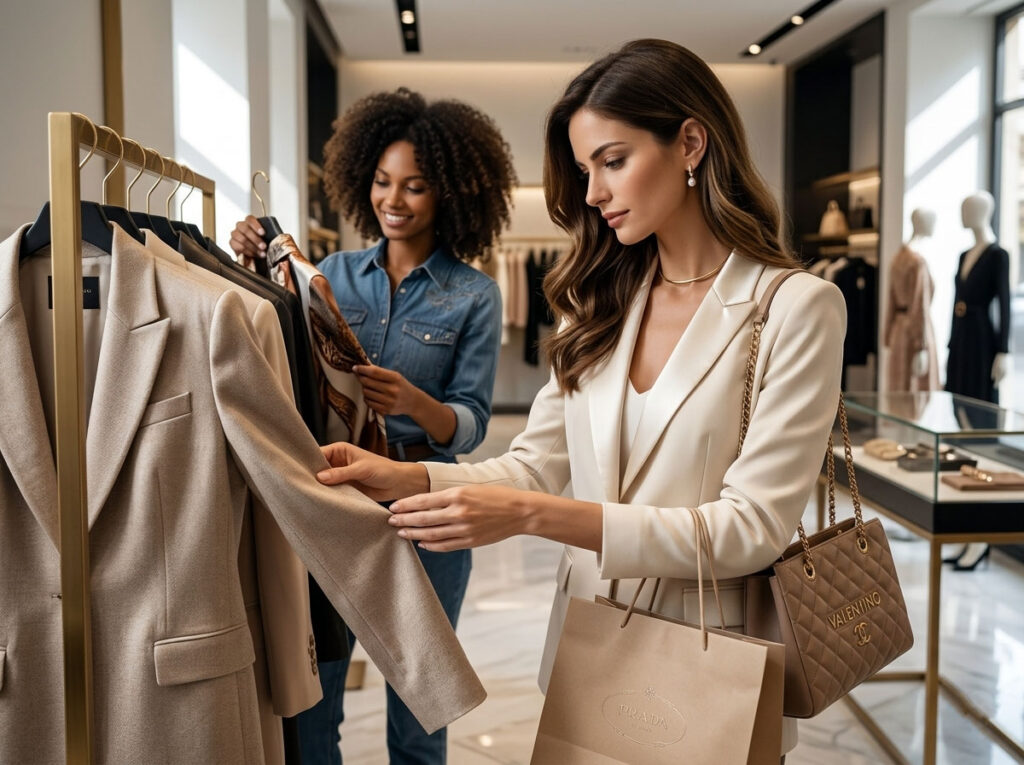
Clothing quality can strongly affect how customers view a brand. One bad experience can reduce trust.
I mainly evaluate Zara’s quality based on three factors: fabric, construction, and consistency. Zara’s strength is its design and fit, but quality can vary between different products. A well-made item does not mean every piece will have the same level of quality.
Since I work in clothing manufacturing and wholesale, I don’t judge a garment only by its first impression or touch. I focus more on practical details, such as fabric performance, stitching quality, fit, and how well it holds up after wearing.
These simple checking methods can be used by any buyer. My expectations are also realistic: Zara is a fast fashion brand, so I don’t expect it to “last forever.” What matters to me is that the garment can comfortably last a season, maintain its appearance, and have fewer quality issues than ultra-low-price brands.
| Check Point | What I Do | Signs of a “Cheap” Feel |
| Fabric Quality | Rub the fabric, stretch it slightly, and check the thickness, elasticity, and feel | Rough texture, too thin, or unexpectedly see-through |
| Sewing Quality | Gently pull the seams and check whether the stitches are even and secure | Loose threads, uneven stitches, or wavy seams |
| Zippers & Hardware | Check zippers, buttons, and snaps for smooth operation | Stuck zippers, loose buttons, or easily damaged parts |
| Lining Design | Check whether areas that need structure have proper lining | Dresses or jackets that need shape but lack lining |
| Care Label | Compare the fabric characteristics with the washing instructions | Delicate fabrics with unreasonable or overly complicated care requirements |
Many people ask, “Is Zara a good brand?” or “Is Zara’s quality good?” The answer depends on what you are buying.
If you want trendy pieces for short-term wear, Zara is usually a good choice because its strengths are design and current trends.But for long-lasting basics, uniforms, or office wear that needs consistent quality, other brands may be a better option.
So when someone says, “Zara is cheap,” I would ask:“Are you buying a fashion piece or a basic item?”Zara is better at creating stylish, trend-focused pieces, while basics are easier to compare by price and quality.
When shopping, many people search for terms like “Zara U.S. website” or “Zara United States site,” but search results may lead to unofficial pages. If customers buy from unfamiliar websites and experience problems, they may blame Zara for issues that are not actually caused by the brand.
My advice is simple: shop through Zara’s official channels or use a trusted official app. When I talk with buyers, I usually summarize it this way: Zara is not a luxury brand, and it is not the cheapest brand. It is a fast fashion brand with stronger design appeal.
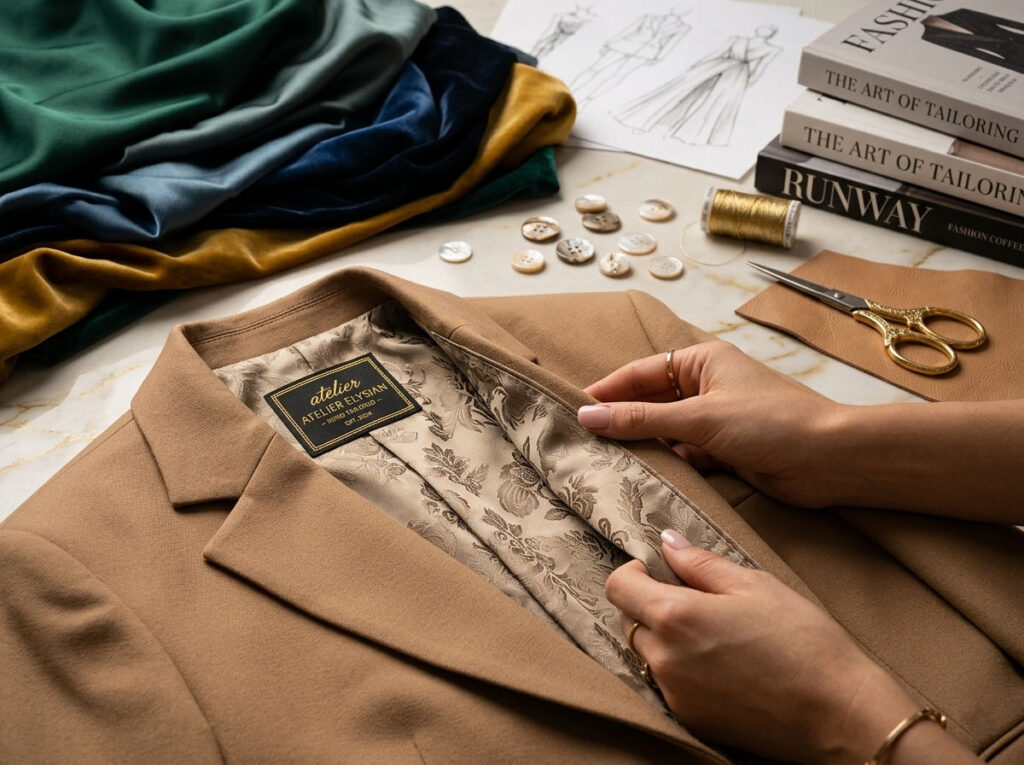
In the U.S. market, I would describe Zara as an affordable fashion brand, rather than a truly “cheap” brand. Its value comes from design, trend updates, and the overall shopping experience — not simply from offering the lowest prices. Zara may feel “cheap” only when product quality is inconsistent or when customers compare it with brands that have completely different positioning.
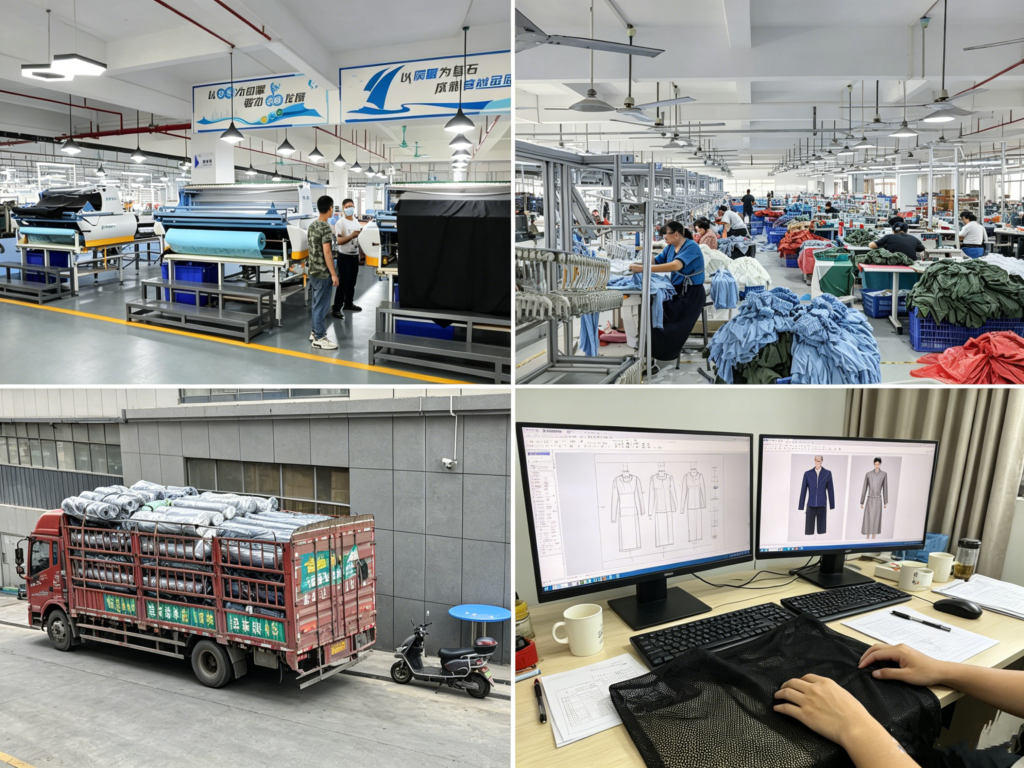
In today’s fast-changing fashion market, brands like Zara succeed by responding quickly to trends and launching new styles efficiently. As an experienced apparel manufacturer, Liantao Apparel helps fashion brands achieve this through OEM and ODM services, including sample development, fabric sourcing, pattern making, and bulk production. Our flexible production system helps brands test new ideas, reduce risks, and bring products to market faster.
Beyond manufacturing, Liantao Apparel focuses on quality control and long-term partnerships. From fabric inspection to final product checks, we help brands maintain consistent quality while optimizing costs. Whether creating trendy fashion, casual wear, or activewear, Liantao Apparel supports brands with reliable production solutions to stay competitive in the global market.
If you have any questions or require a quote, please leave
us a message. Our experts will get back to you within 24 hours to help you choose the ideal fashion products tailored to your needs.
Hi, I’m Lucy Cai, the founder of liantaoapparel.com. I’ve been managing a women’s clothing factory in China for over 16 years. With extensive experience in garment production and OEM services, I’m passionate about sharing insights into women’s fashion, apparel manufacturing, and global sourcing.
If you have any questions or need a quote, please contact us.
Please add us WhatsApp:+86 189 4809 3145
Provide us with detailed information about your requirements, supply design drawings or tech packs,
reference images, and share your ideas.
We will customize the best solution based on your needs and drawings, and provide a specific quote within 24 hours.
Once we receive your confirmation and deposit,we will commence mass production and take care of the subsequent shipping arrangements.