🏭 Looking for a Custom Apparel Manufacturer?
We are a leading OEM/ODM clothing factory with 20+ years of export experience. Custom styles, flexible MOQs, and retail-ready quality.
Joggers have evolved far beyond traditional gym wear. Today, they are essential products across activewear, athleisure, streetwear, loungewear, travelwear, and casual fashion. For consumers, the large number of available silhouettes can make choosing the right pair confusing. For clothing brands, understanding these differences is essential for building a product line that matches a specific customer, activity, and price point.
There are many types of joggers, from performance-focused running and training styles to relaxed lounge, fashion, streetwear, and everyday silhouettes. Differences in fit, inseam, waistband, ankle finish, fabric, pocket construction, and intended use can completely change the function and appearance of a jogger.
For apparel brands and B2B buyers, these distinctions also affect pattern development, fabric consumption, manufacturing requirements, quality control, sizing, and product positioning.
At Liantao, jogger development starts with the intended end use. The fabric, pattern, trims, construction, and production process should all support the product’s target market.
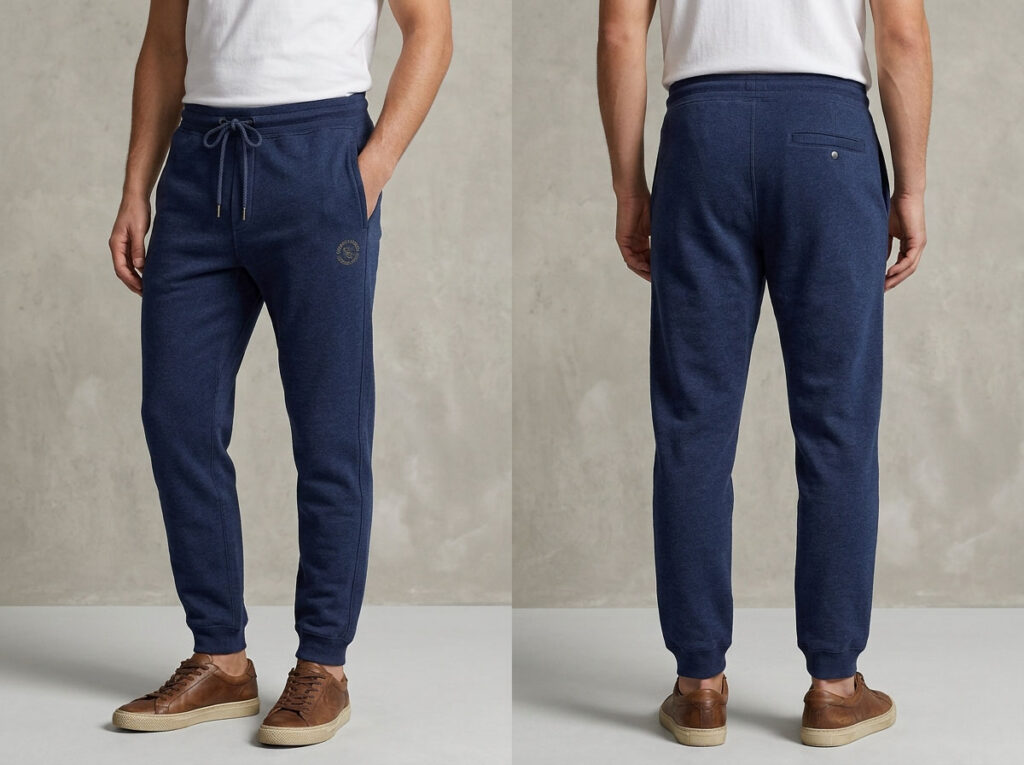
Running joggers are designed specifically for movement, moisture management, and lightweight comfort. Compared with traditional sweatpants, they typically use more technical fabrics, a tapered silhouette, and performance-oriented construction.
A good running jogger allows the wearer to move efficiently while minimizing unnecessary fabric movement. This makes the style suitable for outdoor running, treadmill sessions, warm-ups, and performance-oriented athleisure.
| Feature | Performance Benefit |
|---|---|
| Tapered Fit | Reduces excess fabric around the legs and supports efficient movement |
| Stretch Fabric | Allows a wider range of motion during running and drills |
| Moisture-Wicking Finish | Helps move moisture away from the skin for greater comfort |
| Breathable Panels | Improve airflow in warmer or high-sweat zones |
| Zippered Pockets | Help keep keys, cards, and small items secure while moving |
| Reflective Details | Improve visibility during low-light outdoor activities |
Some performance running joggers also use ankle zippers, articulated seams, or gusset construction. These details should be selected according to the intended activity rather than added simply for appearance.
Performance running joggers commonly use:
For brands, running joggers can occupy several strategic positions:
A well-developed running jogger can therefore serve more than one market when the fabric and features are selected carefully.
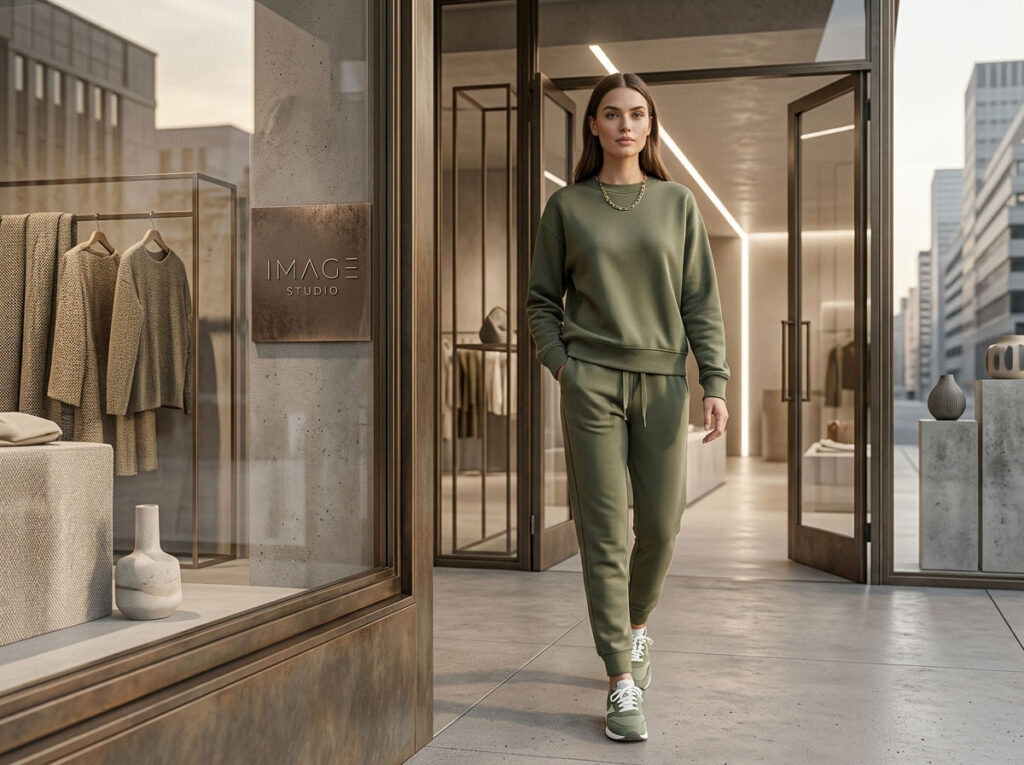
Training joggers are designed for a wider range of gym and fitness activities, including strength training, HIIT, functional training, mobility exercises, and cross-training.
Unlike running joggers, which prioritize lightweight movement and ventilation, training joggers must often handle greater mechanical stress and a wider range of body positions.
| Feature | Function |
|---|---|
| 4-Way Stretch | Supports squats, lunges, jumps, and compound movements |
| Reinforced Stitching | Improves durability in high-stress areas |
| Gusseted Crotch | Adds mobility and reduces seam tension |
| Sweat-Wicking Fabric | Helps manage moisture during high-intensity exercise |
| Minimal Bulk | Reduces interference during training movements |
| Elastic or Tapered Ankle | Keeps excess fabric away from equipment and feet |
The right training jogger balances mobility with durability. A fabric that stretches well but lacks recovery may become baggy at the knees, while an extremely rigid fabric may restrict movement.
Common fabric choices include:
Training joggers are particularly relevant to:
Training joggers offer several commercial opportunities:
For manufacturers, the key is to align performance claims with measurable fabric and construction specifications.
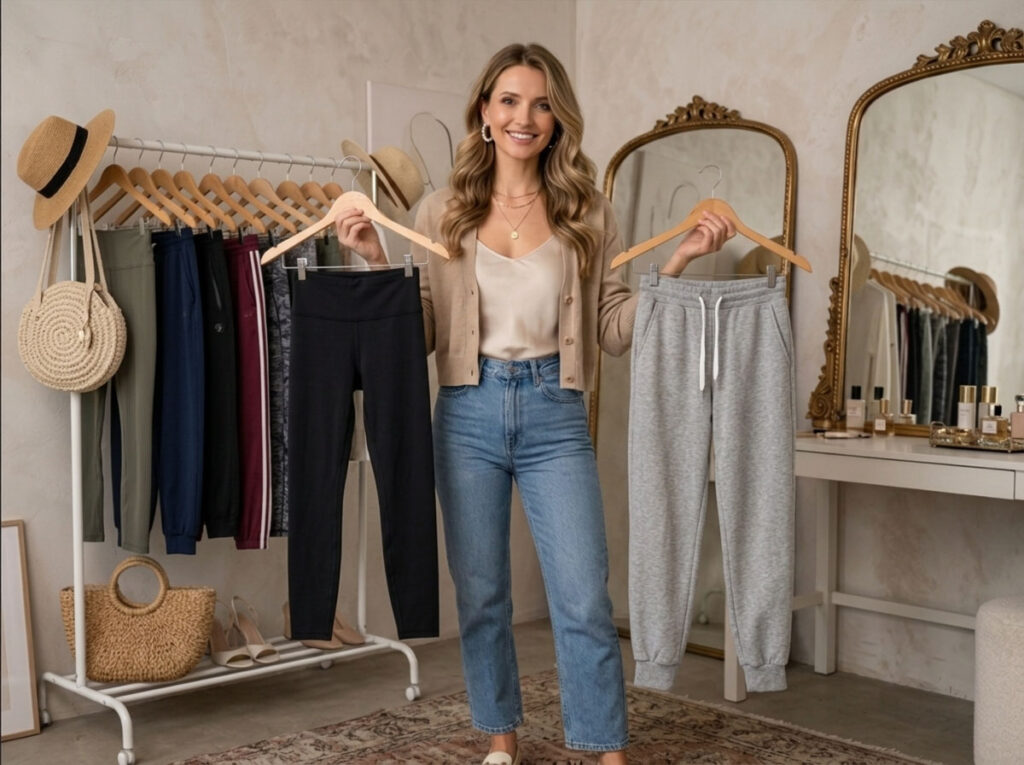
Yoga joggers are designed for flexibility, comfort, breathability, and unrestricted movement. They occupy a middle ground between traditional sweatpants and close-fitting yoga leggings.
The best versions use soft, flexible fabrics and construction details that avoid unnecessary pressure around the waist, thighs, and ankles.
| Feature | Function |
|---|---|
| High-Stretch Fabric | Supports deep stretches and full-range movement |
| Loose-to-Tapered Fit | Provides room through the hips while controlling the ankle |
| Wide Waistband | Improves comfort during sitting, bending, and inverted positions |
| Flatlock Seams | Helps reduce rubbing and skin irritation |
| Breathable Fabrication | Supports comfort during longer sessions |
Bulky zippers, rigid trims, and oversized pockets are generally less suitable for yoga-focused designs because they can interfere with movement.
Yoga joggers may use:
Yoga joggers can appeal to:
From a B2B perspective, yoga joggers offer:
For brands positioned around wellness and natural movement, yoga joggers can become an important crossover product.
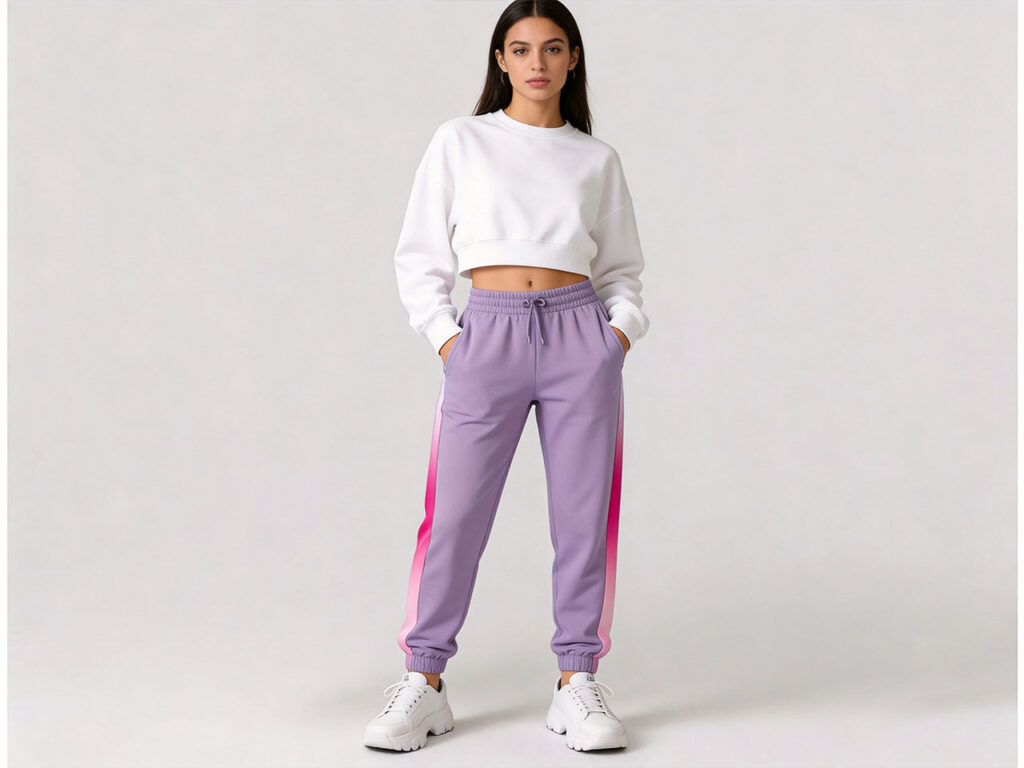
Casual joggers are designed primarily for everyday comfort rather than technical training. They commonly use cotton, fleece, French terry, or other soft fabrics and usually feature straightforward construction.
The silhouette can be tapered or relaxed, but performance details are generally less important than softness, durability, and easy styling.
| Feature | Function |
|---|---|
| Tapered Leg | Creates a cleaner silhouette without requiring a tight fit |
| Ribbed or Elastic Cuff | Keeps the hem in place and adds structure |
| Adjustable Waistband | Allows the wearer to personalize the fit |
| Soft Fabrics | Improves comfort during extended everyday wear |
| Minimal Branding | Supports a clean lifestyle aesthetic |
Compared with running and training joggers, casual joggers generally prioritize fabric hand feel and ease of wear rather than specialized performance technology.
Common materials include:
Casual joggers are particularly useful for:
They also work naturally in unisex and inclusive-size product lines.
For brands and buyers, casual joggers can provide:
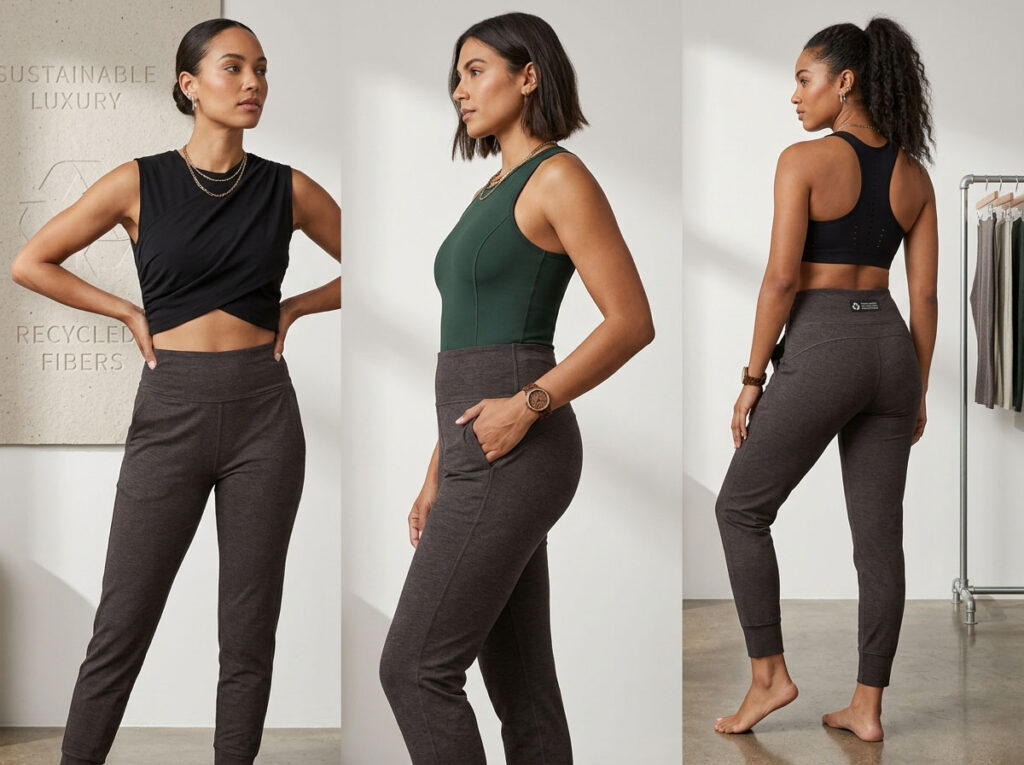
Lounge joggers are designed specifically around relaxation and extended wear. Their primary goals are softness, low pressure, warmth where necessary, and unrestricted comfort.
Unlike yoga joggers, they are not necessarily designed for exercise. Unlike casual joggers, they place even greater emphasis on comfort and soft fabric hand feel.
| Design Feature | Function |
|---|---|
| Relaxed Fit | Maximizes comfort during long periods of sitting or resting |
| Brushed Interior | Adds softness and warmth for cold-weather versions |
| Comfortable Waistband | Prevents excessive pressure during extended wear |
| Minimal Seam Lines | Reduces unnecessary friction |
| Limited Technical Details | Keeps the garment soft and uncomplicated |
Common options include:
Premium lounge products may also use anti-pilling finishing or improved recovery to maintain appearance after repeated washing.
Lounge joggers are particularly relevant to:
For sourcing teams and fashion buyers:
Manufacturers should pay close attention to:
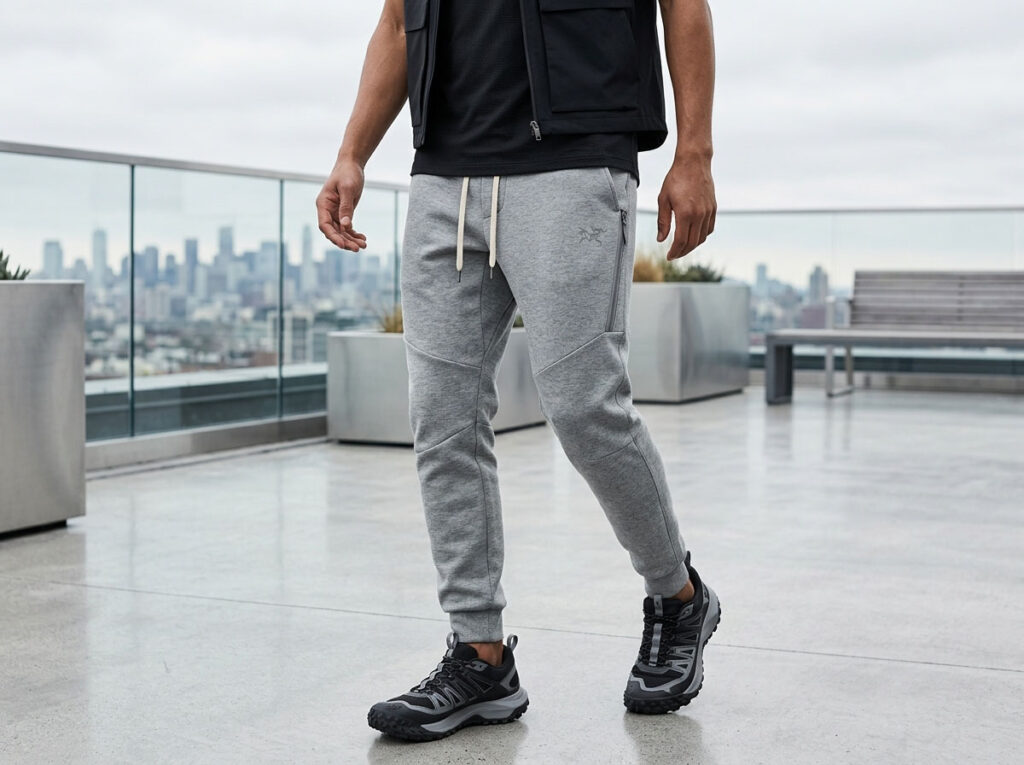
Smart joggers combine the comfort and movement of joggers with the cleaner appearance of trousers.
They may use tailored fabrics such as ponte, twill, stretch wool blends, or poly-viscose rather than traditional fleece. This allows the garment to move into smart-casual, travel, office, and modern urbanwear markets.
| Feature | Smart Joggers | Traditional Joggers |
|---|---|---|
| Fabric | Ponte, twill, stretch wool, viscose blends | Cotton fleece, jersey, performance knits |
| Waistband | Flat front or concealed drawcord | Elastic waist and visible drawcord |
| Leg Shape | Slim or tapered | Relaxed, tapered, or cuffed |
| Details | Pleats, creases, welt pockets | Sporty seams and casual pockets |
| Target Use | Travel, workwear, urban lifestyle | Training, lounging, casual wear |
Good smart jogger fabrics should maintain a clean appearance without becoming restrictive.
Smart joggers are suitable for:
For brands developing smart joggers:
Travel joggers are developed for long periods of movement, sitting, changing temperatures, and repeated wear.
They typically prioritize lightweight construction, stretch, wrinkle resistance, quick drying, and convenient storage.
| Feature | Travel Joggers | Regular Joggers |
|---|---|---|
| Fabric | Nylon, polyester blends, stretch woven fabrics | Cotton, jersey, fleece |
| Functions | Quick-dry, wrinkle resistance, lightweight construction | Primarily comfort |
| Pockets | Secure or hidden pockets | Standard side or back pockets |
| Extras | Packability, ventilation, lightweight lining | More casual structure |
Travel joggers appeal to:
For brands, travel joggers work especially well in capsule collections built around versatile products.
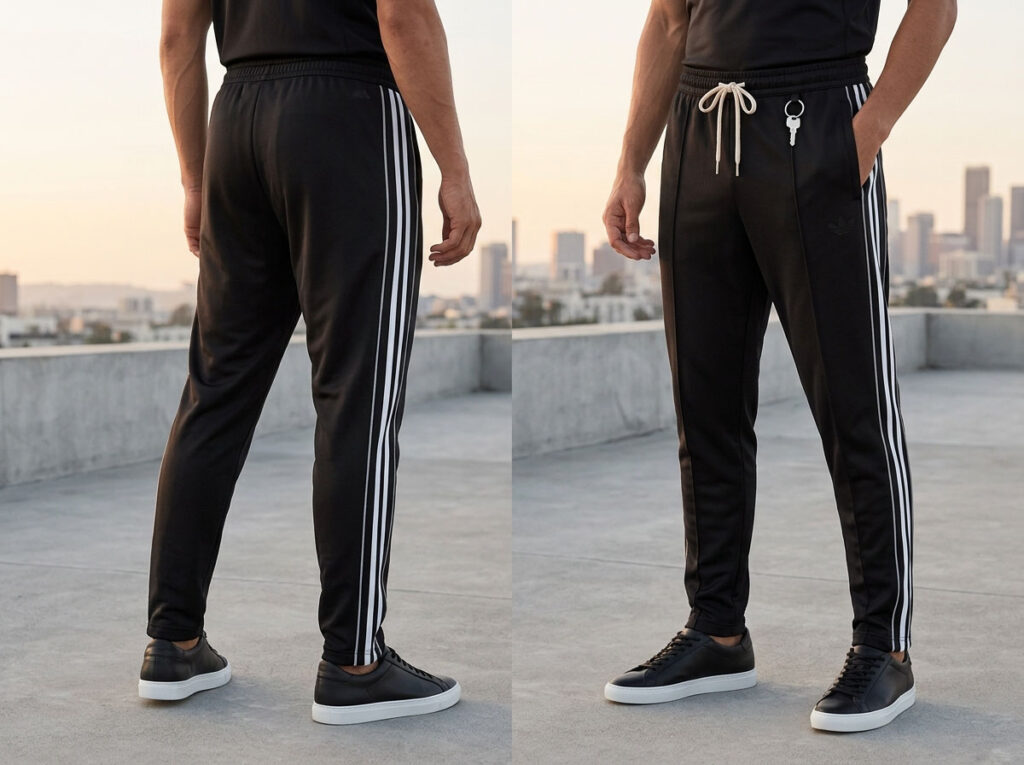
Outdoor joggers are developed for variable weather, abrasion, movement, and practical utility.
They generally use more durable materials and construction than lounge or casual joggers.
Outdoor joggers may include:
Outdoor joggers can be used for:
Outdoor joggers appeal to:
For outdoor joggers, manufacturers should consider:
Modular elements such as zip-off legs can further expand the garment’s use cases, but they also increase construction complexity and quality-control requirements.
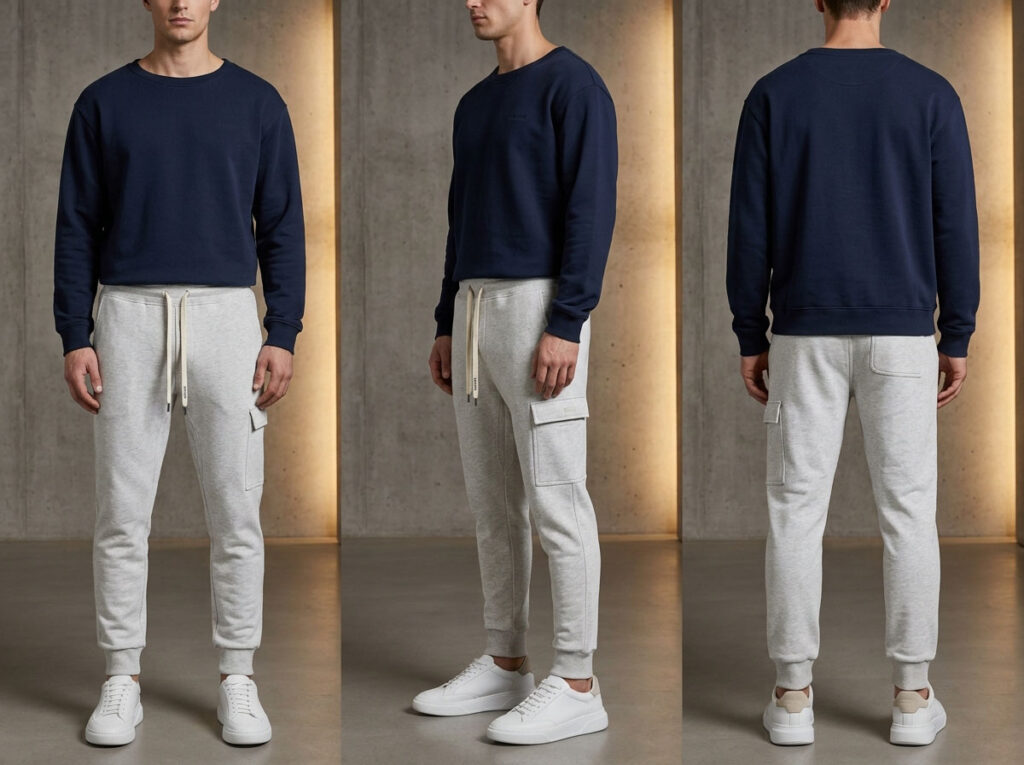
Streetwear joggers combine comfort with cultural and visual identity. They are influenced by sneaker culture, music, skateboarding, youth fashion, and contemporary urban styling.
Compared with performance joggers, streetwear styles often place more emphasis on silhouette, branding, graphics, pockets, trims, and distinctive construction.
Streetwear joggers can communicate identity through:
The product therefore needs to look intentional even when the silhouette is deliberately oversized.
| Fabric Type | Key Benefit |
|---|---|
| French Terry Cotton | Soft, midweight, and premium-feeling |
| Stretch Twill | Durable and more structured |
| Nylon Blend | Provides technical visual appeal |
| Brushed Fleece | Suitable for oversized cold-weather joggers |
Common construction elements include:
| Feature | Streetwear Joggers | Running/Training Joggers |
|---|---|---|
| Primary Purpose | Style and cultural expression | Performance and mobility |
| Fit | Relaxed, tapered, oversized, or experimental | Streamlined and functional |
| Details | Graphics, cargo pockets, special trims | Reflective details, mesh, technical panels |
| Fabrics | Fleece, twill, nylon blends | Polyester-spandex, technical knits |
| Styling | Everyday urban wear | Training and active use |
Streetwear joggers often appeal to:
For streetwear joggers, brands should focus on:
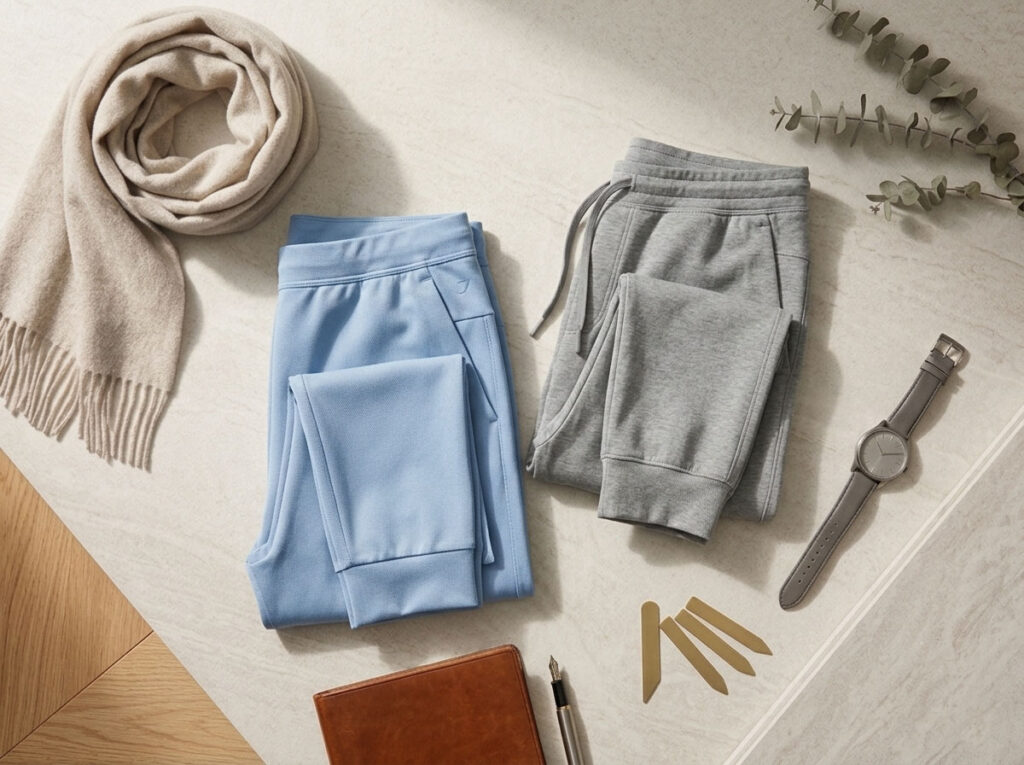
Fashion joggers are the most design-driven category in this part of the jogger spectrum. They combine the familiarity of joggers with more elevated fabrics, unusual proportions, sophisticated trims, and fashion-focused construction.
They may appear in premium casualwear, contemporary collections, editorial styling, and high-fashion-inspired athleisure.
Fashion joggers work as a bridge between loungewear and more structured fashion.
They can be used by:
Common design features include:
| Feature | Typical Options |
|---|---|
| Silhouette | Slim-tapered, barrel-leg, cropped, exaggerated |
| Fabrics | Premium knits, ponte, satin, coated cotton, selected technical fabrics |
| Waistband | Concealed elastic, fixed waistband, hybrid construction |
| Detailing | Pintucks, hardware, clean topstitching |
| Closure | Side zippers, concealed buttons, adjustable hems |
| Branding | Minimal or selectively visible |
Fashion joggers need to balance structure and fluidity. The fabric should behave intentionally when the wearer is standing, walking, and sitting.
| Aspect | Fashion Joggers | Smart Joggers |
|---|---|---|
| Purpose | Style-first and trend-led | Polished casual and work-friendly |
| Fit | Experimental or tailored | Streamlined and controlled |
| Design Complexity | Medium to high | Low to medium |
| Fabric | Premium, unusual, or fashion fabrics | Twill, ponte, stretch wool, technical suiting |
The category can appeal to:
Manufacturers should focus on:
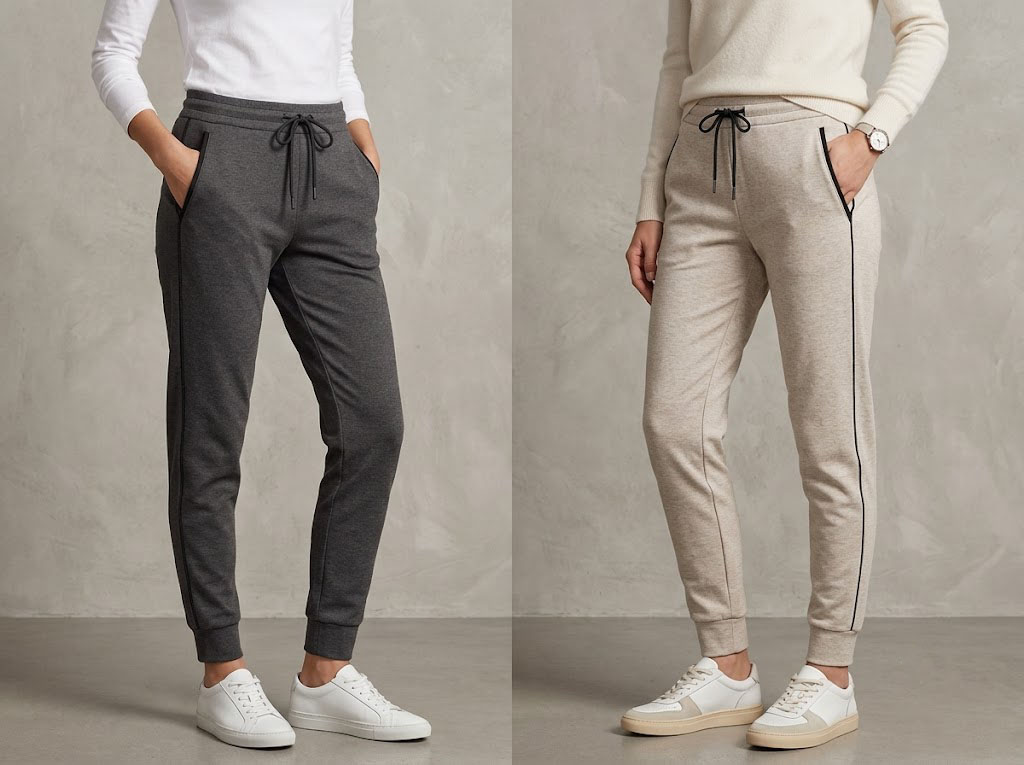
Slim fit joggers sit close to the body without reaching the compression level of leggings. They provide a clean, athletic appearance and can transition between training, casualwear, travel, and gym-to-street styling.
| Design Element | Typical Specification |
|---|---|
| Fit | Close and tapered without excessive restriction |
| Waistband | Elastic or drawcord, depending on the style |
| Ankle Finish | Ribbed cuff, straight hem, or zipper |
| Materials | Cotton blends, French terry, ponte, stretch jersey |
| Pocket Design | Streamlined or zippered to reduce bulk |
Slim-fit joggers can appeal to a broad customer base because they balance clean styling with the comfort associated with joggers.
They work well for:
| Feature | Slim Fit | Relaxed Fit | Tapered |
|---|---|---|---|
| Leg Shape | Close and narrow | Loose throughout | Roomy upper leg, narrowed ankle |
| Best Use | Sleek everyday wear | Lounge and oversized styling | Hybrid performance/lifestyle |
| Fabric Weight | Midweight often works well | Lightweight to midweight | Technical or structured options |
Slim-fit joggers are relevant to:
For a new jogger collection, slim fit can serve as a versatile foundation that is easy to extend into multiple fabrics and colors.
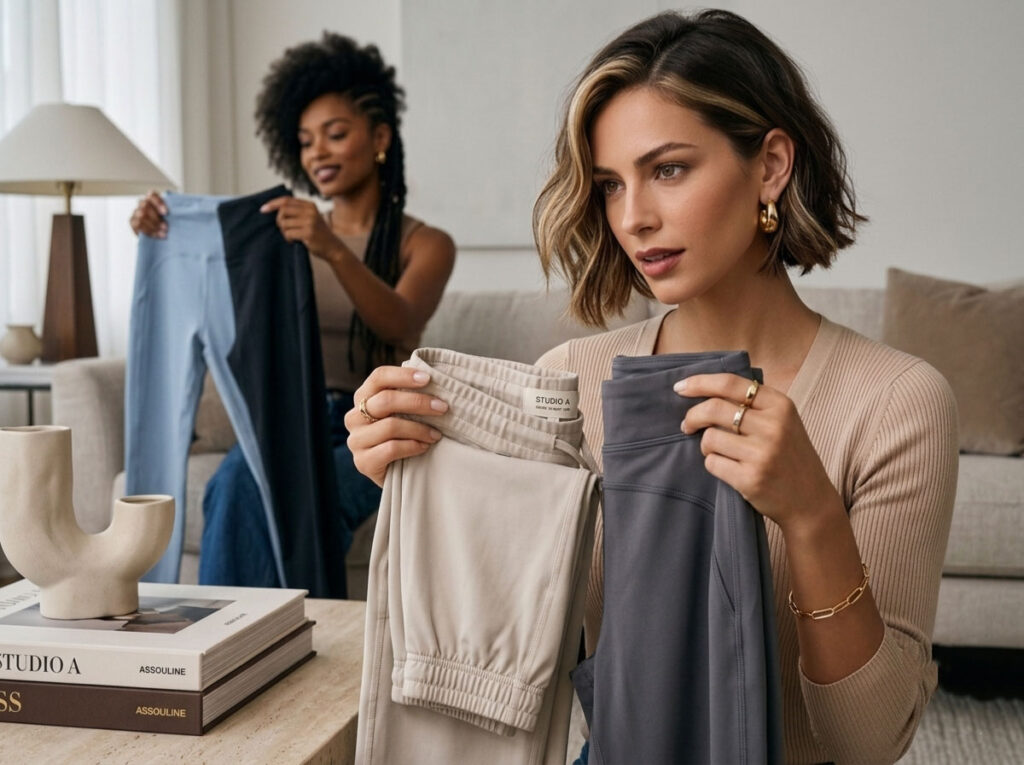
Loose fit joggers prioritize freedom of movement, softness, and relaxed proportions.
Unlike slim or tapered joggers, they retain more volume through the legs. This makes them suitable for loungewear, travel, oversized streetwear, and comfort-first fashion.
| Feature | Description |
|---|---|
| Silhouette | Relaxed through most of the leg |
| Waistband | Elastic or adjustable drawstring |
| Ankle Finish | Ribbed cuff, straight hem, or open leg |
| Pocket Design | Often larger or angled for easy access |
| Fabric Preference | French terry, fleece, jersey, or cotton blends |
Loose silhouettes align with comfort-focused and gender-inclusive collections.
They appeal to:
| Target Segment | Main Reason for Choosing Loose Joggers |
|---|---|
| Gen Z / Youth | Relaxed and expressive proportions |
| Work-from-Home | Maximum comfort |
| Streetwear | Exaggerated silhouette |
| Wellness | Softness and breathability |
| Style | Volume Distribution | Styling Intent | Common Use |
|---|---|---|---|
| Loose Fit | Evenly relaxed | Comfort with modern styling | Lounge, streetwear, wellness |
| Baggy | Extra volume around hip/thigh | Statement streetwear | Fashion and streetwear |
| Relaxed | Slightly more room than slim | Classic comfort | Everyday wear |
Loose styles are particularly relevant to:
They also work well as coordinated sets with oversized hoodies, sweatshirts, and cropped tops.
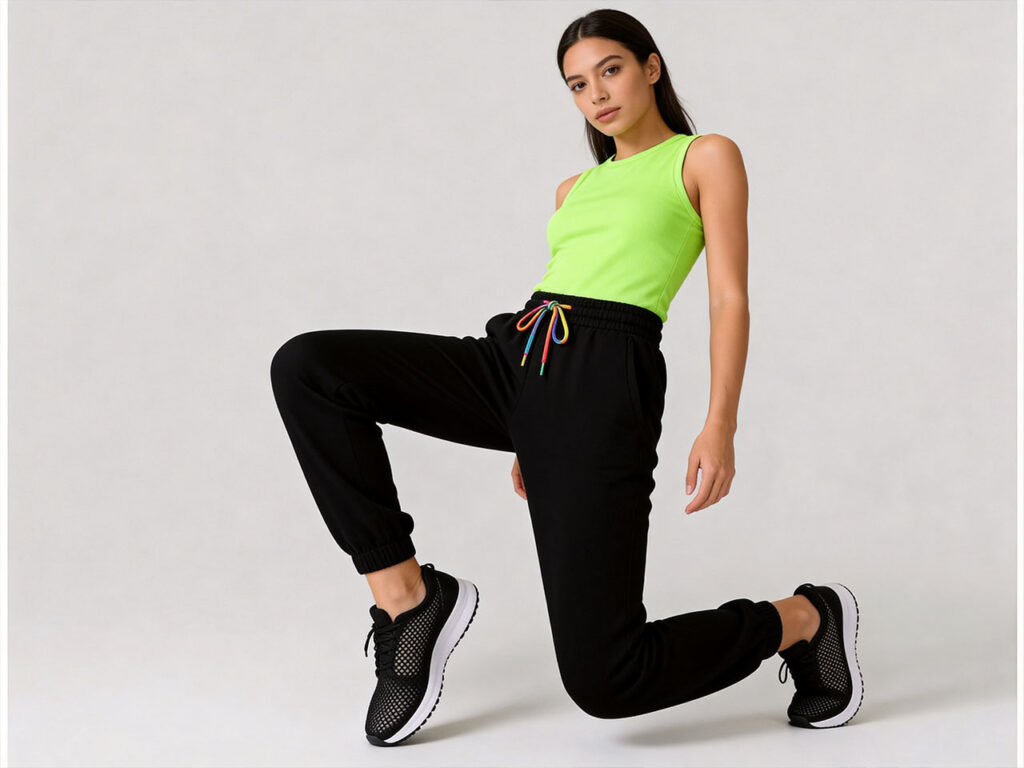
Tapered joggers offer more room through the hips and thighs while narrowing toward the ankle.
This creates a balanced silhouette that combines the comfort of sweatpants with a cleaner appearance.
| Design Element | Description |
|---|---|
| Silhouette | Roomier at the top and tapered toward the ankle |
| Ankle Finish | Cuff, elastic, or zipper |
| Fabric | Stretch knits, ponte, performance blends |
| Movement | Supported by appropriate ease and articulation |
| Additional Features | Zipper pockets, bonded seams, panels |
Tapered joggers can work across many customer groups because they do not depend on an extremely tight or oversized silhouette.
| Use Case | Supporting Features |
|---|---|
| Light Workouts | Stretch, moisture management, articulation |
| All-Day Wear | Soft hand feel and comfortable waistband |
| Travel | Wrinkle resistance, pockets, tapered profile |
| Retail Collections | Works across activewear and athleisure |
They work well as:
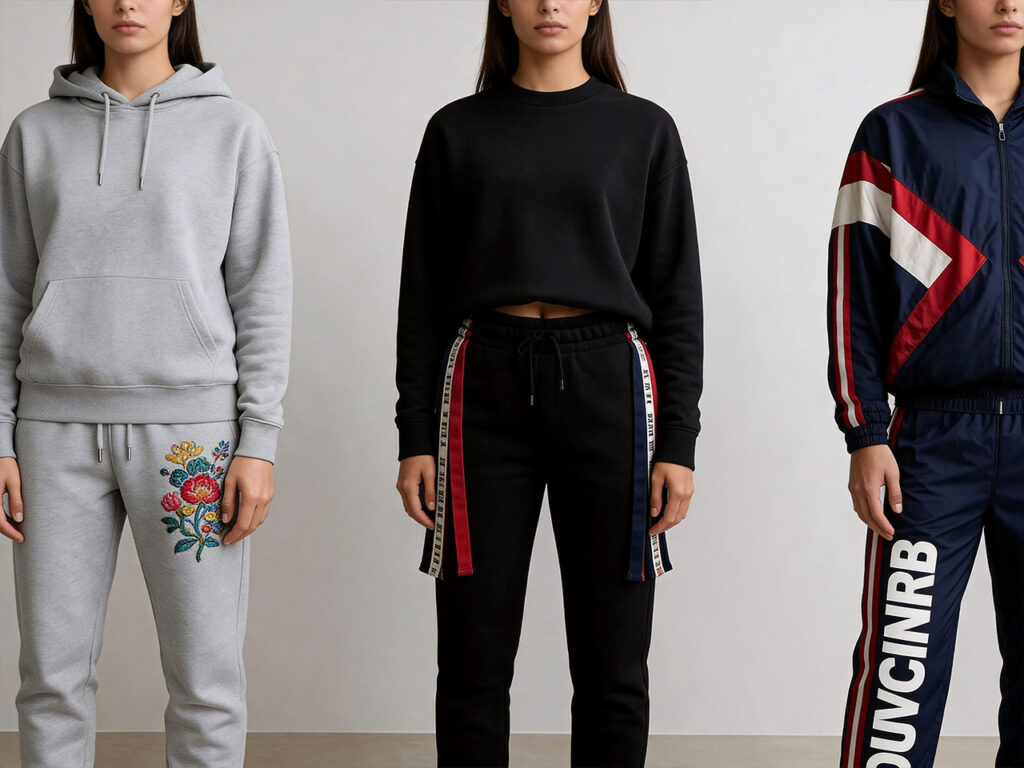
Cuffed joggers are defined by a ribbed or elastic ankle opening that controls the lower leg.
The cuff gives the garment structure, helps prevent dragging, and makes the silhouette especially compatible with sneakers and athletic footwear.
| Feature | Description |
|---|---|
| Ankle Cuff | Ribbed knit, elastic, or zippered closure |
| Fit Profile | Regular to tapered above the ankle |
| Functional Benefit | Keeps the hem secure and reduces dragging |
| Common Materials | French terry, fleece, cotton blends, performance knits |
| Design Aspect | Recommended Approach |
|---|---|
| Cuff Width | Sized according to wearer comfort and intended silhouette |
| Cuff Fabric | Ribbed cotton-spandex or performance blends |
| Stitching | Flatlock or overlock depending on construction |
| Elastic | Useful where additional ankle retention is needed |
Cuffed joggers are well suited to:
Cuffed joggers can work as:
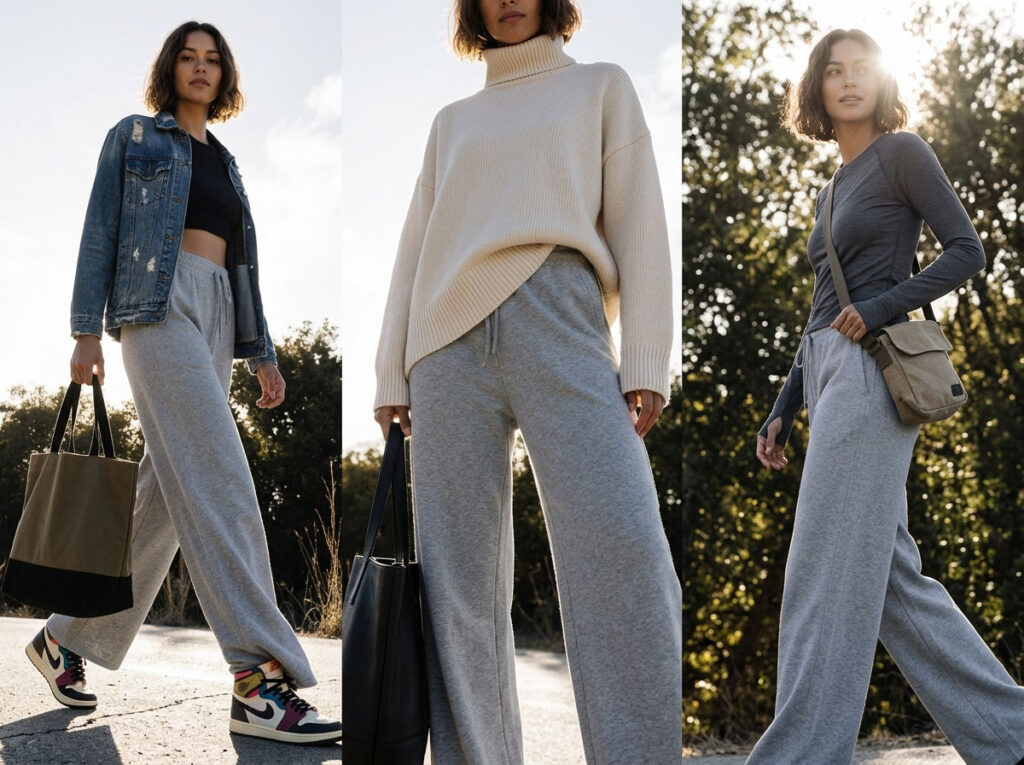
Straight-leg joggers maintain a relatively consistent width from the thigh to the hem.
They appeal to consumers who want the comfort of joggers without a strong taper, making them useful in casualwear, loungewear, smart-casual, and gender-neutral collections.
Straight-leg joggers provide:
| Feature | Description |
|---|---|
| Leg Profile | Relatively straight from thigh to hem |
| Ankle Treatment | Open hem or limited elastic |
| Fit | Regular to loose |
| Target Wearer | Consumers preferring relaxed silhouettes |
| Common Fabrics | Cotton blends, French terry, fleece, poly-rayon |
They work especially well in:
| Production Element | Best Practice |
|---|---|
| Fabric Weight | Medium to heavy when structure is required |
| Inseam Reinforcement | Flatlock or coverstitch |
| Shrinkage Control | Pre-wash or pre-shrink where appropriate |
| Size Grading | Maintain consistent leg opening proportions |
They can serve as:
Straight-leg joggers have strong long-term potential because they offer a classic silhouette that is less dependent on extreme trend cycles.
They are especially useful for brands that want a comfort-led core product with broad styling flexibility.
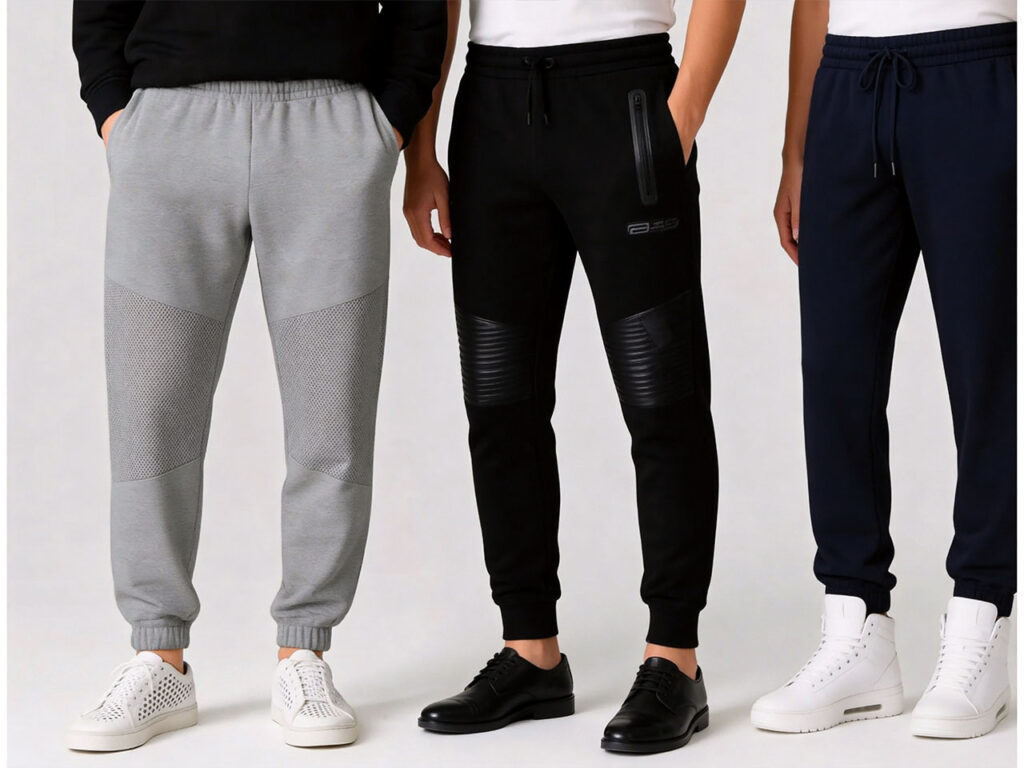
High-waisted joggers sit above the natural waist and are especially common in women’s activewear, athleisure, wellness, and fashion-focused collections.
The higher rise provides additional coverage and can create a more secure feeling during movement.
A high-waisted jogger generally has a rise that reaches the natural waist or above it, depending on the design and target market.
| Feature | Description |
|---|---|
| Waistband Height | Above the natural waist |
| Fit | Often slim or body-contouring through waist/hip |
| Closure | Elastic, drawstring, or concealed construction |
| Common Fabrics | Stretch blends, rib knits, fleece |
Benefits can include:
| Key Specification | Development Consideration |
|---|---|
| Waistband Height | Determined by target market and intended silhouette |
| Elastic | Should provide recovery without excessive pressure |
| Seams | Flexible, durable construction such as overlock and coverstitch |
They can work for:
For brands serving activewear, lifestyle, or women’s collections, high-waisted joggers can offer strong styling flexibility.
They can also become part of coordinated sets with matching tops, sports bras, crop sweatshirts, or lightweight jackets.
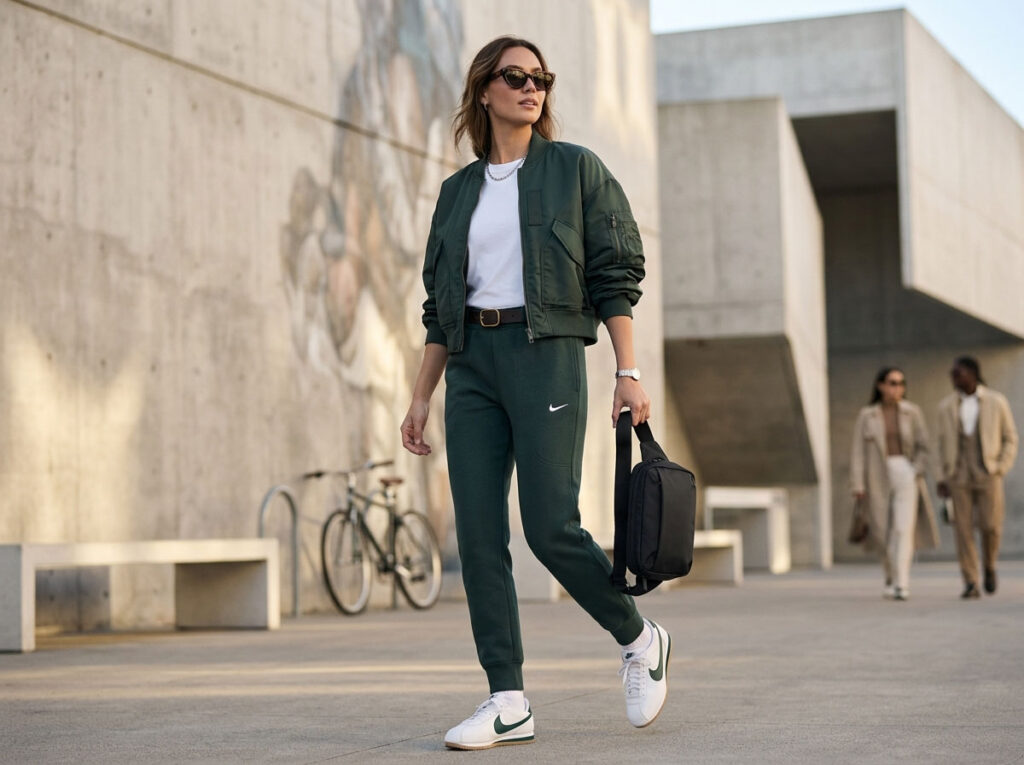
Cropped joggers are shorter than traditional full-length joggers, usually ending above the ankle.
They provide greater ankle exposure and airflow and can work particularly well for spring/summer collections, warm climates, athleisure, travel, and casual fashion.
| Feature | Description |
|---|---|
| Inseam | Shorter than standard full-length joggers |
| Tapering | Often slim through hip and calf |
| Hem | Cuffed, raw, split, or clean finished |
| Fabric | Lightweight knit, terry, or technical blends |
Cropped joggers should be designed specifically for their shorter proportion rather than simply cutting length from a full-length pattern.
They can be used for:
Manufacturers should pay attention to:
| Specification | Development Guideline |
|---|---|
| Shrinkage | Must be tested before bulk production |
| Hem Finish | Flatlock, double-needle, or premium blind hem depending on style |
| Fabric Weight | Selected according to climate and end use |
They can be especially useful for brands targeting warm climates, summer collections, seasonal capsules, and consumers seeking a more fashion-forward jogger silhouette.
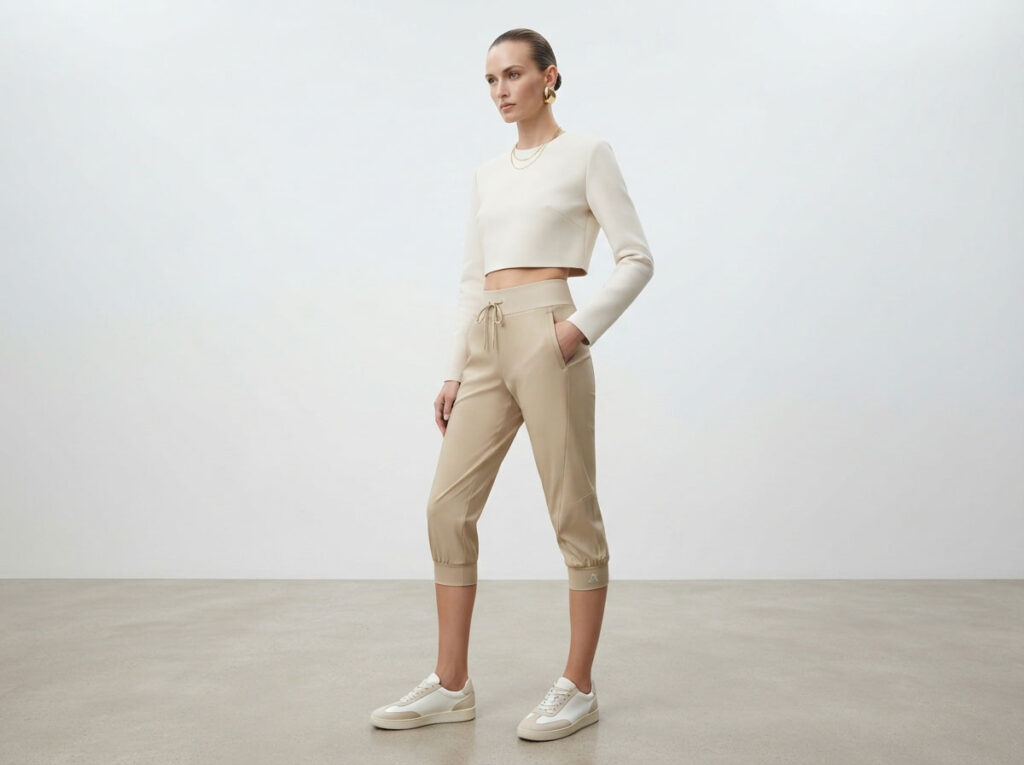
Capri joggers combine jogger-style comfort with a shorter leg that typically ends around the lower knee or mid-calf.
They are different from cropped joggers because the hem generally sits noticeably higher on the leg.
| Design Feature | Typical Consideration |
|---|---|
| Inseam | Shortened to end around the knee or calf |
| Fit | Relaxed thigh with tapered or loose lower leg |
| Waistband | Elastic and/or drawcord |
| Hem | Cuff, split, or open hem |
| Fabrics | Lightweight cotton, French terry, modal, technical blends |
The shorter length can improve airflow and knee mobility, making Capri joggers suitable for warm-weather and low-to-moderate activity.
| Feature | Capri Joggers | Cropped Joggers |
|---|---|---|
| Length | Typically ends around knee/calf | Usually ends above ankle |
| Styling | More sporty | More fashion/athleisure |
| Common Use | Light training, casual wear | Streetwear, warm-weather wear |
| Market | Activewear and spring/summer | Unisex and seasonal collections |
They can be used for:
| Specification | Development Consideration |
|---|---|
| Fabric Weight | Lightweight to medium for warm-weather comfort |
| Stretch | Enough for the intended activity |
| Knee Placement | Must remain consistent across sizes |
| Hem | Cuff, split, or reinforced open hem |
Accurate knee placement is particularly important because an incorrect hem position can cause the garment to ride up during movement.
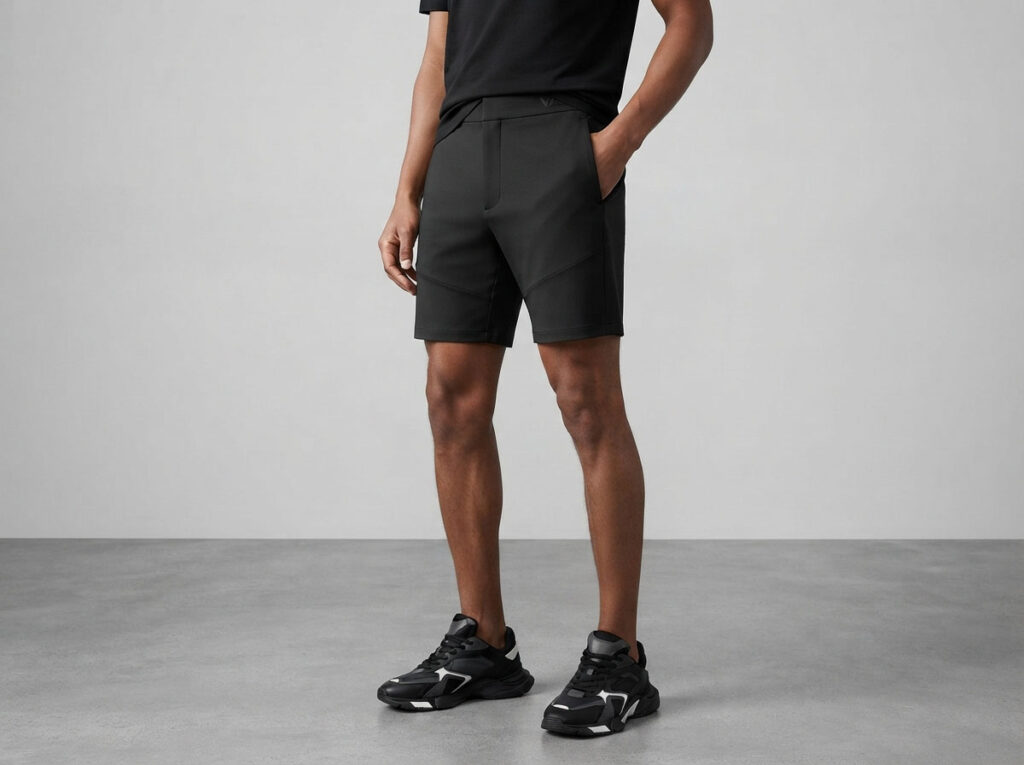
Jogger shorts are shorter versions of joggers that maintain the relaxed waist, casual construction, and athletic aesthetic of the original silhouette.
They are typically designed around comfort, breathability, and easy movement.
| Feature | Description |
|---|---|
| Length | Commonly around knee or slightly above |
| Fit | Relaxed through thigh with moderate shaping |
| Waistband | Elastic with internal or external drawcord |
| Pockets | Side, back, or patch pockets |
| Fabric | French terry, jersey, fleece, performance blends |
| Style | Jogger Shorts | Cargo Shorts | Chino Shorts |
|---|---|---|---|
| Purpose | Athleisure, lounging, travel | Utility and casual wear | Smart-casual |
| Waistband | Elastic + drawcord | Fixed waistband + belt | Fixed waistband |
| Fabric | Knits and soft blends | Twill/canvas | Cotton and blends |
| Comfort | High | Moderate | Moderate |
| Best Use | Home, gym, errands, travel | Outdoor and casual | Social and everyday settings |
No. They are also suitable for:
Their basic structure can be adapted to different body proportions without changing the fundamental product concept.
| Manufacturing Focus | Recommended Approach |
|---|---|
| Fabric Weight | Selected according to climate and activity |
| Pocket Reinforcement | Bartacks or reinforced stitching |
| Waistband | Secure elastic and clean attachment |
| Hem Treatment | Clean finish, turned hem, cuff, or raw edge |
| Size Range | Determined by target market and fit strategy |
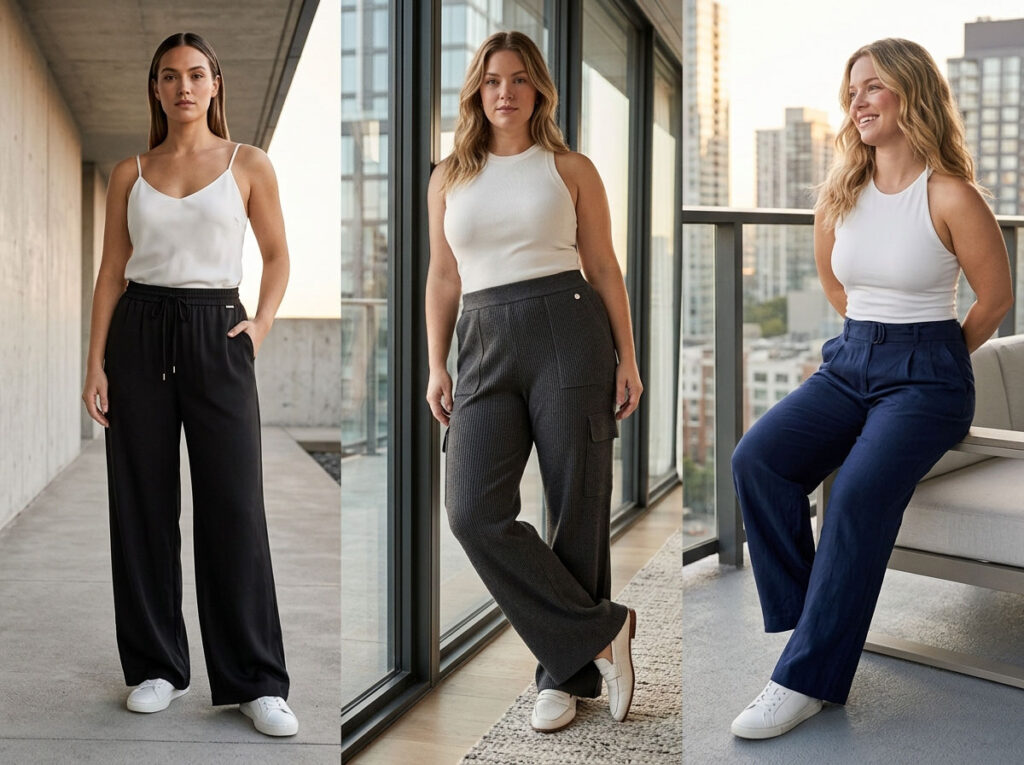
Wide-leg joggers are a relaxed alternative to traditional tapered joggers. They maintain the comfort and casual identity of joggers while introducing more volume through the leg.
The style can range from softly relaxed to dramatically oversized, making it suitable for loungewear, athleisure, streetwear, and elevated casual collections.
| Type | Silhouette | Movement Room | Styling Use |
|---|---|---|---|
| Tapered Joggers | Narrow ankle | Moderate | Gym-to-street |
| Slim-Fit Joggers | Close to body | More limited | Minimal and smart casual |
| Wide-Leg Joggers | Straight and loose | Maximum | Lounge and elevated streetwear |
Wide-leg joggers are particularly suitable for consumers who prioritize airflow, unrestricted movement, and gender-neutral styling.
Wide-leg joggers can be used for:
Wide-leg joggers can help brands respond to demand for relaxed proportions and elevated comfort.
They offer:
Because wide-leg joggers rely heavily on drape and proportion, development should focus on:
| Element | Production Consideration |
|---|---|
| Fabric Weight | Select according to desired drape and structure |
| Waistband | Reinforced elastic or wide rib construction |
| Side Seams | Must remain aligned to prevent visual distortion |
| Hem Finish | Double-needle or clean premium hem |
| Shrinkage | Particularly important for natural-fiber fabrics |
Sampling teams should test how the fabric behaves while standing, walking, sitting, washing, steaming, and folding.
For a complete jogger development strategy, brands can continue from this Part 1 guide into additional categories covering fabric composition, design features, specialized use cases, fashion influences, and advanced jogger silhouettes.
These related topics can help buyers build a complete jogger assortment rather than relying on a single fit or fabric.
For apparel brands, the key is not to produce every jogger type. Instead, identify the specific consumer, activity, climate, price point, and visual direction first, then select the silhouette and fabric that best support that strategy.
At Liantao, we support brands developing custom joggers, private-label sportswear, activewear, loungewear, and athleisure collections. From fabric sourcing and pattern development to sampling, fit adjustment, bulk production, and quality control, each decision can be aligned with the product’s intended end use.
The right jogger is therefore not simply a pair of pants with an elastic waistband. It is a carefully engineered combination of fit, fabric, construction, function, styling, and manufacturing consistency.
For brands entering the jogger market, understanding these different types provides a practical foundation for building a product line that is easier to develop, easier to source, and more relevant to the target customer.
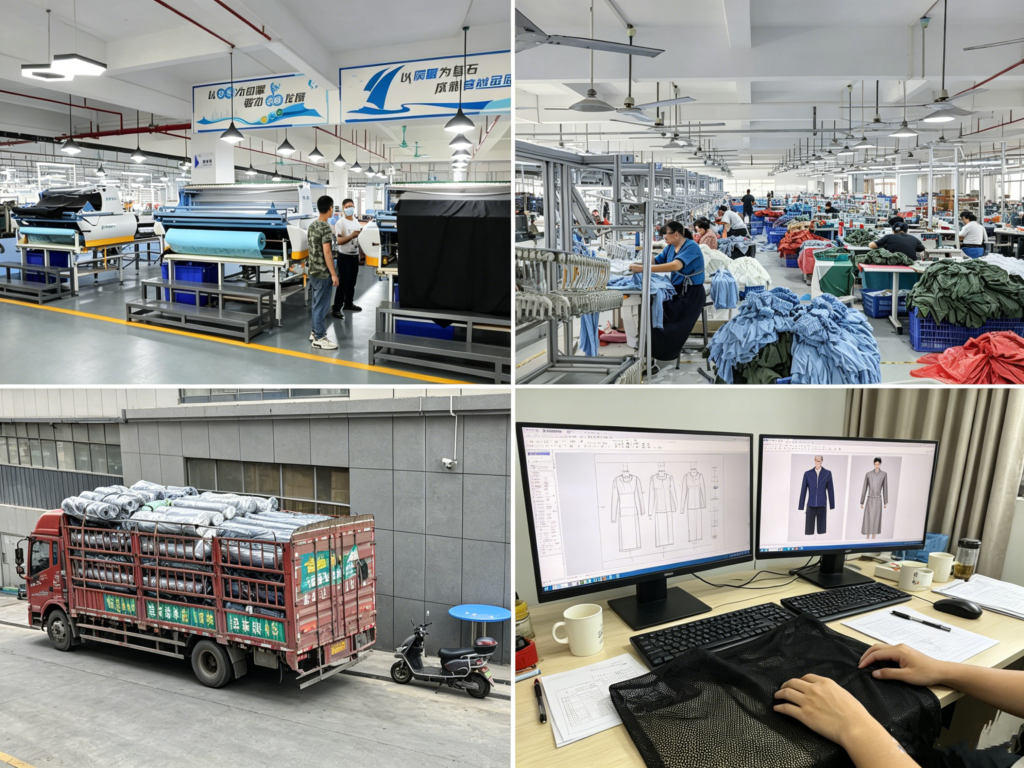
If you have any questions or require a quote, please leave
us a message. Our experts will get back to you within 24 hours to help you choose the ideal fashion products tailored to your needs.
Hi, I’m Lucy Cai, the founder of liantaoapparel.com. I’ve been managing a women’s clothing factory in China for over 16 years. With extensive experience in garment production and OEM services, I’m passionate about sharing insights into women’s fashion, apparel manufacturing, and global sourcing.
If you have any questions or need a quote, please contact us.
Please add us WhatsApp:+86 189 4809 3145
Provide us with detailed information about your requirements, supply design drawings or tech packs,
reference images, and share your ideas.
We will customize the best solution based on your needs and drawings, and provide a specific quote within 24 hours.
Once we receive your confirmation and deposit,we will commence mass production and take care of the subsequent shipping arrangements.