🏭 Looking for a Custom Apparel Manufacturer?
We are a leading OEM/ODM clothing factory with 20+ years of export experience. Custom styles, flexible MOQs, and retail-ready quality.
The fashion industry includes thousands of garment styles, but most clothing can be organized into a few major categories. Understanding these garment types makes it easier for consumers to choose suitable clothing and helps designers, buyers, retailers, and apparel manufacturers develop products for specific markets.
From everyday T-shirts and trousers to outerwear, activewear, underwear, and specialized garments, each category has different functional, aesthetic, and fabric requirements.
At Liantao, we use these basic clothing categories as a starting point when developing custom apparel collections, private-label products, and OEM/ODM garments.
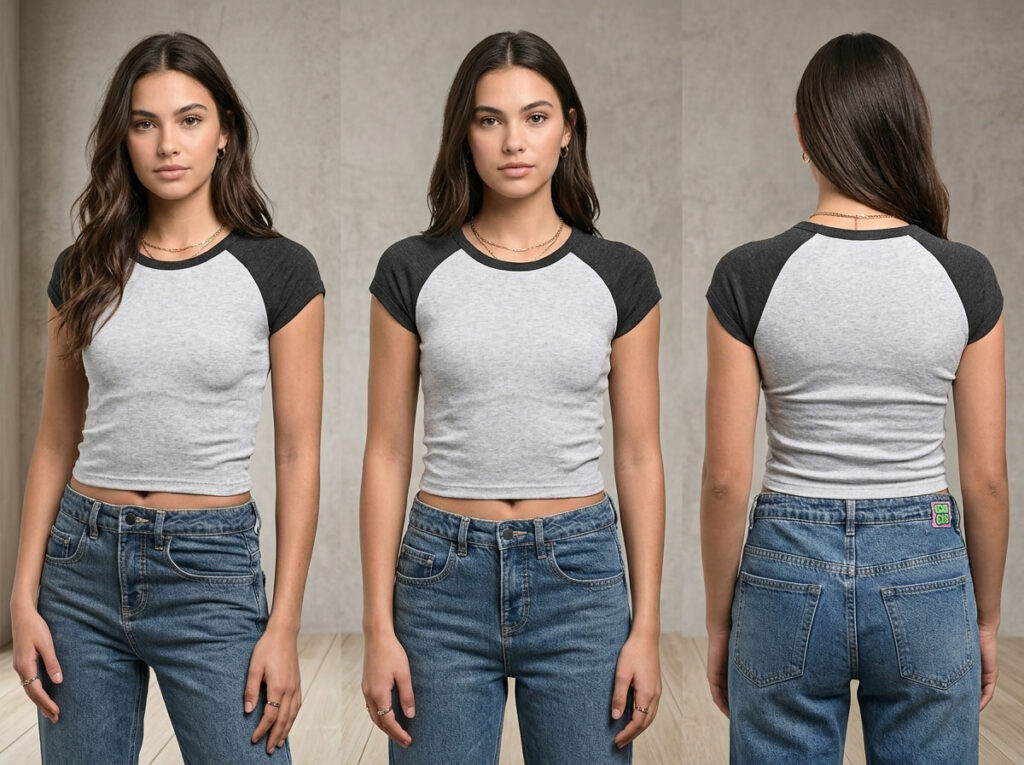
Tops are worn on the upper body and represent one of the largest clothing categories. They range from simple casual basics to more structured fashion pieces and performance garments. Liantao.com
For apparel brands, tops are particularly versatile because small changes in neckline, sleeve, fit, fabric, or decoration can create completely different products.
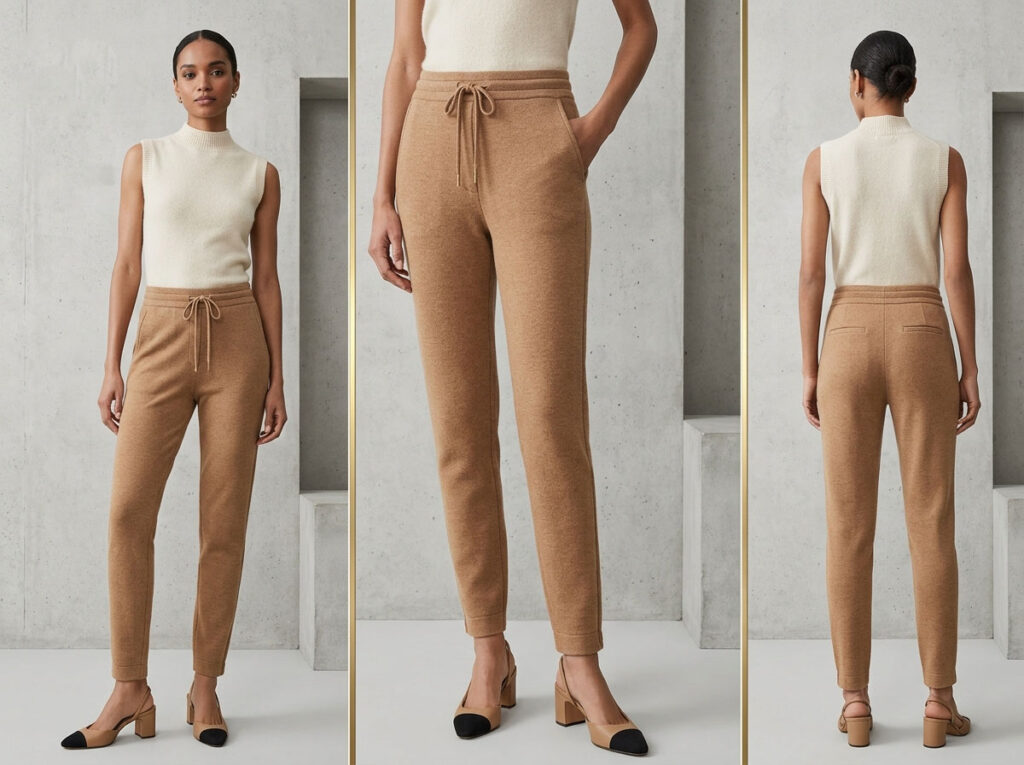
Bottoms cover the lower body and include a wide range of silhouettes, materials, and functional requirements. Liantao.com
For manufacturers, bottom development requires particular attention to fit, waistband construction, rise, pocket placement, seam strength, and dimensional stability.
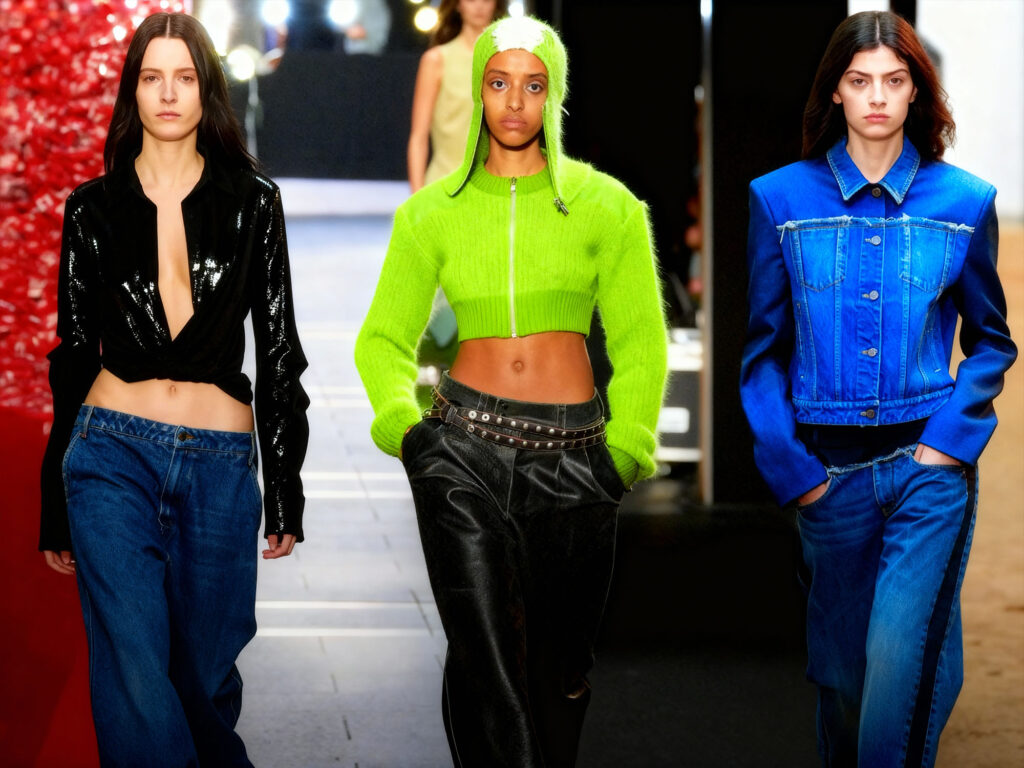
Outerwear is designed to provide additional protection from weather while also contributing strongly to the overall outfit. The category ranges from lightweight fashion layers to insulated cold-weather garments. Liantao.com
Modern outerwear can combine fashion and technical performance through water-resistant finishes, lightweight insulation, stretch fabrics, adjustable hoods, and functional pockets.
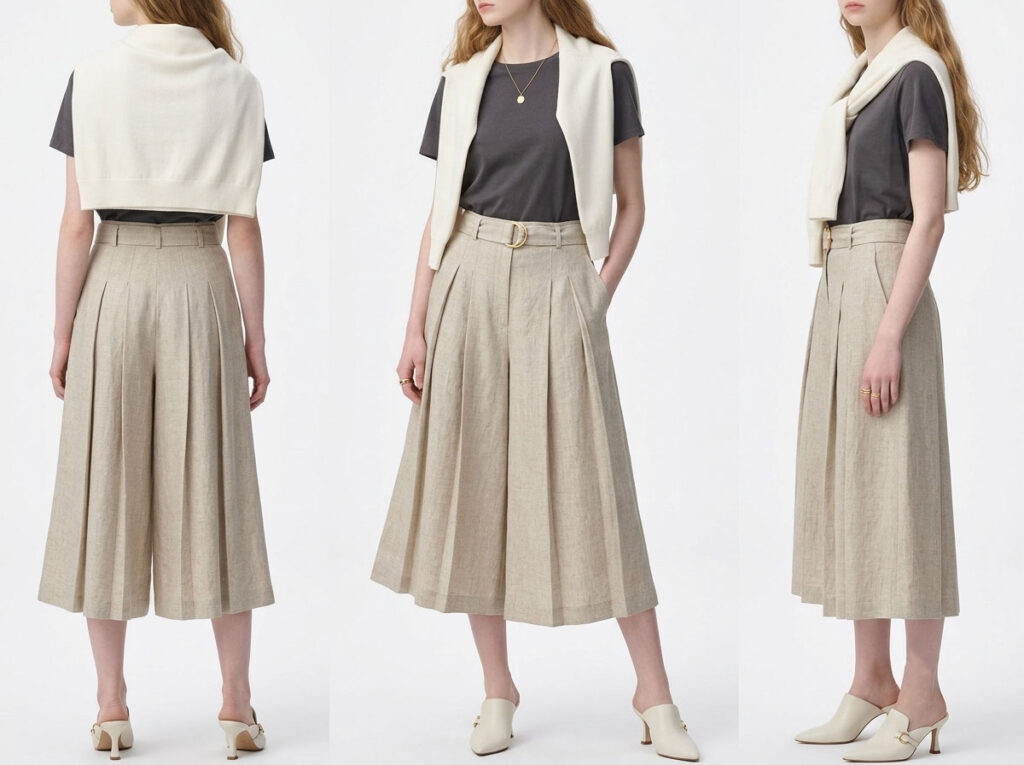
Dresses combine the upper and lower body into a single garment and are available in countless lengths, silhouettes, fabrics, and construction techniques. Liantao.com
The versatility of dresses makes them an important category for fashion brands, particularly because changes to neckline, sleeve type, waist position, length, and fabric can create very different product identities.
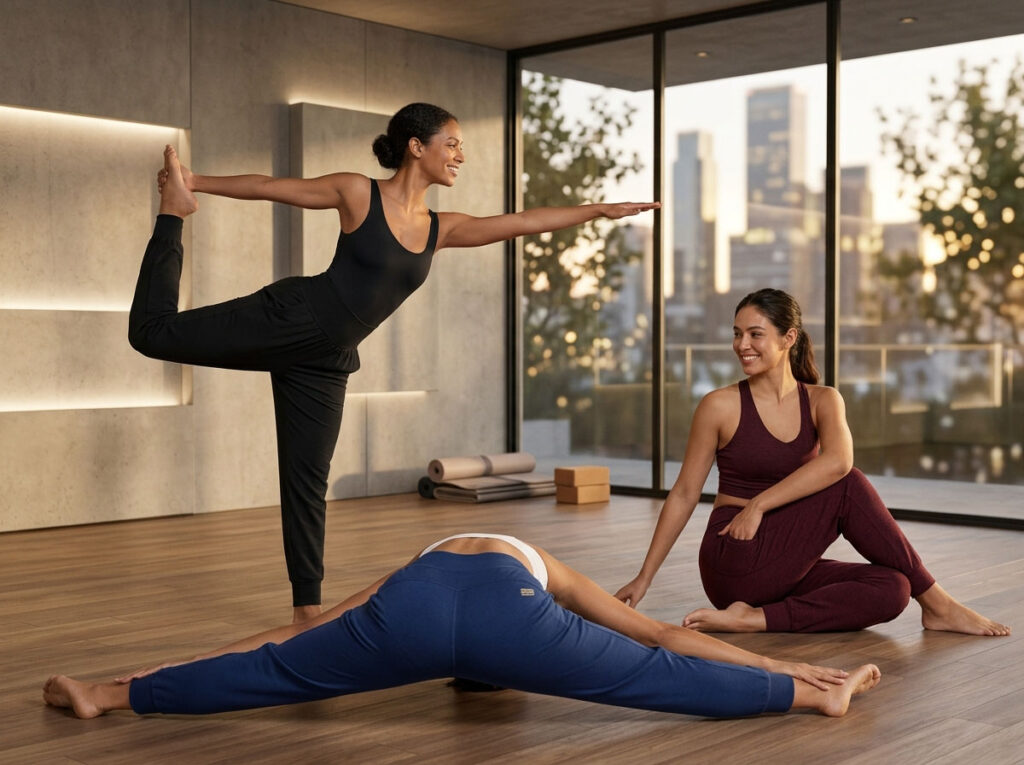
Activewear is designed around physical activity but has become increasingly important in athleisure and everyday fashion. Performance garments often require specialized materials, stretch, moisture management, and ergonomic construction. Liantao.com
For activewear manufacturers, garment performance depends on more than appearance. Fabric composition, stretch, seam placement, fit, waistband construction, and testing all influence the final product.
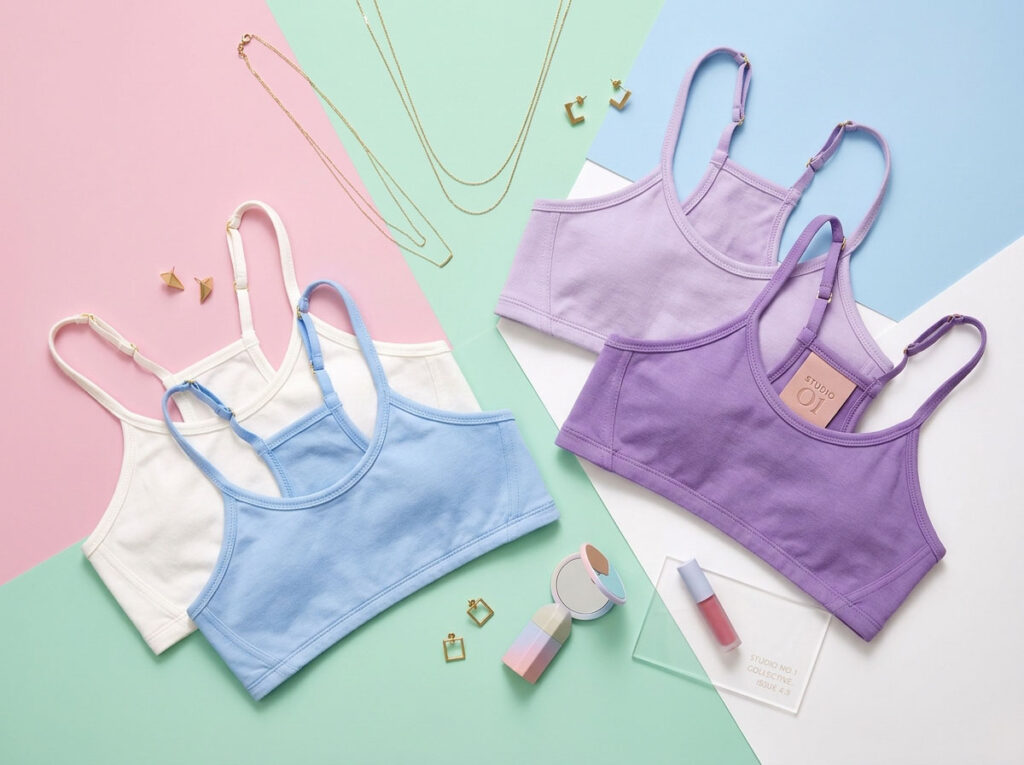
Undergarments are worn beneath outer clothing and are generally designed with a strong focus on comfort, fit, support, breathability, and next-to-skin performance. Liantao.com
For brands developing intimate apparel, precise measurement, fabric selection, elastic quality, and construction consistency are especially important because these garments remain in direct contact with the body.
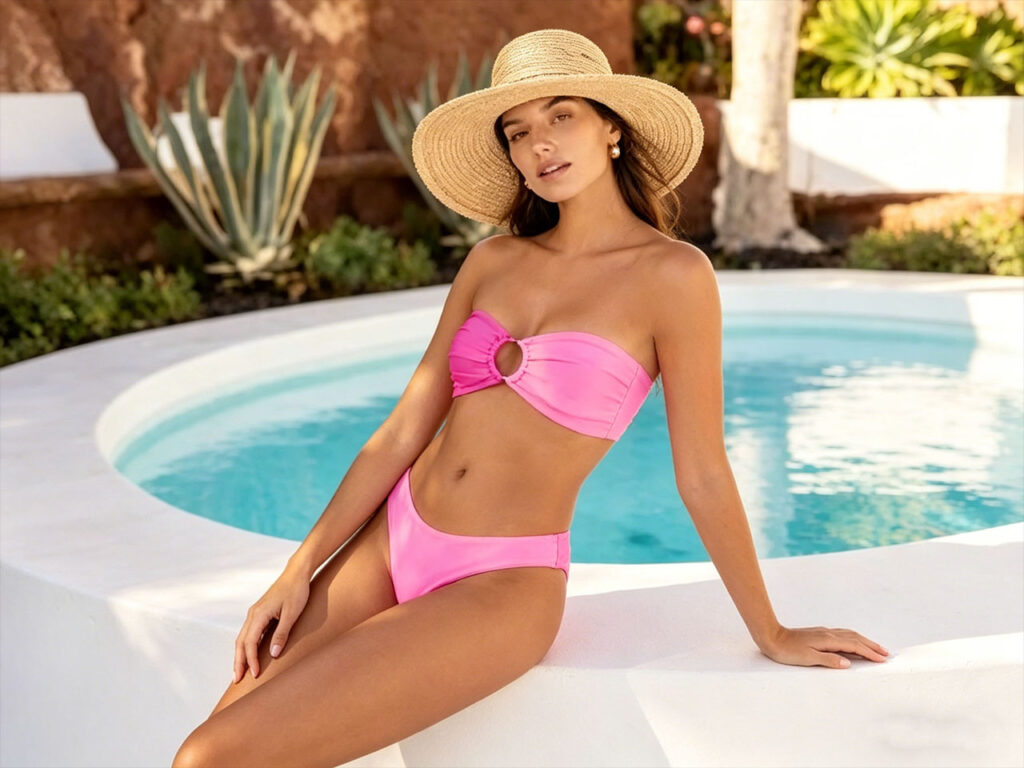
Specialized garments are developed for specific environments, activities, or practical requirements. Their design is usually driven more strongly by function than standard everyday clothing. Liantao.com
Specialized garments show how strongly clothing design is connected to end use. A product intended for water, sleep, work, or sport must be developed around the environment in which it will be worn.
The world of garment types is broad, but the major categories provide a useful framework for understanding clothing design and apparel manufacturing.
The seven core categories are tops, bottoms, outerwear, dresses, activewear, undergarments, and specialized garments. Each category contains numerous styles that can be adapted through fabric, fit, construction, color, finishing, and functional details. Liantao.com
For consumers, understanding these categories makes it easier to choose garments suited to different occasions, climates, and activities.
For designers, buyers, and apparel businesses, garment classification provides a practical foundation for product development and merchandising.
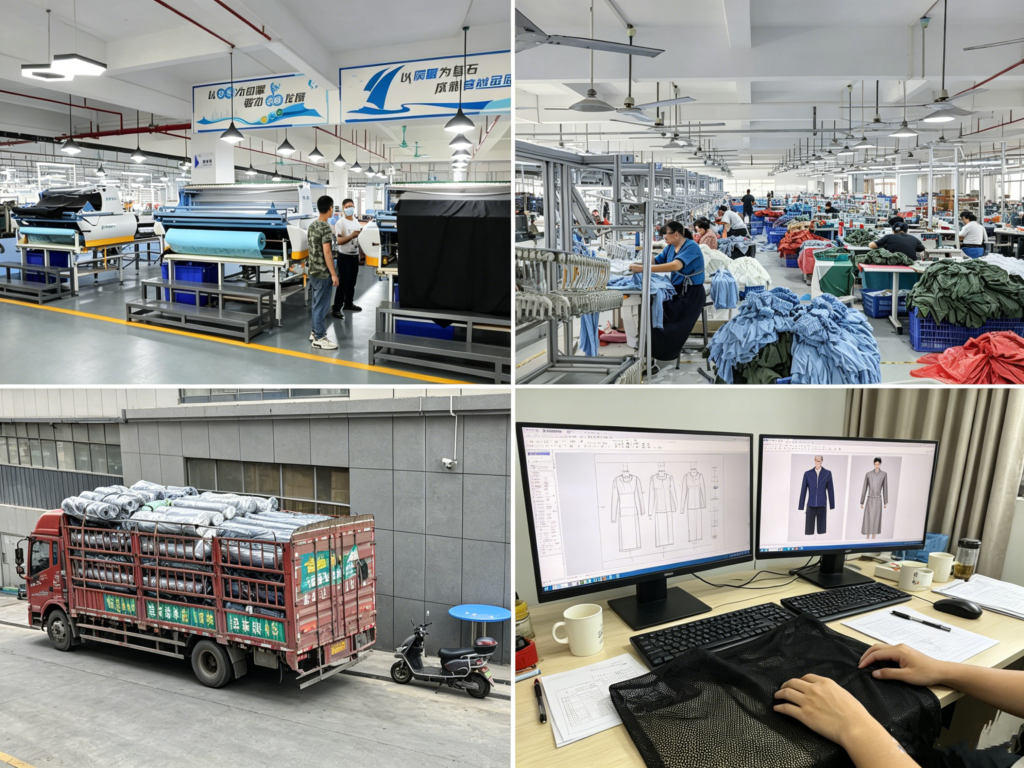
At Liantao, we apply this classification when helping brands develop custom clothing across casualwear, sportswear, activewear, outerwear, and other apparel categories. From fabric selection and sample development to fit adjustment, production, and quality control, the objective is to create garments that match the intended market and end use.
Understanding garment types is therefore not just a fashion exercise. It is a useful starting point for creating clothing that combines function, comfort, style, manufacturability, and commercial value.
If you have any questions or require a quote, please leave
us a message. Our experts will get back to you within 24 hours to help you choose the ideal fashion products tailored to your needs.
Hi, I’m Lucy Cai, the founder of liantaoapparel.com. I’ve been managing a women’s clothing factory in China for over 16 years. With extensive experience in garment production and OEM services, I’m passionate about sharing insights into women’s fashion, apparel manufacturing, and global sourcing.
If you have any questions or need a quote, please contact us.
Please add us WhatsApp:+86 189 4809 3145
Provide us with detailed information about your requirements, supply design drawings or tech packs,
reference images, and share your ideas.
We will customize the best solution based on your needs and drawings, and provide a specific quote within 24 hours.
Once we receive your confirmation and deposit,we will commence mass production and take care of the subsequent shipping arrangements.