


🏭 Looking for a Custom Apparel Manufacturer?
We are a leading OEM/ODM clothing factory with 20+ years of export experience. Custom styles, flexible MOQs, and retail-ready quality.
Anthropologie is known for its distinctive women’s fashion, combining artistic details, relaxed silhouettes, feminine designs, and bohemian influences. Its collections appeal to shoppers who value individuality, creative styling, and clothing that feels different from conventional everyday fashion.
For fashion brands and retailers, understanding the Anthropologie target demographic can provide useful inspiration when developing a women’s apparel collection. It helps clarify the relationship between customer preferences, garment design, fabric selection, and brand positioning.
This guide explores Anthropologie’s target audience, age range, customer profile, and clothing aesthetic. It also examines how fashion businesses can translate similar style elements into their own collections through private-label and OEM/ODM manufacturing.

Anthropologie primarily appeals to women who appreciate expressive fashion, distinctive design details, and a lifestyle-oriented shopping experience.
Rather than defining its audience by age alone, it is more useful to understand the brand through its aesthetic preferences and shopping behavior. Its collections often combine feminine styling, artistic influences, relaxed shapes, and decorative details.
Anthropologie is often associated with adult women who are interested in contemporary, creative, and individually expressive fashion.
However, an exact official customer age distribution should not be assumed without reliable demographic research. It is more accurate to describe its audience through broad lifestyle and style preferences rather than claim a specific age range as an official brand statistic.
For apparel businesses, this distinction matters. A successful collection should be designed around the intended customer’s lifestyle, fit preferences, price expectations, and styling habits—not simply an age bracket.
Typical characteristics associated with the brand’s customer positioning include:
Interest in distinctive fashion: Customers may prefer clothing with recognizable design details rather than basic mass-market styles.
Appreciation of feminine aesthetics: Romantic silhouettes, decorative elements, and flowing shapes are common sources of inspiration.
Interest in lifestyle fashion: Clothing is often considered alongside home, accessories, and personal style.
Preference for individuality: Customers may value garments that help express their personality.
Attention to design details: Fabric texture, prints, trims, and garment construction can contribute to a product’s appeal.
These characteristics can help fashion businesses identify a suitable direction for their own women’s apparel collections.
A customer profile helps brands turn general audience observations into practical product-development decisions.
For businesses developing an Anthropologie-inspired collection, the following customer characteristics can serve as a starting point.
Anthropologie’s aesthetic is associated with customers who enjoy combining fashion with personal expression. They may look for clothing suitable for casual outings, social occasions, holidays, and everyday styling.
A collection targeting this type of customer can include versatile dresses, blouses, skirts, lightweight layers, and coordinated separates.
Design elements that can help create a similar visual direction include:
Relaxed and flowing silhouettes
Feminine necklines and sleeve shapes
Floral and artistic prints
Textured fabrics
Embroidery-inspired decorative details
Lace, ruffles, and other feminine trims
Natural-looking or muted color palettes
These are design references rather than a claim that every Anthropologie product uses the same features.
Brands developing a creative women’s apparel collection may consider:
| Product Category | Possible Design Direction |
|---|---|
| Dresses | Flowy shapes, printed fabrics, feminine details |
| Blouses | Relaxed fits, decorative sleeves, textured materials |
| Skirts | A-line silhouettes, gathered details, printed designs |
| Tops | Feminine necklines, embroidery-inspired accents |
| Lightweight outerwear | Relaxed shapes, textured fabrics, versatile styling |
The best product mix depends on the target customer’s preferences, the brand’s positioning, and the intended selling season.
Anthropologie is recognized for a distinctive fashion aesthetic that combines feminine, artistic, bohemian, and contemporary influences.
Understanding these design characteristics can help apparel businesses develop collections with a coherent visual identity.
Bohemian-inspired clothing often features relaxed silhouettes, expressive prints, natural-looking textures, and decorative details.
For a women’s apparel collection, these elements can be incorporated through flowing dresses, printed blouses, tiered skirts, and relaxed-fit tops.
Romantic design elements can create a softer visual identity. Examples include:
Ruffles and gathered details
Lace accents
Puff sleeves
Delicate prints
Soft necklines
Flowing skirts and dresses
The key is to use decorative elements in a balanced way so that the garments remain wearable and consistent with the brand’s identity.
Prints and textures can make a collection more visually distinctive. Floral patterns, abstract designs, textured woven fabrics, and subtle surface details are possible directions.
When developing printed garments, brands should consider color consistency, print placement, fabric behavior, and how the design looks on the finished garment.
Relaxed silhouettes can support everyday wear while maintaining a distinctive appearance. Depending on the product, designers may consider loose-fitting blouses, flowing dresses, wide-leg shapes, and comfortable skirts.
Fit and proportions should still be developed for the intended customer and confirmed through sample evaluation.
Comparing brands can help fashion businesses understand different approaches to women’s apparel design and positioning.
The following brands offer useful points of comparison, although they have their own identities and should not be treated as interchangeable.
| Brand | General Style Direction | Design Characteristics |
|---|---|---|
| Anthropologie | Artistic, feminine, eclectic | Decorative details, expressive prints, varied silhouettes |
| Free People | Bohemian and relaxed | Layering, loose silhouettes, vintage-inspired styling |
| Madewell | Casual and contemporary | Everyday essentials, denim, understated styling |
| Urban Outfitters | Youth-oriented and trend-led | Casual fashion, streetwear influences, changing trends |
For apparel businesses, this comparison can help identify a more specific collection direction.
For example, a brand may combine relaxed silhouettes with romantic details, or use expressive prints while keeping the overall product range suitable for everyday wear.
The objective should be to develop an original brand identity rather than copy another company’s designs, trademarks, or distinctive product details.
Once a brand understands its intended customer and aesthetic direction, the next step is translating those ideas into manufacturable products.
A clear product-development process can help reduce misunderstandings between the design team and the clothing manufacturer.

Start by identifying the customer the collection is designed for.
Consider:
Preferred clothing styles
Typical wearing occasions
Fit and comfort expectations
Preferred colors and prints
Target retail price positioning
Seasonal requirements
These decisions help guide the design and material selection process.
Before sampling, prepare as much product information as possible.
Useful materials include:
Design sketches or reference images
Technical packs
Measurement charts
Fabric preferences
Color specifications
Trim and accessory requirements
Printing or decorative details
Size range and quantity breakdown
A detailed tech pack can help the manufacturer understand construction requirements and identify potential production questions earlier.
Fabric selection affects a garment’s appearance, drape, comfort, and construction requirements.
Some fabric options worth considering for this style direction include:
| Fabric Type | Potential Applications |
|---|---|
| Cotton | Blouses, casual dresses, everyday tops |
| Viscose | Flowing dresses, skirts, lightweight blouses |
| Linen or linen blends | Relaxed summer clothing |
| Lightweight woven fabrics | Shirts, dresses, and layered garments |
| Textured fabrics | Statement tops and decorative styles |
The final choice should depend on the garment design, desired hand feel, performance requirements, and target price.
Fabric availability and suitability should be confirmed during product development.
Sampling allows the brand to evaluate the garment before bulk production.
Important points to review include:
Measurements and fit
Fabric appearance and hand feel
Construction quality
Stitching and finishing
Print or color appearance
Decorative details
Overall design consistency
If adjustments are required, the brand should communicate them clearly to the manufacturer before confirming the final sample.
Choosing a suitable manufacturer is an important part of developing a distinctive women’s apparel collection.
A manufacturer should be able to understand the brand’s design requirements, communicate clearly about product development, and confirm the production details before an order is placed.
OEM and ODM are two common approaches to custom apparel manufacturing.
OEM manufacturing is suitable when a brand already has its own designs, specifications, or technical packs and needs a manufacturer to produce the garments.
ODM manufacturing may be suitable when a brand wants to develop products with manufacturing support based on its design direction and requirements.
The appropriate model depends on the brand’s design resources and product-development needs.
For Liantao Apparel’s women’s apparel OEM/ODM projects, the minimum order quantity is 80 pieces per colourway.
This means each selected colourway requires a minimum of 80 pieces. If a style is produced in multiple colours, the minimum quantity applies separately to each colourway.
For example:
| Number of Colourways | Minimum Total Quantity |
|---|---|
| 1 colourway | 80 pieces |
| 2 colourways | 160 pieces |
| 3 colourways | 240 pieces |
The 80-piece minimum applies to each colourway, not to each individual size. Buyers can discuss the size breakdown within the order quantity with the Liantao team.
Before confirming an order, buyers should provide their preferred colours, size range, fabric choices, and design requirements so the production details can be reviewed.
Before starting a project, buyers should clarify:
Whether the manufacturer can work from the supplied designs or tech packs
Fabric and trim requirements
Sample development arrangements
Minimum order quantities
Size and colour breakdowns
Bulk production timelines
Shipping arrangements
Quality expectations and inspection requirements
Clear communication at the beginning of a project helps both parties establish realistic expectations.
Production planning is important for fashion brands working toward seasonal launches, promotional campaigns, or planned inventory dates.
Liantao Apparel’s typical sampling, production, and shipping timelines are outlined below.
Sample production generally takes 7–14 days. Once the sample is ready, sample shipping typically takes around 3–7 days.
| Stage | Estimated Time |
|---|---|
| Sample production | 7–14 days |
| Sample shipping | 3–7 days |
Sampling gives buyers an opportunity to review the garment’s design, fit, materials, and construction before moving forward with bulk production.
If sample revisions are needed, buyers should discuss the required changes and confirm the additional schedule with the manufacturer.
For an 80-piece order, bulk production generally takes around 20–25 days. After production, bulk order shipping typically takes approximately 7–14 days.
| Stage | Estimated Time |
|---|---|
| Bulk production for an 80-piece order | 20–25 days |
| Bulk order shipping | 7–14 days |
These figures are general planning estimates. Actual timelines may vary depending on garment complexity, material availability, customization requirements, order details, and shipping arrangements.
Buyers should confirm the production schedule and shipping method with Liantao Apparel before placing an order, particularly when working toward a fixed launch date or seasonal deadline.
A successful OEM/ODM project involves more than producing a garment from a design image.
Both the buyer and manufacturer need to understand the product specifications, materials, measurements, and order requirements.
Before bulk production, buyers should confirm:
Design specifications: Ensure the manufacturer has the correct design references and technical information.
Fabric and color: Confirm the selected materials and colourways.
Measurements and sizing: Review the size chart and measurement requirements.
Sample approval: Evaluate the sample and communicate any necessary revisions.
Order quantity: Confirm the quantity for each style and colourway.
Production schedule: Agree on the expected production and shipping arrangements.
This preparation helps establish a clearer workflow from product development to bulk manufacturing.
Anthropologie is associated with adult women who appreciate creative, feminine, and distinctive fashion. However, an exact official customer age distribution should not be assumed without reliable demographic data. Its style positioning and customer preferences provide a more useful basis for understanding its audience.
Anthropologie is known for an eclectic mix of artistic, feminine, romantic, and bohemian-inspired fashion. Its collections may feature expressive prints, flowing silhouettes, textured fabrics, and decorative details.
Free People, Madewell, and Urban Outfitters offer useful style comparisons, although each brand has its own identity and target positioning. Free People is particularly associated with relaxed bohemian styling, while Madewell is more closely associated with contemporary casual fashion.
Yes. A fashion brand can use broad style references such as romantic details, artistic prints, relaxed silhouettes, and textured fabrics to develop an original collection. It is important to create original designs rather than copy another brand’s protected designs or trademarks.
Liantao Apparel’s women’s apparel OEM/ODM MOQ is 80 pieces per colourway. If a style is produced in multiple colourways, each colourway requires a minimum of 80 pieces. The quantity can be divided across sizes within each colourway.
Sample production typically takes 7–14 days. Sample shipping generally takes another 3–7 days, depending on the shipping arrangement.
For an 80-piece order, bulk production generally takes around 20–25 days. Bulk order shipping typically takes approximately 7–14 days. Actual schedules depend on the design, materials, order requirements, and shipping arrangements.
Buyers should ideally provide design sketches or reference images, technical packs if available, fabric preferences, colourways, size breakdowns, estimated quantities, and any special construction or customization requirements. This information helps the manufacturer review the project and discuss the next steps.
Understanding Anthropologie’s target demographic and clothing aesthetic can help fashion businesses identify opportunities for developing distinctive women’s apparel collections.
By studying its use of feminine details, expressive prints, relaxed silhouettes, and textured materials, brands can find inspiration while building their own original product identity.
Choosing a suitable OEM/ODM manufacturer is another important step. Clear design specifications, realistic order quantities, sample evaluation, and production planning all contribute to a more organized manufacturing process.

Liantao Apparel supports custom women’s apparel OEM/ODM projects, with an MOQ of 80 pieces per colourway. Typical sample production takes 7–14 days, while bulk production for an 80-piece order generally takes 20–25 days. Sample shipping is approximately 3–7 days, and bulk order shipping is approximately 7–14 days.
If you are planning a new women’s apparel collection, you can share your designs, reference images, fabric preferences, and order requirements with Liantao Apparel to discuss your project and explore suitable manufacturing options.
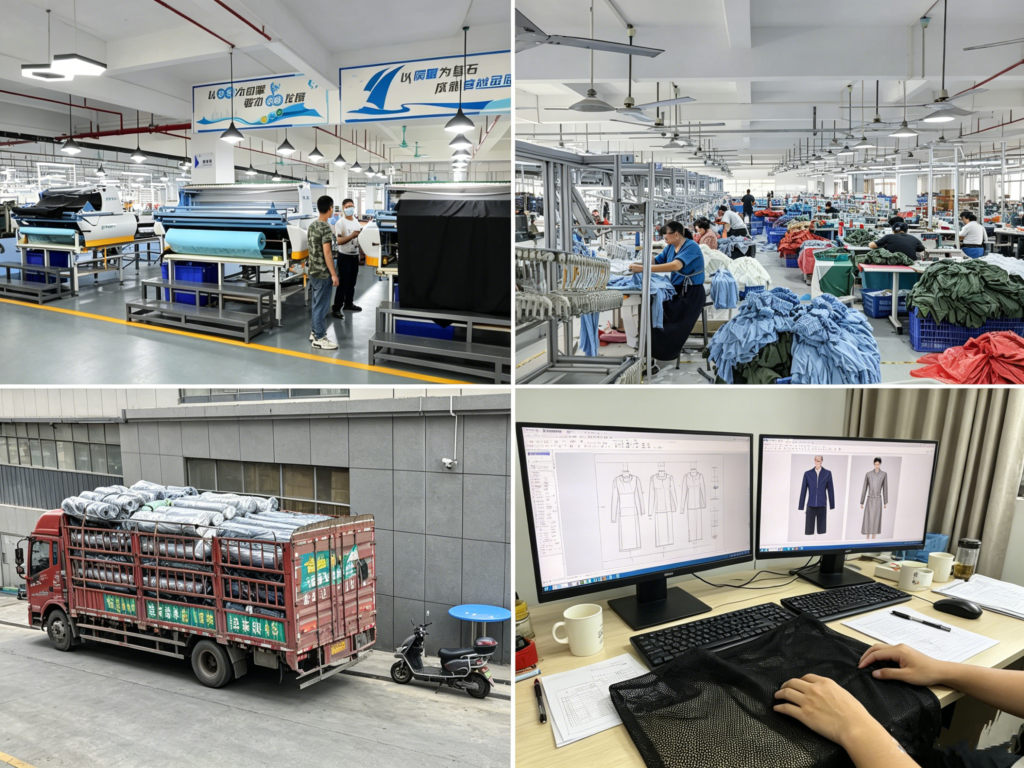
If you have any questions or require a quote, please leave
us a message. Our experts will get back to you within 24 hours to help you choose the ideal fashion products tailored to your needs.
Hi, I’m Lucy Cai, the founder of liantaoapparel.com. I’ve been managing a women’s clothing factory in China for over 16 years. With extensive experience in garment production and OEM services, I’m passionate about sharing insights into women’s fashion, apparel manufacturing, and global sourcing.
If you have any questions or need a quote, please contact us.
Please add us WhatsApp:+86 189 4809 3145
Provide us with detailed information about your requirements, supply design drawings or tech packs,
reference images, and share your ideas.
We will customize the best solution based on your needs and drawings, and provide a specific quote within 24 hours.
Once we receive your confirmation and deposit,we will commence mass production and take care of the subsequent shipping arrangements.


