🏭 Looking for a Custom Apparel Manufacturer?
We are a leading OEM/ODM clothing factory with 20+ years of export experience. Custom styles, flexible MOQs, and retail-ready quality.
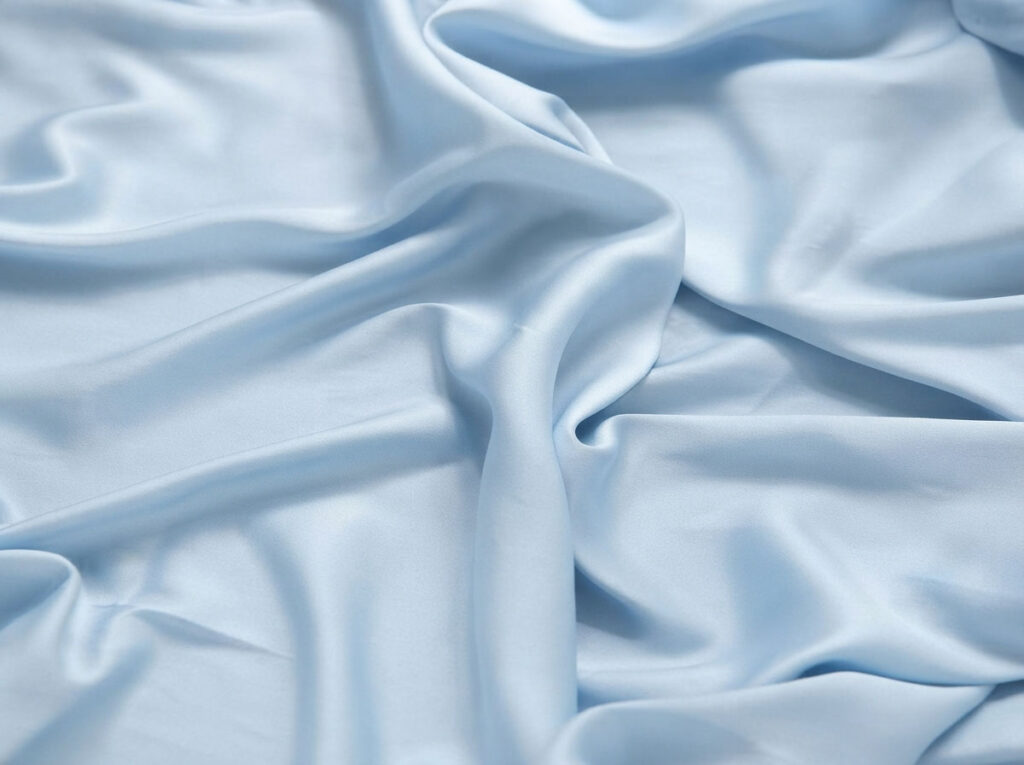
Lyocell fabric is one of the most widely discussed regenerated cellulose fibers in sustainable textile development. Known for its soft hand feel, breathability, moisture management, and versatility, it is used in apparel, home textiles, and selected technical applications.
So, what is Lyocell fabric, and why is it becoming so popular?
Lyocell is a regenerated cellulose fiber made from wood-derived cellulose. Its production uses a solvent-based process designed to recover and reuse the solvent in a closed loop. TENCEL™ Lyocell is a branded form of Lyocell fiber produced by Lenzing, rather than a synonym for every Lyocell product.
For apparel brands, Lyocell can offer an attractive combination of softness, drape, moisture absorption, durability, and a strong sustainability story. However, fabric performance still depends on fiber quality, yarn construction, fabric structure, finishing, and blending.
| Fabric Property | Lyocell Fabric Details |
|---|---|
| Fabric Name | Lyocell |
| Also Known As | TENCEL™ Lyocell for qualifying Lenzing-branded fibers |
| Fiber Composition | Regenerated cellulose derived from wood pulp |
| Common Uses | Dresses, shirts, trousers, loungewear, underwear, activewear, bedding, towels and selected nonwovens |
| Breathability | Very good |
| Moisture Management | High moisture absorption |
| Heat Retention | Moderate; depends on fabric weight and construction |
| Stretchability | Low unless blended with stretch fibers or mechanically engineered |
| Pilling Tendency | Depends on yarn, fabric construction and finishing |
| Thread Count / Fabric Density | Varies widely by construction and intended application |
| Early Commercial Development | Developed as a modern regenerated-cellulose fiber in the 20th century |
| Major Production Regions | Europe, China and other textile-producing regions |
| Recommended Care | Follow the garment or fabric care label; cool washing is often appropriate |
Lyocell fabric is a regenerated cellulose textile made from dissolved wood pulp. Common feedstocks can include eucalyptus and other responsibly sourced hardwoods. The cellulose is processed into a solution and regenerated into fibers that can then be spun into yarns and woven or knitted into fabric.
One of Lyocell’s defining characteristics is its production system. The solvent used in the process can be recovered and reused rather than continuously discarded. For TENCEL™ Lyocell, Lenzing states that more than 99.8% of the solvent is recovered and returned to the production loop.
Lyocell begins with cellulose from wood that is sourced through forestry systems and then processed into pulp. The choice of wood source, supplier standards, and traceability can influence the overall sustainability profile of the final fiber.
For apparel brands, it is useful to distinguish fiber sustainability claims from finished-fabric performance. A fabric’s environmental profile depends not only on its cellulose source but also on dyeing, finishing, transportation, blending, garment construction, and product life.
Lyocell emerged as a modern regenerated-cellulose technology during the late 20th century and became commercially significant because it could combine a soft, textile-friendly hand feel with a solvent-recovery manufacturing process.
TENCEL™ Lyocell is one of the best-known branded examples. Lenzing describes its TENCEL™ Lyocell fibers as regenerated cellulose derived from wood and highlights their moisture absorption, comfort, and closed-loop production.
Today, Lyocell is used in fashion, activewear, underwear, denim blends, home textiles, and selected nonwoven products.
Modern Lyocell is valued because it can provide a combination of softness, strength, moisture handling, drape, and comfort that is attractive for premium apparel.
For brands, it can be used as a primary fiber or blended with cotton, elastane, wool, or other materials to adjust stretch, durability, cost, or hand feel.
At Liantao, we work with fabric specifications and garment-development requirements to help apparel brands evaluate Lyocell for shirts, dresses, loungewear, activewear, and other applications where softness and moisture management are important.
Lyocell fabric stands out because it combines the feel of a soft natural-origin textile with the controlled production characteristics of a regenerated fiber.
Key advantages include:
Lyocell and cotton are both popular for comfortable apparel, but their characteristics are different.
Lyocell generally offers a smoother drape and high moisture absorption, while cotton is valued for its familiar natural hand feel, versatility, and broad availability. The better choice depends on garment purpose, cost target, fabric weight, durability requirements, and desired hand feel.
For brands seeking softer drape and a more fluid appearance, Lyocell can be particularly attractive. For cost-sensitive basics, cotton remains a highly practical option.
Compared with polyester, Lyocell typically provides a more cellulosic hand feel and high moisture absorption. Polyester can offer strong durability, dimensional stability, easy-care performance, and competitive cost.
For performance apparel, the correct choice depends on the sport and product requirements. A high-performance polyester knit may outperform Lyocell in certain durability or drying scenarios, while Lyocell can be attractive for lifestyle activewear, loungewear, underwear, and comfort-led products.
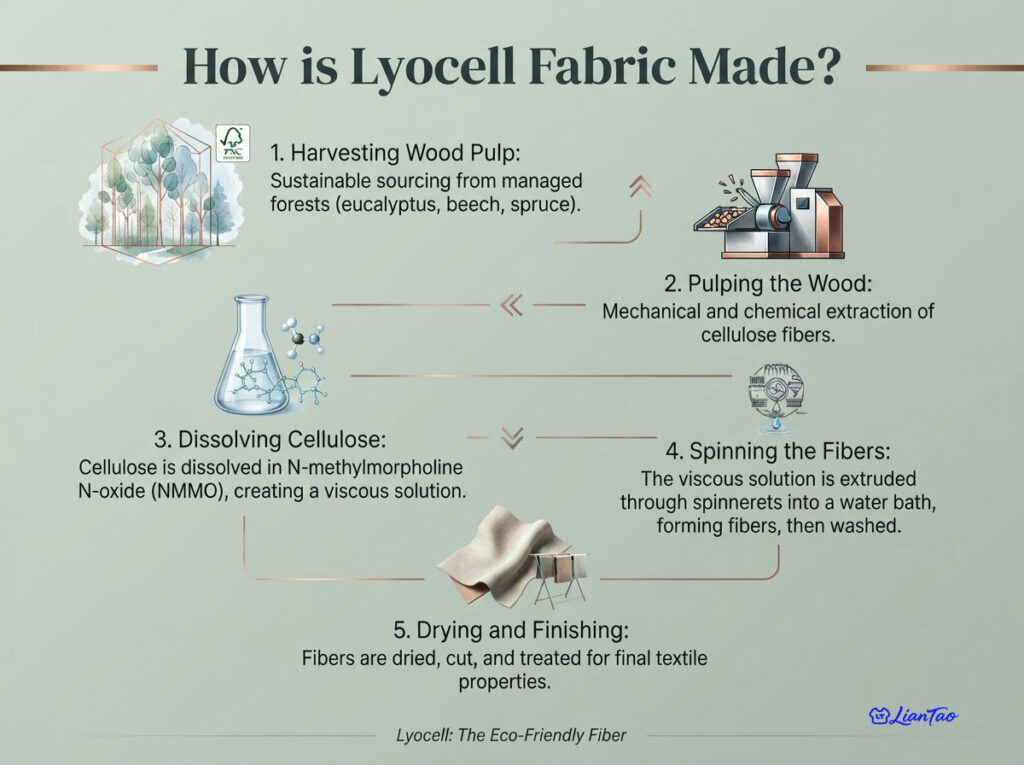
Lyocell fabric is produced by transforming wood-derived cellulose into regenerated fibers through a controlled solvent process.
The basic production sequence includes:
For branded TENCEL™ Lyocell, Lenzing reports solvent recovery of more than 99.8%, supporting the closed-loop character of the production process.
Lyocell and related regenerated-cellulose supply chains operate across several textile-producing regions.
For buyers, supplier verification is more important than relying only on country labels. Fiber origin, mill capability, certifications, fabric construction, and production consistency should all be evaluated.
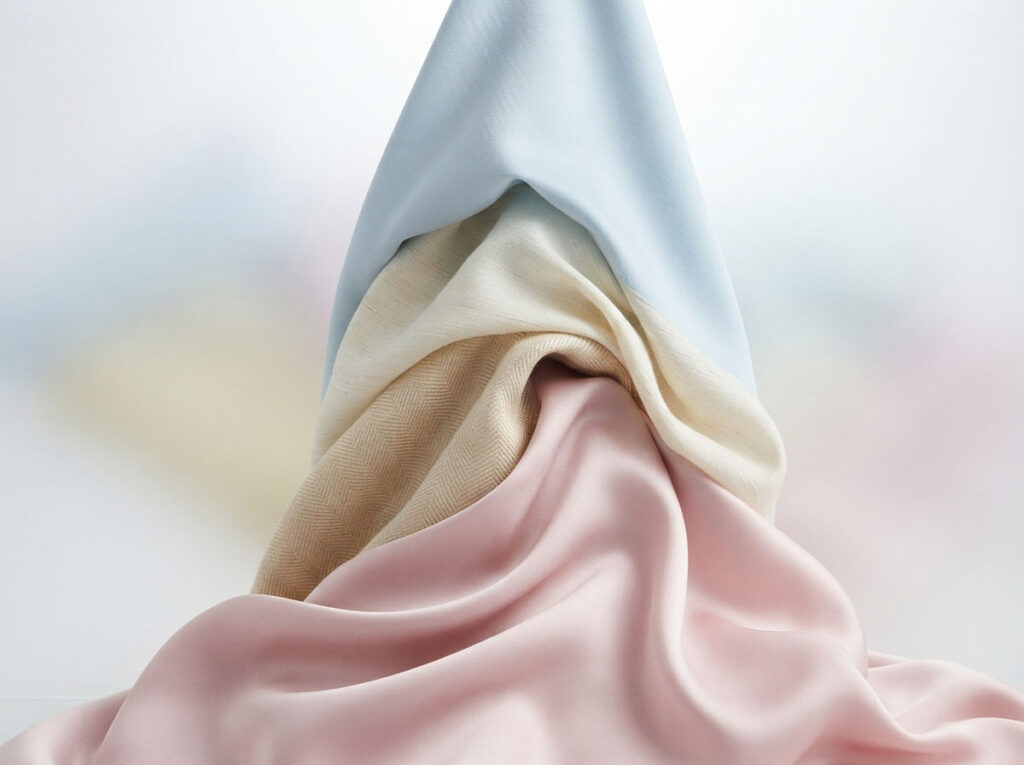
Strictly speaking, Lyocell refers to a fiber category rather than a single universal fabric construction. The final textile can vary significantly according to yarn count, knit or weave structure, weight, finishing, blending, and intended use.
Pure Lyocell fabrics are made primarily or entirely from Lyocell fibers and are often selected for their soft hand feel, drape, breathability, and comfort.
Applications: premium shirts, dresses, loungewear, underwear, bedding, and selected sustainable activewear.
Blended Lyocell combines Lyocell with materials such as cotton, elastane, wool, nylon, or polyester.
Blending allows manufacturers to fine-tune performance. Cotton can add familiarity and structure, elastane can provide stretch and recovery, while selected synthetic fibers can improve durability or dimensional stability.
Applications: everyday apparel, activewear, underwear, fashion basics, and performance-oriented lifestyle products.
The term “recycled Lyocell” should be used carefully because commercial fiber terminology varies by technology and supplier. Some regenerated-cellulose systems use recovered textile cellulose or recycled feedstock, while others use virgin wood pulp from controlled sources.
Applications: circular-fashion products, recycled-content apparel, sustainable collections, and experimental textile programs where traceability can be documented.
While Lyocell belongs to the regenerated-cellulose family, several related fibers are often compared with it:
Lyocell is versatile enough for fashion, lifestyle, home-textile, and selected technical applications.
Lyocell is especially attractive for garments where softness, drape, breathability, and moisture management are important.
Lyocell’s soft hand feel and moisture-management characteristics also make it suitable for selected home-textile products.
Beyond clothing and household products, regenerated cellulose fibers can also be used in selected nonwoven and technical applications.
The exact performance of a Lyocell textile depends strongly on fiber specifications, fabric construction, blend ratio, and finishing rather than the fiber name alone.
The cost of Lyocell fabric can vary substantially depending on fiber brand, grade, fabric construction, weight, yarn count, dyeing, finishing, certifications, order quantity, and country of production.
The following ranges should therefore be treated as indicative market examples rather than fixed industry prices:
For Chinese apparel sourcing, manufacturing scale and local supply-chain integration can create cost advantages, but the final quotation still depends on fabric specification and order quantity.
At Liantao, fabric sourcing is evaluated together with garment design, quantity, construction, finishing, and target price. This helps brands avoid comparing fabrics purely on price when their specifications are not equivalent.
Lyocell is widely considered a more environmentally responsible regenerated-cellulose option when compared with some conventional textile production systems, largely because of its raw-material strategy and solvent-recovery process.
However, “sustainable” should not be treated as an automatic property of every Lyocell garment. Forest sourcing, chemicals, dyeing, finishing, energy, transport, garment durability, and end-of-life management all affect the product’s overall impact.
Lyocell uses wood-derived cellulose, and responsible sourcing can help support managed forestry systems.
Lyocell’s closed-loop solvent system is designed to recover and reuse process chemicals. TENCEL™ Lyocell, for example, uses a production process in which more than 99.8% of the solvent is recovered and fed back into the loop.
Lyocell is a cellulose-based fiber, and under suitable environmental conditions cellulose fibers can biodegrade more readily than many conventional petroleum-based synthetic fibers.
Closed-loop manufacturing is central to the Lyocell production model.
Modern systems are designed to recover the solvent and return it to production rather than continuously consuming and discarding it. Lenzing states that its TENCEL™ Lyocell process recovers more than 99.8% of the solvent.
This helps reduce chemical losses and supports more efficient use of process materials.
Sustainable fabric development does not stop at the fiber stage.
Brands and manufacturers can also evaluate lower-impact dyeing, finishing chemistry, wastewater treatment, energy efficiency, and material utilization. These steps can substantially influence the environmental performance of a finished garment.
At Liantao, sustainable apparel development involves more than selecting a fiber with an eco-friendly reputation.
Our approach can include responsible material selection, fabric evaluation, production planning, quality control, waste reduction, and collaboration with brands on product specifications.
The objective is to help brands develop Lyocell apparel that balances comfort, durability, manufacturability, cost, and environmental considerations rather than treating sustainability as a single marketing claim.
When sourcing Lyocell fabric, buyers should evaluate both technical quality and certification status.
A fabric’s name alone does not guarantee a particular level of softness, durability, sustainability, or chemical safety. Supplier documentation and test reports are important for commercial sourcing.
At Liantao, we can support apparel brands evaluating Lyocell materials for custom apparel and private-label collections, with attention to fabric specifications, garment construction, quality requirements, and sourcing goals.
For brands considering Lyocell for dresses, shirts, loungewear, activewear, underwear, or other apparel, the most effective approach is to evaluate the fiber, fabric, finish, certification, and production process together.
Lyocell can be an excellent material choice—but the final quality of the garment still depends on how the fabric is sourced, engineered, cut, sewn, dyed, finished, and tested.
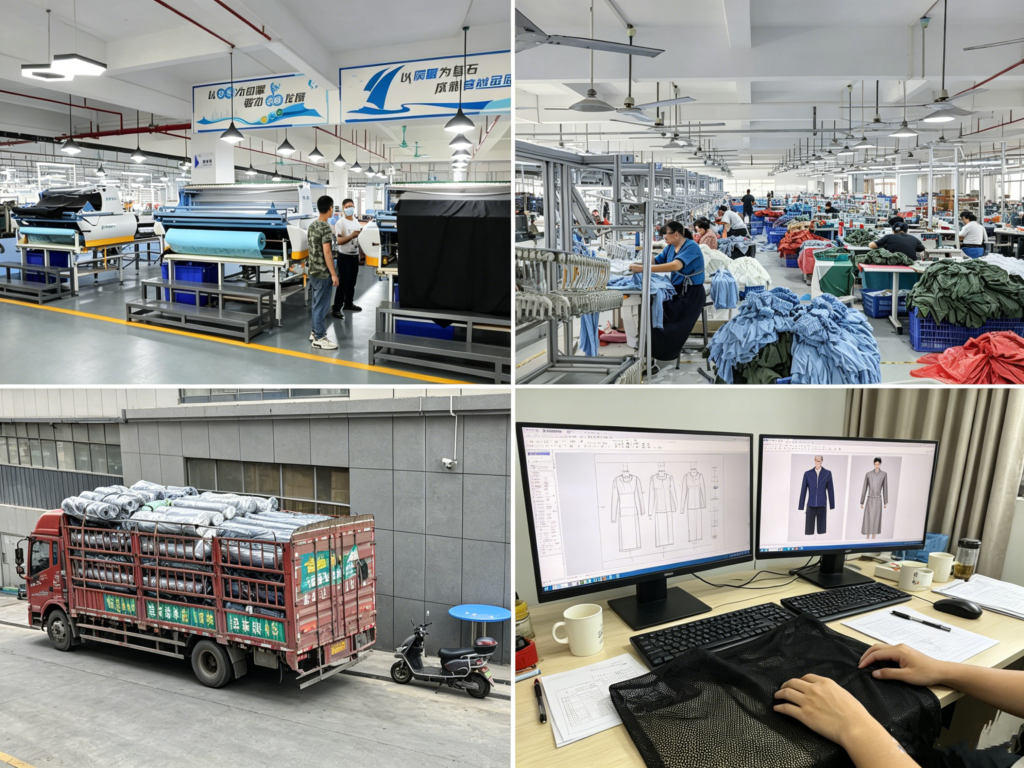
If you have any questions or require a quote, please leave
us a message. Our experts will get back to you within 24 hours to help you choose the ideal fashion products tailored to your needs.
Hi, I’m Lucy Cai, the founder of liantaoapparel.com. I’ve been managing a women’s clothing factory in China for over 16 years. With extensive experience in garment production and OEM services, I’m passionate about sharing insights into women’s fashion, apparel manufacturing, and global sourcing.
If you have any questions or need a quote, please contact us.
Please add us WhatsApp:+86 189 4809 3145
Provide us with detailed information about your requirements, supply design drawings or tech packs,
reference images, and share your ideas.
We will customize the best solution based on your needs and drawings, and provide a specific quote within 24 hours.
Once we receive your confirmation and deposit,we will commence mass production and take care of the subsequent shipping arrangements.