🏭 Looking for a Custom Apparel Manufacturer?
We are a leading OEM/ODM clothing factory with 20+ years of export experience. Custom styles, flexible MOQs, and retail-ready quality.
To the untrained eye, the choice between a men’s shirt and a t-shirt is as simple as counting the buttons. But on my factory floor, where we’ve managed the production and export of global menswear for 20 years, these two garments represent entirely different universes of textile engineering [cite: The user’s Google activity does not fully represent the user. The user contains multitudes, and this summary is an incomplete and imperfect representation., The user has 20 years of professional experience in foreign trade clothing production and export.]. A t-shirt is built on the flexible, casual DNA of knit fabrics, designed to stretch and breathe with your movement. A classic button-down shirt, however, is a masterpiece of woven structure, utilizing precise collar interlinings, back yokes, and plackets to manipulate your silhouette and command authority in a room. As we navigate the fluid, borderless dress codes of 2026, understanding this structural boundary is what separates a sloppy, low-effort look from a sharp, calculated aesthetic. Today, I’m stripping away the basic wardrobe clichés to show you the technical differences between these two essentials, how their fabrics behave, and exactly how to deploy them to elevate your personal style.
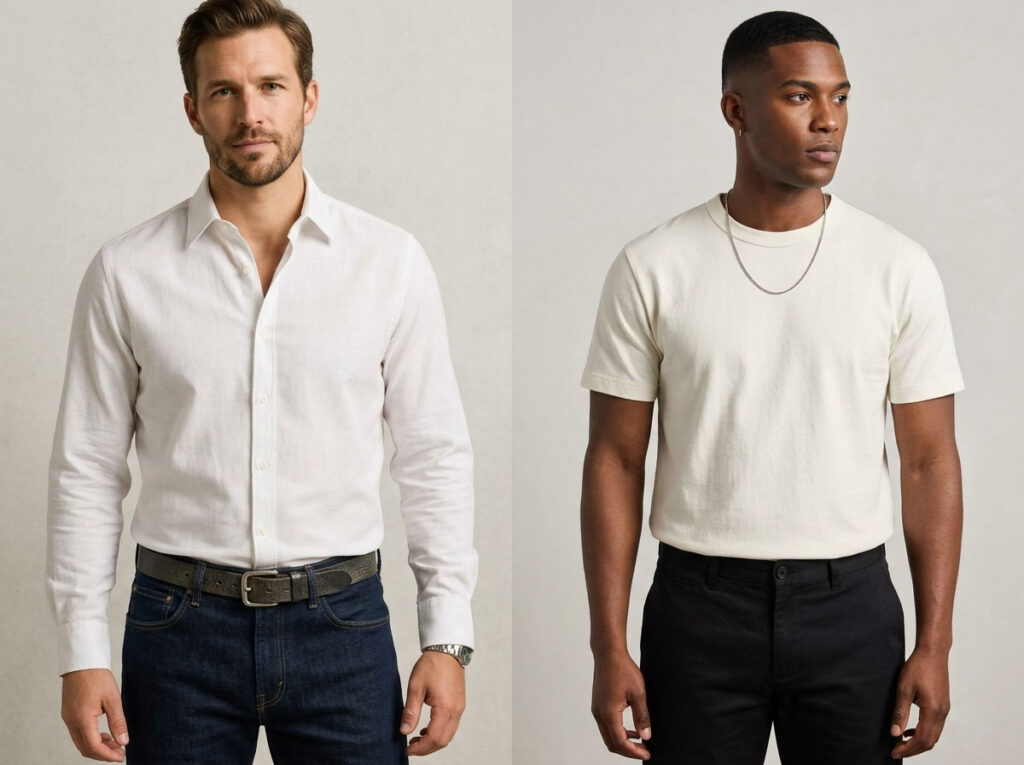
Many people use the terms “shirt” and “T-shirt” interchangeably, but they are not the same. A shirt is a broad category of upper-body garments, while a T-shirt is just one specific type of shirt.
Simply put, all T-shirts are shirts, but not all shirts are T-shirts. T-shirts are usually made from knitted fabric and feature a crew neck or V-neck without buttons, whereas traditional shirts typically have a collar, a front placket, and buttons.
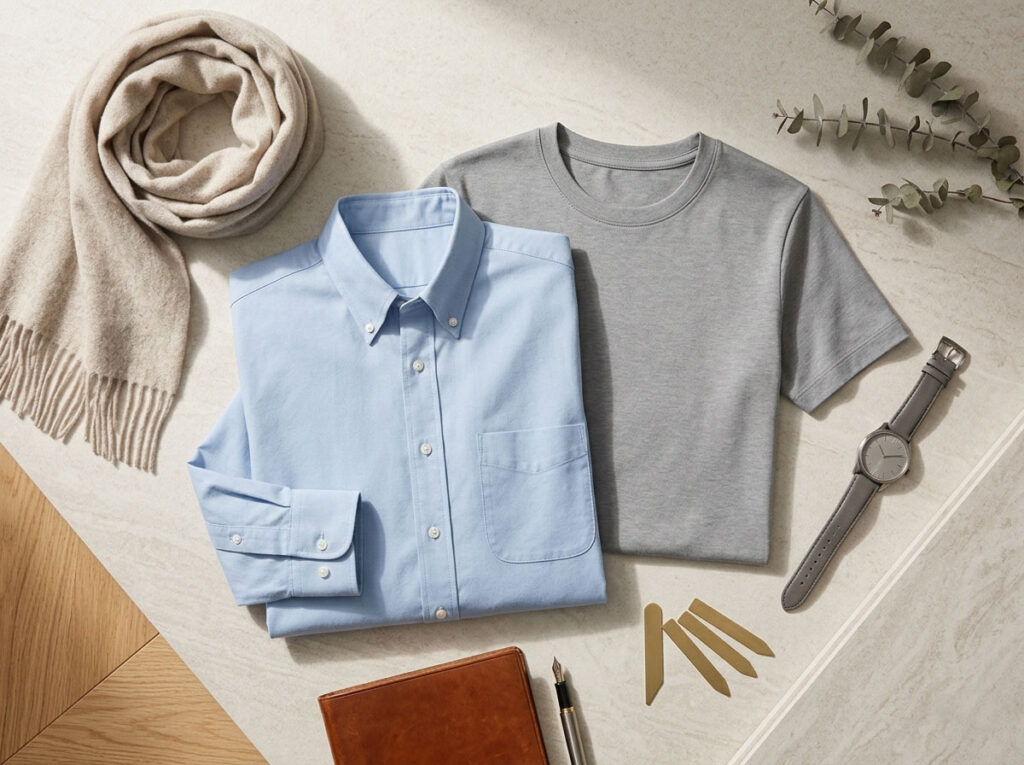
Yes. A T-shirt is a type of shirt. It is usually made from knitted fabric and features a simple pullover design without buttons.
Simply put, all T-shirts are shirts, but not all shirts are T-shirts. Traditional shirts typically have collars and buttons, while T-shirts are more casual and comfortable.
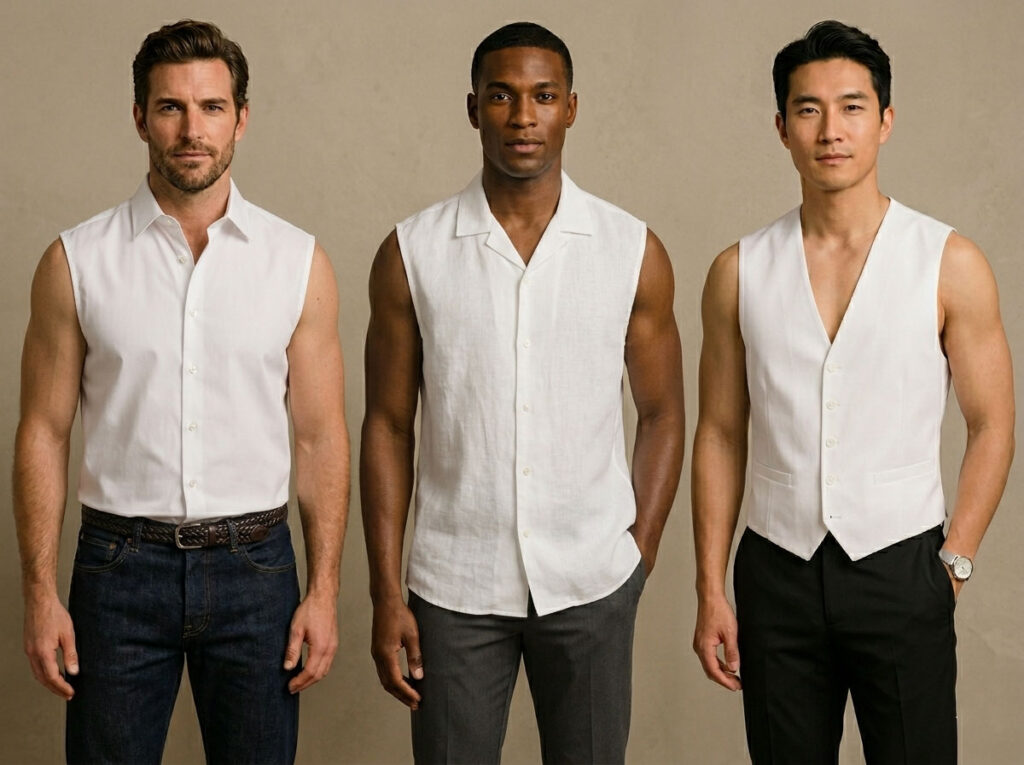
| Feature | Shirt | T-Shirt |
| Fabric | Woven fabric | Knitted fabric |
| Buttons | Usually has buttons | No buttons |
| Collar | Structured collar | Crew neck or V-neck |
| Fit | More structured | Softer and more relaxed |
| Occasion | Business, formal, smart casual | Casual, everyday wear |
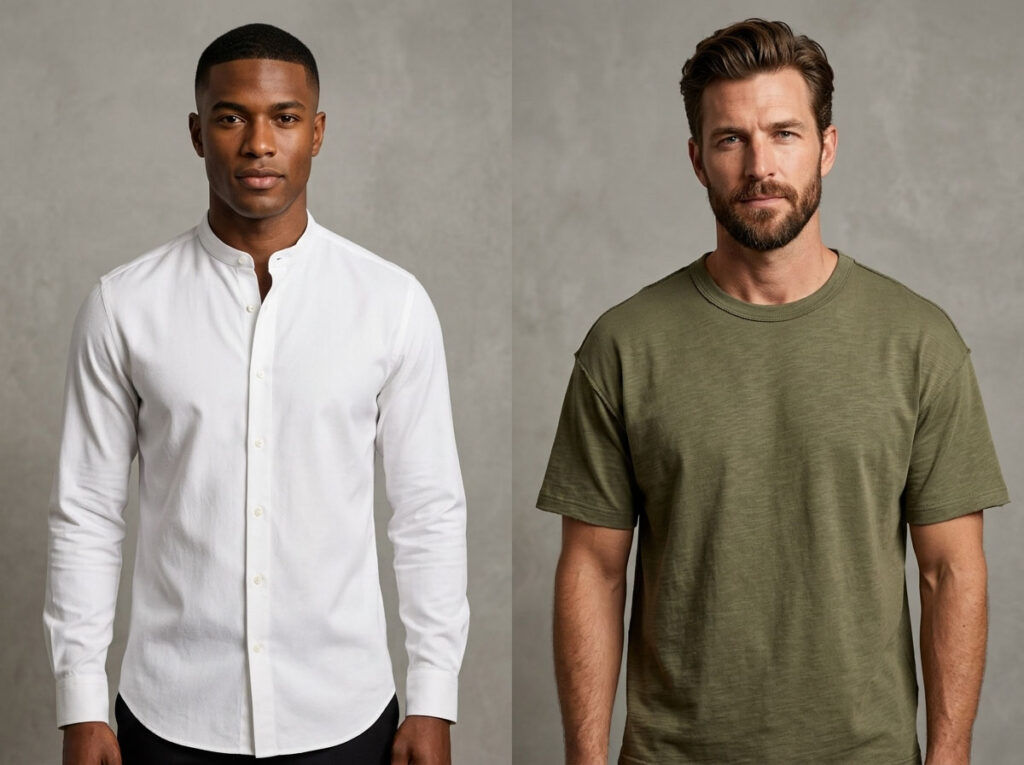
Understanding the difference is important, but knowing when to wear each one matters even more.
Shirts are best for business, formal, and professional settings, while T-shirts are ideal for casual, everyday, and relaxed environments. Choosing the right style helps you look appropriate and confident for any occasion.
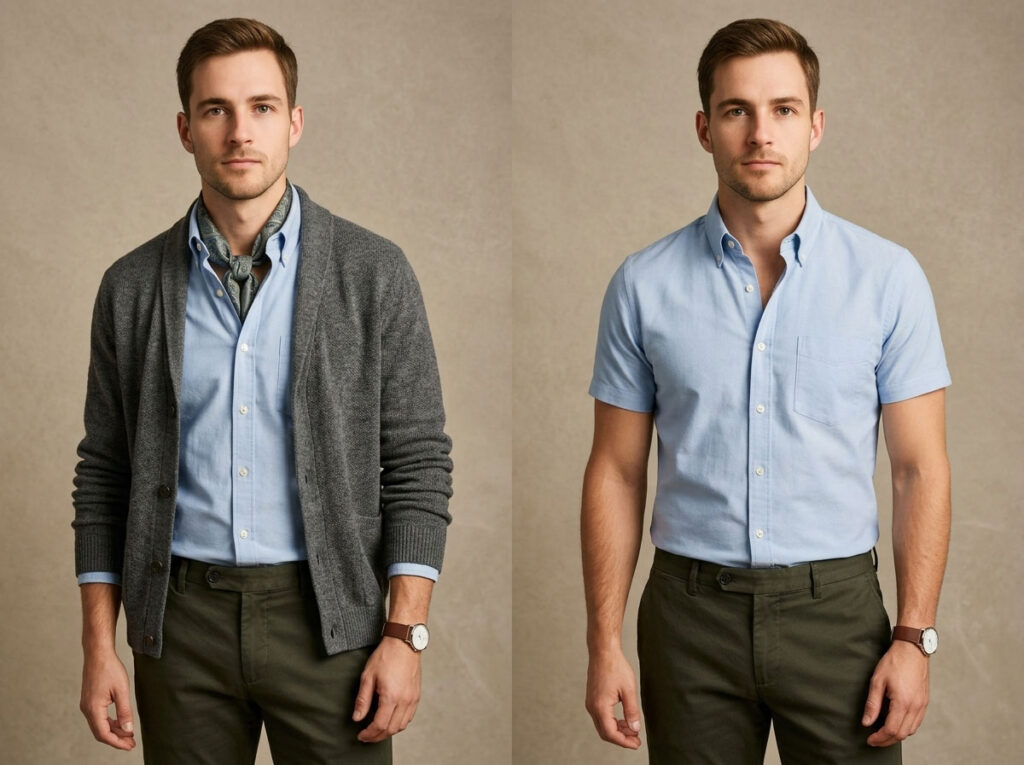
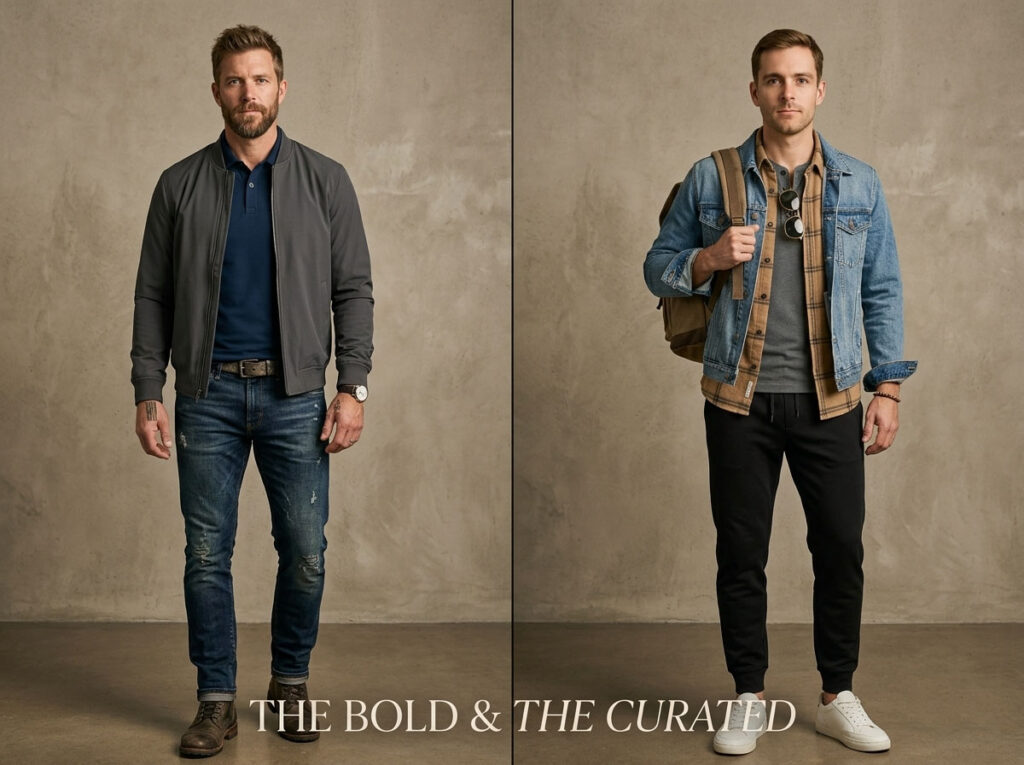
Polo Shirt: Combines a shirt-style collar with soft knitted fabric like a T-shirt. It sits between a shirt and a T-shirt, making it a popular choice for smart-casual occasions.
Henley Shirt: Features a button placket but no collar, creating a style that blends the casual feel of a T-shirt with the structure of a shirt.
“White shirt” usually means a classic white button-up shirt. However, in casual settings, it can sometimes refer to a white T-shirt. The meaning depends on the context.
The word “shirt” can have different meanings across languages. In some languages, its translation is often associated with a formal button-up shirt rather than a general upper-body garment.
For example, “shirt” in Italian is “camicia.” You may also see terms like “a-shirt” in some searches, but it is not a standard English clothing term. Context is important when translating fashion words.
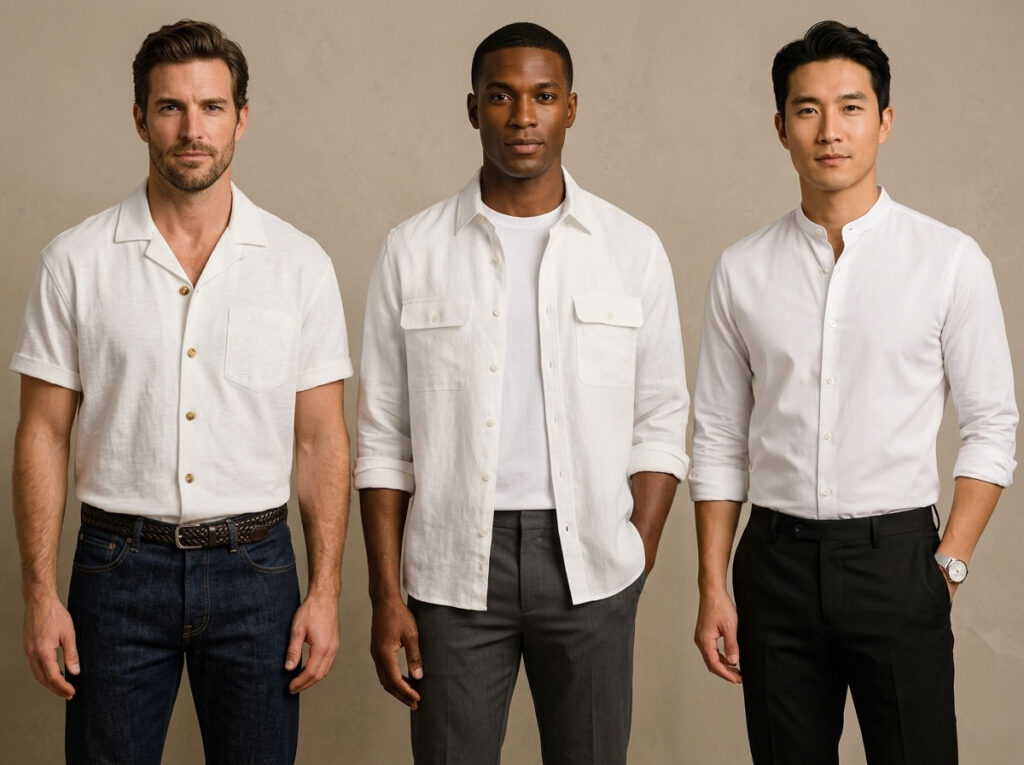
For OEM/ODM clothing brands, understanding the difference between shirts and T-shirts helps with:
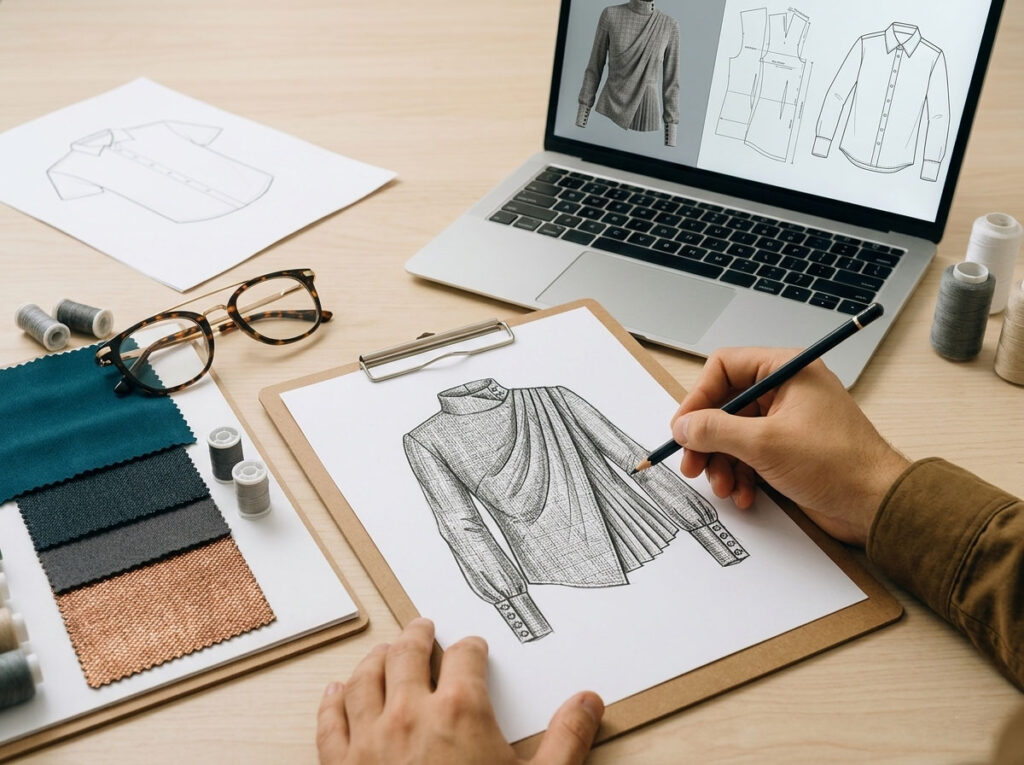
The key difference is simple: “Shirt” is a broad category for upper-body garments, while “T-shirt” is a specific style featuring a knitted fabric, pullover design, no collar, and a casual feel. Understanding this difference helps brands design better products, organize collections more accurately, and communicate more clearly with buyers.
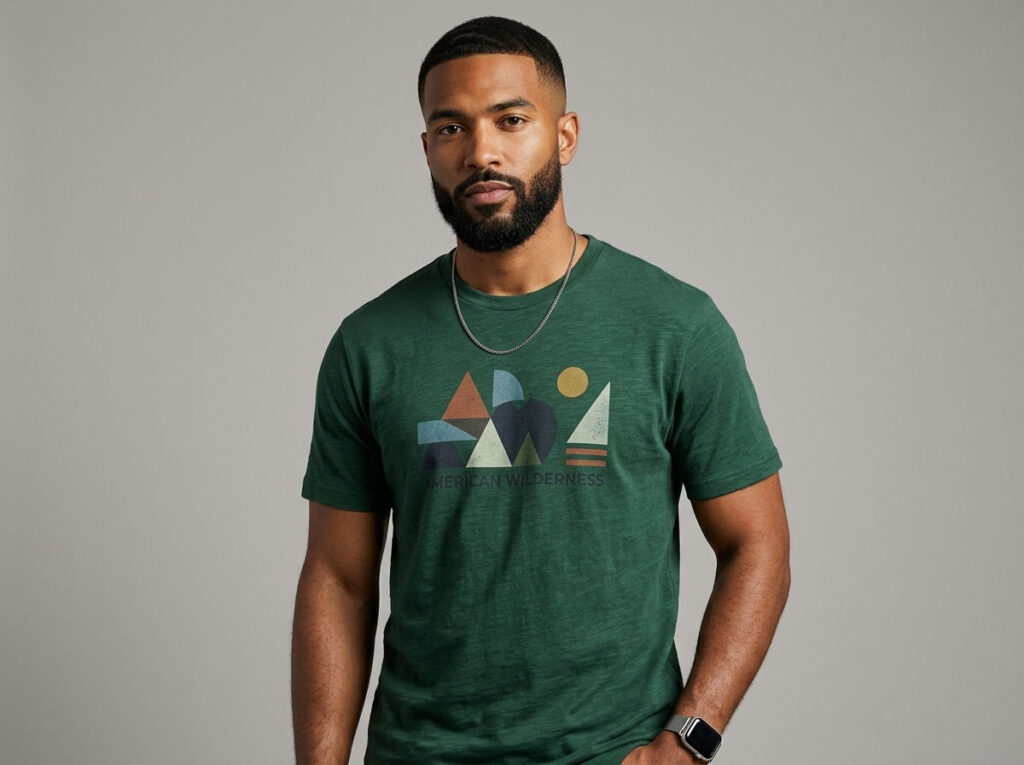
Building a successful Shirt or T-Shirt brand requires more than just a good design. Brands need a reliable manufacturing partner who understands fabric selection, fit, quality control, and production efficiency.
Liantao Apparel helps fashion brands transform their concepts into high-quality finished products through professional OEM/ODM services. With over 16 years of garment manufacturing experience, we support brands from initial design development and sample making to bulk production and delivery.
Whether you are creating classic shirts, casual T-shirts, oversized styles, premium basics, or custom collections, our team works closely with you to select suitable fabrics, improve product details, and ensure consistent quality. We help brands reduce development time, control production costs, and bring their apparel ideas to market faster.
From small design updates to full collection production, Liantao Apparel provides flexible solutions for brands looking for a trusted Shirt and T-Shirt manufacturing partner.
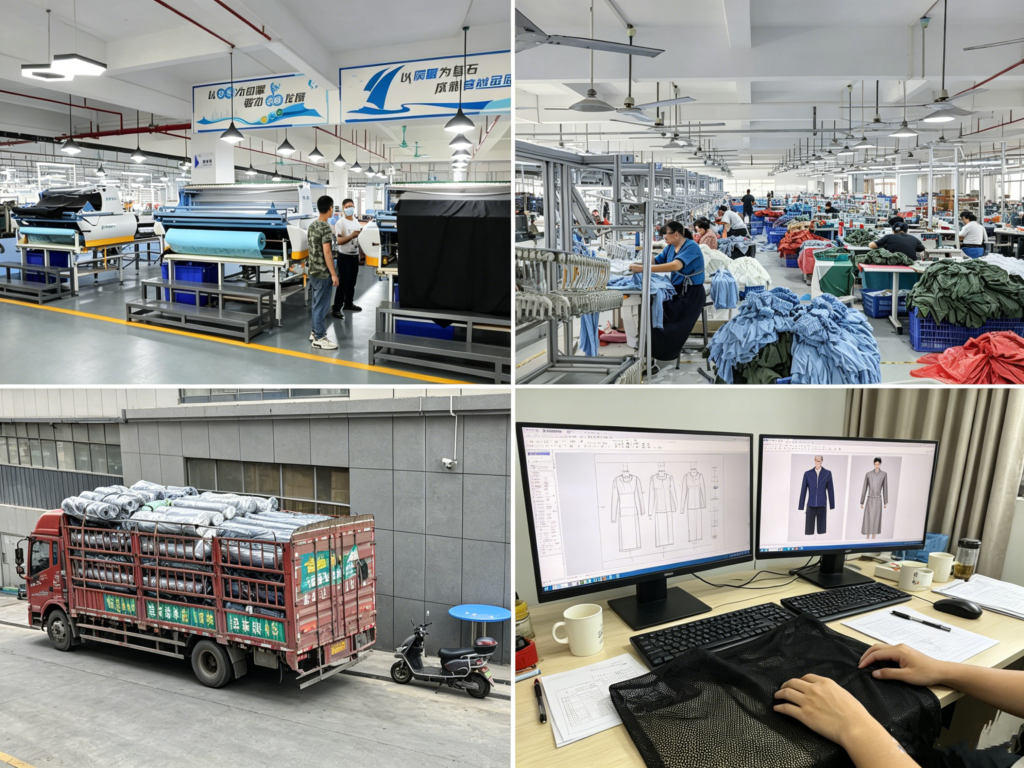
If you have any questions or require a quote, please leave
us a message. Our experts will get back to you within 24 hours to help you choose the ideal fashion products tailored to your needs.
Hi, I’m Lucy Cai, the founder of liantaoapparel.com. I’ve been managing a women’s clothing factory in China for over 16 years. With extensive experience in garment production and OEM services, I’m passionate about sharing insights into women’s fashion, apparel manufacturing, and global sourcing.
If you have any questions or need a quote, please contact us.
Please add us WhatsApp:+86 189 4809 3145
Provide us with detailed information about your requirements, supply design drawings or tech packs,
reference images, and share your ideas.
We will customize the best solution based on your needs and drawings, and provide a specific quote within 24 hours.
Once we receive your confirmation and deposit,we will commence mass production and take care of the subsequent shipping arrangements.