🏭 Looking for a Custom Apparel Manufacturer?
We are a leading OEM/ODM clothing factory with 20+ years of export experience. Custom styles, flexible MOQs, and retail-ready quality.
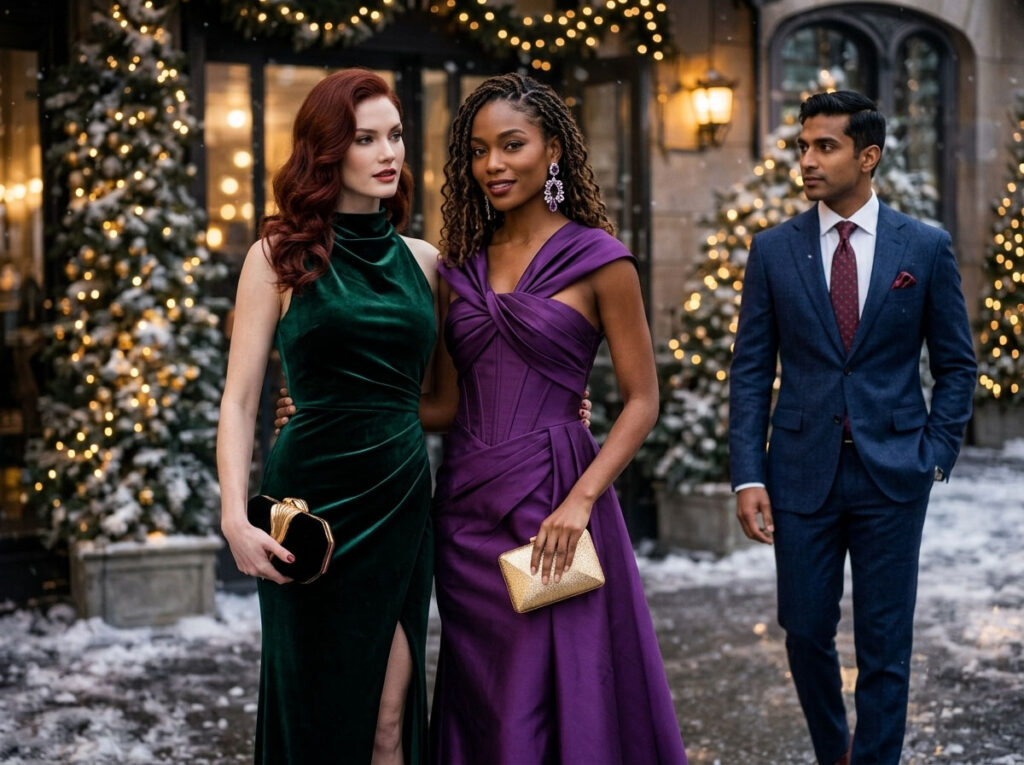
There is a reason why luxury fashion in 2026 is completely obsessed with deep Emerald, rich Sapphire, and royal Amethyst. When done right, Jewel Tones possess a rare, natural contrast that bounces light perfectly, making your skin look radiate and your entire outfit look incredibly expensive. But walk into any retail store, and you’ll find the ultimate winter trap: a jewel-toned sweater that looks like royal luxury on the hanger, but makes you look entirely washed out, yellow-toned, or visibly aged the moment you put it on.
In my 20 years of managing premium garment production lines and analyzing dye chemistry, I’ve learned a secret the retail giants hide: a color’s luxury status isn’t just about the hue; it’s about fabric optical reflection. A synthetic polyester will scatter light in a cheap, glossy glare, whereas a heavyweight mulberry silk or brushed cashmere absorbs and diffuses rich winter colors to create that effortless ‘old money’ glow. Today, I’m pulling back the curtain on the textile supply chain to show you the exact color science behind seasonal undertones, how to pair deep winter palettes with your skin’s contrast, and the factory-floor secrets to shopping for jewel tones that respect your budget and your complexion.
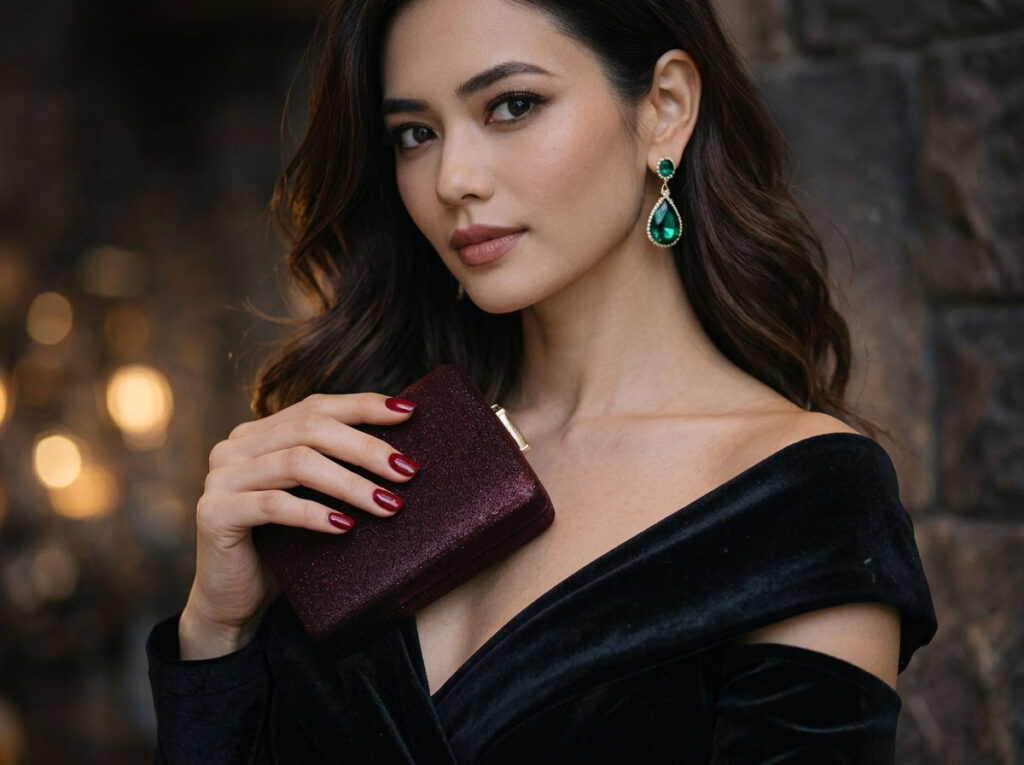
Jewel tones are a category of richly saturated, high-intensity colors with a natural sense of luster, inspired by the appearance of real gemstones. They sit between light and dark shades but are not simply “dark colors.” Instead, they emphasize a balance of depth, purity, and texture, creating a premium visual effect that feels deep without being dull and rich without appearing dirty. Common examples include emerald green, ruby red, sapphire blue, amethyst purple, garnet red, citrine yellow, jade green, and teal.
In fashion and design, jewel tones are often used to enhance a sense of luxury, sophistication, and visual impact. Compared to the softness of pastel colors and the heaviness of darker palettes, jewel tones are more expressive and stable, which is why they are widely used in autumn and winter collections, high-end lines, and brand visual identity systems. They offer a naturally refined aesthetic without requiring complex design, making products look more premium and complete.
Gemstone tones come from natural gemstones. Their defining characteristics are high saturation, depth, and a strong sense of layering, rather than simply being dark colors. Under winter lighting (such as overcast skies or indoor lighting), they still appear clear and vibrant without looking dull, making them well-suited for winter clothing, wedding styles, and evening gown design. They also enhance the texture of materials such as wool, velvet, and satin.
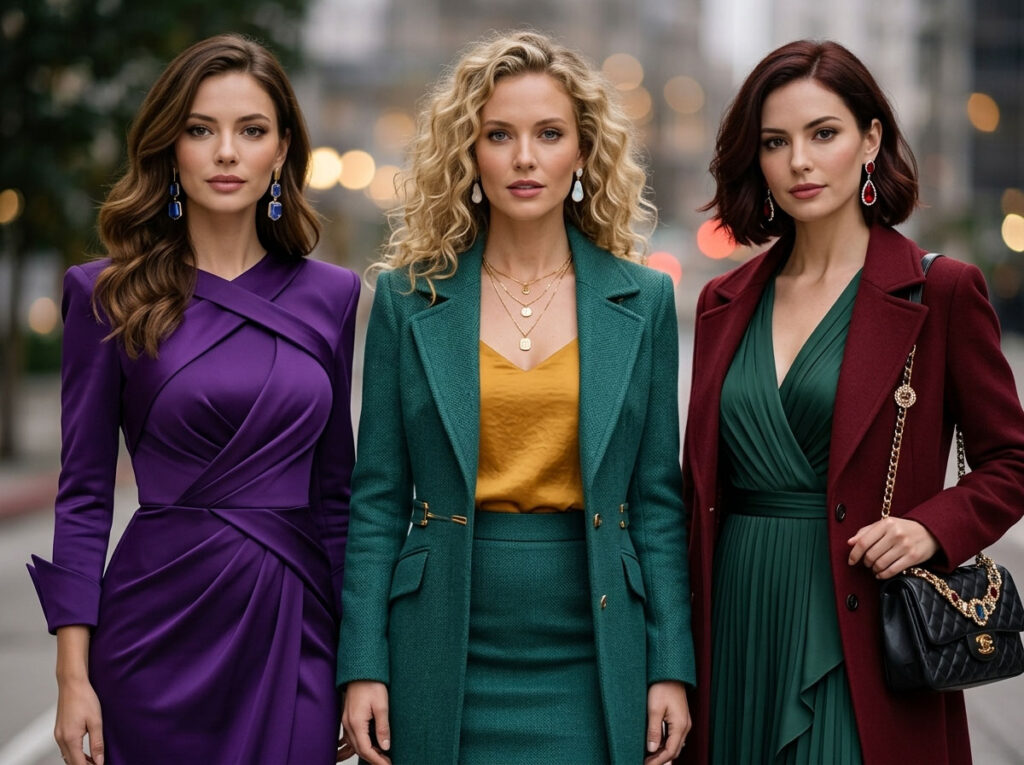
Include emerald green, ruby red, sapphire blue, amethyst purple, garnet red (wine red), citrine yellow, and jade green/teal. They pair very well with neutral colors such as black, navy, gray, and camel. A common styling approach is “one gemstone color + neutrals,” which creates a clean, elevated, and refined overall look.
| Gem | Common Name | Best Use Cases | Style Effect |
| Emerald | Gemstone Green | Coats, knit dresses | Balances red undertones, looks refined and natural |
| Ruby | Gemstone Red | Sweaters, lip makeup | Festive but not flashy, creates an elegant feel |
| Sapphire | Gemstone Blue | Suits, jeans | Highly versatile, almost a “no-fail” color |
| Amethyst | Purple gemstone tone | Shirts, scarves | Softens facial features, enhances a gentle look |
| Garnet | Deep gemstone red | Velvet pieces, bags | Strong evening shine, ideal for formal wear |
| Citrine | Amber / golden tone | Silk tops | Brightens complexion, adds warmth |
| Teal / Jade Green | Blue-green gemstone tone | Parkas, blazers | Neutral alternative, modern and contemporary feel |
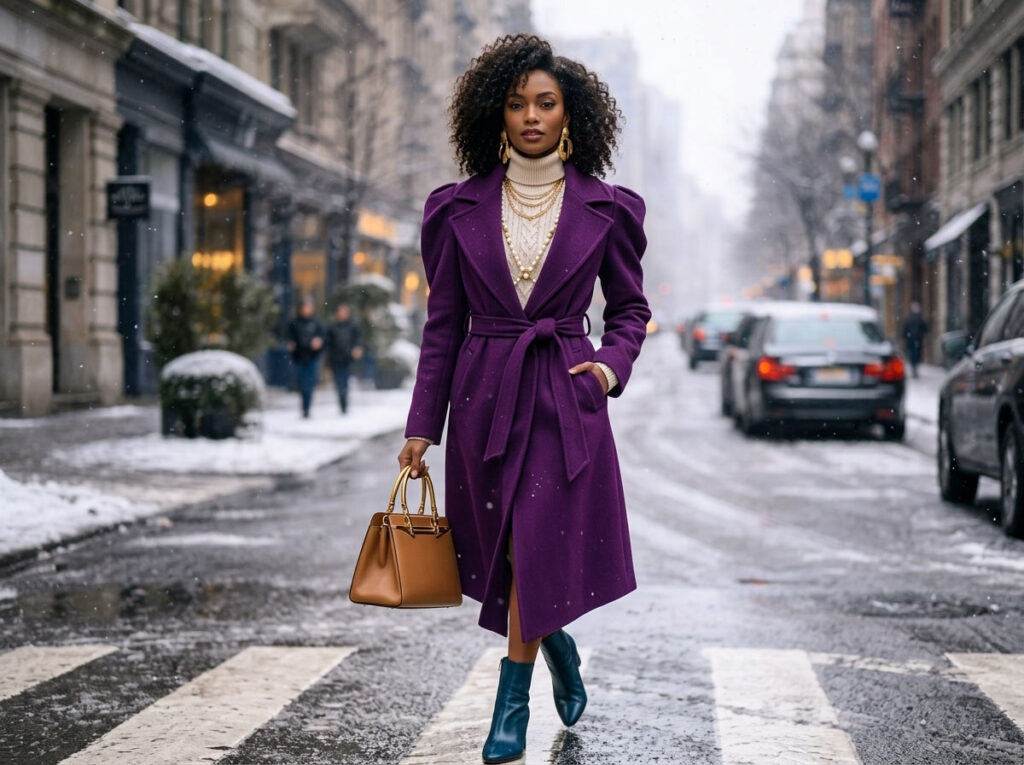
For years, I used to choose colors based purely on intuition, only to end up with clothes that made my skin look dull or created an unbalanced overall look. I would often end up with piles of items I didn’t feel confident wearing. Later, I switched to a much simpler approach: using “gemstone tones” as a reference for color selection, which turned out to be more practical than obsessing over whether I am a cool or warm tone type.
In general, cool-toned skin works best with sapphire, amethyst, and deep garnet. Warm-toned skin is better suited to citrine, teal tones, and ruby. Neutral skin tones can carry most gemstone colors, but the key is to adjust the depth and saturation so the overall look stays clean and harmonious.
You can identify your undertone in three ways: vein test, metal test, and white paper test. Blue or purple veins usually mean cool undertone, green veins mean warm, and a mix means neutral. Silver jewelry suits cool tones, gold suits warm tones, and both suit neutral. White paper next to your face also helps: pink-blue reflection suggests cool, peach or olive suggests warm.
After that, choose gemstone colors that match your undertone. Cool tones suit sapphire blue, amethyst, icy emerald, and garnet. Warm tones suit citrine, ruby, turquoise, and rich emerald. Neutral tones can wear most colors but should focus on balanced contrast.
If something looks off, adjust it: add warm accessories or lipstick if it feels too cold, or use navy/gray to balance warmth. Also control how close bright or deep colors are to your face. The key is balance between skin tone and color so gemstone shades enhance your natural look.
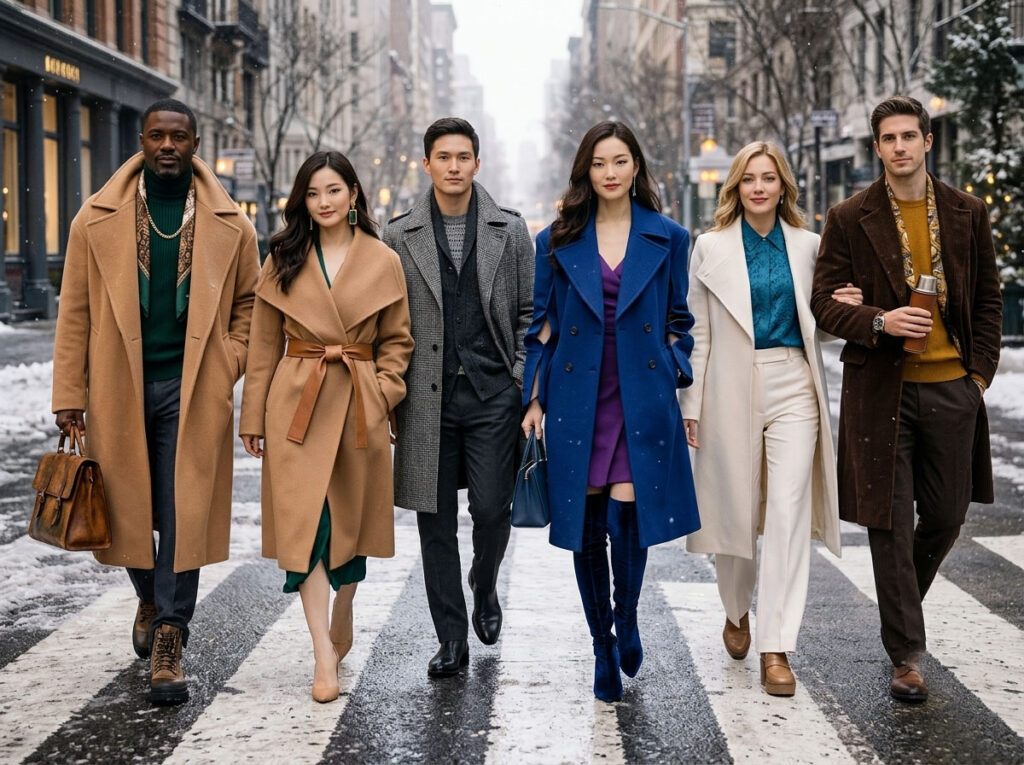
| Skin Undertone | Best Gemstone Colors | Colors to Avoid / Adjust | Styling Key |
| ❄️ Cool tone | Sapphire blue, amethyst purple, garnet red | Citrine yellow may look sallow or tired | Pair with silver metals to enhance clarity and brightness |
| Warm tone | Citrine yellow, ruby red, teal | Overly cool purples near the face | Use gold jewelry to enhance glow and complexion |
| ⚖️ Neutral tone | Emerald green, jade green, ruby | No strict restrictions (focus on contrast) | Balance light and dark tones; control overall contrast |
My winter wardrobe used to be almost entirely black. I still like black, but now I use gemstone tones to break up the monotony. The approach is very simple: start by choosing one gemstone-colored statement piece, such as a coat, knitwear, or a dress. Use sapphire blue, emerald green, amethyst purple, or ruby red to establish a clear visual focal point.
Then balance the overall look with winter neutrals, such as charcoal gray, camel, navy, beige, chocolate brown, or black, to keep the outfit stable and easy to wear. Finally, keep the styling minimal and clean, using only a few metallic or subtle accent details (silver or gold), so the gemstone colors stand out more elegantly against a subdued background.
I plan to build a small capsule wardrobe: one to two gemstone tones plus two neutrals. I will repeat this color palette for a full month. I will rotate different fabrics so that each outfit feels fresh. Velvet, wool, satin, denim, and down jackets all express color differently. Velvet deepens the richness of garnet red. Satin brightens emerald green. Wool softens sapphire blue. Denim gives amethyst purple a more everyday, casual-chic feel.
| Occasion | Gemstone Color Hero Piece | Neutral Base | Texture Mix | Core Effect |
| Office | Emerald green blazer | Charcoal gray trousers | Wool + silk T-shirt | Sharp professionalism + polished contrast |
| Weekend | Sapphire sweater | Dark denim | Cashmere + denim | Simple, relaxed, understated luxury |
| Date | Garnet red slip dress | Black boots | Velvet + leather | Mood-enhancing, evening drama vibe |
| Travel | Teal parka | Beige knit set | Nylon + ribbed knit | Practical, durable, camera-ready |
| Party | Amethyst blouse | Black satin skirt | Satin + suede | Light–shadow contrast, rich visual depth |
Many times, people only focus on the clothing itself and overlook what truly determines the overall quality: details such as nails, makeup, and accessories. I used to ignore them as well, until a client requested a set of gemstone-toned nail designs, and I was struck by the photos for the first time: details are not decoration, but part of style itself.
When styling, details can either echo or contrast with the outfit. A tonal match (for example, a ruby sweater paired with ruby nails) creates a more unified and refined look; a contrasting accent (such as emerald earrings with a black dress) creates visual focus and gives the outfit more depth and memorability.
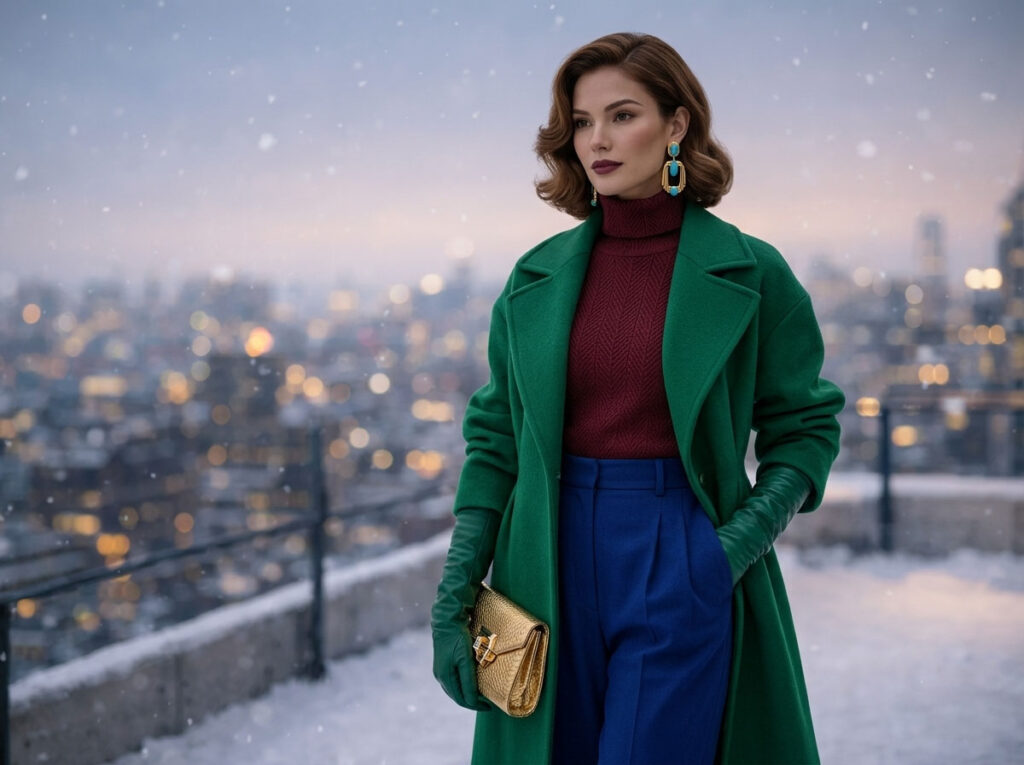
Details are key to upgrading winter outfits. I like using gemstone colors—ruby, sapphire, amethyst, emerald, garnet—as small accents. Clean, short nails with a natural shine already feel refined.
Makeup can stay subtle but effective. Ruby or garnet lipstick elevates the look, while sapphire eyeliner feels lighter than black and makes the eyes more lively.
Accessories tie everything together: gemstone-colored bags, scarves, earrings, or belts can connect the outfit without overpowering it.
If your base outfit is neutral, just two gemstone accents are enough. If you already wear strong colors, balance them with metallic or black pieces.
You can test the style easily—no need to change the whole outfit, just add small gemstone details and see if it works for you.
| Accessory | Gemstone Color | Best Pairing | Style Effect / Notes |
| Clutch | Garnet | Little black dress / navy suit | Instant evening elegance, camera-ready statement |
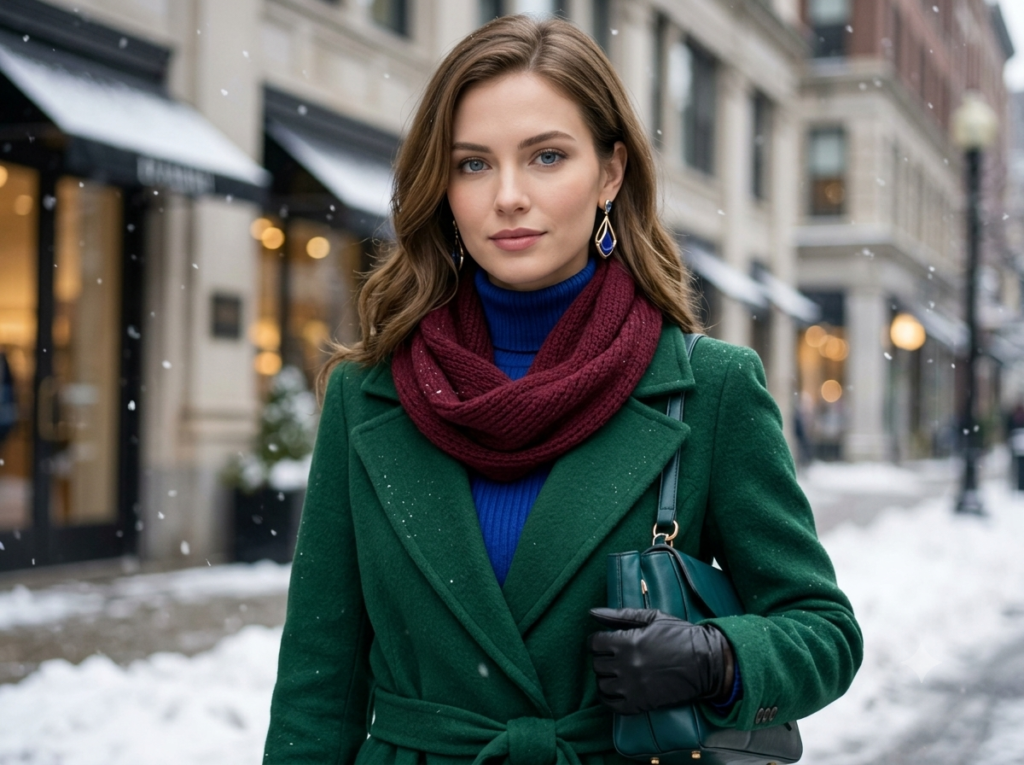
| Scarf | Emerald | Camel coat | Bright focal point that lifts neutral outerwear |
| Earrings | Smoky quartz | Charcoal knitwear | Adds warmth and soft sophistication to the face |
| Belt | Sapphire | Grey dress | Sharp waist definition with a refined color pop |
In winter weddings, jewel tones are an elegant and safe choice. They won’t outshine the bride but instead enhance the overall sophistication. It is recommended to choose deep-toned dresses such as emerald green, ruby red, sapphire blue, or amethyst purple. Satin or velvet fabrics look more luxurious. Avoid white and colors that are too close to the bride’s dress.
Jewel tones perform particularly well in winter and under cool lighting, enhancing visual richness without overpowering the scene. The key is adapting to the occasion. For formal evening events, opt for deep ruby red, emerald green, or midnight sapphire velvet or heavy satin dresses, paired with metallic accessories to elevate texture and sophistication. For daytime or garden events, amethyst, jade, or citrine tones in silk or chiffon work best, with lighter jewelry styling. For more formal or cultural venues, always check dress codes in advance and adjust color intensity and skin exposure accordingly. Men can incorporate jewel-toned ties—ruby, sapphire, or emerald—paired with charcoal suits to subtly echo the theme.
Bridesmaid outfits should generally avoid matching the main dress exactly to prevent visual competition. Shoes in black, nude, or metallic tones help maintain overall balance. If an invitation specifies a color palette, choose one dominant tone rather than using all of them. The overall principle is to control saturation, emphasize fabric and tailoring, and achieve looks that are both expressive and restrained, while remaining versatile for future events.
| Event Type | Recommended Gemstone Colors | Fabric Choices | Accessory Strategy |
| Formal Dinner | Garnet red, emerald green, sapphire blue | Velvet, satin | Metallic clutch + elegant heels to enhance texture |
| Garden / Daytime Event | Amethyst, jade green, citrine | Silk, chiffon | Minimalist jewelry, keeping a light and natural feel |
| Black Tie | Deep garnet red, midnight sapphire blue | Heavy satin | Statement earrings or a single accent piece to enhance drama |
| Cultural / Religious Venues | Context-appropriate conservative palette | Low-key, coverage-focused fabrics | Conservative accessories, with controlled shoulder and skin exposure |
Gemstone colors rely not only on hue but also on fabric quality. Tight-weave, smooth, well-draping materials like satin, silk, or high-density synthetics enhance depth and sheen, while rough fabrics make colors look dull and cheap. Quality control and sourcing are equally important. Colorfastness reports and batch consistency ensure stable results, and reliable lead times help products launch on schedule during peak seasons.
determines how gemstone colors appear. Velvet enhances deep tones like garnet and sapphire by absorbing light, while satin and twill highlight emerald and amethyst with a sharper, more refined finish. Wool and cashmere make knitwear feel premium, while technical fabrics can make jewel tones look more sporty and less elegant.
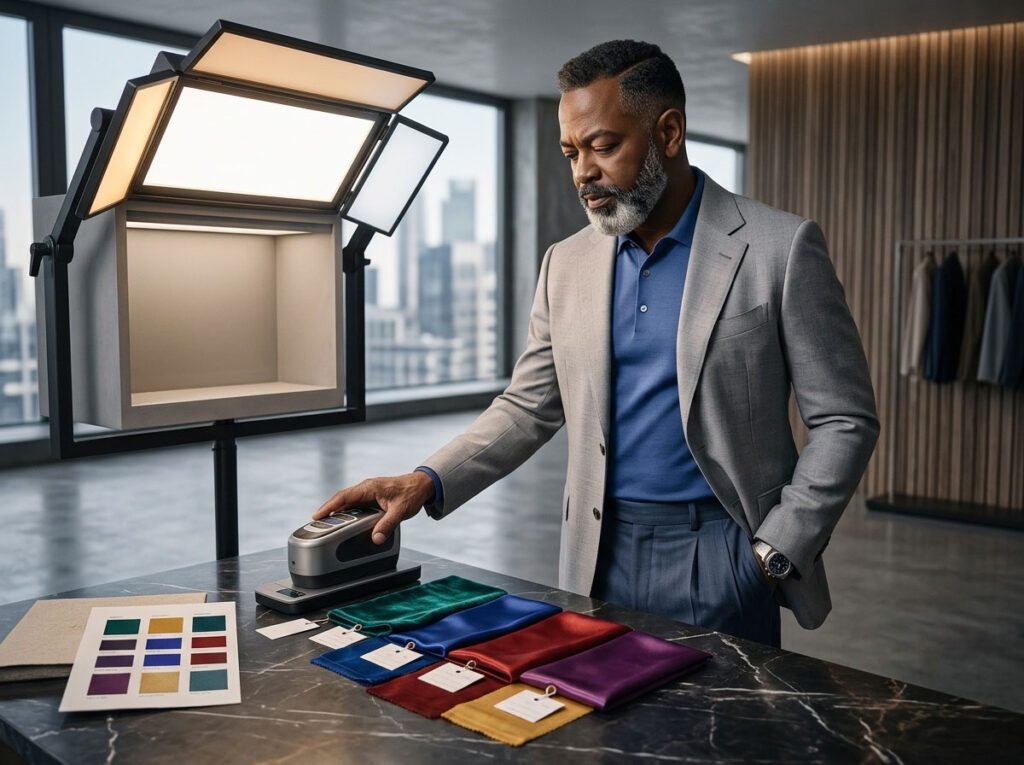
Quality control starts with lab dips and bulk checks, followed by testing durability, abrasion, and lightfastness. Fabric density and weight help maintain color richness, and trims must match to avoid inconsistencies. Production timelines are tightly managed, and certifications such as OEKO-TEX, GRS, and BSCI are verified to ensure reliability and trust.
| Inspection Stage | Key Focus | Core Purpose |
| Lab Dyeing | Batch-to-batch color consistency | Prevent mismatched garment colors |
| Color Fastness Testing | Wash / rub / light stability | Prevent fading and quality degradation |
| Fabric Density | GSM and weave tightness | Maintain jewel-tone saturation and texture |
| Trim Matching | Zippers, threads, lining consistency | Ensure a clean and refined finish |
| Delivery Timeline | Fabric + production + shipping milestones | Secure the winter launch window |
| Certification Audit | OEKO-TEX / GRS / BSCI compliance | Ensure compliance and b |
There are some “fail-safe” color combinations in real life that you can rely on when you’re short on time, such as emerald green + camel, sapphire blue + grey, garnet red + black, amethyst + navy blue, teal + cream, and citrine yellow + chocolate brown. These combinations are popular because they create a stable balance between contrast and harmony, making them look both modern and coordinated. The underlying principle is simple: one color creates the focal point, while the other provides balance—so the result is almost always reliable and easy to style.
| Gemstone Tone | Neutral 1 | Neutral 2 | Accent / Accessories |
| Emerald Green | Camel | Cream | Gold |
| Sapphire Blue | Charcoal | White | Silver |
| Ruby Red | Black | Nude | Patent (leather) |
| Amethyst | Navy | Grey | Pearl |
| Teal | Cream | Chocolate | Brown |
| Citrine | Brown | Olive Green | Tortoiseshell |
Gemstone tones not only brighten winter and enhance the complexion but also elevate the sophistication of minimalist outfits. The key is to simplify the styling logic: choose one gemstone color as the focal point, balance it with two neutral tones, and strengthen the overall look with high-quality fabrics. At the same time, keep your wardrobe choices and daily schedule well organized. This creates a more refined, controlled, and effortlessly elegant personal style.

If you have any questions or require a quote, please leave
us a message. Our experts will get back to you within 24 hours to help you choose the ideal fashion products tailored to your needs.
Hi, I’m Lucy Cai, the founder of liantaoapparel.com. I’ve been managing a women’s clothing factory in China for over 16 years. With extensive experience in garment production and OEM services, I’m passionate about sharing insights into women’s fashion, apparel manufacturing, and global sourcing.
If you have any questions or need a quote, please contact us.
Please add us WhatsApp:+86 189 4809 3145
Provide us with detailed information about your requirements, supply design drawings or tech packs,
reference images, and share your ideas.
We will customize the best solution based on your needs and drawings, and provide a specific quote within 24 hours.
Once we receive your confirmation and deposit,we will commence mass production and take care of the subsequent shipping arrangements.