🏭 Looking for a Custom Apparel Manufacturer?
We are a leading OEM/ODM clothing factory with 20+ years of export experience. Custom styles, flexible MOQs, and retail-ready quality.
When you hand over $120 for a single pair of Lululemon Align leggings in 2026, you aren’t just buying a trend—you are paying for one of the most aggressively protected supply chains in the textile world. To the everyday consumer, it’s just a buttery-soft piece of workout gear. But on my factory floor, where we’ve managed foreign trade apparel production for 20 years, we look at Lululemon through the cold lens of industrial engineering. We see proprietary fiber blends like Nulu, customized high-gauge interlock knits that prevent sheer transparency, and the meticulous tension calibration of four-needle, six-thread flatlock stitching that costs triple the price of standard seams to execute. Today, I’m stripping away the moody store aesthetics and wellness marketing to give you an honest manufacturer’s audit of why Lululemon comes with such a high price tag. We’ll calculate the real cost of their fabric science, expose where they spend their money, and determine if you’re buying genuine garment innovation or pure corporate hype
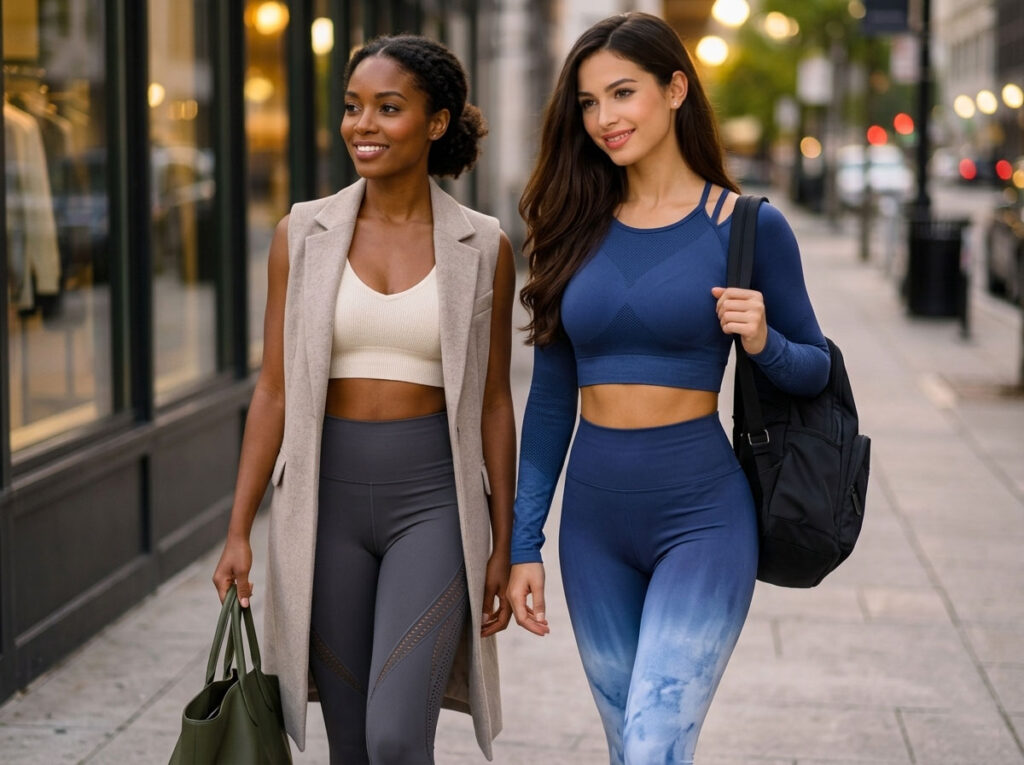
If you’ve worn it, you’ll notice the difference almost immediately: the close-to-skin stretch, the smooth hand feel, and the way it quickly snaps back into shape after movement—all of which feel clearly superior to standard fabrics. This experience comes from high-performance materials like Nulu™ and Warpstreme™, as well as more advanced knitting structures and finishing processes.
These technologies balance stretch, recovery, and durability. Compared to regular polyester or cotton, the fabric is more stable, longer-lasting, and maintains a smooth, well-fitted feel even after extended wear.
I run a B2B apparel company, and when producing fabrics similar to Lululemon, we often specify ultra-fine yarns, Lycra for shape retention, and brushed finishes to achieve a “second-skin” feel like Align leggings. Higher-quality fabric standards require tighter knitting precision, better dye control, and stricter inspection, especially for claims like “squat-proof.”
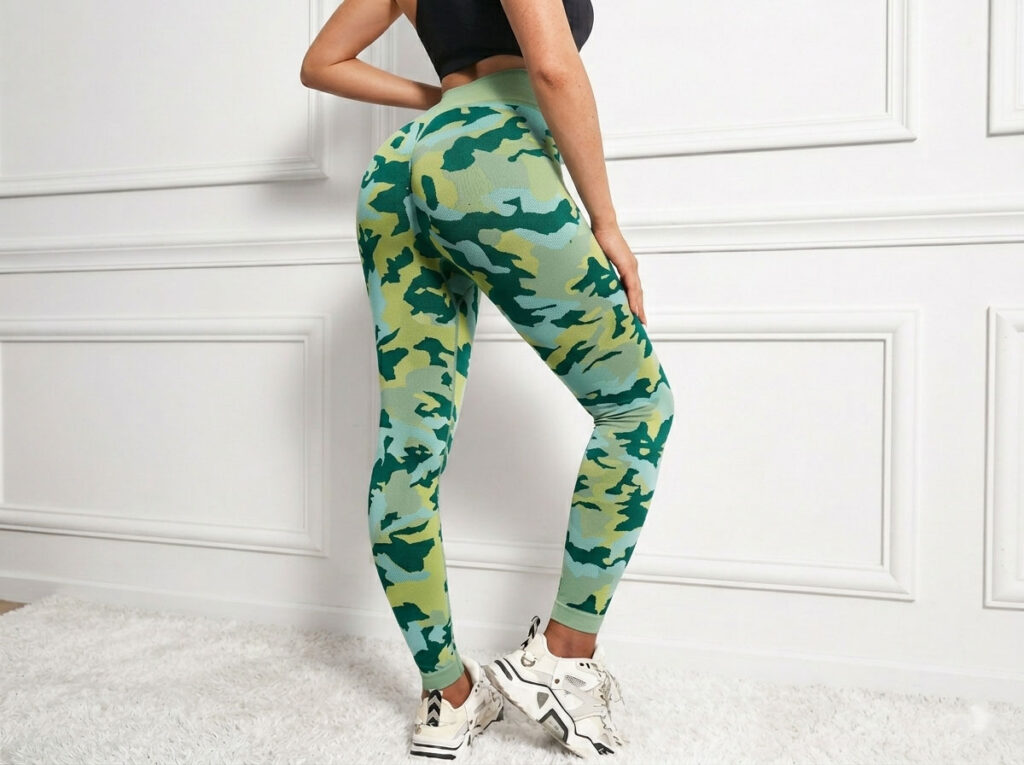
Extra finishing processes—such as moisture-wicking, anti-pilling, and four-way stretch—also increase cost. Even warp-knit fabrics used in men’s trousers require precise construction and heat-setting to ensure drape and durability. While cheaper replicas may look similar at first, they quickly show issues like sagging, pilling, and fading after washing. Fabric quality is the primary driver of price.
| Fabric Type | Purpose | Key Cost Drivers | Examples |
| Nulu™-style brushed fabrics | Ultra-soft, “second-skin” comfort | Micro-denier yarns, brushing process, tight dye control | Lululemon Align leggings, yoga tights |
| Warpstreme™-style fabrics | Comfortable everyday / commute wear | Blended yarns, heat-setting, structure stability | Lululemon ABC pants, men’s joggers |
| High-performance stretch knits | Running & training performance | High-elastic fibers, dense knitting construction | Lululemon running tights, Surge joggers |
Fit may seem simple, but in technical apparel it is anything but. Even a one-millimeter difference can affect comfort. A slightly misaligned seam angle can cause friction during a 10km run.
This is why Lululemon invests heavily in pattern engineering, size grading, and real-body wear testing. Multiple rounds of sample development are used to refine every cut and proportion. These processes increase development time and cost, but result in more consistent fit and a more precise wearing experience.
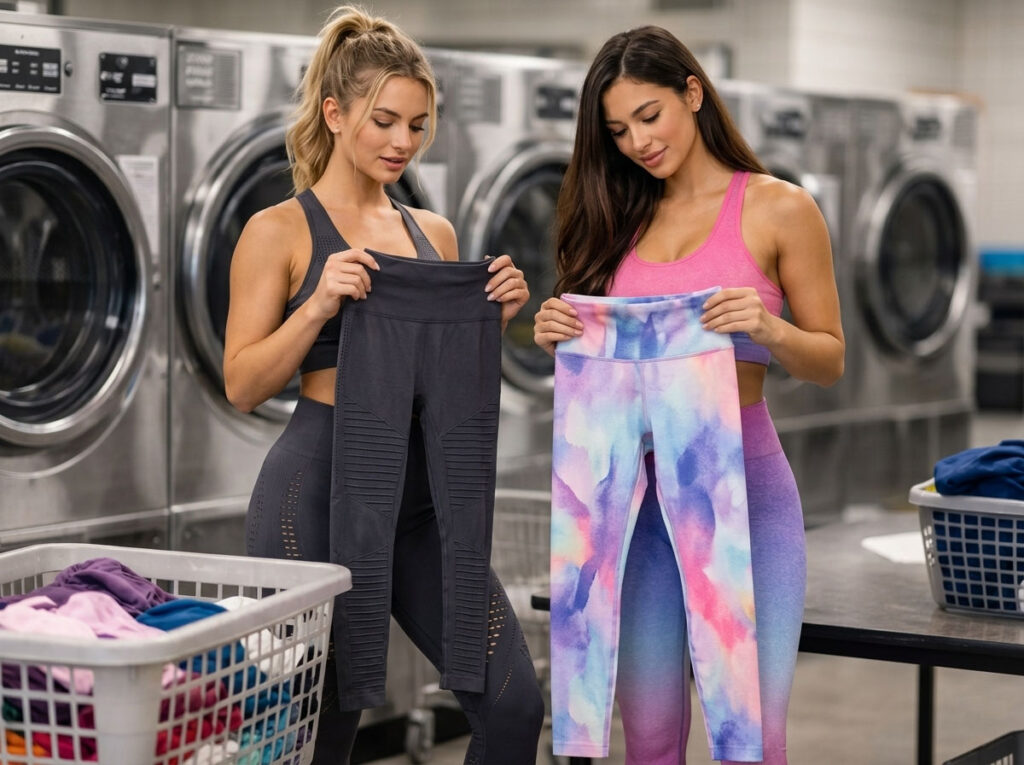
In our sample room, it can take up to six weeks to develop the pattern for a single pair of leggings for Lululemon.
This is because every detail matters: gusset construction reduces seam pressure, multi-panel waistbands improve comfort, and pocket structures are engineered to keep items stable during movement. Even small changes in knee shape or hem width must match real body motion.
Size grading from 0–20 is not just scaling—it requires full pattern recalculation for each size. Every sample is then tested through washing, sweating, and squatting, and any seam issue means restarting the process.
Stitch type, needle choice, and machine setup also vary by fabric, often requiring specialized flatlock equipment. These repeated development cycles add significant cost, but result in the refined fit and comfort experienced at first wear.
In performance leggings from Lululemon, fit is built through small but critical construction choices:
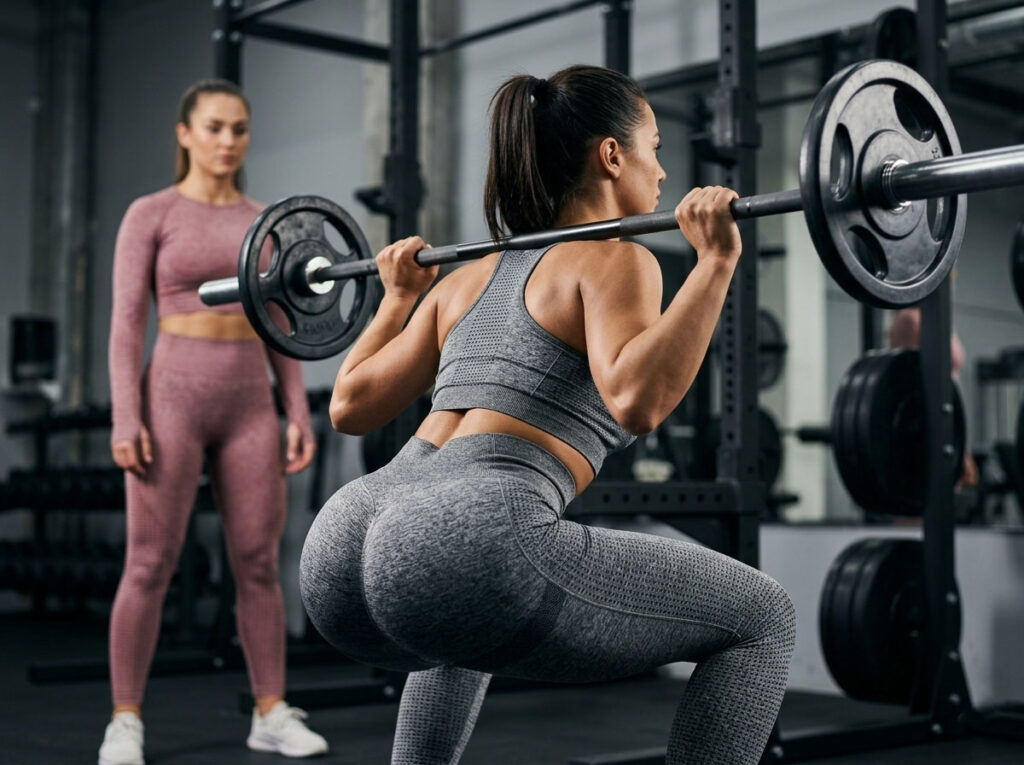
Yes—more than people often realize. It’s not just an added expense, but an entire operating system behind the brand experience.
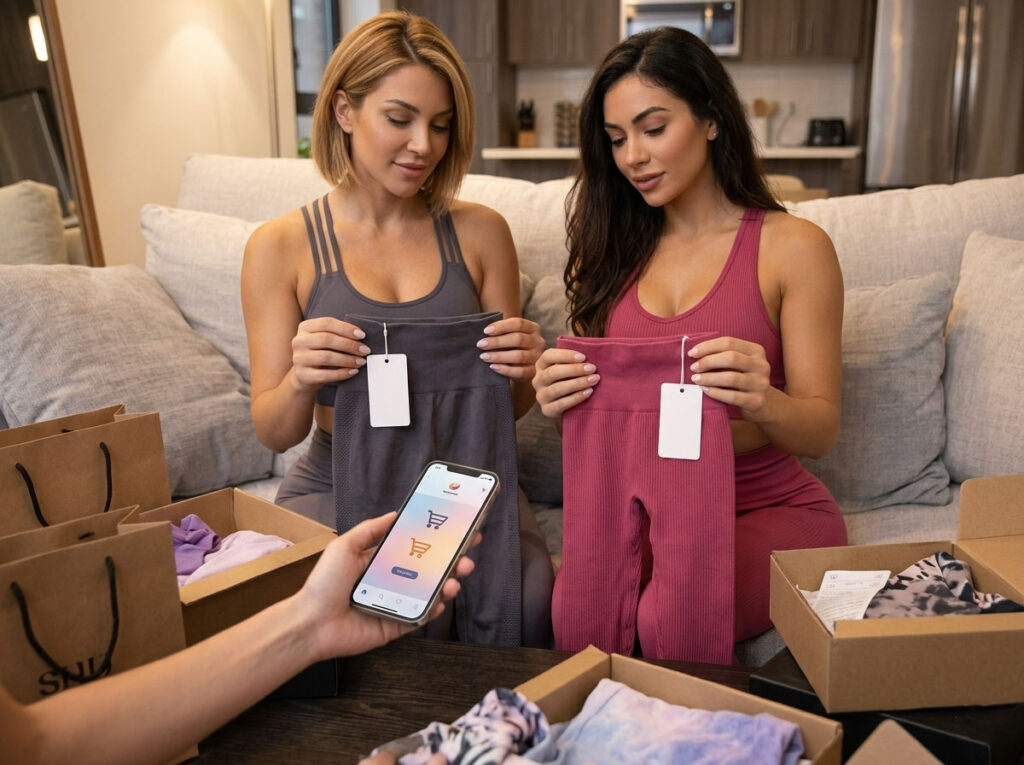
Store operations, rent, community classes, brand ambassador programs, and high-touch services like fittings and returns all contribute to ongoing operating costs. These expenses are ultimately distributed across each product sold.
In essence, customers are not only paying for the product itself, but also for identity, service, and a sense of belonging—costs that are embedded into the final retail price.
Retail spaces are not just sales points—they include fitting rooms for real lighting checks (such as transparency testing for leggings), community classes, and local ambassador programs that build trust and generate word-of-mouth content.
Generous return and size-exchange policies, constantly refreshed visual merchandising, and frequent store re-styling also add ongoing operational expenses. In addition, digital assets like product videos, styling guides, and sizing tools require continuous investment.
| Area | What It Includes | Impact on Price |
| Stores & retail operations | Rent, staff, fitting rooms, in-store experience | High |
| Community & events | Classes, ambassador programs, local activations | Medium |
| Content & services | Product photography, returns, customer support, digital tools | Medium to High |
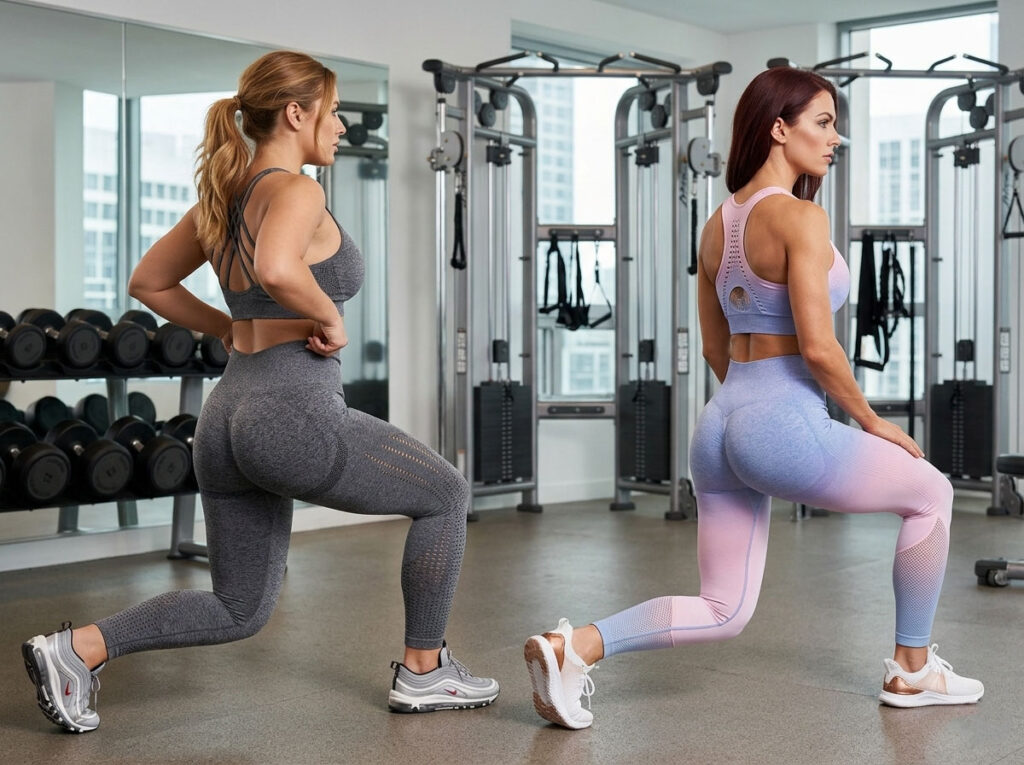
The hidden costs are largely concentrated on the factory side, rather than the retail. Strict tolerance control, lower defect-rate requirements, certified dyeing mills, and multi-stage quality inspection processes all significantly increase per-unit production costs. Each upgraded standard means more time, higher rejection rates, and more expensive manufacturing processes.
When producing leggings for Lululemon-level quality, seam allowances are controlled within ±1–1.5mm, and even small stitching defects require rework.
Pattern matching for prints increases fabric waste, while adjustments to avoid sheen also raise material usage. Quality control includes transparency tests, stretch recovery checks, and strict color standards (Delta E), with any mismatch leading to scrap.
Additional compliance testing, chemical audits, and tighter production schedules—sometimes requiring air freight—further increase costs. All of these factors are ultimately reflected in the final retail price.
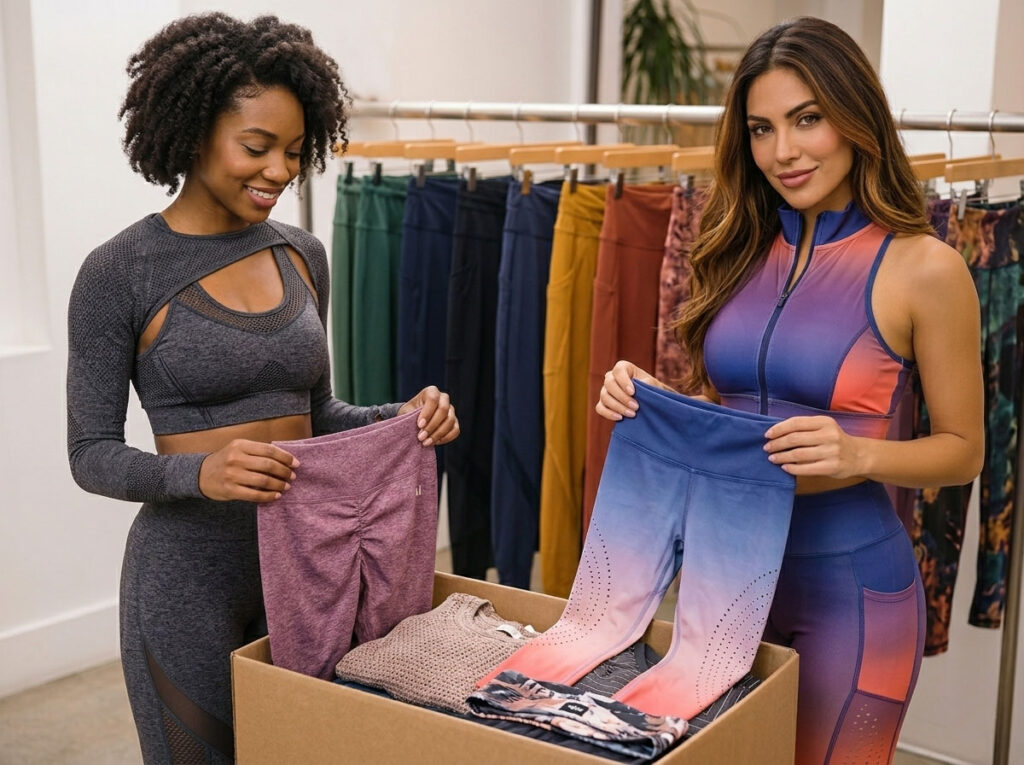
I get asked this question almost every day by buyers and friends. The honest answer depends on how you use it, how you maintain it, and your budget.
If you truly need the performance, then it’s worth it: Nulu™ fabrics are ideal for yoga and everyday wear, Warpstreme™ works well for commuting, and running-specific fabrics are designed for training and high movement. But if you won’t use these functional advantages, then it may not be worth paying the premium—your money is better saved elsewhere.
I run a factory exporting OEM/ODM apparel globally. When a buyer like Sophie, a 38-year-old boutique owner in Europe, asks about alternatives to Lululemon Align leggings, I usually give two options.
One focuses on near-premium quality with better fabric, tighter knitting, and stronger fit engineering—closer to high-end pricing. The other cuts cost through lighter fabric, simpler construction, and fewer quality checks, suitable for trend-driven or casual use but not for heavy training or long-term durability.
If you want leggings that last years, you need to pay for pattern work, fabric stability, and testing. If you only need them for casual wear or styling, mid-tier options are more practical. The key is matching fabric feel and function, and proper care (cold wash, air dry) to extend lifespan.
|
Use Case |
Best Choice | Notes |
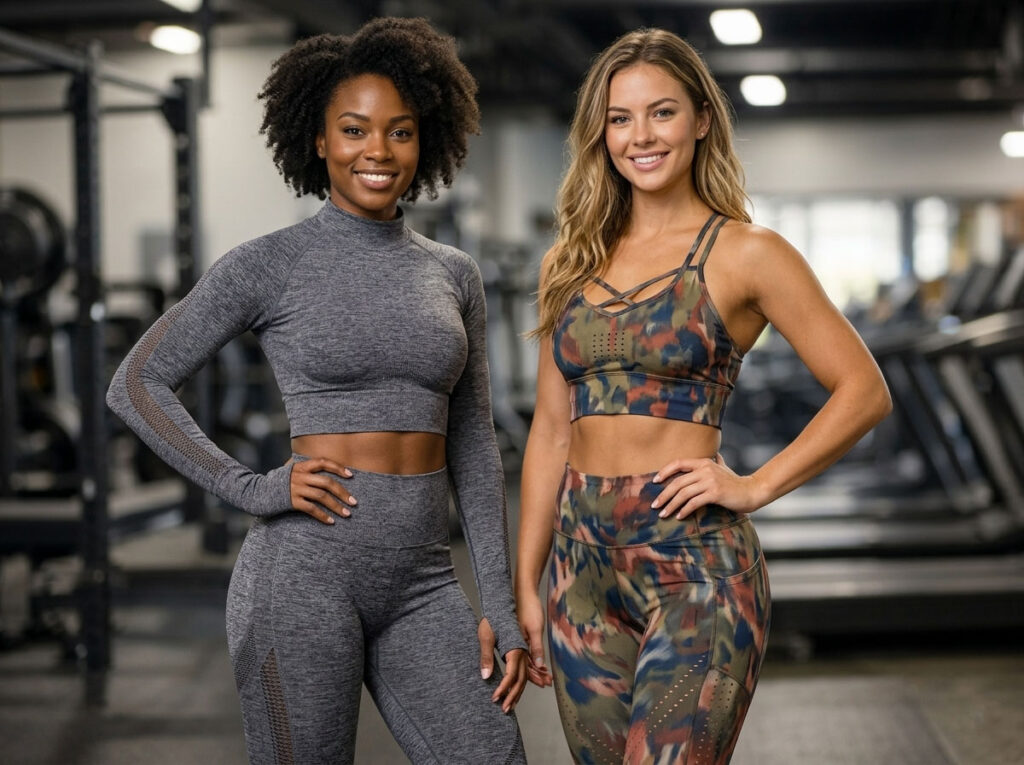
| Slow yoga & casual wear | Nulu™-style Align leggings | Ultra-soft, “second-skin” feel, not ideal for high abrasion |
| Commuting & office wear | Warpstreme™-style joggers | Holds shape well, wrinkle-resistant, structured comfort |
| Running & HIIT training | High-compression performance leggings | Dense knit, reinforced seams for stability under movement |
Fabric, fit, quality control, and the broader brand ecosystem all work together to shape the final price of Lululemon. If you can fully benefit from these elements—performance, durability, comfort, and experience—then the price is justified. If not, a simpler alternative is often the more rational choice.
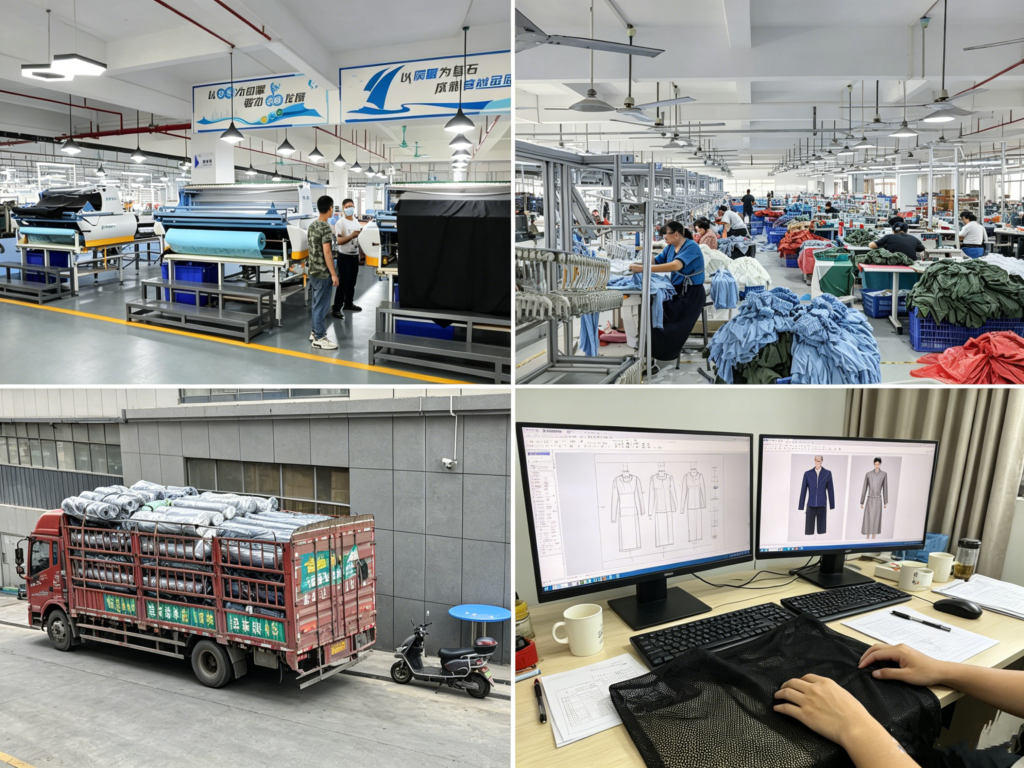
If you have any questions or require a quote, please leave
us a message. Our experts will get back to you within 24 hours to help you choose the ideal fashion products tailored to your needs.
Hi, I’m Lucy Cai, the founder of liantaoapparel.com. I’ve been managing a women’s clothing factory in China for over 16 years. With extensive experience in garment production and OEM services, I’m passionate about sharing insights into women’s fashion, apparel manufacturing, and global sourcing.
If you have any questions or need a quote, please contact us.
Please add us WhatsApp:+86 189 4809 3145
Provide us with detailed information about your requirements, supply design drawings or tech packs,
reference images, and share your ideas.
We will customize the best solution based on your needs and drawings, and provide a specific quote within 24 hours.
Once we receive your confirmation and deposit,we will commence mass production and take care of the subsequent shipping arrangements.