🏭 Looking for a Custom Apparel Manufacturer?
We are a leading OEM/ODM clothing factory with 20+ years of export experience. Custom styles, flexible MOQs, and retail-ready quality.
Walk down any high street in 2026, and you’ll find Zara and Mango occupying the most expensive real estate, whispering the same promise of runway aesthetics at a fraction of the cost. Because of their shared Spanish DNA and identical retail aggressive expansion, consumers constantly ask: Are they secret sister brands? The short answer is no—but their rivalry is much deeper than a corporate family tree. On my factory floor, where we’ve analyzed international trade patterns and garment construction for 20 years, Zara and Mango represent two completely distinct engineering schools.
Zara is a ruthless, logistics-driven marvel built on hyperspeed micro-batches, whereas Mango plays a long-game strategy focused on sophisticated, tailored silhouettes and higher-weight linen and wool blends. Today, I’m ripping up the marketing lookbooks to audit both giants from the inside out—breaking down their fabric GSM standards, stitching tension, and giving you an honest insider’s blueprint on which brand delivers real longevity and which one is just selling you a fleeting micro-trend.
Mango is a privately owned company founded by Isak Andic and his brother Nahman Andic. The brand remains under the Andic family’s ownership, with headquarters in Barcelona, Spain. Mango has grown into a global retailer known for its sophisticated, modern, and minimalist designs, appealing to shoppers who want European style without luxury prices.

|
Factor |
Mango |
|
Founded |
1984 |
|
Founder |
Isak Andic |
|
Ownership |
Privately owned by the Andic family |
|
Headquarters |
Barcelona, Spain |
|
Business Model |
Traditional retail model designs and produces its own collections |
|
Fashion Approach |
Balances trendy and timeless styles; slower cycle than ultra-fast fashion brands like Zara |
Mango operates under a traditional retail model, designing and producing its own collections rather than chasing the ultra-fast fashion cycle seen in brands like Zara. This approach allows Mango to focus on thoughtful design, better fabric selection, and consistent quality control. While Zara aims for speed and trend turnover, Mango emphasizes longevity and versatility, creating pieces that stay relevant beyond a single season. This balance between trend and timelessness has helped Mango attract shoppers who value both style and substance.
Zara, on the other hand, is part of the Inditex Group (Industria de Diseño Textil, S.A.), founded by Amancio Ortega.
Inditex owns several other major fashion labels, including: Massimo Dutti, Pull & Bear, Bershka, Stradivarius, Oysho, Zara Home.
Together, these brands form one of the world’s most powerful fast-fashion empires, with Zara as its flagship label.
Inditex (Industria de Diseño Textil) is the world’s largest fashion retailer, founded by Amancio Ortega in 1985. Over the years, it has expanded into a global powerhouse with a diverse portfolio of brands catering to different markets and styles.
|
Brand |
Style Focus |
|
Zara |
Fast fashion, trend-driven everyday wear |
|
Massimo Dutti |
Premium, elegant, and timeless styles |
|
Pull & Bear |
Casual, laid-back, and youthful fashion |
|
Bershka |
Edgy, streetwear-inspired looks |
|
Stradivarius |
Feminine, modern, and playful designs |
|
Oysho |
Lingerie, loungewear, and activewear |
Inditex is famous for its agile fast-fashion business model, capable of designing, producing, and delivering new styles to stores in just a few weeks. This rapid turnaround keeps Zara and its sister brands constantly aligned with the latest trends offering consumers fresh, up-to-date fashion at an impressive speed.
Not exactly. Mango sits in the mid-range fashion market a step above fast fashion in quality, but below luxury brands in price.
Its collections often feature better materials, classic cuts, and elegant silhouettes, making it a go-to choice for workwear and timeless pieces.
Zara, in contrast, focuses on fast-moving fashion trends, with new collections arriving in stores every few weeks.
Mango positions itself between fast fashion and premium retail, focusing on refined design and higher-quality materials rather than rapid trend turnover. While it competes with Zara in style and audience, its emphasis on craftsmanship and fabric quality often places it a step above brands like H&M and Bershka.
|
Brand |
Price Range |
Quality |
Target Audience |
|
Zara |
Mid-range |
Fast fashion |
Trend-driven shoppers |
|
Mango |
Mid-range |
Higher-quality fabrics |
Modern professionals seeking timeless style |
|
Massimo Dutti |
Premium |
Superior craftsmanship |
Luxury-inspired customers |
Mango’s approach appeals to shoppers who value durability, elegant silhouettes, and a touch of sophistication without paying full luxury prices.
It really depends on your personal style and shopping goals.
|
Category |
Zara |
Mango |
|
Style |
Trendy, fashion-forward |
Classic, elegant |
|
Fit & Fabric |
Can vary by collection |
Generally more consistent |
|
Target Shopper |
Trend-focused |
Professional or minimalist |
|
Price Range |
Mid to slightly high |
Mid-range |
|
Best For |
Seasonal fashion, statement looks |
Workwear, timeless basics |
While both brands share Spanish roots, Mango and Zara are not related in ownership. Mango is a family-owned independent label, while Zara belongs to the Inditex Group, a global fast-fashion powerhouse. Zara is your go-to for on-trend pieces and variety. Mango is perfect if you value classic designs and longevity. Whichever you choose, both brands prove that Spanish fashion continues to lead the global style scene one outfit at a time.
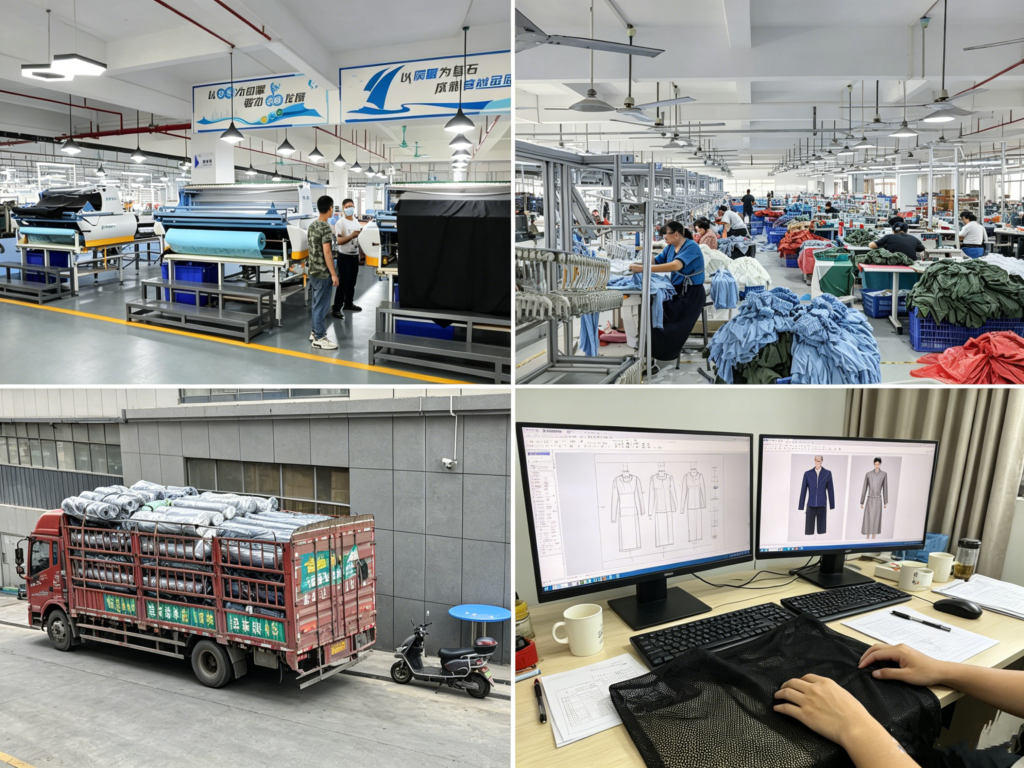
If you have any questions or require a quote, please leave
us a message. Our experts will get back to you within 24 hours to help you choose the ideal fashion products tailored to your needs.
Hi, I’m Lucy Cai, the founder of liantaoapparel.com. I’ve been managing a women’s clothing factory in China for over 16 years. With extensive experience in garment production and OEM services, I’m passionate about sharing insights into women’s fashion, apparel manufacturing, and global sourcing.
If you have any questions or need a quote, please contact us.
Please add us WhatsApp:+86 189 4809 3145
Provide us with detailed information about your requirements, supply design drawings or tech packs,
reference images, and share your ideas.
We will customize the best solution based on your needs and drawings, and provide a specific quote within 24 hours.
Once we receive your confirmation and deposit,we will commence mass production and take care of the subsequent shipping arrangements.