🏭 Looking for a Custom Apparel Manufacturer?
We are a leading OEM/ODM clothing factory with 20+ years of export experience. Custom styles, flexible MOQs, and retail-ready quality.
Mention polyester, and most people think of scratchy, static-heavy $5 fast-fashion clothes. But the world’s top activewear and luxury brands also rely on polyester for $150 premium leggings and high-end outerwear. On my factory floor, where we’ve managed garment production for 20 years, we look past the marketing. The difference between a ‘cheap plastic rag’ and a breathable ‘high-performance fabric’ comes down to a few technical specs: fiber shapes, knit gauges, and GSM weights. Today, I’m giving you an honest manufacturer’s blueprint to help you decode the fabric tag, spot real quality instantly, and buy clothes that actually last.
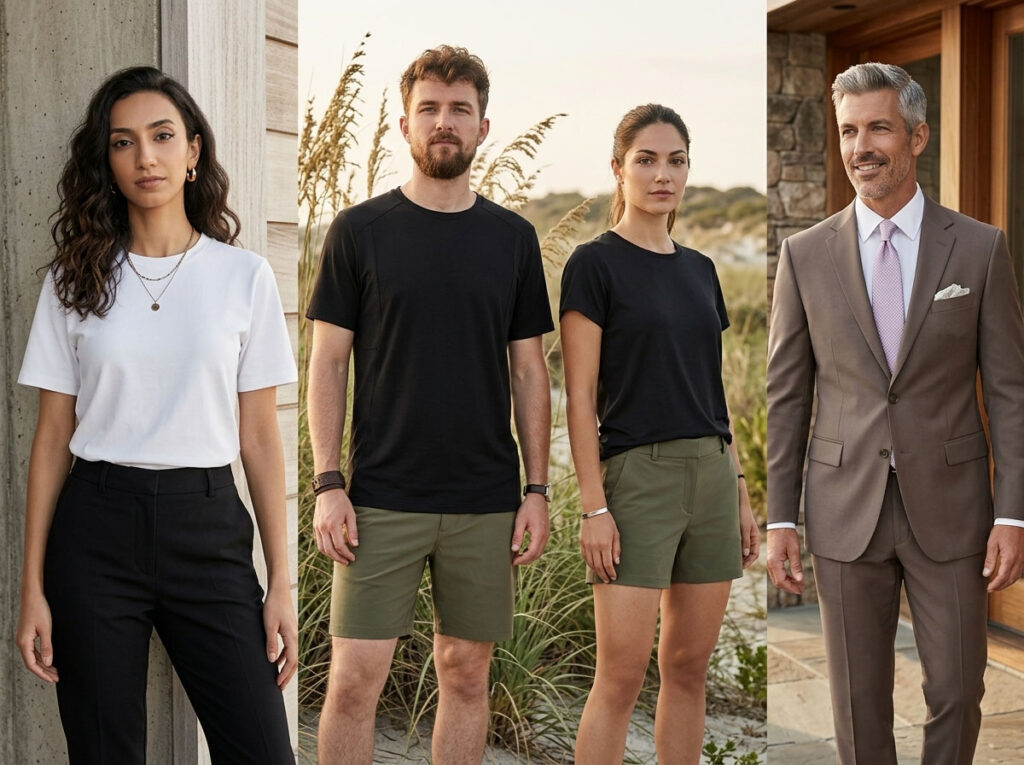
Few fabrics have had as great an impact on the textile industry as polyester. Known for its durability, easy care, affordability, and versatility, polyester has become one of the most widely used fibers in sportswear, fashion apparel, home textiles, and industrial applications.
Despite its popularity, polyester is still surrounded by misconceptions. Some people believe it is hot and non-breathable, while others question its environmental impact or are unsure how to choose the right type of polyester fabric for different applications.
Whether you are a fashion brand, buyer, designer, or textile professional, understanding polyester is essential for making informed decisions. This guide explores what polyester is, its key advantages, common types, applications, pros and cons, and care tips to help you choose the right fabric with confidence.
Polyester fabric is one of the world’s most widely used synthetic textiles, valued for its durability, affordability, and versatility. Made from petroleum-based raw materials, its primary component is polyethylene terephthalate (PET)—the same high-performance polymer used in many textile and packaging applications.
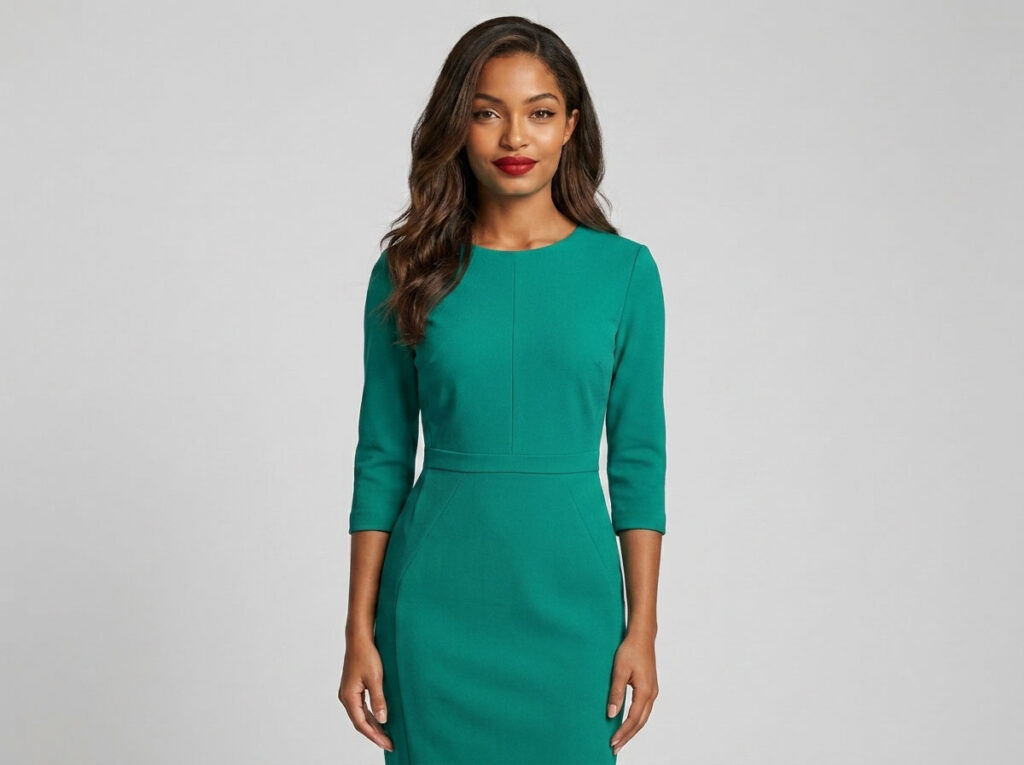
Polyester is one of the most popular fabrics because it combines durability, affordability, and versatility in a single material. It resists wrinkles, dries quickly, holds its shape well, and is easy to care for. These qualities make it an excellent choice for clothing, sportswear, home textiles, and a wide range of industrial applications.
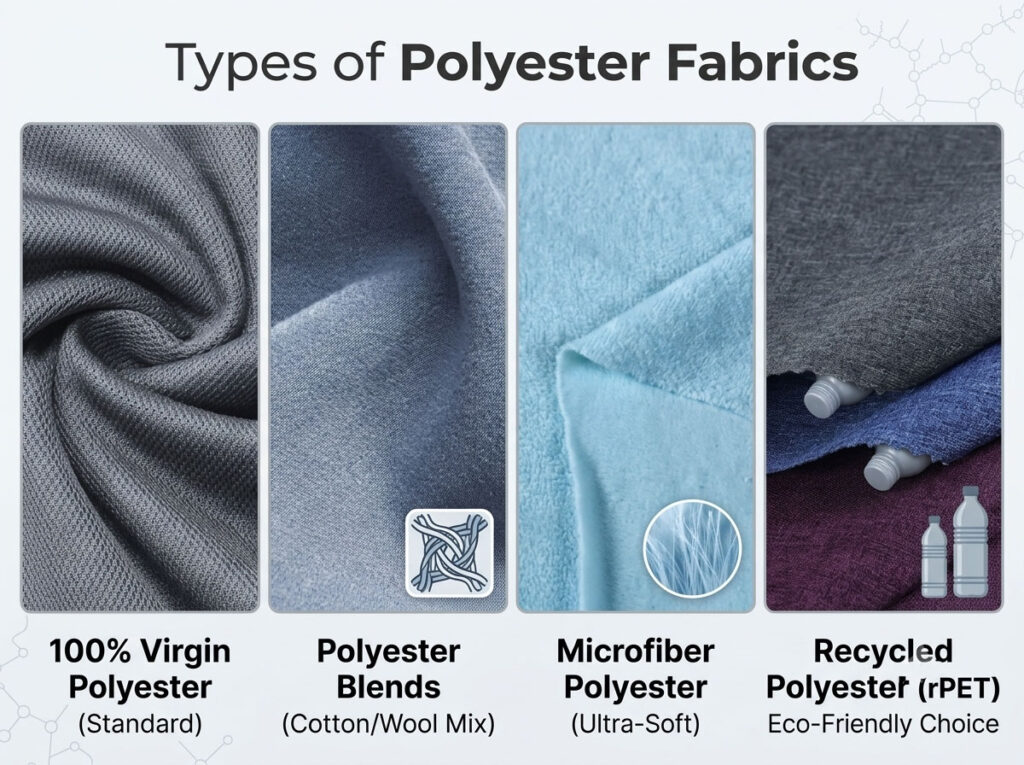
Polyester is widely used in the textile industry because it offers strong performance benefits, but it also has some limitations worth considering.
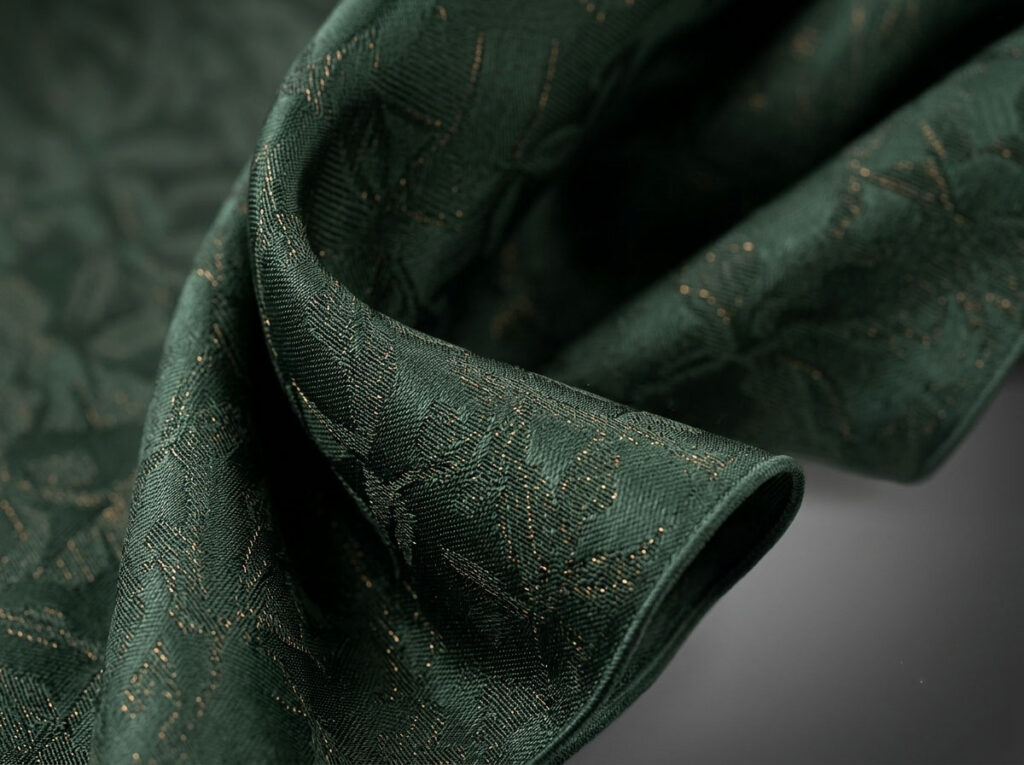
Polyester is a highly versatile material used far beyond everyday clothing. Its strength, durability, and easy-care properties make it suitable for a wide range of industries.

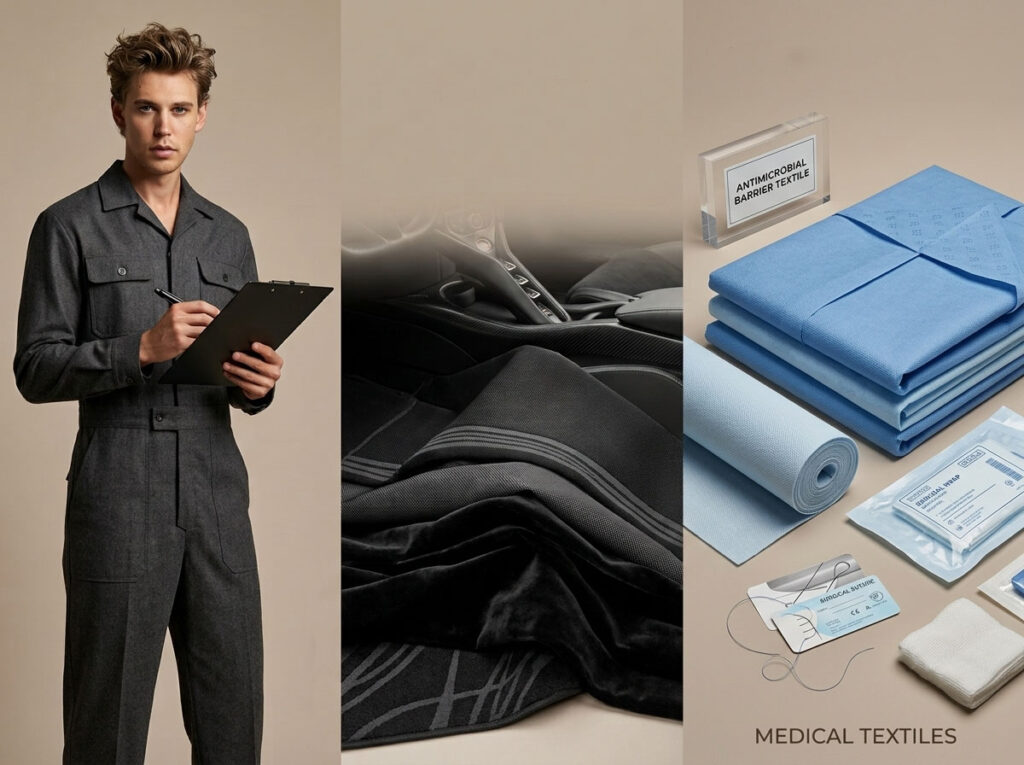
Polyester is not only used in fashion and home textiles—it also plays a critical role in demanding industrial and technical fields where performance matters most.

Polyester is widely used in outdoor and performance equipment thanks to its strength, lightweight structure, and resistance to moisture and wear.
| Feature | Polyester | Cotton |
| Breathability | Moderate airflow | Highly breathable and comfortable |
| Durability | Strong and long-lasting | Moderate, wears faster over time |
| Moisture Management | Low absorption, quick-drying | Highly absorbent, dries slowly |
| Wrinkle Resistance | Excellent, holds shape well | Prone to wrinkling |
| Sustainability | Recyclable but petroleum-based | Natural and biodegradable |
| Cost | Generally more affordable | Often higher in price |
| Care Step | Best Practice | Tips |
| Washing | Use cold or warm water | Avoid high heat to maintain fabric strength and shape |
| Drying | Air dry or tumble dry on low | Prevent overheating to reduce static and damage |
| Ironing | Low heat if needed | Use a pressing cloth to avoid direct heat contact |
| Storage | Store in a cool, dry place | Keep away from moisture and direct sunlight |
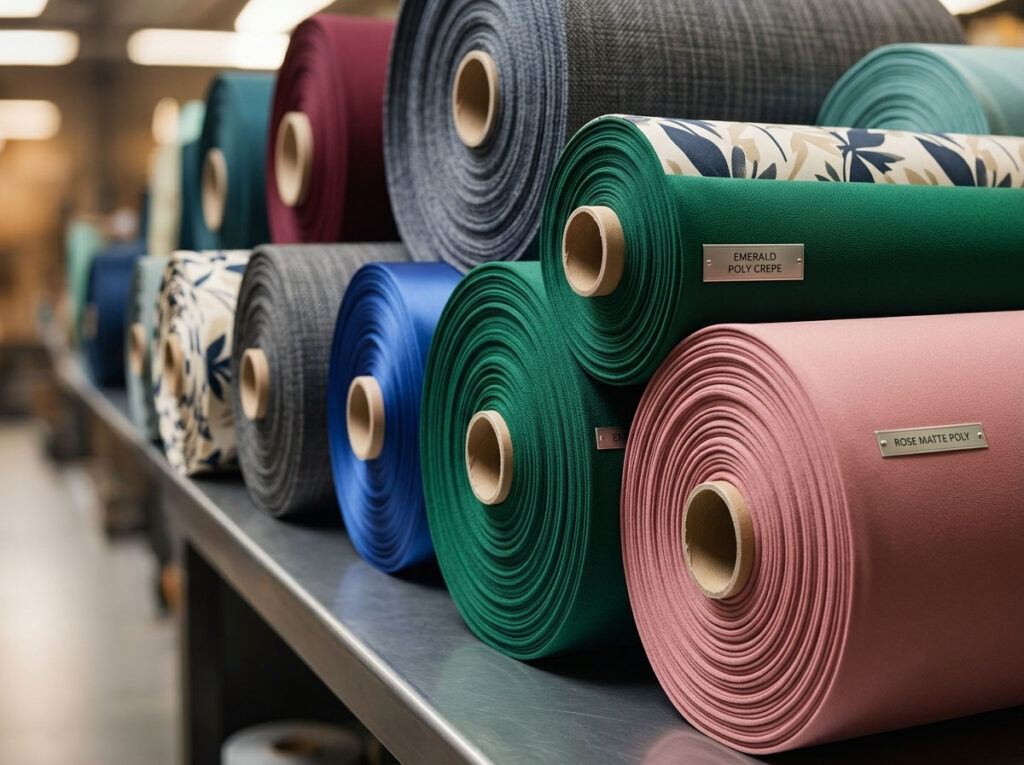
Polyester continues to play a major role in modern textiles, thanks to its durability, affordability, and versatility. It remains a go-to material across fashion, home textiles, and industrial applications worldwide.
While concerns around breathability and environmental impact are valid, ongoing innovations—such as recycled polyester and advanced production technologies—are helping to create more sustainable and high-performance solutions.
As the industry evolves, polyester is becoming not only more efficient but also more environmentally responsible. If you are looking for high-quality polyester solutions tailored to your needs, feel free to get in touch with us.
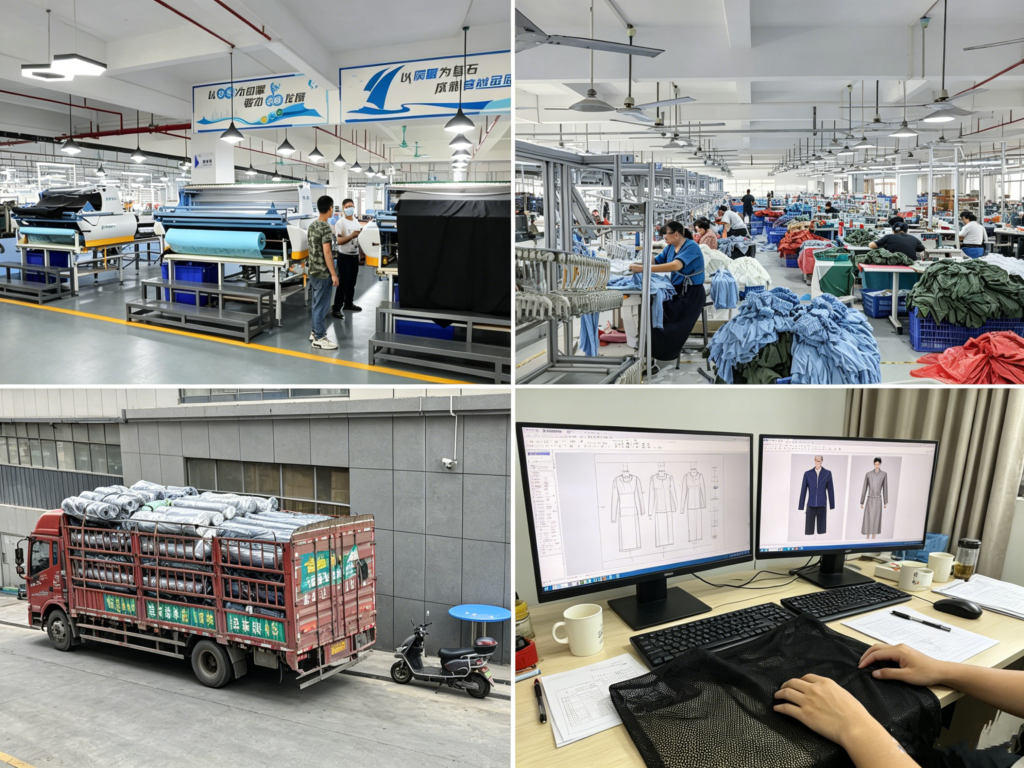
If you have any questions or require a quote, please leave
us a message. Our experts will get back to you within 24 hours to help you choose the ideal fashion products tailored to your needs.
Hi, I’m Lucy Cai, the founder of liantaoapparel.com. I’ve been managing a women’s clothing factory in China for over 16 years. With extensive experience in garment production and OEM services, I’m passionate about sharing insights into women’s fashion, apparel manufacturing, and global sourcing.
If you have any questions or need a quote, please contact us.
Please add us WhatsApp:+86 189 4809 3145
Provide us with detailed information about your requirements, supply design drawings or tech packs,
reference images, and share your ideas.
We will customize the best solution based on your needs and drawings, and provide a specific quote within 24 hours.
Once we receive your confirmation and deposit,we will commence mass production and take care of the subsequent shipping arrangements.