🏭 Looking for a Custom Apparel Manufacturer?
We are a leading OEM/ODM clothing factory with 20+ years of export experience. Custom styles, flexible MOQs, and retail-ready quality.
Sweatpants have evolved far beyond basic loungewear. Today, they are an important part of casualwear, athleisure, streetwear, sportswear, and contemporary fashion collections. From classic fleece sweatpants and tapered joggers to wide-leg and cargo styles, different silhouettes can serve very different consumer needs.
For clothing brands, understanding the different types of sweatpants is essential when developing a successful collection. The right combination of fit, fabric, waistband, cuffs, pockets, weight, and finishing can completely change the look and function of the garment. In this guide, we’ll explore 20 popular types of sweatpants, their key features, ideal applications, and important manufacturing considerations.
Sweatpants can be categorized according to silhouette, function, fabric, and styling direction. While traditional sweatpants were mainly designed for exercise and relaxation, modern designs cover everything from performance apparel to premium streetwear.
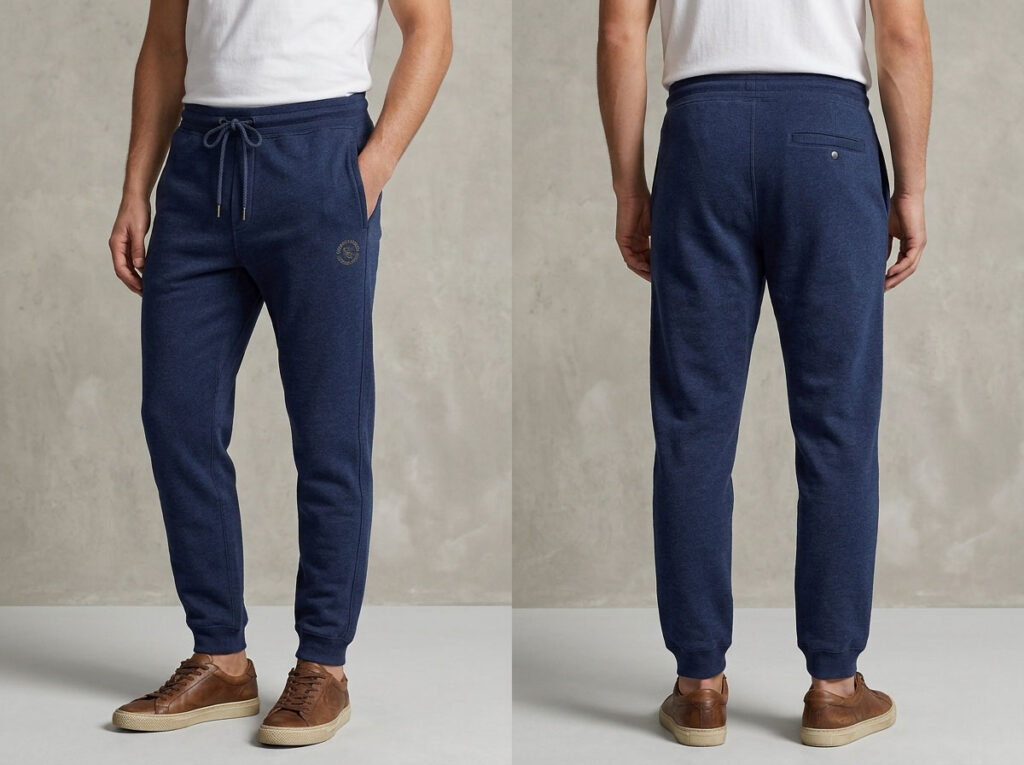
Classic sweatpants are the foundation of the category. They typically feature a relaxed silhouette, elastic waistband, adjustable drawcord, and soft cotton or fleece construction.
They are popular because they provide:
Everyday comfort — The relaxed shape makes them suitable for extended daily wear.
Simple styling — Their clean appearance works with T-shirts, sweatshirts, and hoodies.
Broad market appeal — They can be developed for men, women, and unisex collections.
Easy customization — Minimal construction provides plenty of opportunities for logos, prints, labels, and embroidery.
For brands looking for a dependable core product, classic sweatpants remain one of the easiest styles to develop.
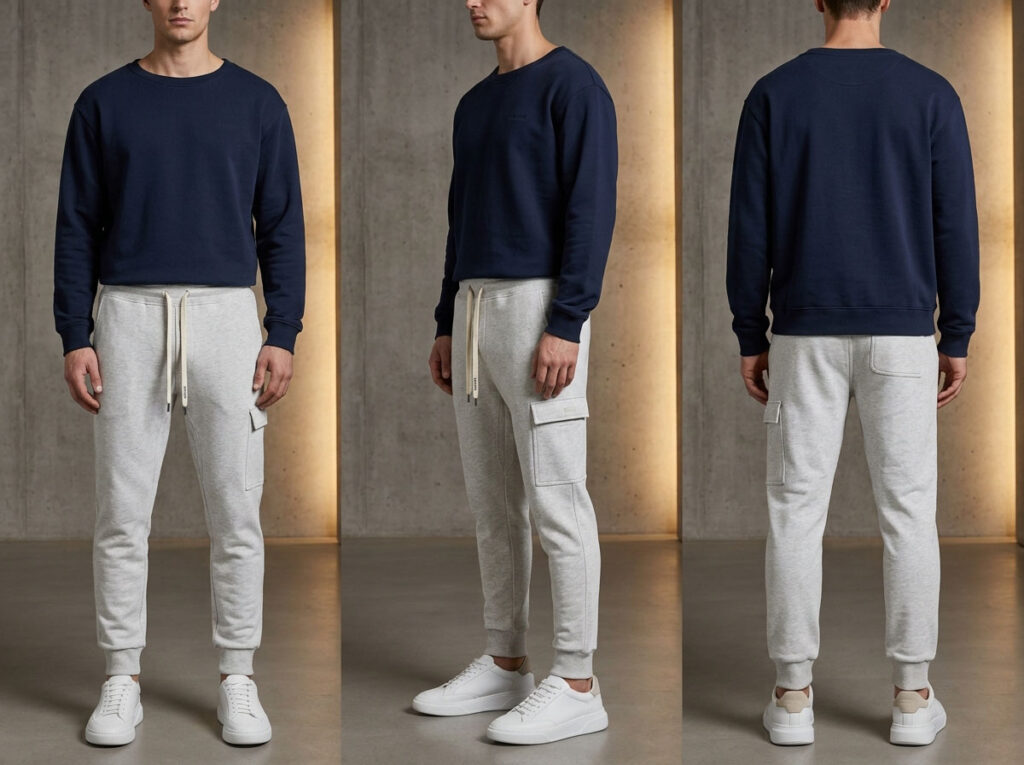
Jogger sweatpants feature a more streamlined silhouette, usually narrowing toward the ankle and often finishing with a ribbed cuff.
They have become popular in both athleisure and streetwear because they combine the comfort of sweatpants with a cleaner modern shape. Joggers are also frequently used for travel and everyday casual outfits.
Typical features include:
Tapered leg — Creates a cleaner silhouette than traditional loose sweatpants.
Elastic or ribbed cuffs — Keeps the hem close to the ankle and prevents excess fabric.
Drawstring waistband — Allows consumers to adjust the fit.
Cotton or performance blends — Supports different applications from casualwear to activewear.
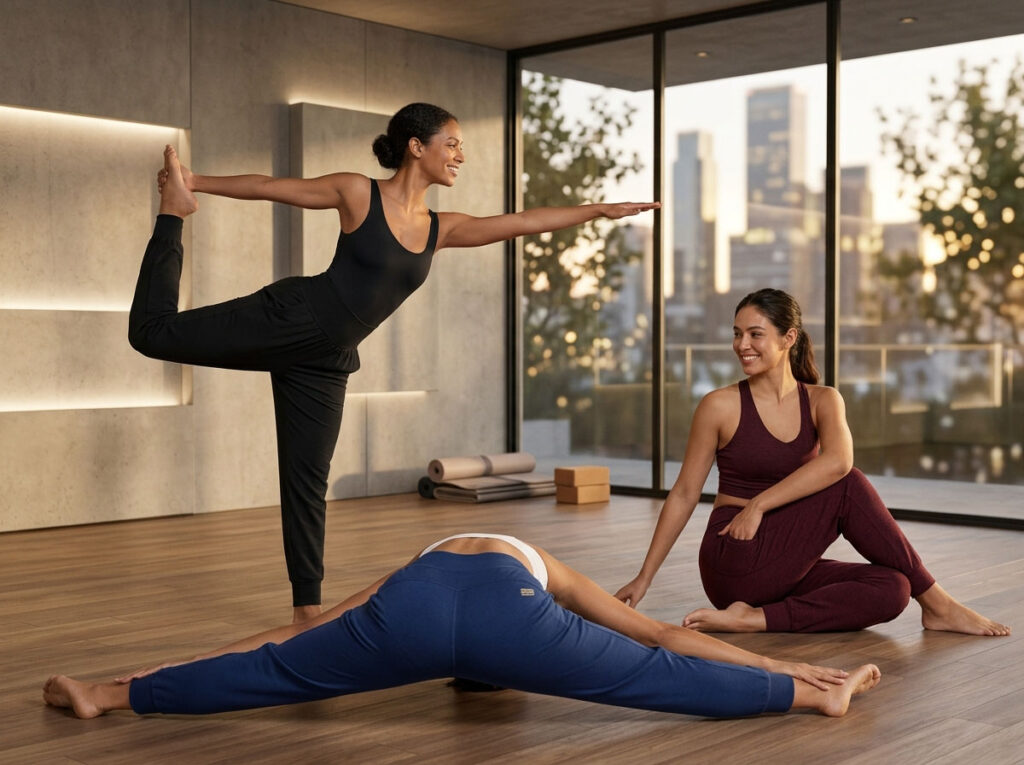
Slim fit sweatpants are designed closer to the body than classic or relaxed styles.
They are particularly suitable for consumers who want a more polished appearance without giving up the comfort of sweatpants.
Streamlined silhouette — Creates a modern, less bulky appearance.
Reduced leg volume — Makes them easier to style with sneakers and fitted tops.
Stretch fabrics — Improve mobility and comfort when the fit is closer to the body.
Slim-fit sweatpants work especially well in athleisure and contemporary casualwear.
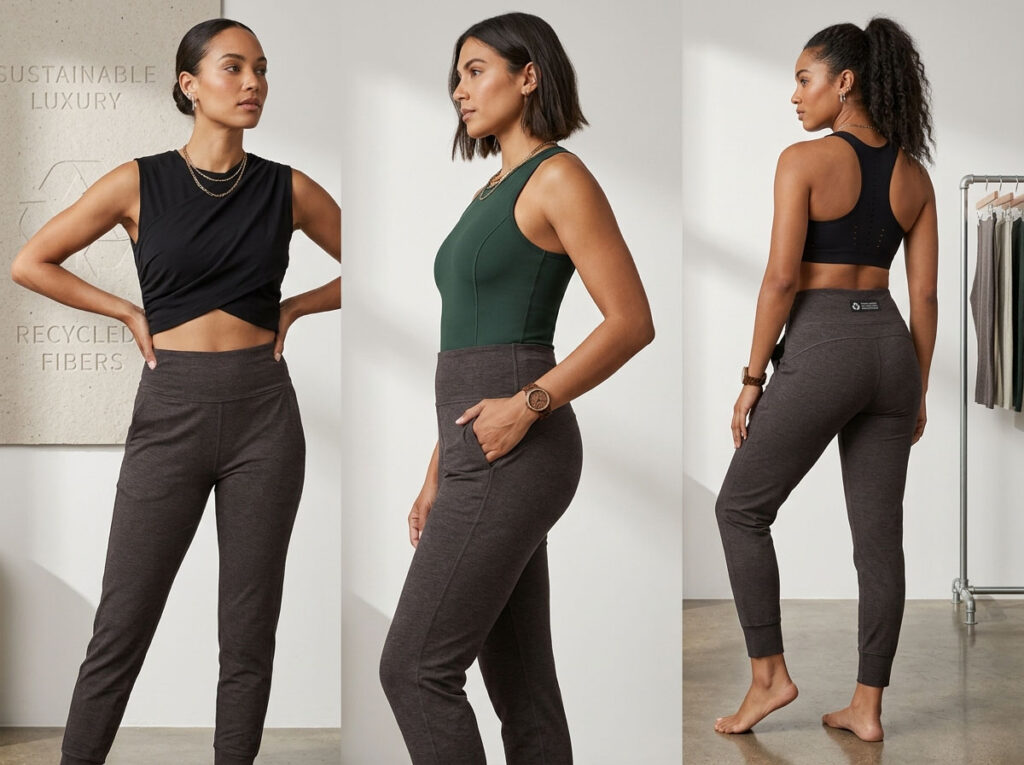
Tapered sweatpants are wider around the hips and thighs before gradually narrowing toward the hem.
This shape provides a useful balance between comfort and structure.
Roomier upper leg — Provides freedom of movement and everyday comfort.
Narrower ankle — Creates a cleaner, more tailored appearance.
Versatile styling — Works with sneakers, hoodies, jackets, and casual shirts.
Tapered sweatpants are particularly useful for brands targeting customers who want sweatpants that can move between sportswear and lifestyle fashion.
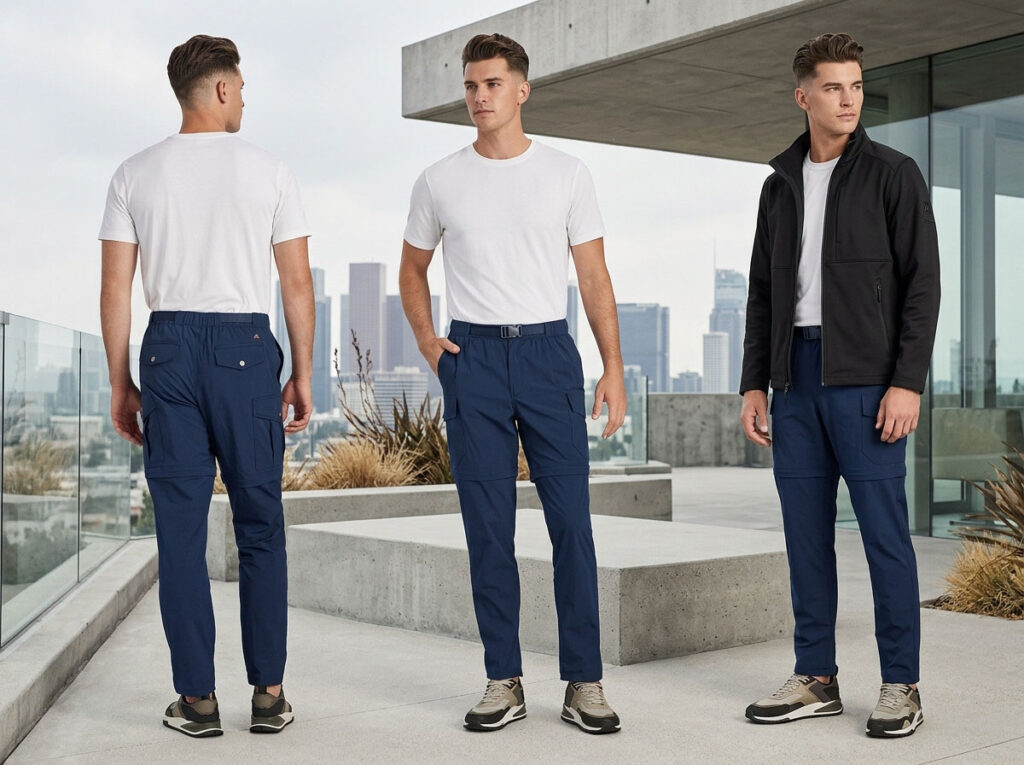
Relaxed sweatpants prioritize comfort and freedom of movement over a close-fitting silhouette.
They are commonly associated with loungewear, casualwear, and oversized streetwear.
Key characteristics include:
Generous hip and thigh room — Makes the garment comfortable for sitting, walking, and relaxing.
Soft fabrics — Cotton fleece and French terry are common choices.
Minimal restriction — Suitable for long periods of wear.
Casual appearance — Works naturally with oversized tops and relaxed silhouettes.
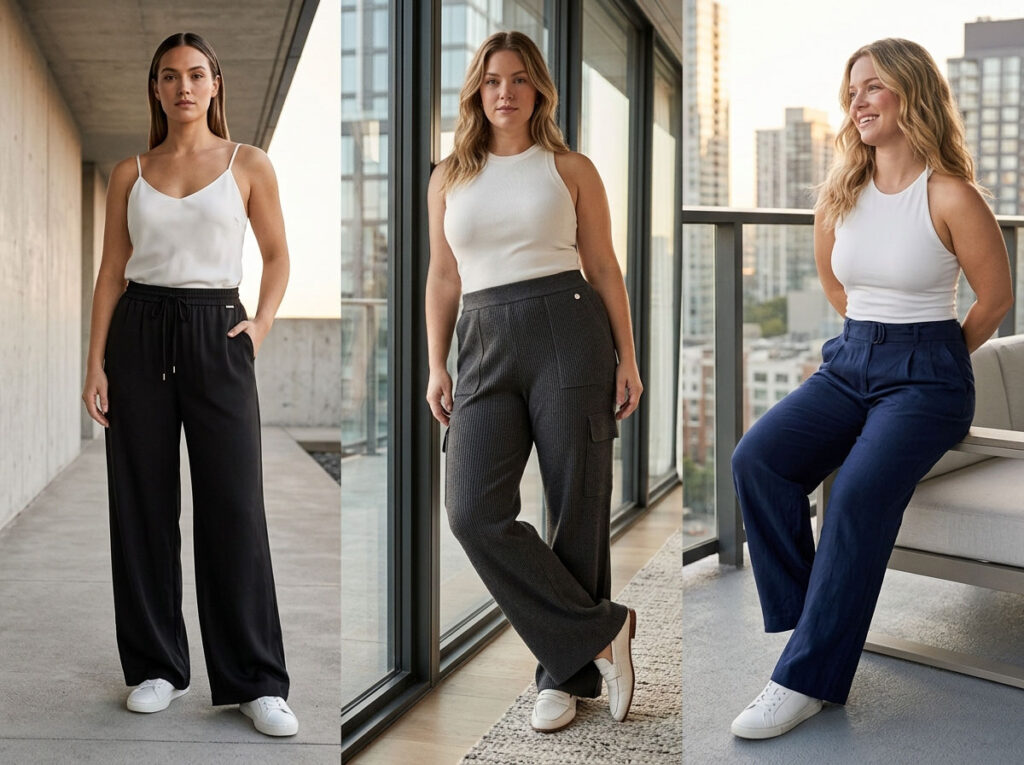
Wide-leg sweatpants have become increasingly important in contemporary fashion because consumers are moving beyond traditional tapered silhouettes.
They feature a generous leg opening from the thigh through the hem.
Relaxed silhouette — Creates a fashion-forward alternative to traditional sweatpants.
Improved airflow — The additional leg volume can feel more comfortable in warmer conditions.
Streetwear appeal — Works well with oversized T-shirts, cropped tops, and statement sneakers.
Premium fashion potential — Can be developed using heavier or drapier fabrics for elevated collections.
Wide-leg sweatpants require careful pattern development because excessive fabric volume can easily create an unbalanced silhouette.
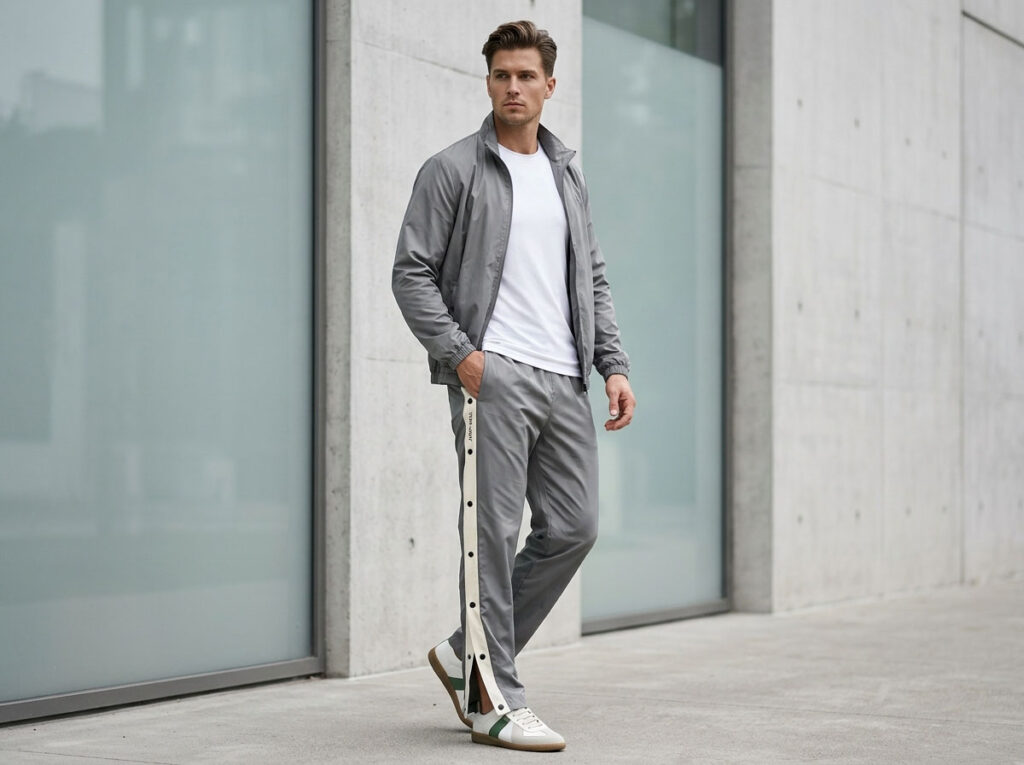
Straight-leg sweatpants maintain a relatively consistent width from the thigh to the hem.
Unlike tapered joggers, they do not significantly narrow toward the ankle.
This creates:
A classic silhouette — Suitable for consumers who prefer traditional proportions.
Greater leg room — Provides a relaxed wearing experience.
Easy layering — Can be worn over base layers or lightweight thermal garments.
Versatile styling — Works for casualwear, loungewear, and minimalist collections.
Straight-leg sweatpants are especially useful for brands targeting consumers who prefer relaxed and timeless silhouettes.
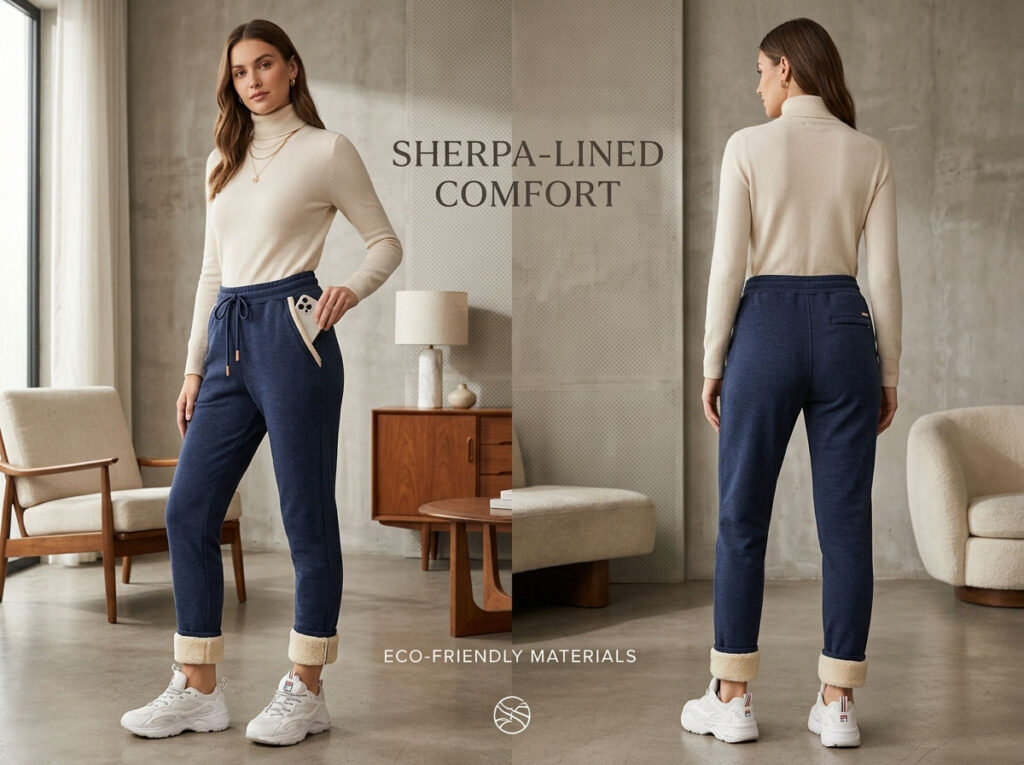
Fleece sweatpants are designed for warmth and softness. Their brushed interior gives them a plush hand feel and makes them especially popular during colder seasons.
Soft brushed interior — Provides warmth and comfort against the skin.
Good insulation — Suitable for autumn and winter products.
Premium hand feel — Heavy fleece can create a substantial, high-quality impression.
Loungewear friendly — Ideal for homewear and relaxed everyday outfits.
Fabric weight and brushing level should be carefully selected to prevent the garment from becoming unnecessarily heavy or bulky.
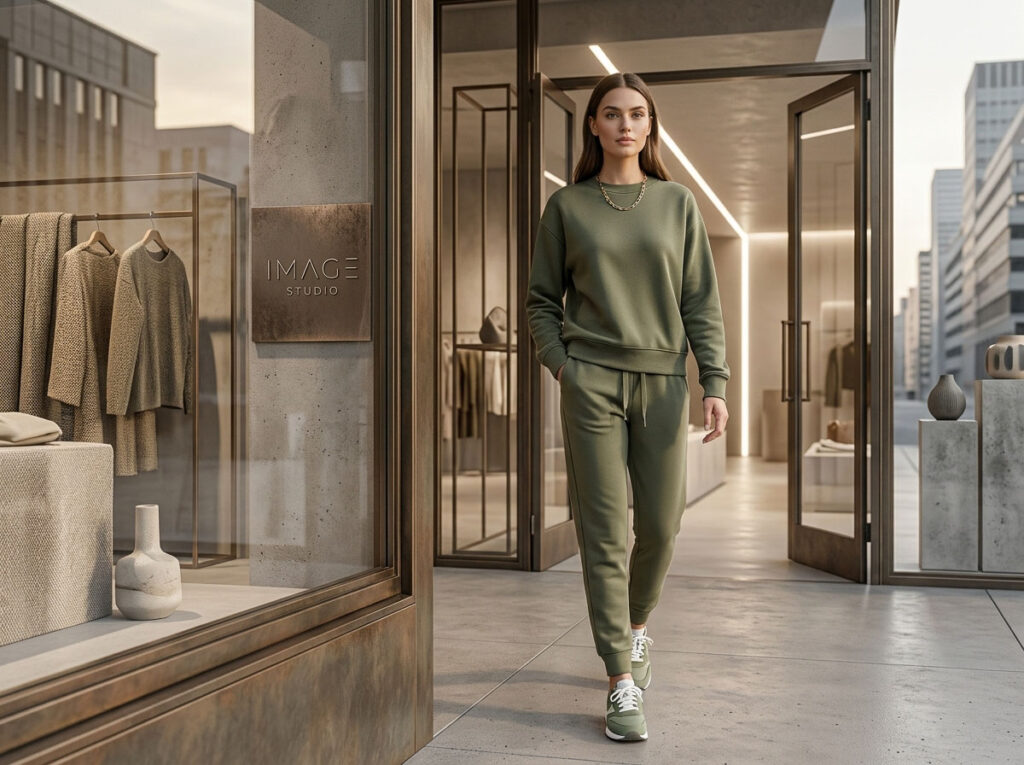
French terry sweatpants are generally lighter and more breathable than brushed fleece versions.
The looped interior construction allows them to provide sweatshirt comfort without excessive insulation.
They are ideal for:
Transitional seasons — Suitable for spring and fall when heavy fleece may be too warm.
Everyday casualwear — Provides comfort without excessive bulk.
Athleisure — Works well with lightweight hoodies and T-shirts.
Layering — The lighter construction makes them easier to combine with other garments.
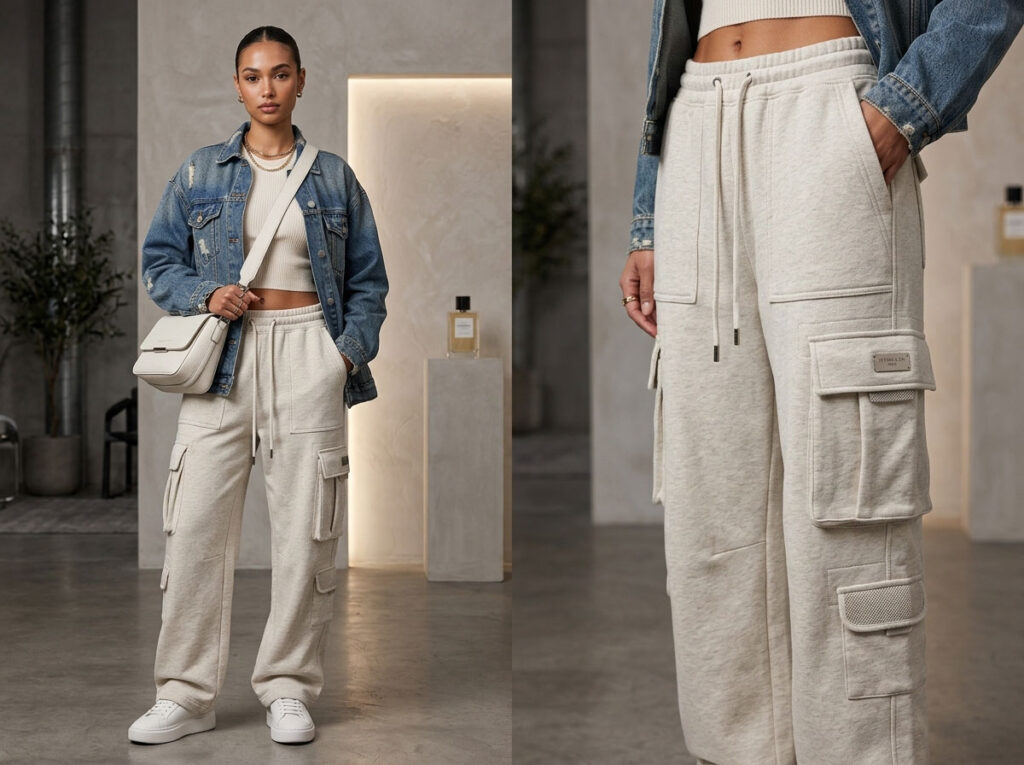
Cargo sweatpants combine the comfort of traditional sweatpants with the utility of cargo pants.
Their defining feature is usually additional functional pocketing.
Common details include:
Side cargo pockets — Provide additional storage and strengthen the utility aesthetic.
Flap or zip closures — Help keep personal items secure.
Relaxed or tapered fit — Allows brands to adapt the style for streetwear or casualwear.
Utility-inspired details — Straps, contrast stitching, and hardware can enhance the design.
Cargo sweatpants are particularly effective for streetwear and contemporary utility collections.
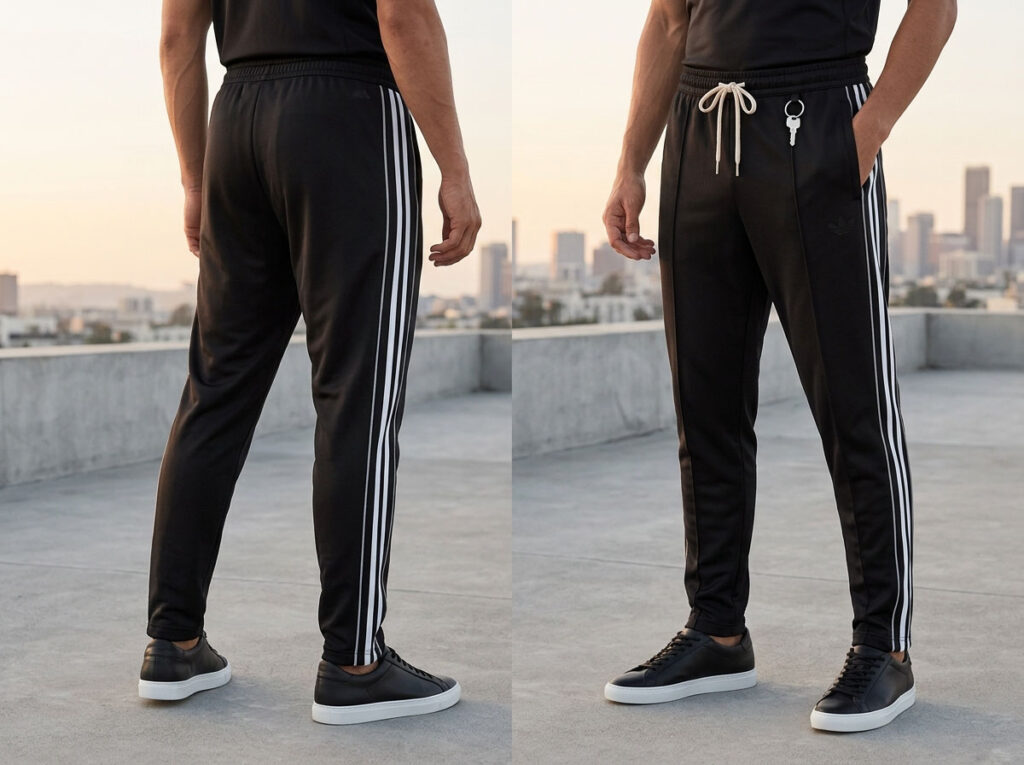
Athletic sweatpants are developed with movement and physical activity in mind.
Compared with ordinary sweatpants, they may use lighter, stretchier, or moisture-managing fabrics.
Key features include:
Stretch construction — Supports unrestricted movement during training.
Moisture management — Helps manage sweat during physical activity.
Lightweight fabric — Reduces unnecessary bulk.
Tapered construction — Keeps the silhouette controlled during movement.
Performance joggers and athletic pants often use polyester-spandex blends, nylon knits, and other technical fabrics.
Lounge sweatpants are designed primarily for relaxation and extended indoor wear.
Comfort is the main priority.
Relaxed fit — Allows unrestricted sitting and movement.
Soft fabrics — Fleece, cotton, modal, and soft blends are commonly used.
Comfort waistband — Wide elastic waistbands and soft drawcords reduce pressure.
Minimal hardware — Fewer rigid components help maintain a soft wearing experience.
Lounge sweatpants are increasingly relevant as consumers continue to combine homewear and everyday casualwear.
High-waisted sweatpants feature a waistband that sits higher on the natural waist.
They are especially common in women’s athleisure and contemporary fashion.
Higher rise — Provides additional coverage around the waist.
Leg-lengthening effect — Can visually create longer-looking proportions.
Secure fit — A properly engineered waistband can provide better stability during movement.
Fashion flexibility — Works well with cropped sweatshirts, fitted tops, and oversized outerwear.
Pattern development is particularly important for high-waisted sweatpants because the rise, waistband height, and hip shape must work together.
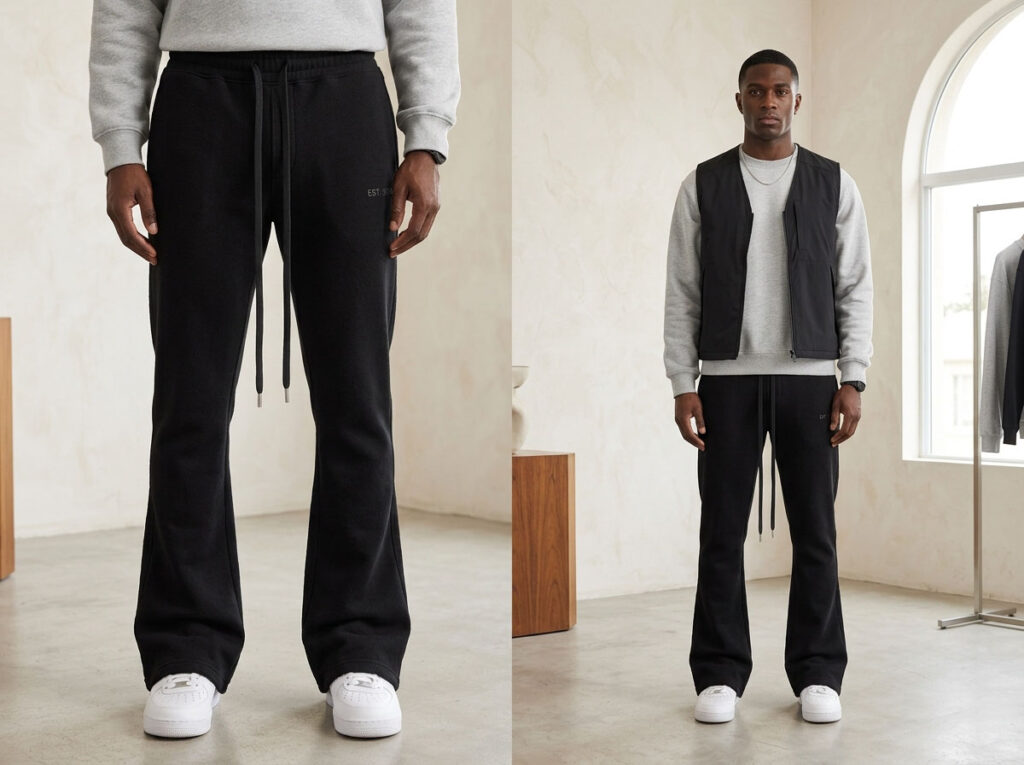
Cropped sweatpants end above the ankle, exposing part of the lower leg.
They are especially useful for warm-weather and fashion-forward collections.
Improved ventilation — Exposes more of the lower leg for a cooler feel.
Modern styling — Creates a more contemporary alternative to full-length sweatpants.
Easy footwear pairing — Works particularly well with sneakers and sandals.
Seasonal versatility — Suitable for spring and summer collections.
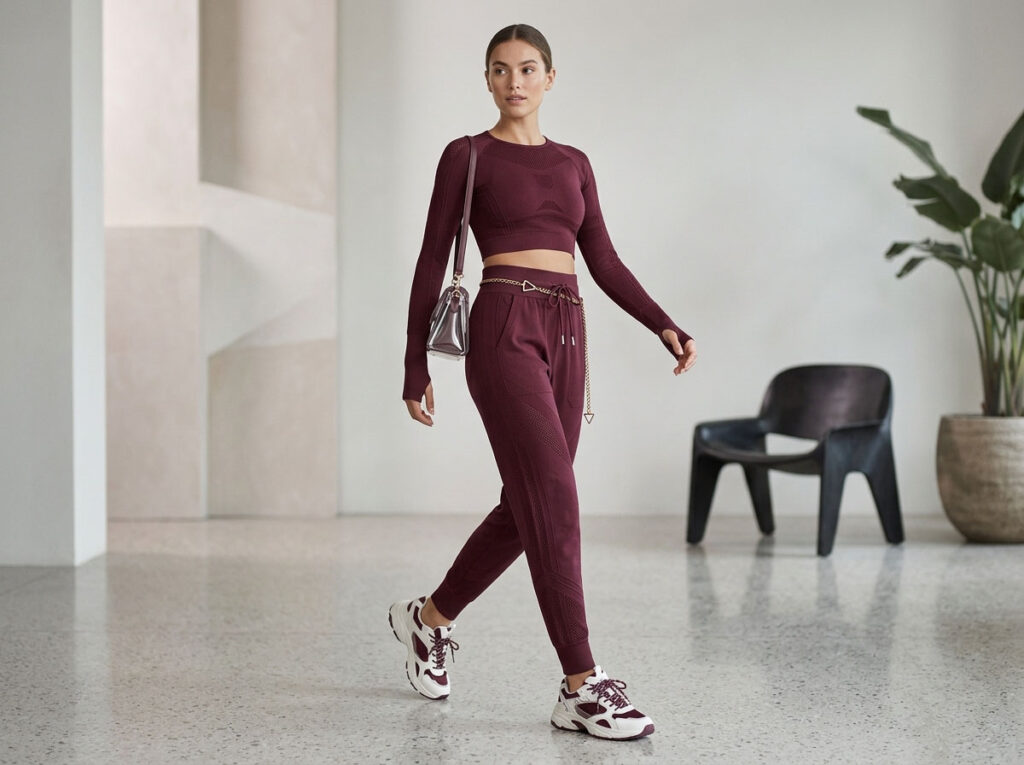
Cuffed sweatpants feature elastic or ribbed ankle cuffs that gather the fabric around the lower leg.
The cuff provides both functional and aesthetic benefits:
Keeps the hem secure — Prevents the pant leg from dragging on the ground.
Creates a tapered appearance — Gives relaxed sweatpants a more controlled silhouette.
Works well with sneakers — The cuff highlights footwear.
Adds structure — Ribbed cuffs provide a defined finish.
Cuffed styles remain a strong option across casualwear, athleisure, and streetwear.
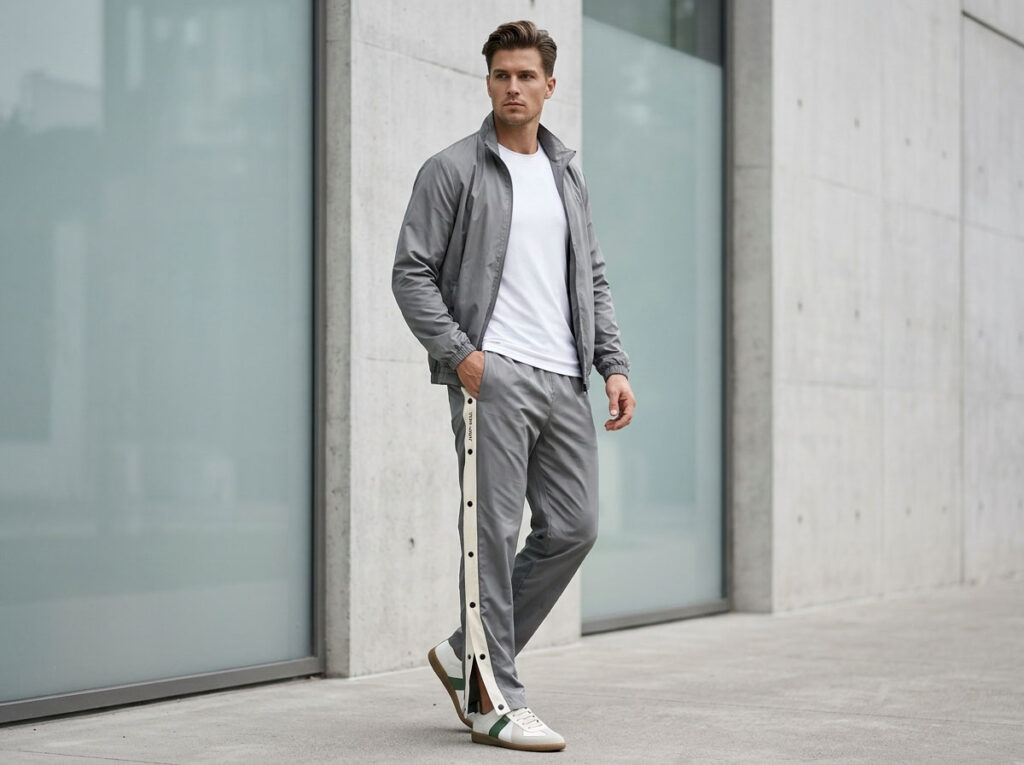
Open-hem sweatpants have a straight or relaxed leg opening without an elastic ankle cuff.
Compared with cuffed sweatpants, they create a more traditional trouser-like appearance.
Relaxed drape — Fabric falls naturally around the shoe.
Classic appearance — Works well for traditional casualwear.
Greater leg opening — Provides additional airflow and movement.
Versatile styling — Suitable for both casual and minimalist wardrobes.
Heavyweight sweatpants use dense, substantial fabrics to create warmth, structure, and a premium feel.
They are particularly popular in premium streetwear and cold-weather collections.
Substantial fabric — Creates a strong, premium hand feel.
Better structure — Helps oversized silhouettes maintain their shape.
Additional warmth — Suitable for cooler climates.
Streetwear appeal — Heavy fabrics work well with oversized and relaxed silhouettes.
However, heavyweight fabric also increases garment weight and production costs, so brands should balance aesthetics with usability.
Lightweight sweatpants are designed for warmer climates, layering, travel, and transitional seasons.
They generally use lighter cotton, French terry, polyester blends, or technical knits.
Breathable feel — More suitable for mild and warm conditions.
Easy layering — Works under lightweight outerwear.
Travel friendly — Lower garment weight makes packing easier.
Quick drying potential — Technical blends can improve drying performance.
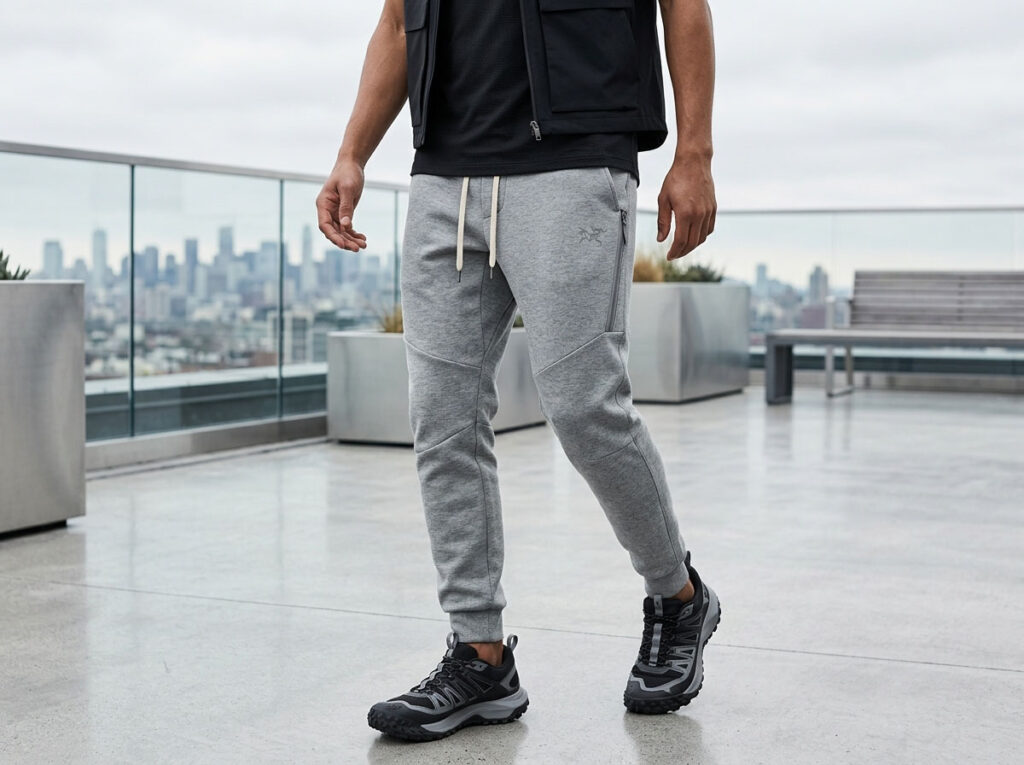
Tech-fabric sweatpants use performance-oriented synthetic or blended materials.
They are particularly suitable for activewear, travelwear, and modern athleisure.
Common materials include:
Polyester blends — Provide durability and moisture management.
Nylon — Offers strength and a smooth technical appearance.
Spandex blends — Add stretch and mobility.
Ripstop fabrics — Improve resistance to tearing and abrasion.
Technical sweatpants can also incorporate zip pockets, reflective details, bonded seams, water-resistant finishes, and hidden storage.
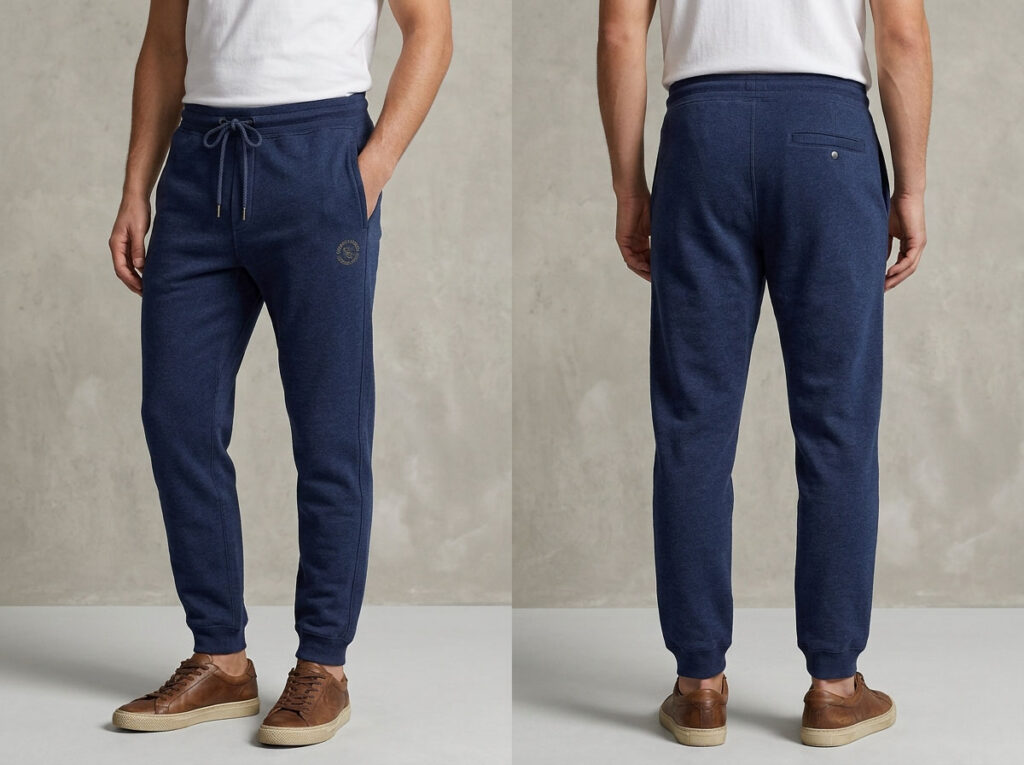
Fashion sweatpants reinterpret the traditional silhouette through premium fabrics, unusual proportions, decorative details, and elevated finishing.
Common design directions include:
Oversized proportions — Create a contemporary streetwear silhouette.
Unique fabric choices — Velvet, premium fleece, brushed cotton, and specialty knits can elevate the product.
Decorative details — Embroidery, appliqué, contrast panels, and hardware create stronger visual identity.
Experimental silhouettes — Wide legs, exaggerated cuffs, asymmetric details, and unusual pocket placements can differentiate a collection.
Fashion sweatpants are particularly valuable for brands looking to move beyond basic loungewear.
| Sweatpants Type | Fit | Typical Fabric | Best Use | Key Advantage |
|---|---|---|---|---|
| Classic Sweatpants | Relaxed | Cotton, fleece | Casualwear | Versatile everyday comfort |
| Jogger Sweatpants | Tapered | Cotton blends, fleece | Athleisure | Clean modern silhouette |
| Slim Fit | Close | Stretch blends | Lifestyle, athleisure | Streamlined appearance |
| Tapered | Relaxed to narrow | French terry, fleece | Casual, active | Balance of comfort and structure |
| Relaxed Fit | Loose | Cotton, fleece | Loungewear | Maximum freedom of movement |
| Wide Leg | Very relaxed | French terry, modal blends | Fashion, streetwear | Trend-forward silhouette |
| Straight Leg | Straight | Cotton, fleece | Casualwear | Classic proportions |
| Fleece | Relaxed | Brushed fleece | Cold weather | Warm and soft |
| French Terry | Relaxed | French terry | Transitional seasons | Breathable comfort |
| Cargo | Relaxed/tapered | Cotton, twill blends | Streetwear | Functional storage |
| Athletic | Tapered | Polyester, spandex | Training | Mobility and performance |
| Lounge | Relaxed | Fleece, modal | Homewear | Maximum comfort |
| High-Waisted | Varies | Cotton blends | Women’s fashion | Higher coverage and styling |
| Cropped | Relaxed | Lightweight knits | Warm weather | Improved ventilation |
| Cuffed | Tapered | Fleece, French terry | Casualwear | Secure ankle finish |
| Open-Hem | Straight | Cotton blends | Casualwear | Natural drape |
| Heavyweight | Relaxed/oversized | Dense fleece | Streetwear | Structure and warmth |
| Lightweight | Relaxed | Light cotton, technical blends | Spring/summer | Breathability |
| Tech-Fabric | Tapered | Nylon, polyester blends | Active/travel | Performance features |
| Fashion | Varies | Specialty fabrics | Premium fashion | Strong visual identity |
Choosing the right sweatpants depends on more than appearance. Brands should consider fit, fabric, function, season, customer profile, and price positioning.
Choose classic, tapered, straight-leg, or French terry sweatpants because they offer a strong balance of comfort and versatility.
Joggers, slim-fit, tapered, and athletic sweatpants are strong options because they combine a clean silhouette with functional movement.
Wide-leg, cargo, heavyweight, and fashion sweatpants can provide stronger visual identity and support oversized styling.
Relaxed and fleece sweatpants are usually the better choice because softness and freedom of movement are the primary priorities.
Athletic and tech-fabric sweatpants are more appropriate because stretch, moisture management, lightweight construction, and mobility become more important.
Fabric selection has a direct impact on comfort, durability, appearance, cost, and seasonality.
| Fabric | Feel | Warmth | Breathability | Best For |
|---|---|---|---|---|
| Cotton | Soft, natural | Medium | High | Everyday casualwear |
| Cotton Fleece | Soft, plush | High | Medium | Winter and loungewear |
| French Terry | Soft, structured | Medium | High | Transitional seasons |
| Polyester | Smooth, technical | Low-Medium | Medium | Activewear |
| Cotton-Poly Blend | Balanced | Medium | Medium-High | Everyday and athleisure |
| Modal Blend | Very soft, fluid | Low-Medium | High | Premium lounge |
| Nylon Blend | Smooth, durable | Low | High | Travel and performance |
| Polyester-Spandex | Stretchy, smooth | Low-Medium | Medium-High | Training and activewear |
The best fabric is therefore determined by the intended product rather than by fiber composition alone.
What Sweatpants Styles Are Best for Clothing Brands?
For apparel brands, developing a balanced sweatpants collection is often more effective than relying on a single silhouette.
A well-rounded collection can include:
Classic sweatpants — Provides a dependable core product for everyday consumers.
Joggers — Adds a modern athleisure option with broad market appeal.
Wide-leg sweatpants — Captures current streetwear and fashion trends.
Cargo sweatpants — Adds utility and stronger visual differentiation.
Heavyweight sweatpants — Supports premium and cold-weather positioning.
Lightweight sweatpants — Expands the collection into warmer seasons.
Tech-fabric sweatpants — Opens opportunities in activewear and travelwear.
This approach allows brands to target multiple consumer segments without moving too far away from the core sweatpants category.
Custom Sweatpants Manufacturing Considerations
When developing custom sweatpants, brands should pay attention to more than the basic pattern.
Important development areas include:
Fabric composition — Determines softness, durability, warmth, and price.
Fabric GSM — Controls weight, structure, and seasonal suitability.
Pattern and fit — Defines whether the product looks slim, relaxed, tapered, or oversized.
Waistband construction — Elastic width and drawcord design affect comfort and fit.
Cuff design — Ribbed cuffs create a sporty finish, while open hems provide a more relaxed look.
Pocket construction — Pocket size, placement, and closure influence both appearance and functionality.
Branding — Embroidery, screen printing, woven labels, patches, and appliqué can strengthen brand identity.
Garment finishing — Washing, brushing, enzyme treatments, and vintage effects can significantly change the final appearance.
For private-label brands, these details should be finalized during the sampling stage rather than after bulk production begins.
There is no single “best” type of sweatpants. Classic, jogger, tapered, relaxed, wide-leg, cargo, fleece, French terry, athletic, and fashion sweatpants each serve different consumer needs and market positions.
For consumers, the right style depends on the intended activity, preferred fit, climate, and personal aesthetic. For clothing brands, the decision should also consider fabric composition, GSM, construction, target price, production requirements, and brand positioning.
As sweatpants continue to move between loungewear, athleisure, streetwear, and mainstream fashion, having multiple silhouettes in a collection can create more opportunities to reach different customer segments. The strongest products are not simply comfortable—they combine the right fit, fabric, function, and design details for a clearly defined market.
Joggers, classic sweatpants, tapered sweatpants, wide-leg sweatpants, fleece sweatpants, and cargo sweatpants are among the most versatile styles for modern casualwear and athleisure.
Traditional sweatpants often have a looser, more relaxed silhouette, while joggers usually taper toward the ankle and frequently feature ribbed cuffs. However, the terminology can overlap depending on the market.
Relaxed-fit and fleece sweatpants are generally strong choices for lounging because they prioritize softness, warmth, and unrestricted movement.
Wide-leg, cargo, heavyweight, oversized, and fashion sweatpants are particularly suitable for streetwear because they provide stronger silhouettes and more opportunities for distinctive design.
Cotton, fleece, French terry, cotton-polyester blends, and technical fabrics can all be suitable. The best option depends on the intended season, fit, performance requirements, and target market.
Wide-leg silhouettes remain an important direction in contemporary casualwear and streetwear. They provide an alternative to traditional tapered and cuffed silhouettes and can create a more relaxed fashion aesthetic.
The ideal GSM depends on the product. Lightweight fabrics are better for warm-weather and layering products, while higher-GSM fleece and dense cotton fabrics are more appropriate for heavyweight winter or streetwear collections.
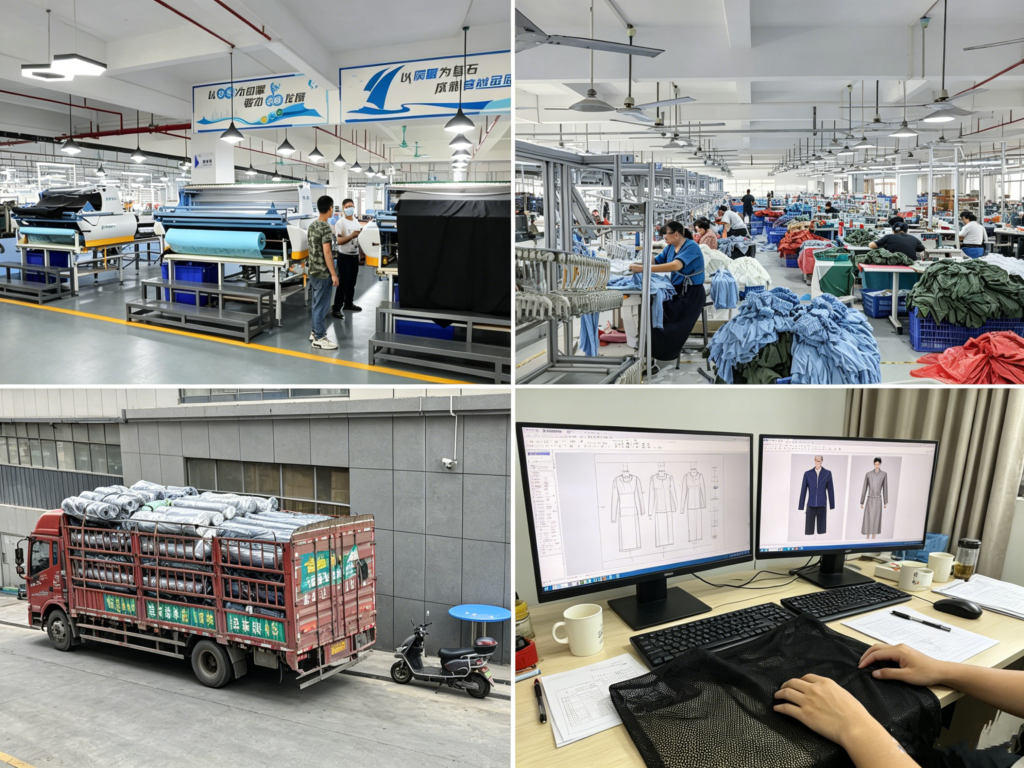
If you have any questions or require a quote, please leave
us a message. Our experts will get back to you within 24 hours to help you choose the ideal fashion products tailored to your needs.
Hi, I’m Lucy Cai, the founder of liantaoapparel.com. I’ve been managing a women’s clothing factory in China for over 16 years. With extensive experience in garment production and OEM services, I’m passionate about sharing insights into women’s fashion, apparel manufacturing, and global sourcing.
If you have any questions or need a quote, please contact us.
Please add us WhatsApp:+86 189 4809 3145
Provide us with detailed information about your requirements, supply design drawings or tech packs,
reference images, and share your ideas.
We will customize the best solution based on your needs and drawings, and provide a specific quote within 24 hours.
Once we receive your confirmation and deposit,we will commence mass production and take care of the subsequent shipping arrangements.