


🏭 Looking for a Custom Apparel Manufacturer?
We are a leading OEM/ODM clothing factory with 20+ years of export experience. Custom styles, flexible MOQs, and retail-ready quality.
The Kentucky Derby is more than a horse race. It is also an occasion for personal style, elegant dresses, eye-catching hats, and creative spring outfits. Choosing what to wear is part of the experience, whether you are attending the race at Churchill Downs, joining a Derby party, or planning a themed celebration.
But what makes a dress suitable for the Kentucky Derby? The best choice balances style, comfort, and the formality of the event. From floral A-line dresses to sophisticated satin midi styles, there are plenty of ways to create a memorable look.
This guide explores the best dresses to wear to the Kentucky Derby, how to coordinate hats and accessories, which fabrics to consider, and what clothing brands should know when developing custom Derby-inspired dresses.
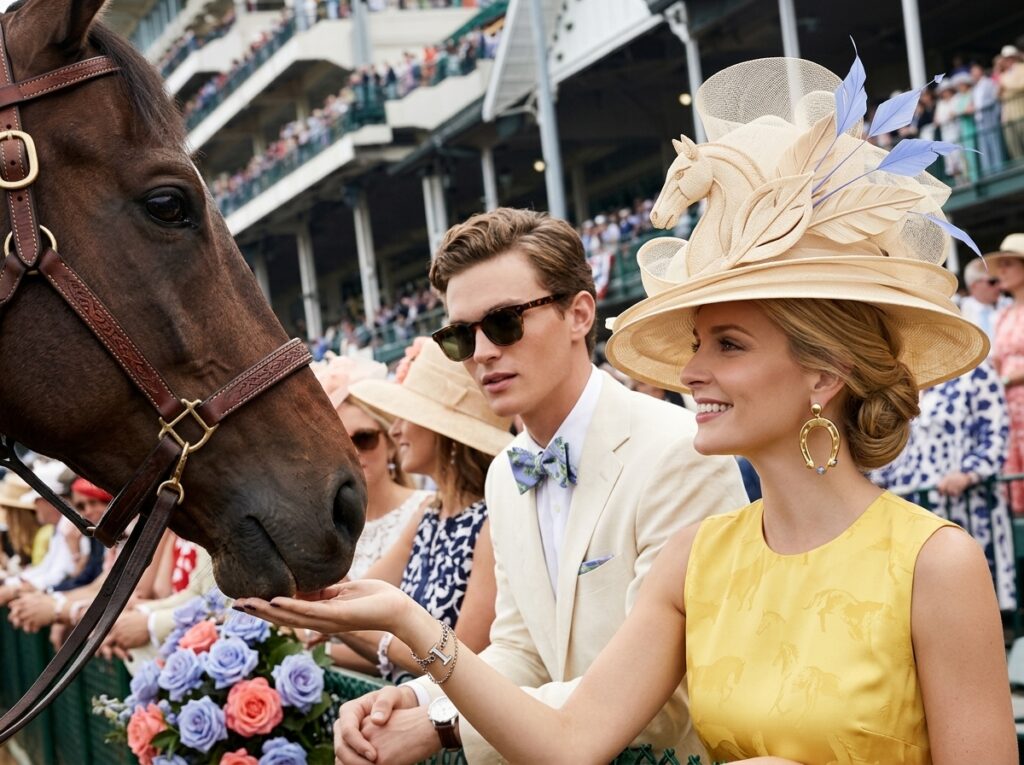
A suitable Kentucky Derby dress should look polished, feel comfortable, and match the atmosphere of the event. The right choice depends on your personal style, the venue, and where you will spend race day.
The official Kentucky Derby fashion and outfit guide is a useful reference for understanding current race-day styling inspiration and venue considerations.
The best dresses to wear to the Kentucky Derby combine a distinctive style with practical comfort. Floral prints, defined waistlines, flowing skirts, and decorative details are all worth considering.
Floral dresses are a natural choice for a spring event. Small prints can create a delicate, understated appearance, while large flowers and contrasting colors make a stronger statement. When selecting a floral dress, consider how its colors will work with your hat, shoes, and handbag.
A-line dresses feature a fitted upper section and a skirt that gradually widens toward the hem. This versatile silhouette works with different fabrics and prints. It can be styled with a wide-brim hat for a classic look or with simpler accessories for a more modern outfit.
Fit-and-flare dresses emphasize the waist and feature a fuller skirt. They create a defined silhouette while allowing more movement around the legs. This style works particularly well with lightweight fabrics, floral patterns, and decorative waist details.
Midi dresses generally fall between the knee and ankle, depending on the design and the wearer’s height. They offer a refined appearance and can be styled with heels, wedges, or elegant flats. Satin, chiffon, cotton blends, and lace are possible fabric choices.
For those who prefer a more distinctive outfit, statement dresses can feature ruffles, puff sleeves, pleats, lace panels, embroidery, or dimensional embellishments. When the dress already has strong visual details, simpler accessories can help maintain a balanced look.
Color, print, and fabric influence the overall appearance of a Kentucky Derby dress. The best combination depends on the desired style, comfort level, and how the dress will be worn.
Pastel pink, light blue, lavender, yellow, and soft green are common spring styling choices. Brighter colors such as coral, orange, and vivid blue can create a more noticeable outfit.
There is no need to follow a single color rule. Instead, consider your personal preferences and choose shades that complement your accessories and skin-tone preferences.
Floral prints are closely associated with spring fashion, but they are not the only option. Polka dots, stripes, abstract patterns, and geometric prints can also create interesting Derby-inspired looks.
For a coordinated outfit, choose accessories that repeat one color from the print. If the dress has a large or colorful pattern, a simpler hat and handbag can prevent the overall look from becoming too busy.
Fabric selection affects the drape, comfort, and structure of a dress.
For more background on synthetic fibers, brands can consult Textile Exchange’s overview of synthetics. For denim-related fabric knowledge, CottonWorks’ Denim Basics provides additional textile information.
A beautiful fabric still needs to perform well as a garment. Consider breathability, lining, opacity, wrinkle resistance, stretch, and recovery. The fabric should also support the intended silhouette. For example, a flowing skirt may need a fabric with suitable drape, while a structured bodice may require more body and stability.
For clothing brands, fabric decisions should be based on the design, target customer, expected price point, and care requirements rather than appearance alone.
A hat or fascinator can become the focal point of a Kentucky Derby outfit. The key is to coordinate accessories with the dress rather than allowing every element to compete for attention.
Wide-brim hats create a classic Derby-inspired appearance. They can work well with simple A-line, midi, and fit-and-flare dresses. Consider the hat’s color, shape, and overall proportion in relation to the dress.
Fascinators are smaller decorative headpieces that can include feathers, flowers, bows, or sculptural details. They are an option for people who want a distinctive headpiece without wearing a large hat.
Choose shoes based on both appearance and comfort. Wedges, block heels, dressy flats, and low heels may be practical options for an event involving extended walking or standing.
A small handbag or clutch can complete the outfit. Before attending, check the venue’s current bag policy because size and style restrictions may apply.
Jewelry should complement the neckline, fabric, and decoration of the dress. A simple necklace may work with a plain neckline, while statement earrings can add interest without competing with a detailed bodice.
If the dress has bold prints, ruffles, or embellishments, consider more understated accessories. If the dress is relatively simple, a colorful hat or distinctive earrings can provide the main visual focus.
Not every Kentucky Derby-related event requires the same outfit. Consider the setting, activities, and dress expectations before choosing a dress.
For race day, consider a polished dress that allows you to move comfortably. A floral midi dress, an A-line silhouette, or a fit-and-flare design can be paired with a hat or fascinator. Footwear should suit the venue and the amount of walking expected.
A Derby-themed party may allow more flexibility than an event at the racetrack. You could choose a printed dress, a colorful skirt-and-top combination, or a simpler spring dress with themed accessories.
For outdoor celebrations, consider breathable fabrics and comfortable shoes. Check the weather forecast before the event and prepare an appropriate light layer if needed.
Some seating and hospitality areas may have specific dress expectations. A more structured dress, refined accessories, and polished footwear may be appropriate, depending on the venue.
Spring weather can vary, so think about practical details such as layering, fabric weight, and footwear. A lightweight jacket or wrap can complement a dress while providing additional coverage.
Always review the latest information from the event organizer. The official Kentucky Derby website provides guidance on what to expect, including comfort and weather considerations.
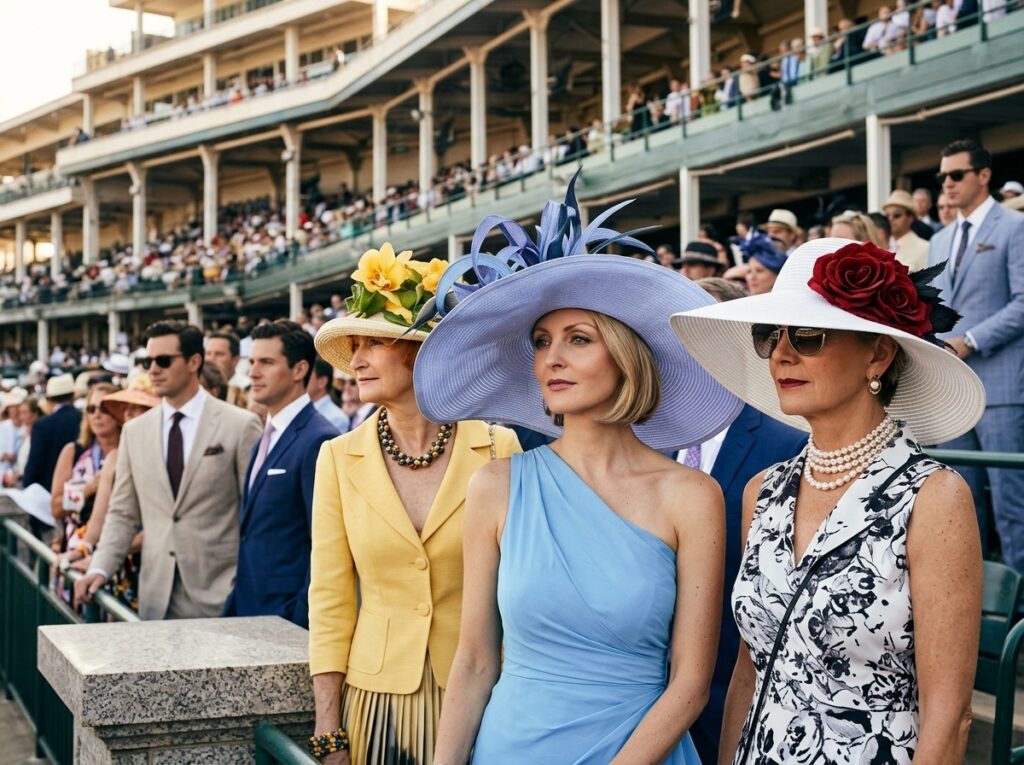
Comparing dress silhouettes and fabrics can help you choose an outfit that matches your preferred appearance and practical needs. For clothing brands, these differences are also important during product planning and development.
| Dress Style | Key Features | Styling Direction |
|---|---|---|
| A-Line | Fitted upper section with a gradually flared skirt | Classic and versatile |
| Fit-and-Flare | Defined waist and fuller skirt | Feminine and playful |
| Sheath | Close-fitting, streamlined shape | Modern and polished |
| Midi | Hemline between the knee and ankle | Refined and adaptable |
| Maxi | Full-length design | Flowing and dramatic |
Each silhouette creates a different visual effect. A-line and fit-and-flare dresses provide more skirt volume, while sheath dresses create a closer-fitting shape. Midi and maxi describe dress lengths rather than a single construction style, so they can be combined with different silhouettes.
| Fabric | Appearance | Key Consideration |
|---|---|---|
| Chiffon | Lightweight and flowing | May require lining |
| Cotton | Natural and breathable | Wrinkle management |
| Lace | Textured and decorative | Construction and lining |
| Polyester Blend | Versatile with different finishes | Composition and comfort |
| Linen Blend | Natural and relaxed | Wrinkling and drape |
| Satin | Smooth surface with a subtle sheen | Seam handling and fabric stability |
The best fabric depends on the intended design. A satin midi dress, for example, creates a different look from a cotton floral A-line dress. Brands should evaluate fabric samples and garment construction together before confirming a final design.
Clothing brands interested in Derby-inspired collections should start with a clear product direction. The design, fabric, fit, and finishing details need to work together to create a consistent collection.
Identify the intended customer, price positioning, sales channel, and preferred style direction. A collection for formal occasionwear may require different silhouettes and fabrics from one designed for seasonal casualwear.
Prepare clear design references and specify important garment details, including:
A detailed Tech Pack can help communicate these requirements to the manufacturing team.
Choose fabrics according to the intended appearance, drape, comfort, and care requirements. For example, chiffon may suit a flowing skirt, while a more structured woven fabric may be preferable for a defined bodice.
Brands should review fabric composition, weight, color, and finish before approving materials for sampling.
A sample allows the brand to evaluate the design as a physical garment. Review measurements, fit, seam construction, lining, fabric behavior, and finishing details.
For delicate fabrics such as satin or chiffon, pay particular attention to seam appearance, hem stability, and handling during sewing.
Before bulk manufacturing, confirm the final sample, size specifications, fabric and trim details, approved colors, labels, packaging, and inspection requirements. Clear documentation helps reduce misunderstandings during production.
Brands looking for development and production support can explore Liantao Apparel’s custom clothing manufacturing services for OEM and ODM options.
Choosing a reliable custom dress manufacturer is important for turning a design concept into a consistent finished product. Brands should evaluate product experience, material sourcing, sample development, quality control, and communication before selecting a manufacturing partner.
Look for a manufacturer with experience producing the dress styles and construction details your brand requires. Different designs may involve different pattern shapes, fabrics, sewing methods, and finishing techniques.
Check whether the manufacturer can help identify suitable fabrics and trims based on your design, quality expectations, and budget. Material knowledge is particularly important when working with delicate or structured fabrics.
A capable manufacturer should be able to develop patterns, review garment measurements, and refine samples before bulk production. Ask how design changes and sample feedback are handled.
Ask about fabric inspection, measurement checks, stitching quality, and finished garment inspections. Clear quality requirements help the brand and manufacturer work toward consistent product standards.
Choose a partner who understands your Tech Pack, communicates clearly, and coordinates product development and production requirements. Confirm responsibilities, specifications, and approval procedures before production begins.
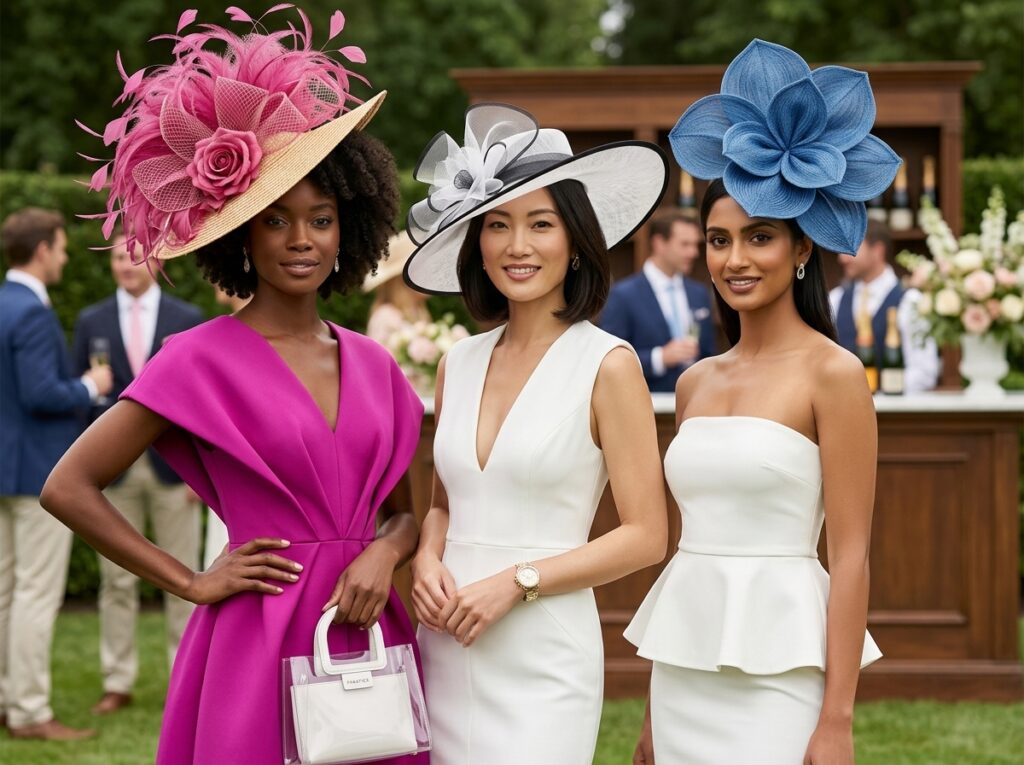
For more information about dress development, brands can visit Liantao Apparel’s custom dress manufacturer page. You can also read the apparel manufacturer selection and bulk quality control guide to understand what to evaluate when choosing a production partner.
A polished spring dress is a popular choice. Floral prints, A-line dresses, fit-and-flare styles, and midi dresses can all work well. Choose a design that suits the event setting and allows you to remain comfortable throughout the day.
A short dress may be suitable depending on the venue and event requirements. Consider the overall formality of your plans and check any dress guidelines for your specific seating or hospitality area.
Hats and fascinators are traditional elements of Derby fashion, but personal styling preferences vary. Check the current event guidance rather than assuming that every attendee must wear a hat.
Pastels, floral colors, and brighter spring shades are popular styling options. Pink, yellow, blue, green, and lavender can all work, but the best choice depends on your personal style and accessories.
Wedges, block heels, dressy flats, and comfortable low heels are possible choices. Consider the venue, walking distance, and expected weather. Comfort is especially important for a long outdoor event.
The best dresses to wear to the Kentucky Derby combine a distinctive spring style with comfort and thoughtful details. Floral prints, A-line silhouettes, fit-and-flare designs, and midi dresses offer different ways to create an elegant race-day outfit. The right hat, shoes, and accessories help bring the entire look together.
For clothing brands, developing Derby-inspired dresses requires more than choosing an attractive design. Fabric selection, pattern development, sample evaluation, construction details, and quality control all contribute to the final product.
Whether you are choosing an outfit for race day or planning a custom dress collection, a clear understanding of style and garment development can help turn a design idea into a well-made dress.
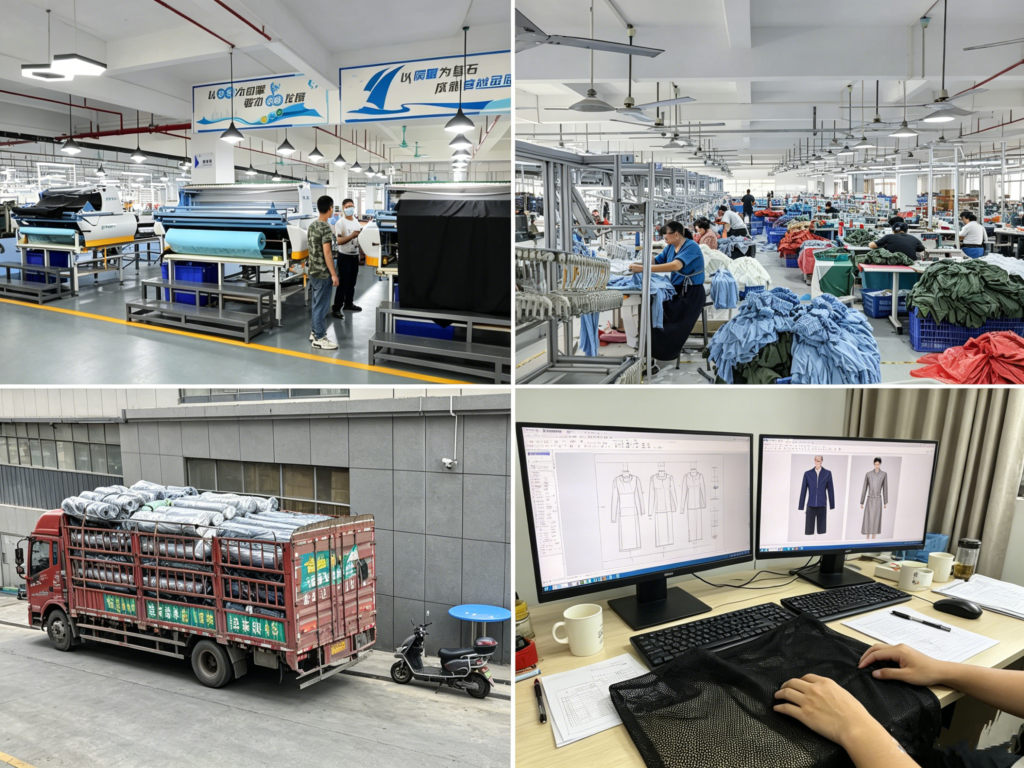
If you have any questions or require a quote, please leave
us a message. Our experts will get back to you within 24 hours to help you choose the ideal fashion products tailored to your needs.
Hi, I’m Lucy Cai, the founder of liantaoapparel.com. I’ve been managing a women’s clothing factory in China for over 20 years. With extensive experience in garment production and OEM services, I’m passionate about sharing insights into women’s fashion, apparel manufacturing, and global sourcing.
If you have any questions or need a quote, please contact us.
Please add us WhatsApp:+86 189 4809 3145
Provide us with detailed information about your requirements, supply design drawings or tech packs,
reference images, and share your ideas.
We will customize the best solution based on your needs and drawings, and provide a specific quote within 24 hours.
Once we receive your confirmation and deposit,we will commence mass production and take care of the subsequent shipping arrangements.


