🏭 Looking for a Custom Apparel Manufacturer?
We are a leading OEM/ODM clothing factory with 20+ years of export experience. Custom styles, flexible MOQs, and retail-ready quality.
Is 100% cotton always better than blended fabric? Not necessarily. While 100 cotton is popular for its natural fiber content, breathability, and comfortable feel, cotton blends can offer advantages in stretch, wrinkle resistance, and garment performance.
For clothing brands, choosing the right fabric involves more than checking whether a garment is made from pure cotton. Fabric weight, construction, finishing, shrinkage, and the intended use of the product all influence the final result.
Whether you are developing custom T-shirts, hoodies, dresses, or casualwear, understanding 100% cotton can help you make better sourcing decisions.
This guide explains what 100 cotton means, why clothing brands use cotton blends, how pure cotton compares with other fabrics, and what to consider when sourcing cotton garments from a clothing manufacturer.
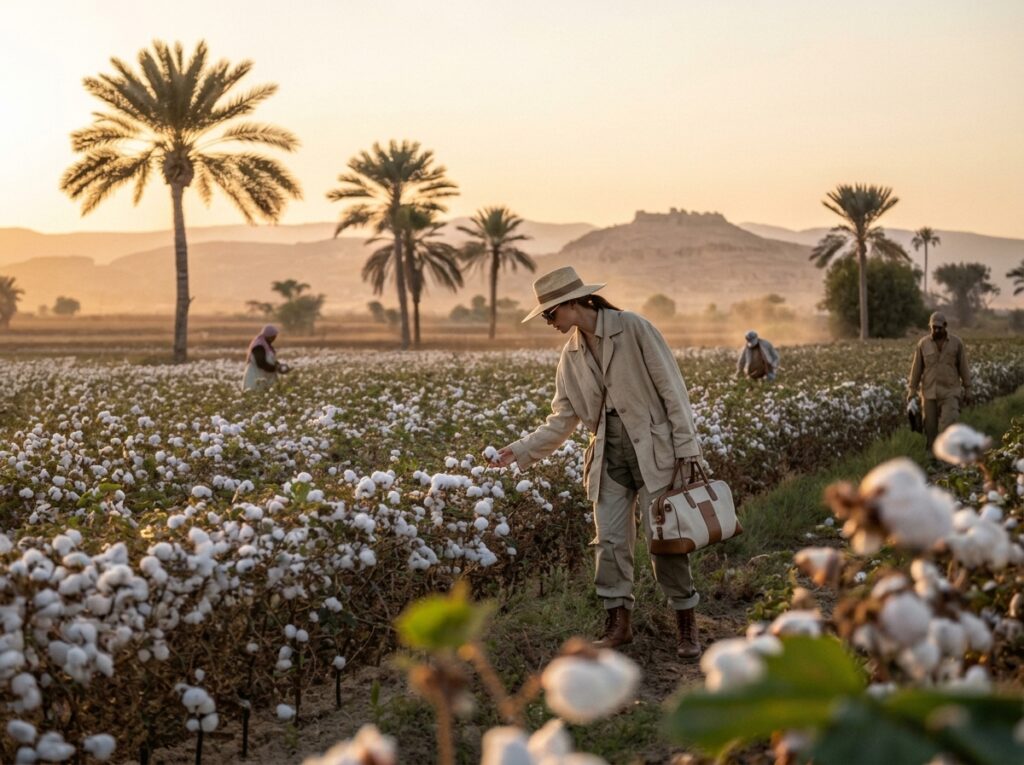
100 cotton, also written as 100% cotton, means that the textile fiber composition is cotton without intentionally blended polyester, elastane, or other fiber types.
Cotton is a natural cellulosic fiber obtained from the cotton plant. It is processed into yarn and then made into fabrics through knitting or weaving.
However, 100% cotton does not automatically mean that a garment has premium quality. Two garments can both be labeled 100% cotton but have very different thicknesses, textures, construction methods, and levels of durability.
When checking a garment’s fiber composition, buyers should understand the relevant textile fiber labeling requirements and verify that the stated fiber composition accurately reflects the product.
For clothing brands, the following distinctions are important:
The fiber composition is only one part of a fabric specification. Buyers should also consider fabric weight, construction, finishing, and performance requirements.
Many modern garments use blended fabrics instead of pure cotton. This does not mean that 100% cotton has disappeared. Rather, clothing brands increasingly select fabrics according to the performance requirements of each product.
There are several reasons behind this change.
Pure cotton is comfortable and absorbent, but it does not provide the same stretch and recovery as fabrics containing elastane.
For fitted garments, activewear, and clothing designed for frequent movement, adding stretch fibers may improve comfort and fit.
Cotton can wrinkle during wearing and washing. Polyester blends may improve wrinkle resistance and help garments maintain their appearance with less ironing.
This can be useful for uniforms, everyday clothing, and products designed for frequent washing.
Fabric composition, construction, and finishing all influence how a garment behaves after washing.
Cotton blends may offer advantages in certain applications, but they are not automatically shrink-proof. Pure cotton garments can also achieve better dimensional stability through suitable fabric processing and garment finishing.
Different fiber combinations have different material costs and manufacturing requirements.
For clothing brands, the best choice depends on the target retail price, product positioning, fabric specifications, and expected customer experience.
There is no single fabric composition that works best for every garment.
The main difference between 100% cotton and cotton blends is fiber composition. However, this difference also influences the fabric’s performance, appearance, and suitability for different clothing categories.
| Fabric Type | Main Characteristics | Common Applications |
|---|---|---|
| 100% Cotton | Natural fiber, absorbent, comfortable | T-shirts, shirts, casualwear |
| Cotton Polyester | Can improve wrinkle resistance and dimensional stability | Hoodies, uniforms, casualwear |
| Cotton Spandex | Added stretch and recovery | Fitted tops, stretch garments |
| Cotton Viscose | Different drape and hand feel | Lightweight tops, dresses |
Pure cotton is commonly selected for its natural fiber content, moisture absorption, and comfortable feel.
It works well for everyday clothing, including T-shirts, casual shirts, and many types of sweatshirts.
However, cotton garments can wrinkle and may shrink if the fabric and garment are not properly processed.
Cotton polyester blends combine the comfort and absorbency of cotton with the performance characteristics of polyester.
Depending on the blend ratio and fabric construction, these fabrics may offer:
Adding spandex or elastane gives cotton fabrics additional stretch and recovery.
This combination is commonly used in fitted tops, stretch T-shirts, leggings, and other garments that require greater flexibility.
Cotton and viscose can be combined to create fabrics with a different surface feel and drape.
The actual result depends on fiber proportions, yarn construction, and finishing methods.
The key takeaway: Choosing between pure cotton and blended fabrics should depend on the garment’s purpose, fit, and required performance rather than the fiber composition alone.
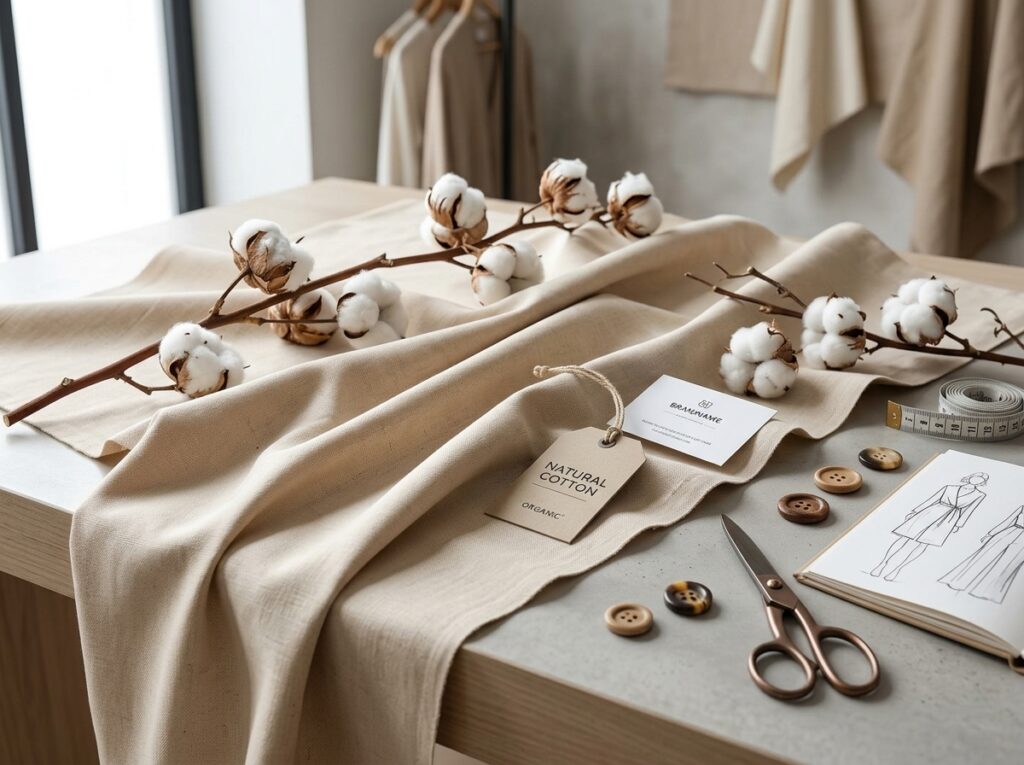
100% cotton has remained a popular clothing material because of its natural fiber characteristics. However, it also has limitations that brands should understand before developing a product.
1. Breathability and Comfort
Cotton fabrics are commonly valued for their ability to absorb moisture and provide a comfortable wearing experience. This makes them suitable for many everyday garments.
2. Natural Fiber Content
For consumers who prefer clothing made from natural fibers, 100% cotton offers a clear material choice.
3. Versatile Applications
Cotton can be knitted or woven into different fabric structures, making it suitable for T-shirts, sweatshirts, shirts, dresses, and casualwear.
4. Different Fabric Finishes
Cotton fabrics can be dyed and finished to achieve different colors, textures, and surface appearances.
1. Shrinkage
Cotton garments may shrink after washing, depending on fabric construction, processing, and care conditions.
2. Wrinkling
Cotton can wrinkle during wearing and washing, so some garments may require ironing.
3. Limited Stretch
Pure cotton without elastane generally has less stretch and recovery than cotton-spandex blends.
4. Drying Time
Cotton absorbs moisture, which means some cotton garments may take longer to dry than certain synthetic or blended fabrics.
Cotton shrinkage is influenced by fabric construction, processing conditions, and finishing methods. Understanding cotton fabric shrinkage performance can help clothing manufacturers establish more suitable fabric specifications and production requirements.
| Factor | 100% Cotton | Cotton Blends |
|---|---|---|
| Fiber content | Cotton only | Cotton plus other fibers |
| Moisture absorption | Generally high | Depends on blend |
| Stretch | Usually limited | Can improve with elastane |
| Wrinkle resistance | Can wrinkle easily | May improve with polyester |
| Shrinkage | Requires attention | Depends on composition and processing |
| Care requirements | Depends on finish and garment | Depends on blend and construction |
Neither option is universally better. The right choice depends on the garment’s intended use and the quality requirements of the brand.
100% cotton is used across different clothing categories. Its suitability depends on the required fabric weight, construction, texture, and garment design.
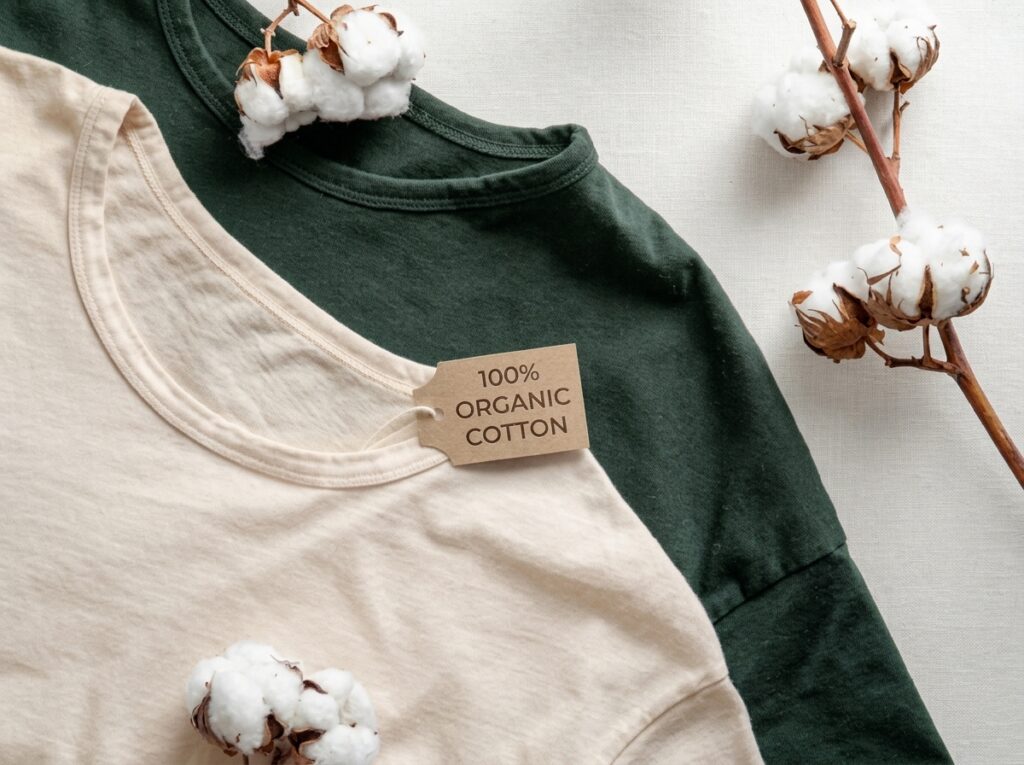
Cotton T-shirts are among the most common applications of pure cotton fabric.
Popular options include:
When developing custom T-shirts, buyers should consider fabric weight, neckline construction, fit, stitching, and shrinkage requirements.
Cotton is also widely used in sweatshirt and hoodie development.
Common fabric structures include French terry and fleece. These fabrics have different surface structures and wearing characteristics.
For brands developing cotton sweatshirts, understanding sweatshirt fabric and custom manufacturing can help with decisions about fabric weight, construction, fit, and product development.
Woven cotton fabrics are commonly used for casual shirts, summer dresses, and other lightweight garments.
Depending on the fabric construction, cotton can provide different levels of structure, softness, and drape.
Brands should evaluate the fabric sample before selecting it for a specific garment design.
Cotton is also used in casual pants, loungewear, and other everyday clothing.
For these products, consider how the fabric behaves during movement, washing, and repeated wearing.
For clothing brands, selecting 100% cotton fabric requires more than specifying the fiber composition.
A complete fabric specification helps manufacturers understand the product requirements and develop garments more accurately.
Confirm whether the material is 100% cotton or a cotton blend.
For B2B sourcing, buyers can request supplier specifications or relevant fiber composition testing documents when required.
Do not rely only on product descriptions or informal material claims.
Fabric weight, usually measured in GSM (grams per square meter), influences thickness, structure, and wearing characteristics.
A lightweight cotton fabric may suit summer T-shirts, while heavier constructions may be more appropriate for certain sweatshirts.
However, higher GSM does not automatically mean better quality. The correct weight depends on the garment design and target market.
Different fabric structures create different appearances and wearing characteristics.
Examples include:
The construction should match the intended product rather than being selected by name alone.
Before bulk production, brands should define their requirements for dimensional stability and color performance.
Depending on the product, relevant checks may include:
The specific testing methods and acceptance limits should be agreed upon before production.
Sampling allows buyers to evaluate the actual fabric and finished garment before approving a bulk order.
Review the fabric hand feel, measurements, stitching, color, construction, and overall appearance.
If adjustments are required, communicate them clearly and confirm the revised sample before proceeding.
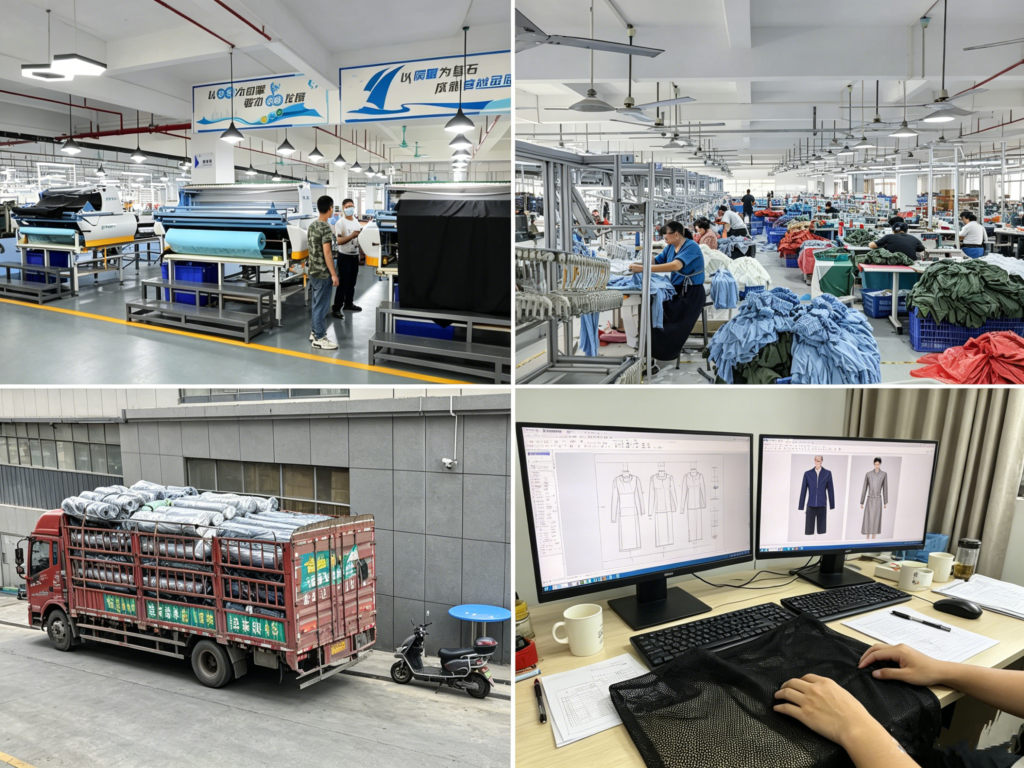
For brands preparing a larger order, understanding the custom clothing manufacturing process can help with product development, sampling, specification approval, and production planning.
A useful fabric specification checklist includes:
The more clearly these details are defined, the easier it is for buyers and manufacturers to work toward the same product standard.
Yes, 100% cotton garments can shrink after washing. The amount of shrinkage depends on fabric construction, processing, finishing, and washing conditions. Following the garment’s care instructions can help maintain its size and appearance.
Not always. Pure cotton is valued for its natural fiber content and moisture absorption, while cotton polyester blends may offer better wrinkle resistance and dimensional stability in certain applications. The best choice depends on the garment’s purpose.
Yes. Pure cotton is commonly used for both T-shirts and hoodies. However, fabric weight, construction, fit, and finishing should be selected according to the product design and intended use.
Start by checking the garment’s fiber composition label. For commercial sourcing, buyers can request supplier documentation or relevant fiber composition testing to verify the material.
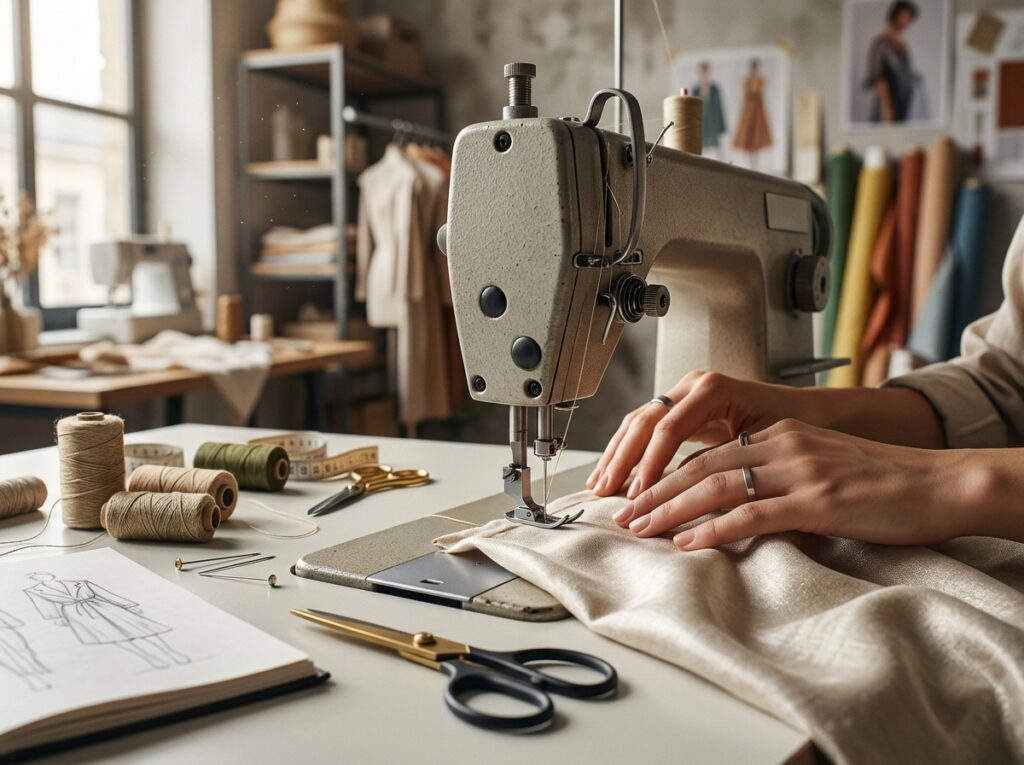
Yes. Private label brands can use 100% cotton for T-shirts, sweatshirts, shirts, and casualwear. Buyers should confirm the fabric specifications, garment measurements, branding details, and quality requirements before bulk production.
100% cotton remains a practical material choice for many clothing categories because of its natural fiber content, moisture absorption, and comfortable feel.
However, it is not automatically the best option for every product. Cotton blends may be more suitable when additional stretch, wrinkle resistance, or other performance characteristics are required.
For clothing brands, the key is to match fabric composition, weight, construction, and finishing with the intended garment.
Liantao Apparel supports customized clothing development, sampling, and bulk production for apparel buyers. If you are planning a cotton T-shirt, hoodie, dress, or casualwear collection, share your designs and product requirements with our team to discuss your manufacturing project.
If you have any questions or require a quote, please leave
us a message. Our experts will get back to you within 24 hours to help you choose the ideal fashion products tailored to your needs.
Hi, I’m Lucy Cai, the founder of liantaoapparel.com. I’ve been managing a women’s clothing factory in China for over 20 years. With extensive experience in garment production and OEM services, I’m passionate about sharing insights into women’s fashion, apparel manufacturing, and global sourcing.
If you have any questions or need a quote, please contact us.
Please add us WhatsApp:+86 189 4809 3145
Provide us with detailed information about your requirements, supply design drawings or tech packs,
reference images, and share your ideas.
We will customize the best solution based on your needs and drawings, and provide a specific quote within 24 hours.
Once we receive your confirmation and deposit,we will commence mass production and take care of the subsequent shipping arrangements.