🏭 Looking for a Custom Apparel Manufacturer?
We are a leading OEM/ODM clothing factory with 20+ years of export experience. Custom styles, flexible MOQs, and retail-ready quality.
Olefin is a synthetic fiber used in various textile and industrial applications. Known for its lightweight structure, low moisture absorption, and resistance to certain chemicals, it offers specific advantages for fabric development. However, its performance and suitability depend on the material composition, yarn construction, and intended end use.
For clothing brands and apparel buyers, understanding olefin fiber properties can help when comparing textile materials and evaluating fabric options. This guide explains what olefin is, how it is made, its advantages and limitations, and what to consider before using it in clothing manufacturing.
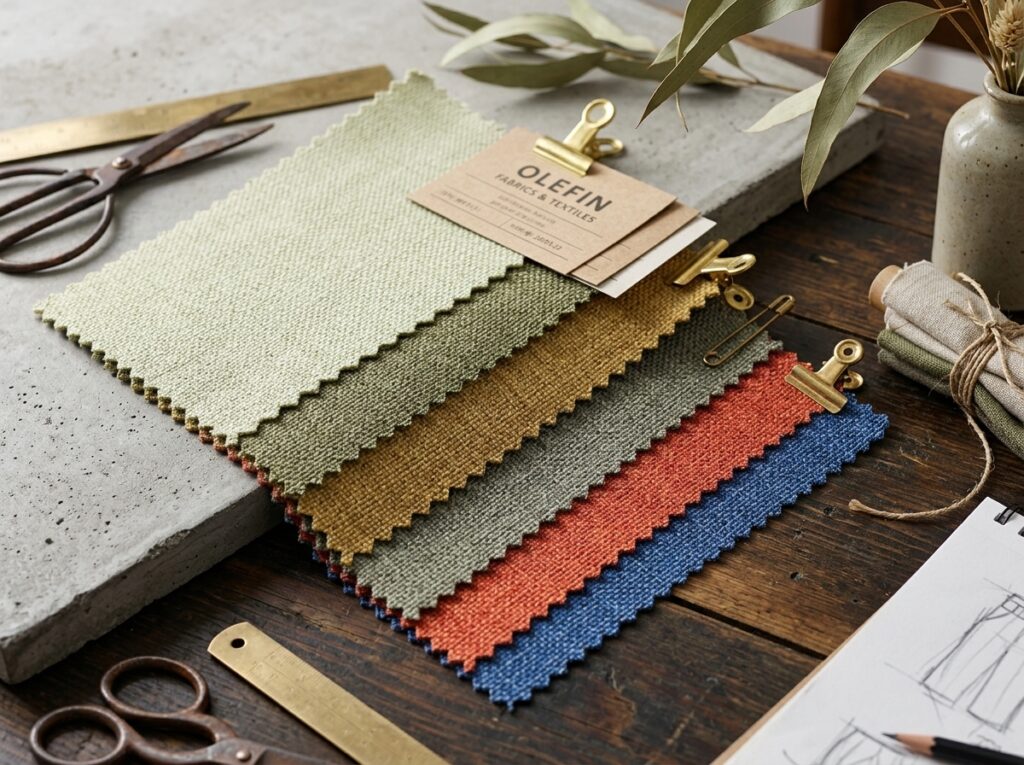
Olefin is a synthetic fiber made from polyolefin polymers, mainly polypropylene (PP) and polyethylene (PE).
Polypropylene is more commonly associated with textile applications, while polyethylene fibers are used in more specialized products. The characteristics of olefin fabrics vary according to the polymer, fiber structure, and manufacturing process.
Key points:
Olefin should not be confused with polyester or nylon. Although all three are synthetic materials, they have different chemical structures and performance profiles.
Olefin fiber is recognized for its lightweight structure and low moisture absorption. However, its actual performance depends on the specific polymer and textile construction.
Important olefin fiber properties include:
For apparel developers, these properties should be evaluated alongside fabric hand feel, breathability, flexibility, durability, and care requirements.
Olefin is used in different textile applications, including selected clothing products, outdoor textiles, and industrial materials.
Common applications include:
Not every olefin fabric is suitable for everyday clothing. Brands should evaluate the actual fabric specifications and test samples before selecting a material for a particular garment.
Olefin offers useful material characteristics, but it also has limitations that clothing brands should understand before production.
| Advantages | Disadvantages |
|---|---|
| Lightweight structure | Heat sensitivity |
| Low moisture absorption | Limited traditional dyeability |
| Resistance to many chemicals | Performance varies by polymer and construction |
| Useful abrasion resistance in selected applications | Not suitable for every garment type |
| Potentially suitable for specific outdoor uses | Requires careful evaluation of care instructions |
Advantages: Olefin can be a practical choice when low weight, low moisture absorption, and particular chemical-resistance properties are priorities.
Disadvantages: Its heat sensitivity and dyeing limitations can restrict certain applications. Fabric appearance, comfort, and finishing options also need to be considered.
The best material is not necessarily the one with the most advantages. It is the one that meets the garment’s intended performance and quality requirements.
Olefin, polyester, and nylon are all synthetic fibers, but they differ in their material characteristics and common textile applications.
| Comparison | Olefin | Polyester | Nylon |
|---|---|---|---|
| Fiber type | Polyolefin | Polyester polymer | Polyamide |
| Weight | Generally lightweight | Varies by construction | Varies by construction |
| Moisture absorption | Very low | Low | Higher than olefin and polyester |
| Abrasion resistance | Good in selected applications | Generally good | Generally strong |
| Heat sensitivity | Relatively high | Varies by type | Varies by type |
| Common applications | Outdoor textiles, nonwovens, selected apparel | Sportswear, T-shirts, dresses | Activewear, hosiery, performance garments |
These are general comparisons, not guarantees for every fabric. Fiber grade, yarn design, fabric construction, and finishing treatments can significantly affect the final result.
For clothing brands, polyester and nylon offer broader familiarity across many apparel categories. Olefin may be worth evaluating when its specific characteristics match the product’s requirements.
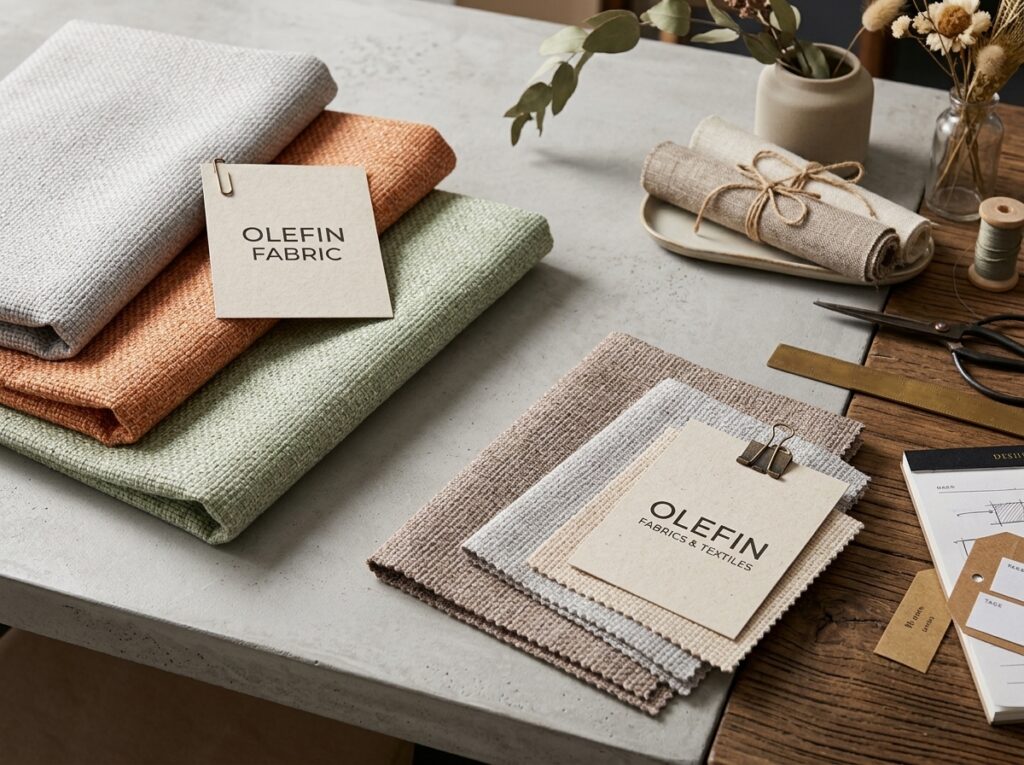
Choosing a fabric for clothing production requires more than checking its fiber composition. Buyers should consider how the material will perform in the finished garment.
Before selecting olefin fabric, evaluate these factors:
For brands developing custom apparel, a detailed tech pack can help communicate fabric composition, garment measurements, construction details, colors, and finishing requirements.
Liantao Apparel provides OEM and ODM clothing manufacturing services for brands developing custom apparel. Buyers can learn more about the available services on our OEM and ODM Clothing Manufacturing Services page.
Olefin fabric care depends on the specific fiber, fabric construction, and garment finishing. Buyers should always follow the care instructions supplied for the actual product.
Important considerations include:
If a garment combines olefin with polyester, nylon, elastane, or other fibers, its care requirements may differ from those of a fabric made entirely from olefin.
Olefin is a synthetic fiber made from polyolefin polymers, mainly polypropylene and polyethylene.
Not exactly. Polypropylene is one of the main polymers used to produce olefin fibers. Olefin is the broader fiber category.
Breathability depends on fabric construction, thickness, and finishing. Low moisture absorption alone does not establish how breathable a garment will be.
Neither material is universally better. Olefin offers particular advantages, including low moisture absorption and lightweight construction. Polyester is widely used across many apparel categories. The right choice depends on the garment’s intended use and performance requirements.
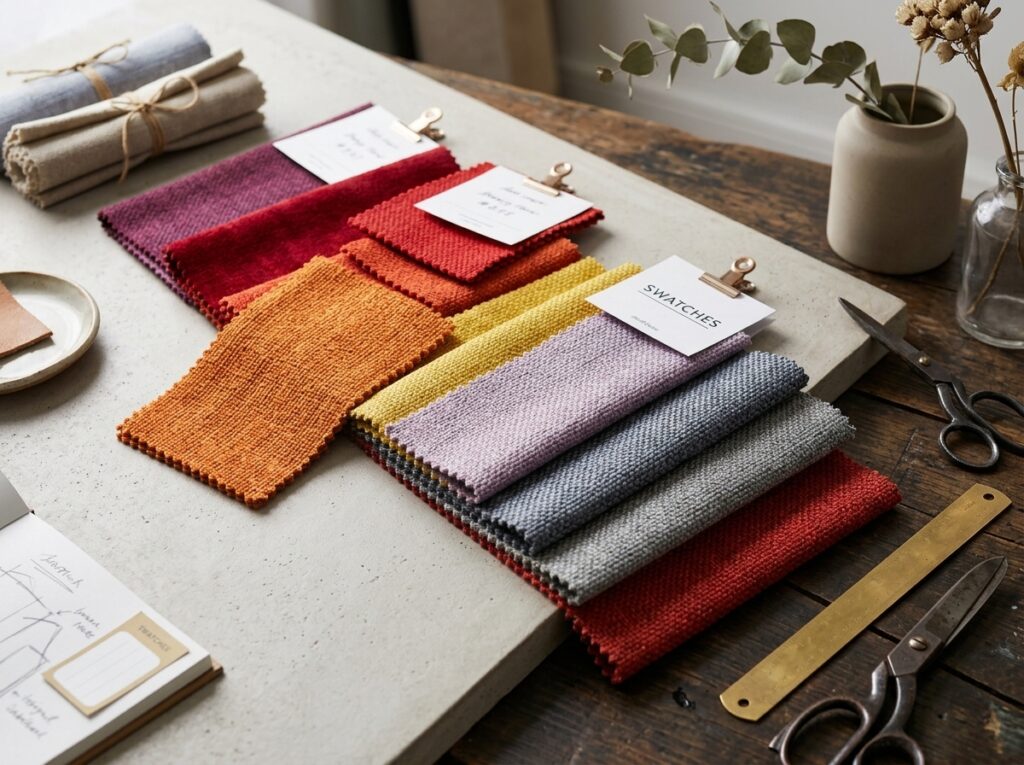
Olefin can be used in selected textile and apparel applications, but suitability depends on the fabric specifications and manufacturing requirements. Brands should confirm material availability, construction options, and sample performance before committing to bulk production.
Olefin is a synthetic fiber category with useful characteristics, including lightweight construction, low moisture absorption, and resistance to many chemicals. It is used in outdoor textiles, nonwovens, selected apparel, and other applications.
However, its heat sensitivity, dyeing limitations, and application-specific performance should be considered before selecting it for a clothing collection.
For apparel brands, the best approach is to compare fabric specifications, evaluate samples, and confirm that the material meets the garment’s design and quality requirements. Careful material selection is an important step toward developing consistent custom apparel.
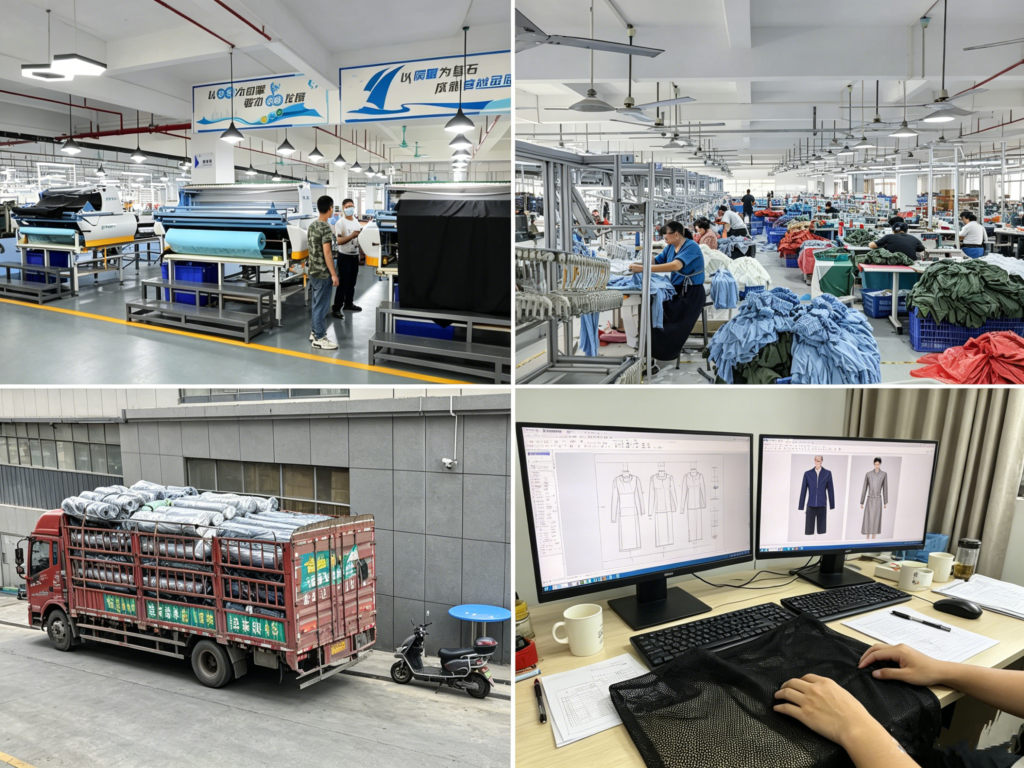
If you have any questions or require a quote, please leave
us a message. Our experts will get back to you within 24 hours to help you choose the ideal fashion products tailored to your needs.
Hi, I’m Lucy Cai, the founder of liantaoapparel.com. I’ve been managing a women’s clothing factory in China for over 20 years. With extensive experience in garment production and OEM services, I’m passionate about sharing insights into women’s fashion, apparel manufacturing, and global sourcing.
If you have any questions or need a quote, please contact us.
Please add us WhatsApp:+86 189 4809 3145
Provide us with detailed information about your requirements, supply design drawings or tech packs,
reference images, and share your ideas.
We will customize the best solution based on your needs and drawings, and provide a specific quote within 24 hours.
Once we receive your confirmation and deposit,we will commence mass production and take care of the subsequent shipping arrangements.