


🏭 Looking for a Custom Apparel Manufacturer?
We are a leading OEM/ODM clothing factory with 20+ years of export experience. Custom styles, flexible MOQs, and retail-ready quality.
Acrylic fabric is a popular synthetic textile used in sweaters, scarves, blankets, jackets, and other products that need a soft feel and good warmth. It is often chosen as an alternative to wool because it can provide a similar appearance and texture while offering different care and cost characteristics.
However, acrylic is not suitable for every garment. Its breathability, durability, pilling resistance, and overall comfort depend on factors such as yarn quality, fabric construction, weight, and finishing.
For clothing brands and apparel buyers, understanding acrylic fabric properties is important when selecting materials for a new collection. This guide explains what acrylic fabric is made of, how it is produced, its advantages and disadvantages, common applications, and what to consider before placing a bulk order.
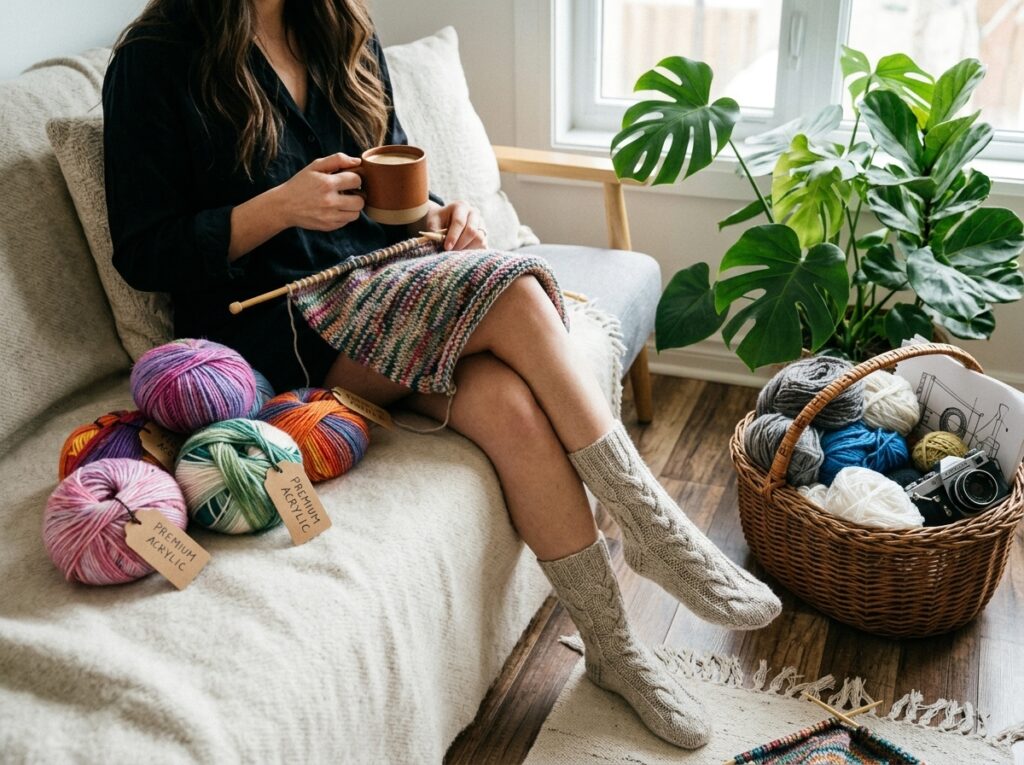
Acrylic fabric is a synthetic textile made from acrylic fibers. These fibers are produced using chemical raw materials and processed into yarns that can be knitted or woven into different fabric structures.
Acrylic is commonly used as a wool alternative because it can create a soft, warm, and lightweight fabric. It is especially popular in knitwear and winter accessories.
Acrylic fibers are manufactured from polymers containing acrylonitrile. According to the U.S. Federal Trade Commission’s textile fiber definitions, acrylic is a manufactured fiber in which the fiber-forming substance contains at least 85% by weight of acrylonitrile units.
You can refer to the official definition of acrylic fiber for the regulatory description.
Unlike cotton, wool, and linen, acrylic does not come directly from natural plant or animal sources. It is a manufactured fiber designed to provide specific textile characteristics.
Acrylic fabric is synthetic, not natural.
Here is a simple comparison:
| Fabric | Fiber origin | General characteristics |
|---|---|---|
| Acrylic | Synthetic | Lightweight, warm, wool-like feel |
| Cotton | Natural plant fiber | Soft, breathable, absorbent |
| Wool | Natural animal fiber | Warm, insulating, moisture-absorbing |
| Polyester | Synthetic | Durable, quick-drying, versatile |
| Linen | Natural plant fiber | Breathable, crisp, lightweight |
100% acrylic fabric means the textile is made entirely from acrylic fiber, without other fiber types intentionally blended into its stated fiber composition.
Some products use acrylic blends, such as acrylic and wool, acrylic and polyester, or acrylic and cotton. Blending can help manufacturers balance softness, warmth, durability, cost, and other performance requirements.
For buyers, checking the fiber composition is an important first step when comparing fabric samples or reviewing garment specifications.
Acrylic fabric production involves several stages, starting with chemical raw materials and ending with finished textile material.
Although the exact manufacturing process can vary, the general process includes polymer production, fiber formation, yarn manufacturing, and fabric construction.
The process begins with acrylonitrile-based chemical raw materials. These are processed to produce the polymer used to form acrylic fibers.
The polymer composition and manufacturing conditions influence the characteristics of the final fiber.
The polymer is dissolved in a suitable solvent and processed through a spinning process to form continuous filaments or staple fibers.
The fibers are then treated and prepared for further textile processing.
Acrylic fibers can be processed into yarn using different spinning methods.
Depending on the intended product, yarns may be designed to create a smooth surface, a fluffy texture, or a wool-like appearance.
Acrylic yarn is widely used in sweaters, cardigans, scarves, hats, and other knitted products.
Acrylic yarn can be used to produce different fabric constructions.
Common examples include:
The fabric may undergo dyeing, washing, and finishing processes to achieve the required color, texture, appearance, and hand feel.
For apparel buyers, the finished fabric should be evaluated rather than judged only by its fiber composition. Two acrylic fabrics can feel and perform differently because of variations in yarn, construction, weight, and finishing.
Acrylic fabric is valued for its lightweight structure, warmth, and wool-like appearance. However, its performance depends on the quality of the fibers and the way the fabric is manufactured.
Acrylic fabric can feel soft, smooth, fluffy, or wool-like.
The exact texture depends on the yarn type and fabric construction. Some acrylic fabrics are designed to imitate wool, while others have a smoother surface.
Acrylic is commonly used in products where softness and warmth are important.
Yes. Acrylic fabric is often used for cold-weather clothing because it can help retain warmth.
Its insulating performance depends on fabric thickness, construction, and the amount of air trapped within the textile structure.
This makes acrylic a common material for:
Acrylic is generally less moisture-absorbent than natural fibers such as cotton and wool.
Its breathability depends on the fabric structure. A lightweight, loosely knitted acrylic fabric may allow more airflow than a dense, thick construction.
For summer clothing, buyers should evaluate fabric weight, construction, and wearing comfort rather than relying on fiber content alone.
Acrylic fabric can have some flexibility, particularly when it is knitted.
However, its stretch and recovery depend on the yarn and fabric construction. A rib knit, for example, usually stretches more than a tightly constructed woven fabric.
Pilling is one of the potential disadvantages of acrylic fabric.
Pills are small fiber balls that form on the surface of fabric because of friction during wearing and washing. Acrylic garments can develop pilling, especially when the yarn or fabric construction is more prone to surface fiber movement.
For clothing brands, pilling performance should be evaluated through appropriate fabric testing and sample assessment before bulk production.
Acrylic is generally less prone to shrinkage than some natural fibers, but it is not completely immune to dimensional changes.
Heat, washing conditions, fabric construction, and finishing can affect the final garment dimensions. Always follow the care label and evaluate dimensional stability for the intended product.
For more information about acrylic fiber characteristics and textile care, see the U.S. government’s Consumer Information Series: Fibers and Fabrics.
Acrylic fabric offers several useful characteristics, but it also has limitations. Understanding both sides helps brands choose the right material for their products.
1. Lightweight and warm
Acrylic can provide warmth without requiring an especially heavy fabric. This makes it suitable for sweaters, scarves, and winter accessories.
2. Wool-like appearance
Acrylic can be manufactured with a texture and appearance similar to wool, making it a practical option for selected knitwear products.
3. Versatile applications
Acrylic yarn can be used in different knitted and woven constructions, offering flexibility in product design.
4. Color options
Acrylic textiles are available in a wide range of colors, making them useful for seasonal collections and fashion products.
5. Often easier to care for than wool
Many acrylic garments can be machine-washed under suitable conditions, although the care label should always take priority.
1. Potential pilling
Acrylic fabrics may develop pills through repeated friction, affecting the appearance of garments.
2. Lower moisture absorption
Compared with cotton, acrylic absorbs relatively little moisture. Some people may find it less comfortable in warm or humid conditions.
3. Heat sensitivity
Excessive heat during washing, drying, or ironing can damage acrylic fibers or affect the garment’s shape.
4. Synthetic fiber origin
Acrylic is a petroleum-based synthetic fiber, so it does not have the same natural origin as cotton, linen, or wool.
5. Environmental considerations
Acrylic is not biodegradable in the same way as many natural fibers. Like other synthetic textiles, it can also contribute to microfiber pollution during use and washing.
Acrylic fabric is neither universally good nor bad. Its suitability depends on the intended product.
It can be a practical choice for affordable knitwear, winter accessories, and products that need a wool-like appearance. However, it may be less suitable when high moisture absorption, premium natural-fiber characteristics, or strong pilling resistance are the main priorities.
The best approach is to match the material’s properties with the product’s intended use.
Acrylic, polyester, wool, and cotton are all used in apparel manufacturing, but they have different fiber characteristics.
The right choice depends on the garment type, target customer, price positioning, and expected performance.
| Feature | Acrylic | Polyester | Wool | Cotton |
|---|---|---|---|---|
| Fiber type | Synthetic | Synthetic | Natural animal fiber | Natural plant fiber |
| Warmth | Good | Varies by construction | Good to excellent | Generally moderate |
| Moisture absorption | Low | Low | Higher than acrylic | High |
| Softness | Can be soft and wool-like | Varies by type | Varies by wool type | Generally soft |
| Breathability | Depends on construction | Depends on construction | Generally good | Generally good |
| Common uses | Sweaters, scarves, hats | Sportswear, outerwear, everyday clothing | Knitwear, coats, winter clothing | T-shirts, shirts, casualwear |
Both acrylic and polyester are synthetic fibers, but they are commonly selected for different textile characteristics.
Acrylic is often used to create wool-like textures and warm knitwear. Polyester is widely used in sportswear, casualwear, outerwear, and performance-oriented fabrics.
For a knitted winter sweater, acrylic may be worth considering. For a garment requiring quick drying and versatile performance, polyester may be a more suitable option.
Acrylic is frequently used as an alternative to wool.
Wool is a natural animal fiber known for warmth and moisture management. Acrylic can imitate some of wool’s appearance and softness, but it does not have exactly the same fiber characteristics.
For brands developing winter collections, the choice depends on the desired hand feel, product positioning, care requirements, and target price.
Cotton is a natural fiber known for softness, breathability, and moisture absorption. Acrylic is synthetic and is more commonly associated with warm knitwear and wool-like textures.
Cotton is often selected for T-shirts and lightweight casualwear, while acrylic is commonly used for sweaters and winter accessories.
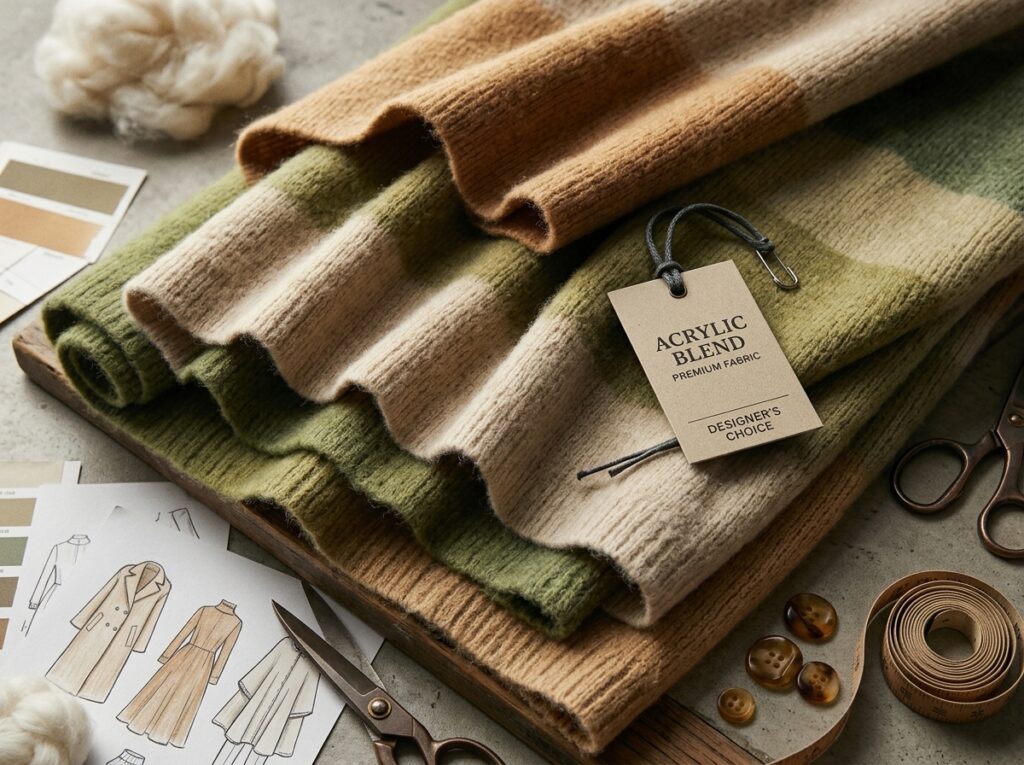
Acrylic fabric is used in a range of apparel and textile products, particularly those that benefit from warmth, softness, and knitted textures.
Sweaters and cardigans are among the most familiar applications of acrylic yarn.
Acrylic can create different knit textures, from smooth and fine constructions to chunky and fluffy surfaces.
For brands developing knitwear, fabric weight, yarn thickness, stitch structure, and hand feel should all be considered.
Acrylic may be used in selected jackets, coats, and winter garments, either as the main fabric or as part of a blended textile.
The suitability of acrylic depends on the garment’s construction and performance requirements.
Scarves, beanies, and knitted hats are common acrylic applications.
These products often require warmth, softness, and flexibility in color and texture. Acrylic yarn can support a variety of designs, including ribbed, cable-knit, and textured styles.
Acrylic can also be used in knitted dresses, skirts, and other fashion garments.
The appropriate fabric weight and construction depend on the intended silhouette, season, and fit.
| Product | Why acrylic may be used | What buyers should evaluate |
|---|---|---|
| Sweaters | Warmth and wool-like texture | Softness, pilling, weight |
| Cardigans | Flexible knitted construction | Shape retention, stitch structure |
| Scarves | Warmth and color variety | Hand feel, surface texture |
| Beanies | Stretch and knitted texture | Recovery, fit, comfort |
| Jackets | Warm textile construction | Thickness, durability, lining |
| Knitted dresses | Design and texture options | Drape, weight, dimensional stability |
For clothing brands, material selection should begin with the product design and customer expectations. A fabric that works well for a winter beanie may not provide the right comfort or drape for a lightweight summer garment.
Acrylic fabric is widely used in clothing and household textiles. However, buyers should consider skin comfort, garment construction, and environmental impact when selecting it.
Acrylic fabric is a manufactured textile fiber used in consumer products. Its synthetic origin does not automatically mean that a finished garment is harmful to wear.
However, the safety and comfort of a textile product depend on more than its fiber name. Dyes, finishing chemicals, manufacturing quality, and product compliance requirements can also matter.
Brands selling into regulated markets should check applicable textile product requirements and request relevant documentation from suppliers where necessary.
Acrylic fabric can feel comfortable for many people, but individual skin sensitivity varies.
Some garments may feel itchy because of their yarn texture, surface finishing, construction, or the way they contact the skin.
For products intended to be worn directly against the body, sample evaluation is important. Buyers should assess softness, surface feel, and comfort before approving a material.
Acrylic is sometimes used in baby clothing, blankets, and knitted accessories. However, material selection for baby products requires particular attention to softness, product safety, care instructions, and applicable regulations.
Do not select a fabric based on fiber content alone. The complete product should meet the relevant requirements of its target market.
Acrylic is a synthetic fiber, and its production relies on chemical raw materials. It is also not biodegradable in the same way as many natural fibers.
Synthetic textiles can release small fibers during washing and use. These fibers may contribute to microfiber pollution in the environment.
Recycled acrylic is one option being explored to reduce reliance on virgin raw materials, but buyers should evaluate its actual fiber composition, quality, and supply-chain documentation rather than assuming that every recycled product has the same environmental benefits.
Proper care can help maintain the appearance and shape of acrylic garments. For apparel brands, understanding care requirements is also important when developing product specifications and communicating washing instructions to customers.
Always check the garment’s care label first.
General care recommendations may include:
Some acrylic garments may tolerate low-temperature drying, but high heat can damage the fibers or affect the garment’s shape.
Check the care label before using a tumble dryer. When the label recommends air drying, follow that instruction.
Acrylic is sensitive to excessive heat. High ironing temperatures may damage or melt the fibers.
If ironing is permitted by the care label, use the recommended low-temperature setting and avoid placing excessive heat directly on the fabric.
For B2B apparel buyers, fiber composition is only one part of the sourcing decision. Fabric construction and finished performance can have a significant impact on the final garment.
Before approving a fabric for bulk production, consider these points:
1. Fiber composition
Confirm whether the fabric is 100% acrylic or a blend. Check that the stated composition matches the product specification.
2. Fabric weight and construction
Review GSM, yarn thickness, knit structure, and fabric density. These factors influence warmth, drape, stretch, and overall appearance.
3. Hand feel and appearance
Evaluate softness, surface texture, color consistency, and the finished appearance using physical samples.
4. Pilling and dimensional stability
For products that will experience frequent wear or washing, request suitable performance tests where necessary. Do not rely on appearance alone to judge long-term performance.
5. Color and finishing quality
Check color consistency and the fabric’s overall finish. For bulk orders, confirm that the approved sample reflects the intended production standard.
6. Sample approval before bulk production
Review the fabric and finished garment samples before confirming bulk manufacturing. Make sure the approved specifications are clearly documented.
If your brand is preparing a new apparel collection, our guide to the custom clothing manufacturing process explains important steps such as product development, sampling, MOQ, and production planning.
You can also read our guide on how to evaluate an apparel manufacturer for more information about supplier selection and bulk quality control.
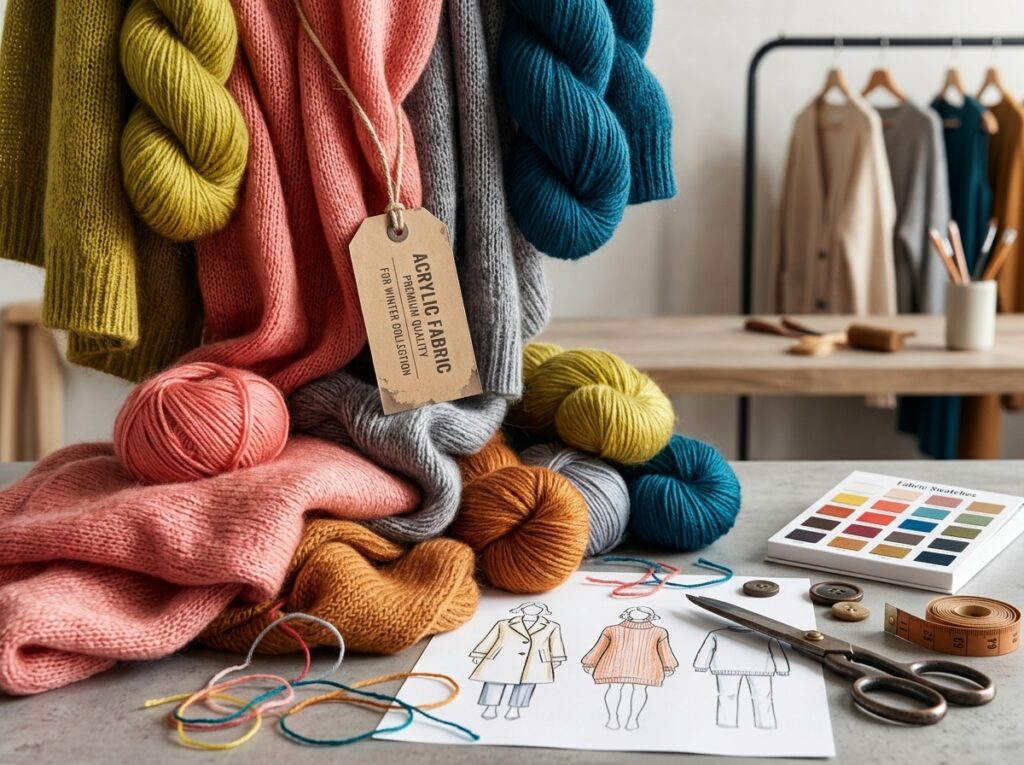
Acrylic fabric can be a good choice for sweaters, scarves, beanies, and other products that need warmth and a wool-like texture. However, potential pilling, low moisture absorption, and environmental considerations should be taken into account.
Acrylic is generally less prone to shrinkage than some natural fibers, but dimensional changes can still occur because of heat, washing conditions, fabric construction, or finishing. Follow the care label and test the fabric when necessary.
Acrylic generally absorbs less moisture than cotton. Its breathability depends on fabric construction, thickness, and density. Lightweight constructions may be more comfortable than dense, heavy fabrics, but acrylic is more commonly associated with knitwear and cold-weather products.
Acrylic fabric can pill when repeated friction causes loose fibers to form small balls on the surface. The degree of pilling depends on fiber and yarn quality, fabric construction, and finishing.
Acrylic textiles are widely used in clothing, but comfort varies by person and product. For sensitive skin or baby products, evaluate the finished garment’s softness, surface feel, dyes, finishing, and applicable safety requirements.
Acrylic fabric is a versatile synthetic textile commonly used in sweaters, cardigans, scarves, beanies, jackets, and other products that require warmth and a wool-like appearance.
Its main advantages include lightweight warmth, a variety of textures, and broad design applications. Its limitations include potential pilling, relatively low moisture absorption, heat sensitivity, and environmental concerns associated with synthetic fibers.
For clothing brands and apparel buyers, the best material choice depends on the product’s intended use, target market, fabric construction, and required performance. Before moving into bulk production, review the fiber composition, fabric weight, hand feel, pilling resistance, and dimensional stability to make a more informed sourcing decision.
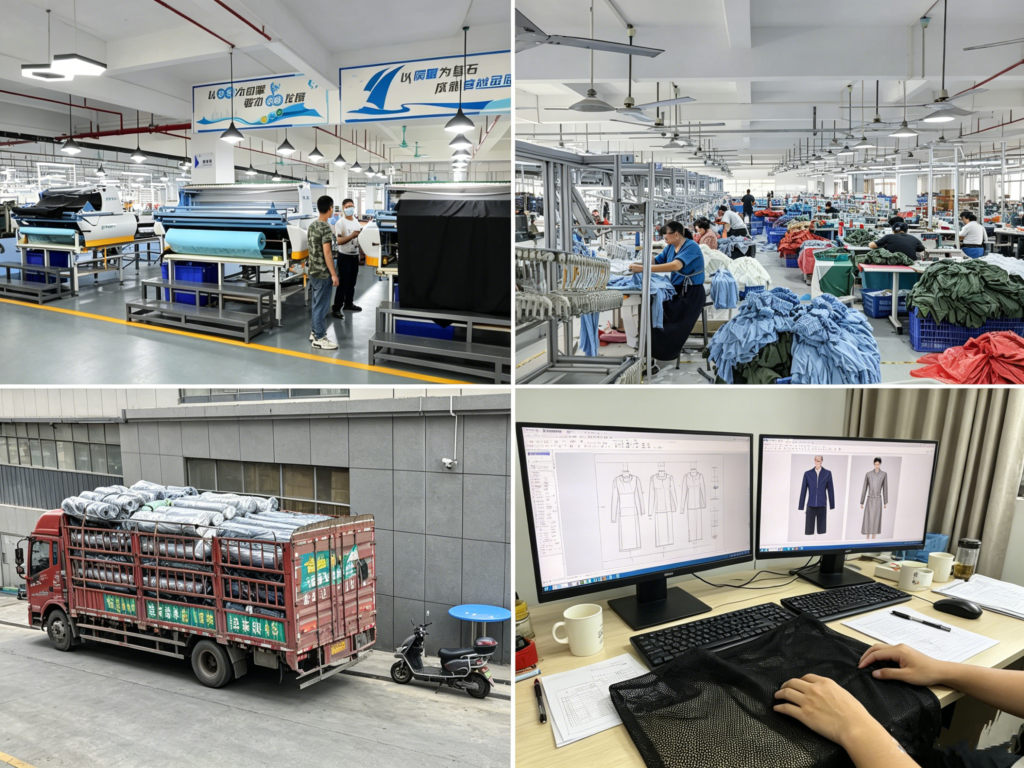
If you have any questions or require a quote, please leave
us a message. Our experts will get back to you within 24 hours to help you choose the ideal fashion products tailored to your needs.
Hi, I’m Lucy Cai, the founder of liantaoapparel.com. I’ve been managing a women’s clothing factory in China for over 20 years. With extensive experience in garment production and OEM services, I’m passionate about sharing insights into women’s fashion, apparel manufacturing, and global sourcing.
If you have any questions or need a quote, please contact us.
Please add us WhatsApp:+86 189 4809 3145
Provide us with detailed information about your requirements, supply design drawings or tech packs,
reference images, and share your ideas.
We will customize the best solution based on your needs and drawings, and provide a specific quote within 24 hours.
Once we receive your confirmation and deposit,we will commence mass production and take care of the subsequent shipping arrangements.


