


🏭 Looking for a Custom Apparel Manufacturer?
We are a leading OEM/ODM clothing factory with 20+ years of export experience. Custom styles, flexible MOQs, and retail-ready quality.
Jacquard cloth material is known for its woven or knitted patterns, textured surfaces, and design versatility. It is commonly used in clothing that requires more visual detail than basic plain fabrics. For clothing brands, understanding its composition, construction, and performance is important when selecting materials for a new collection.
Whether you are developing dresses, skirts, jackets, tops, or other custom apparel, choosing the right Jacquard fabric involves more than selecting an attractive pattern. Fabric weight, fiber composition, texture, durability, and production requirements all influence the final garment.
This guide explains what Jacquard fabric is, its different types and applications, and how clothing brands can source custom Jacquard materials for OEM/ODM production.
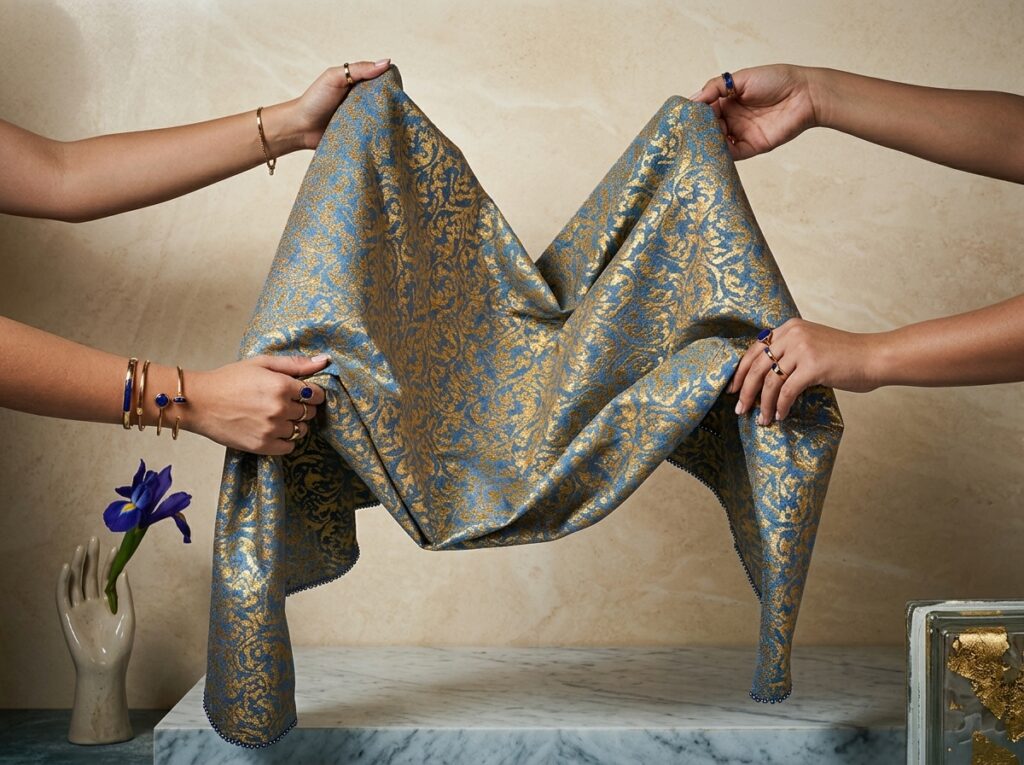
Jacquard cloth material is a fabric made with patterns formed through a specialized weaving or knitting structure rather than simply printed onto the surface. The pattern is incorporated into the fabric construction, creating distinctive designs and textures.
The term Jacquard refers to a fabric-making technique associated with the Jacquard loom, which controls individual warp yarns to produce complex woven patterns.
Key characteristics include:
Jacquard describes the construction technique, not a specific fiber. Therefore, two Jacquard fabrics may look similar but have different weight, softness, stretch, and durability.
To understand the fundamentals of textile construction and weaving, explore the CottonWorks textile learning hub.
Jacquard fabric can be produced using different fibers, and its composition determines many of its practical properties. Clothing brands should evaluate the fiber content according to the intended garment and customer requirements.
Common material options include:
| Material | General Characteristics | Potential Clothing Uses |
|---|---|---|
| Cotton | Natural hand feel and breathability | Shirts, dresses |
| Polyester | Durable and relatively easy to care for | Dresses, fashion garments |
| Silk | Soft feel and natural sheen | Premium occasionwear |
| Blended fibers | Properties depend on fiber proportions | Custom apparel |
The actual performance of each fabric depends on fiber quality, yarn specifications, construction, finishing, and testing. Brands should request composition details and fabric samples before confirming bulk material selection.
Jacquard fabrics come in different structures and styles. Some are recognized by their decorative appearance, while others are distinguished by their surface texture or construction.
Common types include:
These names describe different fabric styles or structures, and commercial naming may vary among suppliers.
The distinction between woven and knitted structures is especially important when choosing fabric for clothing. Woven Jacquard may be suitable for garments that require more structure, while knitted Jacquard can be considered for products where flexibility and comfort are priorities.
For more background on warp, weft, and woven fabric construction, see this guide to weaving fundamentals.
Jacquard fabric is suitable for clothing that benefits from distinctive patterns, textured surfaces, or decorative details. The best application depends on fabric weight, flexibility, drape, and comfort.
Common clothing applications include:
For brands developing sweatshirts and similar products, fabric weight, softness, stretch, and construction should also be evaluated. Our guide to sweatshirt fabric selection and custom manufacturing explains how these factors influence product development.
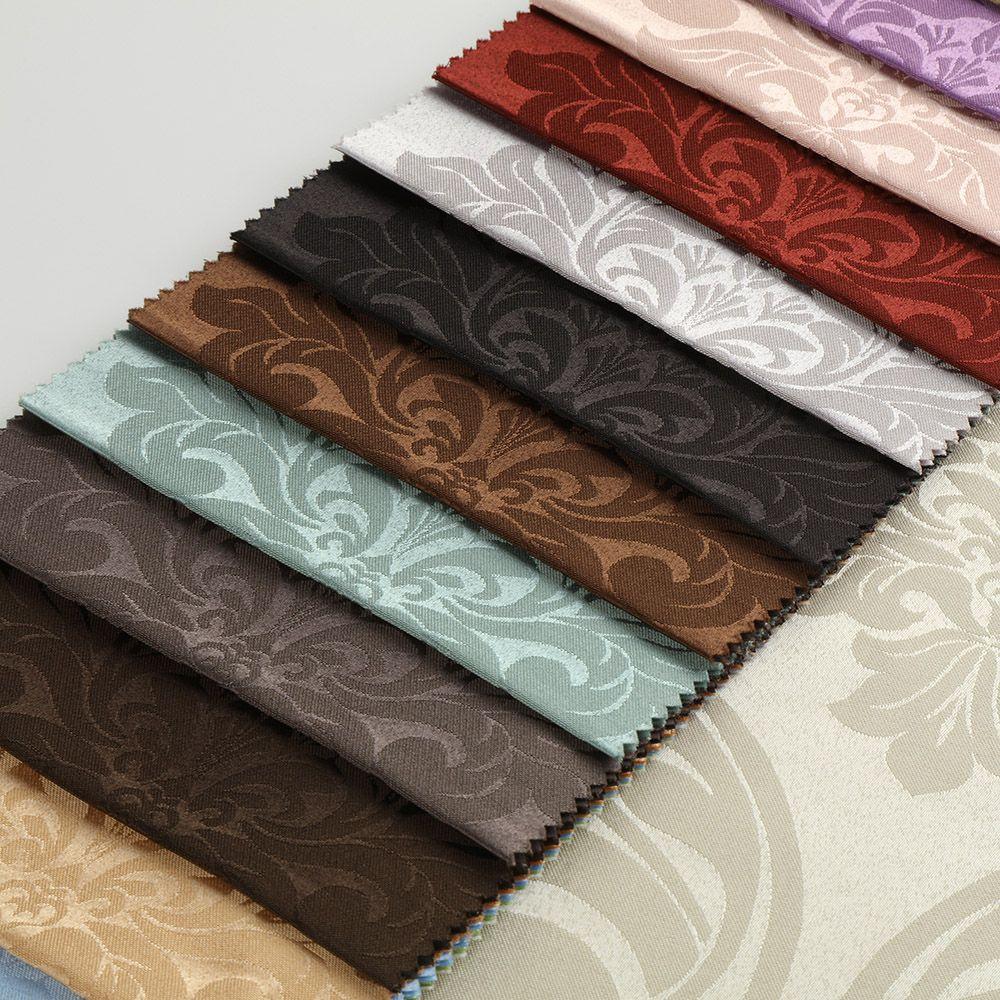
The main difference between Jacquard and printed fabric is how the pattern is created. Jacquard patterns are incorporated into the fabric structure, while printed designs are applied to the fabric surface through a printing process.
Neither option is universally better. The right choice depends on the design, garment function, budget, and production requirements.
| Comparison | Jacquard Fabric | Printed Fabric |
|---|---|---|
| Pattern formation | Created through weaving or knitting structures | Applied through printing |
| Surface appearance | Can have integrated texture and raised effects | Depends on the printing technique |
| Design possibilities | Suitable for structured and woven patterns | Suitable for a wide range of surface designs |
| Development considerations | Yarn, weave structure, and pattern complexity | Base fabric, printing method, and color performance |
| Selection priority | Texture and fabric construction | Printed artwork and color appearance |
Choose Jacquard when the design depends on woven or knitted texture and integrated patterns. Printed fabric may be more suitable when the collection requires specific surface artwork, detailed graphics, or printed color effects.
For both options, brands should evaluate sample appearance, color consistency, fabric performance, and production feasibility before placing bulk orders.
Jacquard fabric offers distinctive design possibilities, but its suitability depends on the specific construction and intended garment. Brands should consider both its visual advantages and practical limitations.
Advantages:
Potential Limitations:
Before selecting a fabric, brands should assess its actual performance rather than assuming that every Jacquard material has the same durability, comfort, or care requirements.
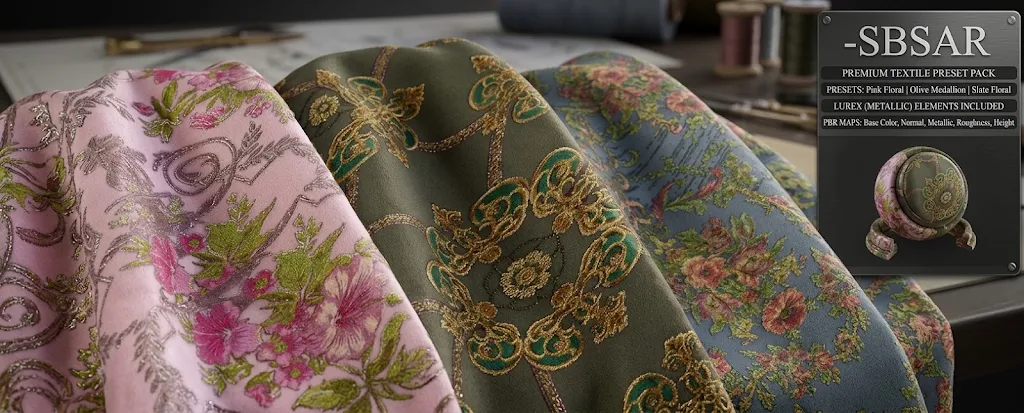
Choosing the right Jacquard cloth material requires matching the fabric to the product design, target customer, and production requirements. A visually attractive fabric may not be suitable if its weight, stretch, or drape does not work with the intended garment.
Consider these factors during sourcing:
A clear fabric specification helps reduce misunderstandings between brands, fabric suppliers, and clothing manufacturers.
Before choosing a production partner, review our guide to apparel manufacturer selection and bulk quality control to understand what to evaluate when comparing manufacturers.
For clothing brands that need specific patterns, colors, or material specifications, working with a manufacturer that supports custom Jacquard fabric development can simplify product development.
Liantao Apparel provides custom Jacquard fabric development, sampling, and bulk production services. These services support clothing brands that want to develop materials according to their design requirements and move from sample development to bulk manufacturing.
When discussing a custom Jacquard project, consider the following:
A reliable development process starts with clear communication. Providing reference images, design drawings, a Tech Pack, or target fabric specifications can help the manufacturer understand the project more accurately.
Learn more about Liantao Apparel’s custom OEM and ODM clothing manufacturing services to explore support for custom apparel development and bulk production.
Jacquard cloth material is used for dresses, skirts, jackets, shirts, and other garments that benefit from woven or knitted patterns and textured surfaces. Its suitability depends on the fabric composition and construction.
Jacquard fabric can offer good performance, but quality depends on fiber content, yarn quality, fabric construction, and finishing. Brands should evaluate samples and relevant test results before purchasing.
Not all Jacquard fabrics are stretchy. Woven Jacquard is generally less flexible than many knitted options, while knitted Jacquard or fabrics containing elastane may provide more stretch. Actual performance depends on construction and fiber composition.
The price depends on material composition, pattern complexity, production method, order requirements, and finishing. Jacquard is not always more expensive than printed fabric, so brands should compare quotations based on equivalent specifications.
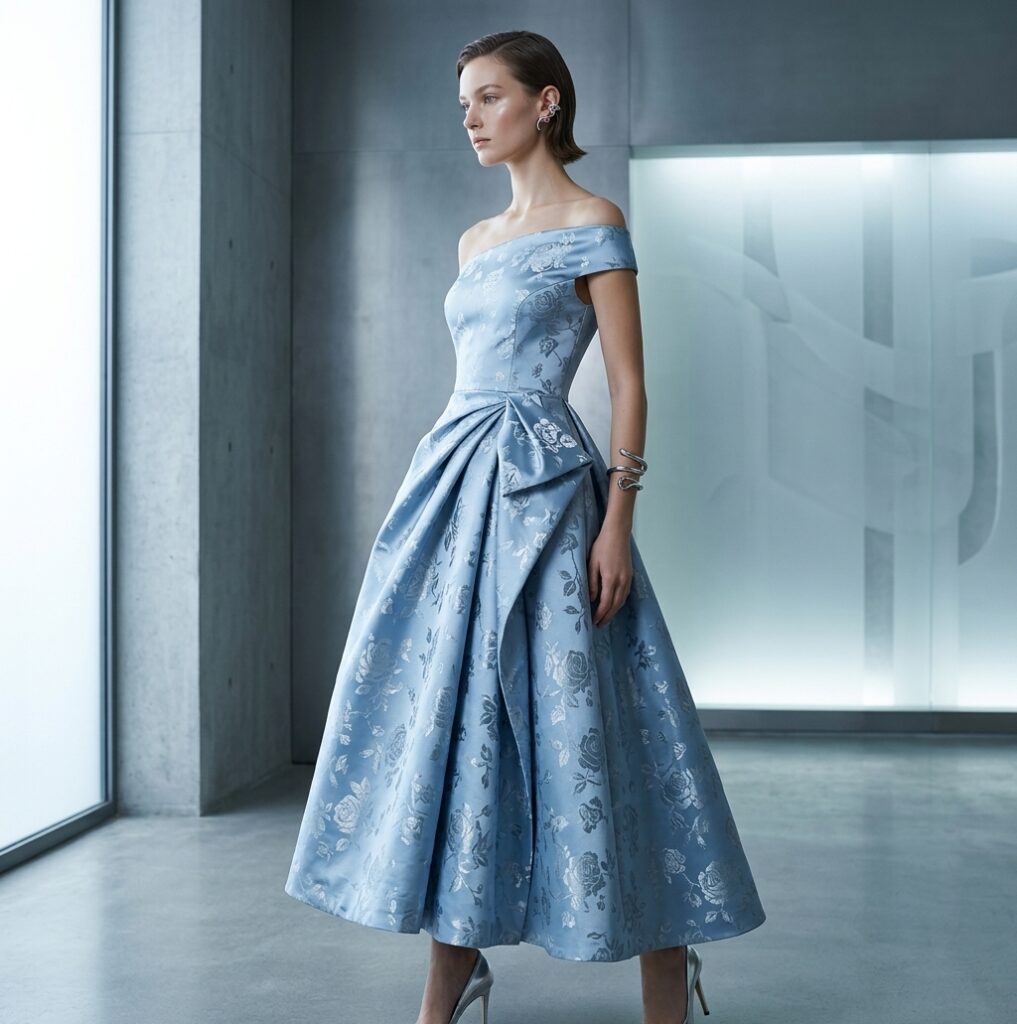
Jacquard cloth material gives clothing brands a way to develop garments with distinctive patterns, textures, and fabric structures. However, selecting the right option requires careful consideration of fiber composition, fabric weight, construction, garment application, and production requirements.
For brands planning a custom collection, reviewing fabric samples and confirming specifications before bulk production can help create a more consistent product development process.
Liantao Apparel provides custom Jacquard fabric development, sampling, and bulk production services. Share your design ideas, reference materials, or fabric requirements to discuss your next custom apparel project.
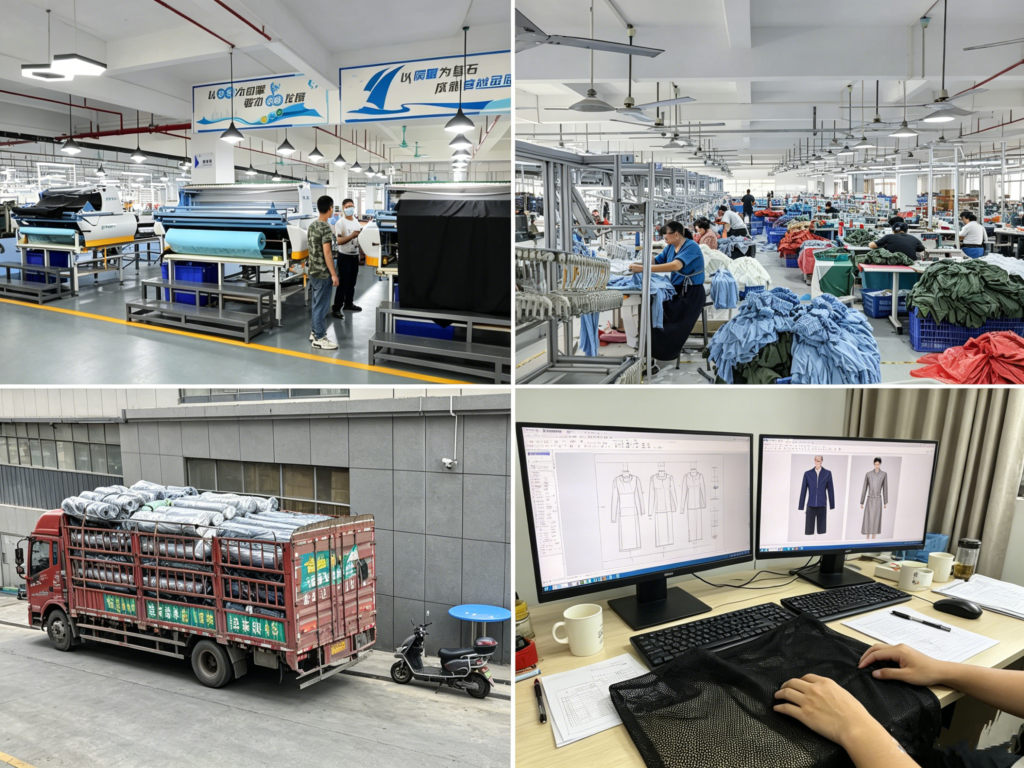
If you have any questions or require a quote, please leave
us a message. Our experts will get back to you within 24 hours to help you choose the ideal fashion products tailored to your needs.
Hi, I’m Lucy Cai, the founder of liantaoapparel.com. I’ve been managing a women’s clothing factory in China for over 20 years. With extensive experience in garment production and OEM services, I’m passionate about sharing insights into women’s fashion, apparel manufacturing, and global sourcing.
If you have any questions or need a quote, please contact us.
Please add us WhatsApp:+86 189 4809 3145
Provide us with detailed information about your requirements, supply design drawings or tech packs,
reference images, and share your ideas.
We will customize the best solution based on your needs and drawings, and provide a specific quote within 24 hours.
Once we receive your confirmation and deposit,we will commence mass production and take care of the subsequent shipping arrangements.


