🏭 Looking for a Custom Apparel Manufacturer?
We are a leading OEM/ODM clothing factory with 20+ years of export experience. Custom styles, flexible MOQs, and retail-ready quality.
In the world of tailoring, price and quality are often two very different things. After twenty years on the factory floor analyzing wool blends, horsehair canvases, and stitch density, I can tell you that a $1,500 price tag doesn’t always guarantee a superior garment. Sometimes you’re paying for a luxury storefront; other times, you’re paying for the invisible craftsmanship that allows a suit to mold to your body over time. Today, I’m stripping away the marketing jargon and breaking down the actual costs of production to help you find that ‘Goldilocks’ price point—where you get the maximum quality for every dollar spent.
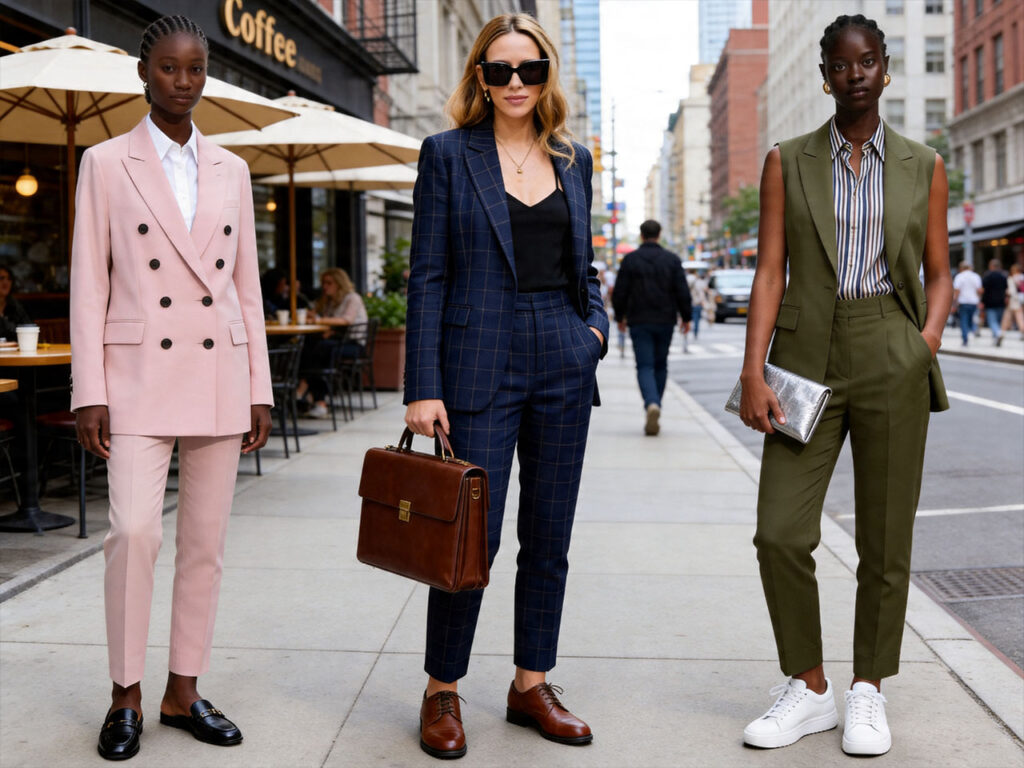
Imagine you’re going to a friend’s wedding and notice someone in a sharp, high-quality suit, while yours looks plain and ordinary. You might wonder: “How much should I really spend on a suit?”
The truth is, there’s no single answer. Suit prices fluctuate because of fabric, construction, brand markup, and alteration costs. For example:
Lever | What It Is | Why It Matters | My Approach |
Fabric | Wool, wool blends, or synthetic fibers | Determines comfort, drape, and breathability | I prioritize 100% wool or high wool-content fabrics for a better wearing experience |
Construction | Fused, half-canvas, or full-canvas | Affects how the suit ages and its durability | For suits I wear weekly, I’m willing to invest more to ensure lasting quality |
Fit & Alterations | Patterning and tailoring time | Makes the suit look more premium | I treat alteration costs as a fixed part of the budget to ensure a perfect fit |
Brand & Retail | Store operating costs and marketing expenses | Creates brand premium or “logo tax” | I compare similar products across stores to make a rational value judgment |
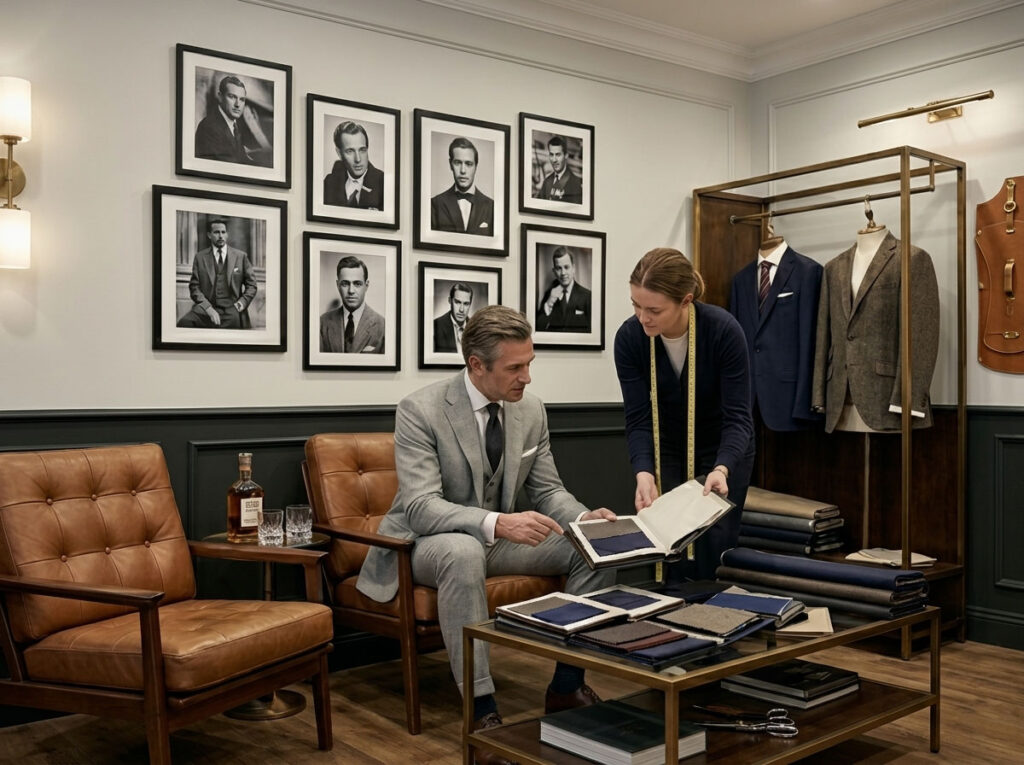
When someone asks me, “How much should I spend on a suit?” my answer always depends on how often they plan to wear it.
Take two colleagues preparing for important business meetings:
Also, don’t forget the full cost of a suit: jacket, trousers, shirt, and shoes. A cheap suit that constantly needs repairs can end up more expensive than a higher-priced, quality suit. In short, smart suit shopping is about overall value and long-term cost, not just chasing the lowest price.
I’ve seen many buyers assume that “custom suits are always safer” and go straight for bespoke. The result? The first suit they receive has shoulders that are too wide or sleeves that don’t fit properly—wasting time and causing frustration. After all, time is money.
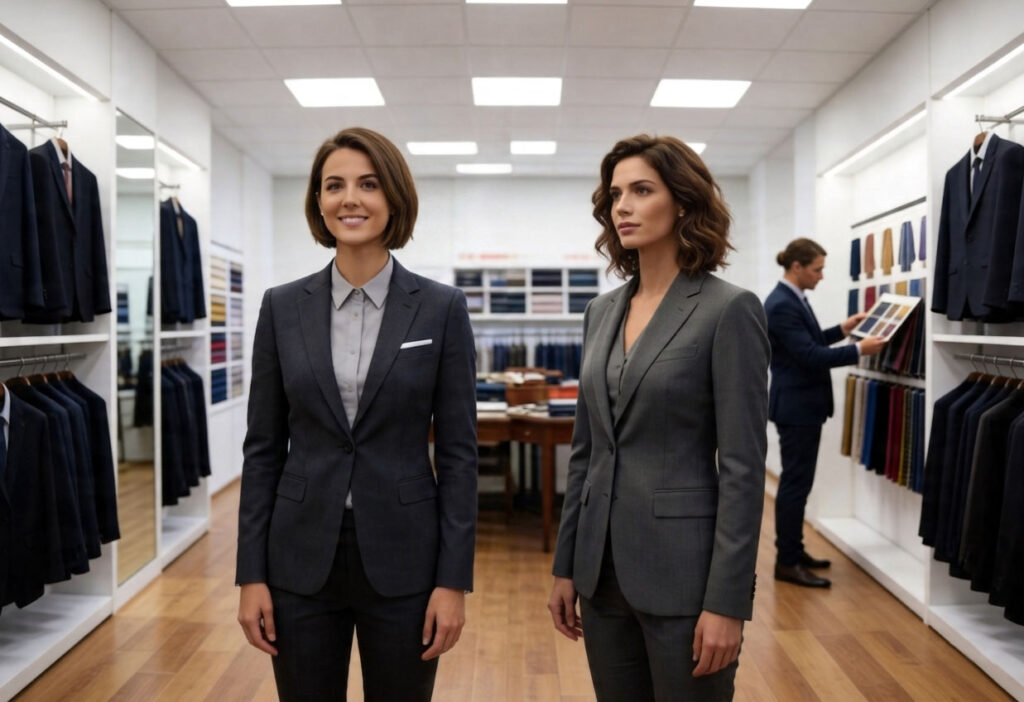
Choosing Liantao Apparel is not just about customizing a suit—it’s a strategic investment in building long-term competitiveness and sustainable growth for your brand.
In other words, choosing a suit isn’t about picking the most expensive option—it’s about your body, your needs, and how you’ll wear it. Pick the right type, and you’ll save time, money, and look confident every time you wear it.
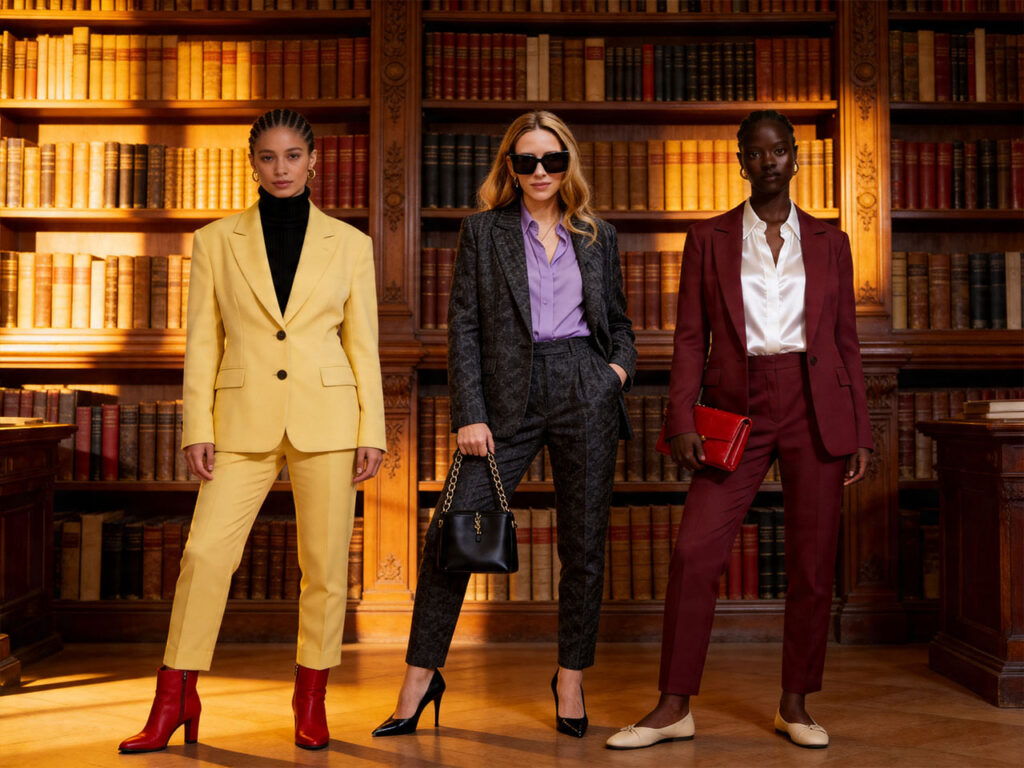
Type | Price Range | Best For | Main Risk | Risk Management | Suitable Occasions |
Off-the-Rack (OTR) | $200–$900 | Quick needs, standard body types | Shoulder fit may be off | Choose the best-fitting shoulder first, then adjust other parts | Interviews, short-term events, emergencies |
Made-to-Measure (MTM) | $500–$1,500 | Better fit without full custom | Inconsistent patterns or measurements | Personally check fit and record adjustments | Office, business meetings |
Bespoke / Fully Custom | $2,000–$8,000+ | Perfect fit, long-term uniform | Long production time, high cost of mistakes | Start with one suit to test, don’t commit to the full set initially | Executives, important business events, long-term uniforms |
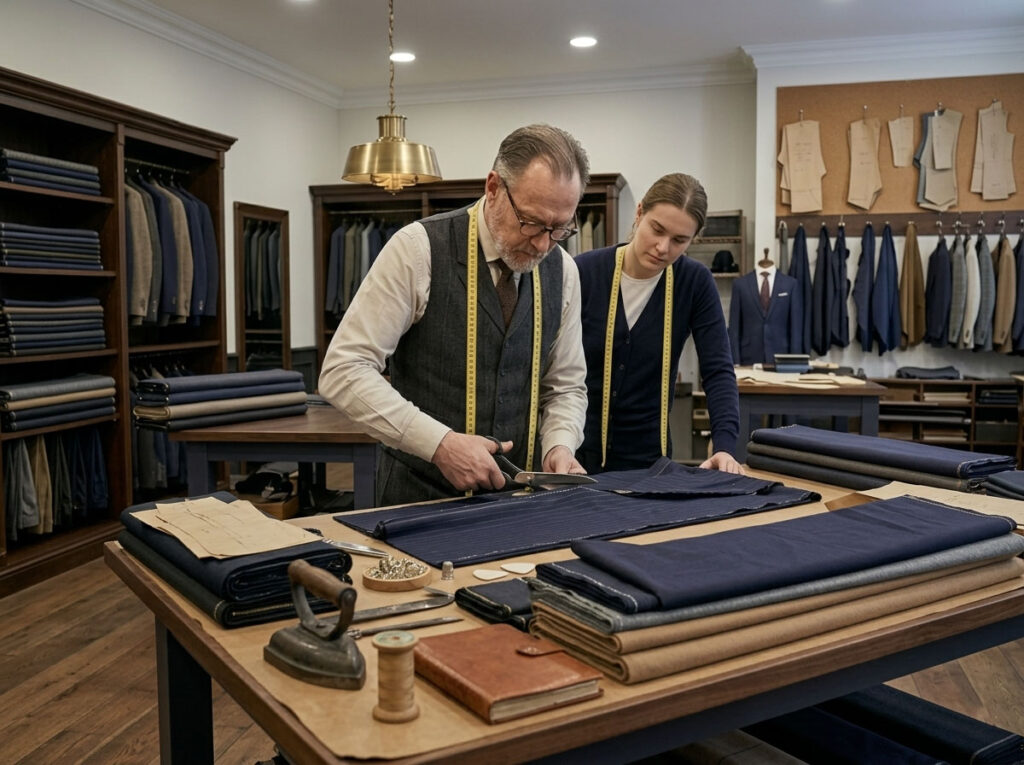
The shoulders and collar determine whether a suit truly fits. If the shoulders are too wide or the collar sits poorly, even the most expensive fabric will look cheap.That’s why I always say: don’t be blinded by discounts—fit is the most important factor when buying a suit. Once you choose the right cut, minor adjustments can easily solve the rest of the issues.
Many people ask me, “How much does a custom suit cost?” My answer: it depends on the initial fit.
In short, even if the initial price is slightly higher, I prefer a suit with a stable, well-fitting pattern. Fit is the foundation, and your budget can be optimized with smart alterations—that’s the real way to shop wisely and make every dollar count.
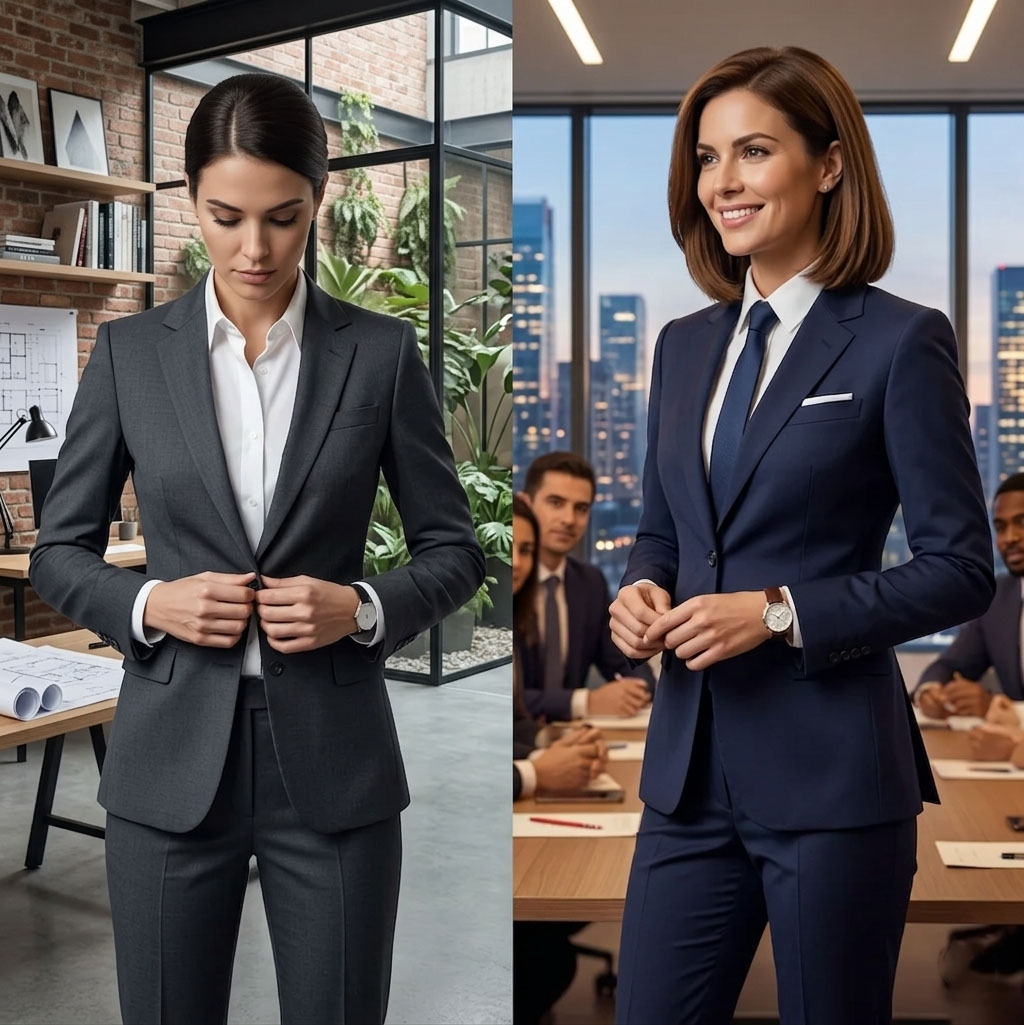
Having worked in the fashion industry for years, I know a common trap all too well: you go in planning to buy one business suit, and walk out with a bunch of items you didn’t really need. Upsells, packages, extra services—it’s easy to end up spending more than intended.
To avoid wasting money, I always follow a plan whenever I visit a suit store:
This method works not just at local men’s stores, but also online, at chain stores, or even high-end bespoke shops. With a plan in hand, you can get the suit you need without falling for unnecessary add-ons or flashy recommendations that drain your wallet.
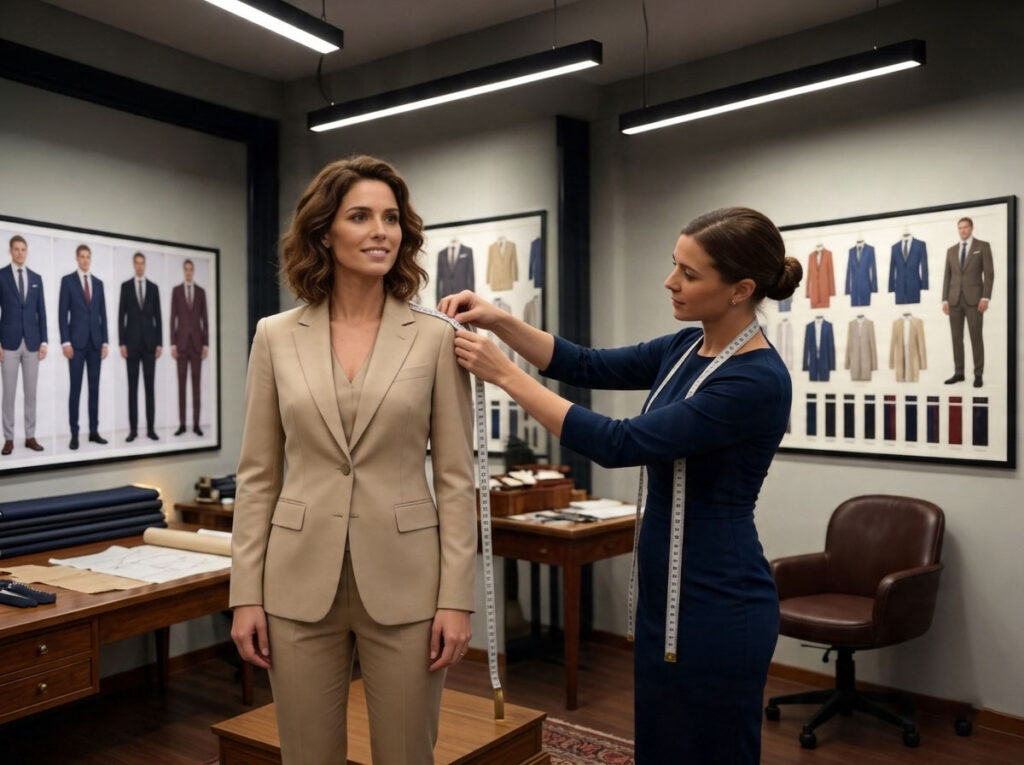
Many people search for “where to buy a suit nearby” or “local suit shops,” but what they’re really looking for is certainty: a place where they can quickly find a well-fitting suit at a reasonable price. Rather than searching blindly, I prefer to provide practical options based on different scenarios:
As for Men’s Wearhouse, many people ask whether it’s expensive or how it compares to Jos A Bank. My take is simple: price matters, but what’s more important is whether the fit service is solid and whether the suit can be ready on time for your event. In other words, well-fitted shoulders and sleeve lengths are the true measures of a suit’s value.
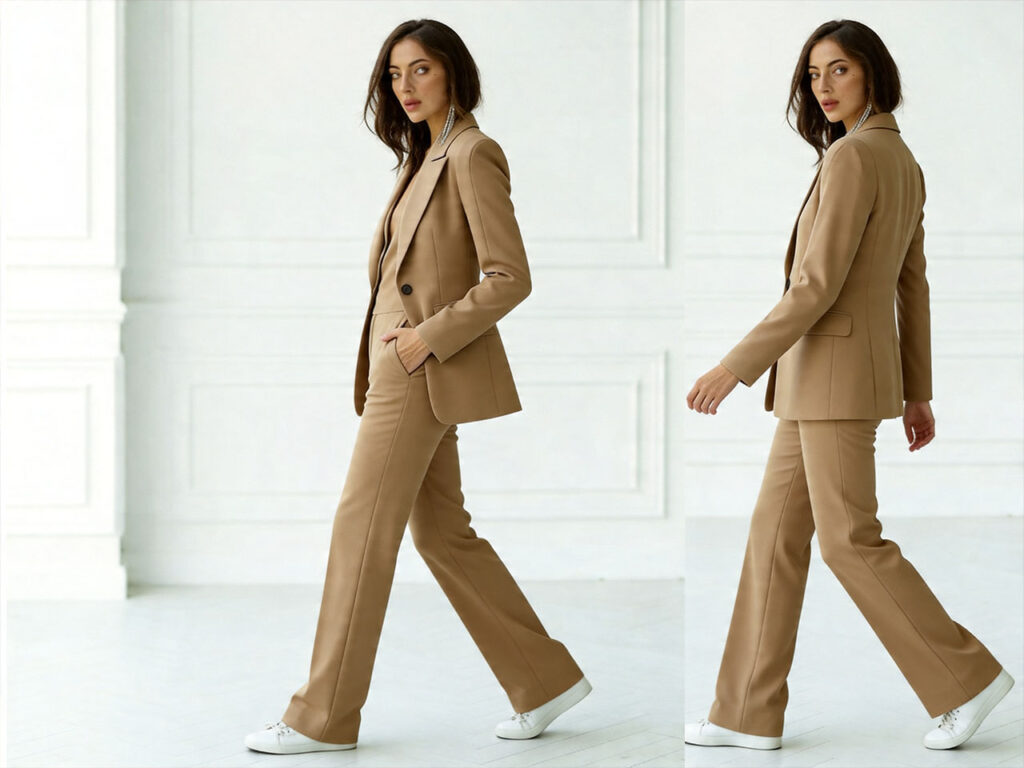
Whether it’s a formal suit, a casual suit, or a bold color like royal blue, a complete checklist can help you make sure you’re getting a suit that’s truly worth the investment:
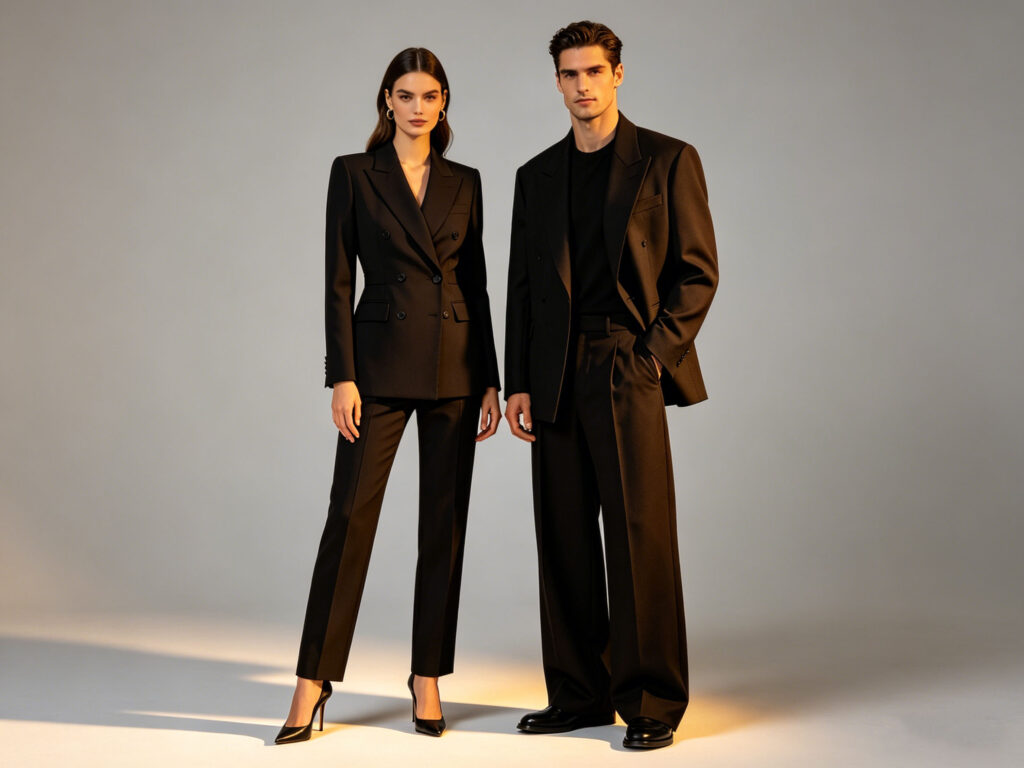
From selling products across multiple markets, I’ve noticed a common mistake among both men and women when buying suits: choosing style first, fit second. In reality, fit is the core value of any suit.
Shared Focus: Shoulder Fit & Proportions
For both men and women, proper shoulder fit and balanced proportions are crucial to ensuring the suit looks polished and well-tailored.
Additional Focus for Women’s Suits
Additional Focus for Men’s Suits
When choosing a suit, the process can be tailored based on gender and daily role, helping you quickly find styles that are both well-fitting and practical.
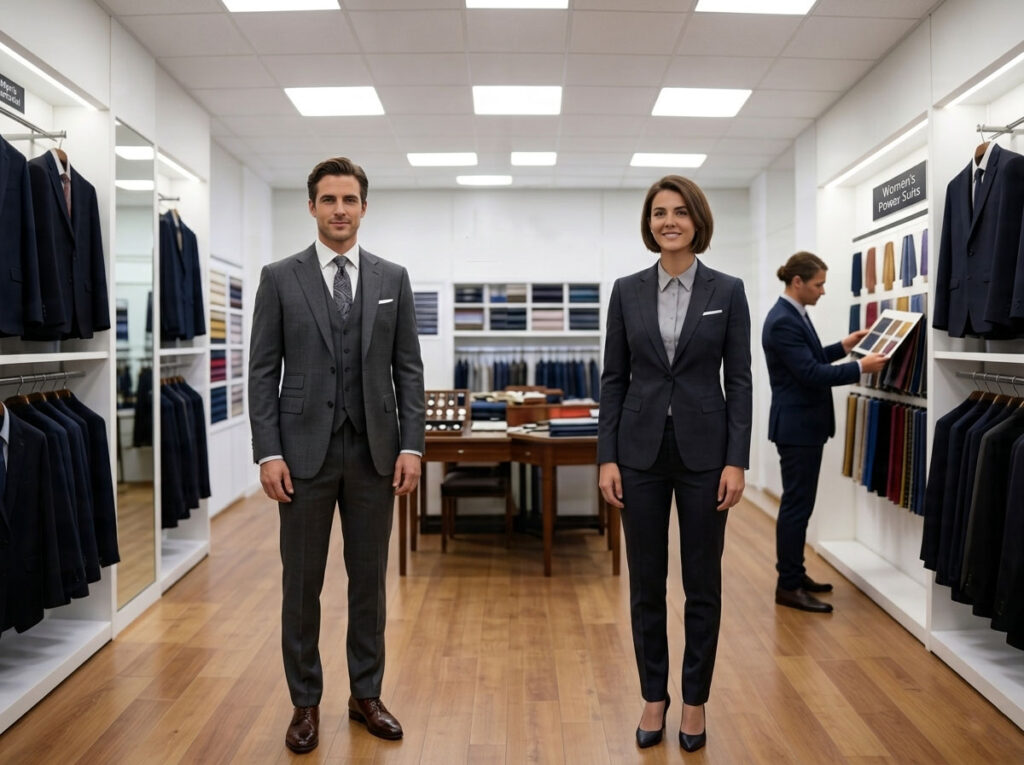
Buyer Need | Men’s Focus | Women’s Focus | My Recommendation |
Everyday Office Wear | Durable wool, easy to iron | Wrinkle-resistant, comfortable at the waist | Wool blend: Maintains shape, practical and polished |
Client Meetings | Clean, sharp lapels, stable shoulders | Fitted waist, sleek sleeves | Medium-weight wool + solid color: Professional without effort |
Events & Photos | Color control, moderate sheen | Balanced proportions & neckline | Avoid overly shiny fabrics: Elegant and camera-ready |
Fashion-Forward | Unique patterns and cuts | Tailoring and styling stand out | Add one bold piece: Elevates look without going overboard |
Tips
When choosing a suit, my priorities are clear: fit and craftsmanship come first, fabric second, and brand last. A truly good suit doesn’t need a luxury label—it should be durable, suitable for everyday wear, and reasonably priced.In other words, a good suit isn’t defined by how much you spend, but by how well it supports you in the office, meetings, and various occasions—helping you feel confident, polished, and ready for anything. With the right cut and fabric, you can own a suit worth investing in—one that lets you look your best every single day.
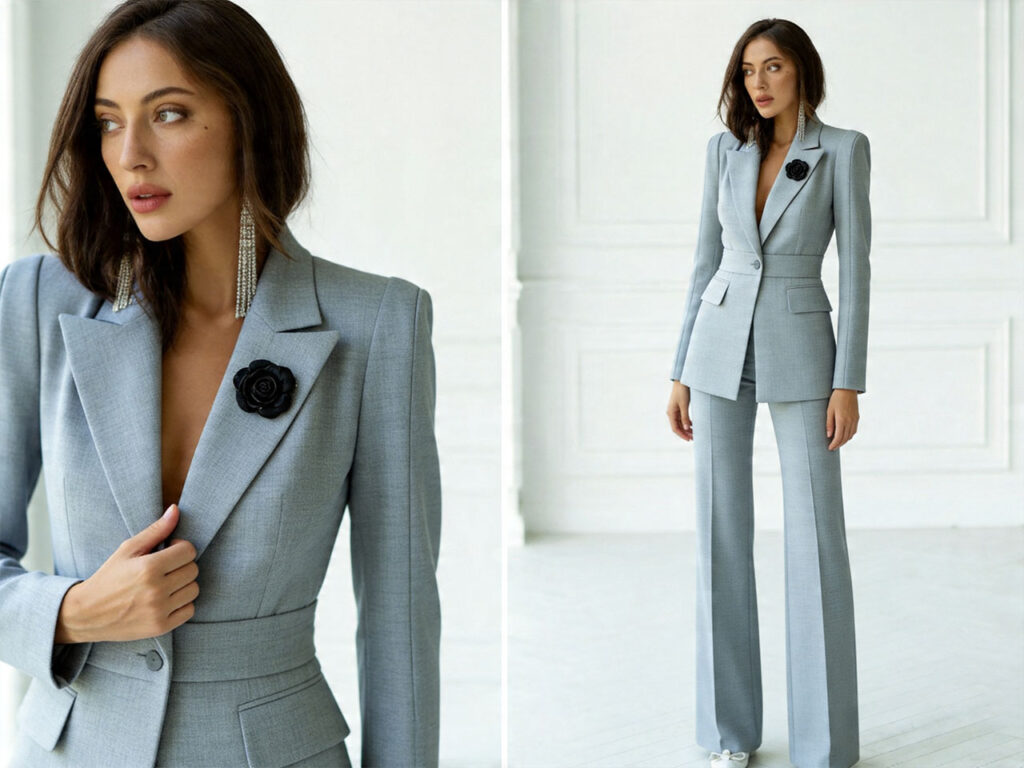
At Liantao Apparel, we don’t just provide high-quality fabrics and exquisite craftsmanship—we help brands achieve full customization from design to finished product. Whether it’s tailored fits, style design, fabric selection, or detail finishing, we ensure every suit precisely aligns with the brand’s identity and customer needs.
We understand that a high-end suit is more than just a garment—it’s an extension of a brand’s image. By working closely with our clients, we optimize patterns, control costs, and offer flexible small-batch production, allowing brands to quickly respond to market trends. Our expertise also helps brands create more appealing products, giving consumers a sense of value and quality, which drives repeat purchases and strengthens brand reputation.
Choosing Liantao Apparel is not just about customizing a suit—it’s a strategic investment in building long-term competitiveness and sustainable growth for your brand.
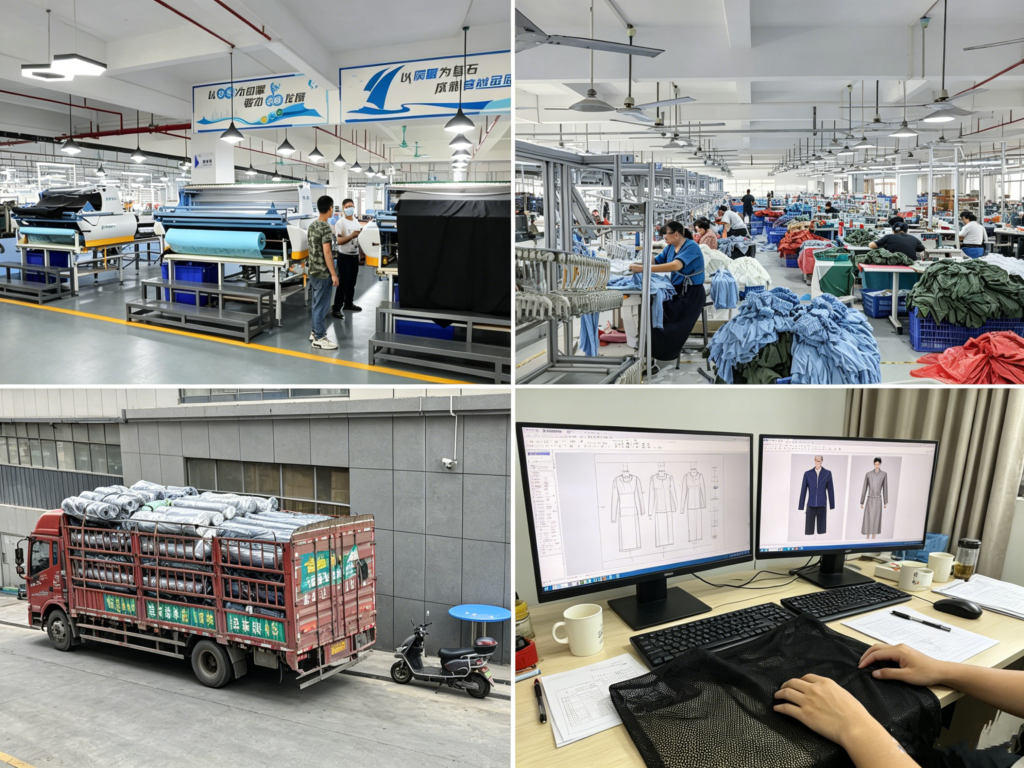
If you have any questions or require a quote, please leave
us a message. Our experts will get back to you within 24 hours to help you choose the ideal fashion products tailored to your needs.
Hi, I’m Lucy Cai, the founder of liantaoapparel.com. I’ve been managing a women’s clothing factory in China for over 16 years. With extensive experience in garment production and OEM services, I’m passionate about sharing insights into women’s fashion, apparel manufacturing, and global sourcing.
If you have any questions or need a quote, please contact us.
Please add us WhatsApp:+86 189 4809 3145
Provide us with detailed information about your requirements, supply design drawings or tech packs,
reference images, and share your ideas.
We will customize the best solution based on your needs and drawings, and provide a specific quote within 24 hours.
Once we receive your confirmation and deposit,we will commence mass production and take care of the subsequent shipping arrangements.