🏭 Looking for a Custom Apparel Manufacturer?
We are a leading OEM/ODM clothing factory with 20+ years of export experience. Custom styles, flexible MOQs, and retail-ready quality.
Once dismissed as the uniform of lazy Sundays and post-gym cooldowns, sweatpants have undergone a radical transformation that few could have predicted. From their 1920s origins as simple jersey trousers for French athletes to their current status as a runway essential for brands like Fear of God and Balenciaga, the history of sweatpants is a masterclass in fashion’s shift toward functional luxury. Today, we’re tracing the threads of this iconic garment to see how it conquered our wardrobes and redefined what it means to be ‘well-dressed’ in 2026.
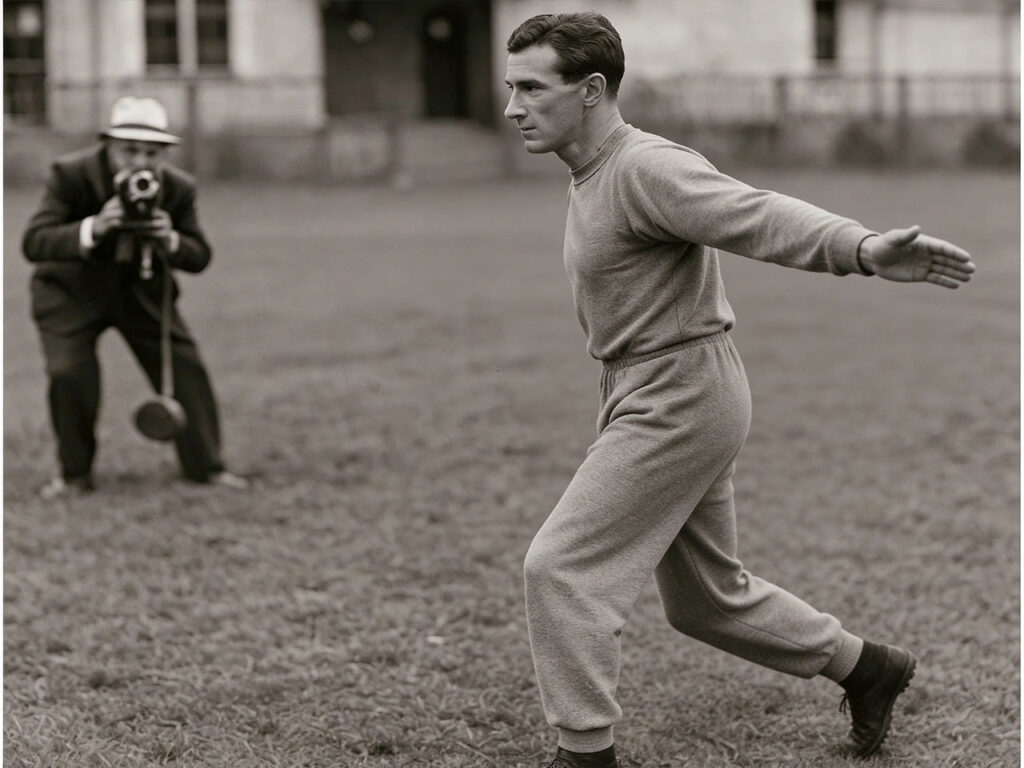
Imagine early athletes training in thick, stiff wool pants—every movement restricted by the heavy fabric, making exercise a struggle. This discomfort was exactly what led to the invention of the first sweatpants.
In the 1920s, French designer Camuset created lightweight knit tops and soft cotton pants for athletes—considered the first true sweatpants. Before this, athletic pants were heavy and restrictive. Camuset’s design changed everything, allowing athletes to train comfortably and move freely.
The term “sweatpants” first appeared around 1924, referring to loose, thick cotton pants designed to absorb sweat. Over the following decades, sweatpants became essential for warm-ups, Olympic training, and even casual wear.
For buyers seeking classic silhouettes or vintage comfort, knowing the history of sweatpants helps in choosing the right fabrics and fits—not only enhancing comfort but also appreciating the cultural story behind the garment.
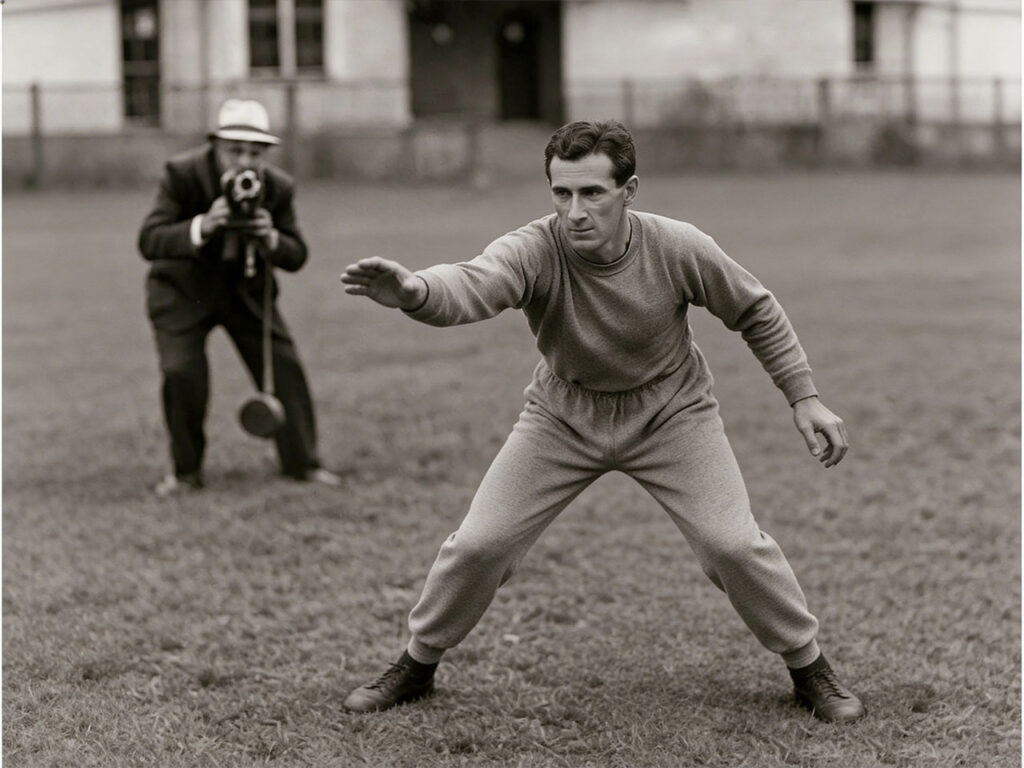
Not long ago, sweatpants were almost exclusively seen in gyms or on the track. Today, they’ve become a staple of daily life. This shift reflects not just changes in clothing design, but also evolving consumer behavior—comfort and style have become increasingly intertwined.
Sweatpants were originally designed for exercise and warm-ups—lightweight, soft, and easy to move in. From the 1920s to the 1960s, their primary purpose remained athletic. By the 1970s and 1980s, the fitness craze turned matching tracksuits into a fashion statement, making sweatpants more than just sportswear—they became part of street style.
In the 1990s, hip-hop culture propelled loose-fitting sweatpants into the fashion spotlight, blending streetwear with athletic style. Today, joggers, slim-fit sweatpants, and casual activewear have become everyday essentials—not only for lounging at home but also for creating effortless street-style looks.
Modern sweatpants combine functionality with everyday wearability—they’re suitable for workouts while also being stylish for daily life. Understanding their evolution helps buyers choose the right fit and fabric, balancing comfort, practicality, and trend appeal.
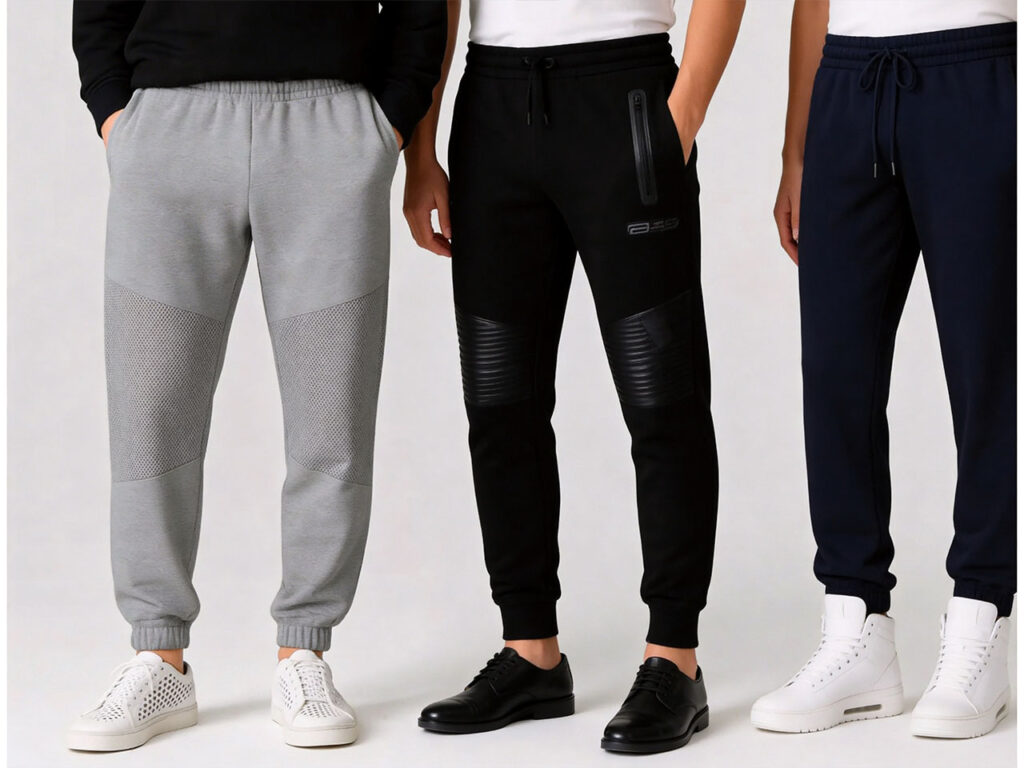
Era | Primary Use | Design Features | Trends / Market Highlights |
🏋️ 1920s–1950s | Warm-ups / Training | Loose knit or cotton fabrics, function-focused | Practicality was key, designed mainly for athletes, market centered on professional sportswear |
🏃 1960s–1980s | Sport + Casual | Coordinated tops with sweatpants, suitable for daily wear | Fitness craze emerged, tracksuits became streetwear, sweatpants started appearing in everyday outfits |
🎨 1990s–Present | Casual / Street / Fashion | Slim cuts, diverse fabrics and colors, trend-forward | Influenced by hip-hop and street culture, sweatpants became fashion staples, joggers and slim fits popular, market diversified |
🌟 Modern Factory Collections | Cross-Style Sourcing | Covers all era styles, variety of fabrics, flexible cuts | Meets buyers’ needs from athletic functionality to casual fashion, customizable colors, fabrics, and cuts, adaptable to market trends |
✨ Factory Advantages:
We offer sweatpants collections spanning all historical styles—from classic loose-fit replicas and fitness sets to modern slim-fit fashion pieces. This enables brands to quickly expand their offerings while balancing comfort, functionality, and trend appeal.
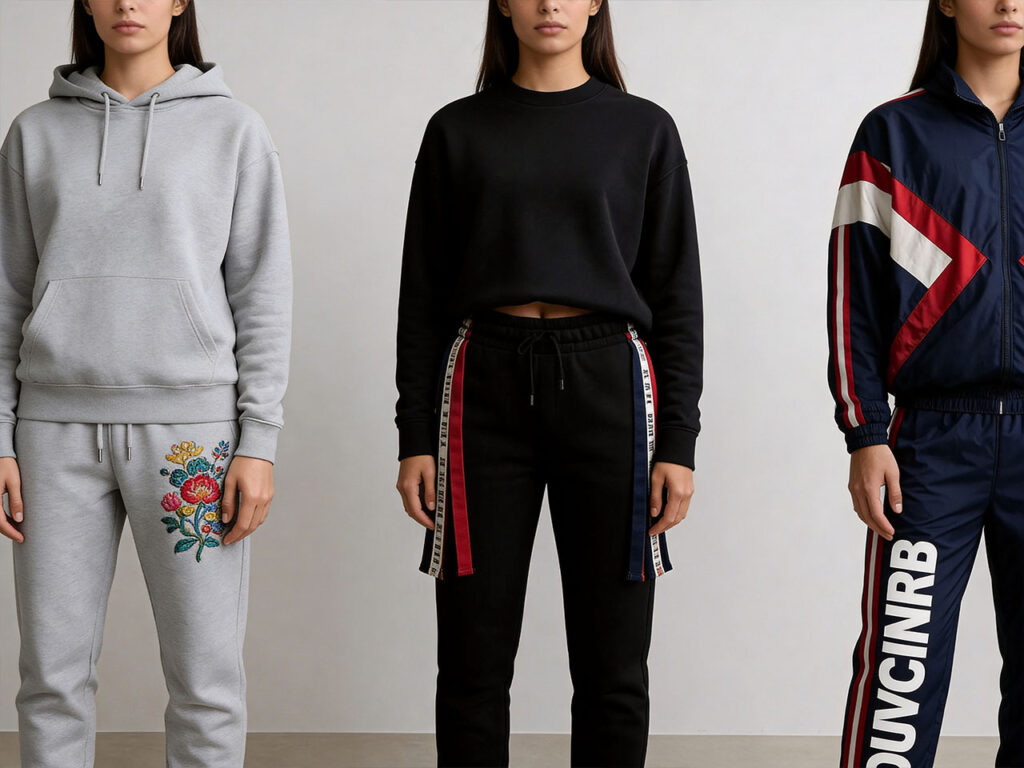
Fashion has always drawn inspiration from sports, and sweatpants are a perfect example. Over the decades, sweatpants have evolved significantly—from casual athletic wear to matching tracksuits, to loose street styles, and today, tapered joggers dominate the scene.
With the jogging and fitness craze sweeping the world, sweatpants became more than just training gear—they became a cultural symbol. Loose, comfortable cuts helped sweatpants move beyond the gym into everyday life.
Brands like Adidas and Nike turned matching tracksuits into a fashion trend. Sweatpants paired with coordinating tops became iconic both on the street and in gyms—functional yet stylish.
Influenced by hip-hop and street culture, loose-fitting sweatpants took center stage. Often paired with oversized hoodies, they created a relaxed, casual, and highly individualized look.
Today, sweatpants are mostly slim-fit, with diverse designs that are stylish and versatile. Often paired with matching tops, they suit both athletic activities and casual everyday wear.
Offering retro-style joggers, bold side-stripe designs, or velvet textures can perfectly cater to the vintage trend. This attracts buyers seeking individuality and fashion-forward looks while expanding your market offerings.
When talking with buyers, you might often hear the question: “Is this sweatpants or joggers?” This confusion is very common. Understanding the differences helps you recommend products more accurately and makes it easier for readers to choose.
Sweatpants are typically loose-fitting and prioritize comfort, making them ideal for casual wear or light exercise. They have a relaxed design without a tight fit, focusing on freedom of movement and a laid-back feel.
Joggers usually feature a slim, tailored cut with clean lines, giving a more fashionable appearance. They work well for both workouts and everyday wear, effortlessly creating an athleisure style.
Track pants with side stripes are a classic sporty design, combining functionality with visual appeal. They convey a professional athletic vibe while also serving as a streetwear trend element.
Type | Fit / Design | Typical Use | Fabric Weight (g/m²) | Season | Style Features |
🏋️ Sweatpants | Loose, thick fleece knit | Warm-ups, casual wear, lounging | Medium-heavy (280–350 g/m²) | Fall, Winter, Early Spring | Comfortable, relaxed, freedom of movement |
🏃 Joggers | Tapered cuffs, slim-fit | Streetwear, modern casual | Medium-light (200–280 g/m²) | Spring, Summer, Fall | Slim, clean lines, trendy casual |
🎽 Track Pants (with side stripes) | Lightweight fabric, classic side stripes | Sports training, athleisure, team uniforms | Light (150–220 g/m²) | All seasons | Sporty, professional look |
💡 Buyer Tip: When sourcing, be sure to consider fit, fabric weight, seasonal suitability, and style to match market needs accurately.
✨ Factory Advantage: We offer a full range of styles with multiple fabric and cut options, meeting needs from athletic functionality to street fashion. This helps buyers source flexibly and enhance competitiveness.
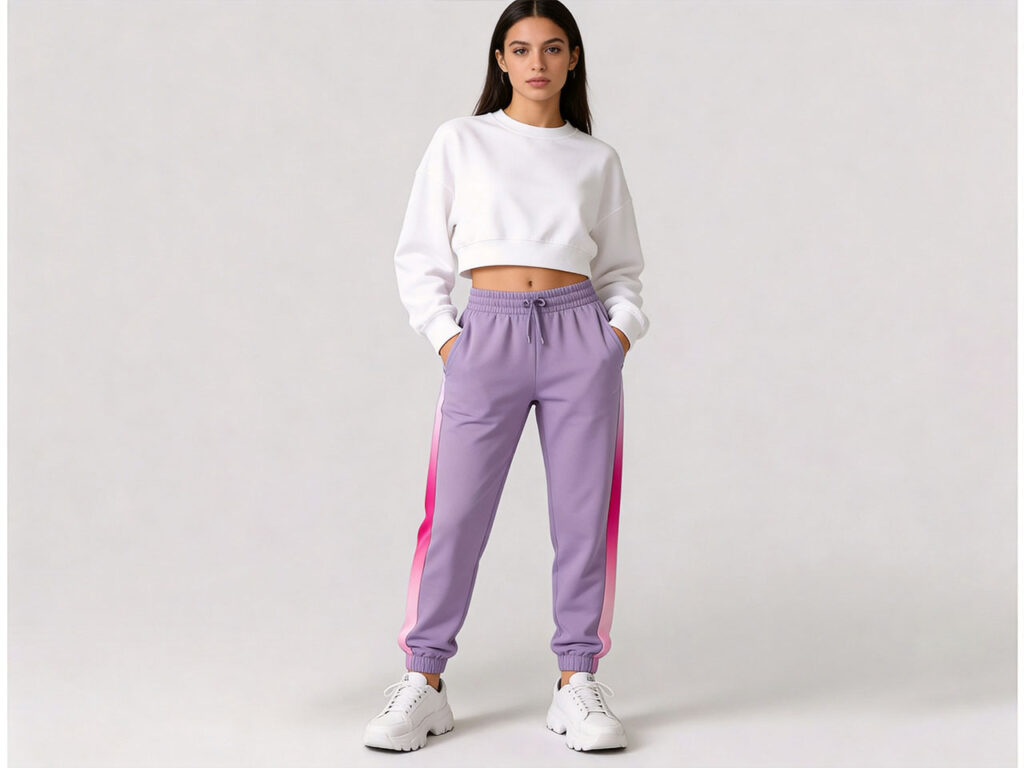
In the world of sweatpants, color and era convey rich style messages. Grey crewneck sweatpants, black joggers, and 90s tracksuits each communicate a distinct fashion intent.
Grey sweatpants, often made from heathered cotton, are soft and comfortable, long associated with sports and casual living. They suit both campus-inspired looks and everyday casual wear, making them a classic, versatile staple.
Black sweatpants are sleek and versatile, often used in minimalist fashion. Whether paired with a shirt or a hoodie, they effortlessly convey an urban, casual vibe.
90s retro sweatpants feature loose silhouettes, bold brand logos, side stripes, and fabrics like velvet or nylon. They evoke nostalgia while blending seamlessly with modern streetwear trends, serving as key elements for fashion expression.
Understanding the aesthetic significance of color and era helps in designing and marketing your collection accurately. For ODM orders, we can provide precise cuts, colors, embroidery, and details to ensure each pair of sweatpants perfectly reflects either retro or contemporary trends.
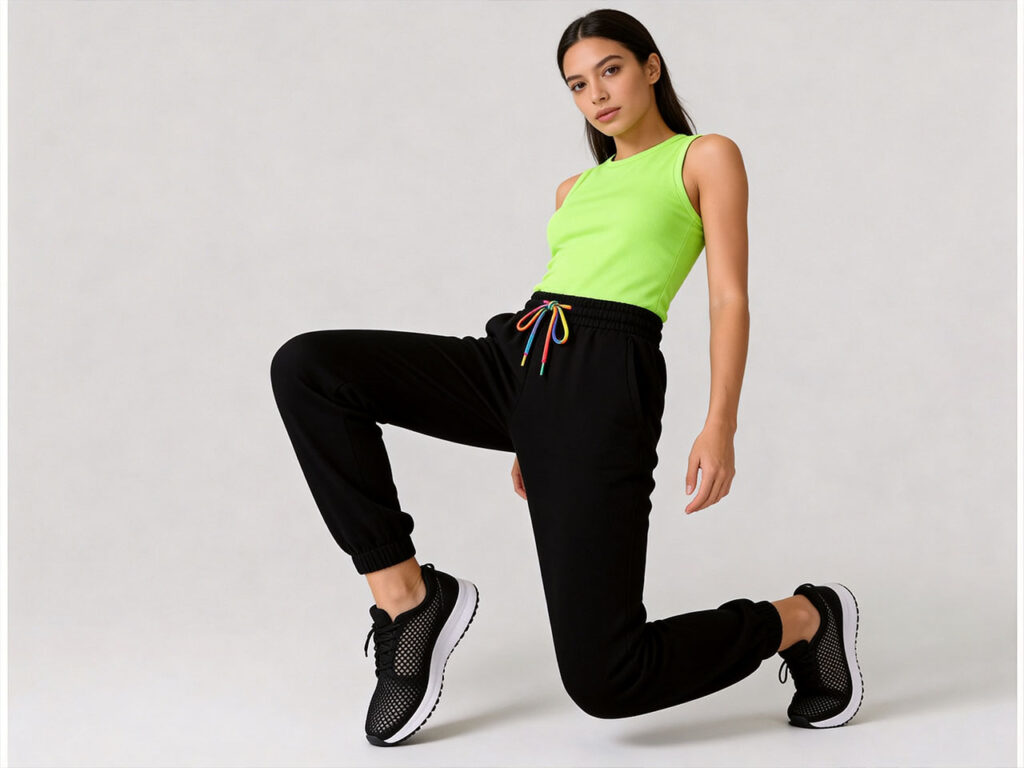
At trade shows, when I showcase women’s matching activewear samples, buyers often ask, “Can these outfits be worn outside the gym, or are they just for workouts?” The answer is a clear yes.
Although sweatpants were originally designed for sports, the rise of athleisure has transformed them into casual and streetwear staples. Loose, comfortable cuts, the growing trend of remote work, and shifting fashion trends have made sweatpants ideal for daily wear.
Sweatpants pair effortlessly with a variety of items—from hoodies to blazers—creating looks that are both casual and stylish. Leading brands are incorporating trendy cuts and high-quality fabrics, making sweatpants not only comfortable but also fashion-forward.
As a buyer, you can confidently source sweatpants for everyday wear. As a factory, we guide you in selecting the right fabrics, fits, and functionalities to ensure your end customers enjoy both comfort and style.
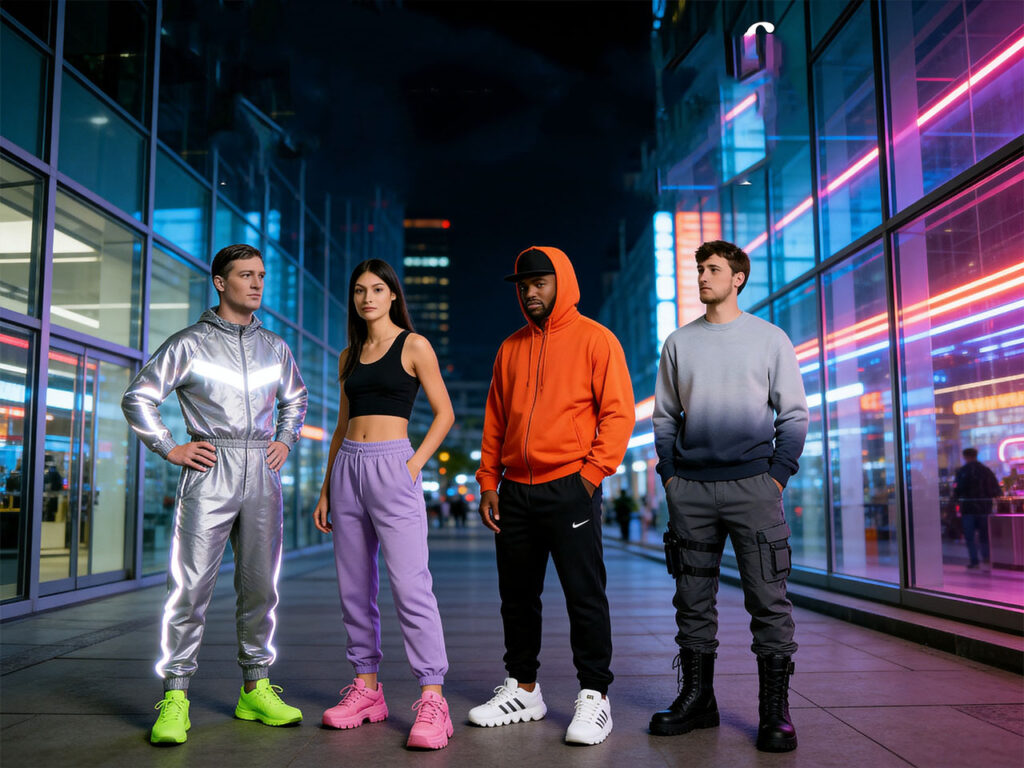
Once, a buyer from New York, Allison, visited our booth looking for inspiration for her niche brand’s athleisure collection. By diving into the history and evolution of sweatpants, she not only discovered the popular styles of different eras but also understood how to combine functionality, comfort, and fashion.
Sweatpants merge athletic tradition, casual comfort, and fashion appeal, making them a smart choice for your next custom collection. Understanding their evolution helps you make more informed design and sourcing decisions.
Working with our factory, Allison received full support—from pattern development to low minimum order quantities and international logistics. Every step ensured her collection was both stylish and functional. Ultimately, her brand successfully entered the international market and gained high recognition from buyers.
From athletic wear in the 1920s to today’s essential casual staple, sweatpants have evolved over decades. They not only reflect sports heritage but also combine comfort and style, making them a versatile piece in modern wardrobes. As your apparel manufacturing partner, we offer a wide range of fabrics, fits, and colors, and can customize your collection based on market trends and target consumer preferences. From classic grey to 90s retro styles, we help you create sweatpants that are both fashionable and functional, allowing your brand to stand out in the market.
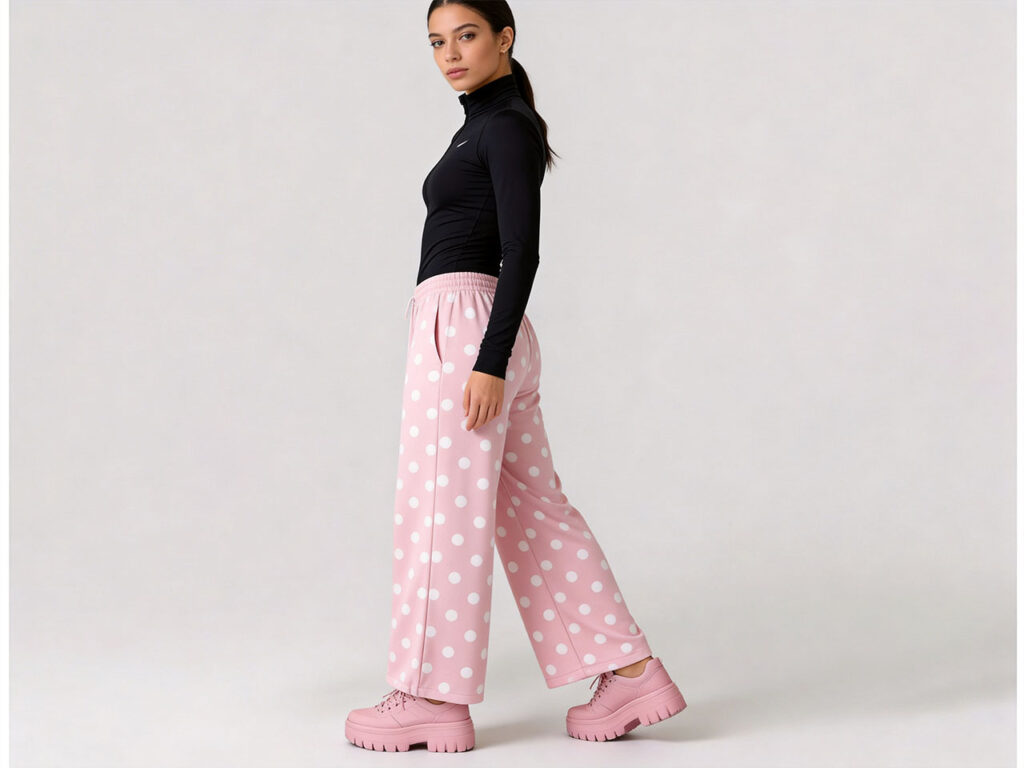
When looking for a custom sportswear partner, Liantao Apparel stands out with advantages that make it easy for every buyer to launch their brand.
Unlike traditional factories, Liantao Apparel offers No MOQ, meaning you can place either small test orders or large-scale production without limitations. Small brands or startups can test the market without the burden of excess inventory.
Liantao Apparel specializes in all kinds of sportswear fabrics, from fleece and flannel to lightweight nylon and cotton blends—perfect for both warm fall/winter wear and light spring/summer collections. Multiple cuts are supported, including loose sweatpants, slim-fit joggers, and classic track pants with side stripes.
From pattern development and brand embroidery to custom colors, Liantao Apparel provides comprehensive ODM services. Our professional team ensures every piece of sportswear is stylish, functional, and aligned with your brand vision.
Liantao Apparel has a complete international logistics system, enabling efficient shipping even for small orders, helping buyers quickly enter the market.
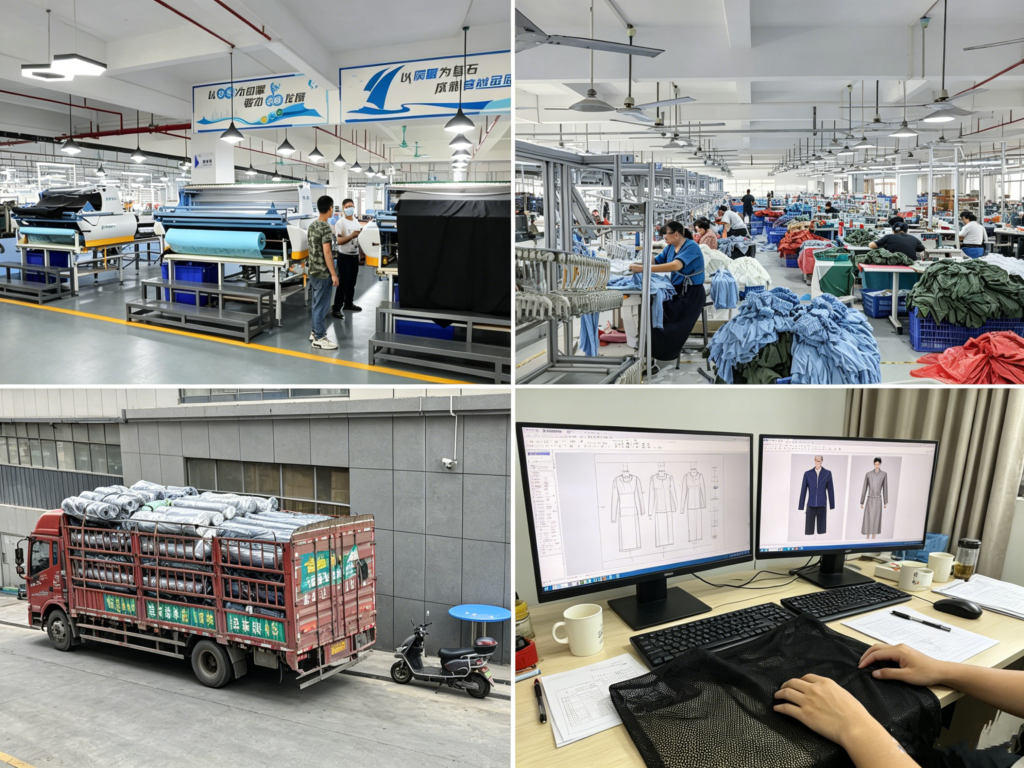
If you have any questions or require a quote, please leave
us a message. Our experts will get back to you within 24 hours to help you choose the ideal fashion products tailored to your needs.
Hi, I’m Lucy Cai, the founder of liantaoapparel.com. I’ve been managing a women’s clothing factory in China for over 16 years. With extensive experience in garment production and OEM services, I’m passionate about sharing insights into women’s fashion, apparel manufacturing, and global sourcing.
If you have any questions or need a quote, please contact us.
Please add us WhatsApp:+86 189 4809 3145
Provide us with detailed information about your requirements, supply design drawings or tech packs,
reference images, and share your ideas.
We will customize the best solution based on your needs and drawings, and provide a specific quote within 24 hours.
Once we receive your confirmation and deposit,we will commence mass production and take care of the subsequent shipping arrangements.