🏭 Looking for a Custom Apparel Manufacturer?
We are a leading OEM/ODM clothing factory with 20+ years of export experience. Custom styles, flexible MOQs, and retail-ready quality.
In my 20 years of apparel manufacturing, I’ve seen stunning dresses completely ruined by just two centimeters of fabric. Most people think a cocktail dress is defined by its sparkle or its brand, but the real secret lies in the hemline. It’s the invisible line that dictates your entire silhouette—it can either elongate your legs or make you look out of proportion. Whether you’re heading to a high-stakes corporate gala or a sunset rooftop wedding in 2026, understanding the ‘science of the hem’ is the only way to ensure you look polished, confident, and perfectly dressed for the occasion.
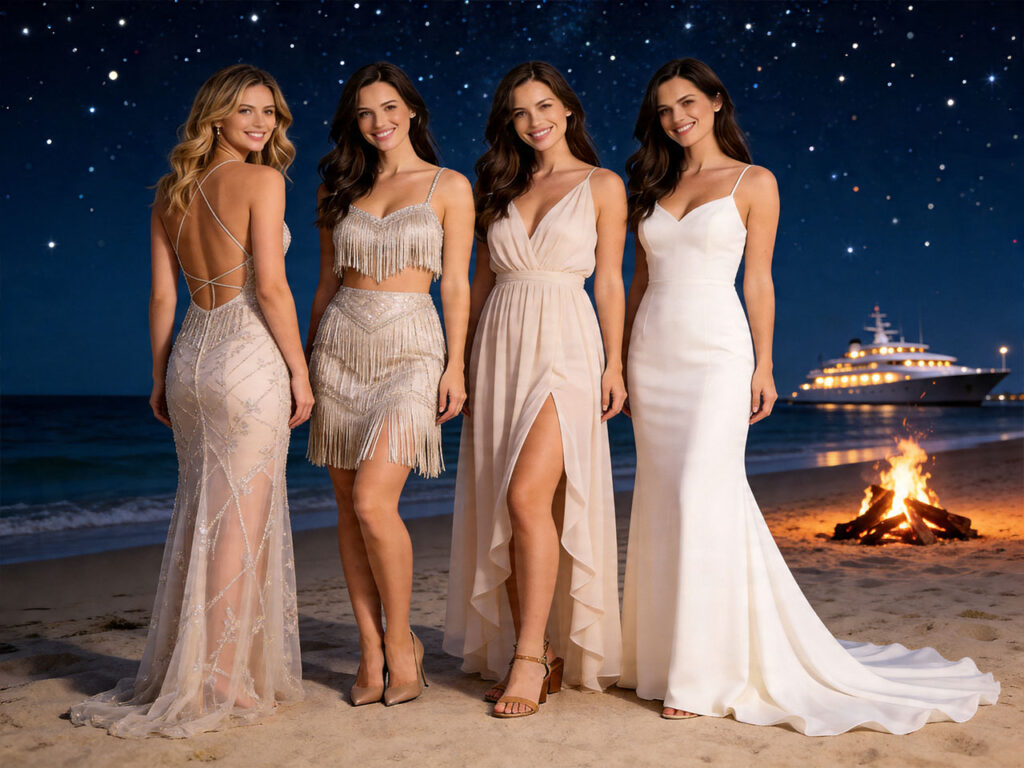
If you want a truly “safe” cocktail dress, the key is not guessing, but following a consistent and universal length standard. I used to rely on intuition and simply pick a “knee-length” dress, only to feel uneasy in different settings—whenever the event turned out more formal than expected, I would look underdressed and lose confidence.
A more reliable choice is to keep the dress length between just above the knee and mid-calf. This range works well for most cocktail occasions. It strikes a balance between elegance and appropriateness—never too conservative or aging, and never too casual. It is a proven “safe zone” for dressing.
When I decide how long a cocktail dress should be, I don’t measure inches or centimeters. Instead, I look at where the hem falls on the body—such as just above the knee, right at the knee, or mid-calf. These visual reference points are much more intuitive and less likely to go wrong.
For example, a dress that falls slightly below the knee is usually the most reliable cocktail dress length, suitable for most formal and semi-formal occasions.
I usually keep a knee-length or midi dress as a go-to piece for various occasions—such as last-minute dinner dates, work events, or wedding guest invitations. I treat it as my “safe” cocktail dress, so when I’m short on time or unsure about the dress code, I don’t have to overthink my outfit.
At the same time, I also keep a shorter cocktail dress for more casual social settings. Even then, I pay close attention to the fabric and tailoring to ensure it still looks elegant and polished, rather than too casual or relaxed.
Length | Hem Position | Overall Vibe | Best For |
Short | Above the knee | Playful · Trendy · Relaxed | Parties, bars, summer events |
Above Knee | Slightly above the knee | Flirty · Light · Social-ready | Dates, casual weddings, gatherings |
Knee-Length ⭐ | Right at the knee | Classic · Balanced · Safe | Work events, family occasions, most invites |
Midi | Mid-calf | Polished · Modern · Elevated | Receptions, gallery events, business socials |
Tea-Length | Below mid-calf (near ankle) | Elegant · Romantic · Formal | Weddings, upscale dinners, formal cocktails |
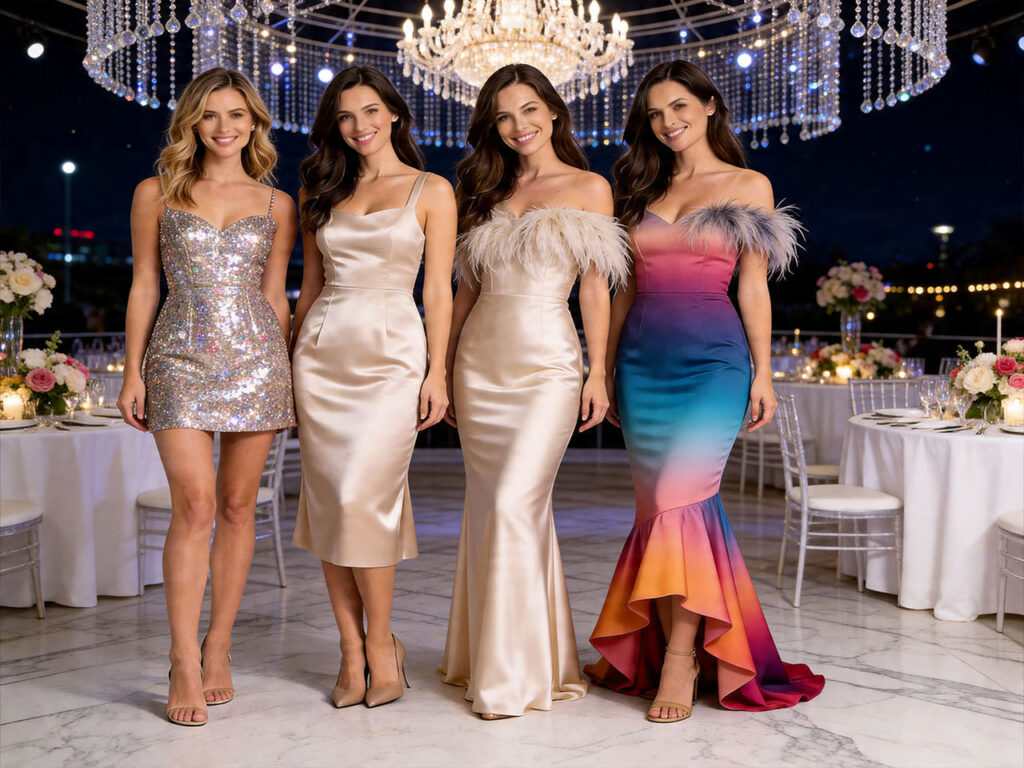
I used to think that once a dress got longer, it automatically looked too formal—almost like an evening gown. But one time, I attended a cocktail event where the indoor air conditioning was quite strong. I wore a short dress and spent the whole evening feeling cold and distracted, which took away from my confidence.
Later, I found a more practical approach: a cocktail dress can be long—as long as you control the level of formality.
The key is:
This way, even a longer dress can still fit the cocktail dress code—while being more comfortable and appropriate.
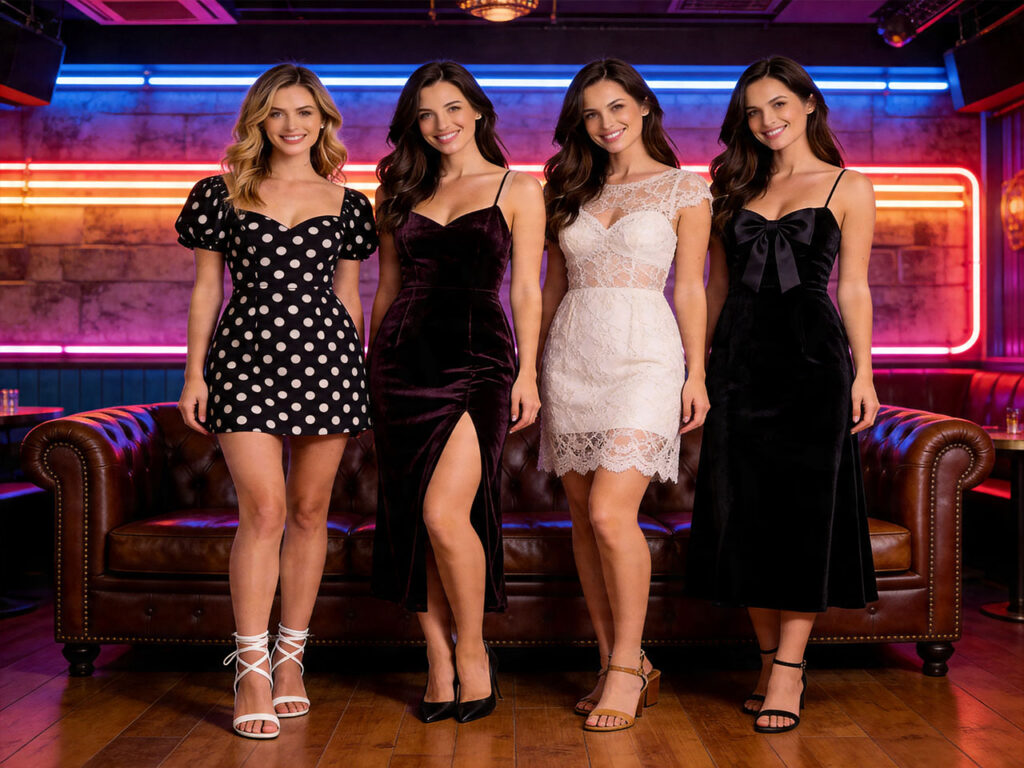
The judgment is actually simple—just focus on two factors: length and overall style (level of drama).
Length: If the dress is floor-length, I treat it as a formal gown. If it falls around the ankles, it leans more toward a cocktail dress.
Style: If the design is heavy, voluminous, includes a train, or features lots of shine (like sequins), it reads as formal. In contrast, clean lines and a smooth, flowing silhouette feel much more appropriate for cocktail settings.
With these two criteria, you can quickly identify where any long dress fits—without overthinking whether it qualifies as a cocktail dress.
Ultimately, it’s not about how long the dress is, but whether it gives off overly formal signals. As long as you avoid floor-length hems and dramatic elements, a long dress can easily work for a cocktail dress code.
I like to translate abstract “dress codes” into something more visual and intuitive—skirt length choices. This helps clients make quick decisions instead of overthinking rules.
For example, many people ask: “Do I have to wear a long dress to a formal dinner?” or “Is a short dress appropriate for formal events?”
Instead of getting stuck on labels like “formal” or “semi-formal,” it’s more practical to look at the actual expectations of the occasion.
Take a company gala or brand dinner as an example. The atmosphere is usually polished but not overly strict. In this case, a skirt length from knee to mid-calf works well—it feels appropriate and elegant without being too dramatic. On the other hand, for birthday parties or casual gatherings, even if the style leans toward cocktail dressing, a slightly shorter skirt can create a more relaxed and energetic look.
I prefer to simplify dress codes into visual, actionable guidelines because most people don’t want to study complicated etiquette rules—they just need a clear and reliable reference
Dress Type | Core Atmosphere | Recommended Skirt Length | What to Avoid |
Cocktail Attire | Elegant and social, but not formal evening gown level | Above the knee / knee-length | Beachwear styles, overly casual knits, homewear-like pieces |
Formal Cocktail | More refined and elevated evening social setting | Knee-length to midi; can extend to tailored ankle-length | Overly dramatic full-length gowns that resemble ballroom dresses |
Formal / Evening Wear | Formal nighttime occasions emphasizing structure and quality | Tea-length to floor-length | Casual short skirts or overly party-style outfits |
Black Tie Optional | Flexible range between formal and semi-formal | Midi to full-length | Clearly casual elements (e.g., T-shirt-like fabrics, relaxed knits, daytime styling cues) |
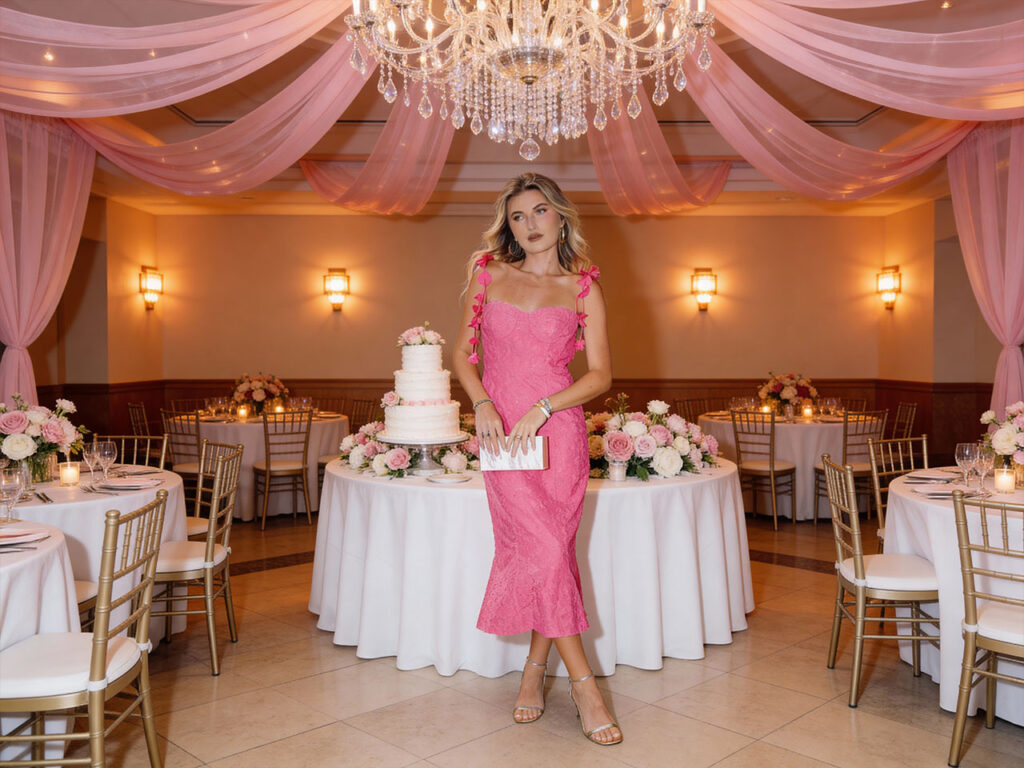
I once chose a knee-length dress for a winter cocktail event, thinking it was a safe option. But when I paired it with knee-high boots and a long coat, the overall look felt a bit heavy and lacked that refined, effortless vibe.
So I switched to a slightly shorter dress. Instantly, the proportions looked lighter and more balanced—much closer to the “polished but not overly formal” feel of a cocktail event.
That’s when I realized: there’s no fixed rule for cocktail dress length. What really matters is the balance of the entire outfit. Your shoes and outerwear directly influence the ideal hemline.
For brands, it’s the same logic—designing with the complete outfit in mind makes your pieces far more appealing to customers. Liantao Apparel helps you refine length, fit, and fabric based on your target market, so your designs work beautifully in real-life wear.
I rarely judge how formal a dress is on its own—instead, I use shoes to adjust the overall level of formality.Before putting an outfit together, I always think carefully about the shoes first. The same dress can look completely different depending on what you pair it with.
For example, a short dress with very casual shoes can feel underdressed. A midi dress with pointed heels, on the other hand, looks polished without being overly flashy. If I choose flats, I usually go for a dress with clean lines and simple fabric, so the outfit still feels intentional and put-together.
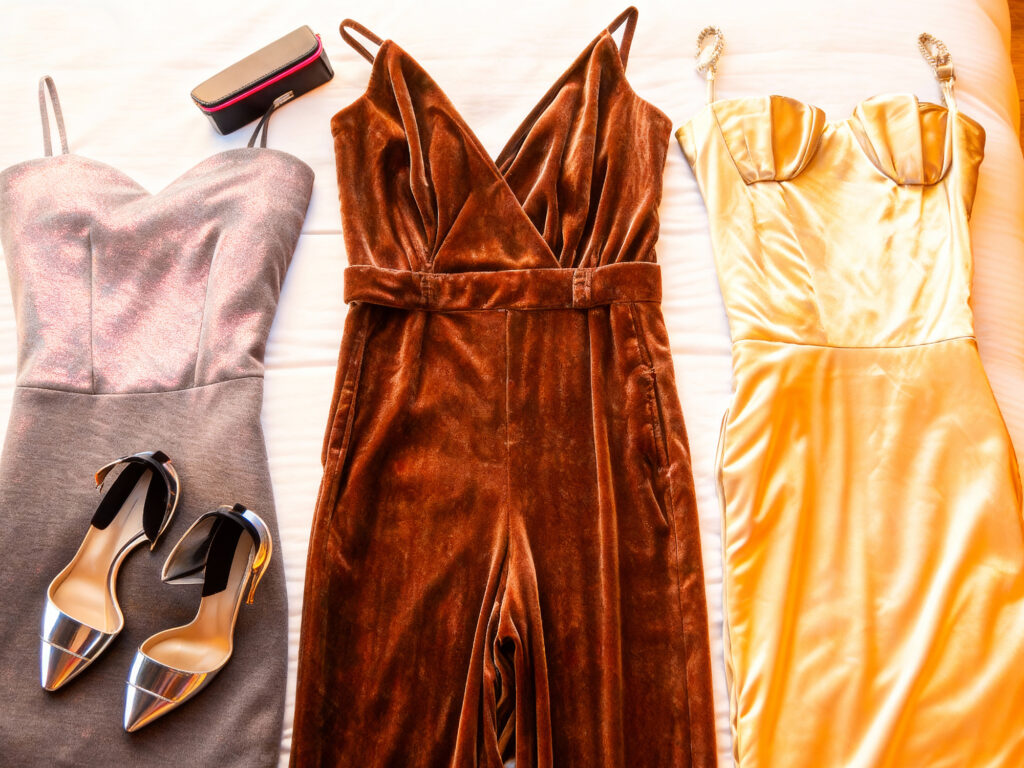
I once saw someone pair a cocktail dress with chunky biker boots. Each piece looked great on its own, but together the outfit felt a bit overdone and lost that refined touch.
When I style this combination myself, I focus more on keeping the look cohesive. I go for sleeker boots—like narrow ankle boots or clean, minimal knee-high styles—and avoid heavy soles or excessive detailing. This way, even with boots, the outfit still feels polished and elegant.
In winter settings, I also lean toward dresses with more structure—like straighter silhouettes or lengths around the knee—so the transition between the boots and the hemline looks natural rather than competing for attention.
Hemline | Recommended Shoes | Best Occasions | Key Styling Idea |
Short cocktail dress | Pointed heels / strappy sandals | Cocktail bars, parties, dance events | Balance exposed skin with structure—use long sleeves or tailored outerwear for a more polished look |
Knee-length dress | Heels / refined flats | Weddings, evening dinners, business events | Keep the waistline clean and minimal to maintain a sharp, elegant silhouette |
Midi / tea-length dress | Heels / sleek ankle boots | Winter parties, professional events, cocktail dress codes | Ensure the hem stays smooth and doesn’t bunch over footwear |
Ankle-length cocktail gown | Minimalist heels / simple sandals | Evening receptions, formal social events | Use understated accessories to avoid making the look too “gown-like” |
I rarely start with the dress. Instead, I start with the occasion and work backwards to determine the hemline and shoes.
For example, when going to a cocktail bar, I focus on comfort and the actual atmosphere rather than rigid outfit formulas—choosing a hemline that allows easy movement and socializing, then adjusting formality through footwear.
For me, the hemline of a cocktail dress is never an isolated choice—it’s always shaped by the occasion, the dress code, and the shoes I plan to wear.When I want a look that feels consistently safe and appropriate for most cocktail settings, I tend to stay within the most reliable range: from just around the knee to mid-calf length. It’s the sweet spot that balances elegance, comfort, and versatility across different events.In the end, it’s not about finding a “perfect” dress length—it’s about choosing a length that works with your life, not just the occasion.
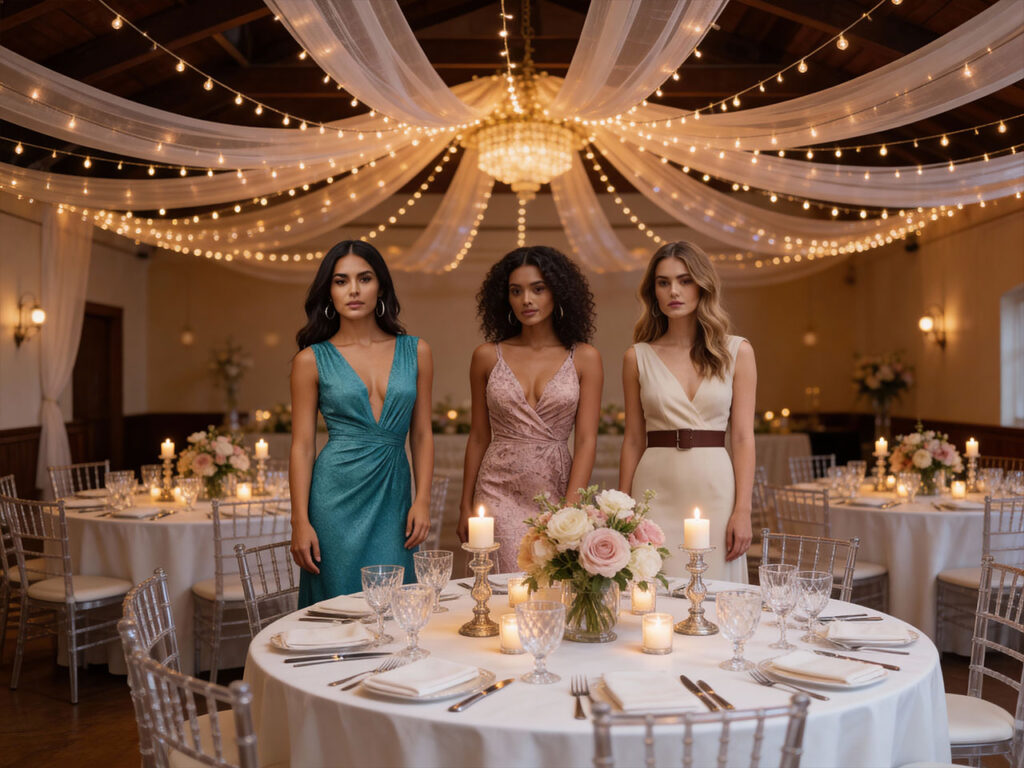
At Liantao Apparel, we help brands turn the “hemline of a cocktail dress” from a simple design detail into a real driver of sales performance.
Many brands tend to focus mainly on style or fabric when developing cocktail dresses. However, in actual retail performance, the hemline often plays a decisive role in whether a customer chooses to buy. Different markets also have very different expectations of what an “appropriate length” means—some prefer the timeless elegance of knee-length styles, while others are more receptive to modern midi or tea-length silhouettes. Our role is to help clients translate these differences into clear, production-ready standards.
With a professional manufacturing team of over 200 people, Liantao Apparel provides hands-on support from the early development stage, including hemline recommendations, pattern adjustments, sample development, and size structure optimization. We don’t just deliver a “beautiful dress”—we help you define the hemline range that is most likely to be accepted by your target market and most effective for conversion.
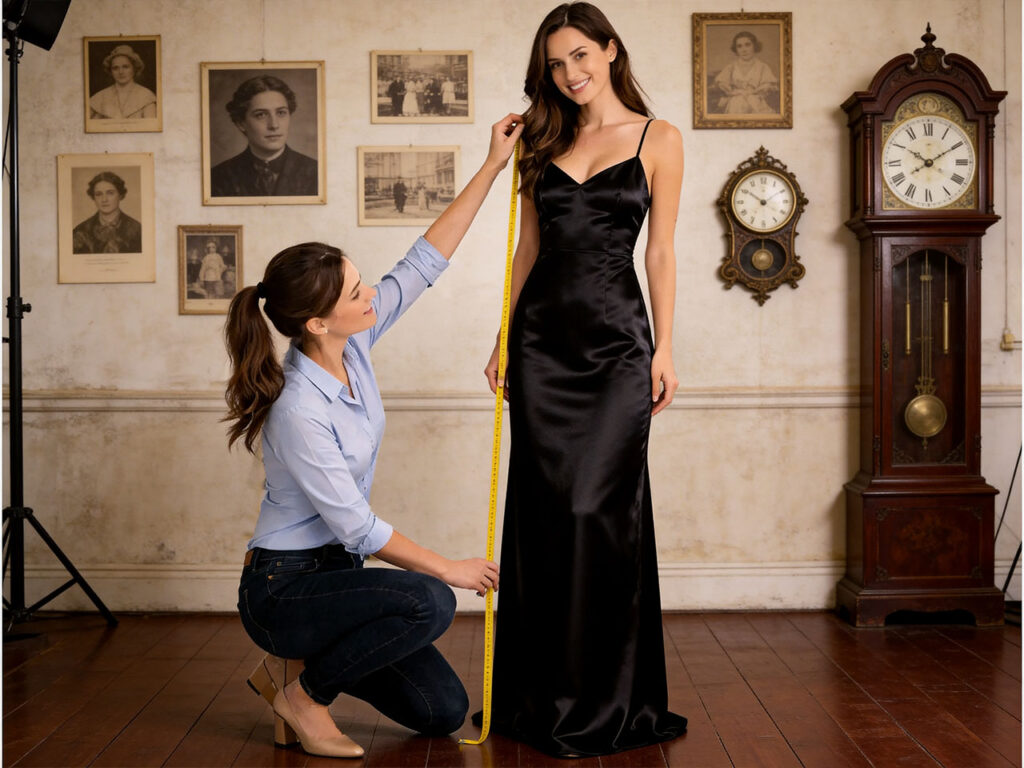
For example, in wedding and formal cocktail occasions, we often recommend establishing a “safe hemline range,” such as knee to mid-calf. This not only fits a wide range of body types and occasions but also helps reduce inventory risk and improve repurchase rates. For more fashion-driven collections, we refine hem proportions and shoe compatibility to help brands build more distinctive product lines.
Throughout the entire process, we prioritize stable quality, clear communication, and on-time delivery because we understand that in the apparel industry, delays can mean losing an entire selling season.
If you are developing cocktail dresses, formal wedding dresses, or looking to build a clear and executable hemline strategy for your brand, Liantao Apparel can support you in optimizing the full process from design to production—helping your products not only look good, but also sell effectively.
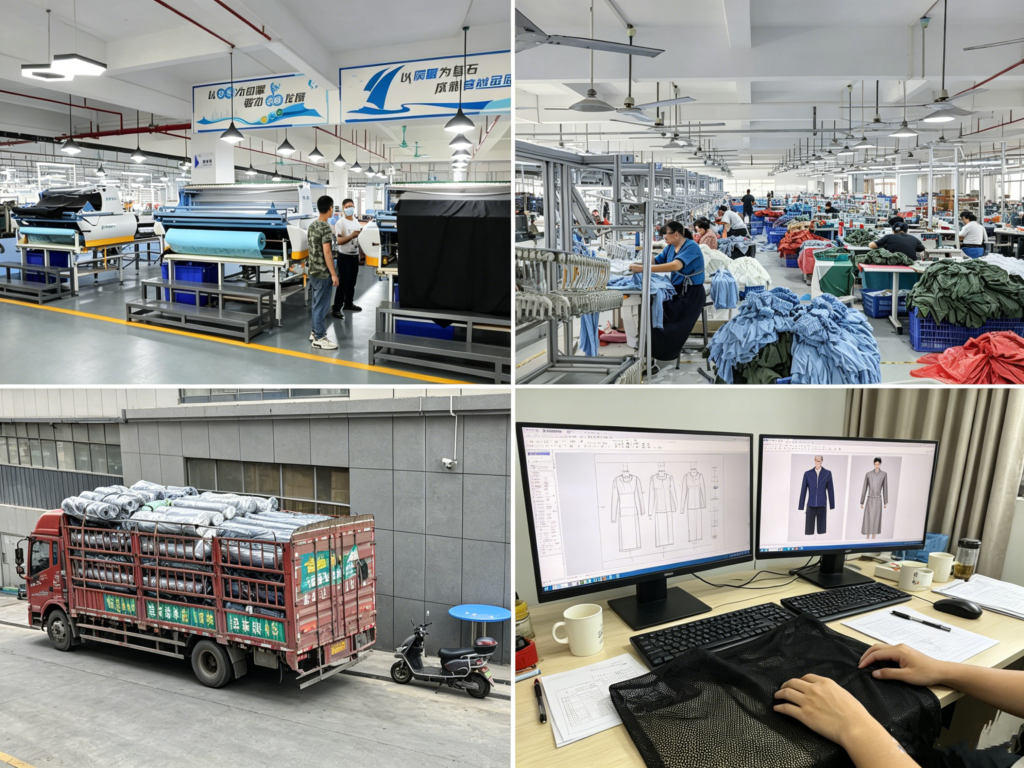
If you have any questions or require a quote, please leave
us a message. Our experts will get back to you within 24 hours to help you choose the ideal fashion products tailored to your needs.
Hi, I’m Lucy Cai, the founder of liantaoapparel.com. I’ve been managing a women’s clothing factory in China for over 16 years. With extensive experience in garment production and OEM services, I’m passionate about sharing insights into women’s fashion, apparel manufacturing, and global sourcing.
If you have any questions or need a quote, please contact us.
Please add us WhatsApp:+86 189 4809 3145
Provide us with detailed information about your requirements, supply design drawings or tech packs,
reference images, and share your ideas.
We will customize the best solution based on your needs and drawings, and provide a specific quote within 24 hours.
Once we receive your confirmation and deposit,we will commence mass production and take care of the subsequent shipping arrangements.