🏭 Looking for a Custom Apparel Manufacturer?
We are a leading OEM/ODM clothing factory with 20+ years of export experience. Custom styles, flexible MOQs, and retail-ready quality.
In my 20 years of managing garment production lines, I’ve seen trends shrink and grow, but nothing quite matches the sheer scale of a JNCO Jeans cutting table. For a factory, these aren’t just pants—they are a logistical feat, requiring nearly three times the denim of a standard straight-leg jean just to achieve that iconic, gravity-defying silhouette. As we move through 2026, the 26-inch leg opening isn’t just a nostalgic relic; it’s a high-demand fashion statement. But is the modern denim up to the task? Today, I’m putting my ‘manufacturer’s hat’ on to analyze the comeback of the decade and tell you if these giants are truly worth the investment.
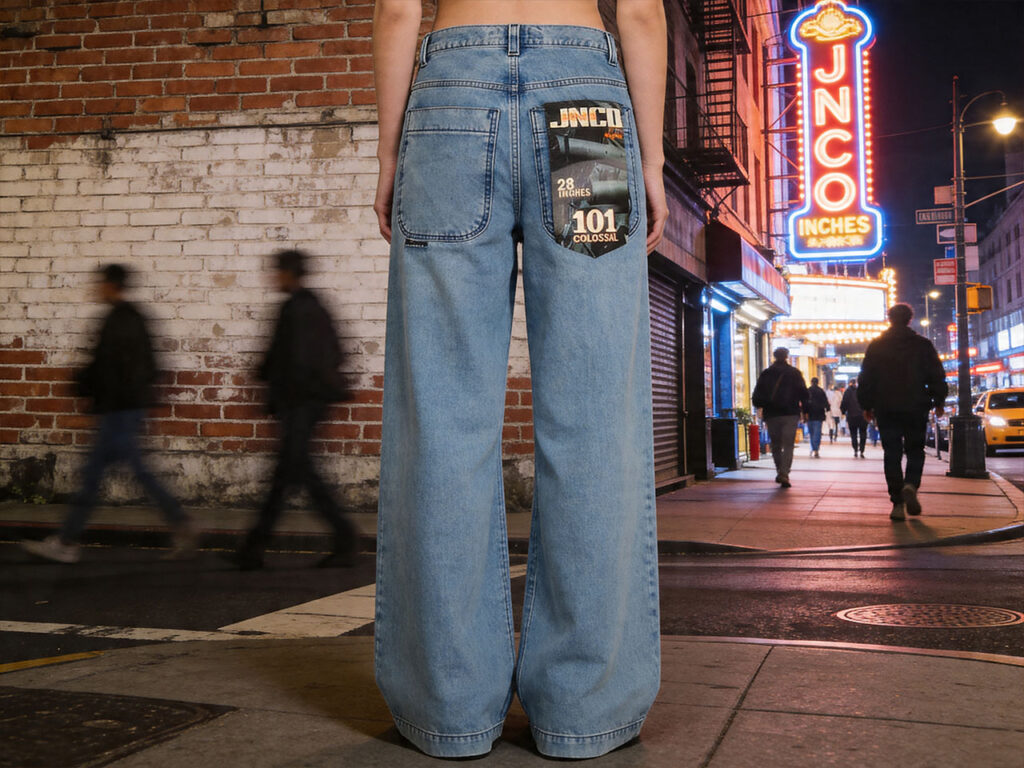
Many new customers, when referring to JNCO jeans, will say “jincos” or “junko jeans” while pointing to a photo. What they’re really looking for isn’t just a brand logo, but a distinct vibe—that bold, unrestricted 90s street aesthetic.
The name JNCO comes from the slogan “Judge None, Choose One,” perfectly reflecting the brand’s laid-back, nonconformist spirit. It defined the wide-leg denim trend of the 1990s, with leg openings ranging from 30 to 50 inches, combined with heavy stitching and oversized pockets that are both exaggerated and functional.
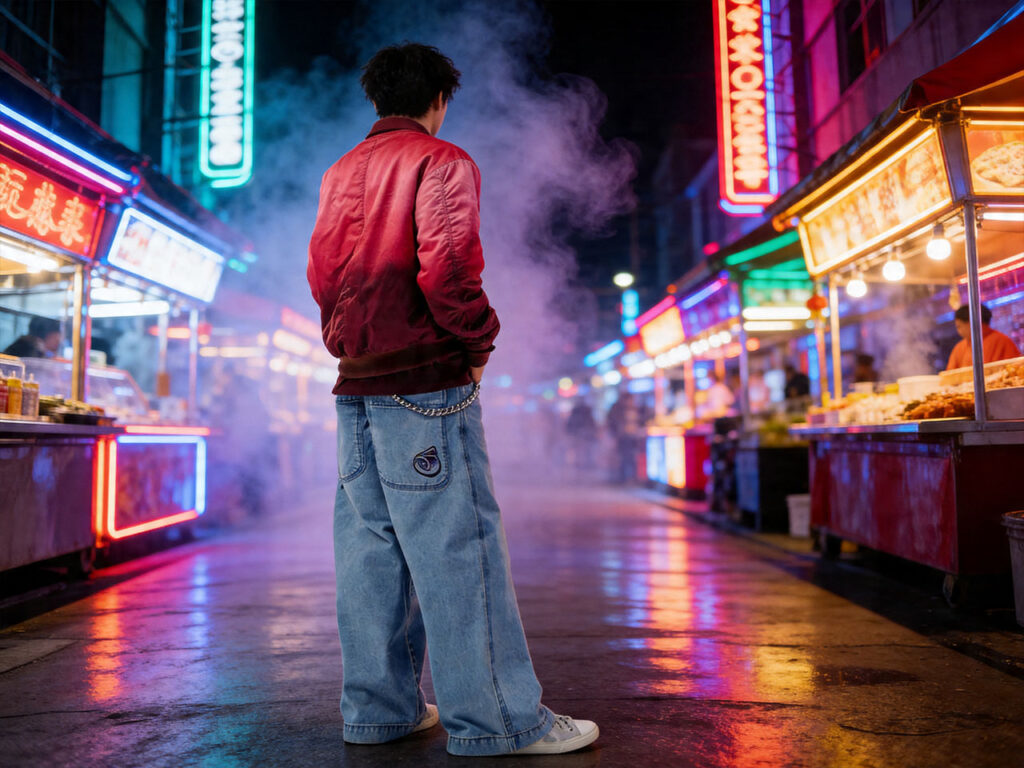
Today, when people talk about “JNCO style,” they’re referring to extremely loose silhouettes, eye-catching embroidery, and practical details that can carry everyday essentials. Each pair tells a story of self-expression and authentic street culture.
One of the most iconic elements of JNCO jeans is the oversized pocket design combined with bold graphic expression. In modern reissued versions, the deep back-pocket structure is preserved while introducing signature motifs such as dragons, crowns, polar bears, or crossbones, enhancing streetwear identity and visual impact. At the same time, I use heavy-duty twill fabric for the pocket lining to improve durability and prevent tearing or deformation during everyday wear.
In terms of craftsmanship, the embroidery placement is precisely positioned above the back rise seam to reduce stress and pulling on the waistband caused by the garment’s weight, improving overall stability. I also carefully control stitch density to ensure the graphics remain sharp while maintaining fabric softness and comfort, so the jeans retain their feel and wearability even after multiple washes.
Search Term / Buyer Language | Buyer Intent / Style Insight |
JNCO / Jynco Jeans | Any ultra-baggy jeans, emphasizing comfort and street culture; suitable for skateboarding, hip-hop, or anti-skinny styles |
Jenko Pants | Misspelling, but buyers still refer to the same ultra-wide style, showing high brand recognition for this look |
JNCO Lowdowns / Destroyers | Wide-leg design with prominent branding and large pockets, aimed at visual impact and streetwear identity |
Kangaroo Pants | Oversized front pockets, combining functionality and street style; highlights “big storage and easy pairing” |
Baggy Cargo Jeans | Loose-fitting workwear style with multiple pockets; ideal for streetwear or skate culture |
Ultra Wide Jeans | Exaggerated leg openings, emphasizing attitude and individuality; fits the ’90s retro vibe |
Graphic Back Pocket Jeans | Back pockets feature graphics or embroidery; draws attention and emphasizes brand and personal expression |
Mammoth / XXL Jeans | Classic extreme wide-leg models with leg openings up to 32–40 inches; for trendsetters seeking maximum retro bagginess |
If you’ve been following streetwear trends, you may have noticed that searches for JNCO styles are skyrocketing—people are asking, “Are JNCO jeans back in style?” or “When were JNCO jeans popular?” The answer is clear: yes, they’re back!
Over the past few quarters, baggy pants have moved from niche street culture to the mainstream. The redesigned styles focus on:
Different groups have different preferences:
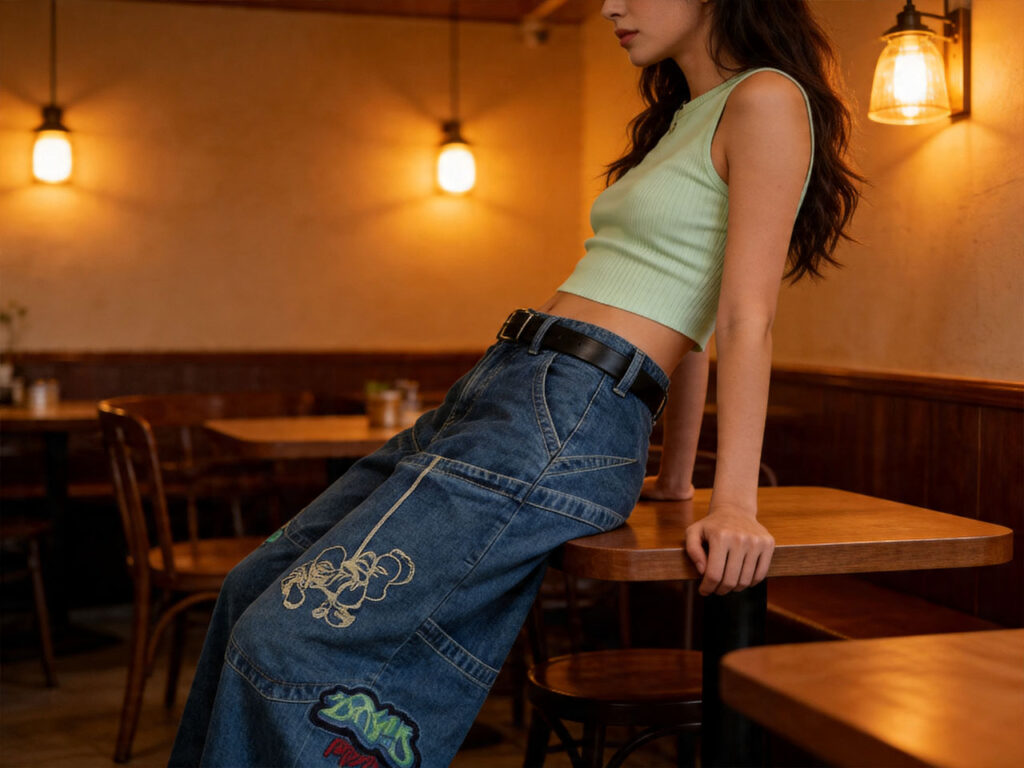
When tracking the buying trends of JNCO jeans, I noticed that customers can be roughly divided into two groups:
To cater to these distinct customer groups, I implement a tiered product strategy:
I also collaborate with skateboarders and hip-hop stylists to showcase the jeans in action through videos and street shoots. Dynamic scenes not only highlight the wide-leg fit but also make the brand’s style more tangible and engaging.
JNCO-style products show clear seasonal trends:
When buyers ask, “Will JNCO jeans come back into style?” my answer is a confident yes—they are already trending. However, preferences for leg width vary by market:
To help different consumers find the best fit, JNCO-style leg widths are divided into three tiers:
Tier | Leg Opening | Use Case |
Entry | 22–24″ | A safe, approachable option for first-time wide-leg wearers. |
Core | 26–30″ | Classic loose fit, comfortable for everyday wear with a streetwear vibe. |
Hero | 32–40″+ | Exaggerated openings, ideal for marketing, street shoots, or creating social media buzz. |
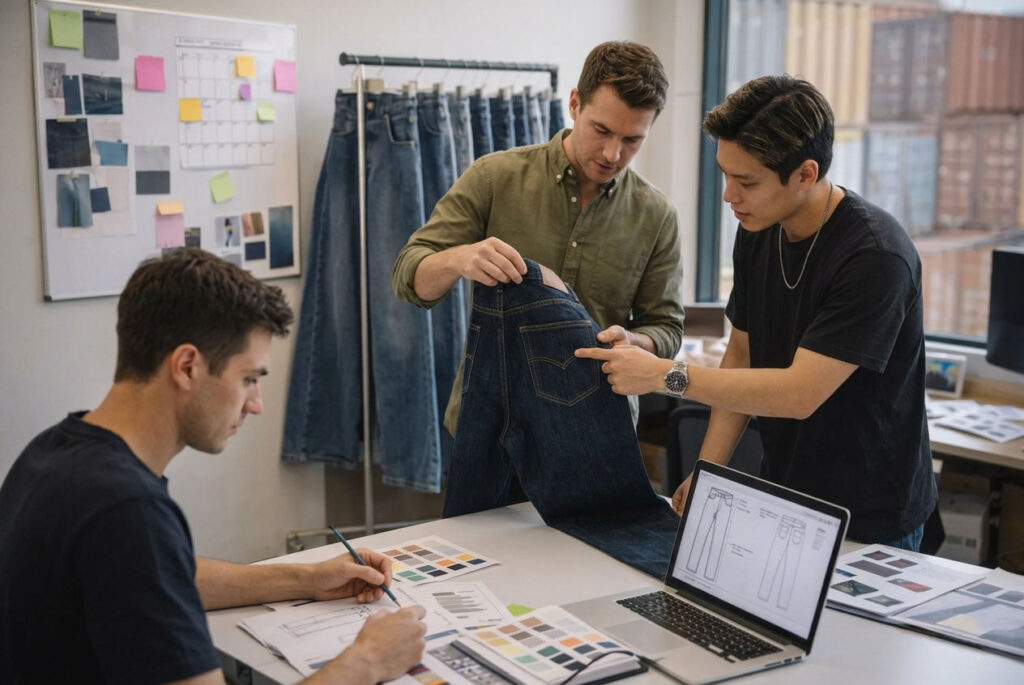
When buyers ask, “How much are JNCO jeans?” it’s important to understand that price depends not only on cost but also on brand positioning and market strategy.
In the 1990s, JNCO was considered a premium streetwear brand; today, prices vary widely. To cater to different customer needs, I use a Good–Better–Best pricing ladder:
I also keep one high-value, cost-effective piece specifically to attract searches for “affordable wide-leg jeans.” To protect margins, I limit promotions on core best-sellers while clearing slow-moving inventory through outlet channels.
Example: The streetwear hoodie brand Sp5der uses a similar strategy. They keep a high-value entry piece to attract new customers, maintain brand premium with limited core pieces, and clear slow sellers through discount channels.
In designing and producing wide-leg jeans, the details make all the difference. Poor workmanship can lead to quick damage—wide legs may drag on the ground, and thin pocket fabric can easily tear.
To ensure durability, I implement the following measures:
Wide-leg designs are slightly oversized for comfort, but dimensions must be carefully controlled to avoid bursting or returns due to excessive looseness.
In wide-leg jeans, stitching and seams are not just visual elements—they directly impact the lifespan of the jeans and customer satisfaction.
Maintaining consistent stitch length, especially on black denim, prevents seam wear and keeps the jeans looking clean and high-quality.
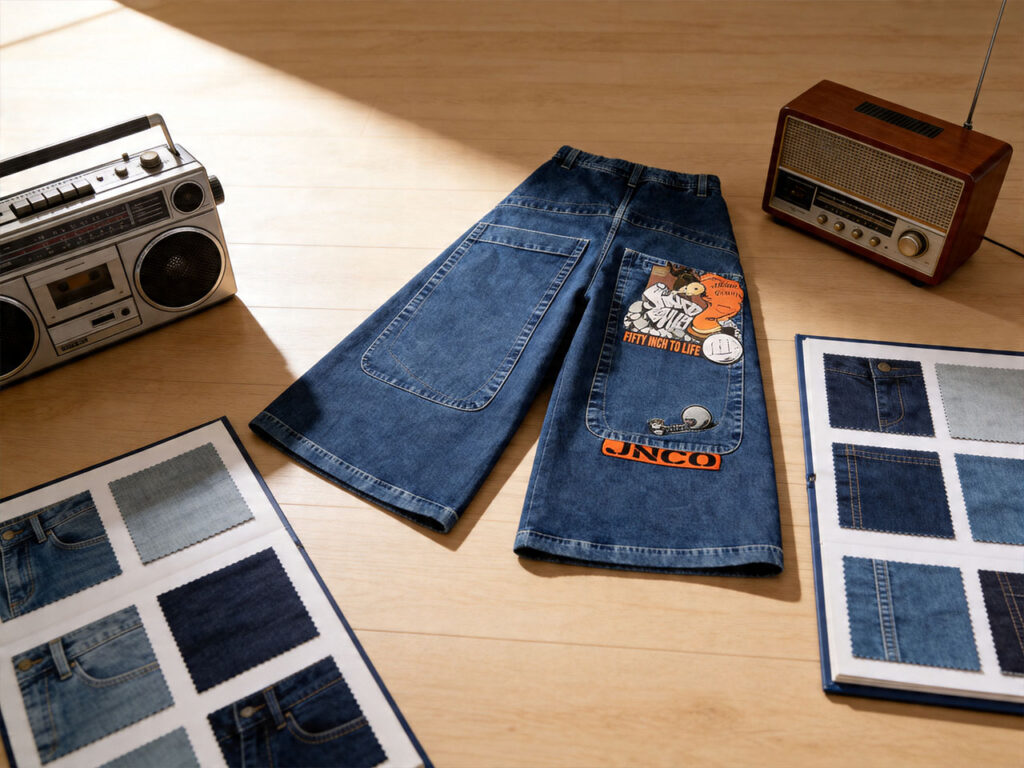
In wide-leg jeans production, the reliability of fabric and accessories directly determines product quality and customer satisfaction. To ensure every JNCO-style pair can withstand daily wear, we conduct rigorous testing on materials and components.
In wide-leg jeans design, “loose” doesn’t mean sacrificing fit or wearability. With carefully graded fits, every pair balances comfort with a clean, structured look.
I conduct real-world tests including skateboarding, sitting, and squatting to ensure the jeans remain comfortable and properly fitted during daily activities.
Step | Check | Purpose |
Fabric | Weight, twill, shrinkage | Ensure post-wash dimensions remain stable and maintain the intended fit |
Sewing | Stitch density | Prevent seam stretching or “smile seams” |
Hardware & Accessories | Rivets and zipper strength | Avoid popping or damage during use, enhance durability |
Finishing | Croking/pressing, air-dry in shade | Clean hand feel, even color, extend product lifespan |
When creating wide-leg jeans, avoid using the “JNCO logo,” as copying trademarks can cause legal issues and damage trust. Instead, draw inspiration from 90s style to design original elements like crowns, animal motifs, or badges, while keeping the streetwear spirit with wide cuts, oversized pockets, and bold graphics. For authentic JNCO products, use authorized channels, and for your own brand, craft unique stories and labels to build a distinct, legal, and trustworthy identity.
In designing wide-leg jeans, I focus on thick polyester patches, eye-catching satin labels, and wide belt loops. These details not only add texture but also enhance brand recognition.
I also design bag stickers, as searches for “JNCO stickers” can drive additional conversions. Tags clearly explain leg openings and rise in simple language, helping customers choose the right size and effectively reducing returns.
Category | Why It Sells | Design Notes |
Wide Jeans | Core profit driver | 14–20 oz ring-spun denim, durable and high-quality |
Denim Shorts | Summer opener | 12–14 oz, optional raw-edge hems, ideal for hot weather |
Hoodies/T-Shirts | Complementary items | Patterns match denim for cohesive outfit appeal |
Bags/Belts | Low-risk upsell | Coordinated metal hardware enhances perceived value |
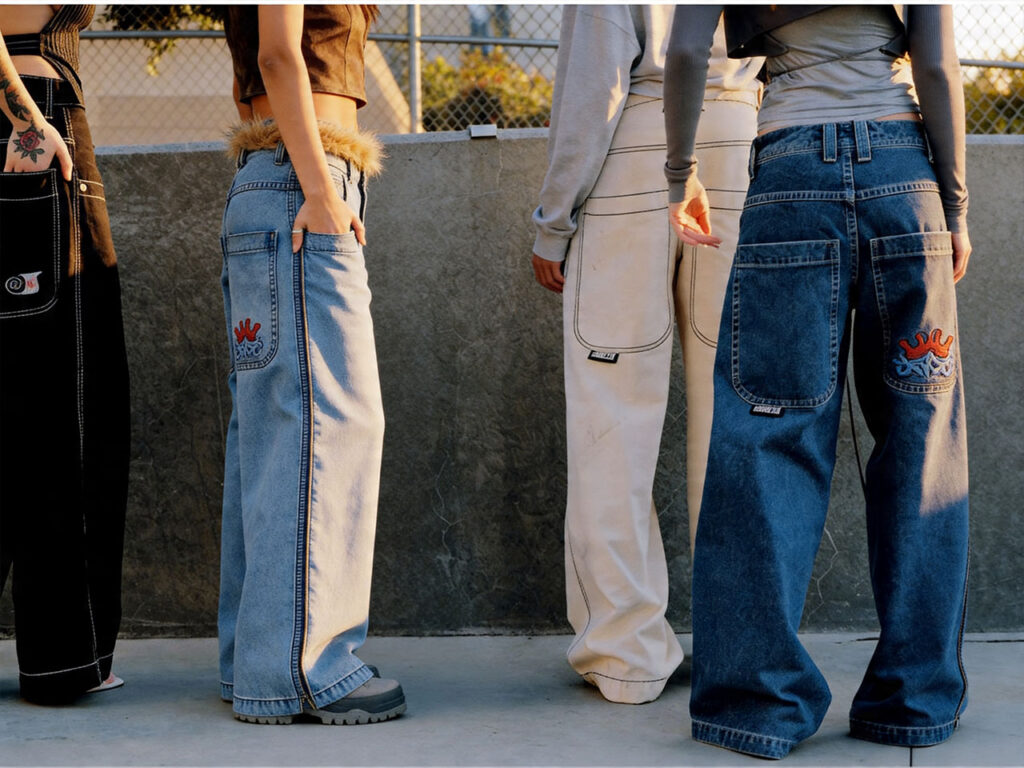
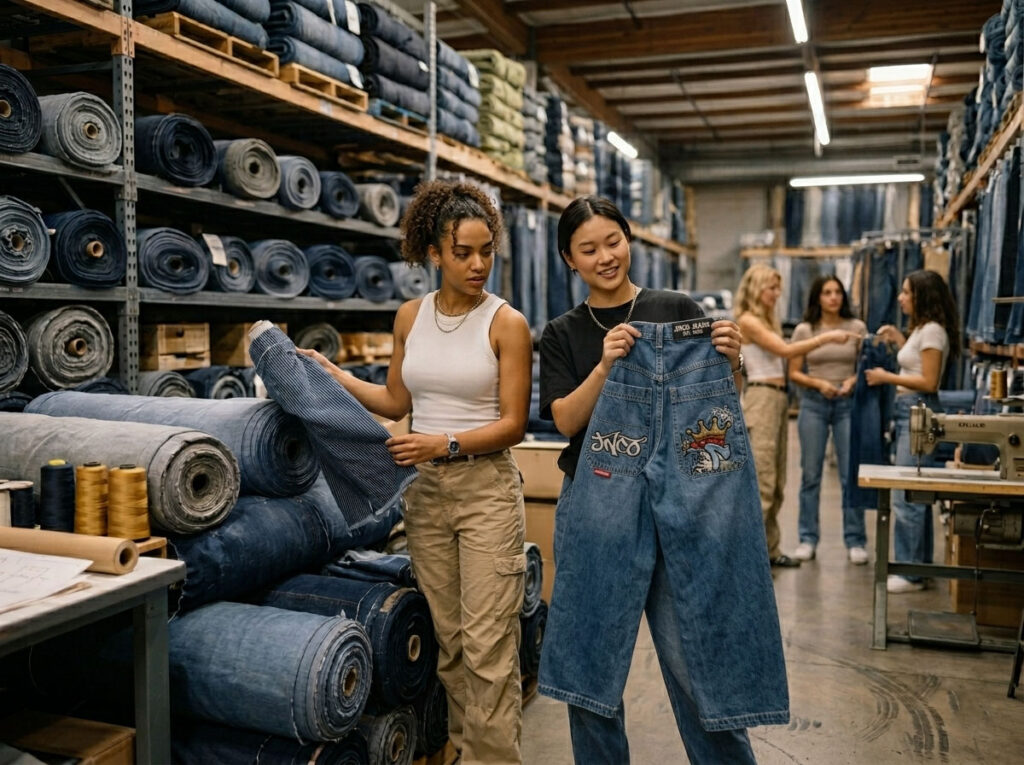
Profit depends on the scale curve and price tiers—misjudging either can leave you behind market trends. Use a “Good–Better–Best” pricing strategy and stock core waist sizes. Start by testing a flagship wide-leg pant to gauge market response and inform future decisions.
Bundle T-shirts with hoodies to increase average order value. Track returns by size and waist height to optimize inventory and size mix. This data-driven approach ensures new product launches are both strategic and efficient.
Tier | Fabric Weight | Design Features | Pricing Strategy / Consumer Value |
Premium | 12–14 oz | Minimal embroidery | Entry-level option, budget-friendly, meets “cheapest JNCO jeans” search demand |
Better | 14–16 oz | Contrasting stitching | Heavier denim with stronger streetwear vibe, high cost-performance ratio |
Top | 18–20 oz | Elaborate patterns + special wash | Collector-level quality, high-end appeal, no need to wait for discounts |
Men’s jeans: Waist 28–40 inches, including plus sizes for popular demand.
Women’s jeans: Uniform rise with longer inseams for a balanced fit.
Leg openings listed in inches for clarity, so customers can shop with confidence.
Segment | Purpose | Key Notes |
Hero Video | Showcase fit and width | Highlight movement flexibility and pocket design |
UGC Seed Content | Convey authentic JNCO style | Include skateboarding, hip-hop, and festival scenes |
Educator Page | Explain “What is JNCO?” | Add care tips and sizing guidance |
Export Plan | Show clear, gradual leg width | Protect core business profits |
To make things easier for buyers, I maintain a real-time FAQ that addresses repeated questions across different markets.
Question | Short Answer | Notes |
Best JNCO shoes today? | Depends on target width | Start from 26–30 inches |
Largest JNCO jeans? | Traditional styles, 40–50+ inches | Useful for marketing campaigns |
JNCO comeback? | Pay attention to hem and fit | For customer training |
Where to buy? | Vintage + new releases | Offer your own brand options |
JNCO knockoffs? | “Brands like JNCO” | Keep IP clean |
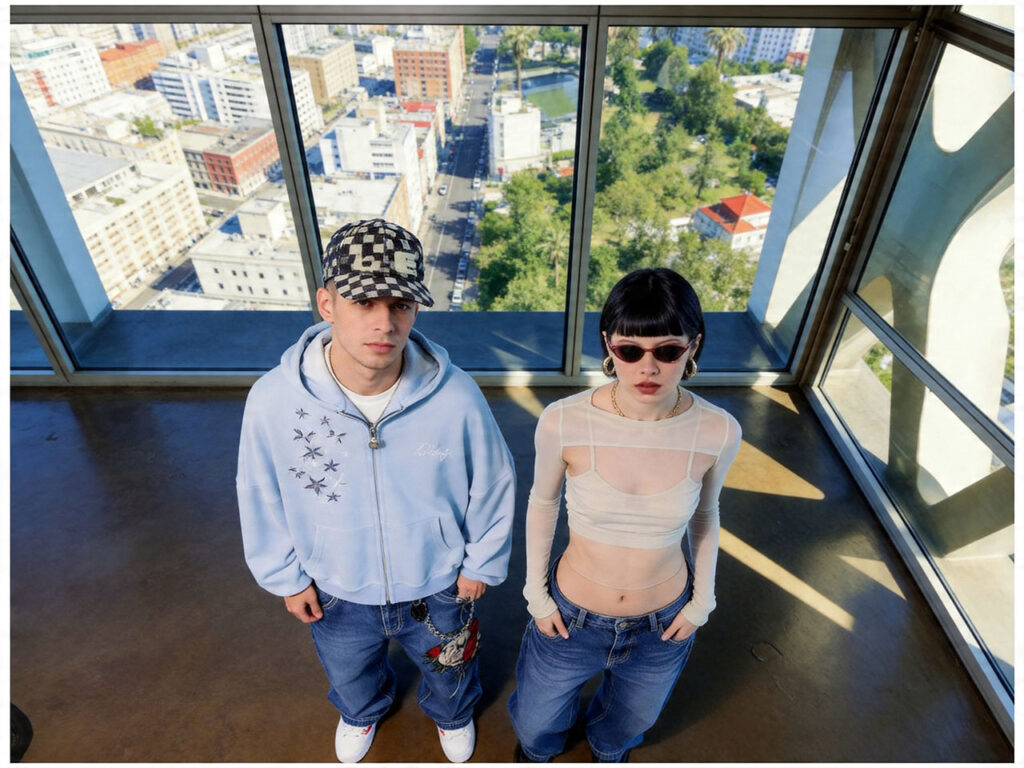
Core Keyword | Natural Integration Example | Optimization Purpose |
jncojeans | “Our jncojeans offer a relaxed fit perfect for street style.” | Improve search visibility while naturally highlighting product features |
jnco website | “Visit the official jnco website for more styles.” | Drive traffic and increase credibility |
jnco hoodie | “Pair your jeans with a classic jnco hoodie for the complete look.” | Strengthen product pairing and relevance |
jnco tuffy | “Check out the jnco tuffy design, known for durability.” | Highlight signature models |
jnco crown | “The jnco crown motif adds a bold statement to any outfit.” | Showcase pattern design details |
jnco high roll | “Try the high roll fit for extra wide-leg comfort.” | Explain style features |
jnco polar bears | “Our jnco polar bears design is perfect for limited edition collectors.” | Emphasize uniqueness |
jnco skunks | “Skunks-themed jnco jeans bring playful streetwear vibes.” | Add fun and personality |
jnco jeans designs | “Explore all jnco jeans designs in our latest collection.” | Highlight collection variety |
jnco outfits | “Complete your look with curated jnco outfits.” | Provide styling suggestions |
hip hop jeans mens | “These hip hop jeans mens styles are perfect for street and festival wear.” | Target search intent and attract male buyers |
Wide-leg jeans are more than just a trend—they have become a mature product category. The key is to plan carefully in fit design, fabric selection, pattern creativity, quality control, and pricing strategy. Once these foundations are in place, restocking and sales growth will naturally follow, securing your product’s place in the market.
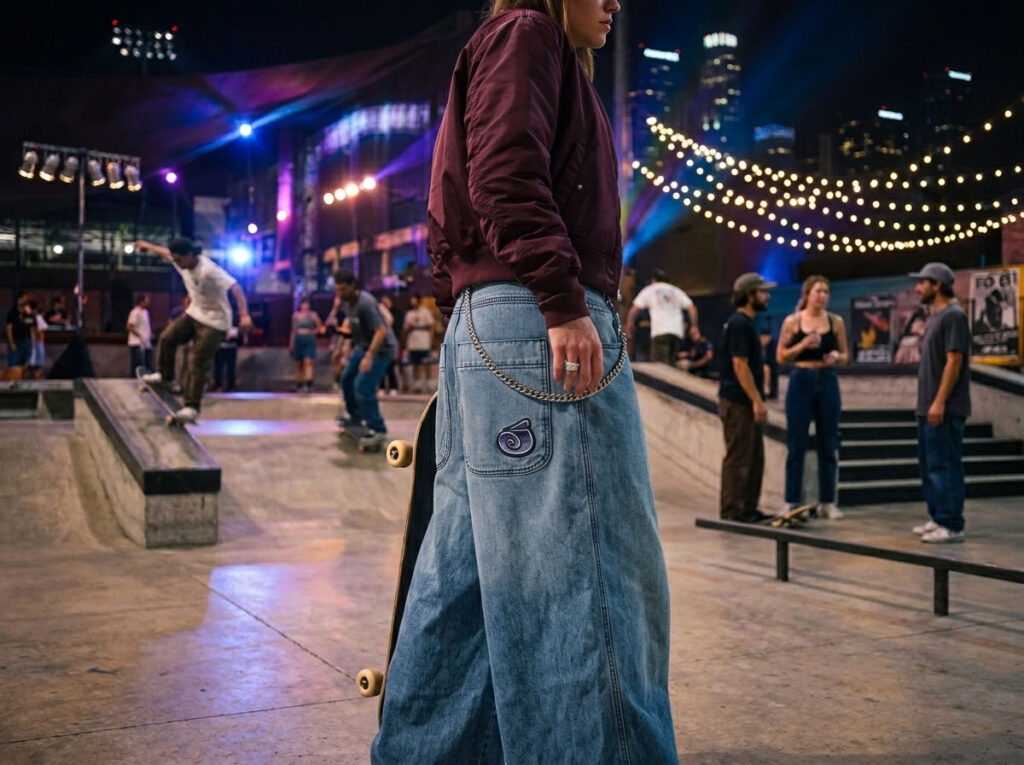
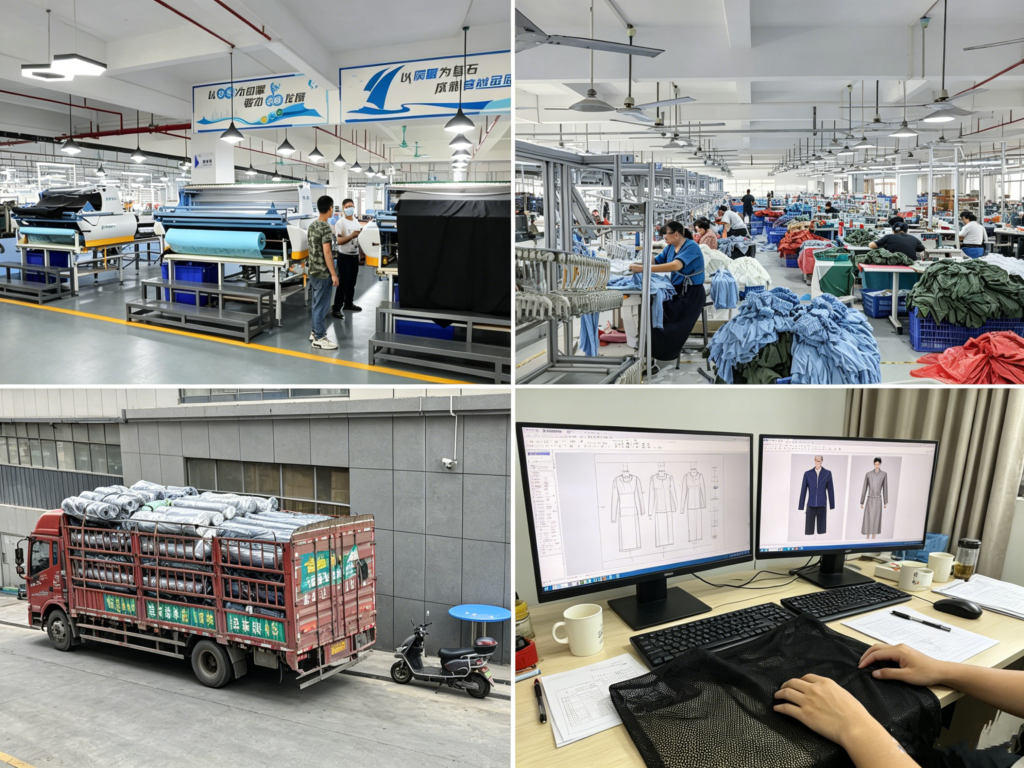
Behind streetwear brands with a distinctive style like JNCO, success is not just about design—it also depends on the ability to consistently turn creative ideas into market-ready products. Liantao Apparel provides end-to-end support, helping brand clients scale from concept to finished product:
With Liantao Apparel’s systematic support, brands can consistently deliver high-quality products while increasing customer loyalty and engagement—turning streetwear from just a design into a sustainable business success.
If you have any questions or require a quote, please leave
us a message. Our experts will get back to you within 24 hours to help you choose the ideal fashion products tailored to your needs.
Hi, I’m Lucy Cai, the founder of liantaoapparel.com. I’ve been managing a women’s clothing factory in China for over 16 years. With extensive experience in garment production and OEM services, I’m passionate about sharing insights into women’s fashion, apparel manufacturing, and global sourcing.
If you have any questions or need a quote, please contact us.
Please add us WhatsApp:+86 189 4809 3145
Provide us with detailed information about your requirements, supply design drawings or tech packs,
reference images, and share your ideas.
We will customize the best solution based on your needs and drawings, and provide a specific quote within 24 hours.
Once we receive your confirmation and deposit,we will commence mass production and take care of the subsequent shipping arrangements.