🏭 Looking for a Custom Apparel Manufacturer?
We are a leading OEM/ODM clothing factory with 20+ years of export experience. Custom styles, flexible MOQs, and retail-ready quality.
In my 20 years on the apparel production floor, I’ve learned that sleepwear is the most underrated discipline in the fashion industry. A pajama isn’t just something you throw on before bed; it’s a precise engineering balance of fabric weight, elasticity, and thermoregulation. While most fashion blogs focus purely on cute prints, as a manufacturer, I look at the gsm (grams per square meter) of modal, the weave density of silk, and the staple length of organic cotton. Whether you’re looking for a classic button-down set for stylish lounging in 2026 or a weightless jersey knit to combat night sweats, I’m breaking down the technical DNA of every pajama type so you never have to sacrifice comfort for style again。
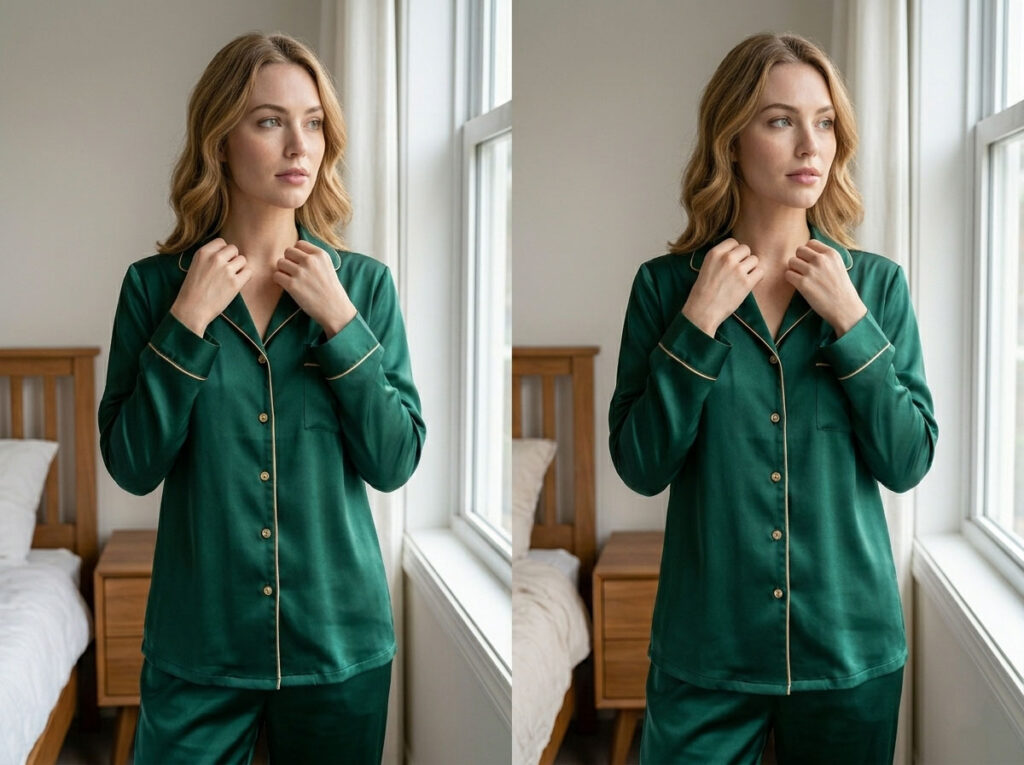
Choosing pajamas doesn’t have to be complicated. While there are many styles and fabrics on the market, only a few core pajama types are truly popular and practical. Classic options include pajama sets, pajama shorts, men’s pajama pants with pockets, sleep tees and Henley tops, as well as thermal tops and bottoms for colder weather. These styles cover most comfort and daily loungewear needs.
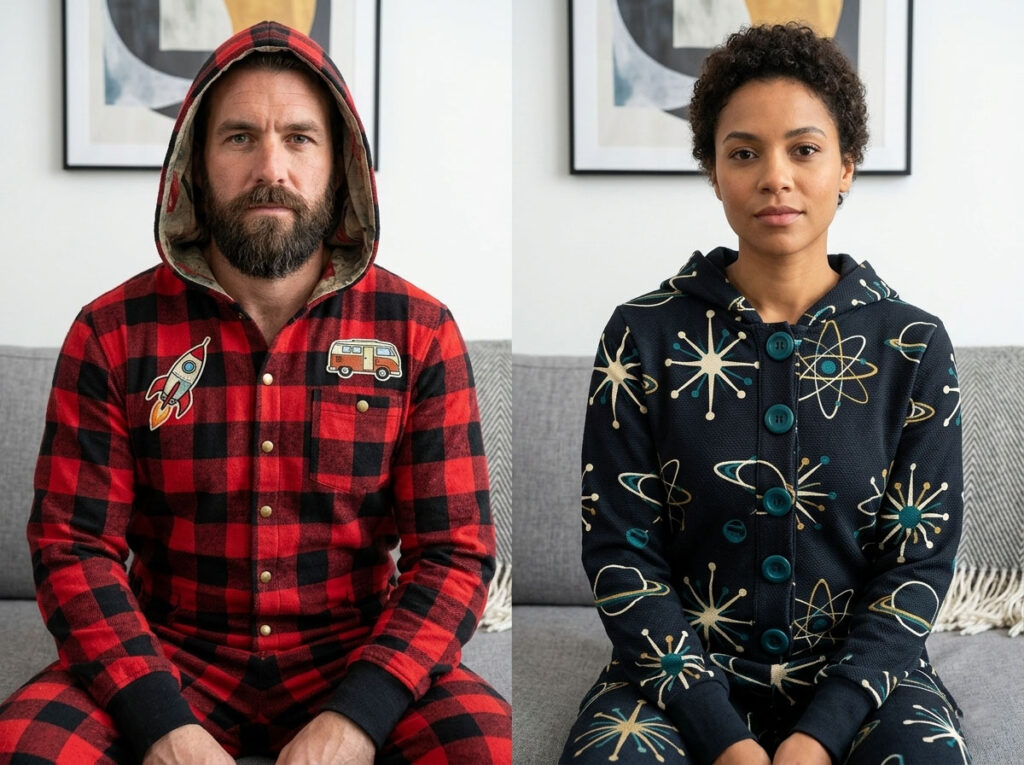
Beyond the basics, many people also love fun and cozy styles like adult onesies, novelty pajamas, and casual lounge sets. Modern pajamas are no longer just for sleeping — they combine comfort, style, and relaxation at home. Starting with these popular pajama types makes it easier to choose the right sleepwear without feeling overwhelmed.
I like to organize my pajamas in clear bins so I can quickly find the style I need. Classic pajama sets with matching tops and pants work well for most seasons. Pajama shorts are great for hot sleepers and travel. Men’s pajama pants with deep pockets and soft waistbands are also very practical, especially for keeping a phone nearby. Henley sleep shirts feel breathable and comfortable, while thermal tops and bottoms help keep warm during winter.
Today, pajamas are about both comfort and lifestyle. Adult onesies, teddy bear pajamas, and matching Christmas sleepwear add warmth and fun at home. Lounge-style pajama sets are also popular for relaxing or casual pajama parties. At the same time, more brands are designing sleepwear that is easier to wear for nursing mothers and people with limited mobility. In Europe, many shoppers search for “nachtkleding” to find different types of comfortable sleepwear.
Pajama Type | Best For | Why People Love It |
Pajama Sets | Everyday comfort | A classic choice for all seasons — simply match the fabric to the weather. |
Pajama Shorts | Hot sleepers & travel | Lightweight, breathable, and easy to pair with tank tops or T-shirts. |
Men’s Pajama Pants | Lounging at home | Deep pockets and adjustable drawstrings add extra comfort and convenience. |
Sleep Tees & Henley Shirts | Relaxed sleepwear | Soft, breathable, and gentle on sensitive skin with no tight waistbands. |
Thermal Tops & Bottoms | Cold weather | Perfect as a warm base layer under flannel pajamas in winter. |
Adult Onesies | Maximum warmth & fun | Cozy full-body comfort with playful prints and easy zipper designs. |
Novelty & Lounge Pajamas | Parties, holidays & photos | Stylish and fun, but fabric quality makes all the difference. |
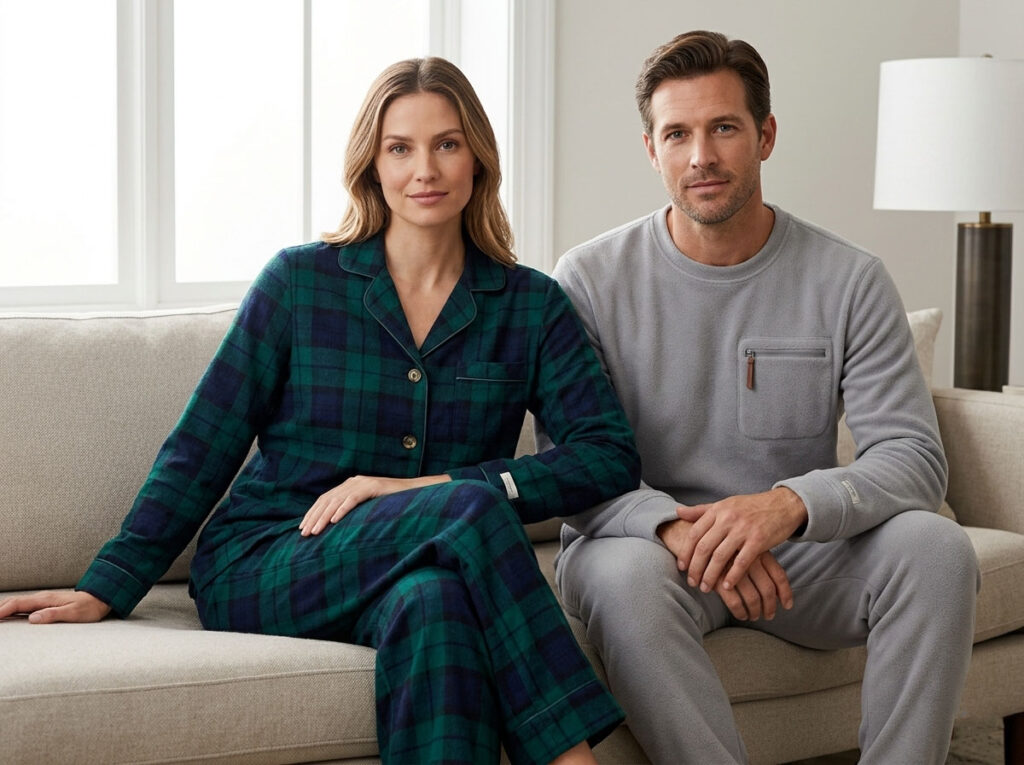
When the weather gets colder, both flannel and fleece pajamas become popular choices. They are both warm, but they feel very different when worn. Good winter sleepwear should not only keep you warm but also prevent overheating and sweating during the night.
Flannel pajamas are soft and breathable, making them ideal for people who sleep hot or sweat easily. They provide comfortable warmth without feeling too heavy. Fleece pajamas are thicker, warmer, and extra soft, making them perfect for very cold weather or colder homes. If you want a balance of warmth and breathability, choose flannel. If you need maximum warmth, fleece is the better option.
Flannel and fleece pajamas are both popular during winter, but they feel very different. Flannel pajamas are usually made from brushed cotton or cotton blends, making them breathable, soft, and durable. That’s why plaid flannel pajamas remain a classic winter favorite. Fleece pajamas are usually made from polyester fabric, giving them a warmer, softer, and cozy feel that is perfect for cold weather.
The best choice depends on your climate and sleeping habits. Flannel works well if you want warmth without overheating, especially when using thick blankets. Fleece is better for very cold rooms because it keeps heat in more effectively. If you dislike static or prefer natural-feeling fabrics, flannel is often the better option. In the end, choosing the right pajama fabric is more important than simply choosing the warmest one.
Feature | Flannel Pajamas | Fleece Pajamas |
Warmth Level | Medium warmth with balanced comfort | High warmth for extra cold weather |
Breathability | Highly breathable and less stuffy | Lower breathability but traps heat well |
Moisture Control | Absorbs moisture and feels dry | Fair moisture control, may feel warmer over time |
Texture & Feel | Soft brushed finish with a classic matte feel | Plush, fluffy, and extra cozy to the touch |
Best For | Indoor winter wear and all-night comfort | Very cold rooms or quick warmth during freezing weather |
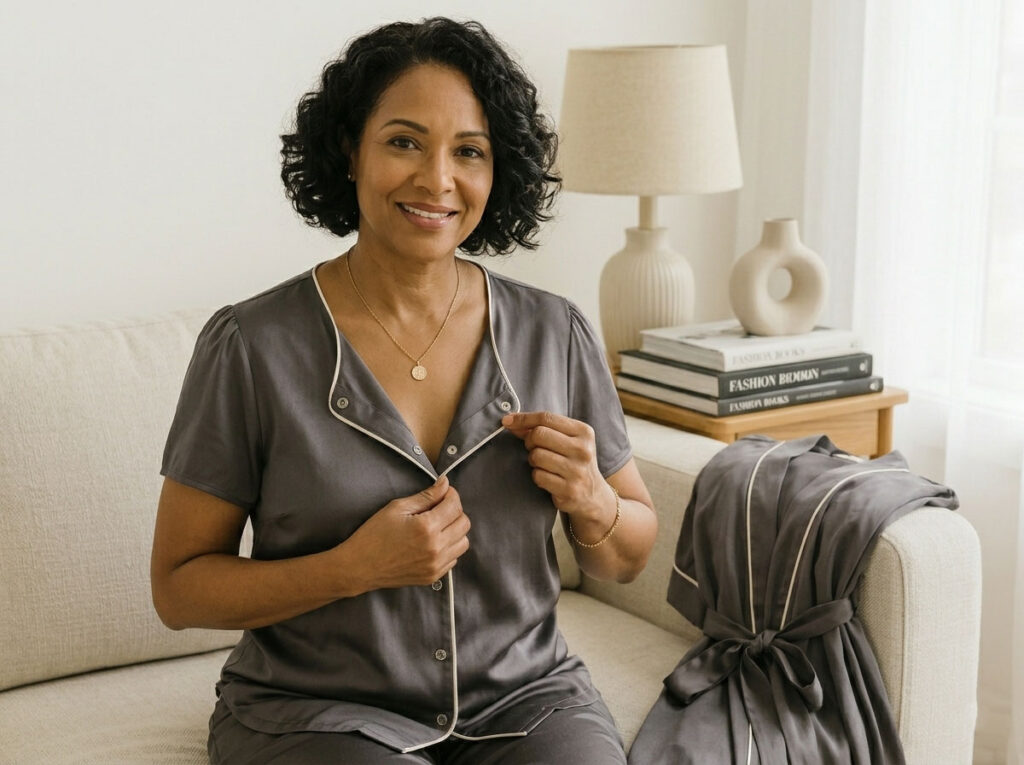
Easy-on, easy-off pajamas are designed for quick and simple dressing. They often use snap buttons, zippers, wrap styles, or magnetic closures, making them much easier to put on and take off than regular sleepwear.
They are especially useful for people recovering from surgery, nursing mothers, seniors, or anyone with limited mobility. With soft seams, loose openings, and comfortable fabrics, they make daily dressing more comfortable and less stressful.
Easy-on, easy-off pajamas are designed for faster dressing while keeping comfort and dignity. I focus on soft seams, tag-free finishes, and smooth closures to improve everyday wear. These small details make a big difference in comfort, especially for sensitive or recovery needs.
Different users need different functions. Onesies often use double zippers for easy bathroom access, while snap buttons help with medical care or post-surgery use. Nursing styles allow one-hand dressing, and stretch fabric helps maintain shape after repeated use. For seniors and wheelchair users, designs are adjusted for safety and ease of movement. In these pajamas, function always comes first.
The selling season for Christmas pajamas is short, so planning ahead is essential. Without proper timing, it’s easy to miss peak demand and end up with excess inventory.
The key to family matching pajamas is consistency. Adult and kids’ sizes should share the same prints, colors, and details to create a unified family look. It’s also important to confirm fabric, workmanship, and color samples early to avoid mismatches, and to prepare backup stock to handle extra demand during the holiday season.
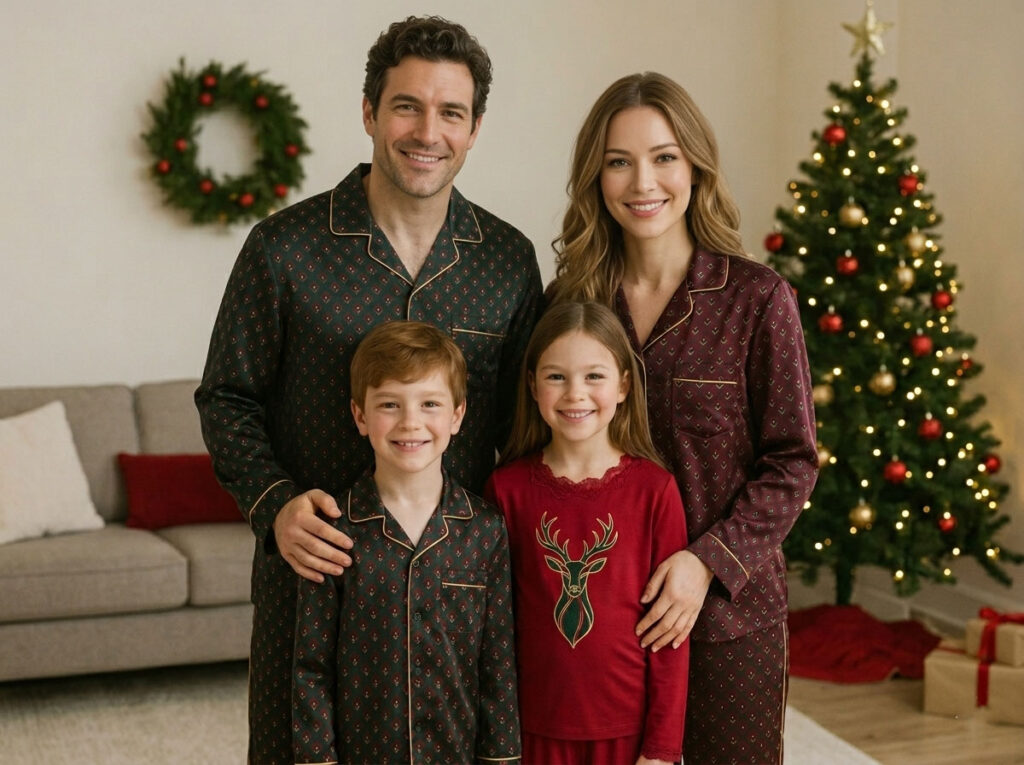
My holiday capsule collection is built around three main categories: plaid pajamas, cartoon-themed designs, and solid-color mix-and-match styles. These cover the most popular seasonal demand. Family Christmas pajama sets usually include baby onesies, kids’ sets, adult men’s and women’s styles, and even pet accessories. The key is to keep prints and colors consistent across all sizes while maintaining visual balance.
At the same time, I secure popular IP licenses early and develop additional items like red pajama pants and T-shirts to improve product mix and sales potential. For quality control, I focus on colorfastness, seam strength, and prepare backup prints for peak-season demand. On the operations side, I also optimize common search misspellings to increase visibility and ensure order and barcode accuracy.
Bundle Type | Why It Matters | Design Tips |
Core Family Set | Ensures a cohesive, picture-perfect family look | Keep rib trims and base colors consistent across all sizes |
Baby Onesies | Safety and comfort for infants | Use soft edges and nickel-free snaps |
Men’s Pants | Everyday practicality and storage | Add functional pockets and soft drawstring ends |
Women’s Sets | Fit and comfort around waist and hips | Offer tall/longer fit options for better sizing accuracy |
Kids’ Sets | High wear-and-tear durability | Reinforce knees for frequent washing and active movement |

You can absolutely wear pajamas outside without looking messy. Modern sleepwear is designed to look more like casual streetwear, especially when made with structured fabrics, clean cuts, and neutral colors. Thick T-shirts, pajama pants with pockets, and simple layering pieces can create a relaxed but polished look.
The key is styling. Clean sneakers, loafers, or minimal slippers can instantly upgrade the outfit. As more people want clothing that works both at home and outside, stylish sleepwear is becoming part of everyday fashion.
Good “outside pajamas” only work when the fabric and fit hold their shape. I prefer double-knit fabrics because they drape well and look more polished. Neutral colors like charcoal, black, or navy with a Henley top can easily create a casual streetwear look. In summer, pajama shorts with clean sneakers work well, while tapered jogger-style pajama pants look sharper in winter.
The key is keeping the look simple and structured. Avoid loud prints or cartoon-style designs that feel too much like bedroom wear. Subtle details, clean styling, and a functional pocket make a big difference. In the end, the line between relaxed and messy is usually about structure — not the brand name.
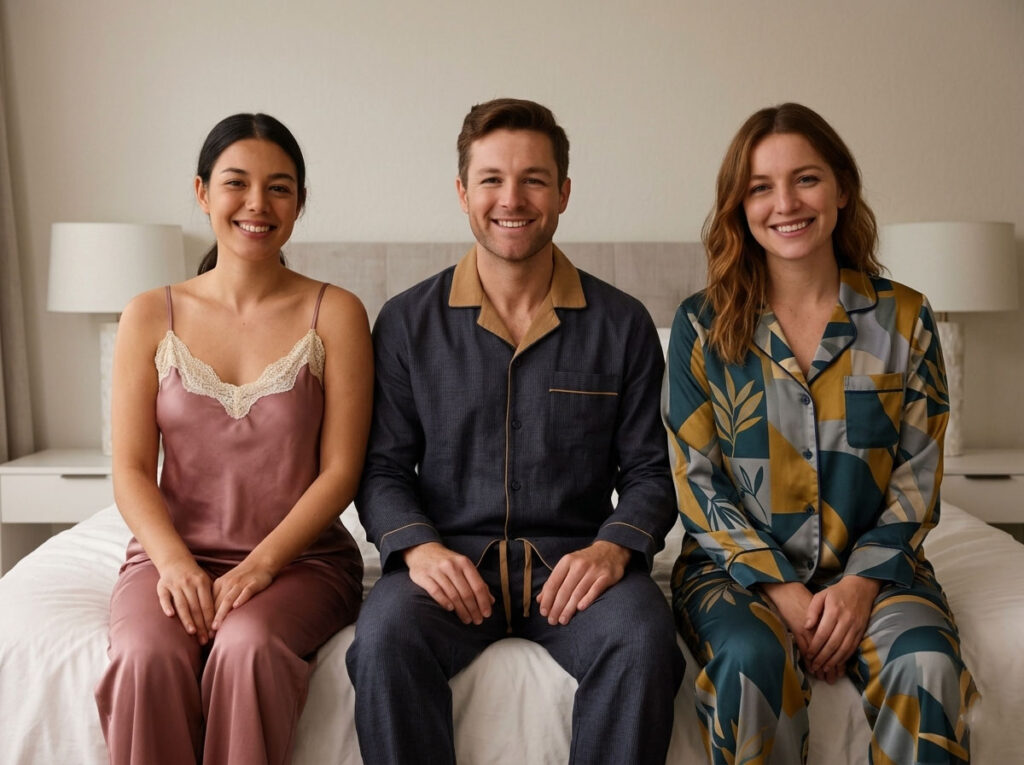
Fabric is what really affects sleep comfort. Cotton is breathable and soft, modal feels smooth with a relaxed drape, silk stays cool on the skin, flannel adds warmth, and fleece provides extra insulation in winter.
“Synthetics” are man-made fibers like polyester and nylon. They are durable, easy to care for, and often blended with natural fabrics to improve stretch, comfort, and affordability.
Synthetic fabrics in sleepwear usually include polyester, nylon, acrylic, and spandex. Their main benefits are durability, stretch, wrinkle resistance, and quick drying. Natural fabrics like cotton, linen, and silk focus more on breathability and comfort.
For everyday use, cotton-modal blends work well across seasons. In summer, silk pajama pants offer a cool, lightweight option but require careful washing. In winter, cotton-flannel blends with a small amount of polyester add warmth and durability. For active loungewear, adding 3–5% spandex improves flexibility and recovery.
The best fabric choice depends on your needs. If you sweat at night, avoid thick polyester fleece directly on skin. If you want easy care, synthetics help. If you have sensitive skin, check seams as well as fabric.
Fabric | Advantages | Disadvantages | Best Use Case |
Cotton | Breathable, soft, skin-friendly | May shrink or lose shape | Everyday sleepwear, all-season basics |
Modal | Smooth drape, cool touch | Can pill over time | Summer tops, close-to-skin sleepwear |
Silk | Excellent temperature regulation, lightweight, premium feel | Requires delicate care | Luxury sleepwear, hot sleepers |
Polyester | Durable, quick-drying, shape retention | Less breathable | Fleece layers, warm structures |
Spandex | High stretch and recovery | Sensitive to high heat | Waistbands, cuffs, active loungewear |
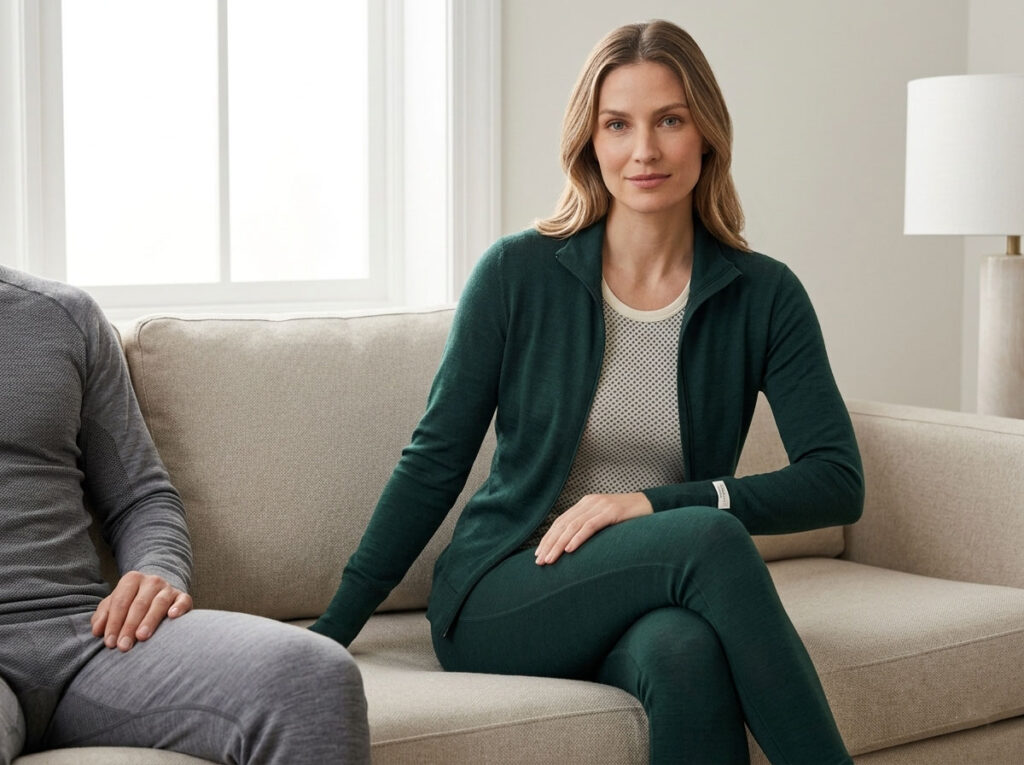
Thermal underwear is a close-fitting set of tops and bottoms designed to trap body heat and keep you warm by creating an insulating layer next to the skin.
It is best used in cold indoor environments, during winter mornings, or anytime heating is weak. It can be worn as a base layer under sleepwear or loungewear to add warmth without bulk. In short, thermal underwear is your first layer of protection in cold weather, helping you stay warm and comfortable with minimal weight.
Thermal underwear is usually made from cotton, wool blends, or synthetic fibers. When choosing, it’s not just about the material—fabric weight (GSM), stretch, and next-to-skin comfort are equally important. Men’s styles tend to focus more on function and durability, and are often worn under flannel pajamas as a base layer in cold travel or winter conditions.
I prefer waffle or ribbed textures because they trap air more effectively and reduce skin irritation from rough seams. Ideally, good thermal underwear should feel “invisible” within a few minutes of wearing it.
If you tend to sweat, merino wool blends are a better choice. If you’re on a budget, cotton-poly blends are a practical option. Neutral colors are more versatile and less likely to show through outer layers.
Thermal underwear is not only about warmth—it also extends the usability of lightweight sleepwear, making it possible to wear your favorite pajamas even in winter.
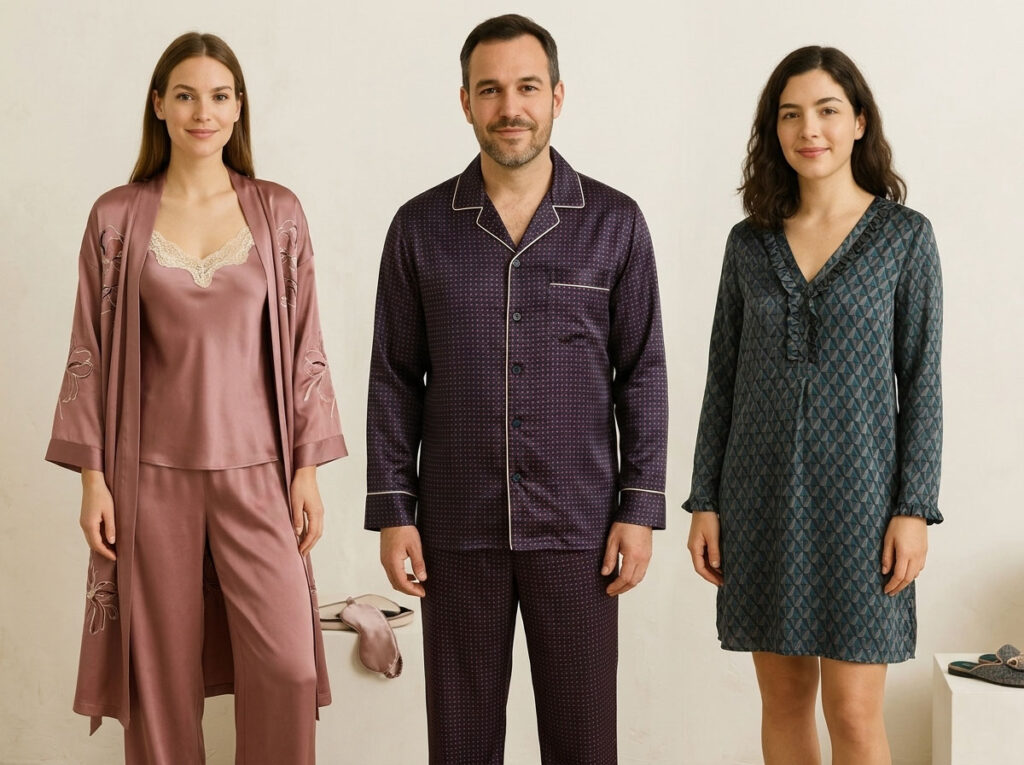
Novelty and vintage sleepwear can be visually appealing and perform well in photos, especially in social media content. However, I always prioritize quality first—checking stitching strength, shrinkage, and print durability before considering design.
Vintage styles like 1950s doll nightgowns or novelty designs can add charm, but they are only a bonus. Comfort, fit, and durability matter more than appearance. The best sleepwear looks good and still feels effortless to wear all night.
When sourcing or designing sleepwear, I usually make decisions with a single-page checklist. This helps reduce returns and avoids unnecessary trial and error. The logic is simple: start with comfort needs, then match fabrics and structure.
If you tend to sleep hot, go for cotton double-knit or modal pajama sets, which offer better breathability and skin comfort.
If you feel cold easily, flannel pajamas work well, or you can layer with fleece jogger pants for extra warmth.
For gifting, neutral colors like black, white, or plaid are the safest choices and work for most people.
For men working from home, pajama pants with pockets paired with a Henley top offer a balance between video-call readiness and comfort.
For women who want a one-piece solution, sleepwear with cuffed sleeves is more practical and reduces styling effort.
For teens or photo-focused use, matching family Christmas pajamas with a subtle accent color create a clean, festive look.
For travel, pack pajama shorts with a lightweight long-sleeve top for flexibility and comfort.
For a more premium feel, try men’s silk pajama pants in summer. For durability, brushed flannel is a better long-term option.
When searching online, different keywords may appear such as “pajama types,” “types of pajamas,” or “sleepwear types.” While the wording differs, they all refer to the same underlying product category.
Season | Best Choice | Backup Option |
Summer | Cotton / modal set or pajama shorts | Silk bottoms |
Spring / Autumn (transitional) | Knit set + lightweight cardigan | Lightweight sleepwear pieces |
Winter | Flannel set + thermal underwear | Fleece jogger pants |
Holidays / Festive season | Plaid or red pajama set | Character-themed or novelty prints |
Choosing sleepwear is essentially about balancing three things: fabrics that suit the climate, styles that fit your daily routine, and designs or patterns that make you feel good.Good sleepwear doesn’t demand attention. At night, it quietly disappears into your comfort, becoming something you barely notice. In the morning, as you wake up and have your coffee, it still looks fresh, clean, and presentable.Comfort is never a compromise. Good design is what allows you to move naturally between relaxation and a sense of everyday polish.
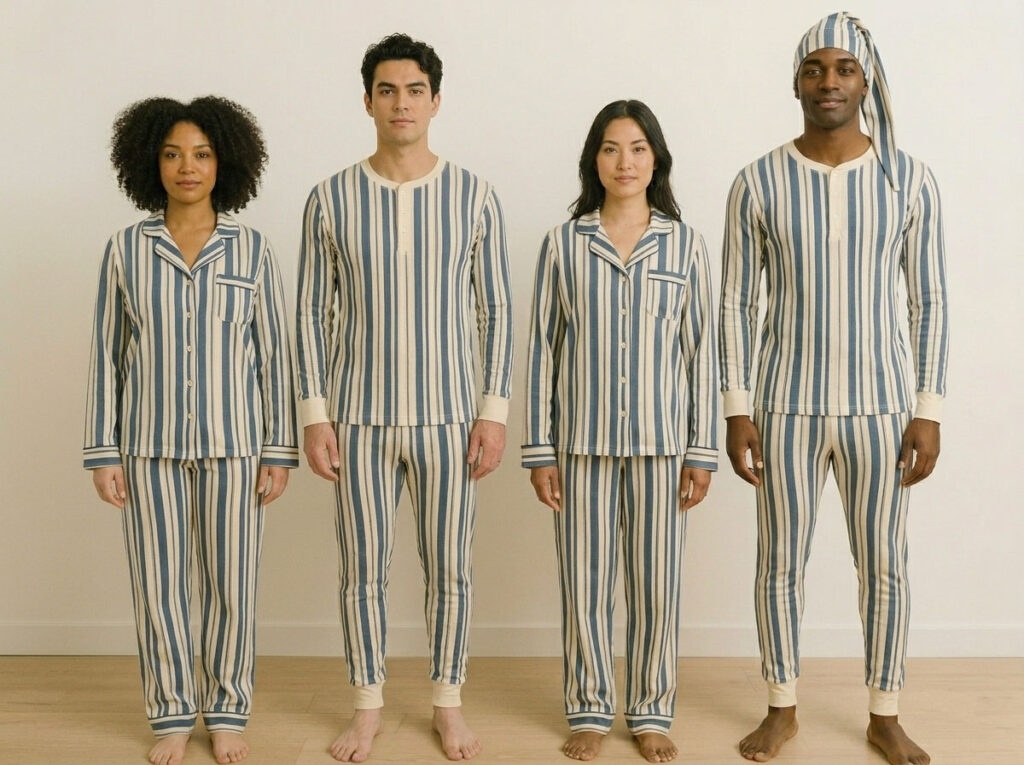
In the sleepwear wholesale and brand development space, Liantao Apparel focuses on turning design concepts into scalable, market-ready products. We provide OEM and ODM sleepwear manufacturing services, along with full support in fabric selection, pattern development, and process optimization to help brands build a complete product system. From cotton-modal basics and flannel thermal sets to silk and functional blended sleepwear, we develop products tailored to target markets to achieve the best balance of comfort, durability, and cost efficiency.
For clients expanding into sleepwear wholesale or building their own brands, Liantao Apparel offers end-to-end support from sampling to bulk production. This helps shorten development cycles, reduce trial-and-error costs, and accelerate time to market. With a stable supply chain and flexible customization capabilities, we help brands differentiate their sleepwear collections and grow from simple manufacturing into long-term brand value.
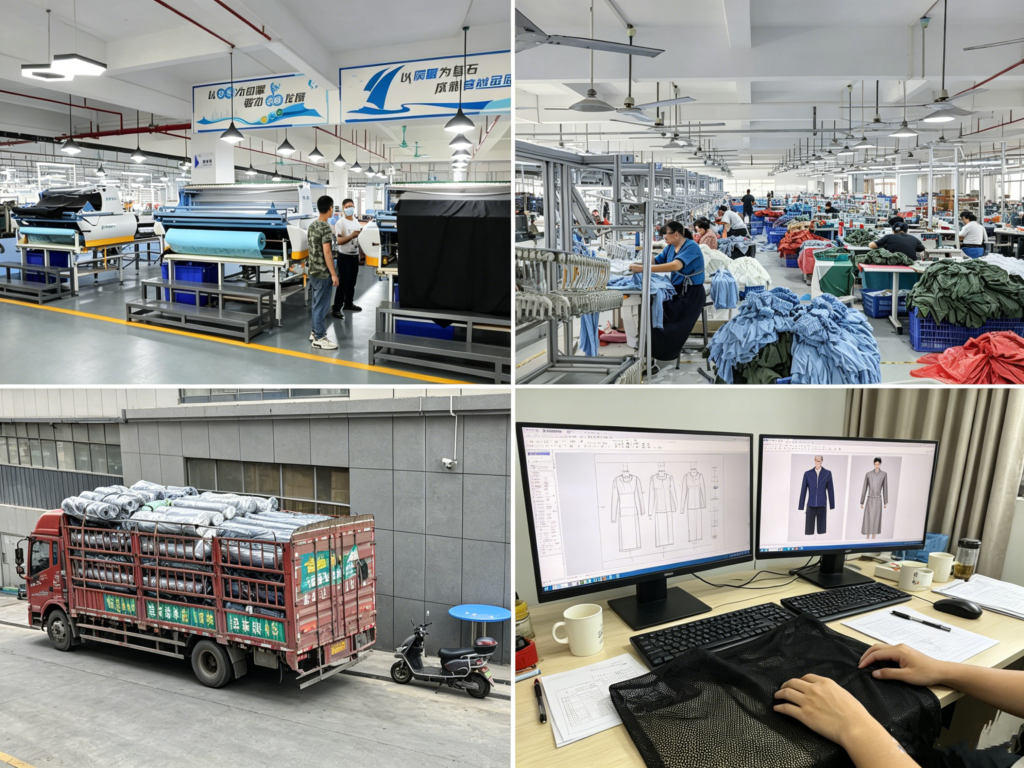
If you have any questions or require a quote, please leave
us a message. Our experts will get back to you within 24 hours to help you choose the ideal fashion products tailored to your needs.
Hi, I’m Lucy Cai, the founder of liantaoapparel.com. I’ve been managing a women’s clothing factory in China for over 16 years. With extensive experience in garment production and OEM services, I’m passionate about sharing insights into women’s fashion, apparel manufacturing, and global sourcing.
If you have any questions or need a quote, please contact us.
Please add us WhatsApp:+86 189 4809 3145
Provide us with detailed information about your requirements, supply design drawings or tech packs,
reference images, and share your ideas.
We will customize the best solution based on your needs and drawings, and provide a specific quote within 24 hours.
Once we receive your confirmation and deposit,we will commence mass production and take care of the subsequent shipping arrangements.