🏭 Looking for a Custom Apparel Manufacturer?
We are a leading OEM/ODM clothing factory with 20+ years of export experience. Custom styles, flexible MOQs, and retail-ready quality.
Let’s be honest: the absolute best part of a jumpsuit is only having to pick out one garment to rule your entire day. The absolute worst part? The bathroom struggle.
Yet, despite the minor inconvenience, the casual jumpsuit remains the undisputed champion of effortless style in 2026. It has officially evolved beyond the stiff ‘worker’ uniform into a sleek, ‘utility-luxe’ staple. Whether you’re eyeing a linen utility piece at Zara or looking for a premium Rayon blend that drapes like liquid silk without wrinkling, the secret to pulling it off isn’t just buying one—it’s knowing how to style it so you look intentionally chic, not accidentally lazy.
In this updated 2026 style guide, we’re breaking down the most flattering cuts for every body type, the shoes that actually complement a one-piece silhouette, and the 3 accessories that will elevate your 10-second outfit into a high-fashion statement
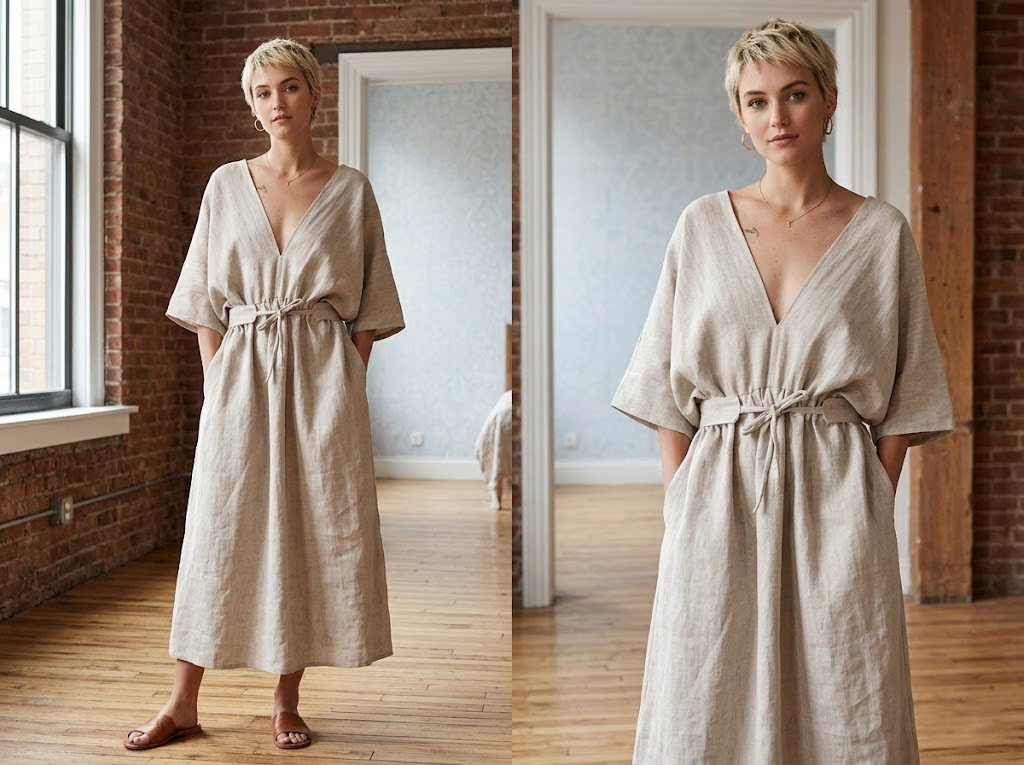
Cotton linen blend fabric combines the softness of cotton with the breathability and durability of linen.
Compared to pure linen, cotton linen blends are softer, more comfortable to wear, and less likely to wrinkle. Pure linen offers a more natural texture and excellent breathability but tends to be stiffer and wrinkles more easily. Choose a cotton linen blend for comfort and easy care, or pure linen for a premium natural look and feel.
| Feature | Pure Linen | Cotton Linen Blend |
| Wrinkle Resistance | ★★☆☆☆ Easily Wrinkles | ★★★★☆ Less Prone to Wrinkles |
| Softness | ★★★☆☆ Moderate | ★★★★★ Soft & Comfortable |
| Breathability | ★★★★★ Excellent | ★★★★☆ Very Good |
| Everyday Care | ★★☆☆☆ More Maintenance | ★★★★☆ Easy to Care For |
| Best For | Premium Apparel, Resort Wear | Casual Wear, Home Textiles |
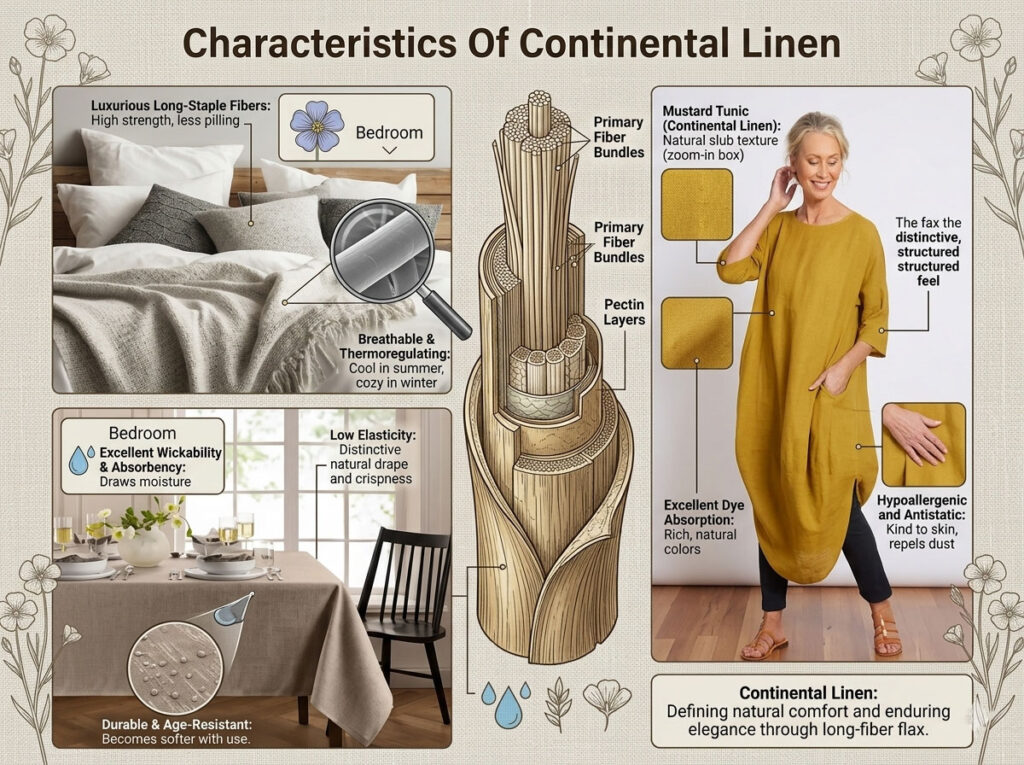
While cotton linen blends are comfortable and practical, they may not offer the same premium look and feel as pure linen.
Pure linen develops a unique softness and natural character over time, giving it a more luxurious appeal. Cotton linen blends, although durable and easy to wear, typically do not achieve the same high-end finish. For everyday apparel, this is rarely a concern, but brands seeking a more premium linen aesthetic may prefer pure linen.
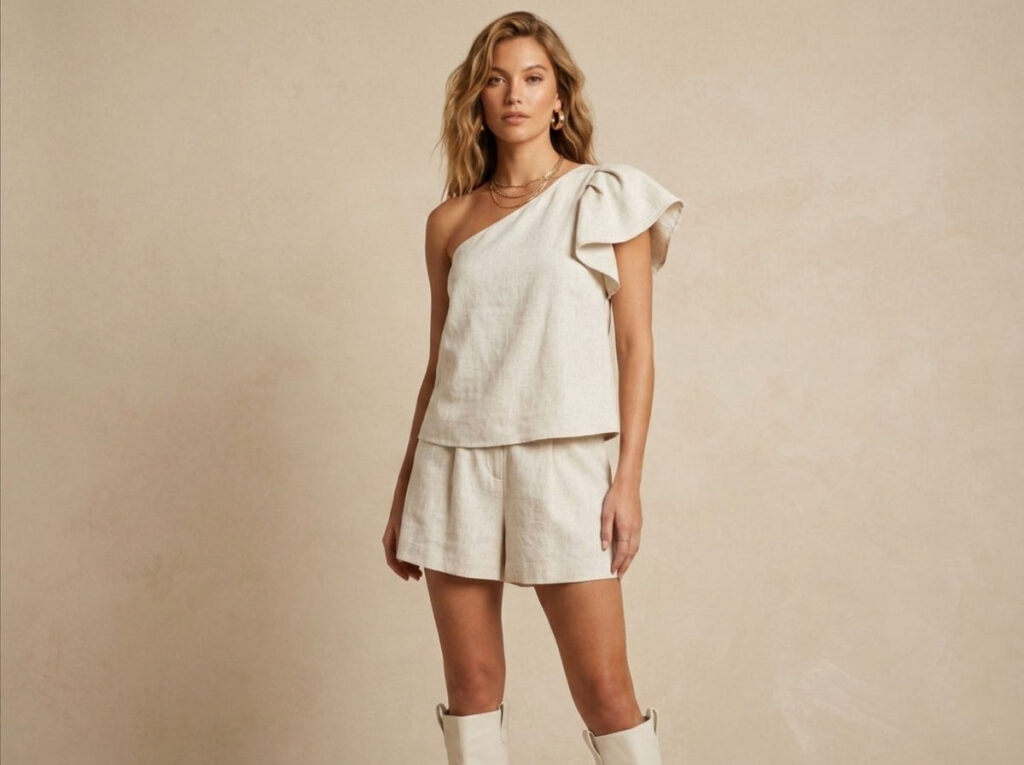
European linen is made from high-quality flax grown and processed in Europe. It is known for its finer fibers, better craftsmanship, and more refined finish.
Compared to traditional linen, European linen often feels softer, looks more elegant, and offers consistent quality, making it a popular choice for premium apparel and home textiles.
European linen is known for its smooth texture, premium quality, and elegant appearance. It is commonly used for:
If you are looking for a high-quality fabric with a timeless look, European linen is a great choice. Although it is usually more expensive than standard linen, its premium feel and durability make it a worthwhile investment.
Flax is the plant used to make linen fabric. Its natural fibers are strong, durable, and highly breathable.
What makes flax unique is its sustainability and low environmental impact. It requires fewer resources to grow than many other fibers, making linen a popular choice for eco-conscious consumers.Thanks to its strength, natural texture, and eco-friendly benefits, flax is the foundation of all linen products.
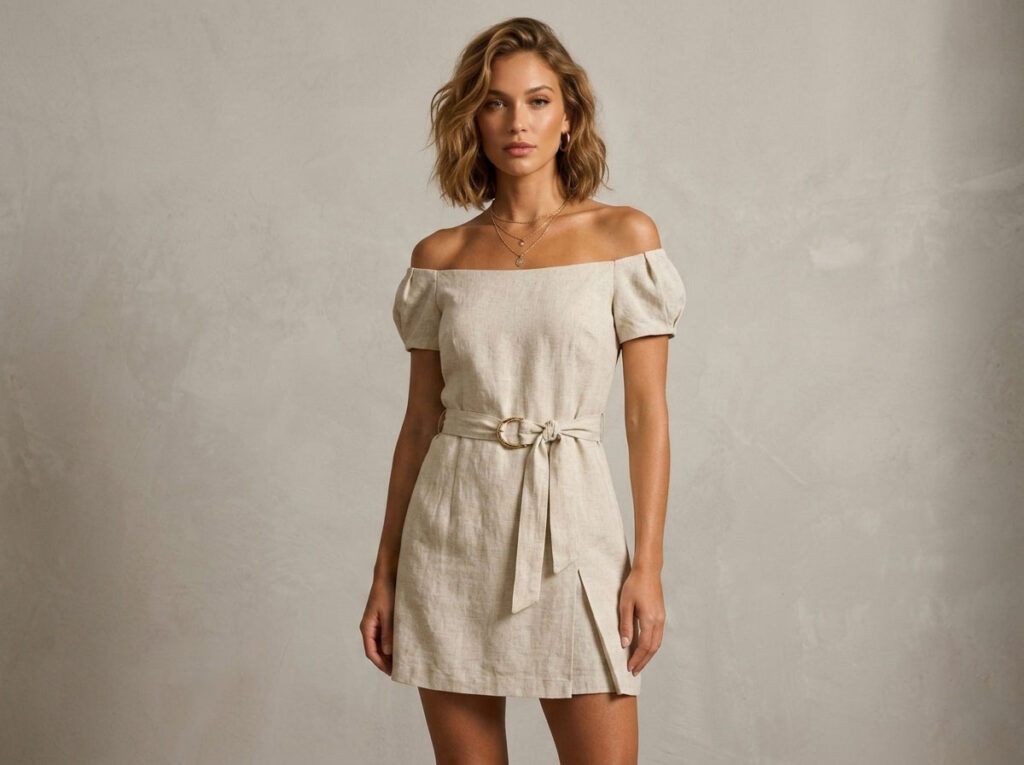
Linen’s higher price point is largely explained by its production process. Turning flax plants into finished linen fabric requires multiple labor- and time-intensive stages, each designed to preserve fiber quality and durability.
Flax is pulled from the ground rather than cut. This preserves the full fiber length, which improves strength, texture, and fabric quality.
The stalks are soaked or exposed to controlled moisture so the natural fibers separate from the woody stem. This step is critical for producing clean, high-quality fibers.
The fibers are extracted, cleaned, and combed to align them and remove impurities. Better fiber preparation leads to a smoother, more consistent fabric.
The prepared fibers are spun into yarn and then woven into linen fabric, creating the breathable, durable textile used in apparel and home products.
Linen is valued for its natural performance, durability, and sustainability, making it a popular choice for both apparel and home textiles.
Linen is durable, but proper care helps it stay soft and long-lasting.
Keeping linen in great condition is simple with the right care:
Linen is highly versatile and works well for many occasions. Its natural drape combined with clean tailoring creates a look that is both relaxed and refined, making it easy to dress up or down. As a result, linen is suitable for everything from casual outfits to more formal settings.
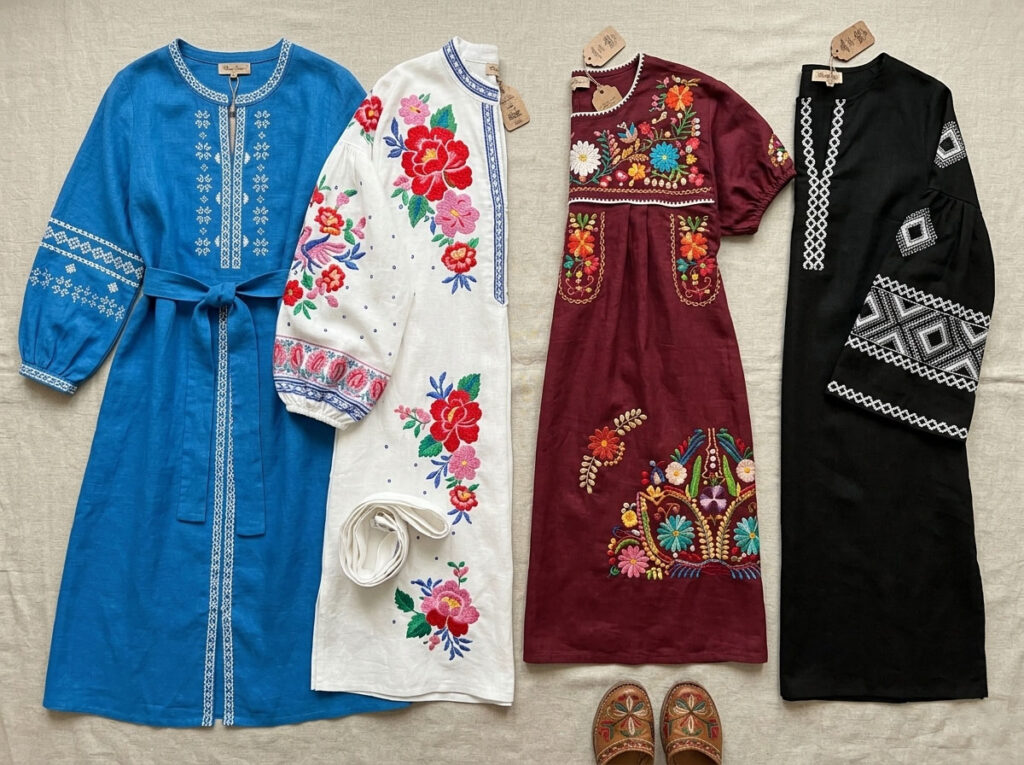
Embroidery adds texture, detail, and personality to garments, making it a key design element in modern fashion. Different styles create very different visual effects:
“Fresh linen” is more than a phrase—it describes a feeling of cleanliness and comfort.It is often associated with freshly washed sheets, a soft touch, and a cool, calming atmosphere.In short, fresh linen represents comfort, freshness, and relaxation.
Keeping linen fresh is all about proper care and storage that preserves both its feel and scent.
Linen is a great choice for children thanks to its natural comfort and safety. It is hypoallergenic, breathable, and durable, making it gentle on sensitive skin and comfortable for daily wear and sleep. Linen also helps regulate temperature, keeping kids cool and comfortable all day and night.
Linen suits and shirts are popular in summer because they are lightweight, breathable, and comfortable in hot weather. They allow air to flow easily, helping keep the body cool while maintaining a natural, stylish look.
Linen is a timeless fabric that combines comfort, style, and sustainability in one. Whether you are drawn to its rich heritage, eco-friendly production, or natural elegance, linen remains a versatile choice for both fashion and home. Its lasting appeal is a true reflection of its quality—making it a staple in wardrobes and interiors around the world.
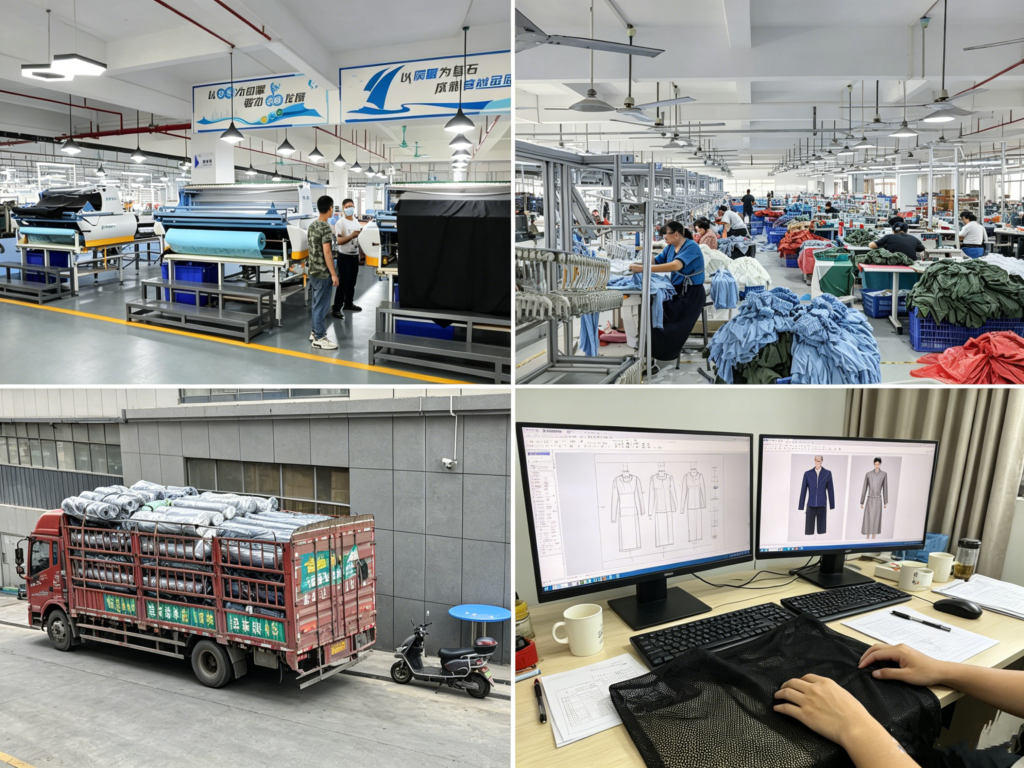
If you have any questions or require a quote, please leave
us a message. Our experts will get back to you within 24 hours to help you choose the ideal fashion products tailored to your needs.
Hi, I’m Lucy Cai, the founder of liantaoapparel.com. I’ve been managing a women’s clothing factory in China for over 16 years. With extensive experience in garment production and OEM services, I’m passionate about sharing insights into women’s fashion, apparel manufacturing, and global sourcing.
If you have any questions or need a quote, please contact us.
Please add us WhatsApp:+86 189 4809 3145
Provide us with detailed information about your requirements, supply design drawings or tech packs,
reference images, and share your ideas.
We will customize the best solution based on your needs and drawings, and provide a specific quote within 24 hours.
Once we receive your confirmation and deposit,we will commence mass production and take care of the subsequent shipping arrangements.