🏭 Looking for a Custom Apparel Manufacturer?
We are a leading OEM/ODM clothing factory with 20+ years of export experience. Custom styles, flexible MOQs, and retail-ready quality.
Hoodies are a wardrobe staple across men’s, women’s, and unisex fashion, but identifying the intended fit can sometimes be difficult. Is the hoodie designed around a traditionally men’s block, a women’s block, or a gender-neutral silhouette?
You can usually determine the intended category by looking at fit, proportions, sizing, shoulder construction, sleeve length, and design details. Traditional men’s hoodies often use broader shoulders and a straighter body, while women’s hoodies may use more shaped proportions, shorter lengths, or more fitted silhouettes. Unisex hoodies generally emphasize versatile, relaxed proportions.
The important point is that these are design conventions rather than strict rules. Many modern brands intentionally blur the boundaries through oversized silhouettes, cropped styles, and gender-neutral collections.
Let’s explore the main differences and how to identify each type.
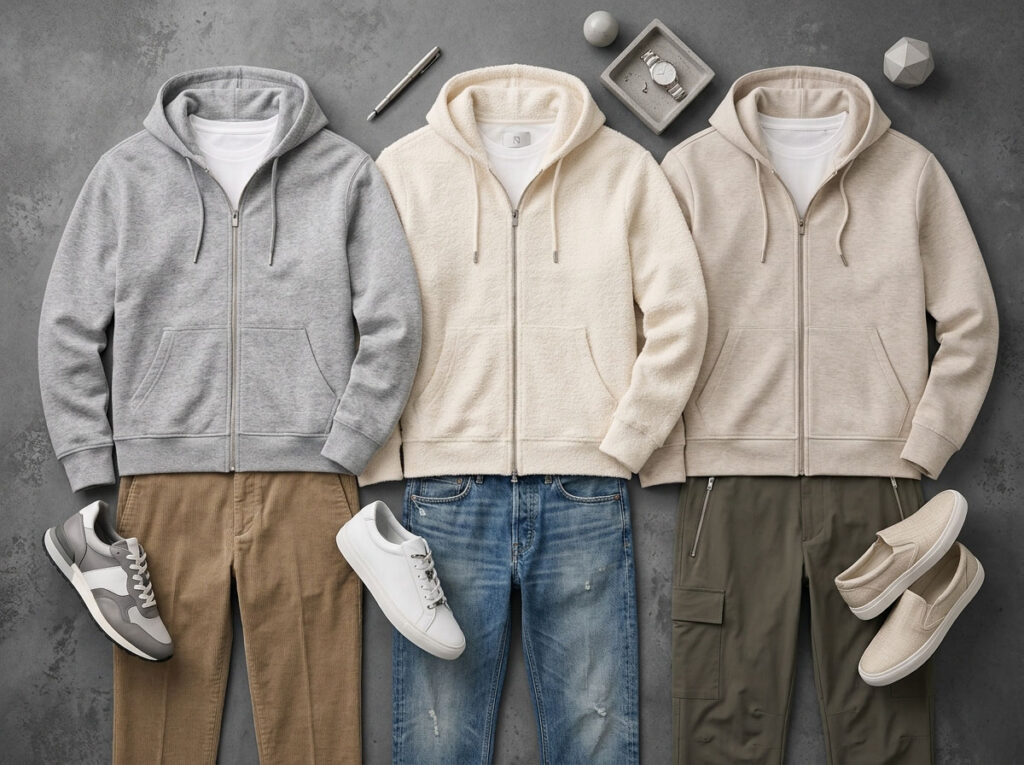
Although many hoodies are now marketed as unisex, traditional men’s and women’s versions can still differ in their pattern blocks and proportions.
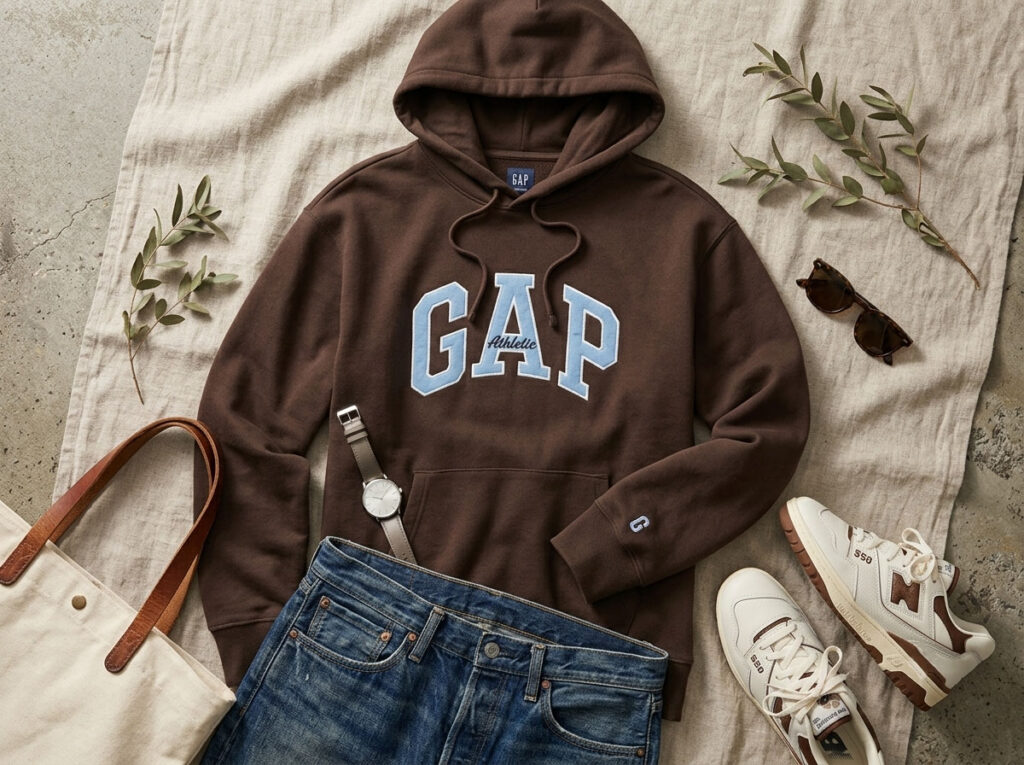
Men’s hoodies often use a straighter body and broader shoulder area, while women’s hoodies may use a more shaped torso, narrower shoulder proportions, or shorter body length.
| Feature | Men’s Hoodie | Women’s Hoodie |
|---|---|---|
| Fit | Straight, boxy, or relaxed | Shaped, fitted, or relaxed |
| Shoulders | Usually broader | Usually narrower or more shaped |
| Length | Often longer | Often shorter or cropped |
| Design Style | Sporty, minimalist, varied | Fashion-forward, sporty, varied |
| Sizing | Brand-specific men’s chart | Brand-specific women’s chart |
The easiest way to identify the intended category is therefore to evaluate the actual garment measurements and construction, not just the label.
Men’s hoodies traditionally use a straighter silhouette with more room through the shoulders, chest, and torso.
A classic men’s block usually emphasizes ease and mobility rather than shaping the waist. However, modern men’s collections can also include slim-fit, cropped, oversized, and fashion-driven designs.
| Feature | Men’s Hoodie Design |
|---|---|
| Fit | Straight, boxy, or relaxed |
| Shoulders | Broad or standard |
| Sleeve Length | Standard to longer |
| Color Palette | Neutral, graphic, or sporty |
| Design Details | Functional and versatile |
These characteristics can help identify a traditional men’s hoodie, but they should not be treated as absolute rules. Fashion brands increasingly produce men’s styles with cropped, fitted, colorful, and highly decorative designs.
Women’s hoodies are often developed from a different pattern block, with greater attention to shoulder proportions, body shaping, garment length, and fit around the waist.
However, women’s hoodies are not limited to fitted or decorative designs. Oversized, relaxed, athletic, minimalist, and streetwear silhouettes are also widely used.
| Feature | Women’s Hoodie Design |
|---|---|
| Fit | Shaped, fitted, relaxed, or oversized |
| Shoulders | Narrower or more shaped |
| Color Palette | Neutral, bright, pastel, or printed |
| Design Details | Minimal, decorative, or fashion-led |
| Style Options | Fitted, cropped, relaxed, oversized |
These characteristics may suggest a women’s pattern block, but the only reliable way to confirm the intended fit is to check the actual measurements and product specifications.
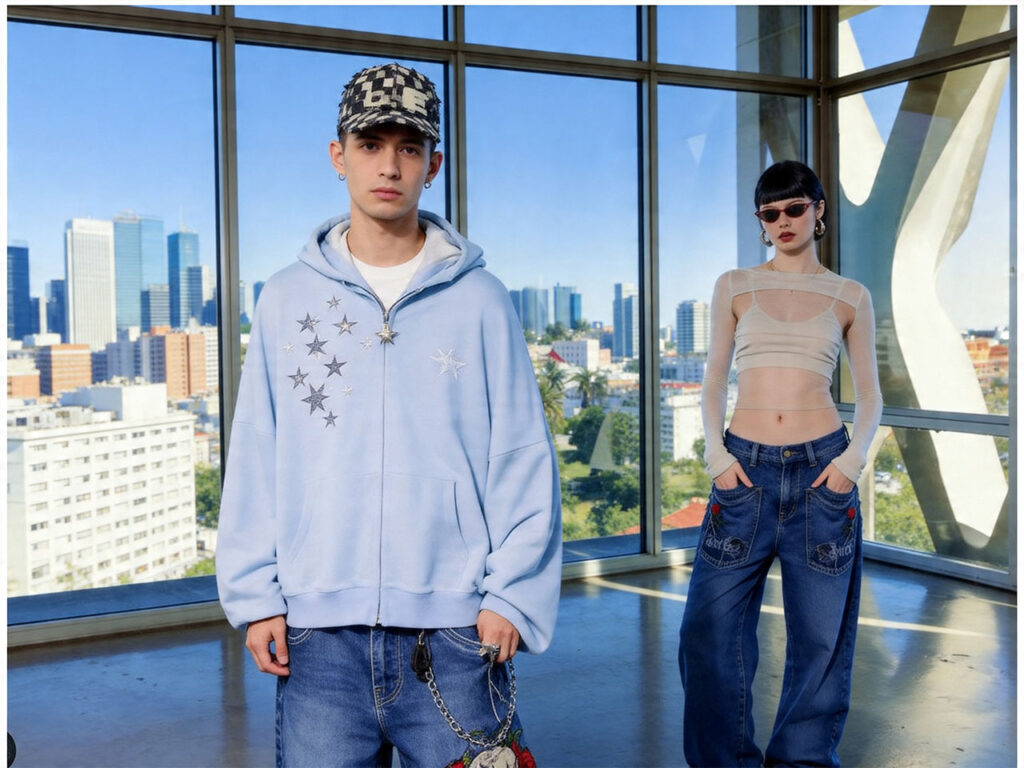
Yes. Unisex hoodies are specifically designed to be worn across genders, although “unisex” does not mean that one pattern will fit every body in exactly the same way.
Many unisex hoodies use relaxed, straight, or oversized silhouettes with simple styling and flexible proportions.
| Feature | Unisex Hoodie Design |
|---|---|
| Fit | Relaxed, straight, or oversized |
| Colors | Neutral, graphic, or versatile |
| Sizing | Often XS to XXL or broader |
| Style | Basic, modern, adaptable |
| Best For | Casual wear, streetwear, layering |
The defining characteristic of a unisex hoodie is therefore not a specific color or size label, but an intentional design that accommodates a broad range of wearers.

Not necessarily. A hoodie’s gender category is a product-development and merchandising choice, not a rule about who can wear it.
Many consumers select hoodies based on fit, fabric, comfort, proportions, and personal style rather than the category assigned by the retailer.
For shoppers, measurements are often more useful than gender labels. A person who prefers an oversized silhouette may select a traditionally men’s hoodie, while another wearer may prefer a women’s cropped or fitted style.
| Shopping Tip | Why It Matters |
|---|---|
| Look Beyond Labels | Helps prioritize actual fit and personal preference |
| Focus on Measurements | Reduces sizing mistakes |
| Try Different Silhouettes | Helps identify your preferred proportions |
| Mix and Match | Increases styling versatility |
For brands, this flexibility is one reason unisex and gender-inclusive hoodie collections continue to be attractive. A well-developed pattern can serve a broad audience when the size range, proportions, and grading are carefully engineered.
So, how can you tell whether a hoodie is designed for men, women, or both? Start with the fit and construction rather than relying on the label alone.
Traditional men’s hoodies often use broader shoulders, straighter bodies, and longer proportions. Traditional women’s hoodies may feature more shaped silhouettes, narrower proportions, or shorter lengths. Unisex hoodies are generally developed around adaptable, relaxed, or oversized proportions.
However, these categories are not fixed rules. Modern fashion increasingly combines oversized, cropped, fitted, athletic, streetwear, and gender-neutral designs.
For consumers, the most useful approach is to compare shoulder width, chest ease, sleeve length, body length, garment measurements, and overall silhouette.
For apparel brands, these differences should be defined much earlier during product development. Pattern blocks, grading, fabric stretch, garment construction, size specifications, and intended market positioning all need to work together.
At Liantao, these details are important when developing men’s hoodies, women’s hoodies, unisex hoodies, custom hoodies, and private-label collections. Whether a brand wants a classic men’s block, a shaped women’s silhouette, or a versatile unisex design, accurate measurements and consistent manufacturing determine how the finished garment performs.
The best hoodie is not necessarily the one carrying the most specific gender label. It is the one whose fit, proportions, fabric, construction, and design match the customer and intended use.
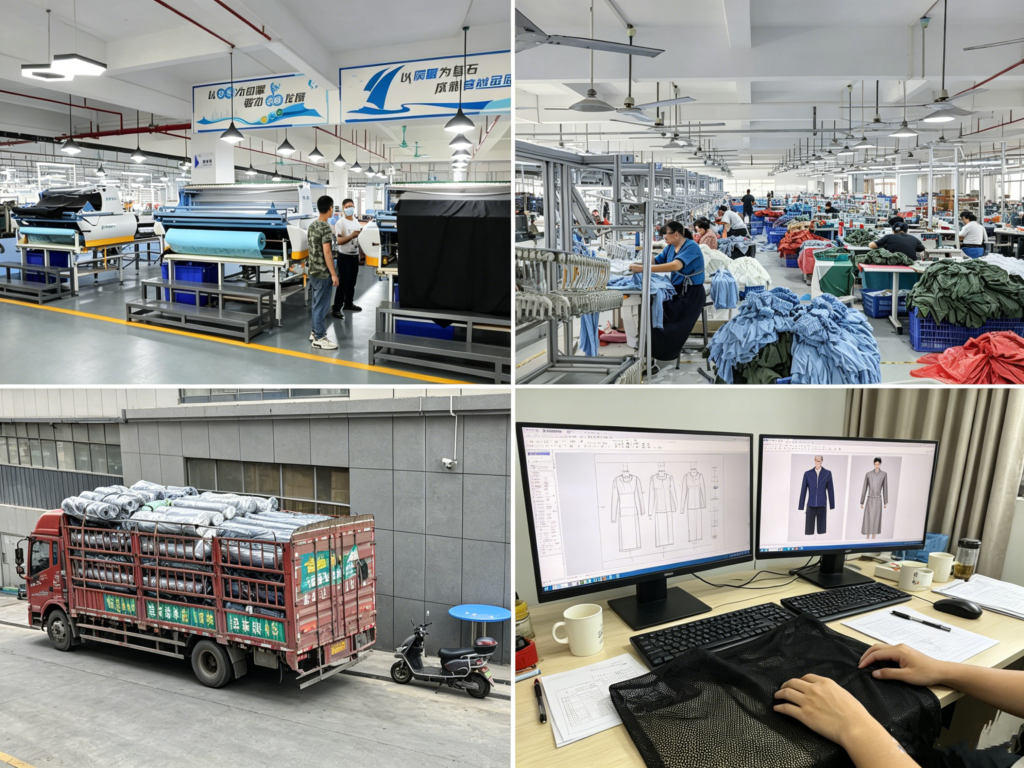
If you have any questions or require a quote, please leave
us a message. Our experts will get back to you within 24 hours to help you choose the ideal fashion products tailored to your needs.
Hi, I’m Lucy Cai, the founder of liantaoapparel.com. I’ve been managing a women’s clothing factory in China for over 16 years. With extensive experience in garment production and OEM services, I’m passionate about sharing insights into women’s fashion, apparel manufacturing, and global sourcing.
If you have any questions or need a quote, please contact us.
Please add us WhatsApp:+86 189 4809 3145
Provide us with detailed information about your requirements, supply design drawings or tech packs,
reference images, and share your ideas.
We will customize the best solution based on your needs and drawings, and provide a specific quote within 24 hours.
Once we receive your confirmation and deposit,we will commence mass production and take care of the subsequent shipping arrangements.