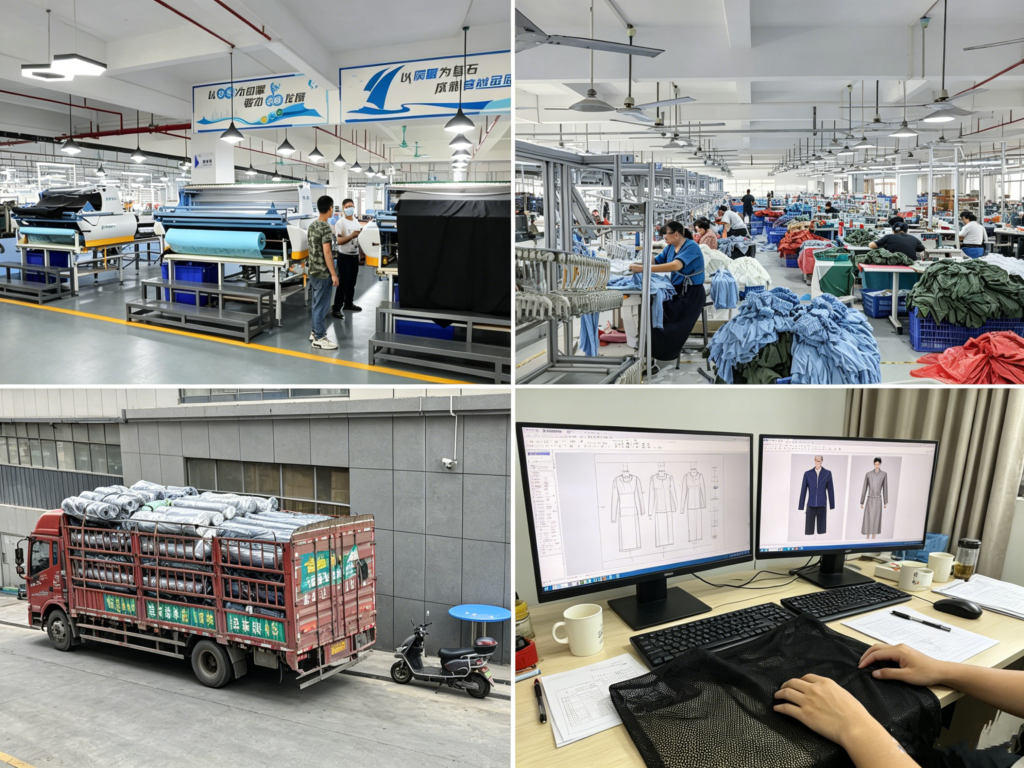
🏭 Looking for a Custom Apparel Manufacturer?
We are a leading OEM/ODM clothing factory with 20+ years of export experience. Custom styles, flexible MOQs, and retail-ready quality.
👉 Get a Free Quote & Fabric Swatches
Nike sweatpants have become a staple of modern athleticwear, athleisure, and casual fashion. They are valued for combining comfort, practical design, recognizable styling, and fabric technologies suited to different everyday and athletic uses.
From relaxed fleece pants for lounging to tapered joggers designed for movement, Nike offers sweatpant styles for a wide range of consumers. Their popularity also reflects a broader shift toward clothing that can move easily between workouts, travel, everyday activities, and casual settings.
From a manufacturing perspective, understanding Nike sweatpants means looking beyond the logo. Fabric selection, garment construction, fit, finishing, quality control, production efficiency, and sustainability all influence the final product.
In this guide, we examine the differences between Nike joggers and sweatpants, the materials commonly associated with Nike sweatpants, quality considerations, current design trends, manufacturing costs, and sustainability practices.
What Is the Difference Between Nike Joggers and Sweatpants?
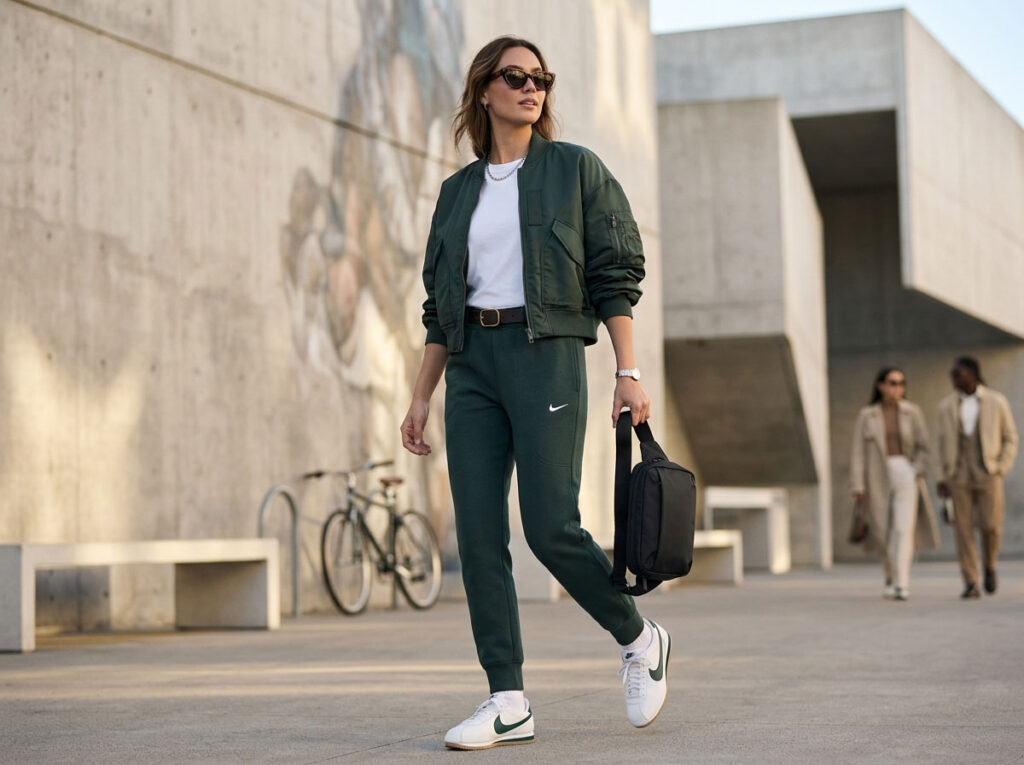
Nike joggers and sweatpants are closely related, but they are not exactly the same garment. Their differences are most visible in silhouette, intended use, fabric weight, and construction details.
Here are the key distinctions:
- Fit and Design:
- Nike Joggers: Usually feature a tapered silhouette that becomes narrower toward the ankle, often finished with elastic cuffs. This streamlined shape gives joggers a modern appearance while reducing excess fabric around the lower leg.
- Nike Sweatpants: Typically use a more relaxed silhouette and may feature either open hems or elastic cuffs. The emphasis is generally on comfort, warmth, and unrestricted movement.
- Purpose and Usage:
- Nike Joggers: Their tapered construction makes them suitable for training, warm-ups, travel, running, and everyday athleisure. The closer fit can make them easier to wear during active movement.
- Nike Sweatpants: A relaxed design is particularly suitable for lounging, casual wear, recovery, and low-intensity activities where comfort is the primary consideration.
- Material Choices:
- Nike Joggers: Depending on the product line, joggers may use lightweight polyester blends, stretch fabrics, fleece, or technical materials designed for flexibility and moisture management.
- Nike Sweatpants: Traditional sweatpants commonly use cotton-rich fleece, French terry, or cotton-polyester blends when softness and warmth are priorities.
From a manufacturing perspective, these differences influence pattern development, fabric selection, sewing operations, and finishing requirements:
- Production of Joggers: Tapered patterns require accurate cutting and consistent sewing to maintain symmetry and the intended silhouette. Stretch fabrics also require careful handling during cutting and stitching.
- Production of Sweatpants: Relaxed silhouettes can simplify certain construction steps, but manufacturers still need to control waistband dimensions, inseam accuracy, pocket placement, cuff construction, and fabric shrinkage.
- Quality Considerations: Both products require consistent measurements and seam construction so that the finished garments maintain their intended fit after washing and repeated wear.
Understanding these differences allows manufacturers to select the appropriate fabric, pattern, machinery, and quality-control process for each sweatpant or jogger style.
Why Are Nike Sweatpants So Popular?
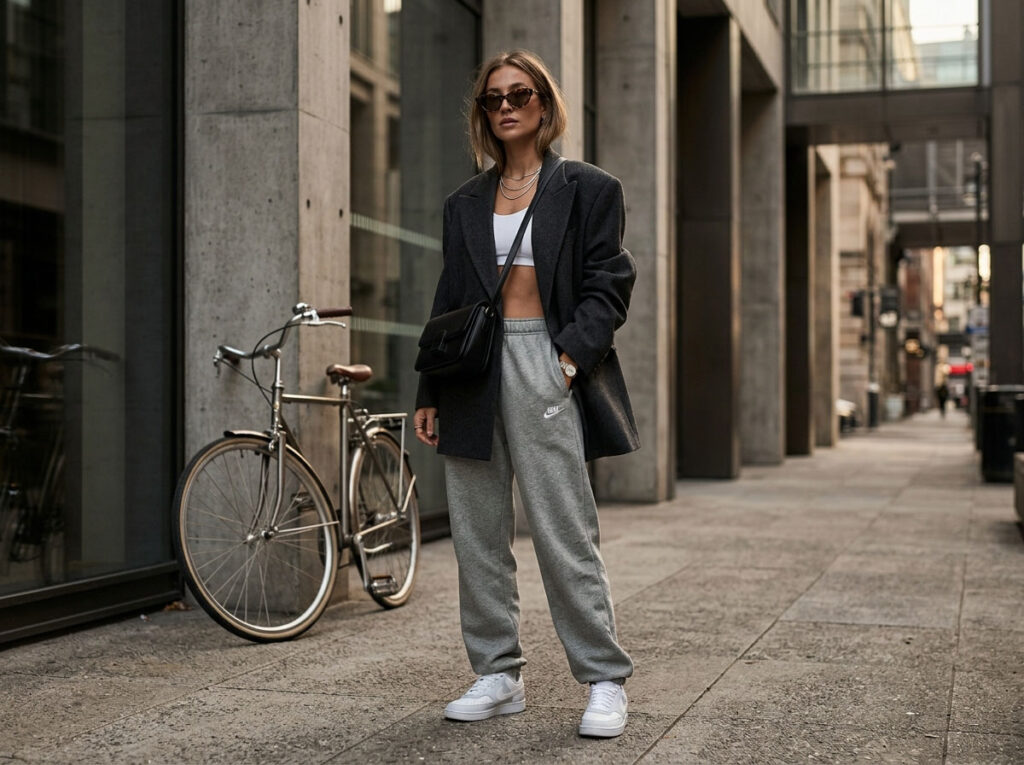
Nike sweatpants are popular because they combine comfort, functionality, recognizable design, and brand credibility.
Their appeal extends beyond traditional sportswear. Modern consumers increasingly expect one garment to work across several situations, from exercise and commuting to travel and relaxing at home.
Here are the key factors behind their widespread appeal:
- Comfort:
- Soft Fabrics: Cotton-rich fleece, French terry, and other soft materials provide a comfortable hand feel that works well for everyday wear.
- Ergonomic Construction: Elastic waistbands, drawcords, articulated shapes, and carefully positioned seams can improve comfort and allow the garment to accommodate different body movements.
- Functionality:
- Moisture Management: Technical fabric options can help move moisture away from the body during exercise, improving comfort during physical activity.
- Versatile Use: Sweatpants can transition from workouts to travel and casual activities, making them practical for consumers who prefer multifunctional wardrobes.
- Style:
- Modern Silhouettes: Tapered legs, relaxed fits, cuffed hems, and clean minimalist designs allow sweatpants to work within both athletic and streetwear wardrobes.
- Attention to Detail: Pockets, drawcords, waistbands, labels, logos, and seam details all contribute to the final visual identity of a garment.
- Brand Reputation:
- Strong Brand Recognition: Nike’s long-standing position in sportswear gives its products strong consumer recognition.
- Marketing and Athlete Influence: Athlete partnerships, sports culture, advertising, and lifestyle marketing help reinforce the brand’s visibility across performance and casual markets.
For manufacturers, these consumer expectations translate into specific production requirements:
- High-Quality Materials: Fabric must be selected according to the garment’s intended use, target price, hand feel, durability, and performance requirements.
- Advanced Production Techniques: Accurate pattern cutting, controlled sewing tension, reinforced stress points, and appropriate finishing help create consistent garments.
- Consistent Quality: Reproducible measurements, color standards, seam quality, and fabric performance are essential when producing at scale.
A successful sweatpants product therefore requires more than an attractive design. Fabric, fit, construction, and quality control must work together.
What Material Are Nike Sweatpants?

Nike sweatpants can use different fabric compositions depending on the specific product, intended activity, season, and performance requirements.
Common material categories include cotton, polyester, fleece, French terry, and blended fabrics. The exact composition varies across product lines, so buyers should always check the product’s current fiber-content label.
The most common materials include:
- Cotton:
- Softness and Breathability: Cotton provides a naturally soft hand feel and is commonly used when comfort is a major product priority.
- Everyday Comfort: Cotton-rich sweatpants are particularly suitable for casual wear, lounging, and lifestyle collections.
- Polyester:
- Durability: Polyester offers good resistance to repeated wear and can contribute to dimensional stability and long-term garment performance.
- Moisture Management: Technical polyester fabrics can be engineered to move moisture away from the skin, making them suitable for active products.
- Blended Fabrics:
- Balanced Performance: Cotton-polyester blends can combine the softness of cotton with the durability and stability of polyester.
- Stretch and Mobility: Some constructions incorporate elastane or spandex to provide additional stretch and recovery where the design requires it.
- Fleece and French Terry:
- Warmth and Softness: Fleece provides a warmer, cozier interior, while French terry generally offers a lighter structure and greater breathability.
- Seasonal Versatility: Choosing between these constructions allows manufacturers to develop sweatpants for different climates and seasons.
In manufacturing, material selection should always begin with the intended end use.
- High-Intensity Activities:
- Performance-Oriented Fabrics: Higher synthetic content may be appropriate when moisture management, durability, and faster drying are important.
- Technical Enhancements: Fabric technologies can be selected to improve moisture handling, stretch, recovery, or temperature comfort.
- Casual Wear:
- Higher Cotton Content: Cotton-rich fabrics are often preferred for soft hand feel and everyday comfort.
- Comfort-Focused Construction: Relaxed fits, brushed interiors, and soft waistbands can make sweatpants better suited to lounging and casual use.
For manufacturers, the challenge is not simply choosing the most expensive fabric. The objective is to match fiber composition, fabric weight, construction, finishing, performance, and cost to the product’s intended market.
How Does Nike Ensure the Quality of Their Sweatpants?
High-quality sweatpants require consistent control from raw-material sourcing through cutting, sewing, finishing, inspection, and packing.
For a major sportswear product, quality is not determined by a single final inspection. It depends on controlling multiple stages of production so that the finished garment remains consistent from one production batch to another.
Important quality-control measures include:
- Rigorous Fabric Testing:
- Durability: Fabrics can be evaluated for strength, abrasion resistance, pilling, and other properties relevant to expected wear.
- Colorfastness: Testing helps determine whether colors remain stable during washing, rubbing, and repeated use.
- Comfort: Fabric hand feel, weight, stretch, recovery, and breathability should match the product specifications.
- Comprehensive Inspections:
- Raw Material Sourcing: Fabric and trims should be inspected before production to identify defects before they enter the cutting process.
- Production Stages: In-line inspections can identify sewing, measurement, construction, or workmanship problems while corrections are still possible.
- Final Assembly: Finished garments should be checked for measurements, appearance, labels, stitching, stains, and other defects before packing.
For manufacturers, maintaining consistent standards involves:
- Reliable Suppliers: Working with dependable textile and trim suppliers helps reduce variation in fabric composition, color, weight, and performance.
- Skilled Labor: Experienced operators are important for handling stretch fabrics, fleece, waistbands, cuffs, pockets, and other construction details.
- Thorough Quality Checks: Multi-stage inspections help detect problems earlier, reducing rework, material waste, and costly production delays.
- Clear Specifications: Detailed tech packs, measurement charts, approved samples, and construction standards give production teams measurable quality targets.
A strong quality-control system therefore protects both the physical performance of the sweatpants and the consistency of the brand’s product experience.
What Are the Latest Trends in Nike Sweatpants?
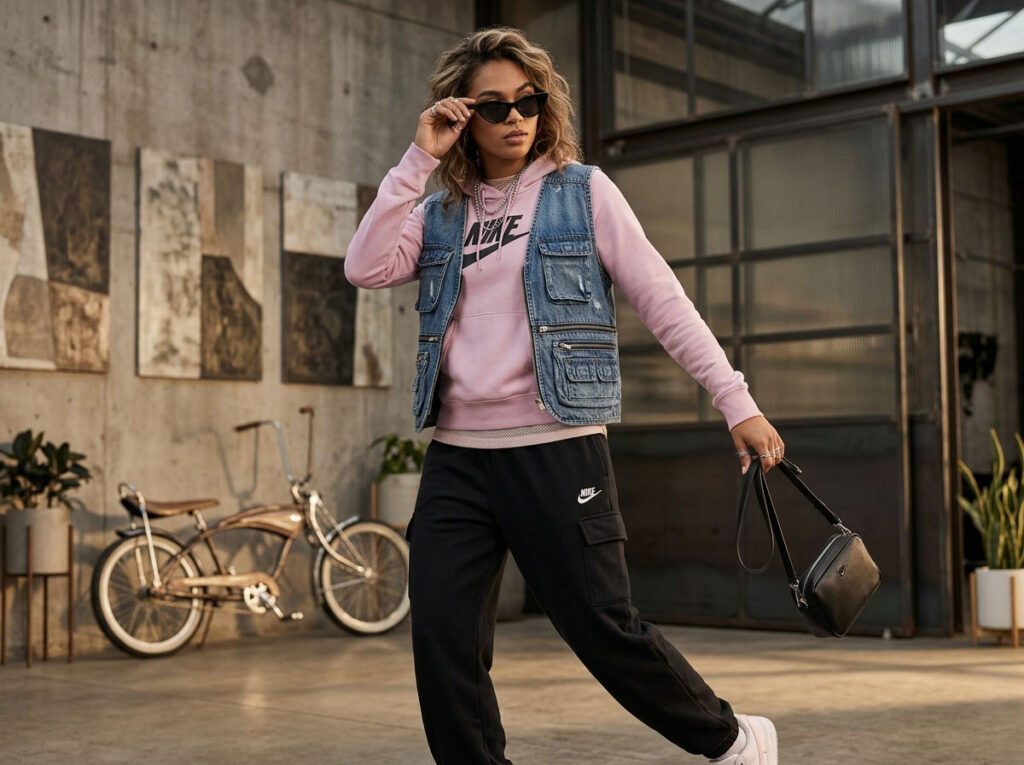
The sweatpants market continues to evolve as consumers look for products that combine comfort, performance, sustainability, and everyday versatility.
Current product development trends include:
- Sustainable Materials:
- Recycled Fibers: Recycled polyester and other recycled materials can reduce reliance on virgin resources when properly sourced and processed.
- Organic Cotton: Organic cotton is increasingly considered by brands seeking alternative fiber strategies and lower-impact material options.
- Responsible Production: Brands are also examining water, energy, waste, and chemical management throughout manufacturing.
- Innovative Design Features:
- Multifunctional Details: Zippered pockets, adjustable waistbands, secure drawcords, and practical storage improve everyday usability.
- Advanced Fabric Technologies: Moisture management, stretch, thermal comfort, and lightweight constructions can make sweatpants more suitable for active lifestyles.
- Focus on Versatility:
- Adaptive Styles: Consumers increasingly want sweatpants that can move from workouts to travel, errands, and casual social settings.
- Customizable Fit: Drawcords, elastic waistbands, tapered legs, cuffs, and multiple fit options allow brands to serve different body types and preferences.
For manufacturers, keeping pace with these trends requires continuous product development:
- Continuous Innovation: Manufacturers need to evaluate new fibers, fabric constructions, finishing methods, and production technologies to improve performance without unnecessarily increasing costs.
- Adaptation to Consumer Preferences: Market research, customer feedback, and sales data can help brands determine which fits, colors, materials, and features deserve further development.
- Sustainable Product Development: Sustainability should be considered during material selection, pattern efficiency, packaging, production, and product durability rather than treated as a single marketing feature.
These trends demonstrate why modern sweatpants are no longer simply basic lounge garments. They are increasingly positioned at the intersection of sportswear, athleisure, lifestyle, and streetwear.
How Does the Manufacturing Process of Nike Sweatpants Impact Their Price?
The manufacturing cost of sweatpants depends on multiple variables rather than fabric price alone.
Material composition, garment construction, labor, machinery, quality requirements, order quantity, packaging, compliance, and production efficiency can all influence the final cost structure.
Key factors include:
- Material Selection:
- Premium Materials: Organic cotton, recycled polyester, heavyweight fleece, and specialized performance fabrics may have higher material costs depending on sourcing and certification requirements.
- Specialized Fabrics: Moisture-wicking, stretch, thermal-regulating, brushed, or engineered fabrics can add development and production costs.
- Labor Costs:
- Skilled Workforce: Complex garments require trained operators for accurate cutting, sewing, finishing, and quality inspection.
- Labor Standards: Compliance with local labor requirements and responsible employment practices contributes to the overall manufacturing cost.
- Manufacturing Techniques:
- Advanced Production Processes: Specialized machinery, automated cutting, precision sewing, and advanced finishing can increase initial production costs while potentially improving consistency and efficiency.
- Quality Control: More extensive inspection and testing require additional time and resources but can reduce defects and returns.
- Regulatory Compliance:
- Environmental Requirements: Meeting applicable environmental standards may require investments in equipment, energy efficiency, waste management, and material certification.
- Safety and Labor Compliance: Appropriate workplace standards and product requirements also influence manufacturing expenses.
Manufacturers can control costs without simply reducing product quality by improving production efficiency:
- Efficient Manufacturing Practices:
- Optimized Workflows: Better production planning and line balancing can reduce idle time, bottlenecks, and unnecessary material movement.
- Automation: Automation can improve repeatability for suitable operations and reduce labor requirements for repetitive tasks.
- Economies of Scale:
- Bulk Purchasing: Larger material orders may provide better fabric and trim pricing when inventory requirements can be managed effectively.
- Large-Scale Production: Higher quantities can distribute development, setup, and other fixed costs across more units.
The final retail price of a branded sweatpant therefore reflects much more than the sewing cost. Product development, materials, quality requirements, logistics, marketing, distribution, and brand positioning can all influence the price consumers see.
What Are the Sustainability Practices in the Production of Nike Sweatpants?
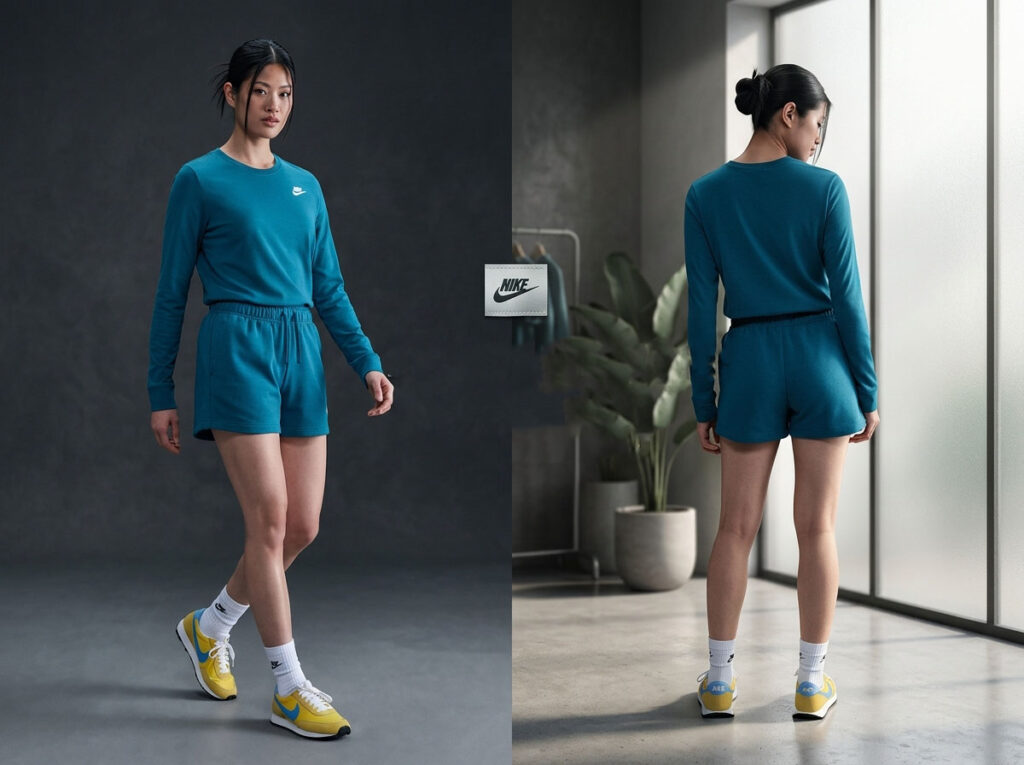
Sustainability has become an increasingly important consideration in sportswear manufacturing. Major brands are exploring recycled fibers, preferred materials, energy efficiency, waste reduction, and more responsible production practices.
For Nike sweatpants specifically, sustainability strategies can include the use of recycled polyester and organic or other preferred cotton sources, depending on the individual product and current brand programs.
One important approach is the use of recycled polyester. Recycled polyester can be produced from post-consumer or post-industrial plastic materials and used in selected textile applications.
This approach can reduce dependence on virgin polyester inputs and support material circularity when appropriate collection and recycling systems are available.
Another strategy is the use of organic cotton and other preferred cotton sources. Organic cotton is grown under standards that restrict the use of certain synthetic agricultural inputs and emphasize different farming practices compared with conventional cotton.
Sustainability also extends beyond fiber selection. Manufacturing facilities can improve environmental performance through:
- Energy Efficiency: Optimizing machinery, heating, cooling, lighting, and production schedules can reduce energy consumption.
- Renewable Energy: Where feasible, factories can incorporate renewable electricity or other lower-carbon energy sources into their operations.
- Waste Reduction: Better marker planning, cutting efficiency, fabric utilization, recycling, and production planning can reduce textile waste.
- Longer Product Life: Durable construction and appropriate fabric selection can help garments remain wearable for longer, reducing the frequency of replacement.
For responsible apparel manufacturers, sustainability should therefore be approached as a complete production system rather than a single material choice.
At Liantao Apparel, sustainable apparel development can include fabric selection, efficient production planning, material utilization, quality control, and collaboration with brands to develop products aligned with their environmental objectives.
The goal is to combine product performance, durability, manufacturing efficiency, and more responsible material choices while meeting the practical requirements of modern apparel brands.
Conclusion
Nike sweatpants demonstrate how a seemingly simple garment can involve sophisticated decisions about fabric, fit, construction, quality control, manufacturing efficiency, cost, and sustainability.
The difference between joggers and traditional sweatpants starts with silhouette and intended use, while material selection determines much of the garment’s comfort, durability, warmth, stretch, and performance.
For manufacturers, producing high-quality sweatpants requires much more than basic sewing. Accurate patterns, appropriate fabric selection, skilled workmanship, consistent measurements, reliable suppliers, and systematic quality control all contribute to the final product.
Sustainability is also becoming an increasingly important part of sweatpants development, with recycled materials, preferred fibers, energy efficiency, waste reduction, and longer product life influencing modern production strategies.
At Liantao, our experience in apparel manufacturing allows us to support brands developing custom sweatpants, joggers, fleece pants, and other sportswear products. From fabric selection and sample development to production and quality control, the objective is to turn a product concept into a consistent, market-ready garment.
For clothing brands, retailers, buyers, and designers, understanding how leading sweatpants are developed can provide valuable insight into creating products that balance comfort, performance, style, quality, cost, and sustainability.